Fathead minnow
Pimephales promelas
Also known as Rosy red minnow
FreshwaterFish
Care at a glance
- Temperature
- 50–72°F
- 10–22°C
- pH
- 6.5–8.0
- Adult size
- 3 in
- 7.5 cm
- Minimum tank
- 20 gal
- 75 L
- Temperament
- Peaceful
- Social behavior
- Schooling
- Swim level
- Bottom
- Difficulty
- Easy
- Breeding
- Medium
- Rarity
- Common
- Family
- Cyprinidae
- Origin
- North America
Overview
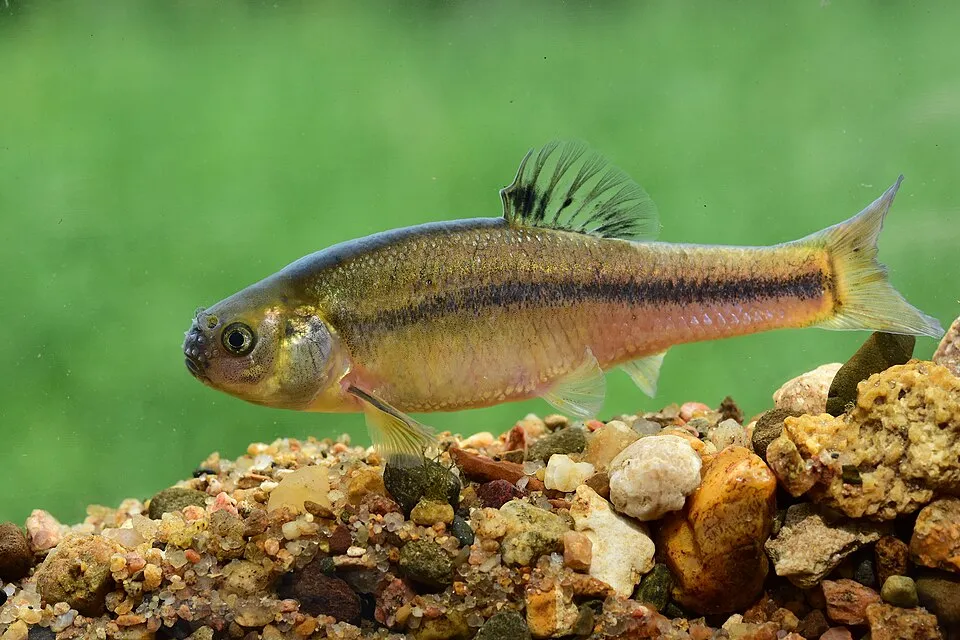
Keep them in a group, since they are peaceful schoolers that mostly work the lower part of the tank. They are about as easygoing as fish get and will eat flake, pellets, and frozen or live foods without complaint. The main thing is to keep them cool, as they do poorly in warm tropical tanks over the long run. A 75 liter tank gives a small group plenty of room.
In the wild
Fathead minnows are a hardy North American fish found in ponds, ditches, and slow streams, often in murky or low-oxygen water that defeats fussier species. They tolerate a wide range of conditions. In the aquarium they want cool water, roughly 10 to 22 C, so keep them unheated, and they accept pH from 6.5 to 8. A simple tank with some plants and a sandy or fine gravel bottom suits them fine.
Good to know
A small cyprinid in the family Cyprinidae, reaching about 7.5 cm. Breeding males turn dark, develop a fleshy pad on the back, and grow rows of bumps called breeding tubercles on the snout. The male guards eggs laid on the underside of a flat surface, which is unusual care for a minnow. The orange and gold aquarium strain sold as the rosy red minnow is a color form of this same species.
Did you know
Fathead minnows release an alarm substance from their skin when injured, and nearby fish smell it and immediately scatter or freeze. This chemical warning system is so reliable that researchers use the species as a standard test animal for water pollution studies.
Weekly picks
Tank mates
Fathead minnow is a peaceful, schooling species that keeps to the bottom. These picks share a community profile with it, are safe together in both directions, and overlap on water type, temperature and pH.
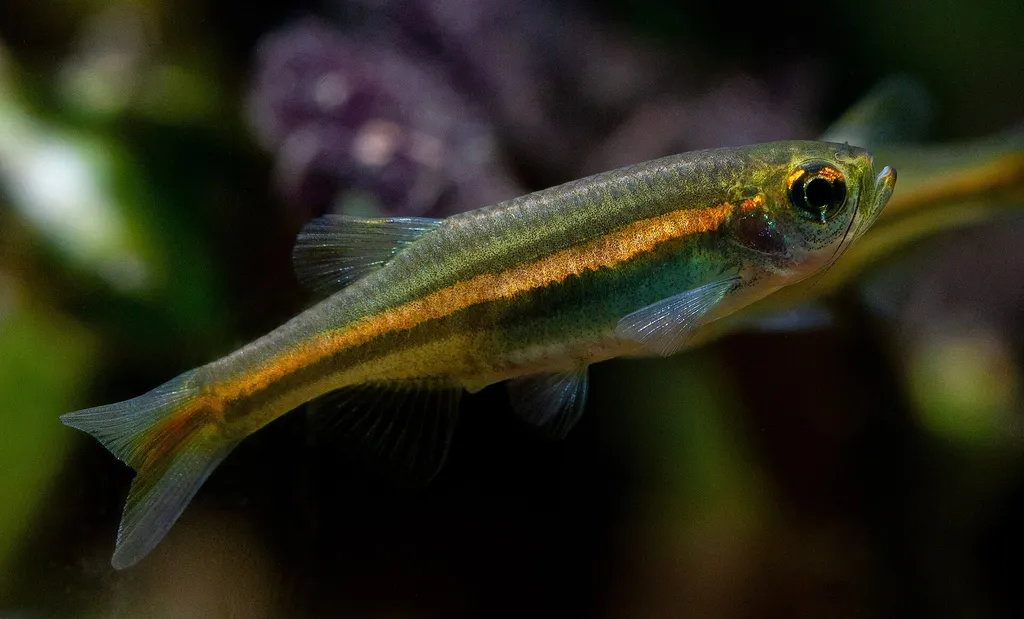
Jaintia danio
Danio jaintianensis
Freshwater2 in (5 cm) · 20 gal (75 L)64–75°F (18–24°C)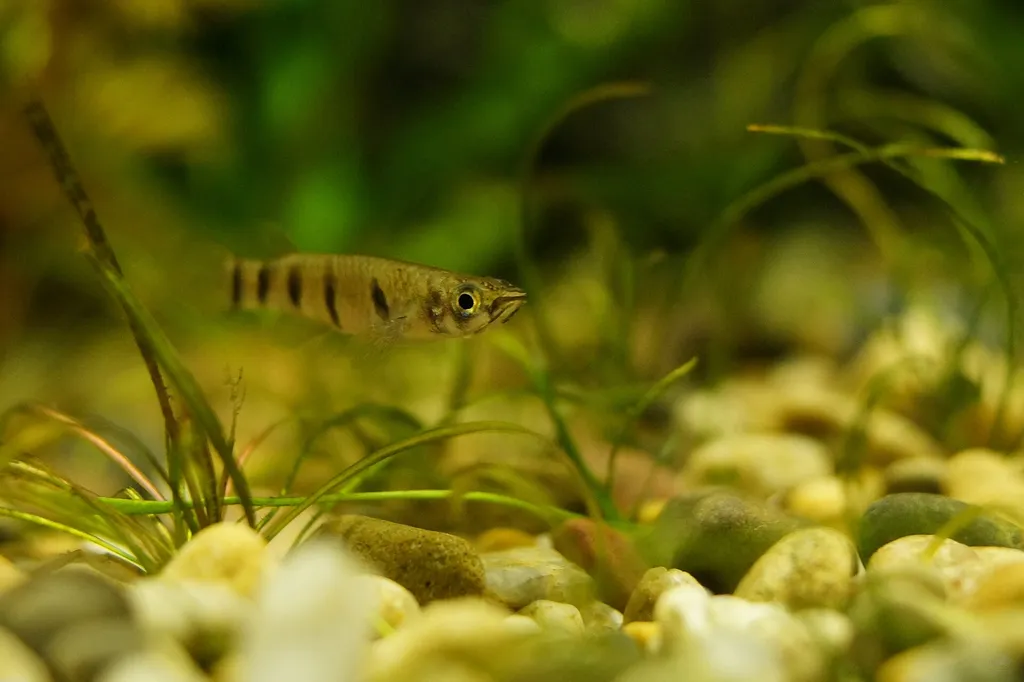
Red-chinned panchax
Epiplatys dageti
Freshwater1.8 in (4.5 cm) · 20 gal (75 L)70–75°F (21–24°C)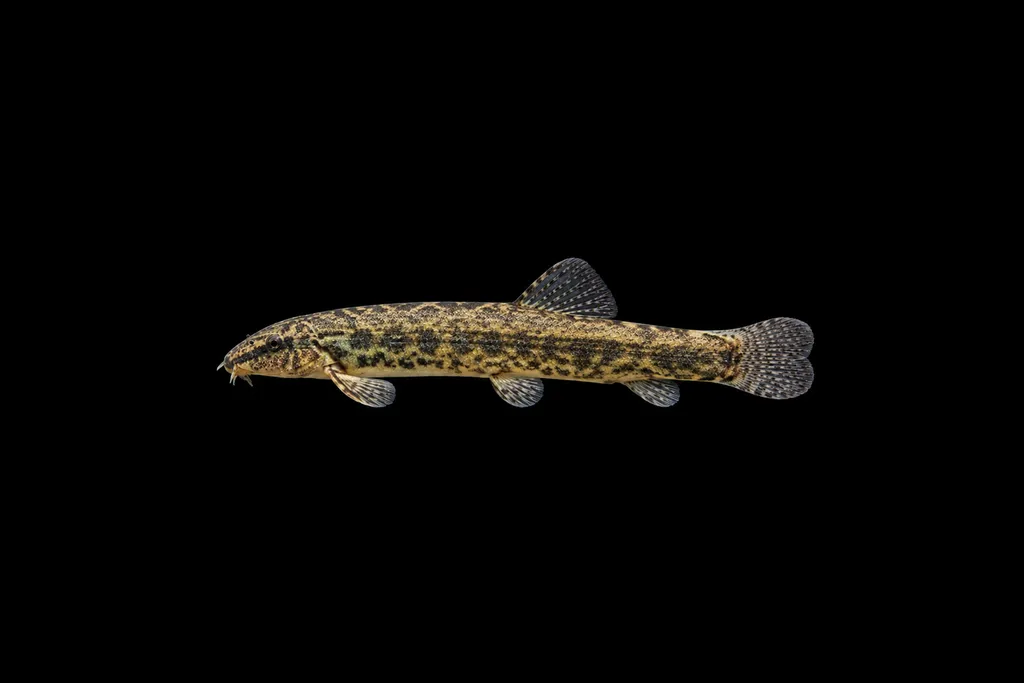
Nilgiri loach
Schistura nilgiriensis
Freshwater2.4 in (6 cm) · 20 gal (75 L)64–75°F (18–24°C)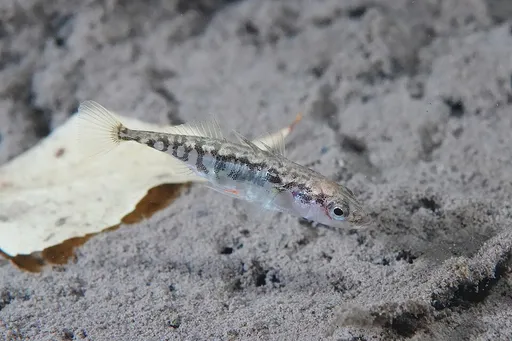
Three-spined stickleback
Gasterosteus aculeatus
Freshwater3.1 in (8 cm) · 20 gal (75 L)50–64°F (10–18°C)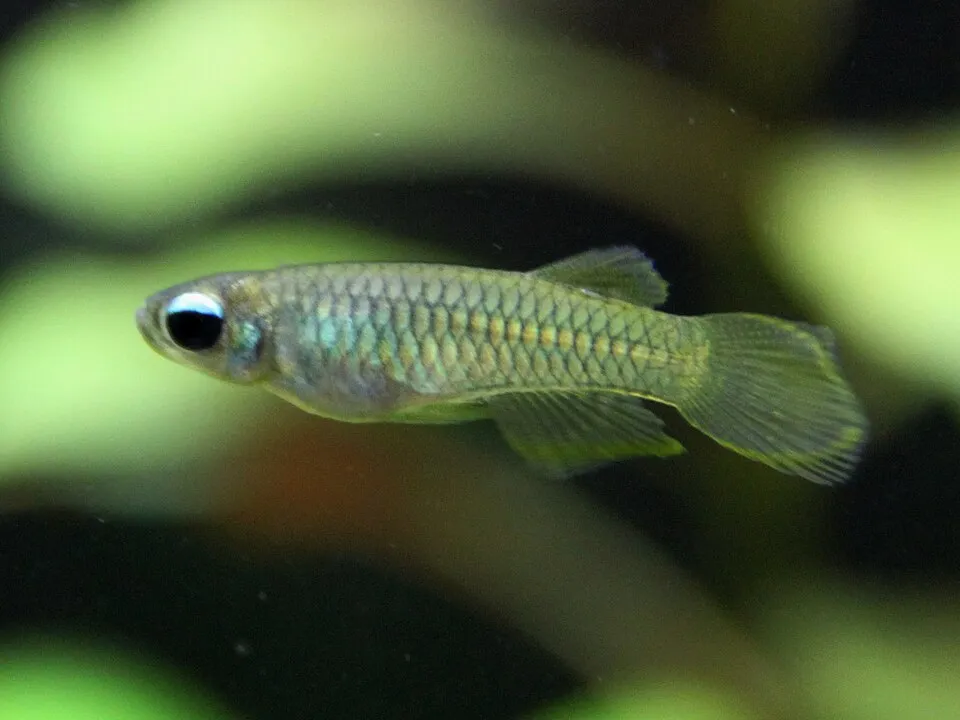
Norman's lampeye
Poropanchax normani
Freshwater1.6 in (4 cm) · 20 gal (75 L)72–79°F (22–26°C)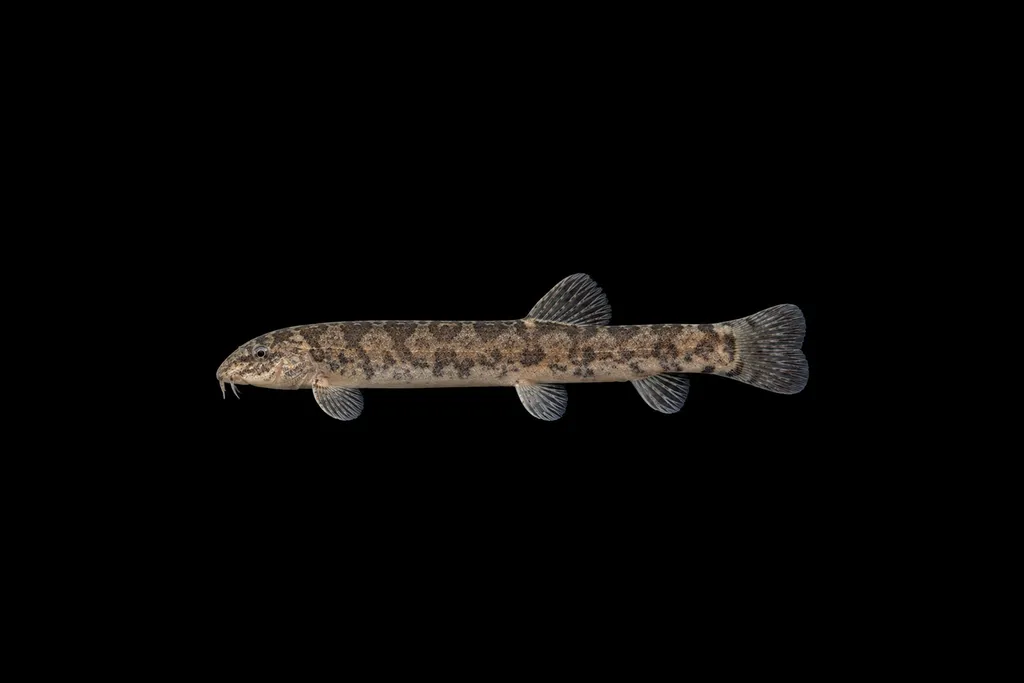
Cloud loach
Schistura nubigena
Freshwater2 in (5 cm) · 20 gal (75 L)64–75°F (18–24°C)
Common questions
What size tank does a Fathead minnow need?
A Fathead minnow needs at least 20 gal (75 L). It spends most of its time in the bottom.
What temperature and pH does a Fathead minnow need?
A Fathead minnow is comfortable at 50–72°F (10–22°C) with a pH of 6.5–8.0.
How big does a Fathead minnow get?
An adult Fathead minnow reaches about 3 in (7.5 cm).
Does a Fathead minnow need a group?
Yes. A Fathead minnow is a schooling species and should be kept in a group, not singly.
Related species
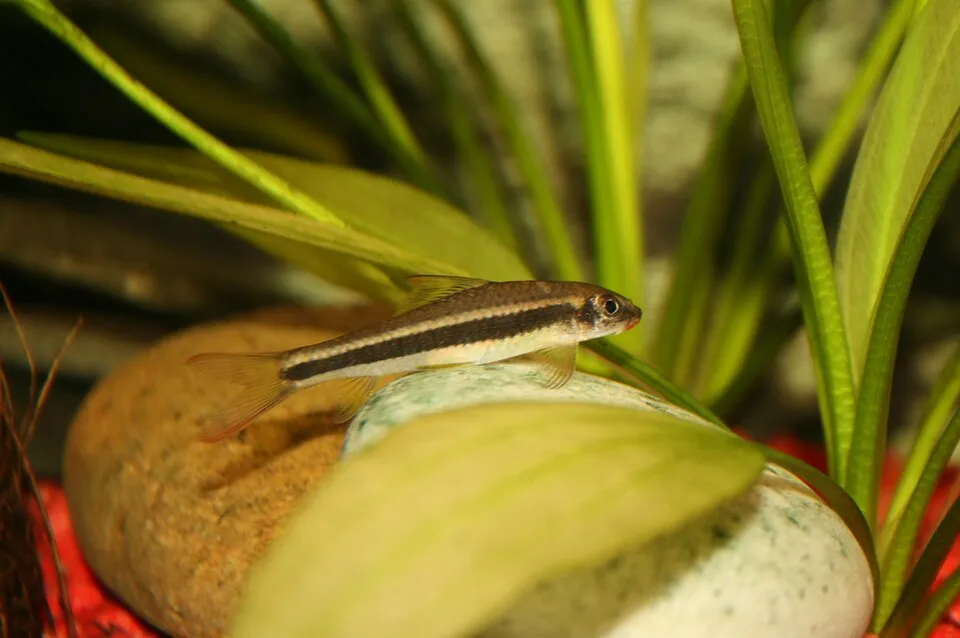
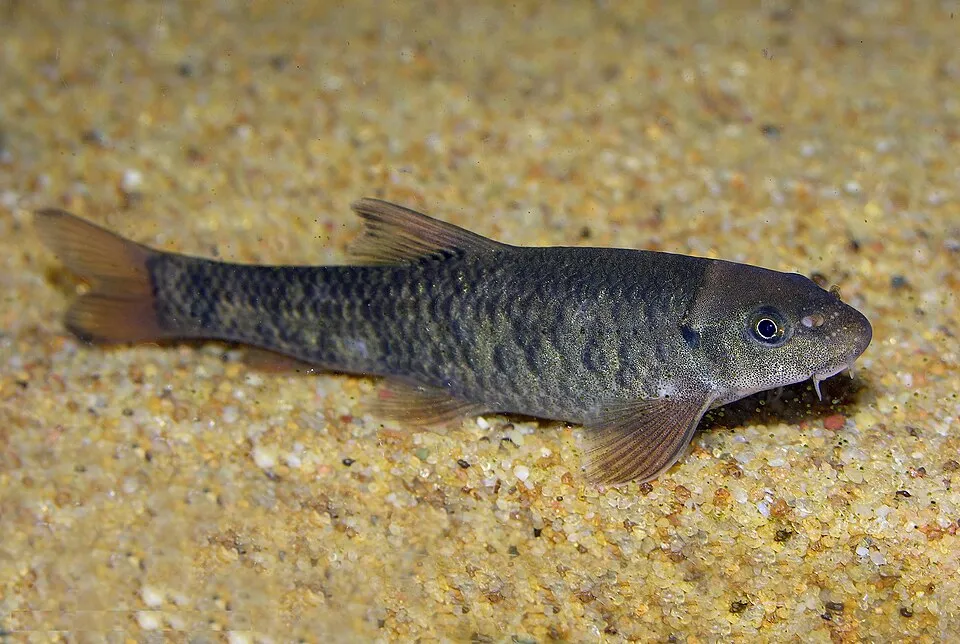 4.7 in (12 cm)29 gal (110 L)57–68°F (14–20°C)
Doctor fish
Garra rufa
4.7 in (12 cm) · 29 gal (110 L)
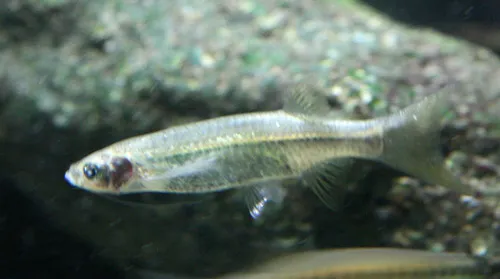
 5.9 in (15 cm)32 gal (120 L)68–81°F (20–27°C)
Cambodian log sucker
Garra cambodgiensis
5.9 in (15 cm) · 32 gal (120 L)
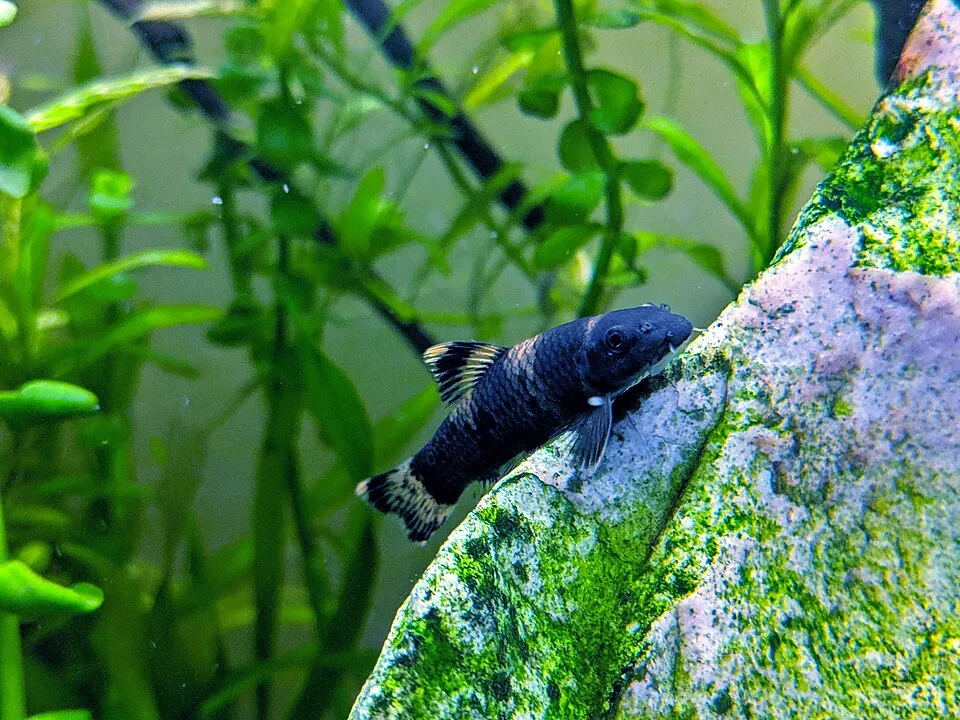
 3 in (7.5 cm)24 gal (90 L)72–79°F (22–26°C)
Striped flying barb
Esomus metallicus
3 in (7.5 cm) · 24 gal (90 L)
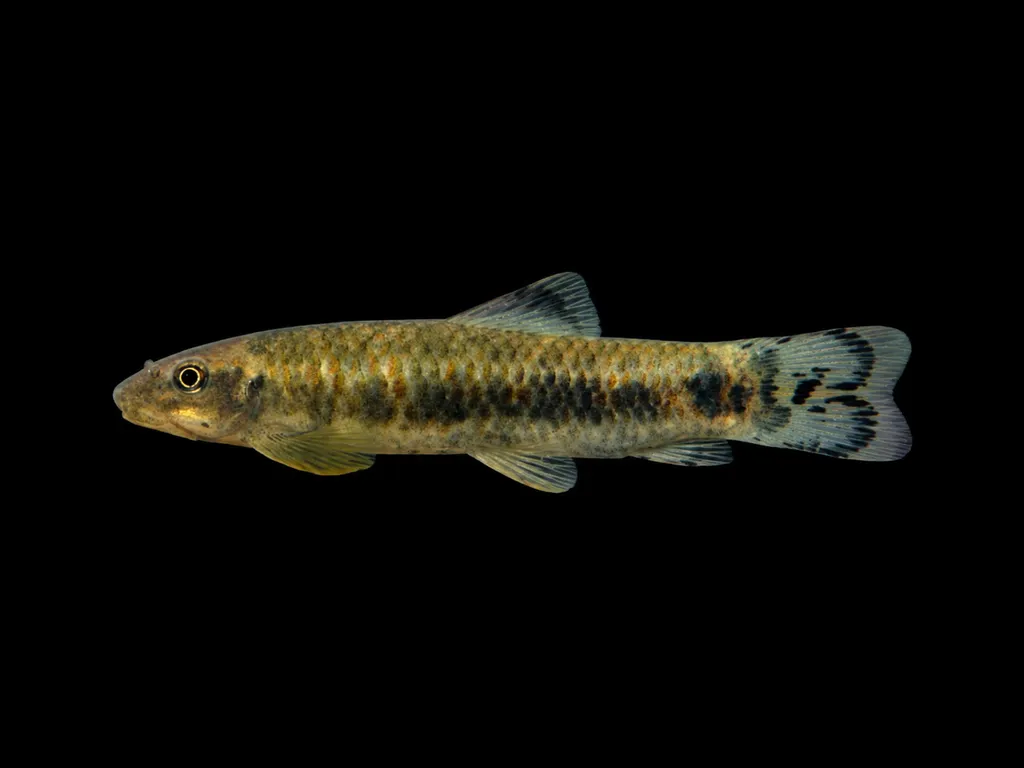
 3.5 in (9 cm)26 gal (100 L)72–81°F (22–27°C)
Panda garra
Garra flavatra
3.5 in (9 cm) · 26 gal (100 L)
 3.5 in (9 cm)29 gal (110 L)68–79°F (20–26°C)
Peacock-tail garra
Garra poecilura
3.5 in (9 cm) · 29 gal (110 L)
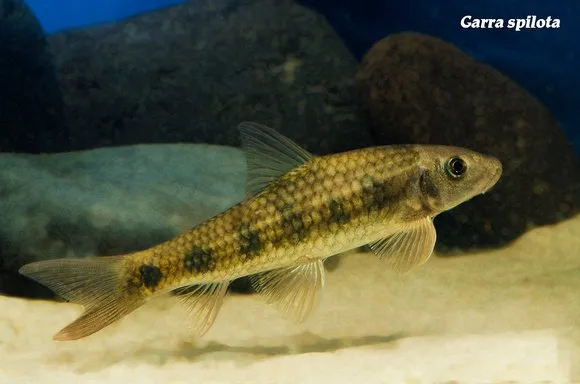 3.5 in (9 cm)29 gal (110 L)68–79°F (20–26°C)
Spotted garra
Garra spilota
3.5 in (9 cm) · 29 gal (110 L)