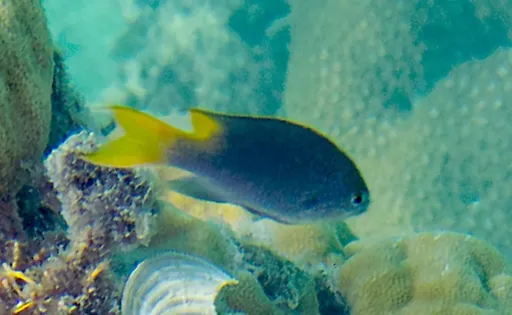
Yellowtail demoiselle
Neopomacentrus azysron
Also known as Lyretail Damselfish
SaltwaterFish
Care at a glance
- Temperature
- 75–81°F
- 24–27°C
- pH
- 8.1–8.4
- Adult size
- 3 in
- 7.5 cm
- Minimum tank
- 50 gal
- 190 L
- Temperament
- Mostly peaceful
- Social behavior
- Schooling
- Tankmates
- With caution
- Swim level
- Middle
- Difficulty
- Easy
- Breeding
- Substrate spawner · Medium
- Rarity
- Rare
- Reef safe
- Reef safe
- Family
- Pomacentridae
- Origin
- Indo-West Pacific
Overview
The yellowtail demoiselle is a mild, busy damsel that swims in open water in the middle of a reef tank. It is reef safe and easy to keep.
Did you know
Unlike the territorial damsels that give the family its reputation, the yellowtail demoiselle lives more like an anthias. It rides the currents in midwater groups and rarely bothers anyone.
Caring for the yellowtail demoiselle
Give a group of yellowtail demoiselles at least 50 gal (190 L), with open swimming space and steady flow. Add rockwork for them to retreat into at night.
Keep the water at 75 to 81°F (24 to 27°C) with a pH of 8.1 to 8.4. They eagerly take flake, small pellets and frozen mysis and brine shrimp. Several small feedings suit their plankton-picking habits.
Keep them in a small group in open water, where constant motion takes the place of squabbling. Bickering among them only becomes a problem when a group is crowded into too small a tank. They are mostly peaceful, but choose their tank mates with caution.
Like other damselfish, they are demersal spawners, and the males guard eggs laid on cleaned rock. Breeding them is moderately difficult.
Good to know
The yellowtail demoiselle, Neopomacentrus azysron, is a damselfish described by Bleeker in 1877, and it is also called the lyretail damselfish. Its deeply forked yellow tail makes up a good part of its length. The tail extends into filaments that give the genus its lyretail look.
In the wild
The yellowtail demoiselle schools along current-swept drop-offs, channels and outer reef slopes across the Indo-West Pacific. It feeds on zooplankton in the upper water and hangs in loose aggregations rather than defending patches of rock.
Common questions
What size tank does a yellowtail demoiselle need?
A yellowtail demoiselle needs at least 50 gal (190 L). It spends most of its time in the middle.
What temperature and pH does a yellowtail demoiselle need?
A yellowtail demoiselle is comfortable at 75–81°F (24–27°C) with a pH of 8.1–8.4.
What does a yellowtail demoiselle eat?
A yellowtail demoiselle eagerly takes flake, small pellets and frozen mysis and brine shrimp. Several small feedings suit its plankton-picking habits.
How big does a yellowtail demoiselle get?
An adult yellowtail demoiselle reaches about 3 in (7.5 cm).
Does a yellowtail demoiselle need a group?
Yes. A yellowtail demoiselle is a schooling species and should be kept in a group, not singly.
How does a yellowtail demoiselle breed?
Yellowtail demoiselles are demersal spawners like other damselfish, and the males guard eggs laid on cleaned rock. Breeding them is moderately difficult.
Related species
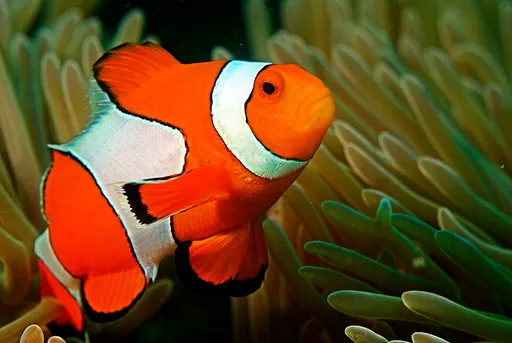 3.1 in (8 cm)20 gal (75 L)75–82°F (24–28°C)
Ocellaris clownfish
Amphiprion ocellaris
3.1 in (8 cm) · 20 gal (75 L)
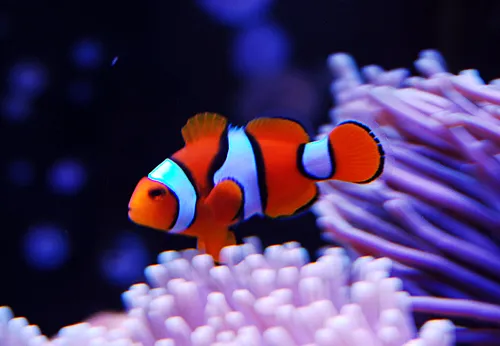 3.1 in (8 cm)20 gal (75 L)75–82°F (24–28°C)
Percula clownfish
Amphiprion percula
3.1 in (8 cm) · 20 gal (75 L)
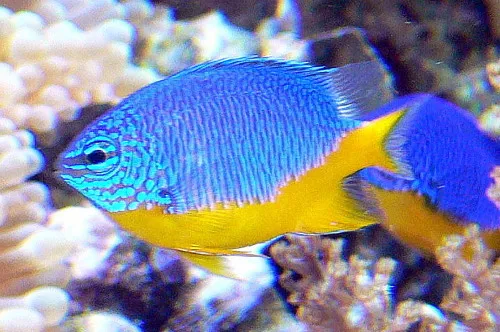 2.8 in (7 cm)29 gal (110 L)75–81°F (24–27°C)
Azure damsel
Chrysiptera hemicyanea
2.8 in (7 cm) · 29 gal (110 L)
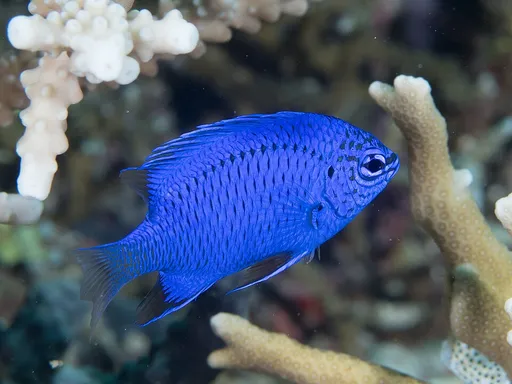 2.8 in (7 cm)25 gal (95 L)75–81°F (24–27°C)
Springer's damsel
Chrysiptera springeri
2.8 in (7 cm) · 25 gal (95 L)
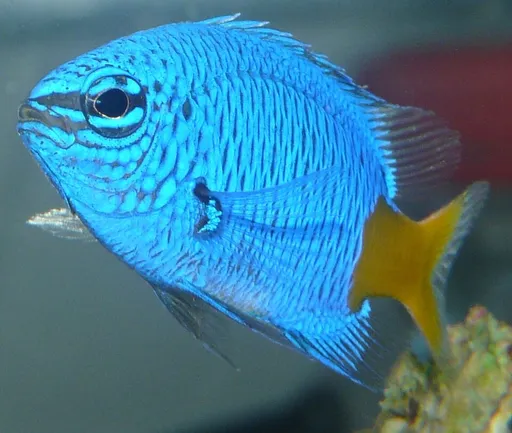 2.8 in (7 cm)29 gal (110 L)75–81°F (24–27°C)
Yellowtail damsel
Chrysiptera parasema
2.8 in (7 cm) · 29 gal (110 L)
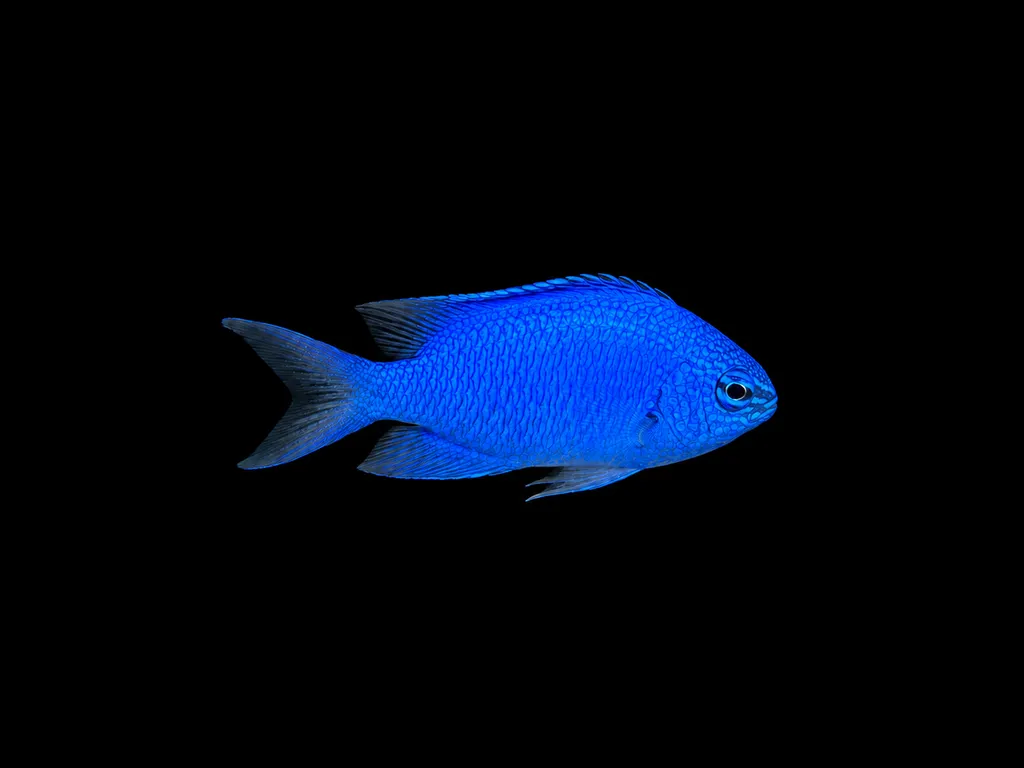 3.3 in (8.5 cm)29 gal (110 L)75–82°F (24–28°C)
Sapphire damsel
Pomacentrus pavo
3.3 in (8.5 cm) · 29 gal (110 L)