Bartlett's anthias
Pseudanthias bartlettorum
Also known as Bartlett's Fairy Basslet, Yellowtail Anthias
SaltwaterFish
Care at a glance
- Temperature
- 72–79°F
- 22–26°C
- pH
- 8.1–8.4
- Adult size
- 3.5 in
- 9 cm
- Minimum tank
- 70 gal
- 265 L
- Temperament
- Peaceful
- Social behavior
- Social
- Swim level
- Middle
- Difficulty
- Medium
- Breeding
- Hard
- Rarity
- Common
- Reef safe
- Reef safe
- Family
- Serranidae
- Origin
- Western Pacific (Marshall and Caroline Islands)
Overview
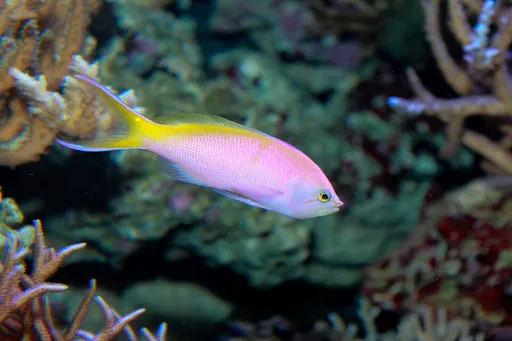
One of the hardier and more peaceful anthias, which makes it a good first anthias, but it is still a constant planktivore that needs several small feedings a day of mysis, enriched brine, cyclops and pellets. Keep it as a harem of one male with several females; it harasses subdominant group members far less than the lyretail, so groups stay stable in modest tanks. Genuinely peaceful toward other fish.
In the wild
Comes from clear outer-reef waters of the western Pacific, especially around the Marshall and Caroline Islands, where it schools in the open water above coral heads feeding on drifting plankton. It likes strong water movement and open space to swim, with live rock nearby for shelter. In captivity it appreciates a mature reef with plenty of caves and briskly moving water.
Good to know
Like other Pseudanthias, Bartlett's Anthias is a protogynous hermaphrodite that changes from female to male as the dominant fish in a group. Males show a magenta-to-lavender body with a yellow back and tail, while females are more uniformly yellow and violet. Its name honors the Bartlett family who collected early specimens.
Did you know
It is widely considered one of the easiest anthias to get eating prepared foods, taking frozen and even pellet food more readily than most of its relatives, which is why it is a common gateway into the group.
Weekly picks
Tank mates
Bartlett's anthias is a peaceful, social species that keeps to the middle. These picks share a community profile with it, are safe together in both directions, and overlap on water type, temperature and pH.
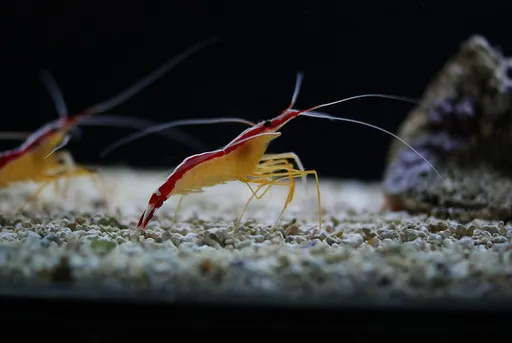
Skunk cleaner shrimp
Lysmata amboinensis
Saltwater2.4 in (6 cm) · 20 gal (75 L)73–81°F (23–27°C)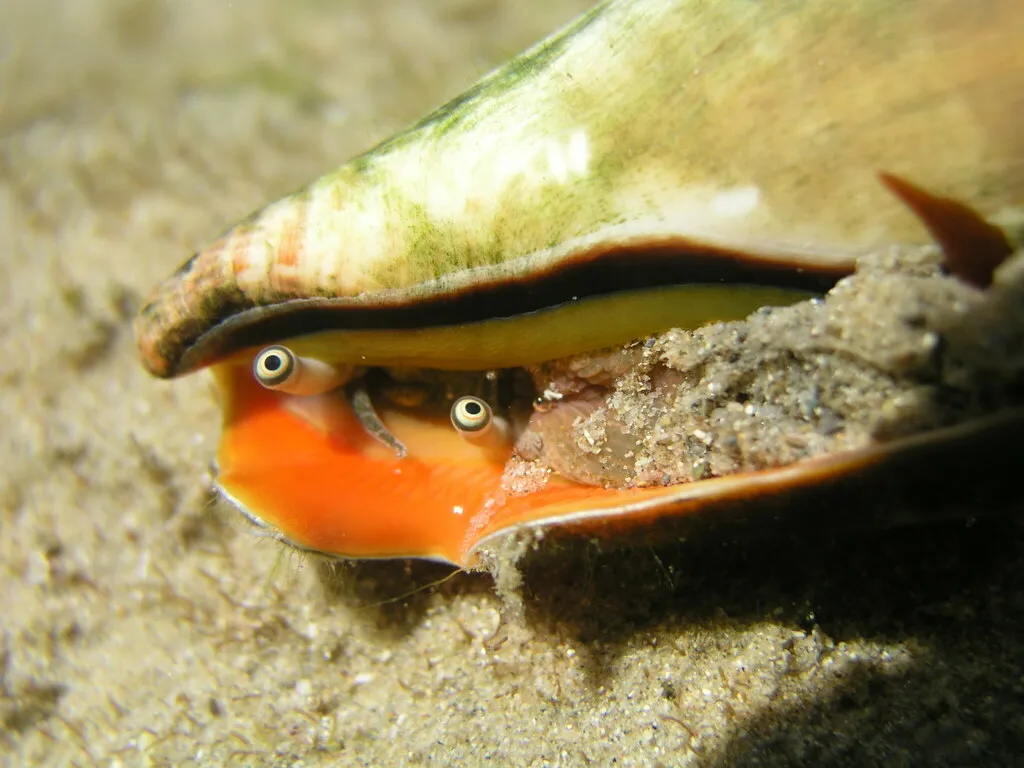
Tiger / strawberry conch
Conomurex luhuanus
Saltwater2.8 in (7 cm) · 20 gal (75 L)75–81°F (24–27°C)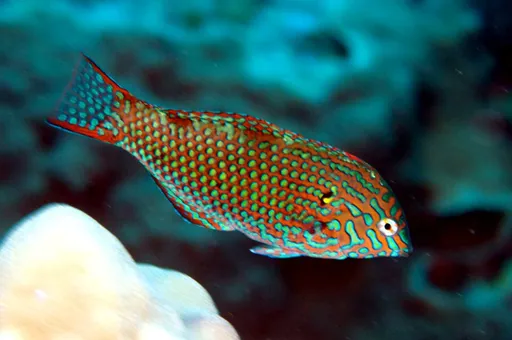
Leopard wrasse
Macropharyngodon meleagris
Saltwater5.9 in (15 cm) · 90 gal (340 L)72–79°F (22–26°C)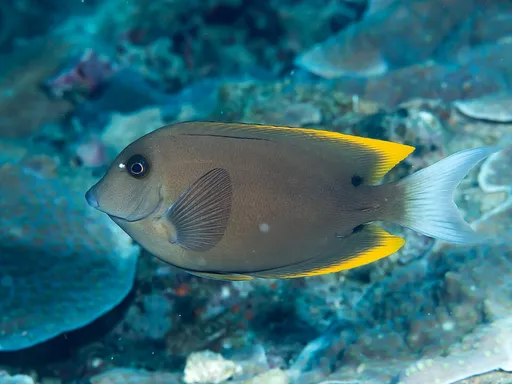
Tomini tang
Ctenochaetus tominiensis
Saltwater6.3 in (16 cm) · 70 gal (265 L)75–81°F (24–27°C)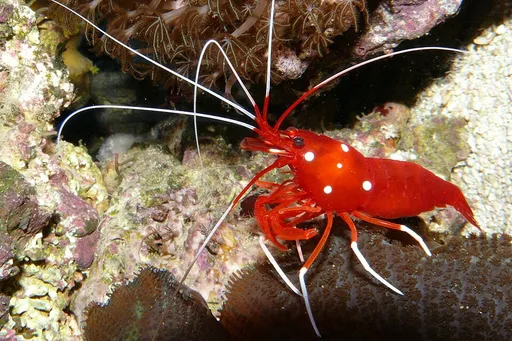
Fire shrimp
Lysmata debelius
Saltwater2.4 in (6 cm) · 20 gal (75 L)72–79°F (22–26°C)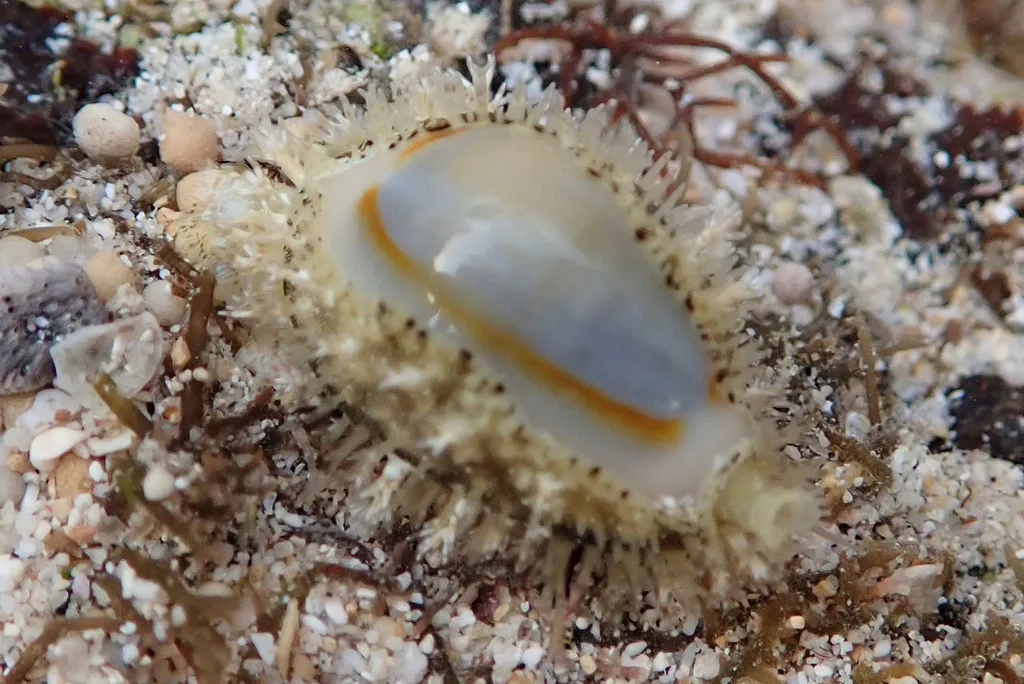
Ring cowrie
Monetaria annulus
Saltwater1.2 in (3 cm) · 20 gal (75 L)75–81°F (24–27°C)
Common questions
What size tank does a Bartlett's anthias need?
A Bartlett's anthias needs at least 70 gal (265 L). It spends most of its time in the middle.
What temperature and pH does a Bartlett's anthias need?
A Bartlett's anthias is comfortable at 72–79°F (22–26°C) with a pH of 8.1–8.4.
How big does a Bartlett's anthias get?
An adult Bartlett's anthias reaches about 3.5 in (9 cm).
Related species
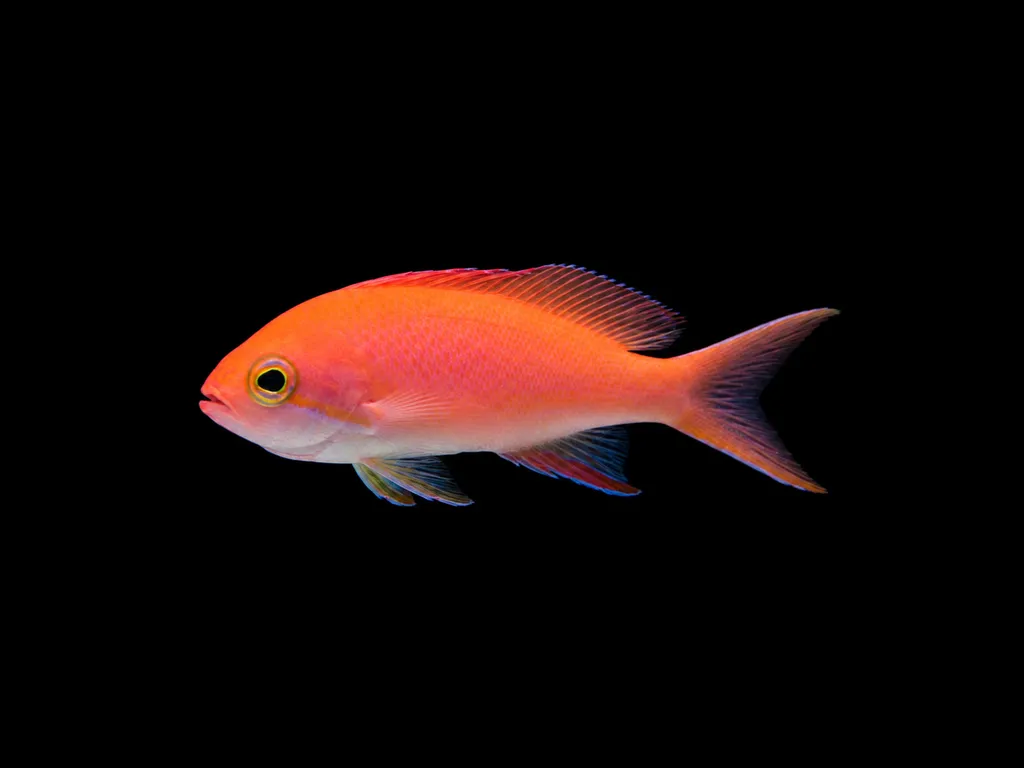
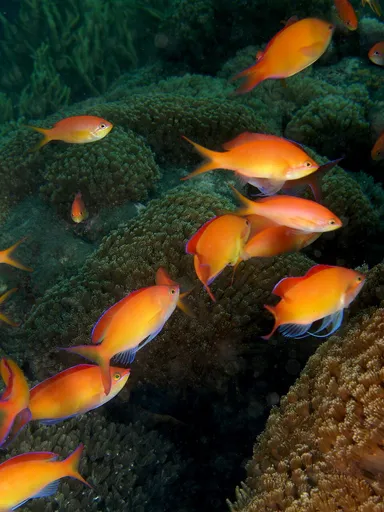 3.7 in (9.5 cm)70 gal (265 L)72–79°F (22–26°C)
Dispar anthias
Pseudanthias dispar
3.7 in (9.5 cm) · 70 gal (265 L)
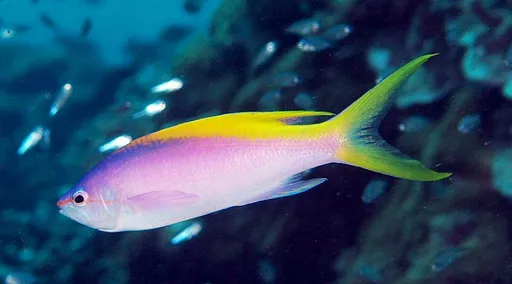
 3.1 in (8 cm)75 gal (285 L)75–81°F (24–27°C)
Randall's anthias
Pseudanthias randalli
3.1 in (8 cm) · 75 gal (285 L)
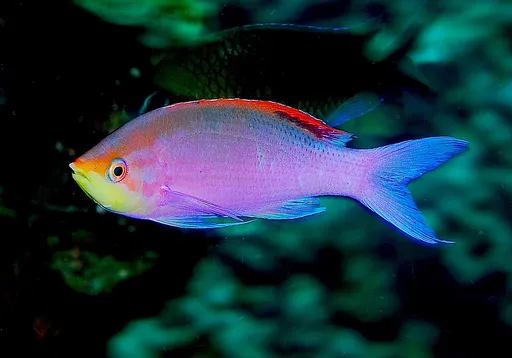
 4.7 in (12 cm)75 gal (285 L)75–81°F (24–27°C)
Evansi anthias
Pseudanthias evansi
4.7 in (12 cm) · 75 gal (285 L)
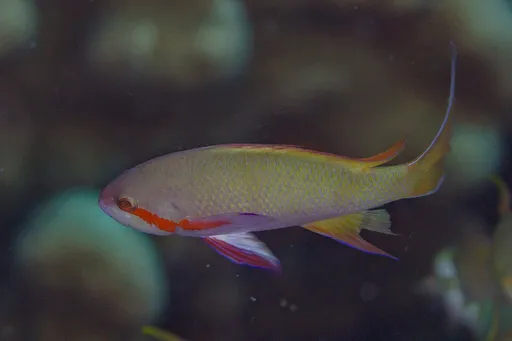
 4.7 in (12 cm)75 gal (285 L)75–81°F (24–27°C)
Purple queen anthias
Pseudanthias tuka
4.7 in (12 cm) · 75 gal (285 L)
 4.7 in (12 cm)90 gal (340 L)75–81°F (24–27°C)
Huchtii anthias
Pseudanthias huchtii
4.7 in (12 cm) · 90 gal (340 L)
 5.1 in (13 cm)125 gal (475 L)72–79°F (22–26°C)
Bicolor anthias
Pseudanthias bicolor
5.1 in (13 cm) · 125 gal (475 L)