Bicolor foxface
Siganus uspi
Also known as Fiji Foxface, Uspi Rabbitfish, Bicolored Foxface
SaltwaterFish
Care at a glance
- Temperature
- 75–81°F
- 24–27°C
- pH
- 8.1–8.4
- Adult size
- 9.4 in
- 24 cm
- Minimum tank
- 124 gal
- 470 L
- Temperament
- Peaceful
- Social behavior
- Solitary
- Swim level
- Middle
- Difficulty
- Medium
- Breeding
- No record
- Rarity
- Rare
- Reef safe
- Reef safe
- Family
- Siganidae
- Origin
- Fiji reefs, with rare strays recorded from New Caledonia
Overview
Bicolor foxface are peaceful with other species but, like the rest of the genus, won't tolerate other foxface or rabbitfish sharing the tank, so keep it alone unless the system is very large. It's reef safe as long as it's kept well fed on nori and marine algae, since hunger can push it to nip at soft corals. It carries venomous dorsal, anal, and pelvic spines; the sting is very painful, though rarely dangerous unless the person stung has an allergic reaction, so handle this fish carefully during any netting or maintenance work.
In the wild
The bicolor foxface is endemic to Fiji's reefs, with only occasional strays turning up as far as New Caledonia. It keeps to shallow lagoon and reef habitat, grazing algae off rock, often paired up with a single mate. A tank of at least 470 litres (125 US gal) suits it well, with live rock for grazing and open water for swimming.
Good to know
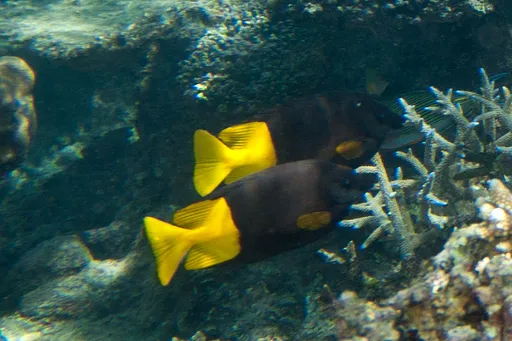
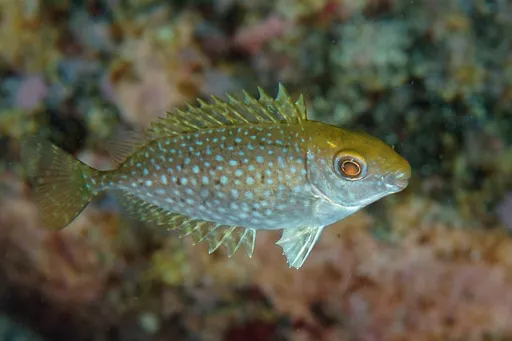
Siganus uspi shows a sharp two-tone pattern, dark brown to near black across the front half of the body and head, giving way to bright yellow across the rear half and tail. Because it's restricted to Fiji's waters, collection is limited and seasonal, and the species is genuinely scarcer in the hobby than most other rabbitfish.
Did you know
Because it's endemic to a single island group, bicolor foxface supply depends entirely on Fijian collection seasons, so it periodically disappears from stores for months before turning up again.
Weekly picks
Tank mates
Bicolor foxface is a peaceful, solitary species that keeps to the middle. These picks share a community profile with it, are safe together in both directions, and overlap on water type, temperature and pH.
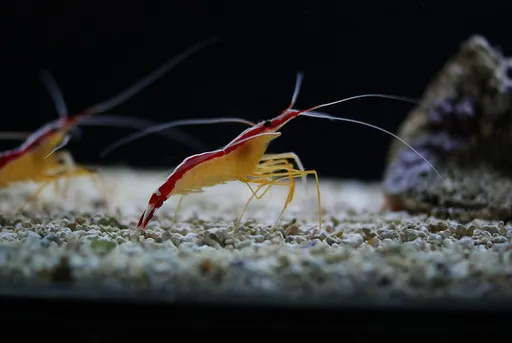
Skunk cleaner shrimp
Lysmata amboinensis
Saltwater2.4 in (6 cm) · 20 gal (75 L)73–81°F (23–27°C)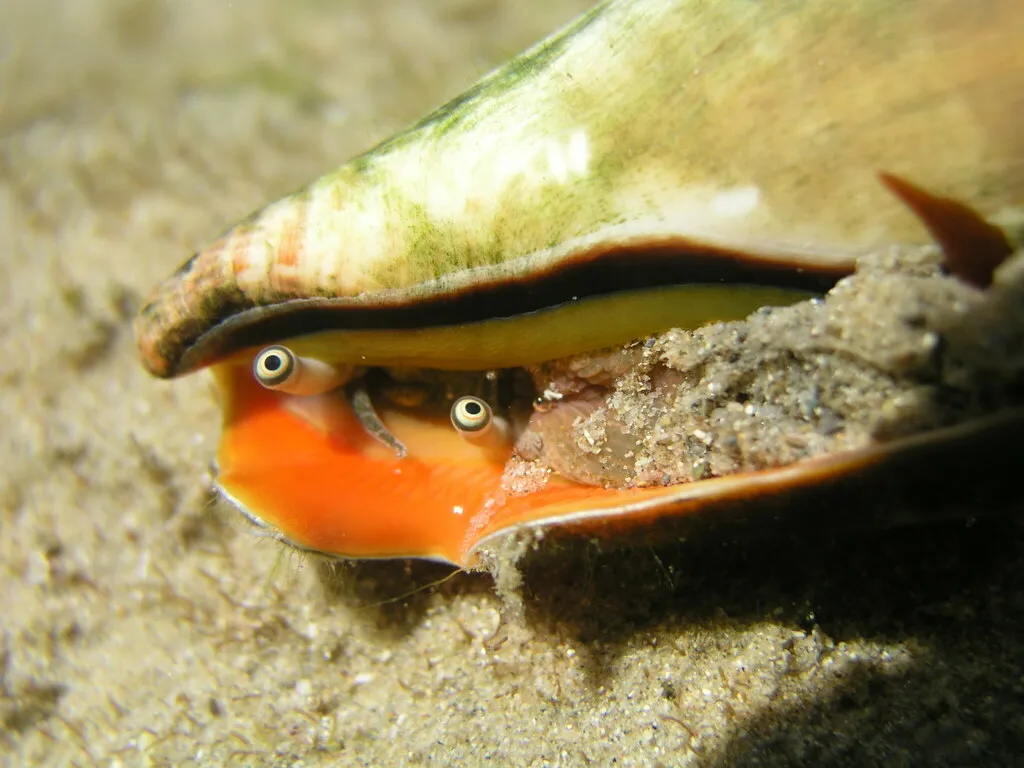
Tiger / strawberry conch
Conomurex luhuanus
Saltwater2.8 in (7 cm) · 20 gal (75 L)75–81°F (24–27°C)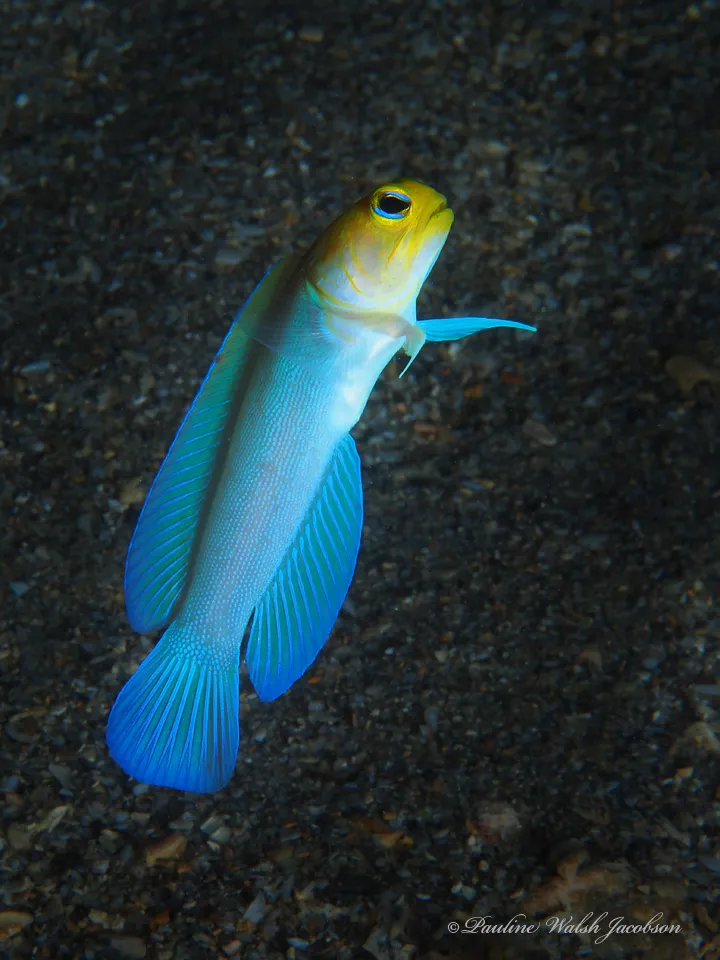
Pearly jawfish
Opistognathus aurifrons
Saltwater3.9 in (10 cm) · 29 gal (110 L)73–81°F (23–27°C)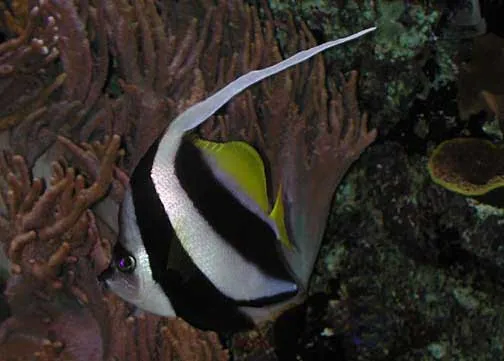
Schooling bannerfish
Heniochus diphreutes
Saltwater8.3 in (21 cm) · 124 gal (470 L)75–81°F (24–27°C)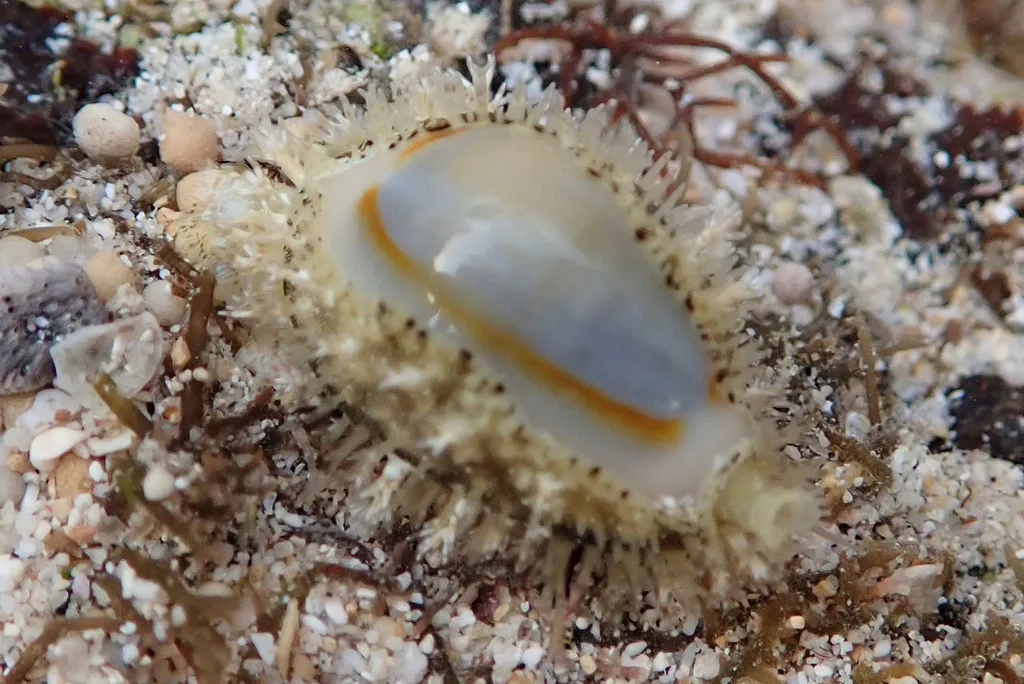
Ring cowrie
Monetaria annulus
Saltwater1.2 in (3 cm) · 20 gal (75 L)75–81°F (24–27°C)
Skilletfish
Gobiesox strumosus
Saltwater3.1 in (8 cm) · 20 gal (76 L)72–79°F (22–26°C)
Common questions
What size tank does a Bicolor foxface need?
A Bicolor foxface needs at least 124 gal (470 L). It spends most of its time in the middle.
What temperature and pH does a Bicolor foxface need?
A Bicolor foxface is comfortable at 75–81°F (24–27°C) with a pH of 8.1–8.4.
How big does a Bicolor foxface get?
An adult Bicolor foxface reaches about 9.4 in (24 cm).
Related species
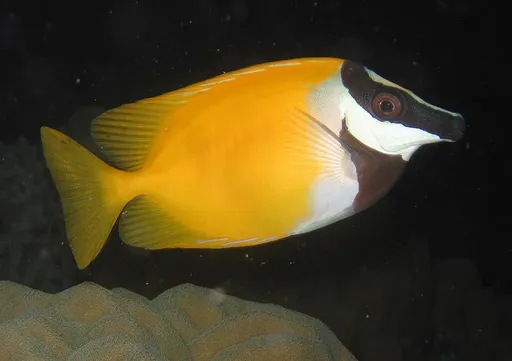 9.4 in (24 cm)75 gal (285 L)72–79°F (22–26°C)
Foxface rabbitfish
Siganus vulpinus
9.4 in (24 cm) · 75 gal (285 L)
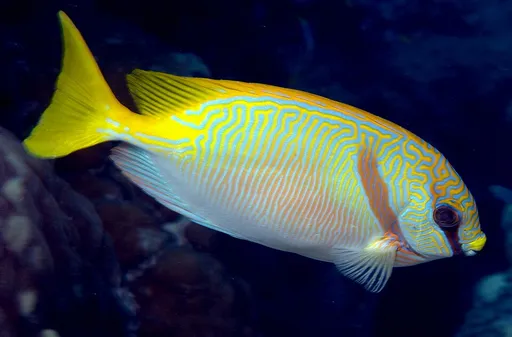 9.8 in (25 cm)106 gal (400 L)75–81°F (24–27°C)
Barred rabbitfish
Siganus doliatus
9.8 in (25 cm) · 106 gal (400 L)
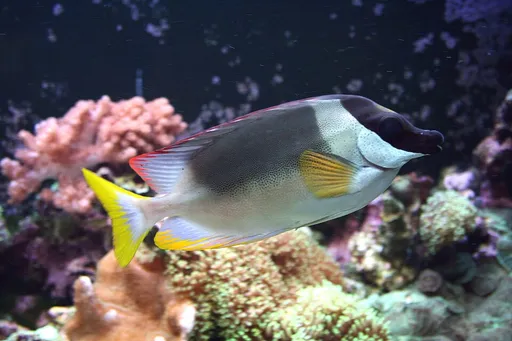 9.1 in (23 cm)124 gal (470 L)75–81°F (24–27°C)
Magnificent foxface
Siganus magnificus
9.1 in (23 cm) · 124 gal (470 L)
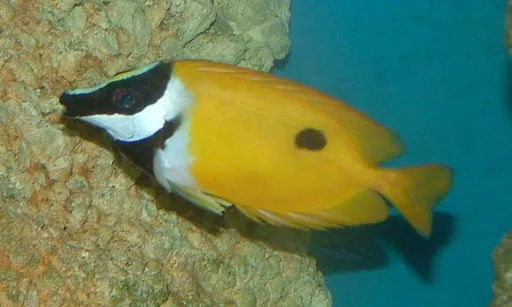 7.9 in (20 cm)70 gal (265 L)75–81°F (24–27°C)
One-spot foxface
Siganus unimaculatus
7.9 in (20 cm) · 70 gal (265 L)
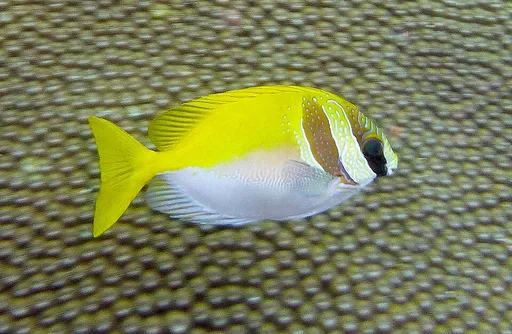 11.8 in (30 cm)119 gal (450 L)75–81°F (24–27°C)
Two-barred rabbitfish
Siganus virgatus
11.8 in (30 cm) · 119 gal (450 L)
 15.7 in (40 cm)120 gal (454 L)72–79°F (22–26°C)
Dusky rabbitfish
Siganus fuscescens
15.7 in (40 cm) · 120 gal (454 L)