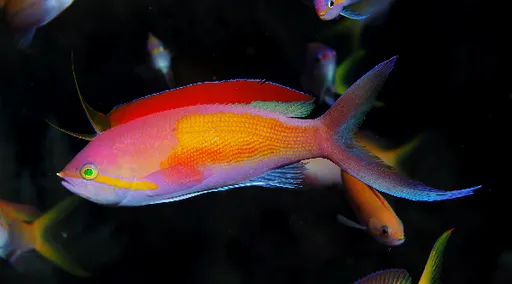
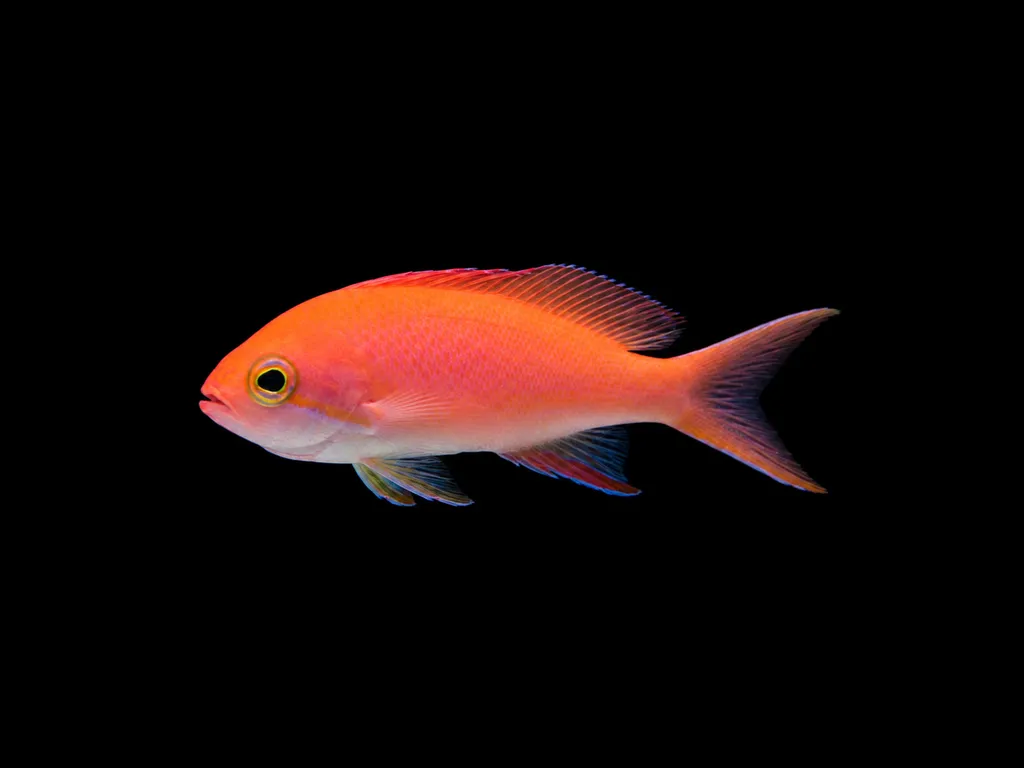
Threadfin anthias
Nemanthias carberryi
Also known as Carberryi Anthias, Carberry Anthias, Threadfin Goldie
SaltwaterFish
Care at a glance
- Temperature
- 72–79°F
- 22–26°C
- pH
- 8.1–8.4
- Adult size
- 3.9 in
- 10 cm
- Minimum tank
- 70 gal
- 265 L
- Temperament
- Peaceful
- Social behavior
- Social
- Swim level
- Middle
- Difficulty
- Medium
- Breeding
- Hard
- Rarity
- Common
- Reef safe
- Reef safe
- Family
- Serranidae
- Origin
- Western Indian Ocean reefs, from the Maldives south to South Africa
Overview
A peaceful, active shoaling fish that does best in a group of one male with several females and spends most of the day swimming and picking at plankton in the water column, so it needs multiple small feedings spread through the day rather than one big meal. Rival males will spar with each other, but it otherwise leaves tankmates, corals, and ornamental shrimp alone and is completely reef safe. Good tankmates include other peaceful reef fish, gobies, and dartfish; avoid aggressive or territorial species that will out-compete it for food.
In the wild
Found on coral reef slopes and drop-offs through the western Indian Ocean, typically at 10–30 m, where it hovers in open water over the reef to intercept plankton and retreats into small crevices in the rock when threatened. In the aquarium it needs a lot of open swimming space combined with plenty of small hiding spots in the live rock, strong water movement with a few calmer corners, and subdued rather than bright lighting.
Good to know
A protogynous hermaphrodite that lives in harems of one male with several females; if the male disappears, the largest female converts to male over a period of weeks. The genus name Nemanthias combines the Greek nema, meaning thread or filament, with anthias, a reference to the fine, elongated filaments trailing from the dorsal and tail fins that are most pronounced in males. The species was long classified as Pseudanthias carberryi before being moved into the genus Nemanthias.
Did you know
The threadlike filaments trailing from its dorsal and tail fins, most visible on mature males, are the source of both its common name and its genus name, which translates roughly to thread anthias.
Weekly picks
Tank mates
Threadfin anthias is a peaceful, social species that keeps to the middle. These picks share a community profile with it, are safe together in both directions, and overlap on water type, temperature and pH.
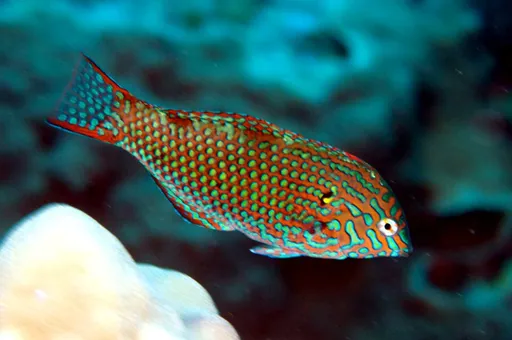
Leopard wrasse
Macropharyngodon meleagris
Saltwater5.9 in (15 cm) · 90 gal (340 L)72–79°F (22–26°C)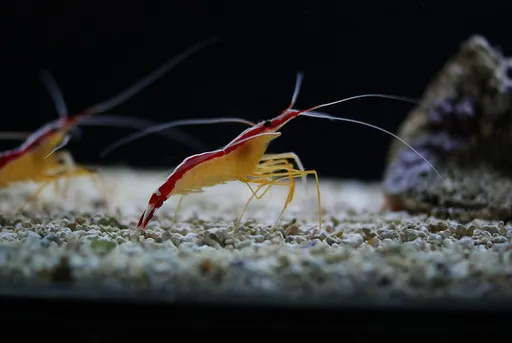
Skunk cleaner shrimp
Lysmata amboinensis
Saltwater2.4 in (6 cm) · 20 gal (75 L)73–81°F (23–27°C)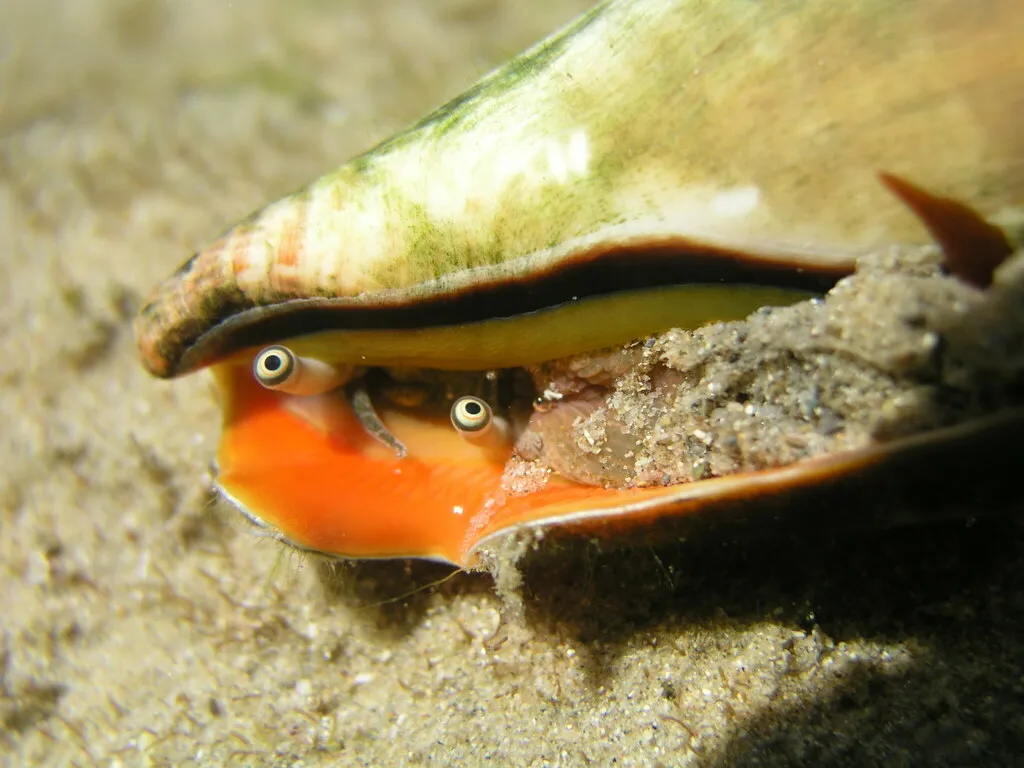
Tiger / strawberry conch
Conomurex luhuanus
Saltwater2.8 in (7 cm) · 20 gal (75 L)75–81°F (24–27°C)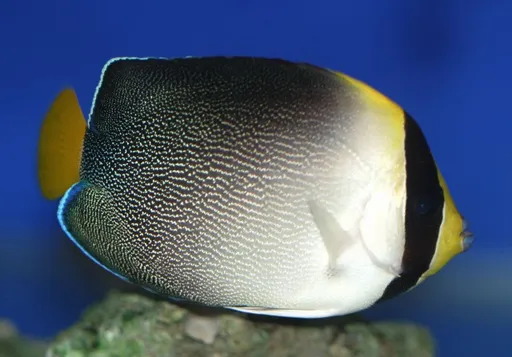
Vermiculated angelfish
Chaetodontoplus mesoleucus
Saltwater7.1 in (18 cm) · 66 gal (250 L)75–81°F (24–27°C)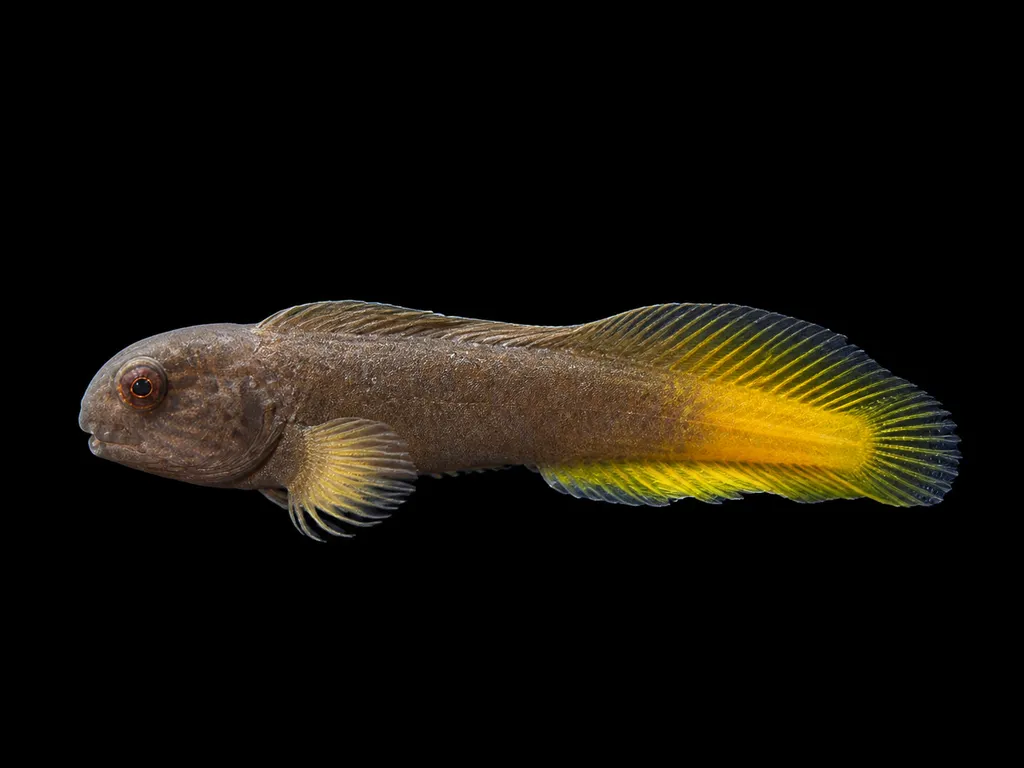
Flametail blenny
Enchelyurus flavipes
Saltwater3 in (7.5 cm) · 29 gal (110 L)72–79°F (22–26°C)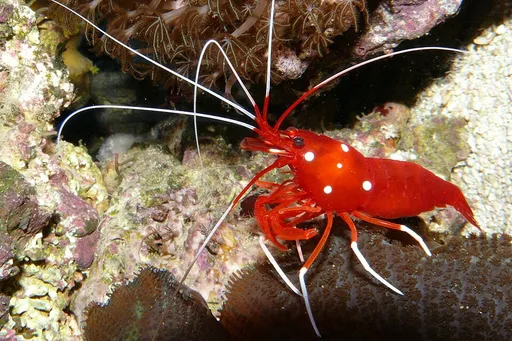
Fire shrimp
Lysmata debelius
Saltwater2.4 in (6 cm) · 20 gal (75 L)72–79°F (22–26°C)
Common questions
What size tank does a Threadfin anthias need?
A Threadfin anthias needs at least 70 gal (265 L). It spends most of its time in the middle.
What temperature and pH does a Threadfin anthias need?
A Threadfin anthias is comfortable at 72–79°F (22–26°C) with a pH of 8.1–8.4.
How big does a Threadfin anthias get?
An adult Threadfin anthias reaches about 3.9 in (10 cm).
Related species
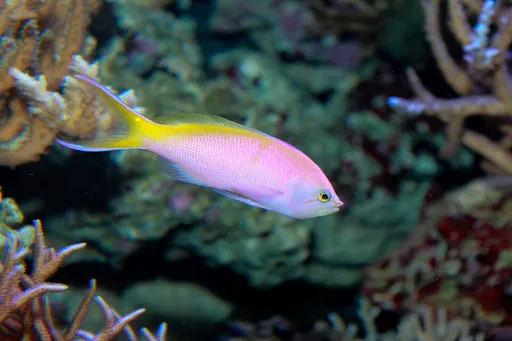
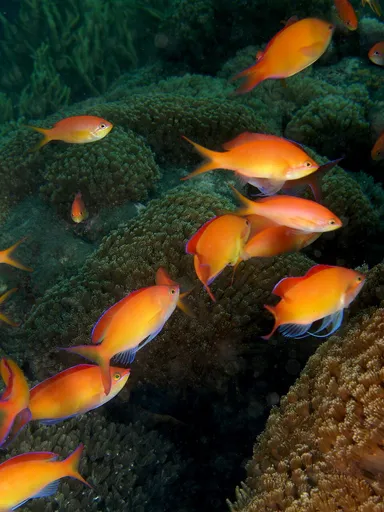 3.7 in (9.5 cm)70 gal (265 L)72–79°F (22–26°C)
Dispar anthias
Pseudanthias dispar
3.7 in (9.5 cm) · 70 gal (265 L)
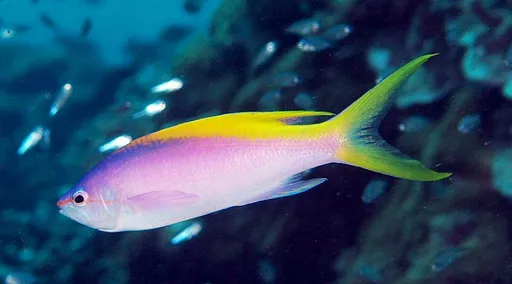
 3.5 in (9 cm)70 gal (265 L)72–79°F (22–26°C)
Bartlett's anthias
Pseudanthias bartlettorum
3.5 in (9 cm) · 70 gal (265 L)
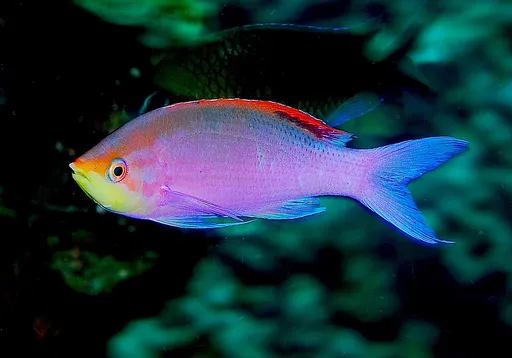
 4.7 in (12 cm)75 gal (285 L)75–81°F (24–27°C)
Evansi anthias
Pseudanthias evansi
4.7 in (12 cm) · 75 gal (285 L)
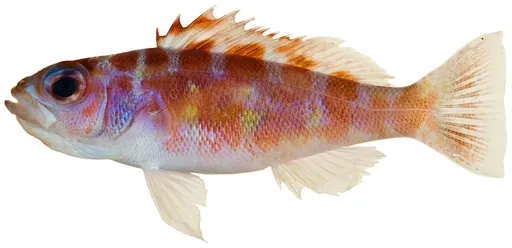
 4.7 in (12 cm)75 gal (285 L)75–81°F (24–27°C)
Purple queen anthias
Pseudanthias tuka
4.7 in (12 cm) · 75 gal (285 L)
 3.1 in (8 cm)29 gal (110 L)72–81°F (22–27°C)
Chalk bass
Serranus tortugarum
3.1 in (8 cm) · 29 gal (110 L)
 3.1 in (8 cm)75 gal (285 L)75–81°F (24–27°C)
Randall's anthias
Pseudanthias randalli
3.1 in (8 cm) · 75 gal (285 L)