Social fairy wrasse
Cirrhilabrus rubriventralis
Also known as Social wrasse, Longfin fairy wrasse, Ruby longfin fairy wrasse, Red and blue wrasse
SaltwaterFish
Care at a glance
- Temperature
- 73–81°F
- 23–27°C
- pH
- 8.1–8.4
- Adult size
- 2.8 in
- 7 cm
- Minimum tank
- 53 gal
- 200 L
- Temperament
- Mostly peaceful
- Social behavior
- Social
- Swim level
- Middle
- Difficulty
- Easy
- Breeding
- Hard
- Rarity
- Common
- Reef safe
- Reef safe
- Family
- Labridae
- Origin
- Indian Ocean and Red Sea reefs, from the Red Sea and East Africa to the western Indian Ocean
Overview
Unlike most fish in this batch, the social fairy wrasse is meant to be kept in a group, either a male with several females or a bonded pair, which is where the name comes from and where the male shows his best color. It is fully reef safe and ignores corals and inverts, making it an easy reef fish. The temperament caveat is within its own kind: it is more inclined to squabble than other fairy wrasses, so a group needs a large tank with room for the male to display without cornering the females, and you generally keep only one male. Toward other peaceful tankmates it is mild, so it maps to mostly peaceful. It swims actively in the middle and upper water column. Hold stable marine water at a pH of 8.1 to 8.4 and 23 to 27 C with a tightly covered top. Feed small meaty foods like mysis and enriched brine two or three times a day, since these active fish eat often.
In the wild
Social fairy wrasses come from Indian Ocean and Red Sea reefs, where they gather over rubble slopes and reef edges in loose groups, with a dominant male displaying to a cluster of females. They are active midwater fish that hover and dart above the rock picking zooplankton from the current. Give them a reef tank with plenty of live rock for cover and open water to swim in, at a pH of 8.1 to 8.4 and a temperature of 23 to 27 C. A tight lid is essential, since fairy wrasses are strong jumpers and will go through any gap in the cover.
Good to know
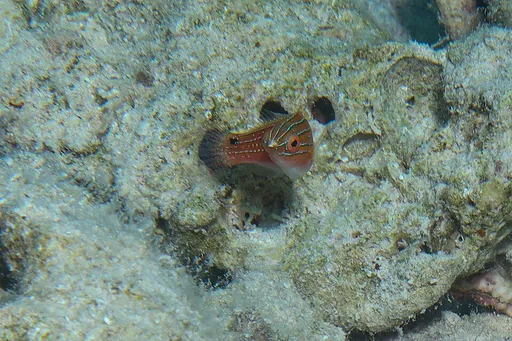
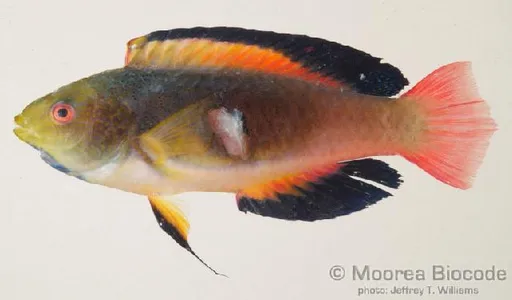
This is a fairy wrasse in the family Labridae, reaching about 7 cm, the males showing a red to pink body, blue markings, and long trailing pelvic and dorsal fins that they flick during display. Like other Cirrhilabrus it is a protogynous hermaphrodite: females can change into males, and a male intensifies his colors when courting. It is only very rarely bred in captivity, so trade fish are wild-caught.
Did you know
The males put on a real light show, flushing brighter color and flicking their long fins to court the females, and a group with several females keeps the dominant male displaying far more than a lone fish would. That is the point of keeping them social: a single male by himself often stays washed out compared to one showing off to a harem.
Weekly picks
Tank mates
Social fairy wrasse is a mostly peaceful, social species that keeps to the middle. These picks share a community profile with it, are safe together in both directions, and overlap on water type, temperature and pH.
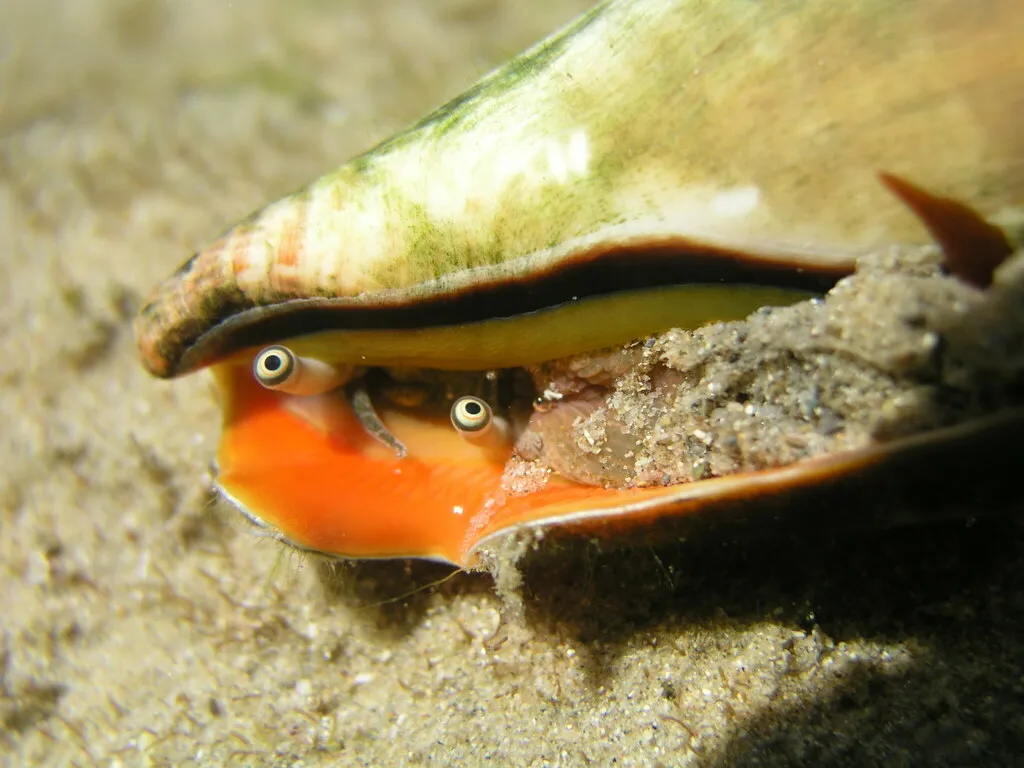
Tiger / strawberry conch
Conomurex luhuanus
Saltwater2.8 in (7 cm) · 20 gal (75 L)75–81°F (24–27°C)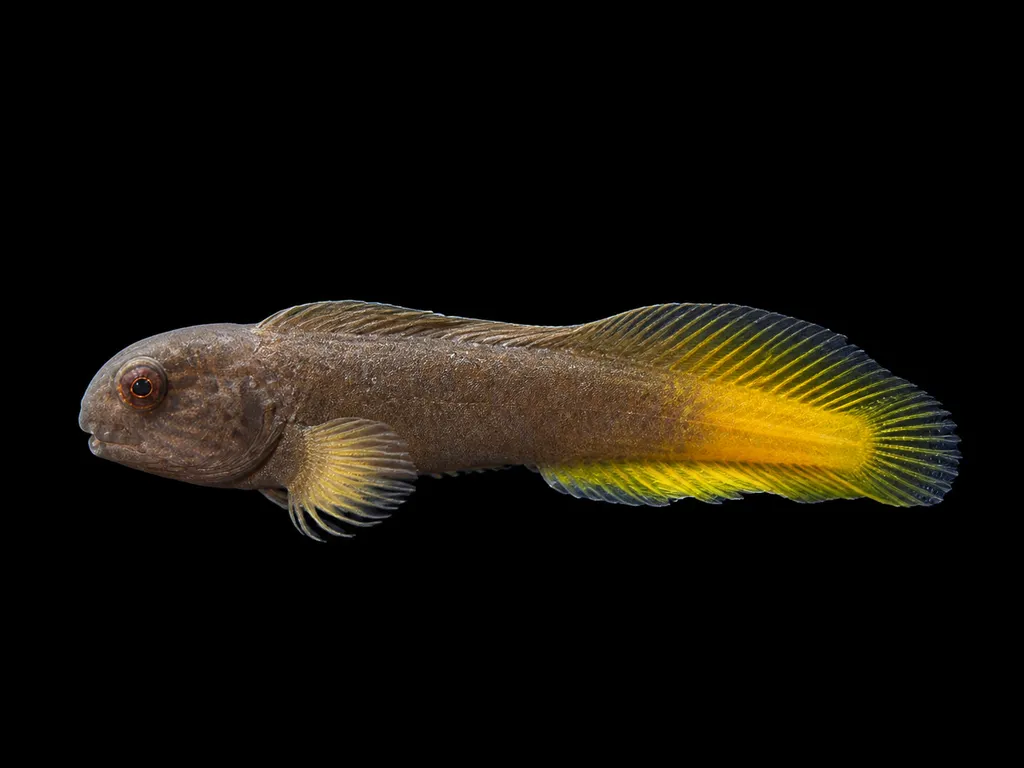
Flametail blenny
Enchelyurus flavipes
Saltwater3 in (7.5 cm) · 29 gal (110 L)72–79°F (22–26°C)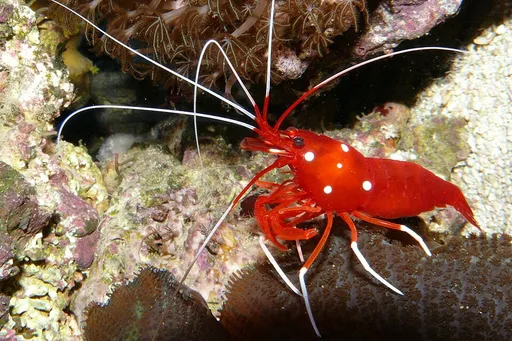
Fire shrimp
Lysmata debelius
Saltwater2.4 in (6 cm) · 20 gal (75 L)72–79°F (22–26°C)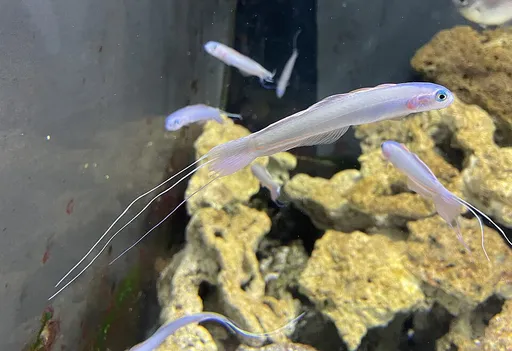
Blue hana goby
Ptereleotris hanae
Saltwater4.7 in (12 cm) · 40 gal (150 L)73–81°F (23–27°C)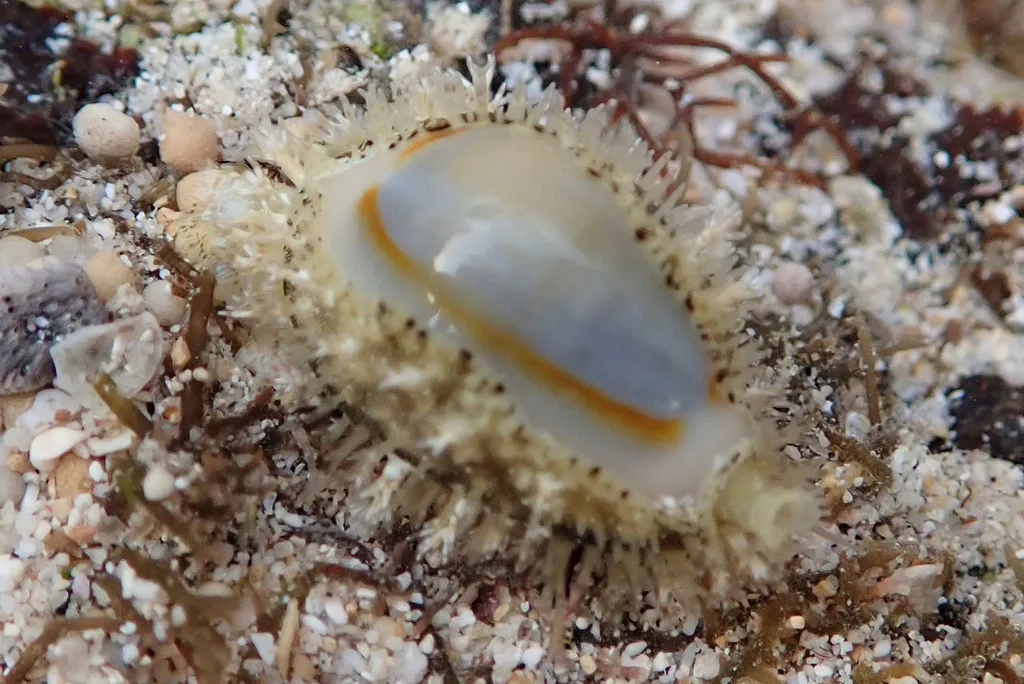
Ring cowrie
Monetaria annulus
Saltwater1.2 in (3 cm) · 20 gal (75 L)75–81°F (24–27°C)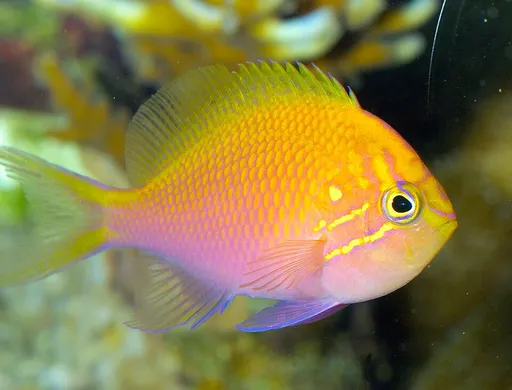
Sunburst anthias
Serranocirrhitus latus
Saltwater5.1 in (13 cm) · 70 gal (265 L)72–81°F (22–27°C)
Common questions
What size tank does a Social fairy wrasse need?
A Social fairy wrasse needs at least 53 gal (200 L). It spends most of its time in the middle.
What temperature and pH does a Social fairy wrasse need?
A Social fairy wrasse is comfortable at 73–81°F (23–27°C) with a pH of 8.1–8.4.
How big does a Social fairy wrasse get?
An adult Social fairy wrasse reaches about 2.8 in (7 cm).
Related species
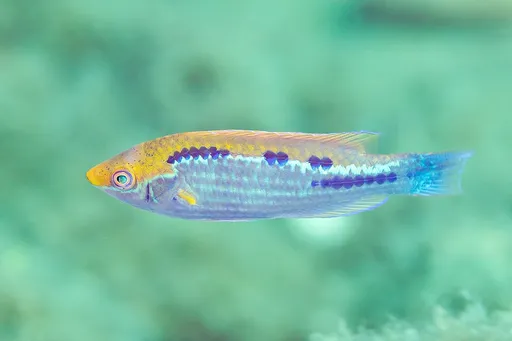 3.1 in (8 cm)55 gal (208 L)72–79°F (22–26°C)
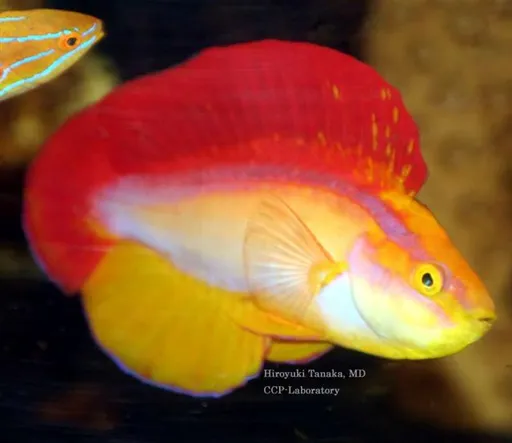
Lubbock's fairy wrasse
Cirrhilabrus lubbocki
3.1 in (8 cm) · 55 gal (208 L)
 3.9 in (10 cm)90 gal (340 L)72–79°F (22–26°C)
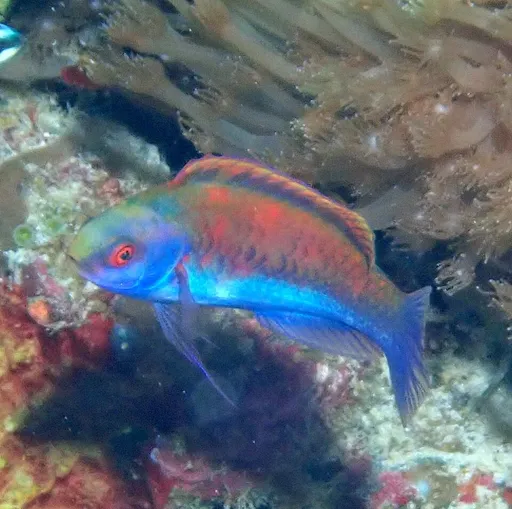
Flame fairy wrasse
Cirrhilabrus jordani
3.9 in (10 cm) · 90 gal (340 L)
 4.3 in (11 cm)90 gal (340 L)72–79°F (22–26°C)
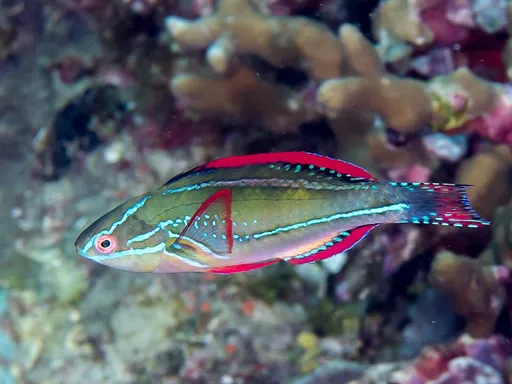
Solar fairy wrasse
Cirrhilabrus solorensis
4.3 in (11 cm) · 90 gal (340 L)
 4.7 in (12 cm)90 gal (340 L)72–79°F (22–26°C)
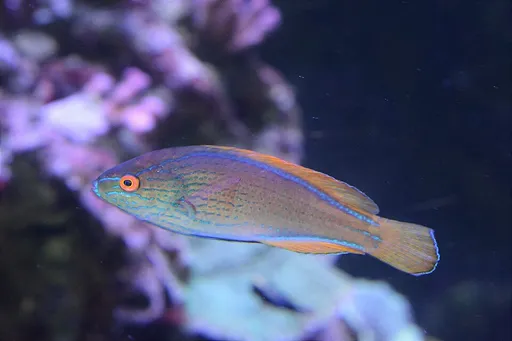
Exquisite fairy wrasse
Cirrhilabrus exquisitus
4.7 in (12 cm) · 90 gal (340 L)
 4.7 in (12 cm)90 gal (340 L)73–81°F (23–27°C)
Lineatus fairy wrasse
Cirrhilabrus lineatus
4.7 in (12 cm) · 90 gal (340 L)
 5.1 in (13 cm)90 gal (340 L)73–81°F (23–27°C)
Scott's fairy wrasse
Cirrhilabrus scottorum
5.1 in (13 cm) · 90 gal (340 L)