Scott's fairy wrasse
Cirrhilabrus scottorum
Also known as Scott's Wrasse, Greenback Fairy Wrasse, Scott's Velvet Fairy Wrasse
SaltwaterFish
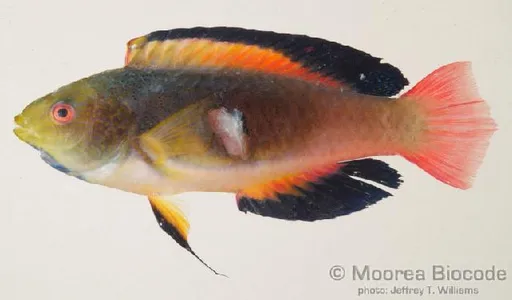
Care at a glance
- Temperature
- 73–81°F
- 23–27°C
- pH
- 8.1–8.4
- Adult size
- 5.1 in
- 13 cm
- Minimum tank
- 90 gal
- 340 L
- Temperament
- Peaceful
- Social behavior
- Social
- Swim level
- Middle
- Difficulty
- Easy
- Breeding
- No record
- Rarity
- Common
- Reef safe
- Reef safe
- Family
- Labridae
- Origin
- Native to the southwestern Pacific around the Coral Sea, Fiji, and French Polynesia, over coral rich outer reef slopes.
Overview
Scott's fairy wrasse is a reef-safe fish from the southwestern Pacific that swims in the middle of the tank. It is easy to keep.
Did you know
Male Scott's fairy wrasses put on a rapid fin-flashing display each morning and at dusk. The show courts females and warns off rival males at the same time.
Caring for the Scott's fairy wrasse
Keep Scott's fairy wrasse in a reef tank of at least 90 gal (340 L), with plenty of rock cover and clear swimming space. Cover the top to stop it from jumping out.
Hold the water at 73 to 81°F (23 to 27°C) with a pH of 8.1 to 8.4. It eats zooplankton, so feed mysis, enriched brine shrimp and pellet several times a day.
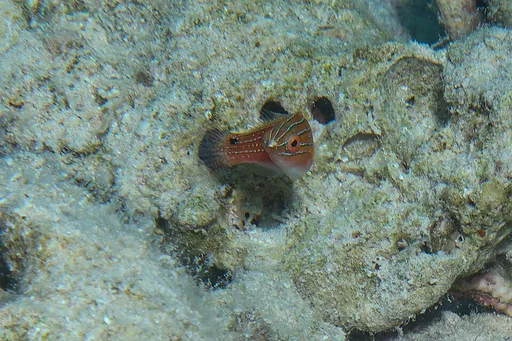
Scott's fairy wrasse is generally peaceful and reef safe with corals and invertebrates. It will fight other fairy wrasses that resemble it, so introduce it last or give it space. Males show a green to blue back and a bold flank patch that brightens during display.
Good to know
Cirrhilabrus scottorum is a fairy wrasse in the family Labridae, described from the Coral Sea. Its color varies noticeably between regions, so Fijian and Society Island fish can look quite different. Like its relatives, it is a protogynous hermaphrodite that changes from female to male.
In the wild
Scott's fairy wrasse is native to the southwestern Pacific around the Coral Sea, Fiji and French Polynesia. It ranges over coral and rubble on outer reef slopes, where males defend small territories and court passing females. It feeds on drifting zooplankton and tiny bottom animals.
Weekly picks
Tank mates
The Scott's fairy wrasse is a peaceful, social species that keeps to the middle. These picks share a community profile with it, are safe together in both directions, and overlap on water type, temperature and pH.
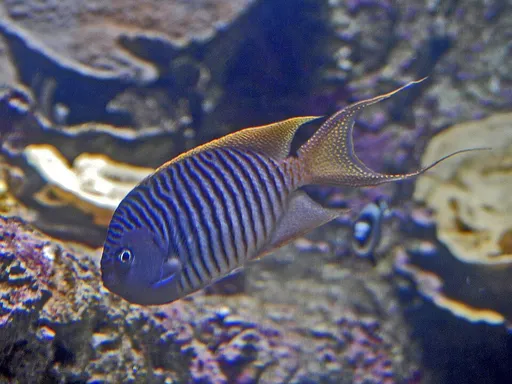
Swallowtail angelfish
Genicanthus melanospilos
Saltwater7.1 in (18 cm) · 106 gal (400 L)72–79°F (22–26°C)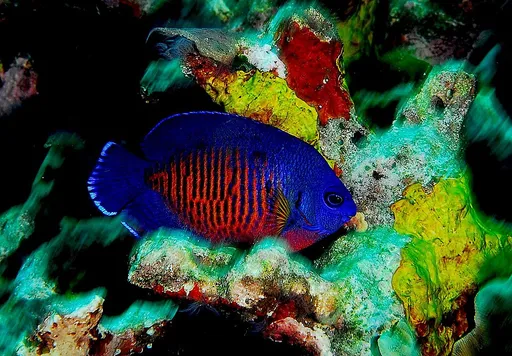
Coral beauty angelfish
Centropyge bispinosa
Saltwater3.9 in (10 cm) · 50 gal (190 L)72–79°F (22–26°C)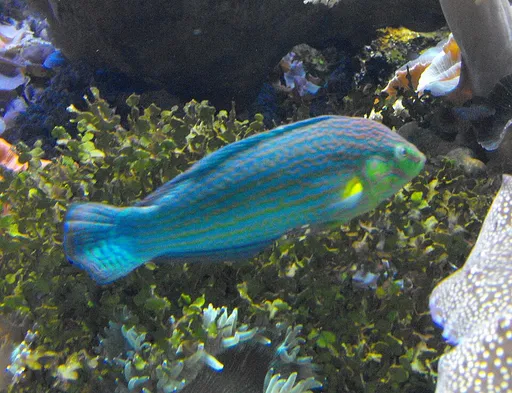
Melanurus wrasse
Halichoeres melanurus
Saltwater5.5 in (14 cm) · 100 gal (380 L)72–79°F (22–26°C)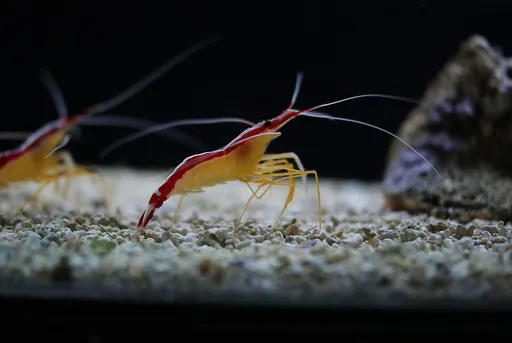
Skunk cleaner shrimp
Lysmata amboinensis
Saltwater2.4 in (6 cm) · 20 gal (75 L)73–81°F (23–27°C)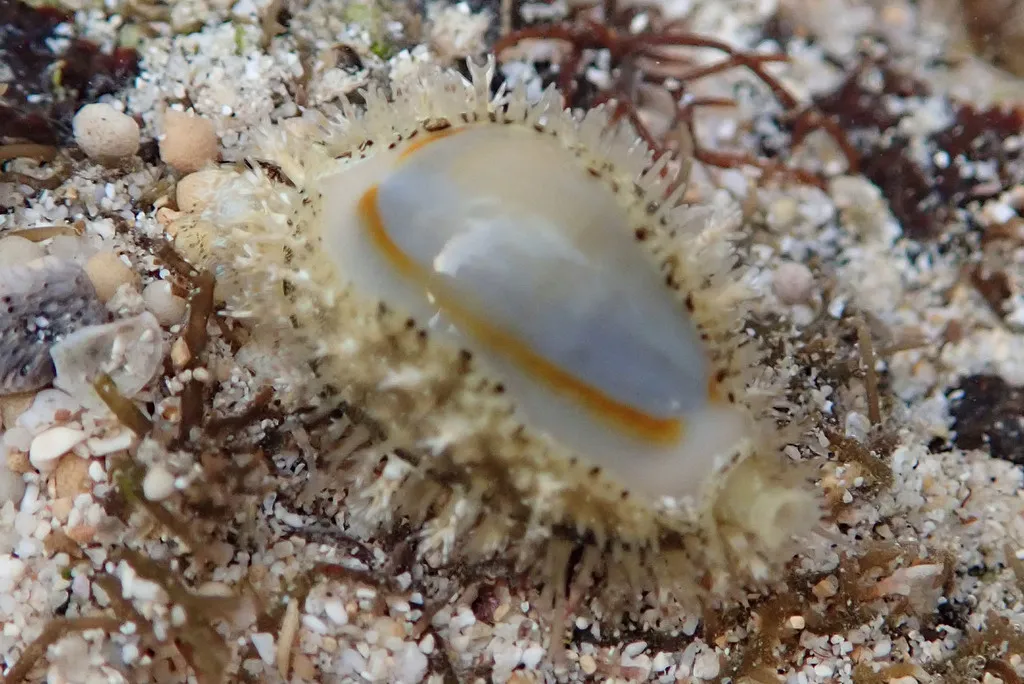
Ring cowrie
Monetaria annulus
Saltwater1.2 in (3 cm) · 20 gal (75 L)75–81°F (24–27°C)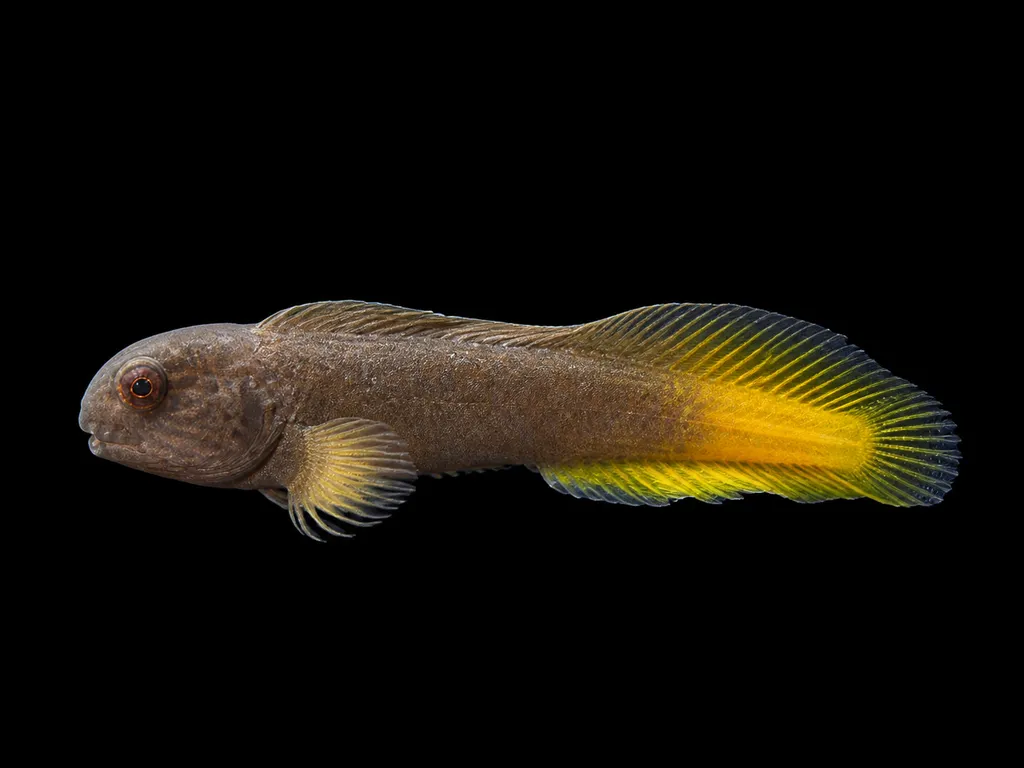
Flametail blenny
Enchelyurus flavipes
Saltwater3 in (7.5 cm) · 29 gal (110 L)72–79°F (22–26°C)
Common questions
What size tank does a Scott's fairy wrasse need?
A Scott's fairy wrasse needs at least 90 gal (340 L). It spends most of its time in the middle.
What temperature and pH does a Scott's fairy wrasse need?
A Scott's fairy wrasse is comfortable at 73–81°F (23–27°C) with a pH of 8.1–8.4.
What does a Scott's fairy wrasse eat?
A Scott's fairy wrasse eats zooplankton. In the tank, feed it mysis, enriched brine shrimp and pellet several times a day.
How big does a Scott's fairy wrasse get?
An adult Scott's fairy wrasse reaches about 5.1 in (13 cm).
How can you tell a male Scott's fairy wrasse from a female?
Males show a green to blue back and a bold patch on the flank.
Related species
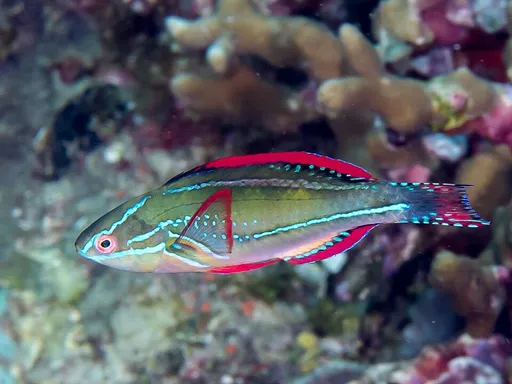 4.7 in (12 cm)90 gal (340 L)72–79°F (22–26°C)
Exquisite fairy wrasse
Cirrhilabrus exquisitus
4.7 in (12 cm) · 90 gal (340 L)
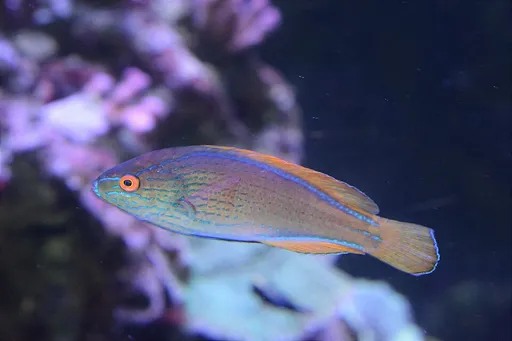 4.7 in (12 cm)90 gal (340 L)73–81°F (23–27°C)
Lineatus fairy wrasse
Cirrhilabrus lineatus
4.7 in (12 cm) · 90 gal (340 L)
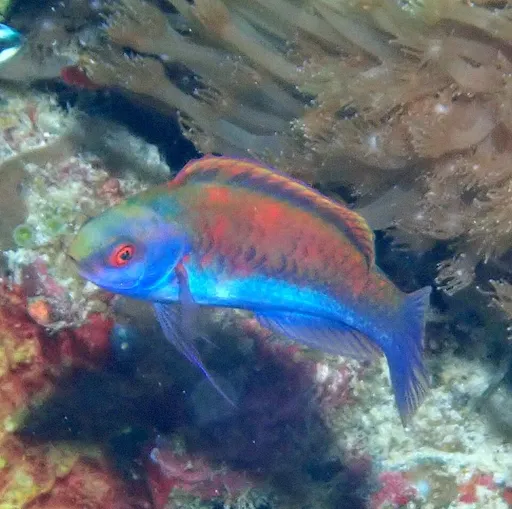 4.3 in (11 cm)90 gal (340 L)72–79°F (22–26°C)
Solar fairy wrasse
Cirrhilabrus solorensis
4.3 in (11 cm) · 90 gal (340 L)
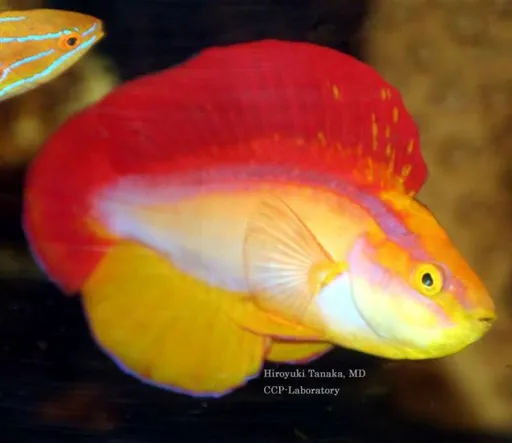 3.9 in (10 cm)90 gal (340 L)72–79°F (22–26°C)
Flame fairy wrasse
Cirrhilabrus jordani
3.9 in (10 cm) · 90 gal (340 L)
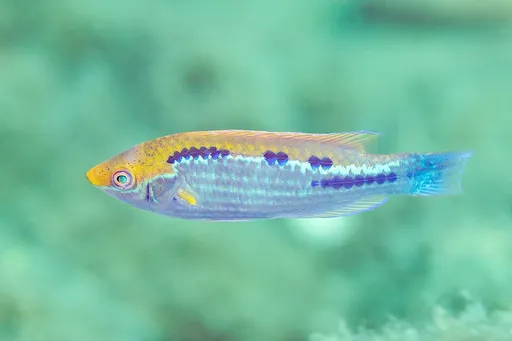 3.1 in (8 cm)55 gal (208 L)72–79°F (22–26°C)
Lubbock's fairy wrasse
Cirrhilabrus lubbocki
3.1 in (8 cm) · 55 gal (208 L)
 2.8 in (7 cm)53 gal (200 L)73–81°F (23–27°C)
Social fairy wrasse
Cirrhilabrus rubriventralis
2.8 in (7 cm) · 53 gal (200 L)