Variety of Guppy
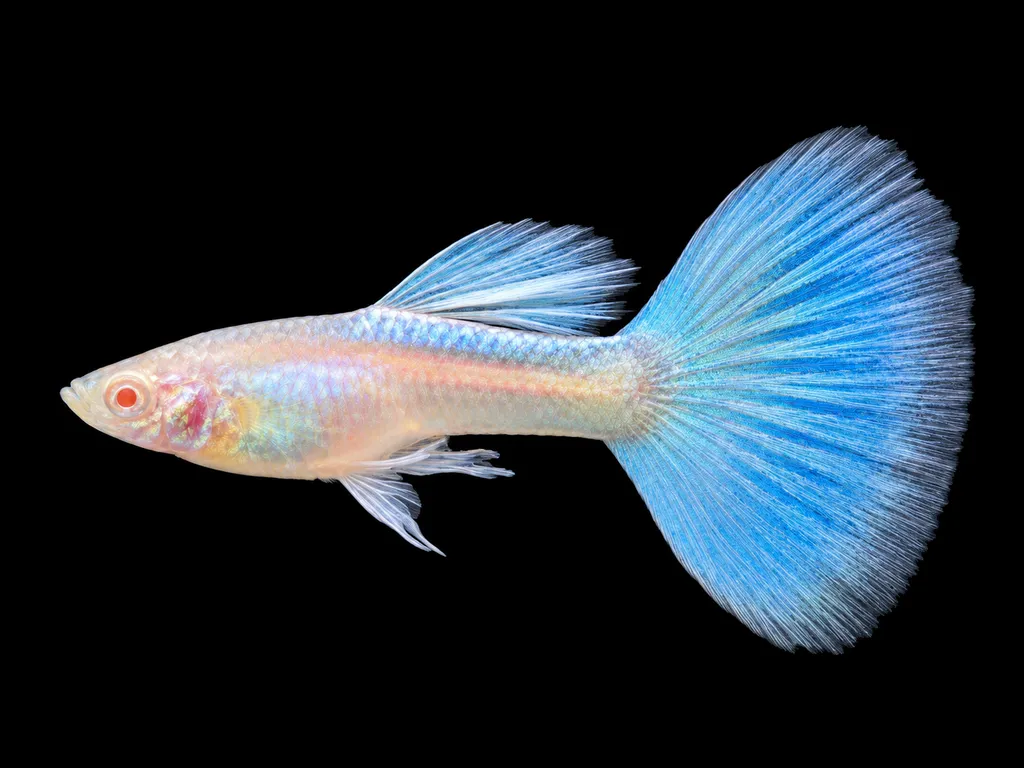
Lyretail guppy
Poecilia reticulata
One of 9 varieties of Poecilia reticulata · See all varieties →
Also known as Japanese Lyretail Guppy, Blue Lyretail Guppy
FreshwaterBrackishFish
Varieties · Poecilia reticulata
See all 9 →
Care at a glance
- Temperature
- 64–82°F
- 18–28°C
- pH
- 6.8–7.8
- Adult size
- 2.4 in
- 6 cm
- Minimum tank
- 13 gal
- 50 L
- Temperament
- Peaceful
- Social behavior
- Social
- Swim level
- Middle
- Difficulty
- Beginner
- Breeding
- Easy
- Rarity
- Very common
- Family
- Poeciliidae
Overview
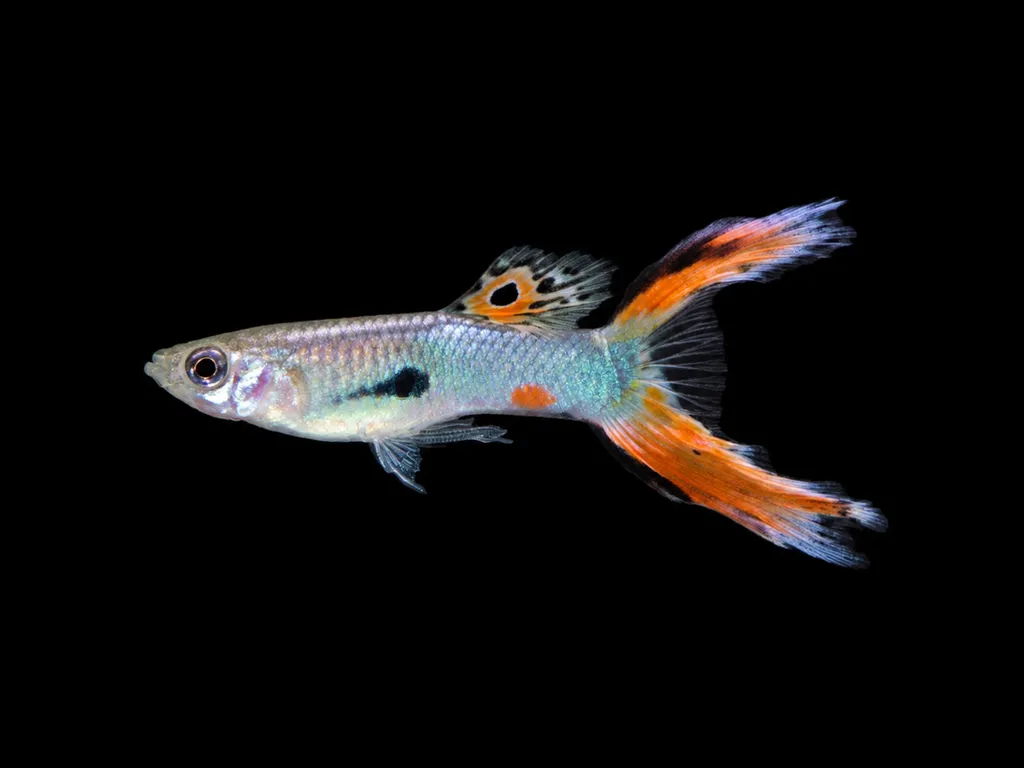
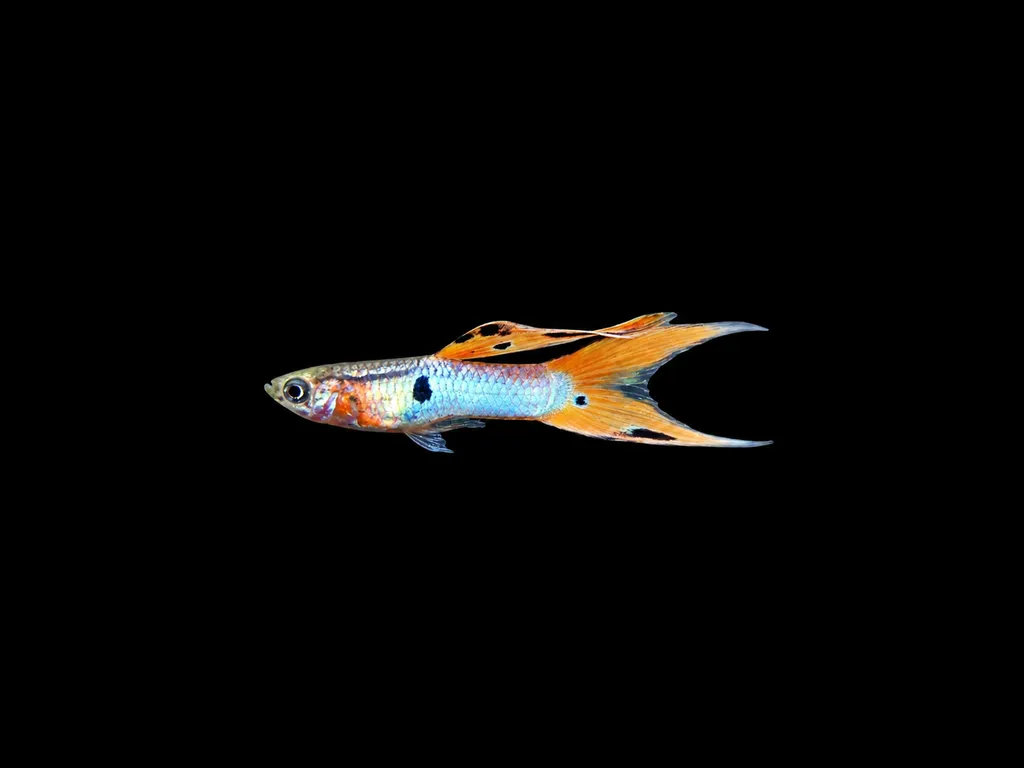
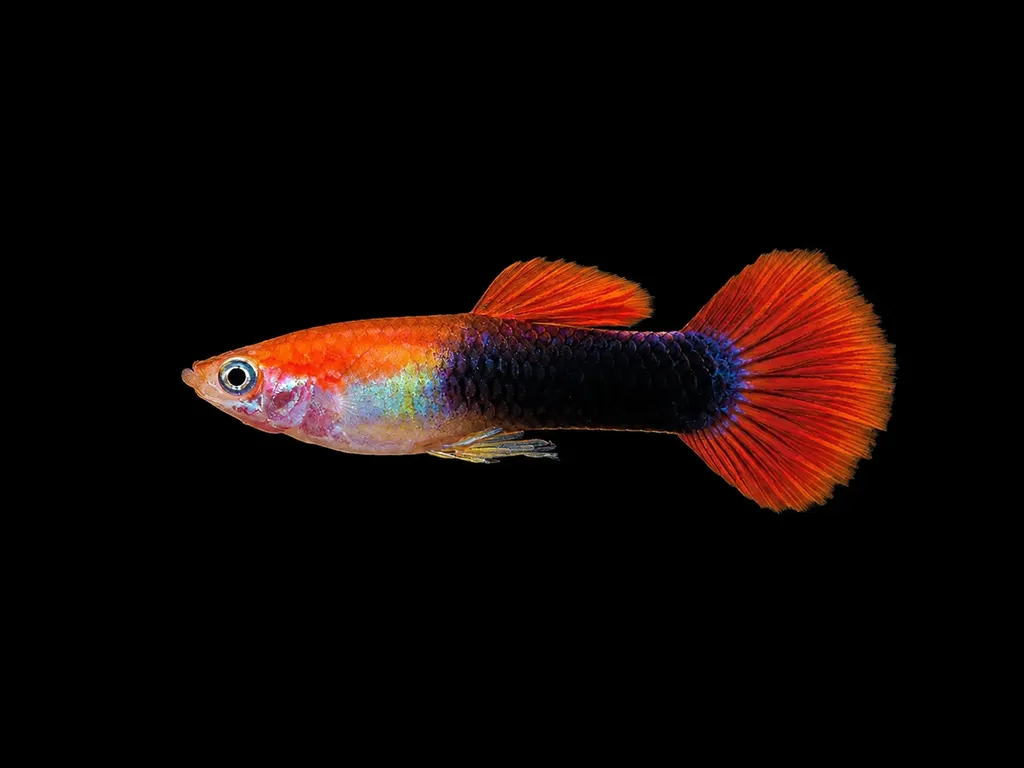
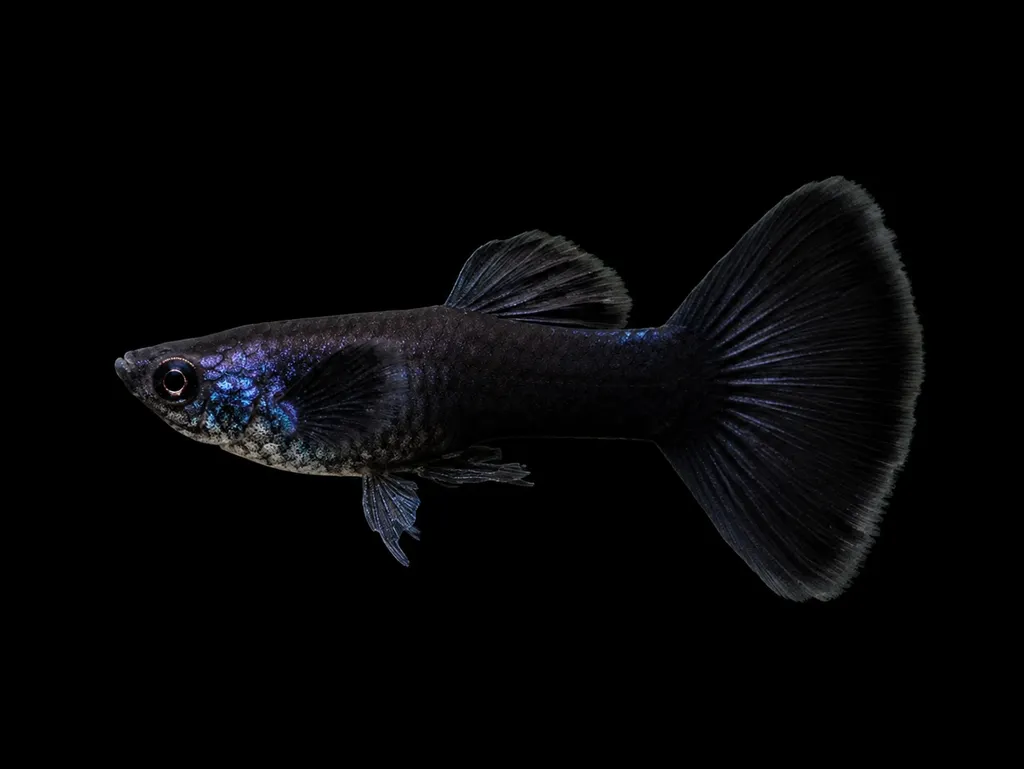
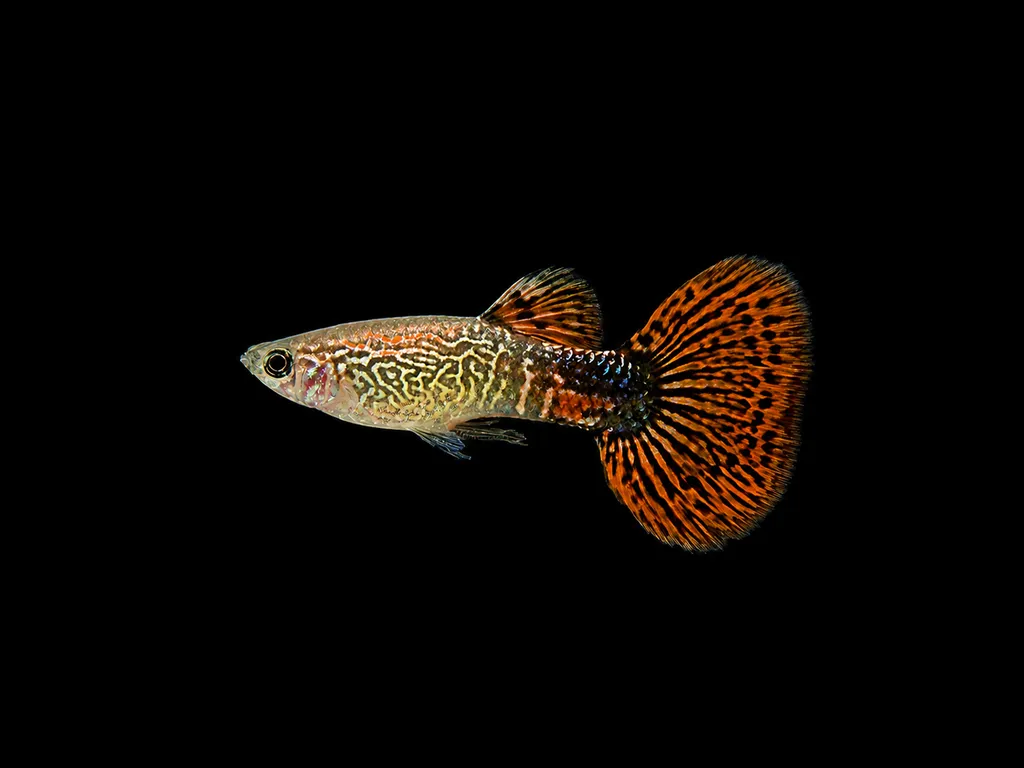
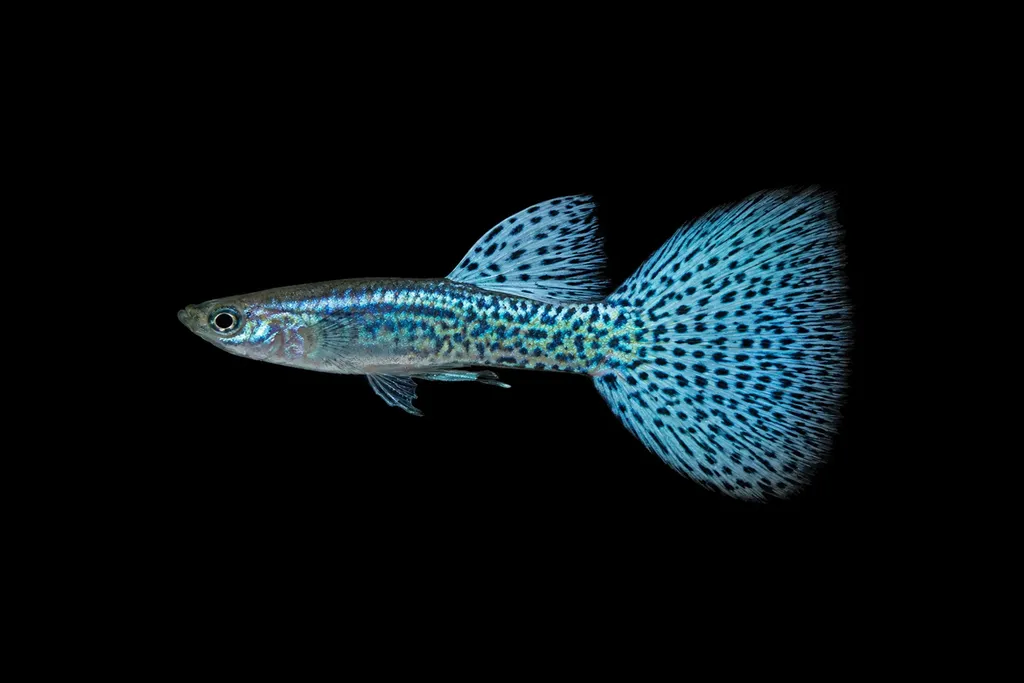
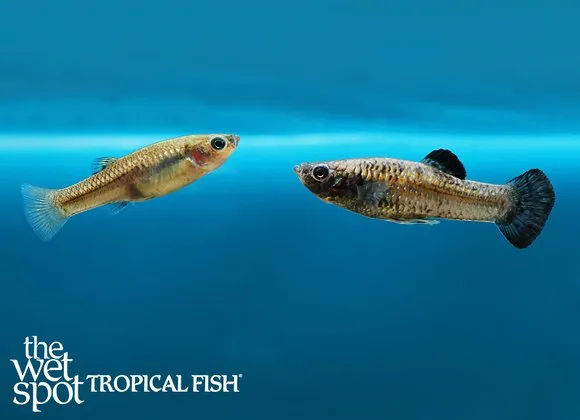
Lyretail describes the tail: a short center with the top and bottom rays drawn out into two points. Shops sell it under color names such as Blue Lyretail and Red Lyretail, often with no description beyond the label. Retailers are loose with the term, and fish sold as lyretail overlap heavily with the double sword. Lobe length and symmetry vary between farms, so judge the photo rather than the name.
In the wild
The shape is a domestic selection. Wild guppies do not carry drawn-out caudal lobes, and no breeder, country or decade is documented for the guppy version. Treat it as a hobby line of uncertain origin, named for the same tail outline that gives lyretail swordtails and lyretail mollies their name.
Good to know
In swordtails and platies the lyretail allele is dominant and also lengthens the anal fin, so the male's gonopodium grows too long to deliver sperm. Mollies carry a lyretail that leaves the gonopodium normal, and those males breed on their own. In guppies the lobes are extended caudal rays, with the center of the fin staying short. Fry vary in lobe length, so breeders reselect every generation.
Did you know
The lyretail name means something very different in swordtails. There the same tail comes with a gonopodium stretched past the point where it works, so the sperm is viable but the male cannot copulate. Those strains are kept going by pairing lyretail females with normal-finned males, which caps the lyretail share of each brood at half.
Weekly picks
Tank mates
Lyretail guppy is a peaceful, social species that keeps to the middle. These picks share a community profile with it, are safe together in both directions, and overlap on water type, temperature and pH.
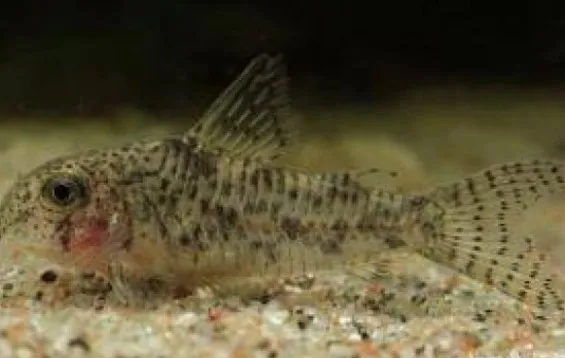
Barred-tail cory
Hoplisoma cochui
Freshwater1.4 in (3.5 cm) · 13 gal (50 L)70–82°F (21–28°C)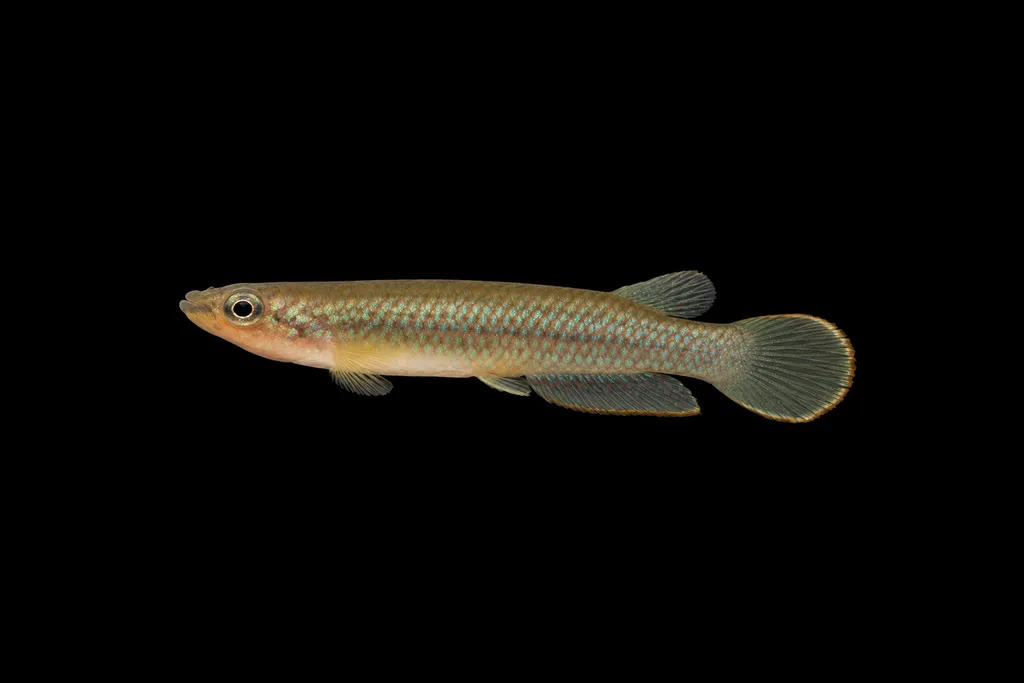
Guinean panchax
Epiplatys guineensis
Freshwater2.8 in (7 cm) · 14 gal (54 L)68–77°F (20–25°C)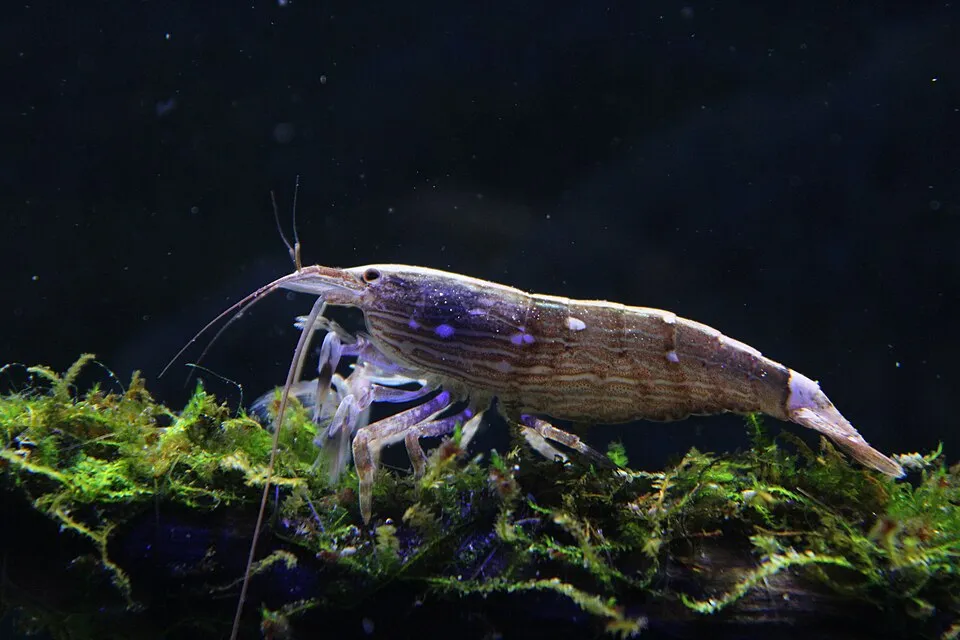
Bamboo shrimp
Atyopsis moluccensis
Freshwater3.9 in (10 cm) · 13 gal (50 L)72–84°F (22–29°C)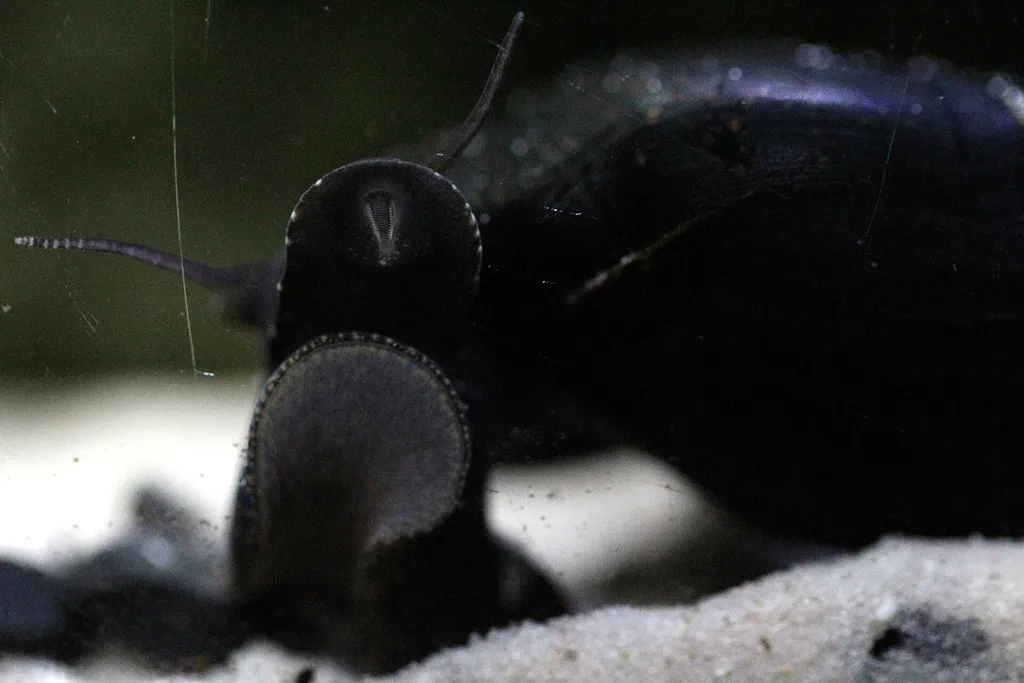
Black devil snail
Faunus ater
Freshwater3.9 in (10 cm) · 13 gal (50 L)72–86°F (22–30°C)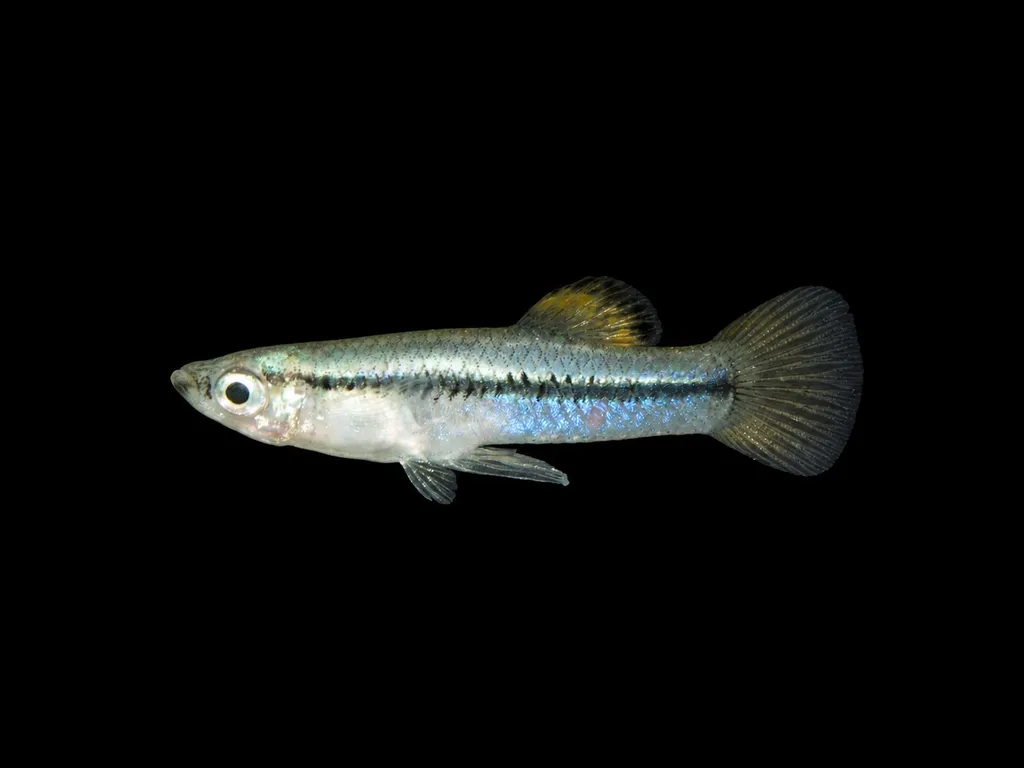
Blackline mosquitofish
Gambusia vittata
Freshwater1.8 in (4.5 cm) · 14 gal (54 L)72–81°F (22–27°C)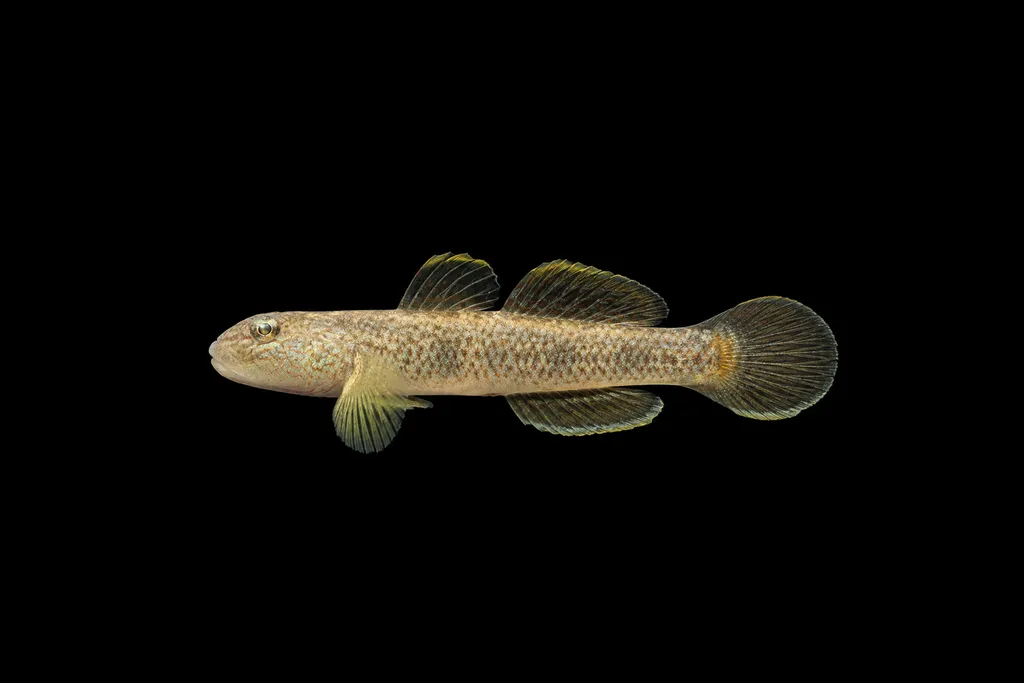
Yellow fin rhinogobius
Rhinogobius leavelli
Freshwater3.1 in (8 cm) · 14 gal (54 L)64–77°F (18–25°C)
Common questions
Is a Lyretail guppy a different species from the Guppy?
No. A Lyretail guppy is a variety of the Guppy, Poecilia reticulata, and it wants the same tank, water and food as the species.
What size tank does a Lyretail guppy need?
A Lyretail guppy needs at least 13 gal (50 L). It spends most of its time in the middle.
How big does a Lyretail guppy get?
An adult Lyretail guppy reaches about 2.4 in (6 cm).
Related species
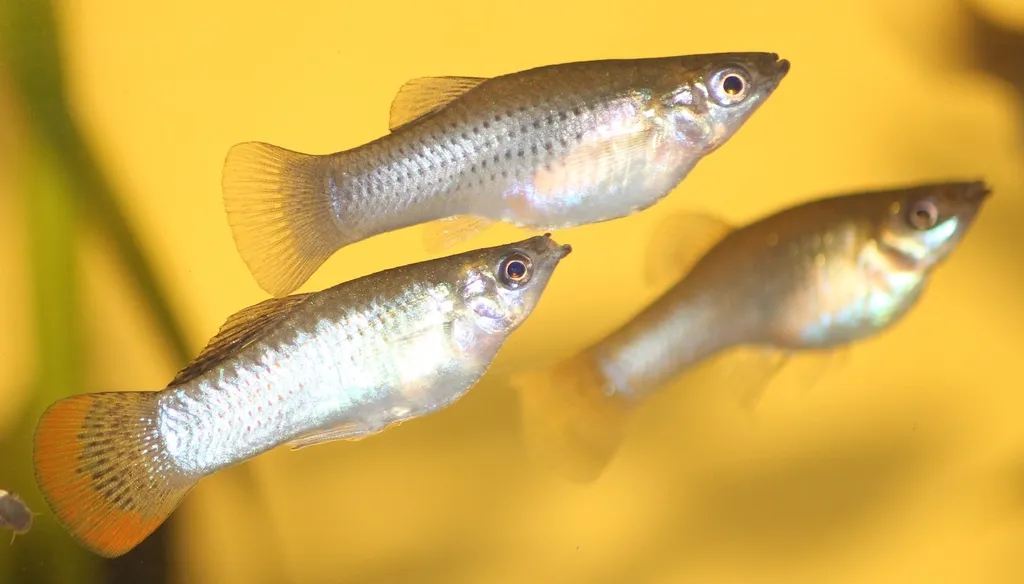
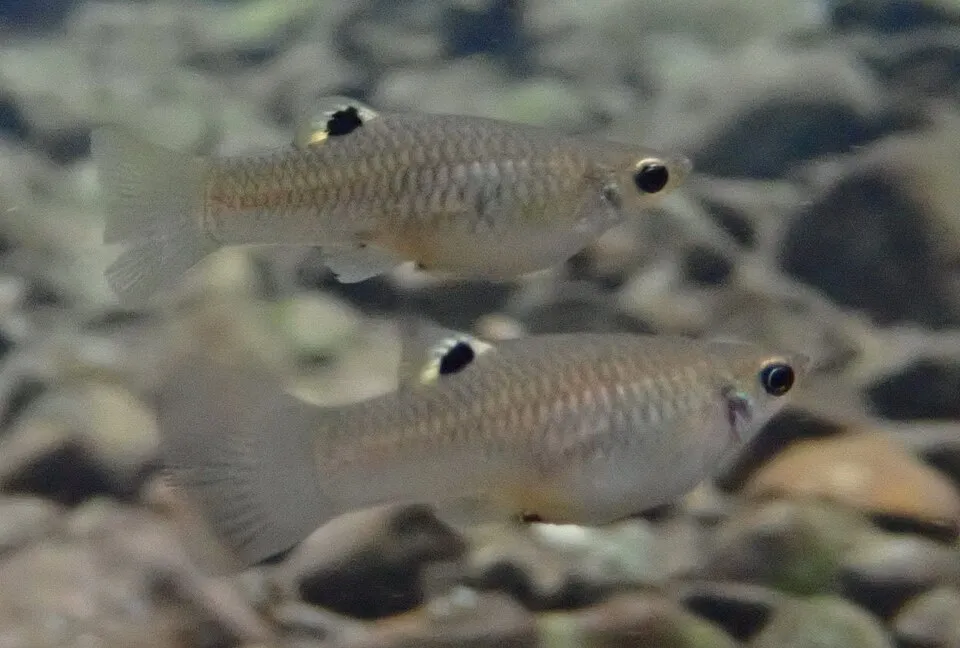 2.4 in (6 cm)16 gal (60 L)77–86°F (25–30°C)
Cauca molly
Poecilia caucana
2.4 in (6 cm) · 16 gal (60 L)
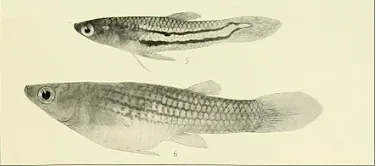
 2.8 in (7 cm)29 gal (110 L)72–81°F (22–27°C)
Pacific molly
Poecilia butleri
2.8 in (7 cm) · 29 gal (110 L)
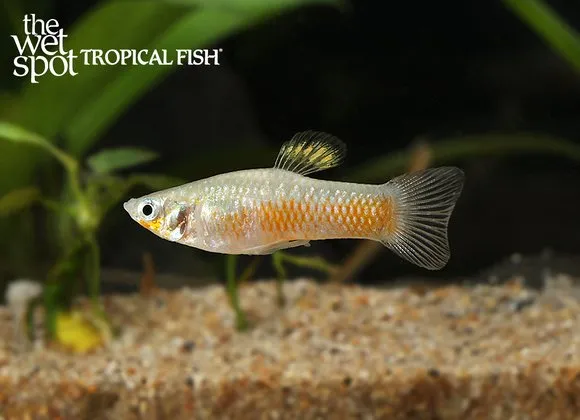
 2 in (5 cm)15 gal (55 L)75–82°F (24–28°C)
Melanzona guppy
Poecilia parae
2 in (5 cm) · 15 gal (55 L)
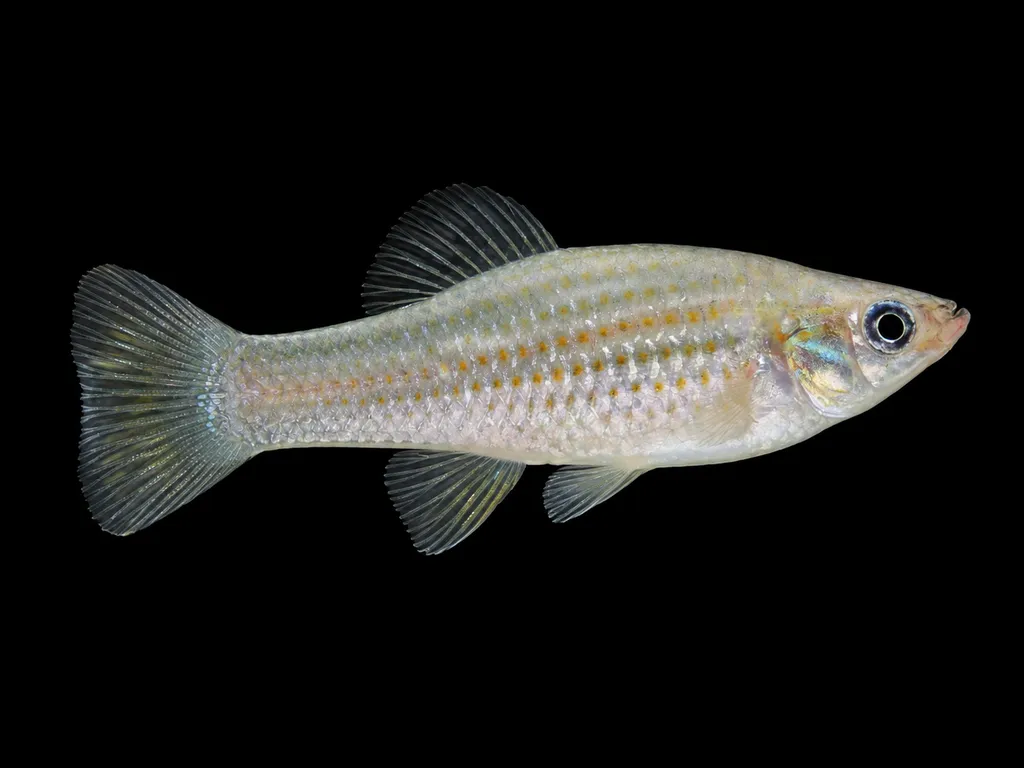
 3.1 in (8 cm)20 gal (75 L)72–81°F (22–27°C)
Southern molly
Poecilia vivipara
3.1 in (8 cm) · 20 gal (75 L)
 3.5 in (9 cm)20 gal (75 L)68–82°F (20–28°C)
Amazon molly
Poecilia formosa
3.5 in (9 cm) · 20 gal (75 L)
 1.6 in (4 cm)11 gal (40 L)72–81°F (22–27°C)
Dwarf molly
Poecilia chica
1.6 in (4 cm) · 11 gal (40 L)