Variety of Guppy
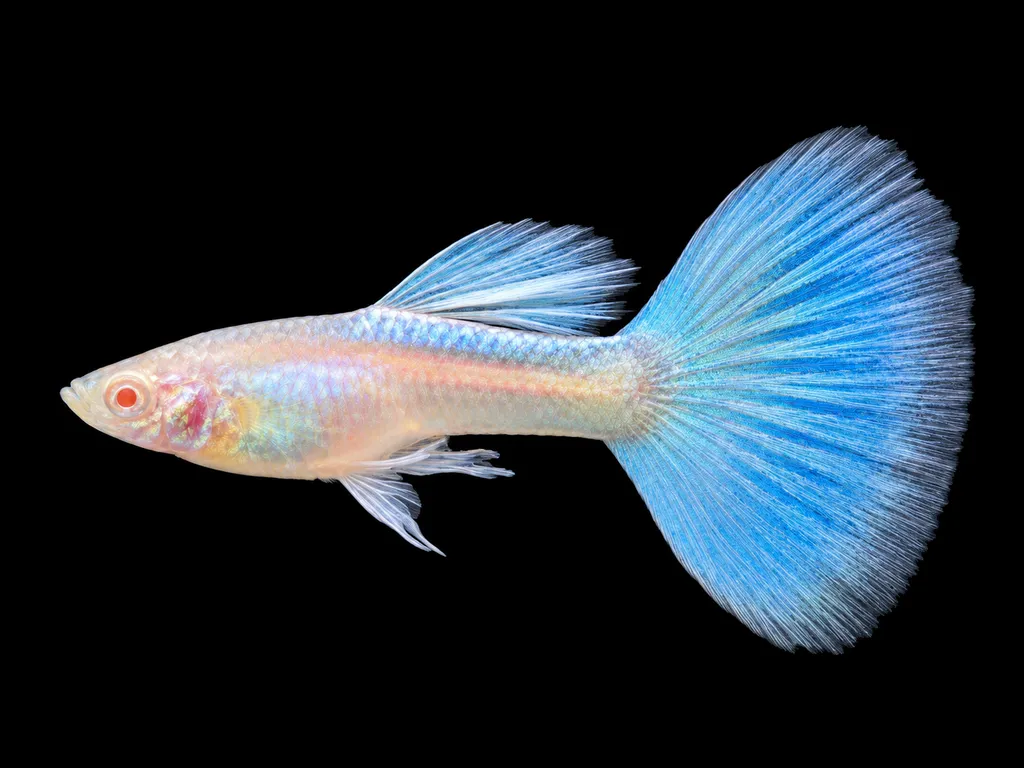
Cobra guppy
Poecilia reticulata
One of 9 varieties of Poecilia reticulata · See all varieties →
Also known as Blue Cobra Guppy, Platinum Cobra Guppy, Red Cobra Guppy, Yellow Cobra Guppy, Luminous Cobra Guppy, Green Cobra Guppy
FreshwaterBrackishFish
Varieties · Poecilia reticulata
See all 9 →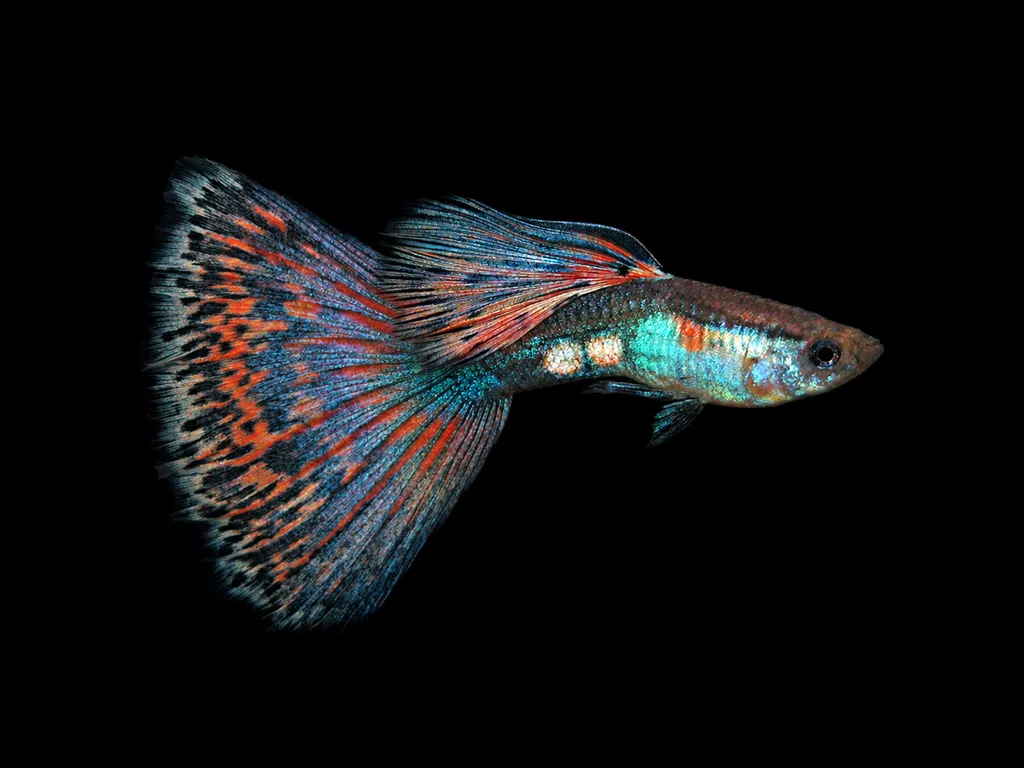
Care at a glance
- Temperature
- 64–82°F
- 18–28°C
- pH
- 6.8–7.8
- Adult size
- 2.4 in
- 6 cm
- Minimum tank
- 13 gal
- 50 L
- Temperament
- Peaceful
- Social behavior
- Social
- Swim level
- Middle
- Difficulty
- Beginner
- Breeding
- Easy
- Rarity
- Very common
- Family
- Poeciliidae
Overview
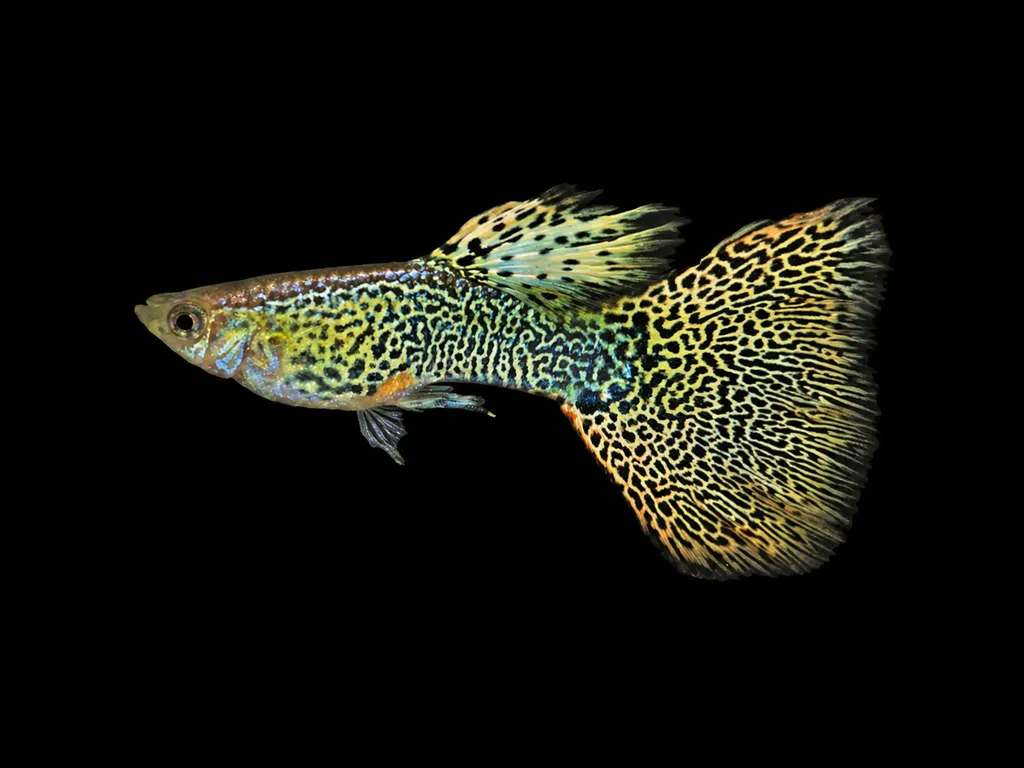
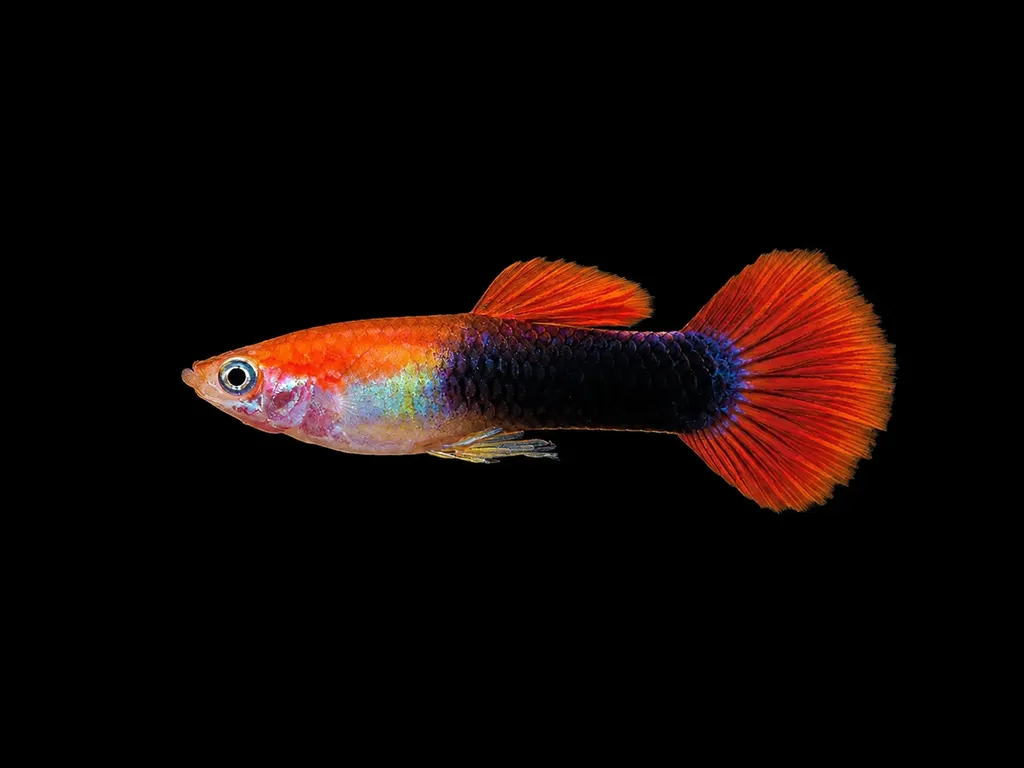
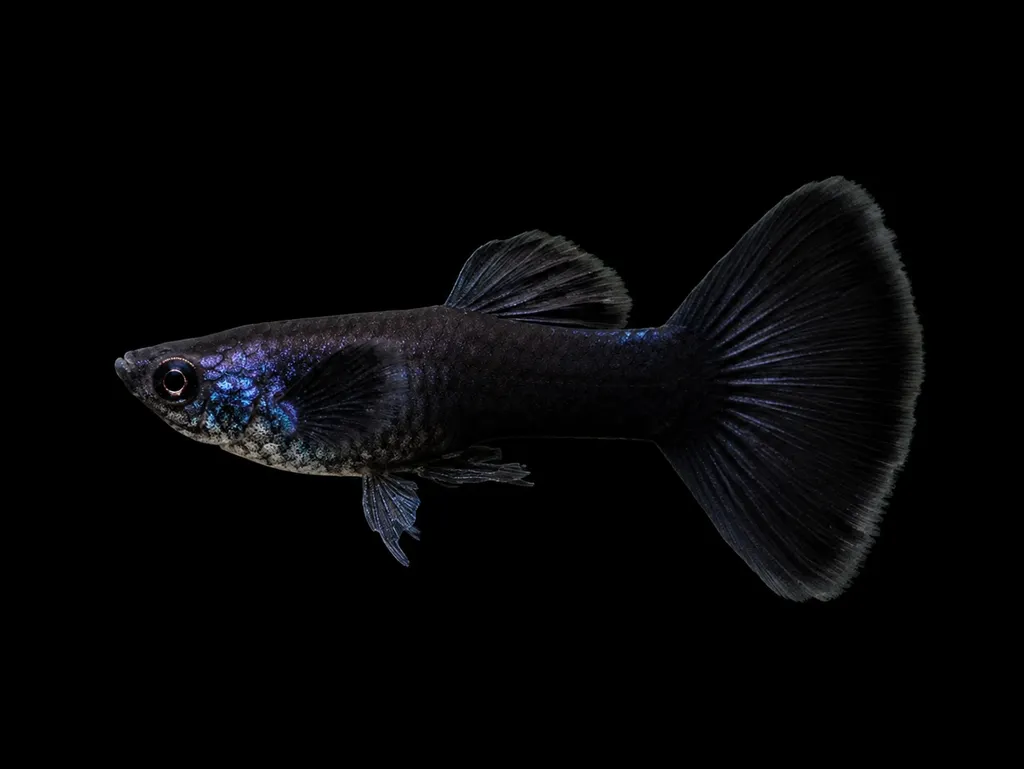
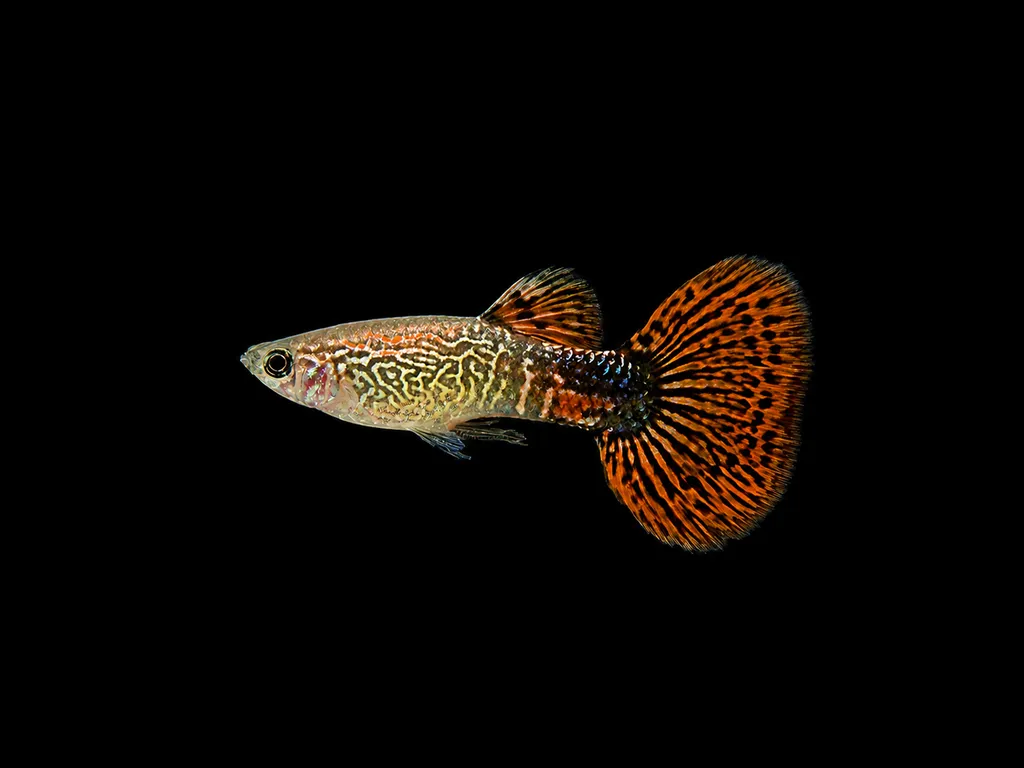
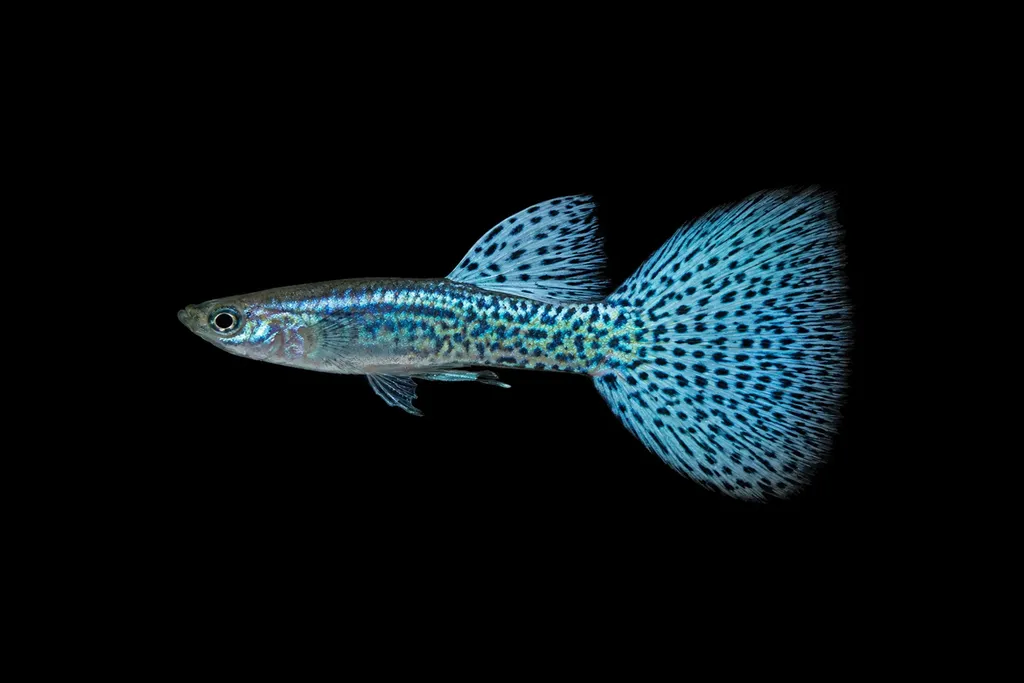
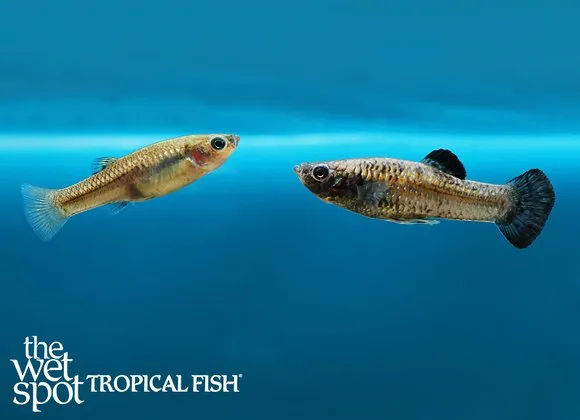
Cobra is a body pattern sold with a color word in front: Red Cobra, Blue Cobra, Yellow Cobra, Platinum Cobra. The pattern shows on males, so females out of the same line look like ordinary guppies. Shops also use King Cobra for the same fish, and how tight the barring is varies between farms.
In the wild
Cobra is a domestic pattern built on the snakeskin lines and does not occur as a fixed pattern in the wild. Hobby histories trace the name to a May 1965 piece in Tropical Fish Hobbyist, in which Mike Reed presented fish as King Cobra for the Mac Guppy Hatchery of Long Island, New York. Breeders have recombined the pattern ever since, so no single farm owns the look.
Good to know
The cobra look is vertical barring laid over the snakeskin pattern. A 1999 Zoological Science paper from Violet Phang's group in Singapore describes the bars as an autosomal recessive gene, bar, that shows only on males already carrying the Y-linked snakeskin body gene. Because that base pattern rides on the Y chromosome, every son takes it from his father, which holds the line.
Did you know
Barring on its own does not make a snakeskin at a guppy show. The IFGA asks the snakeskin classes for a continuous chain-link or rosette pattern over at least 60 percent of the body. A barred fish without that mesh is entered in the class matching its tail color instead.
Weekly picks
Tank mates
Cobra guppy is a peaceful, social species that keeps to the middle. These picks share a community profile with it, are safe together in both directions, and overlap on water type, temperature and pH.
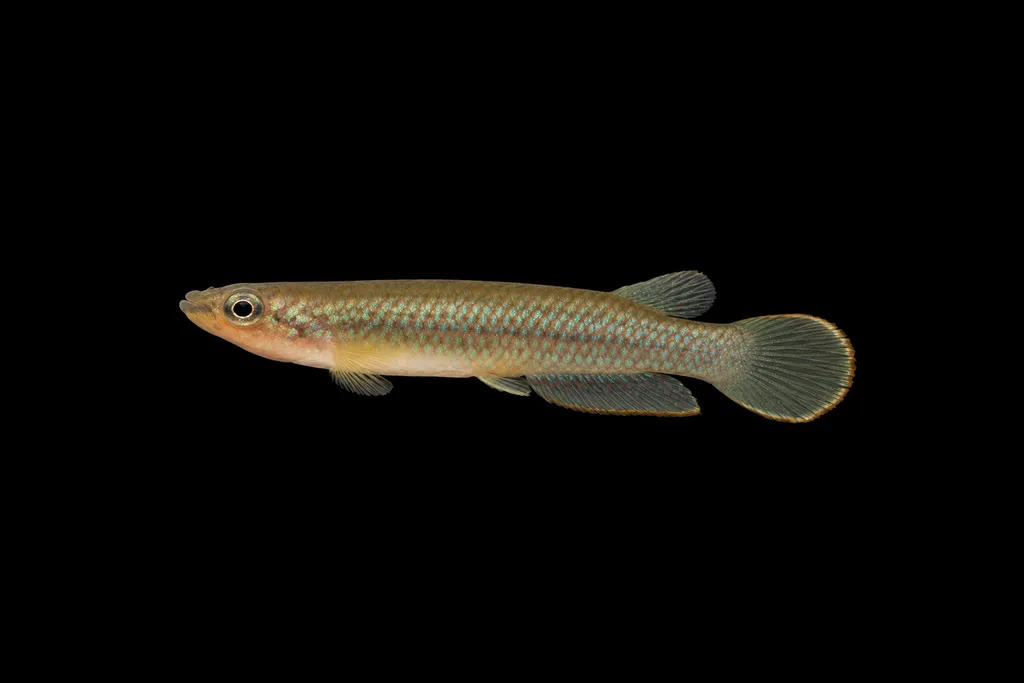
Guinean panchax
Epiplatys guineensis
Freshwater2.8 in (7 cm) · 14 gal (54 L)68–77°F (20–25°C)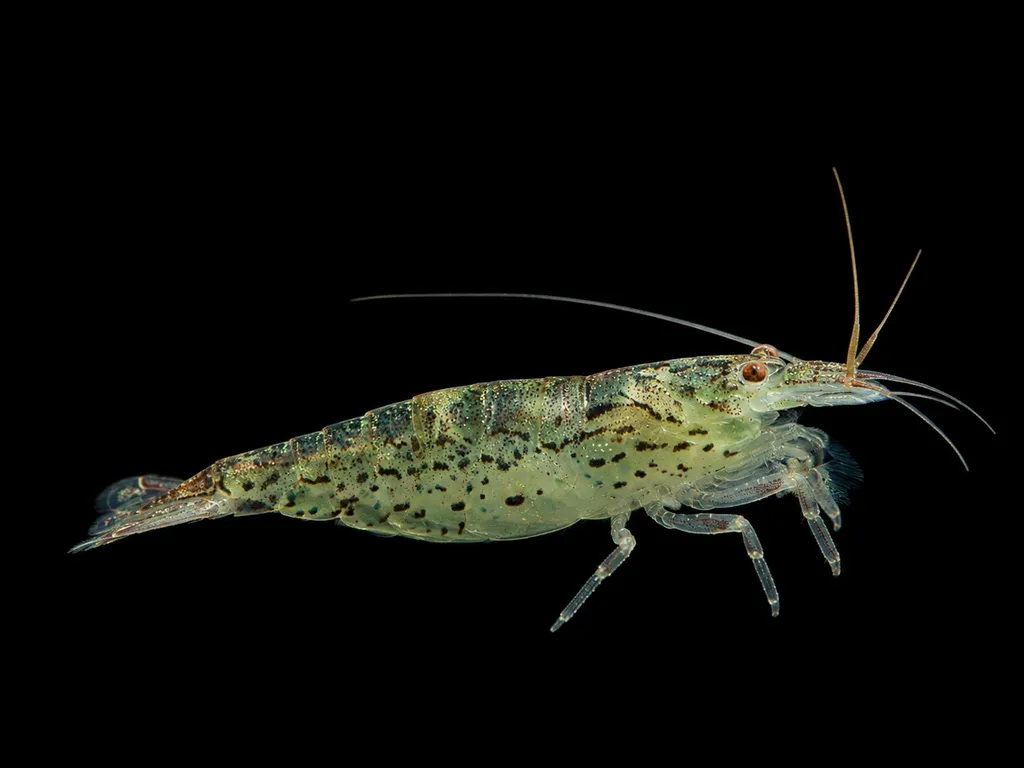
Green lace shrimp
Atyoida pilipes
Freshwater2.8 in (7 cm) · 14 gal (54 L)73–82°F (23–28°C)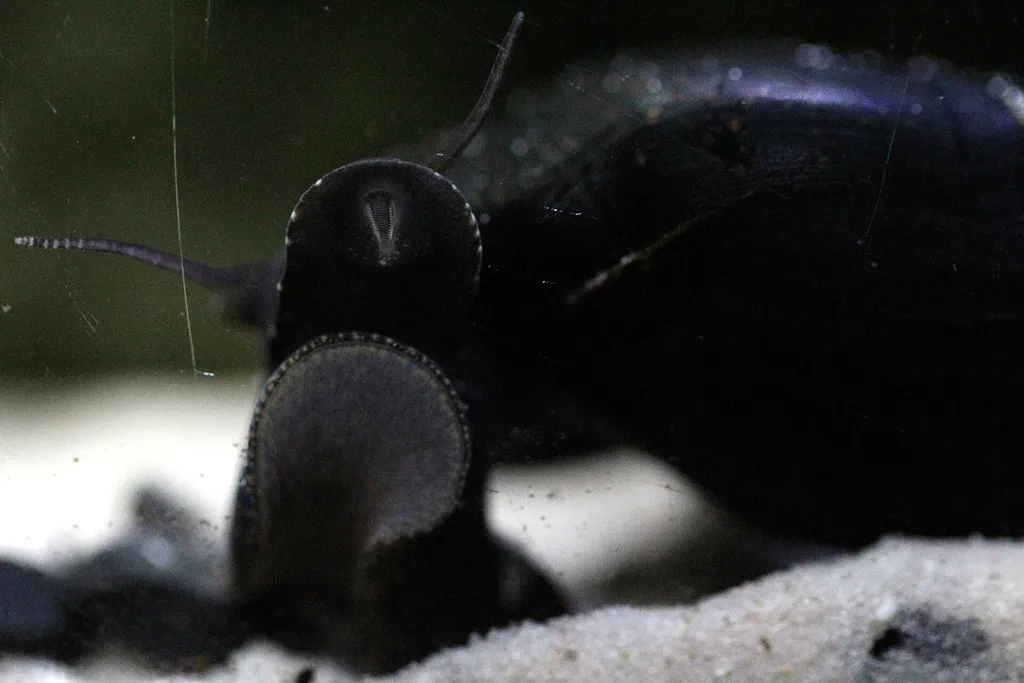
Black devil snail
Faunus ater
Freshwater3.9 in (10 cm) · 13 gal (50 L)72–86°F (22–30°C)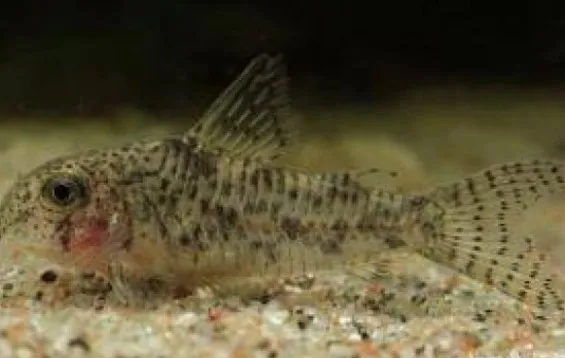
Barred-tail cory
Hoplisoma cochui
Freshwater1.4 in (3.5 cm) · 13 gal (50 L)70–82°F (21–28°C)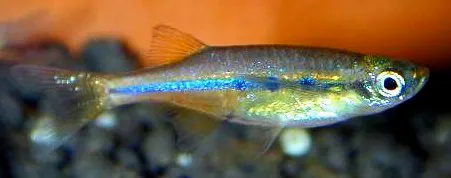
Orange hatchet danio
Laubuka dadiburjori
Freshwater1.2 in (3 cm) · 13 gal (50 L)68–75°F (20–24°C)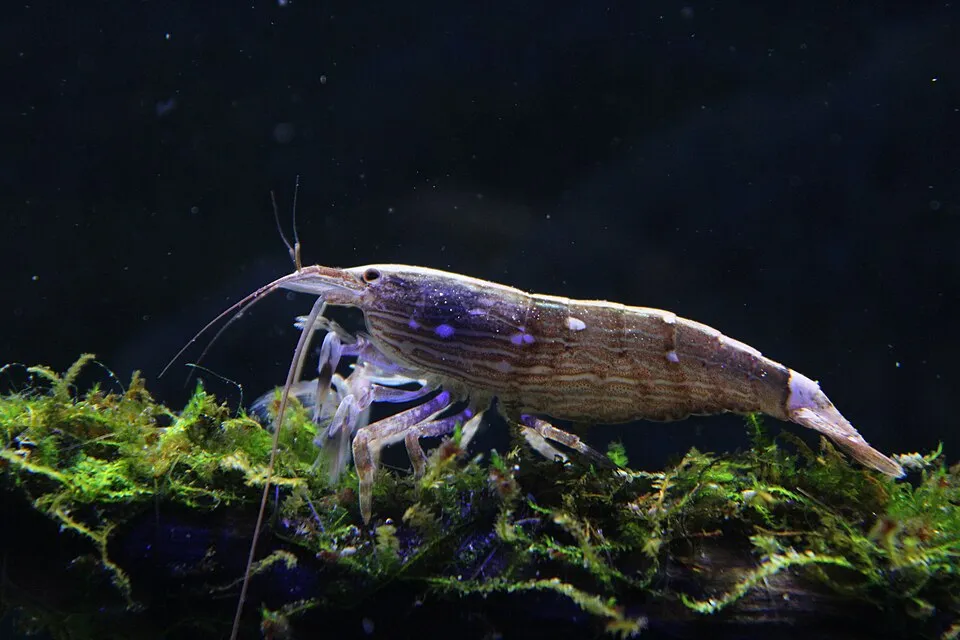
Bamboo shrimp
Atyopsis moluccensis
Freshwater3.9 in (10 cm) · 13 gal (50 L)72–84°F (22–29°C)
Common questions
Is a Cobra guppy a different species from the Guppy?
No. A Cobra guppy is a variety of the Guppy, Poecilia reticulata, and it wants the same tank, water and food as the species.
What size tank does a Cobra guppy need?
A Cobra guppy needs at least 13 gal (50 L). It spends most of its time in the middle.
How big does a Cobra guppy get?
An adult Cobra guppy reaches about 2.4 in (6 cm).
Related species
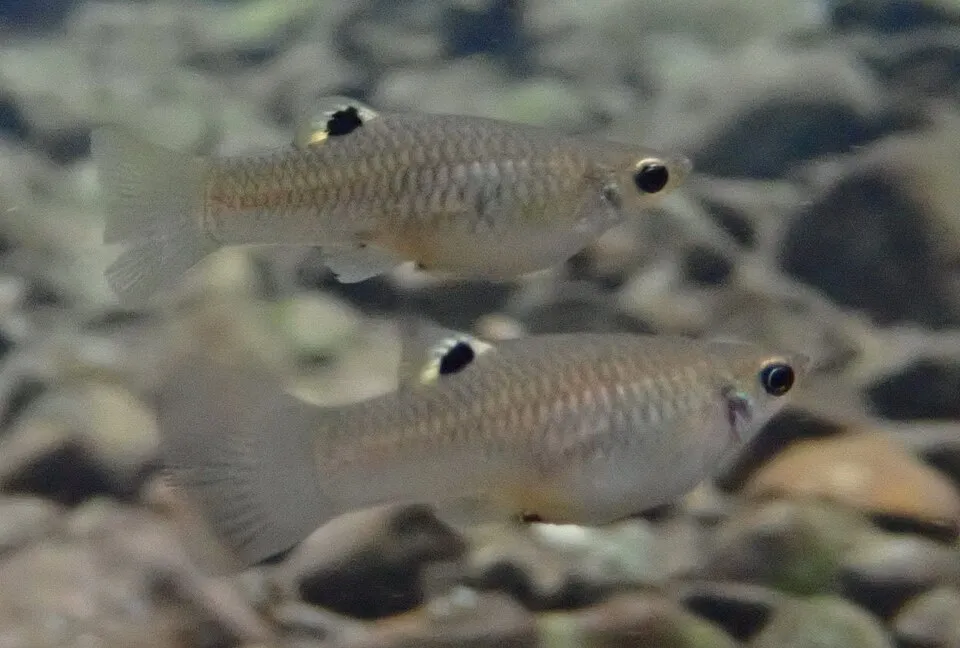 2.4 in (6 cm)16 gal (60 L)77–86°F (25–30°C)
Cauca molly
Poecilia caucana
2.4 in (6 cm) · 16 gal (60 L)
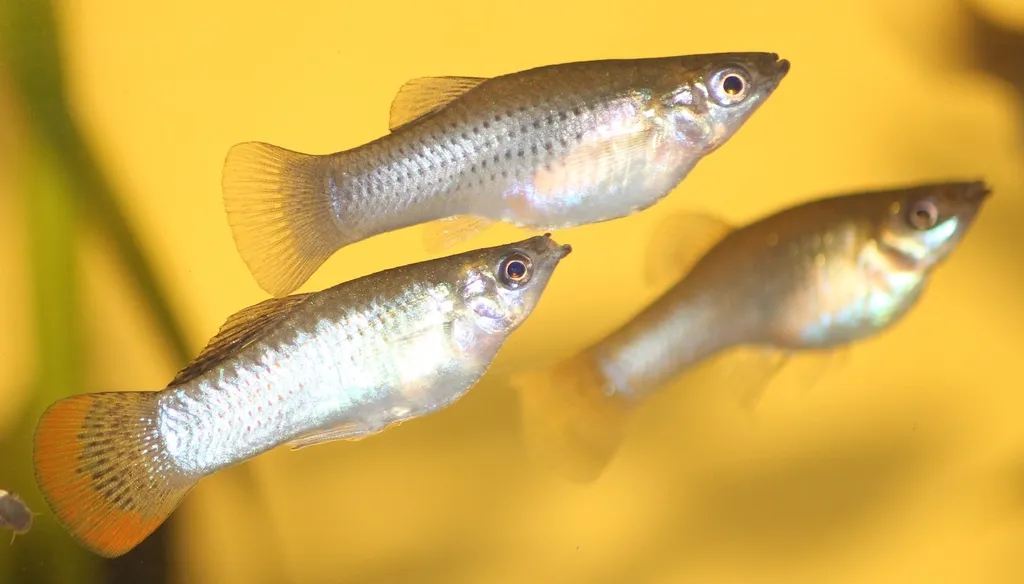 2.8 in (7 cm)29 gal (110 L)72–81°F (22–27°C)
Pacific molly
Poecilia butleri
2.8 in (7 cm) · 29 gal (110 L)
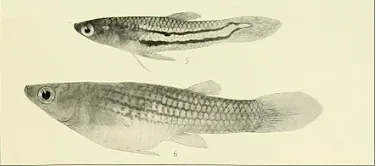 2 in (5 cm)15 gal (55 L)75–82°F (24–28°C)
Melanzona guppy
Poecilia parae
2 in (5 cm) · 15 gal (55 L)
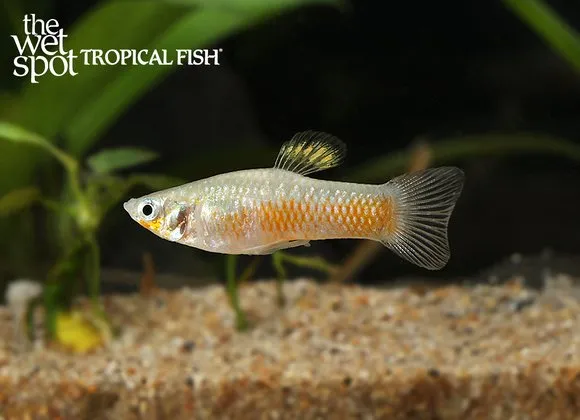 3.1 in (8 cm)20 gal (75 L)72–81°F (22–27°C)
Southern molly
Poecilia vivipara
3.1 in (8 cm) · 20 gal (75 L)
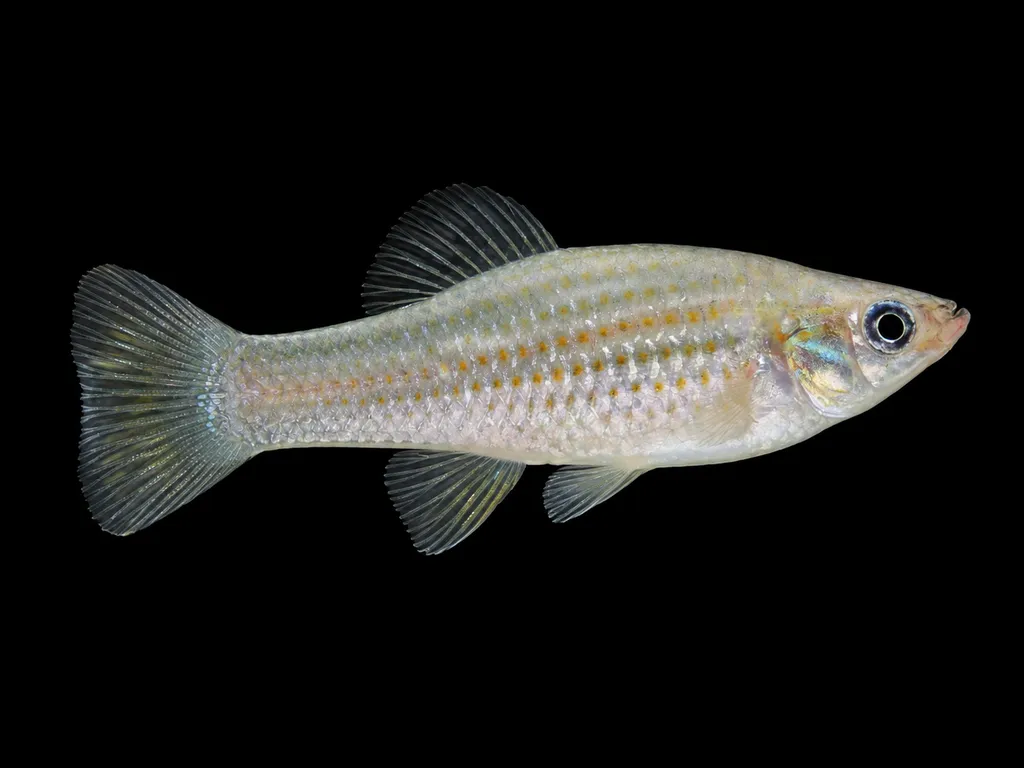 3.5 in (9 cm)20 gal (75 L)68–82°F (20–28°C)
Amazon molly
Poecilia formosa
3.5 in (9 cm) · 20 gal (75 L)
 1.6 in (4 cm)11 gal (40 L)72–81°F (22–27°C)
Dwarf molly
Poecilia chica
1.6 in (4 cm) · 11 gal (40 L)