Variety of Guppy
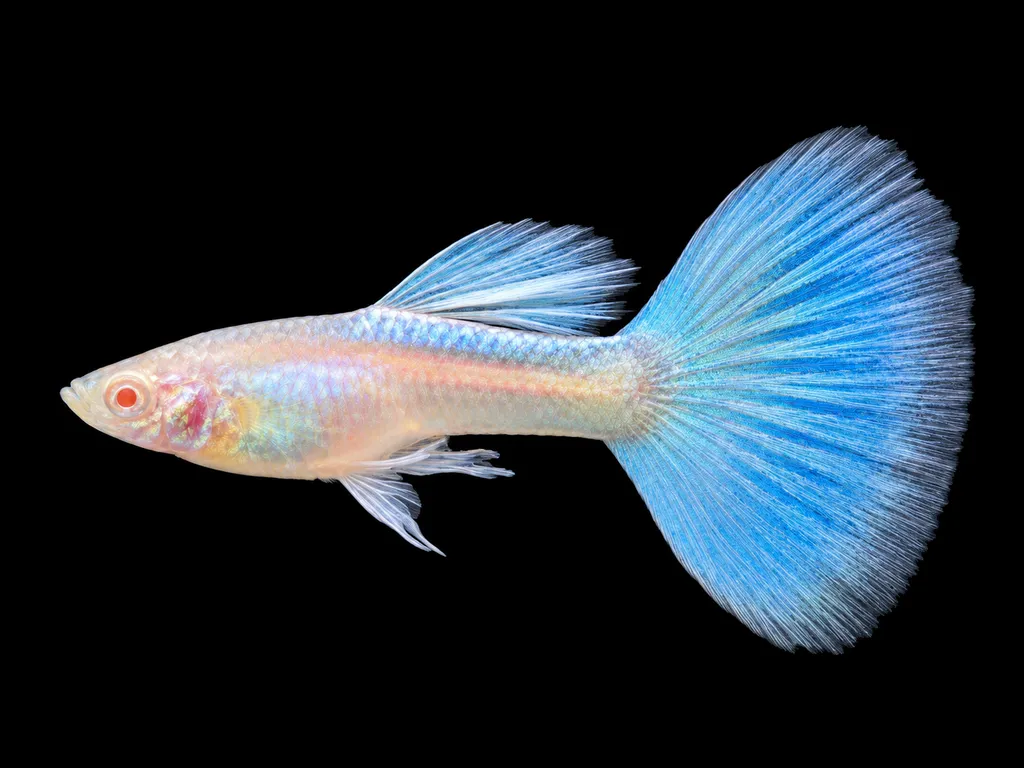
Moscow guppy
Poecilia reticulata
One of 9 varieties of Poecilia reticulata · See all varieties →
Also known as Green Moscow Guppy, Black Moscow Guppy, White Moscow Guppy, Blue Moscow Guppy
FreshwaterBrackishFish
Varieties · Poecilia reticulata
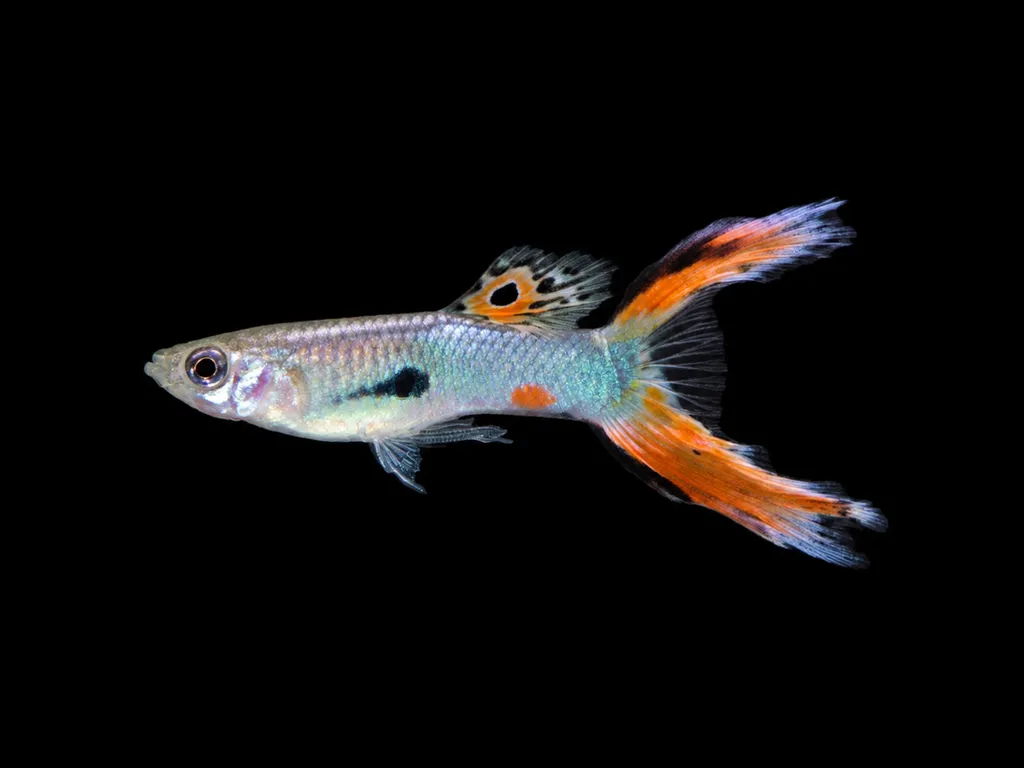
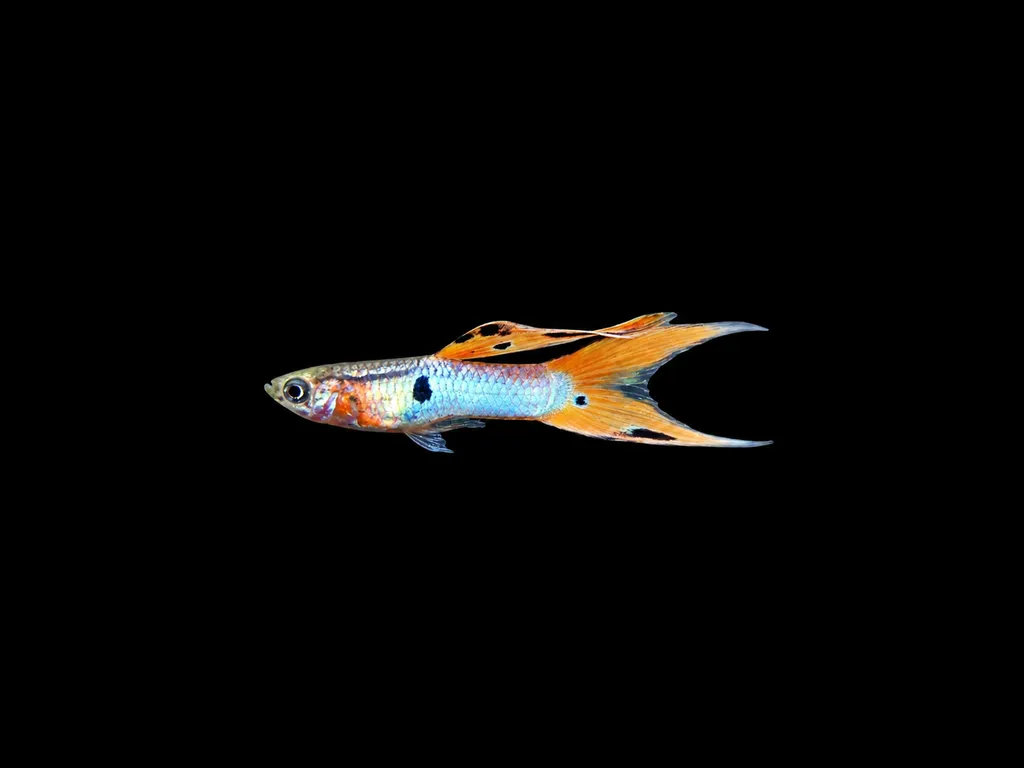
See all 9 →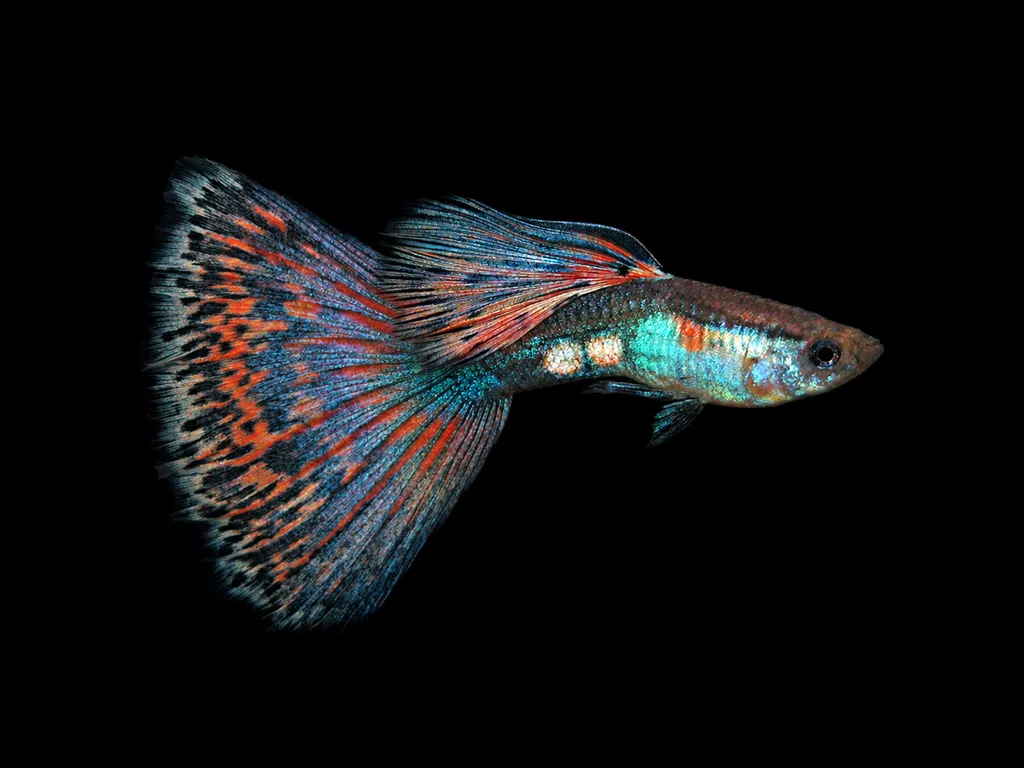
Care at a glance
- Temperature
- 64–82°F
- 18–28°C
- pH
- 6.8–7.8
- Adult size
- 2.4 in
- 6 cm
- Minimum tank
- 13 gal
- 50 L
- Temperament
- Peaceful
- Social behavior
- Social
- Swim level
- Middle
- Difficulty
- Beginner
- Breeding
- Easy
- Rarity
- Very common
- Family
- Poeciliidae
Overview
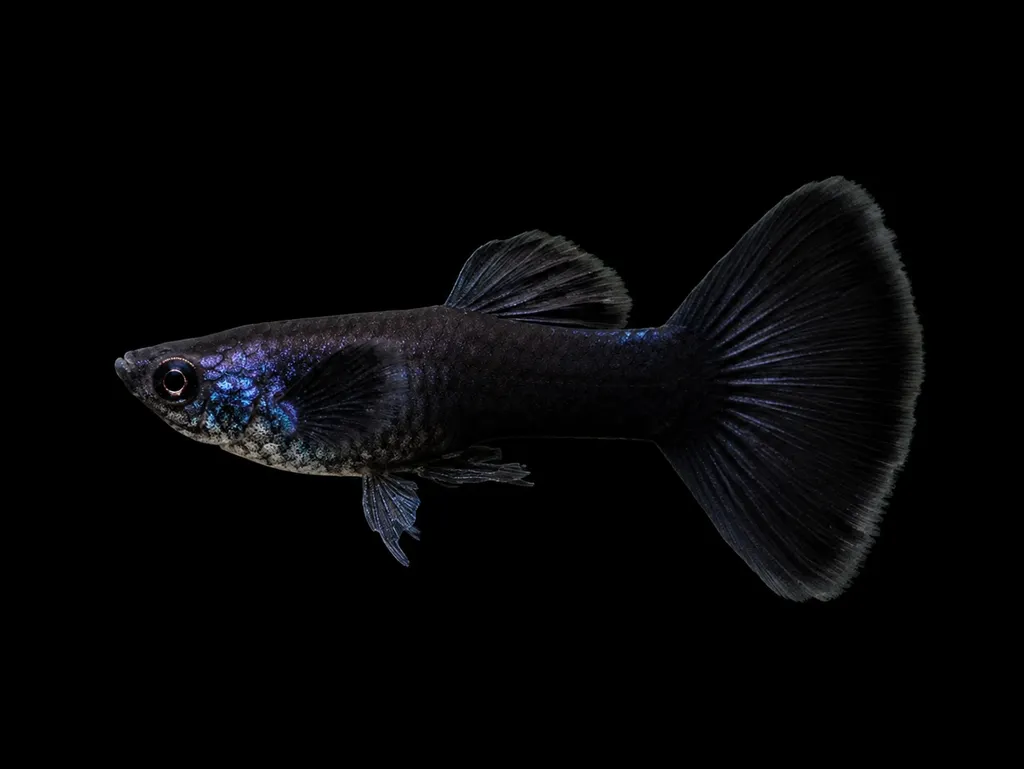
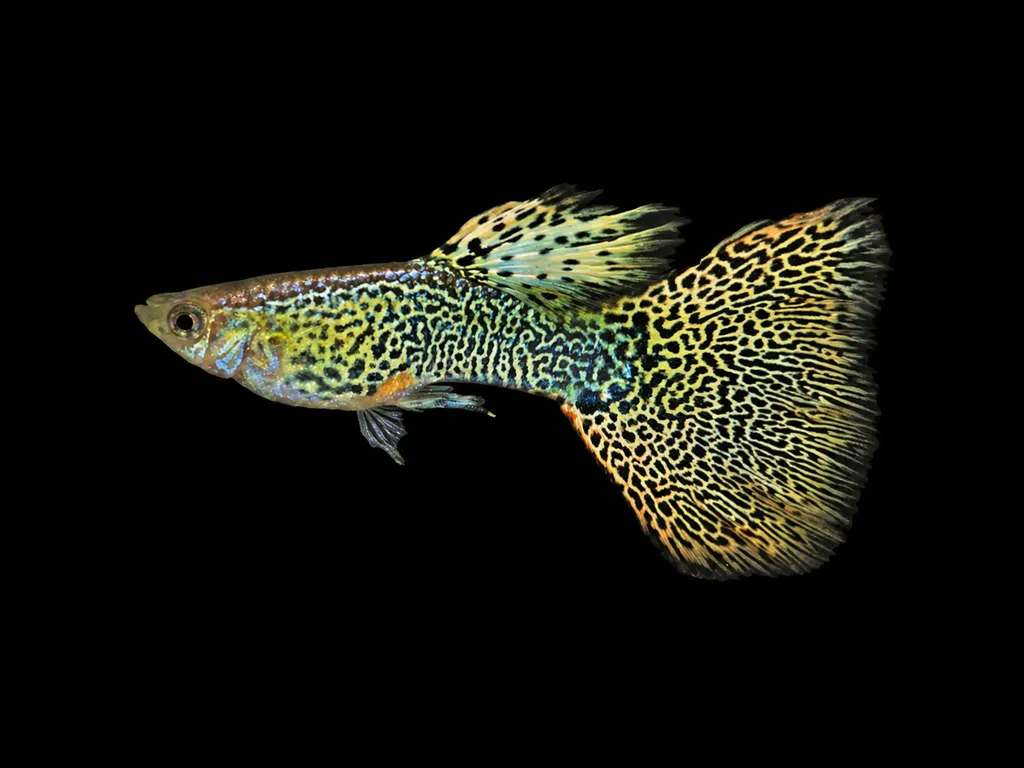
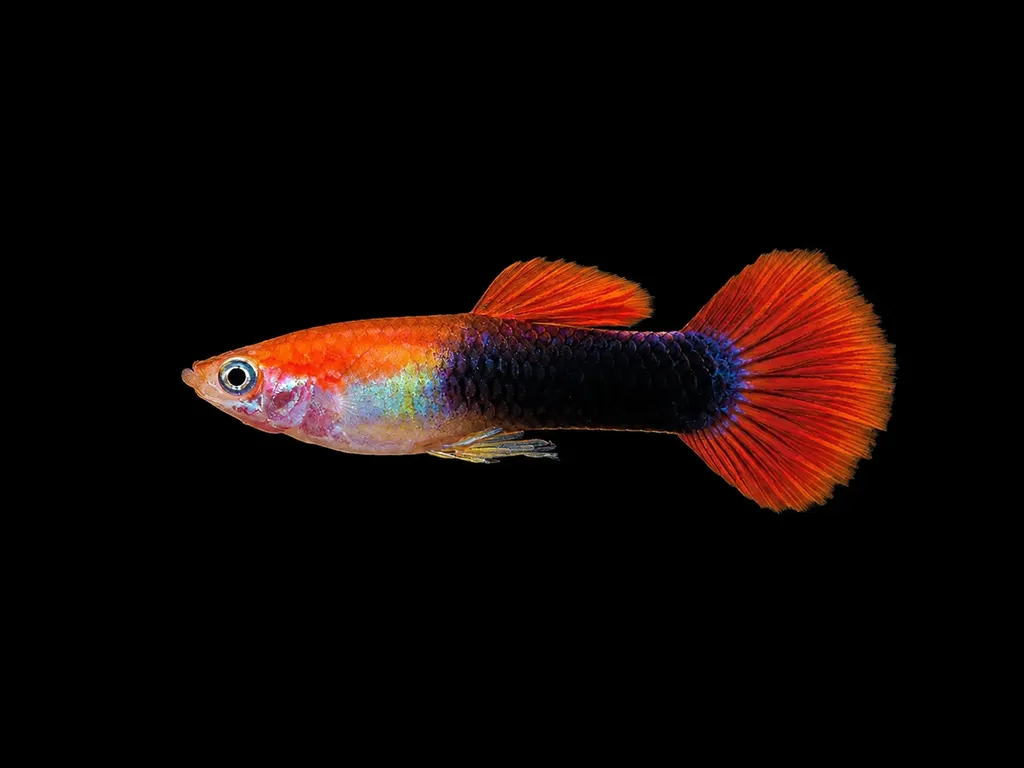
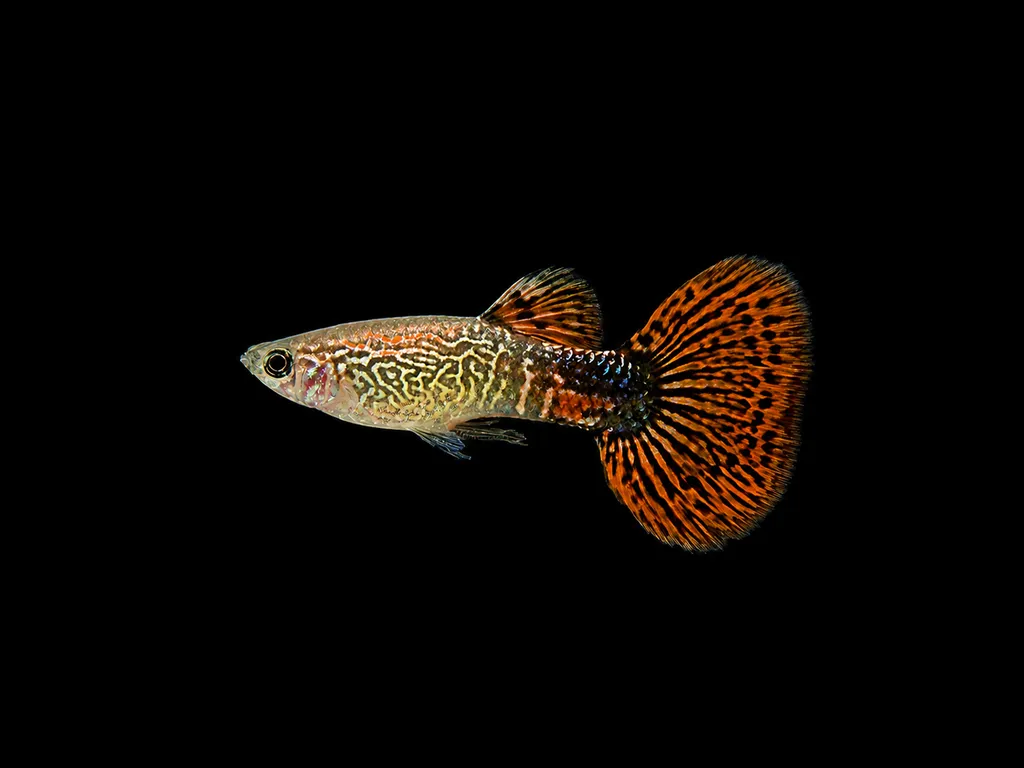
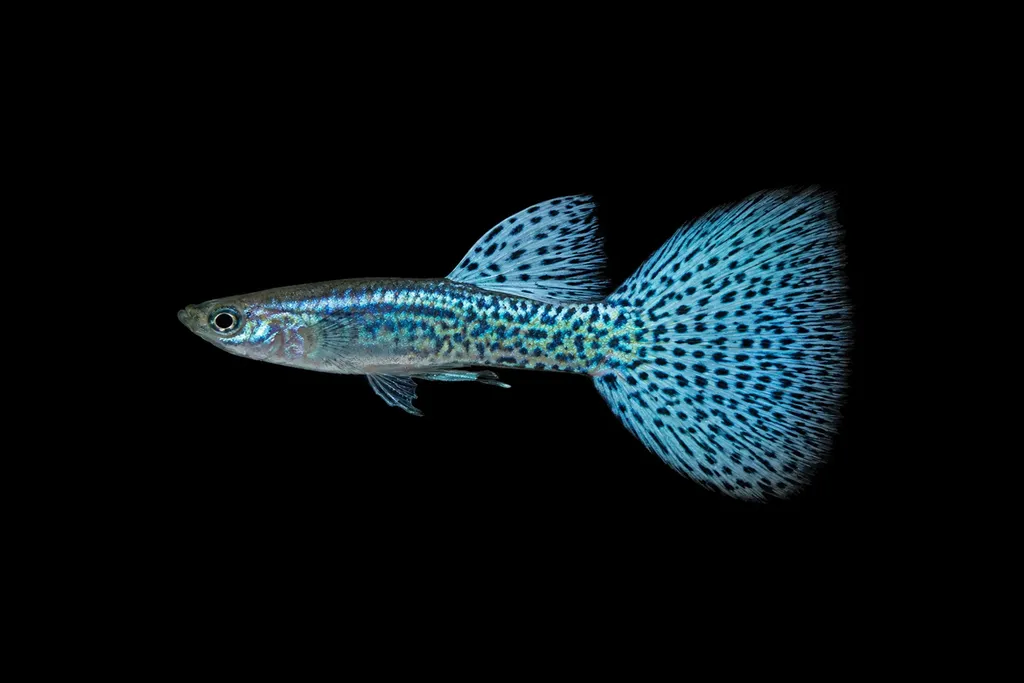
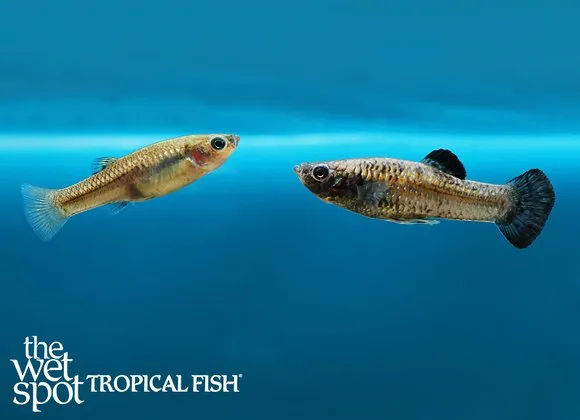
Moscow guppies are sold as one solid color over the whole fish. The label arrives as Blue, Green, Black or White Moscow, with mixed tanks listed as assorted. Look for color running from nose to tail with nothing breaking it, since weaker fish go patchy behind the head. They are heavier bodied and bigger finned than a plain fancy guppy, and priced above assorted stock.
In the wild
The strain was developed in Russia, by hobby accounts in Moscow in the early 1980s, which is where the name comes from. It moved on to Japan, Europe and the United States, with a reported US debut at the third World Guppy Contest, held in Milwaukee in 1998. No individual breeder is credited in the sources I could check. Nothing like the solid metallic body occurs in wild guppies.
Good to know
Moscow color is whole-body pigment rather than a pattern. The metallic sheen carries over head, flanks and fins together instead of stopping at a marking. Hobby literature names no single gene behind it, and breeders hold the look by constant selection. Patchy siblings come out of otherwise good spawns and get culled.
Did you know
A Moscow's color is not settled on the day you buy it. Young males keep darkening for months, and keepers report the same fish shifting shade with mood and lighting. The fish you carry home is usually the palest it will ever look.
Weekly picks
Tank mates
Moscow guppy is a peaceful, social species that keeps to the middle. These picks share a community profile with it, are safe together in both directions, and overlap on water type, temperature and pH.
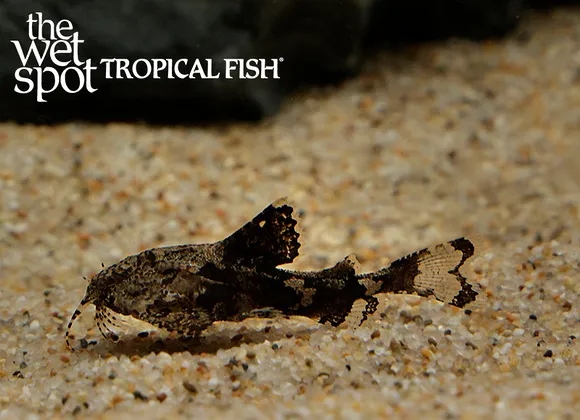
Butterfly hara catfish
Hara hara
Freshwater3.1 in (8 cm) · 14 gal (54 L)68–79°F (20–26°C)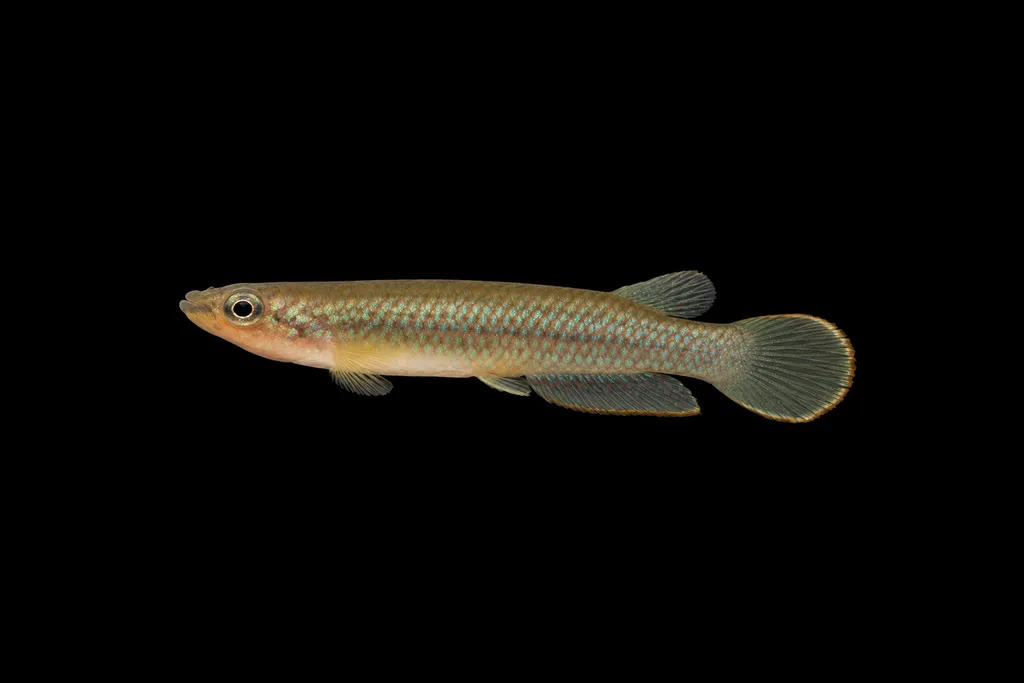
Guinean panchax
Epiplatys guineensis
Freshwater2.8 in (7 cm) · 14 gal (54 L)68–77°F (20–25°C)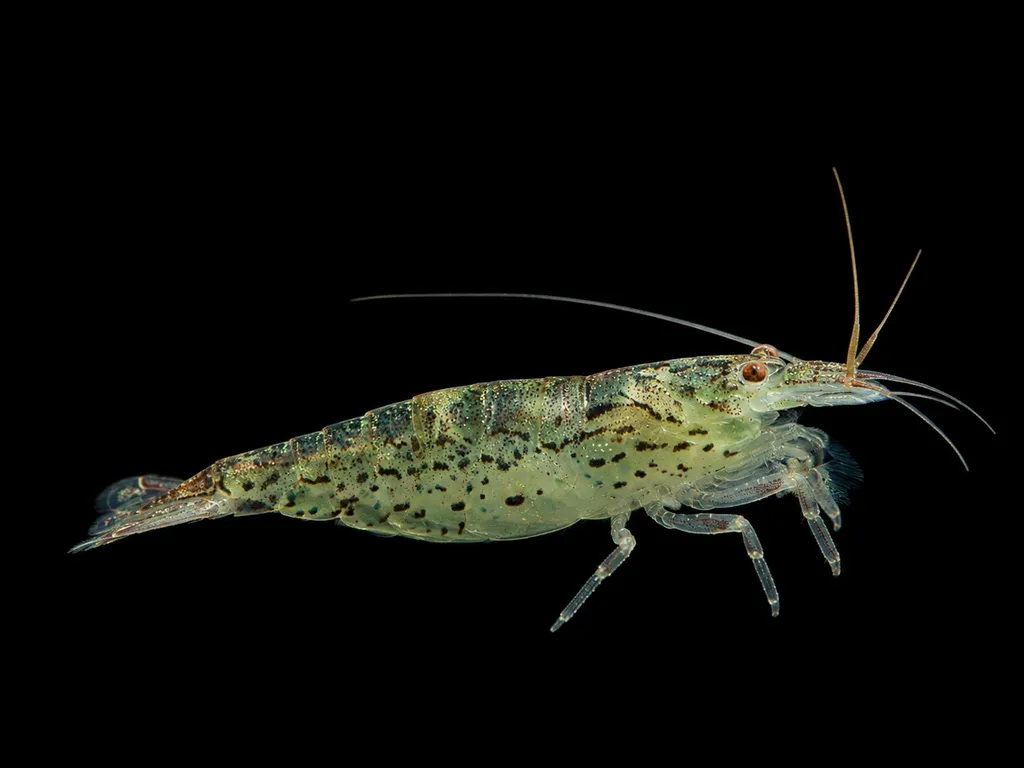
Green lace shrimp
Atyoida pilipes
Freshwater2.8 in (7 cm) · 14 gal (54 L)73–82°F (23–28°C)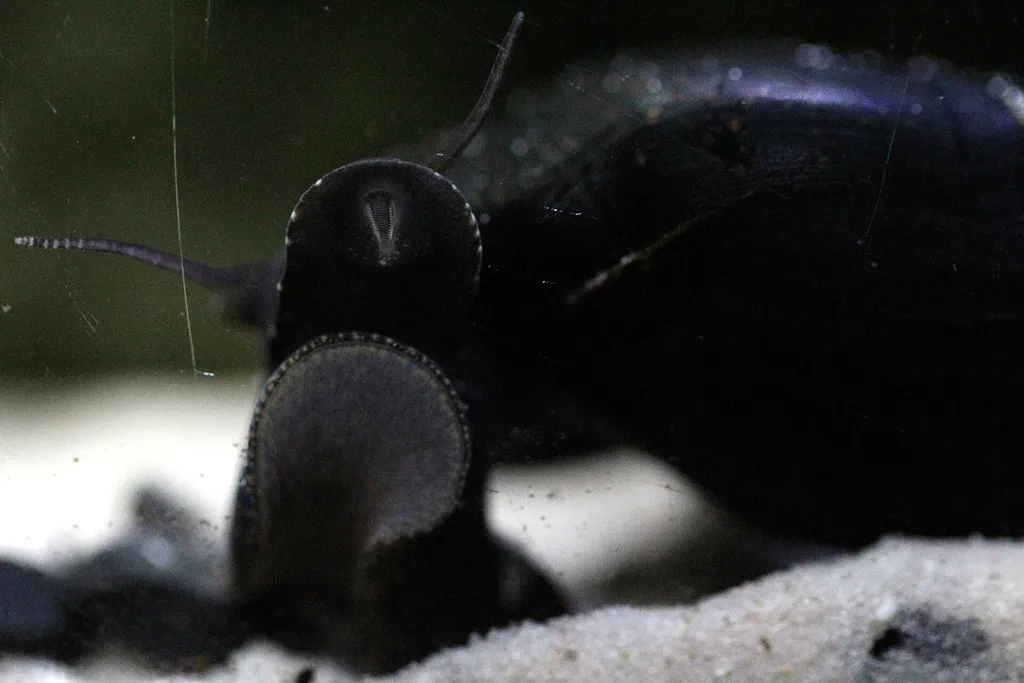
Black devil snail
Faunus ater
Freshwater3.9 in (10 cm) · 13 gal (50 L)72–86°F (22–30°C)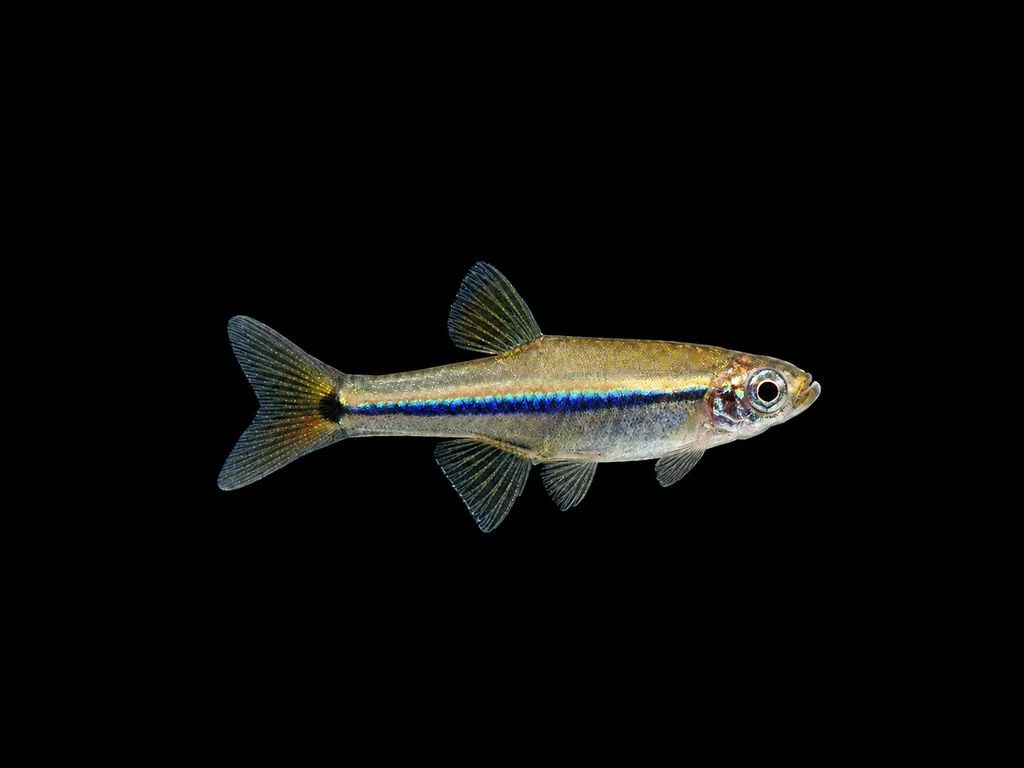
Thac Ba minnow
Tanichthys thacbaensis
Freshwater1.4 in (3.5 cm) · 14 gal (54 L)64–75°F (18–24°C)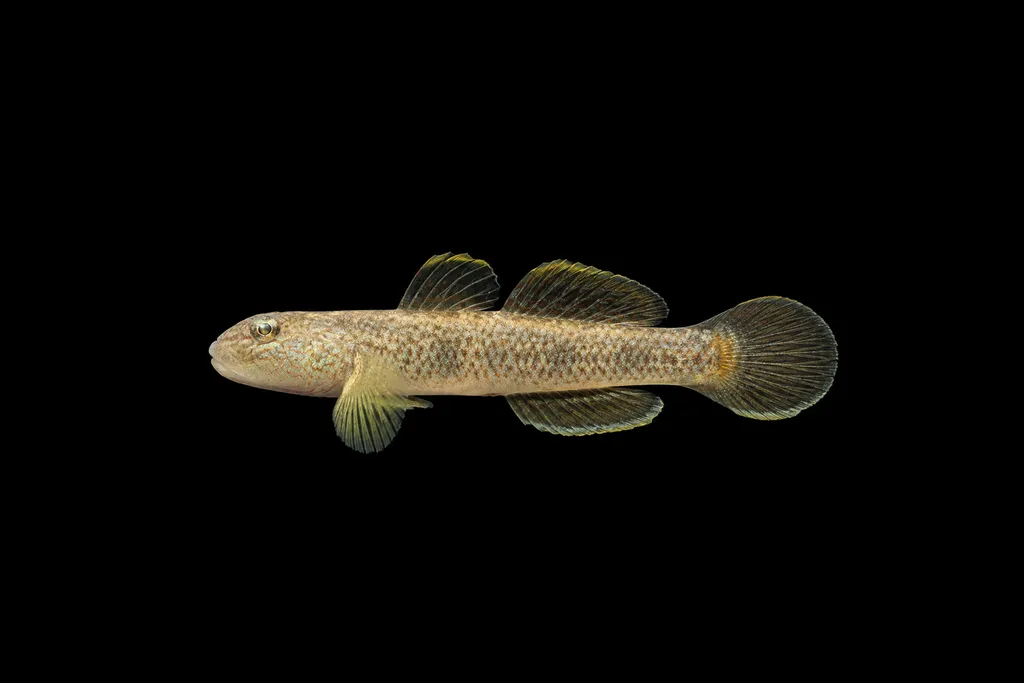
Yellow fin rhinogobius
Rhinogobius leavelli
Freshwater3.1 in (8 cm) · 14 gal (54 L)64–77°F (18–25°C)
Common questions
Is a Moscow guppy a different species from the Guppy?
No. A Moscow guppy is a variety of the Guppy, Poecilia reticulata, and it wants the same tank, water and food as the species.
What size tank does a Moscow guppy need?
A Moscow guppy needs at least 13 gal (50 L). It spends most of its time in the middle.
How big does a Moscow guppy get?
An adult Moscow guppy reaches about 2.4 in (6 cm).
Related species
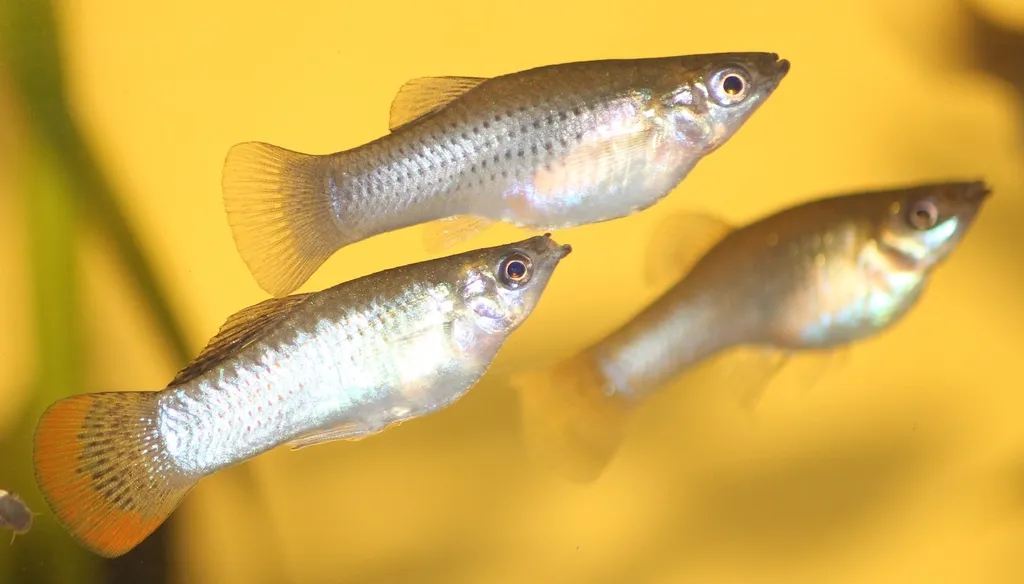
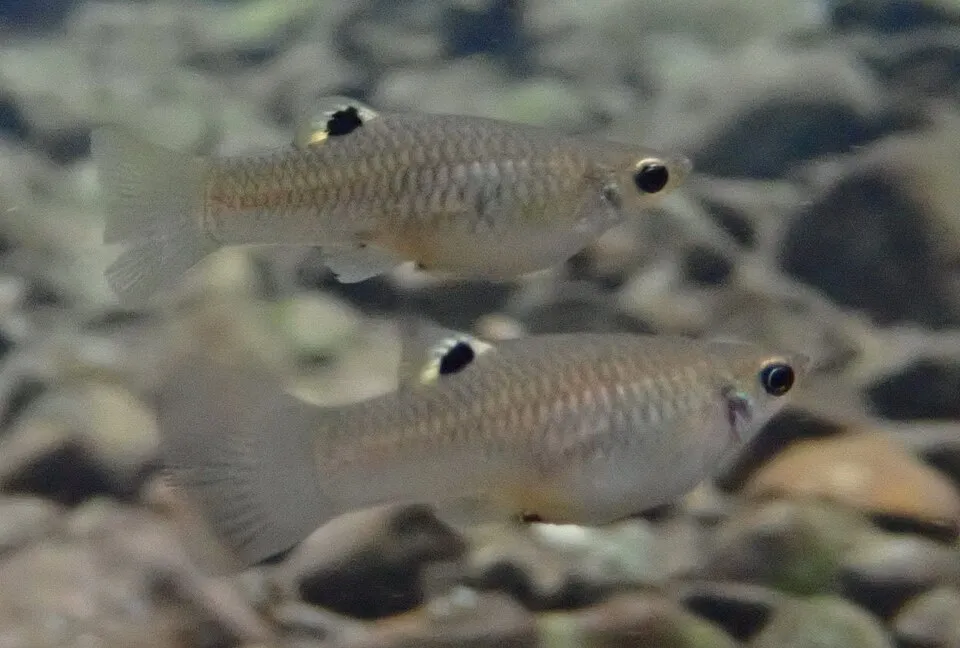 2.4 in (6 cm)16 gal (60 L)77–86°F (25–30°C)
Cauca molly
Poecilia caucana
2.4 in (6 cm) · 16 gal (60 L)
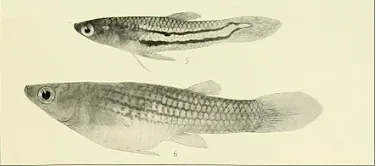
 2.8 in (7 cm)29 gal (110 L)72–81°F (22–27°C)
Pacific molly
Poecilia butleri
2.8 in (7 cm) · 29 gal (110 L)
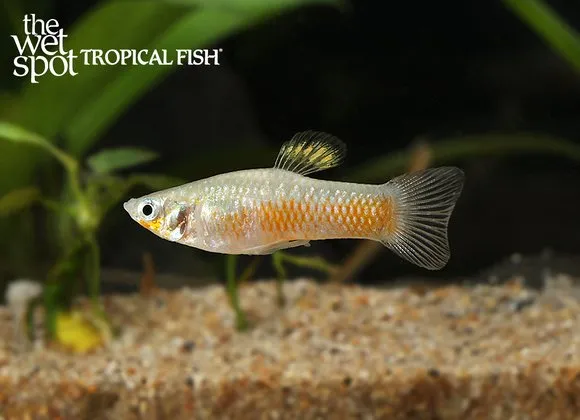
 2 in (5 cm)15 gal (55 L)75–82°F (24–28°C)
Melanzona guppy
Poecilia parae
2 in (5 cm) · 15 gal (55 L)
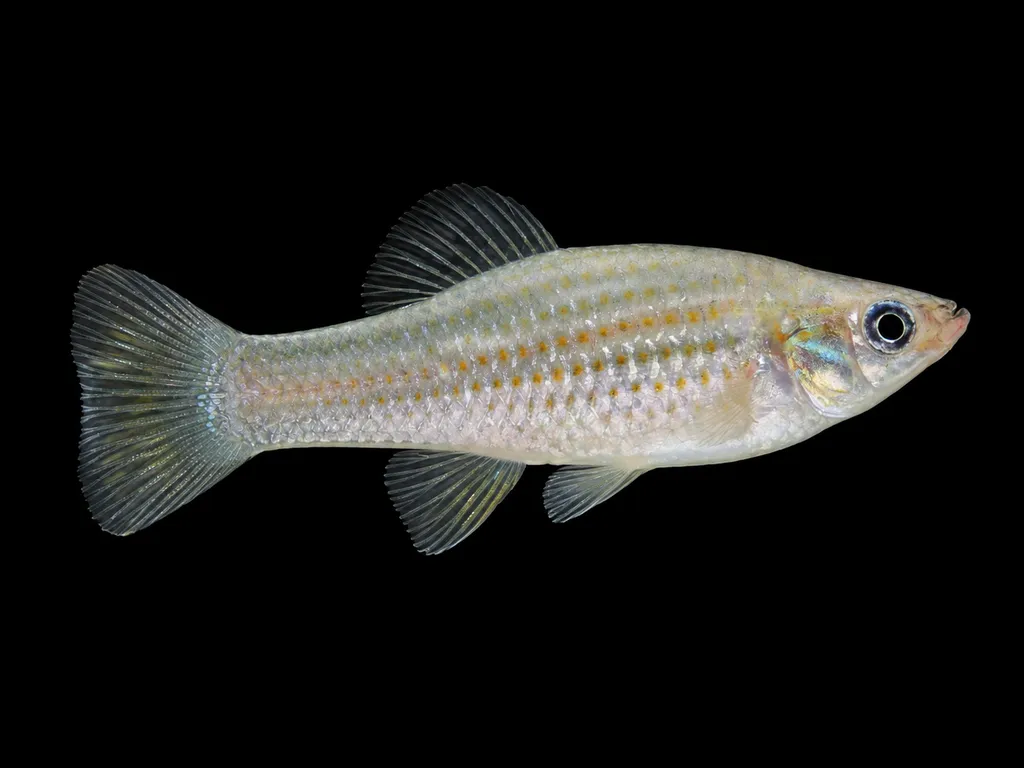
 3.1 in (8 cm)20 gal (75 L)72–81°F (22–27°C)
Southern molly
Poecilia vivipara
3.1 in (8 cm) · 20 gal (75 L)
 3.5 in (9 cm)20 gal (75 L)68–82°F (20–28°C)
Amazon molly
Poecilia formosa
3.5 in (9 cm) · 20 gal (75 L)
 1.6 in (4 cm)11 gal (40 L)72–81°F (22–27°C)
Dwarf molly
Poecilia chica
1.6 in (4 cm) · 11 gal (40 L)