One species · 25 forms
Anubias varieties
Anubias barteri
Nearly every anubias in the trade is one tough West African species, Anubias barteri, selected into dozens of leaf shapes and sizes. All of them grow the same way: rhizome tied to wood or rock, low light, no CO2, and patience.
Pick a variety
same rhizome care on every shelfStandard forms
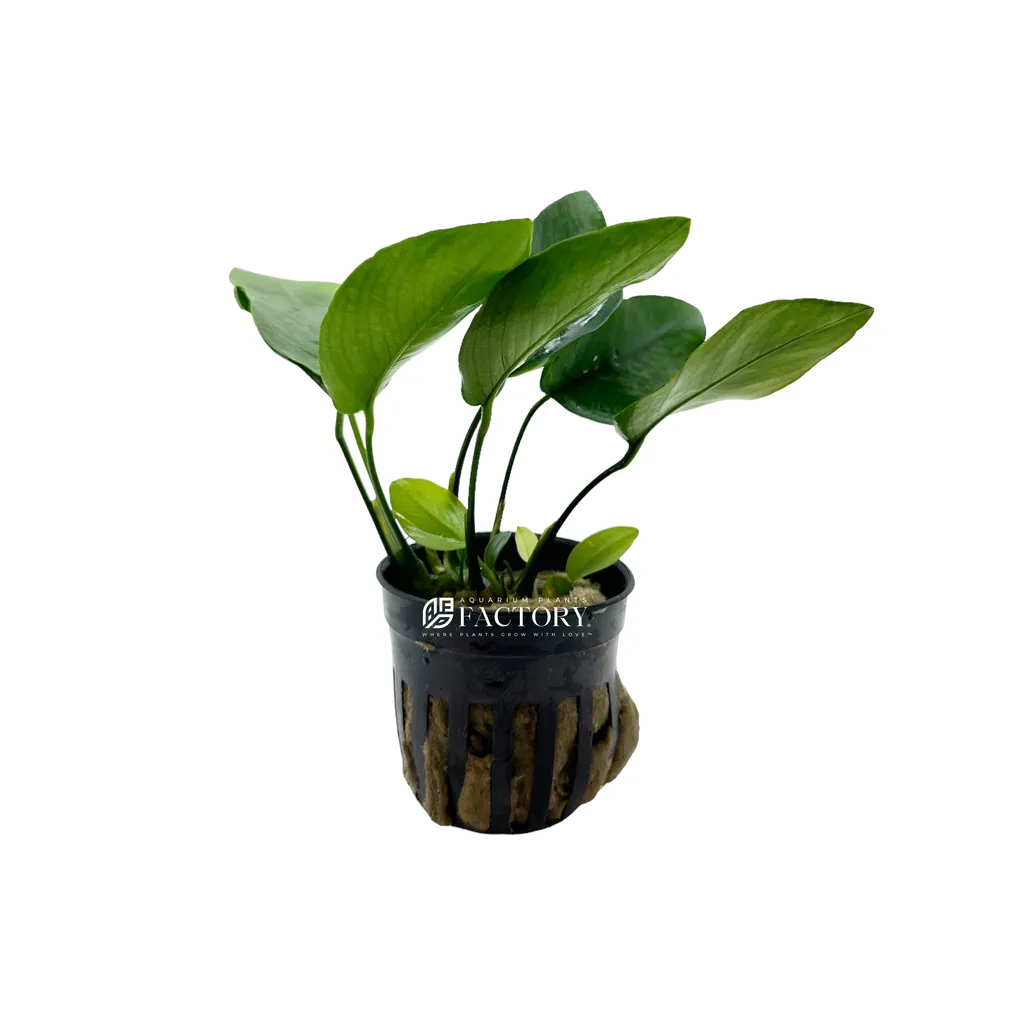
Anubias barteri
the standard broad-leaf anubias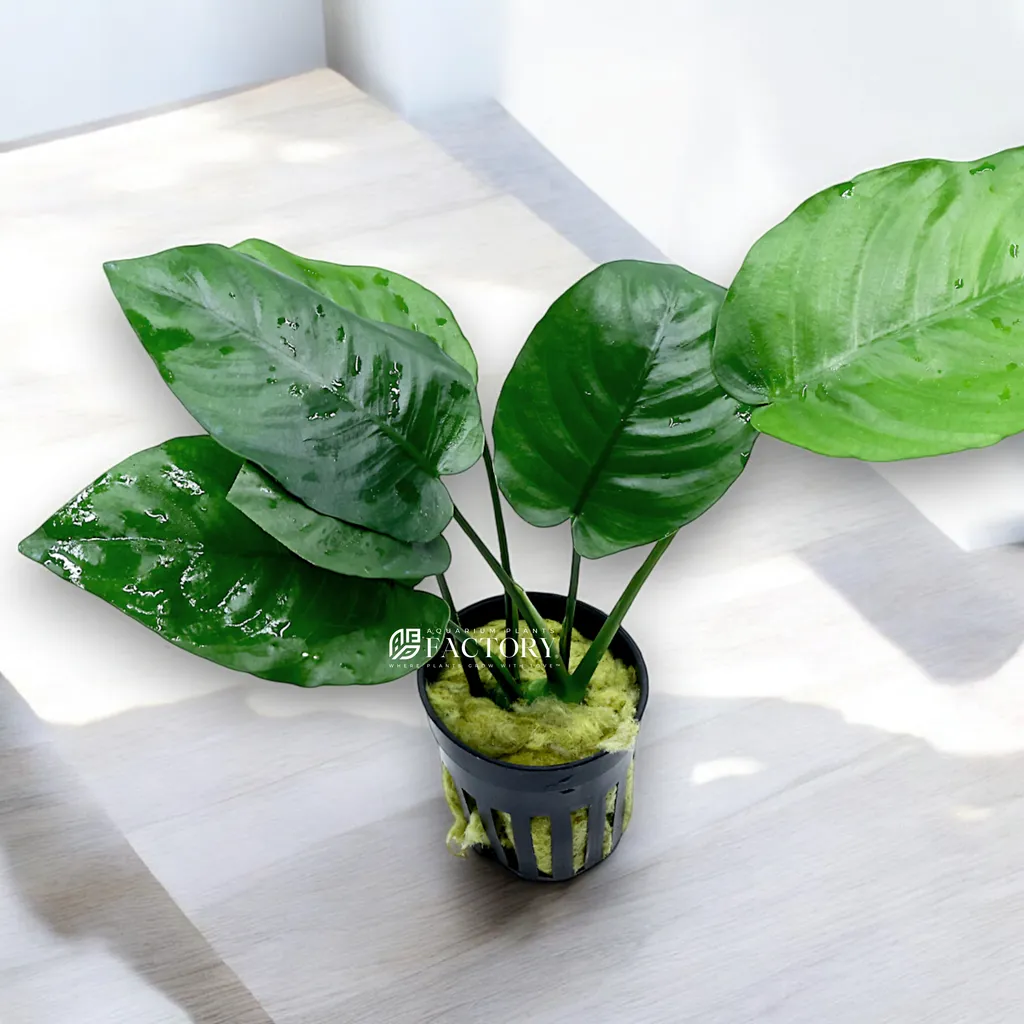
Anubias Broad Leaf
extra-wide rounded leaves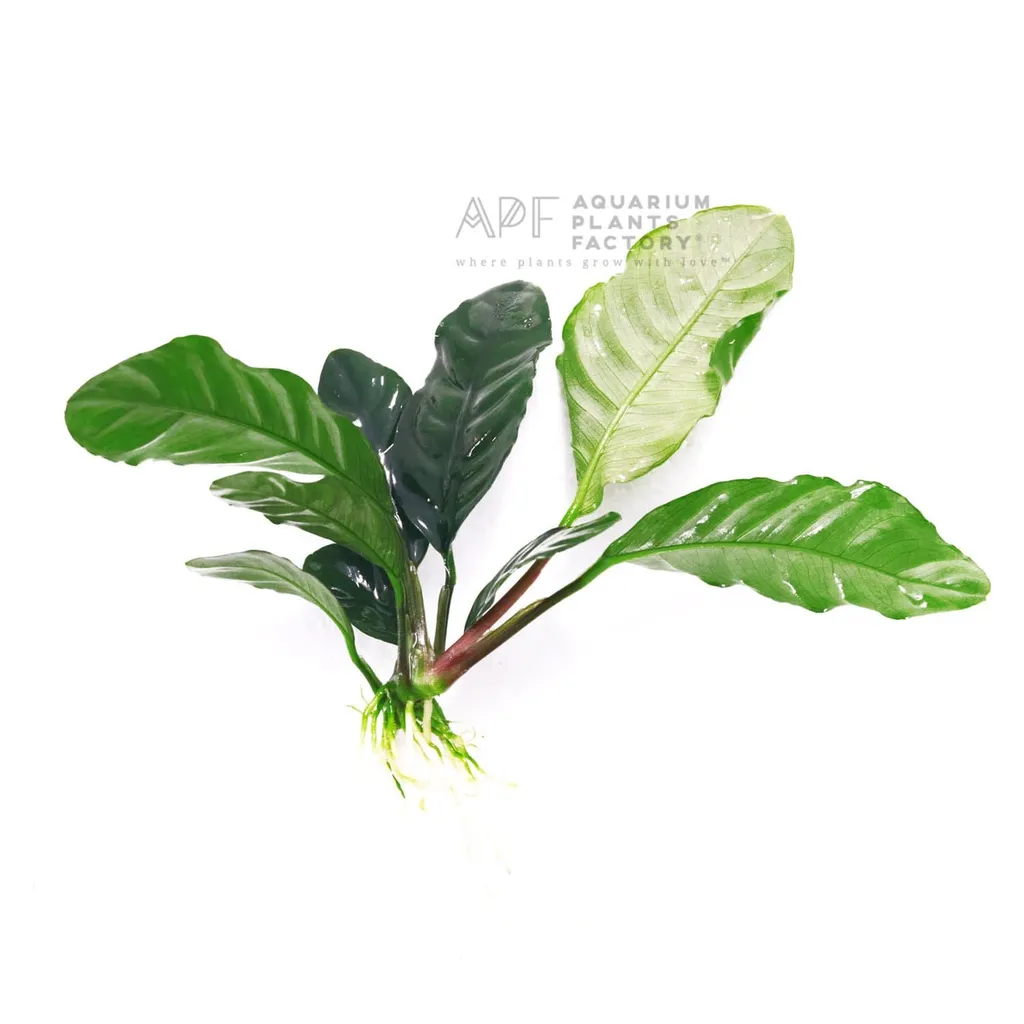
Anubias coffeefolia
ribbed leaves; new growth opens coffee brown
Anubias minima
narrow lance leaves; the glabra lineAnubias Wrinkle Leaf
puckered, crinkled leaf surfaceAnubias Dark Angel
near-black compact leavesAnubias Dragon Claw
long twisted leaves with wavy edgesAnubias Peacock
arrow-shaped leaves with a blue-green sheen
Nana and petite forms
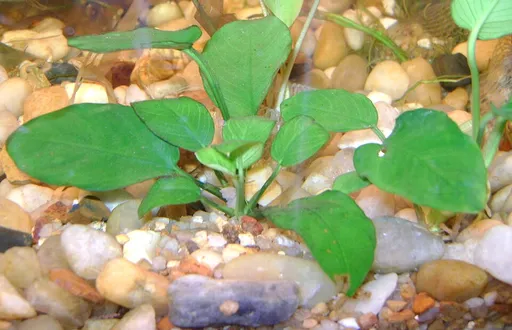
Anubias nana
the classic compact anubias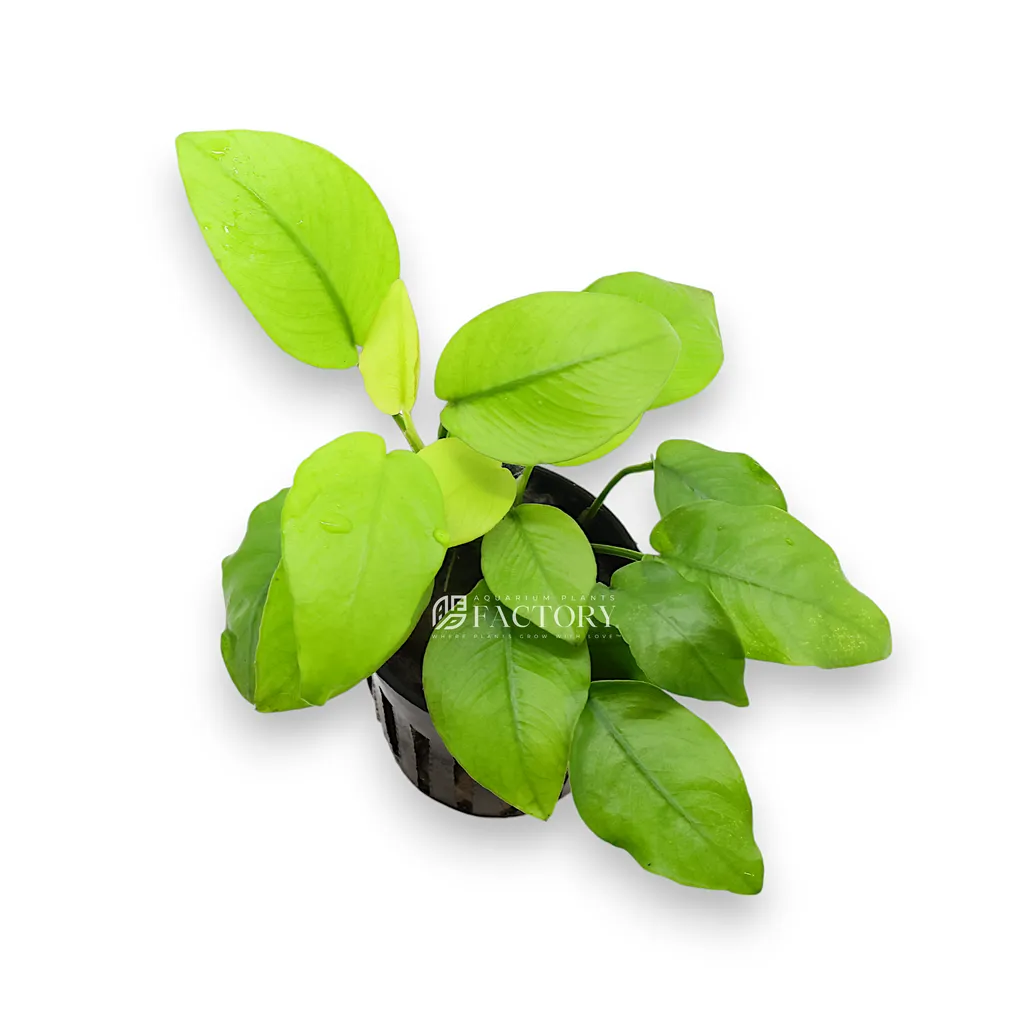
Anubias golden nana
lime-gold take on nanaAnubias nana Long Wavy
strap leaves with rippled edgesAnubias nana Thick Leaf
heavy, leathery nana leaves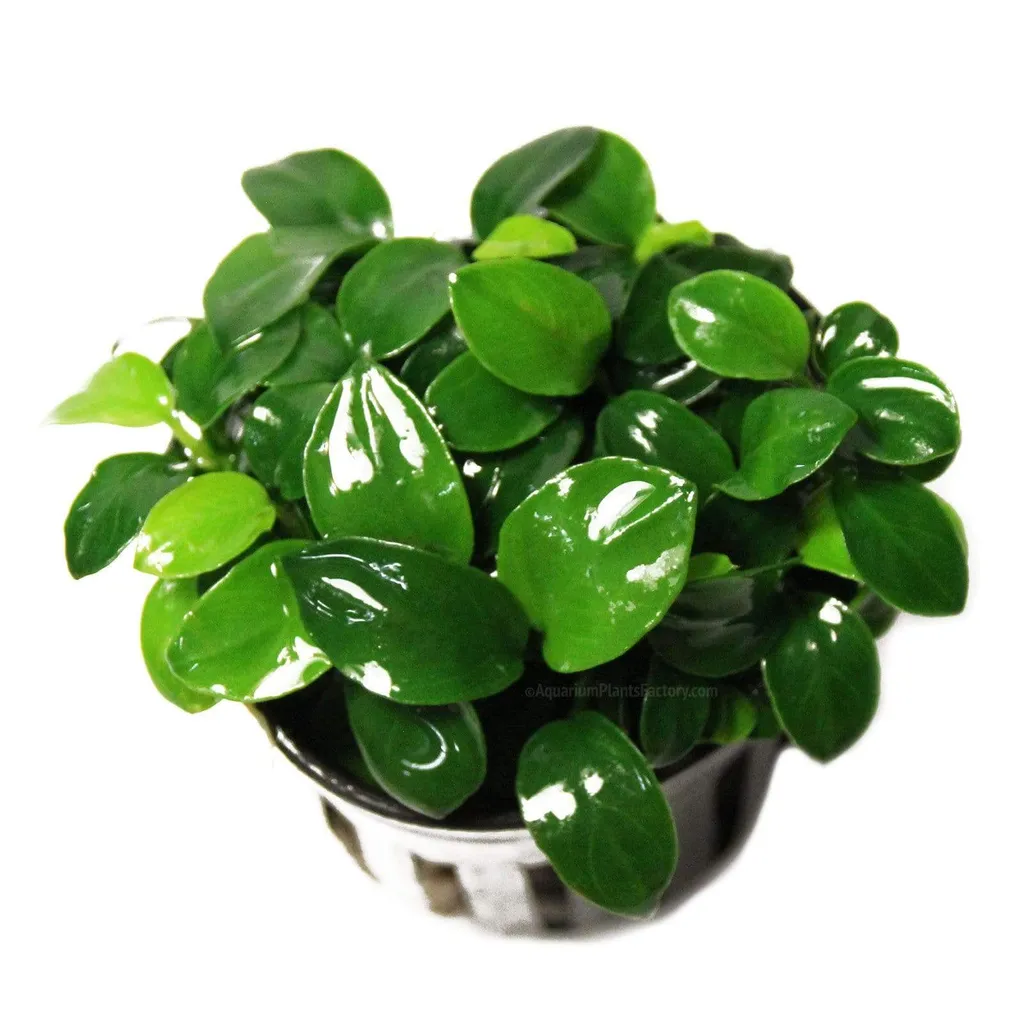
Anubias petite
thumbnail leaves on a tiny crownAnubias Petite Round
petite with near-circular leaves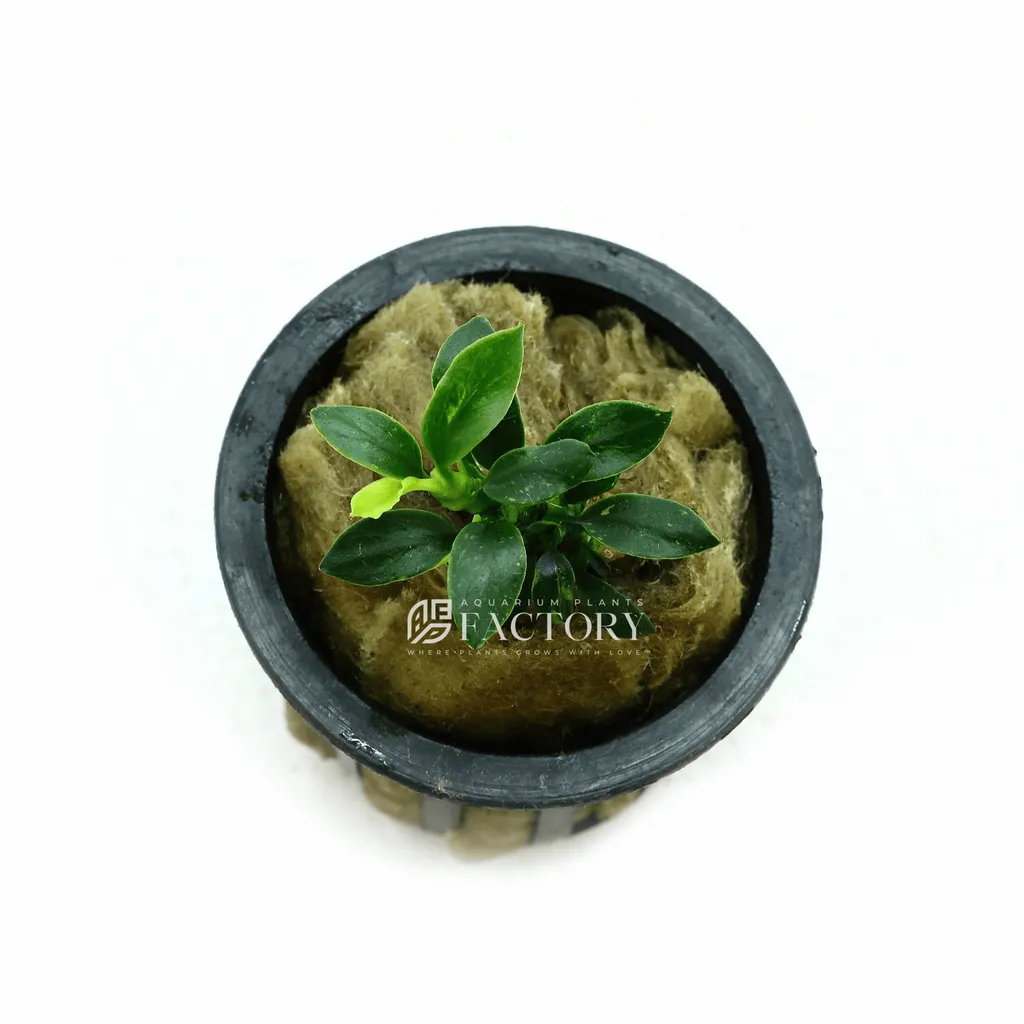
Anubias Pangolino
the smallest anubias; fingernail leavesAnubias Micro
micro crown, leaves under an inchAnubias Chili
narrow pointed mini leaves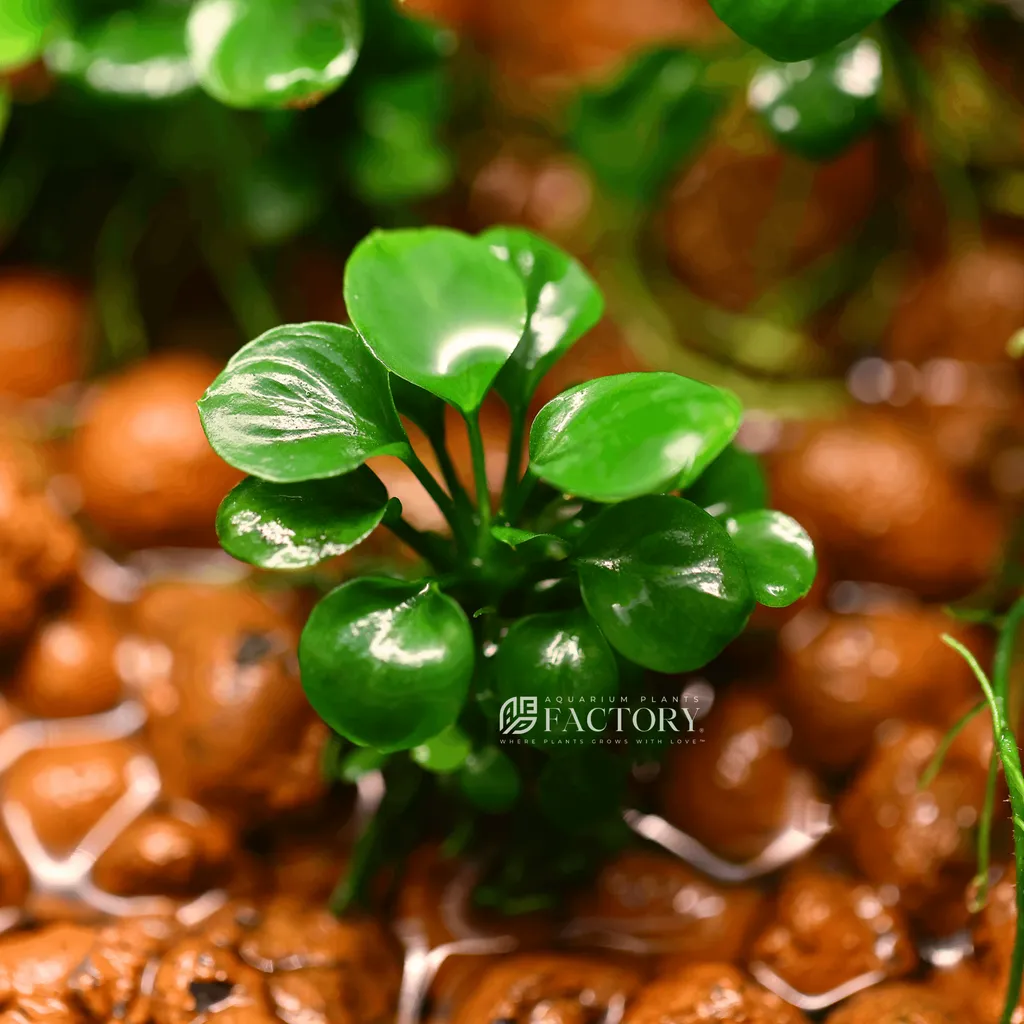
Anubias Coin Leaf
round coin leaves on a compact crown
White and variegated forms
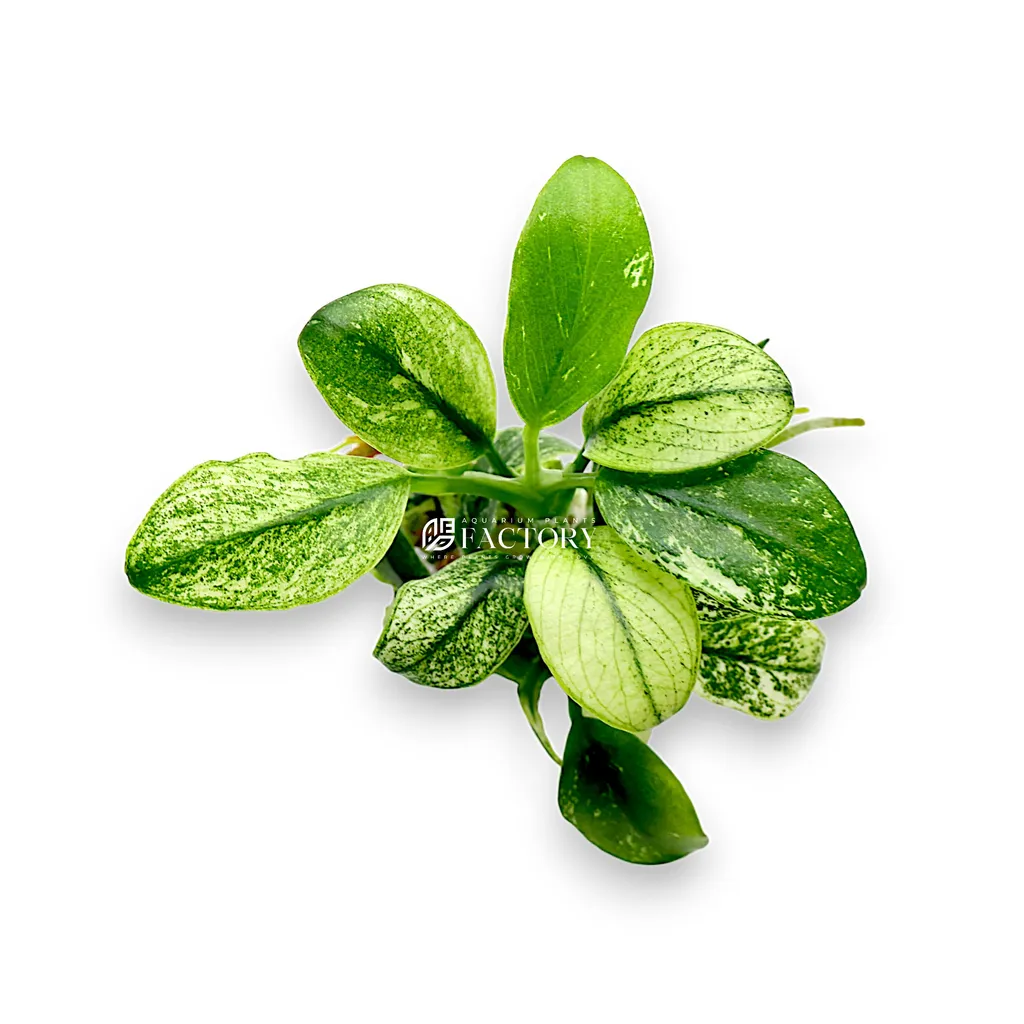
Anubias pinto
white leaves splashed with greenAnubias Snow White
near-pure white; the slowest grower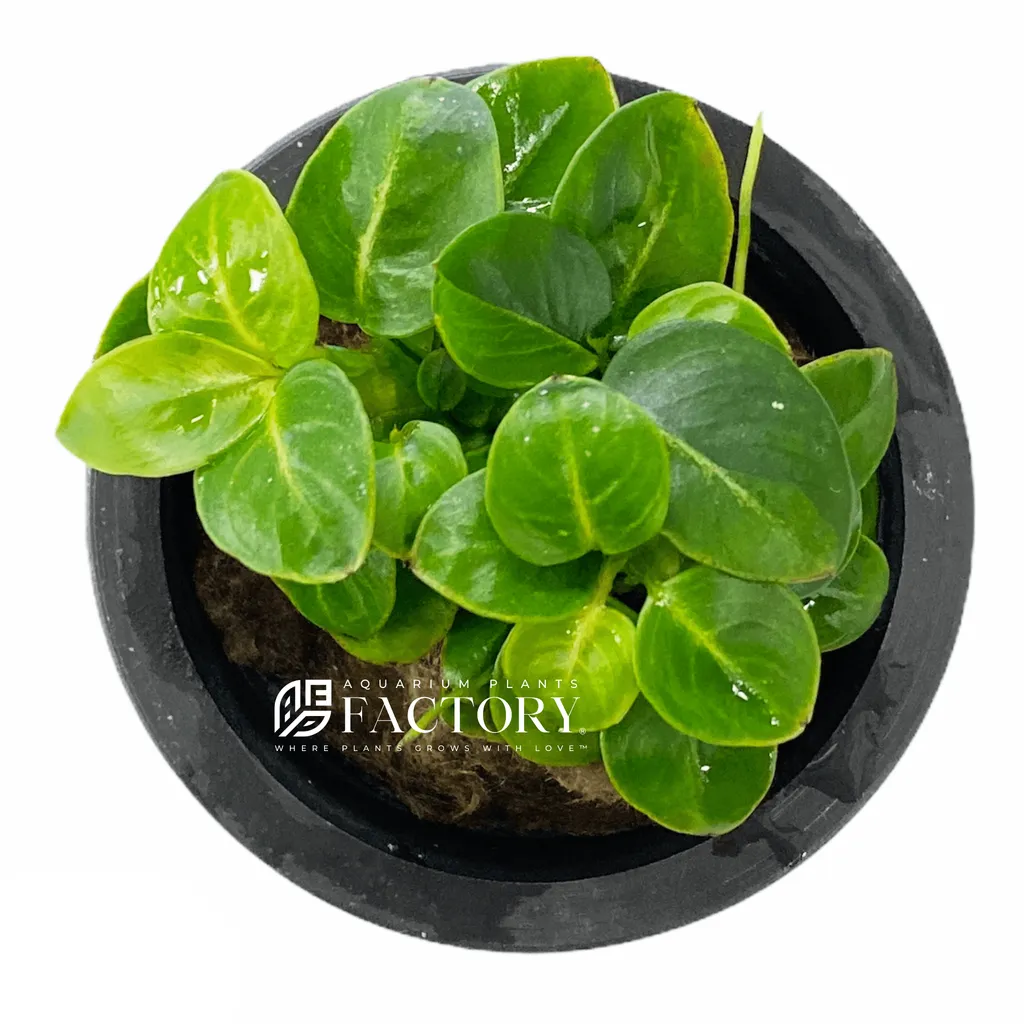
Anubias stardust
white speckling over greenAnubias Giant Stardust
stardust speckling at twice the sizeAnubias Broad White
broad leaves under heavy white marblingAnubias glabra Variegated
lance leaves streaked whiteAnubias barteri Striped
green leaves with pale striping
Care, the same for every form
One setup covers every form on this page. The white and variegated lines just grow slower and hold their pattern best with a little more light.
- Growth rate
- Slow
- Type
- Rhizome
- Temperature
- 68–82°F (20–28°C)
- pH
- 5.0–8.5
Why they are all the same plant
Anubias barteri grows along shaded stream banks in West and Central Africa, half in and half out of the water. The named forms are selections of that one species: nana is a naturally compact variety, petite and pangolino are tissue-culture sports of nana, and the broad, coin and wavy forms were picked out of nursery stock over decades. The plant underneath never changed, so every form wants the same low-demand epiphyte care.
The rhizome rule
Anubias grows from a thick horizontal rhizome, and burying it is the one reliable way to kill the plant. Tie or glue the rhizome to wood or rock and let the roots find their own way down; they can reach into the substrate as long as the rhizome itself sits in open water.
White forms want more light
White leaf tissue has no chlorophyll to work with, so pinto, snow white and the other variegated lines grow even slower than the green forms and hold their pattern best under moderate light with clean, stable water. Push the light too hard, though, and algae claims those slow leaves first; moderate is the ceiling, not the floor.
Common questions
Do anubias need CO2?
No. Every form on this page grows fine without it. CO2 speeds the slow growth up a little and helps the white forms hold their color, but it is strictly optional.
Why is my anubias rotting at the base?
Almost always a buried rhizome. Pull the plant, trim away the mushy tissue, and reattach it to hardscape with the rhizome fully exposed.
Can I keep anubias with fish that eat plants?
Yes. The thick, bitter leaves are one of the few things goldfish and big cichlids reliably leave alone, which is why anubias is the classic plant for rough tanks.
Related plants
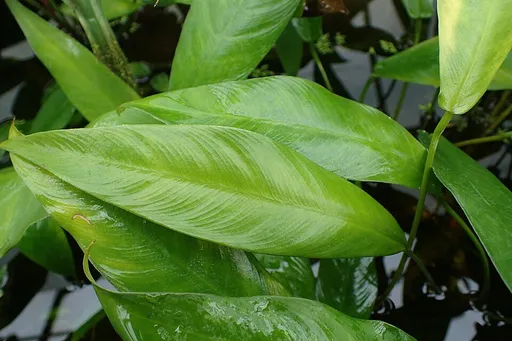
Anubias gracilis
FreshwaterLow lightEpiphyte15.7 in (40 cm)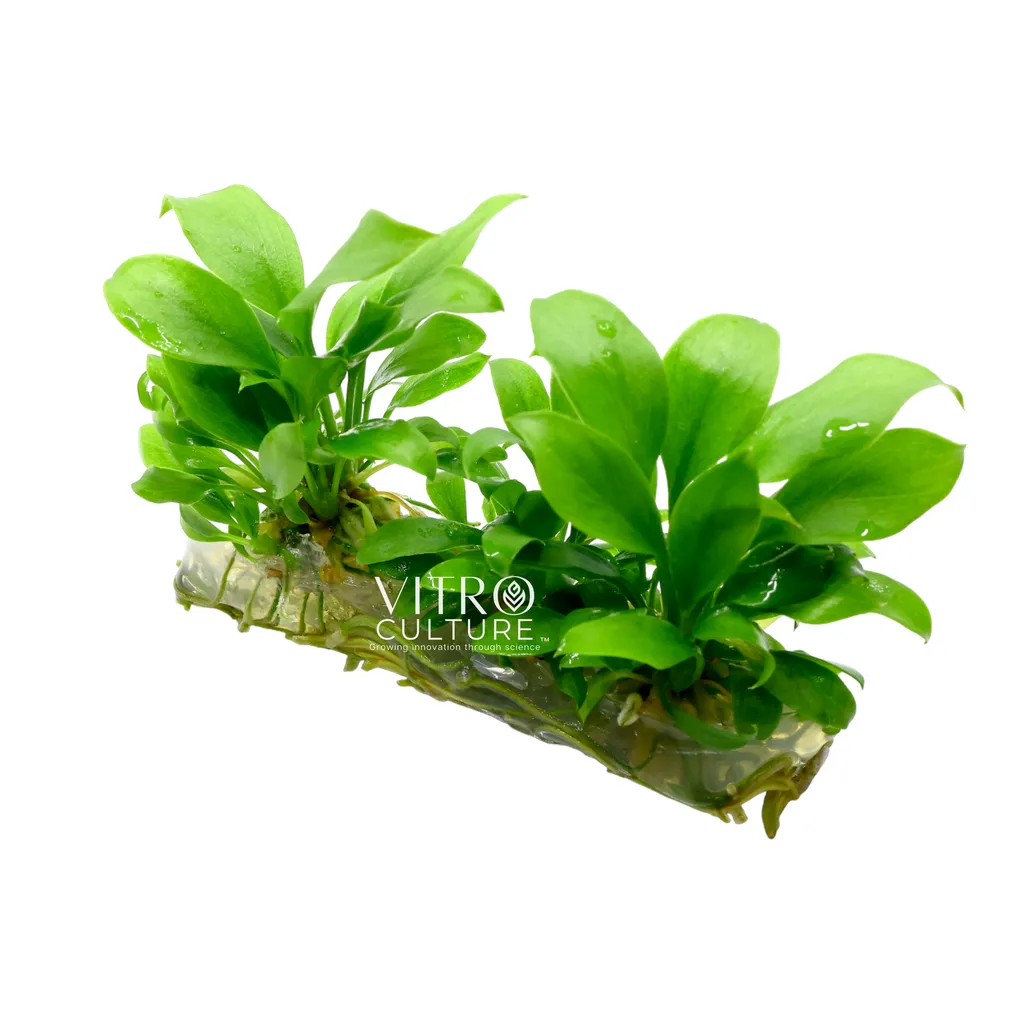
Anubias gilletii
FreshwaterLow lightEpiphyte11.8 in (30 cm)Anubias Frazeri
Anubias 'Frazeri'FreshwaterLow lightEpiphyte9.8 in (25 cm)Anubias Nangi
Anubias 'Nangi'FreshwaterLow lightEpiphyte7.9 in (20 cm)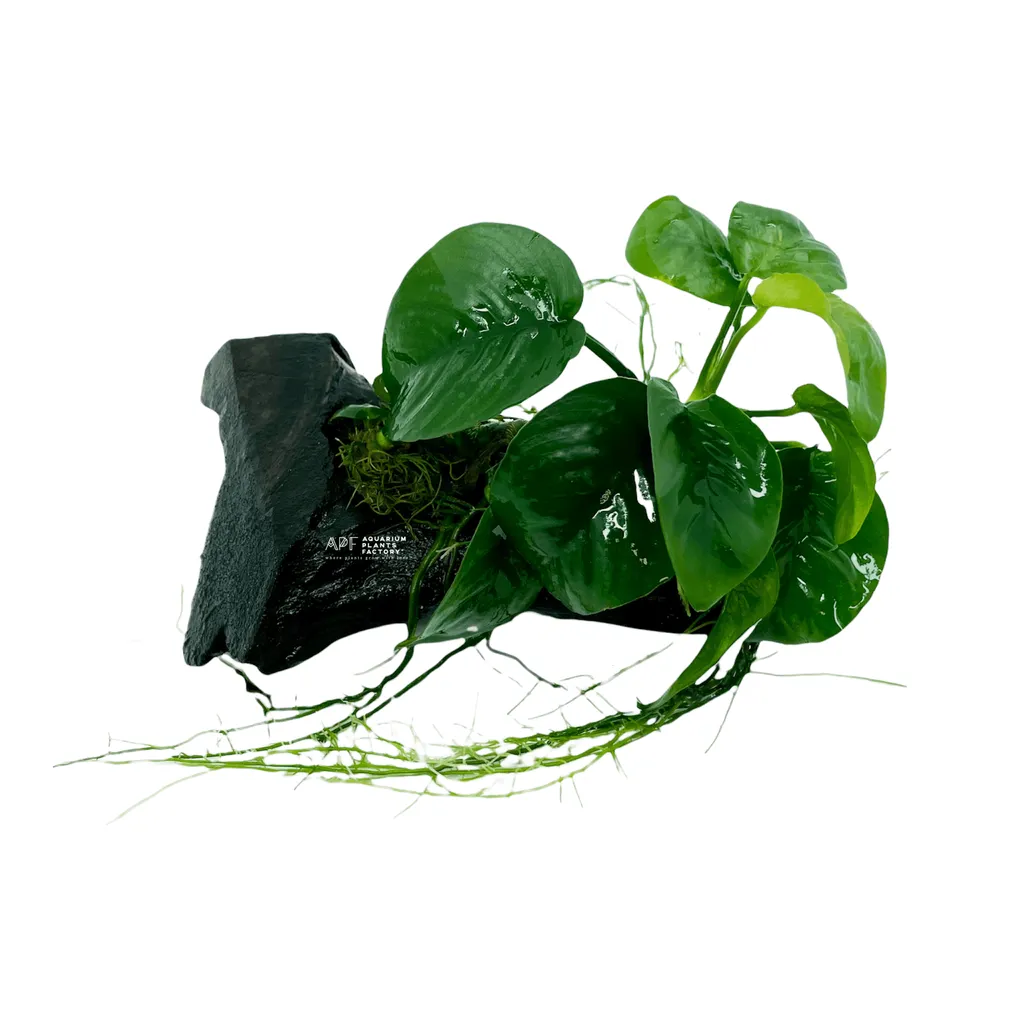
Anubias Butterfly
Anubias 'Butterfly'FreshwaterLow lightEpiphyte5.9 in (15 cm)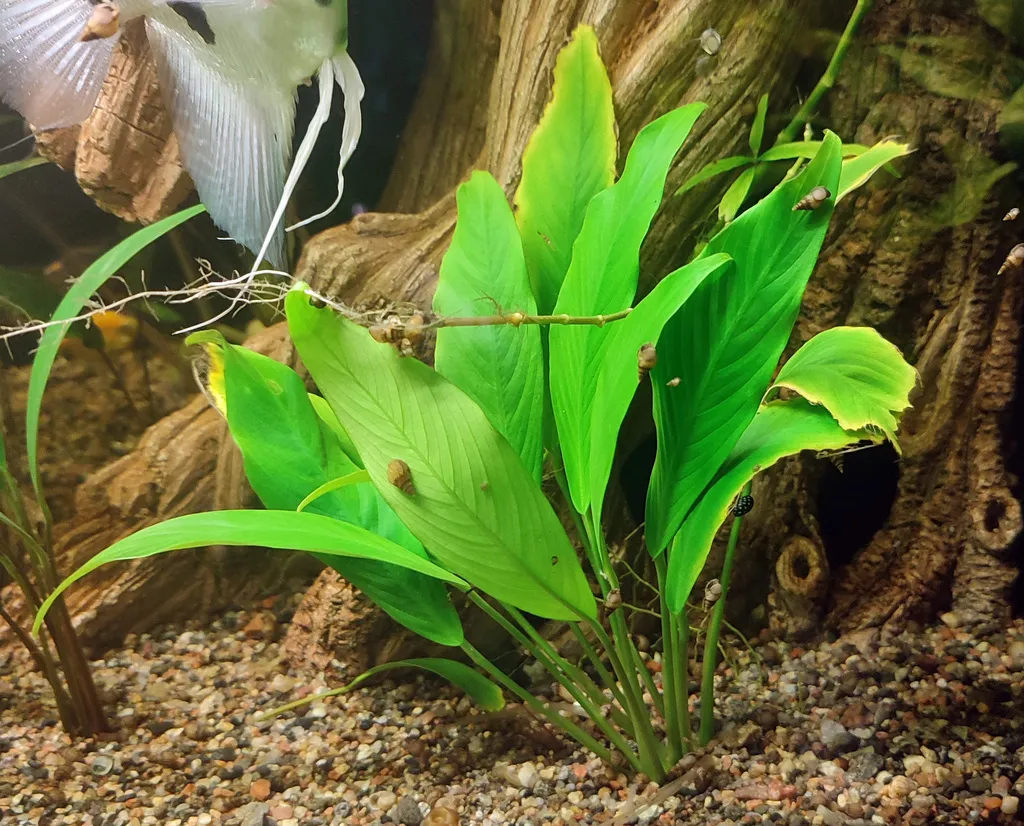
Anubias afzelii
FreshwaterMedium lightBackground15.7 in (40 cm)
Planning a tank?
TankBud checks stocking and water fit as you build a tank, then tracks water tests, reminders and photos once it is running.
Track your tanksMaintain tanks for clients? See TankBud for business