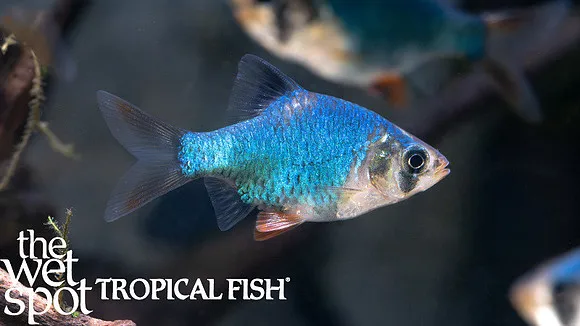
The green tiger barb is the same fish as the tiger barb, carrying so much dark pigment that the bars nearly vanish. It schools in the middle of the tank and is a good first fish when its tank mates are chosen with care.
Did you know
The green tiger barb is a real bred color, unlike the painted barbs sometimes sold beside it. Tiger barbs are among the species subjected to dye injection, which Seriously Fish calls a cruel and painful practice. A moss green fish keeps its color for life, while a dyed one fades.
Caring for the green tiger barb
Green tiger barbs are nippy, so keep at least six, and more is better, in a tank of 20 gal (75 L) or more. They are active swimmers in the middle of the tank. Give them a planted tank with open swimming room and a gentle current.
The water can run soft to fairly hard, at 68 to 79°F (20 to 26°C) and a pH of 6.0 to 8.0. Green tiger barbs are easy eaters and take flake, micro pellets and frozen foods such as bloodworms and brine shrimp.
Green and normal tiger barbs shoal together happily, since the color changes nothing about how they behave. In a small group they pester other fish, but a large school keeps busy chasing and sorting out rank among themselves. They are aggressive and can shred trailing fins, so avoid long-finned or slow tank mates such as bettas and angelfish.
Green tiger barbs are egg scatterers with no parental care. Move the parents out after spawning, or they will eat the eggs. The eggs hatch in roughly a day or two, and breeding them is hard.
Good to know
In the green tiger barb, melanism spreads the melanophores across the whole body instead of keeping them inside the four bars. The pattern is still there, just buried. The green cast is a scattering effect over that dark layer rather than a green pigment, and hobby references call it Tyndall scattering. The green bronze sheen shows only under decent light, and it shifts with the lighting and the viewing angle. Small juveniles can look muddy gray before the sheen fills in. The form breeds true well enough to be farmed at scale, though depth of color varies within a batch. Shops list it as Green, Moss Green or plain Moss barb.
In the wild
The green tiger barb is a selection from commercial breeding farms rather than anything collected from a river. No breeder, country or date is documented for it, so it is best treated as a farm line of uncertain origin. Wild tiger barbs are the banded orange and black form, and nothing green turns up in wild populations.
From published sources
Tank mates
Each fish here is named as a tank mate for the green tiger barb by at least two published care guides. Keep the tiger barbs in a group of eight or more, which spreads out their nipping.
An adult green tiger barb reaches about 2.8 in (7 cm).
Does a green tiger barb need a group?
Yes. A green tiger barb is a schooling species and should be kept in a group, not singly.
How does a green tiger barb breed?
Green tiger barbs scatter their eggs and give no parental care. Move the parents out after spawning, since they eat the eggs, which hatch in roughly a day or two. Breeding them is hard.
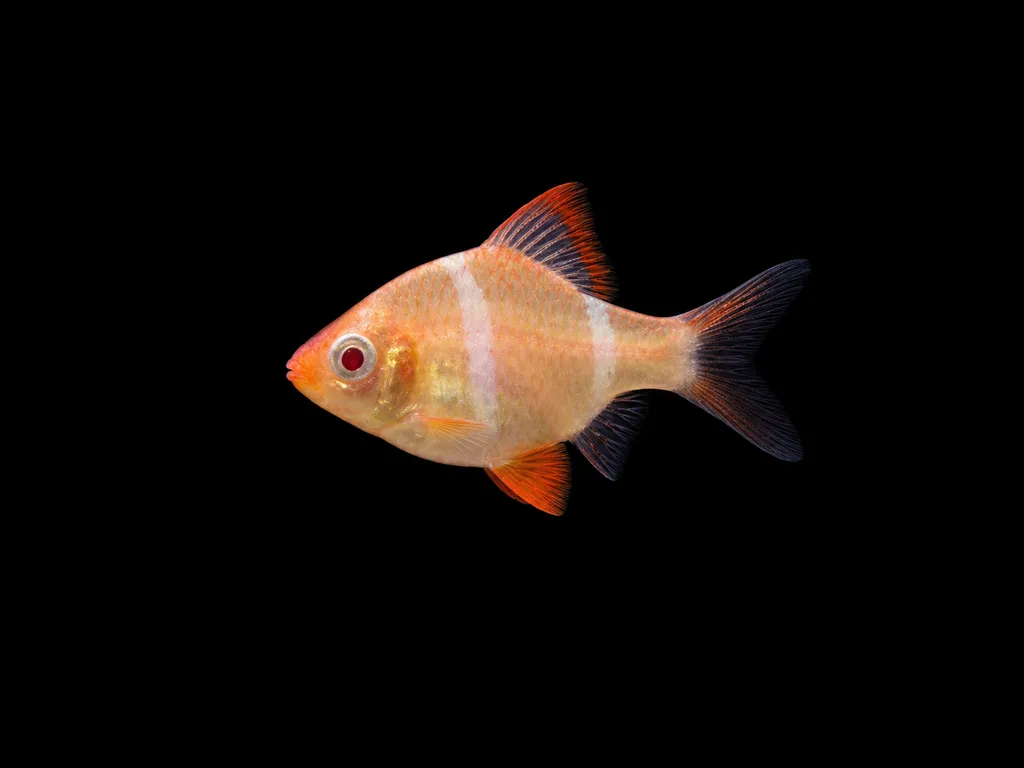
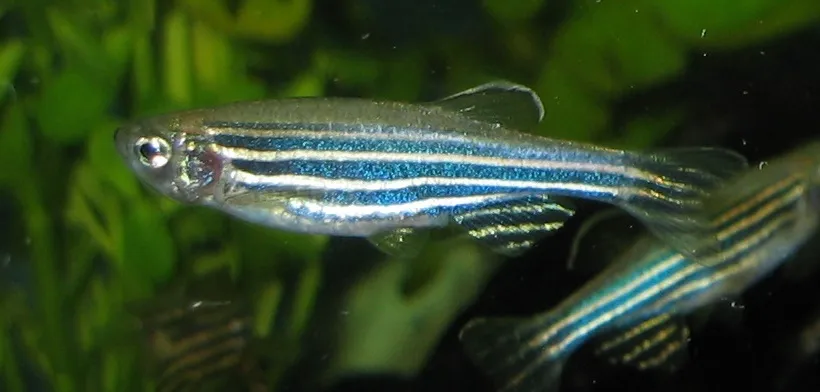
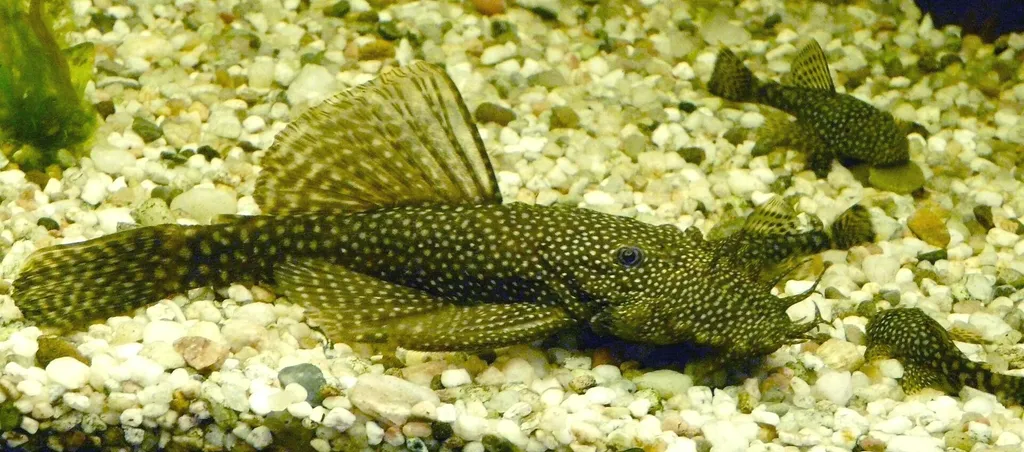
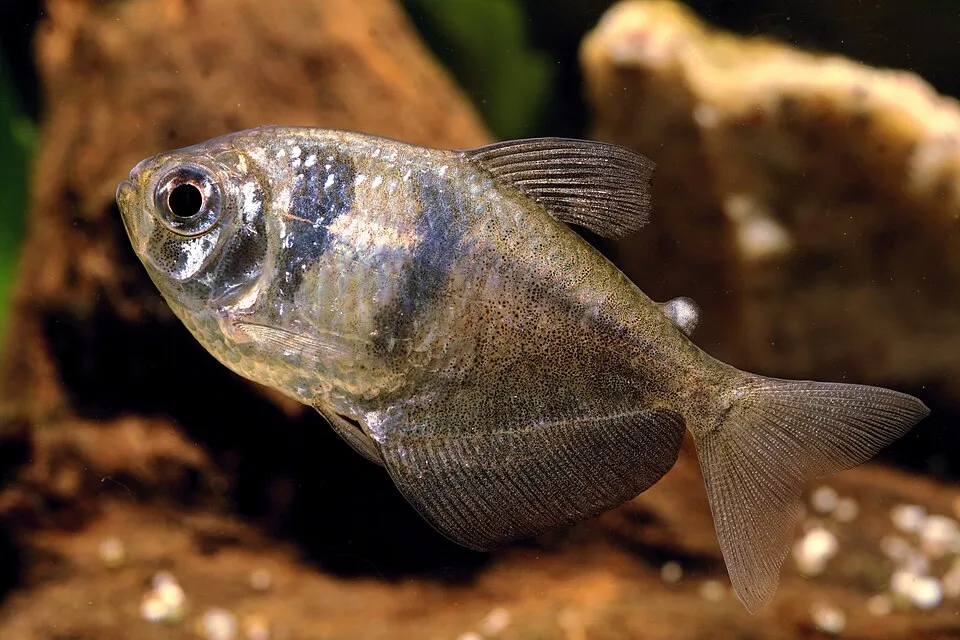
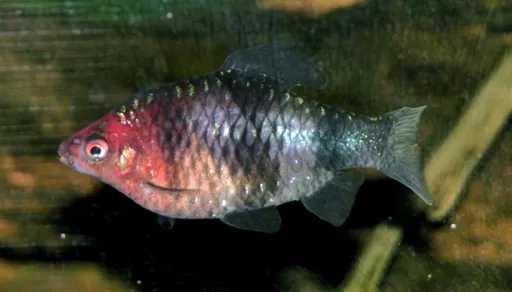
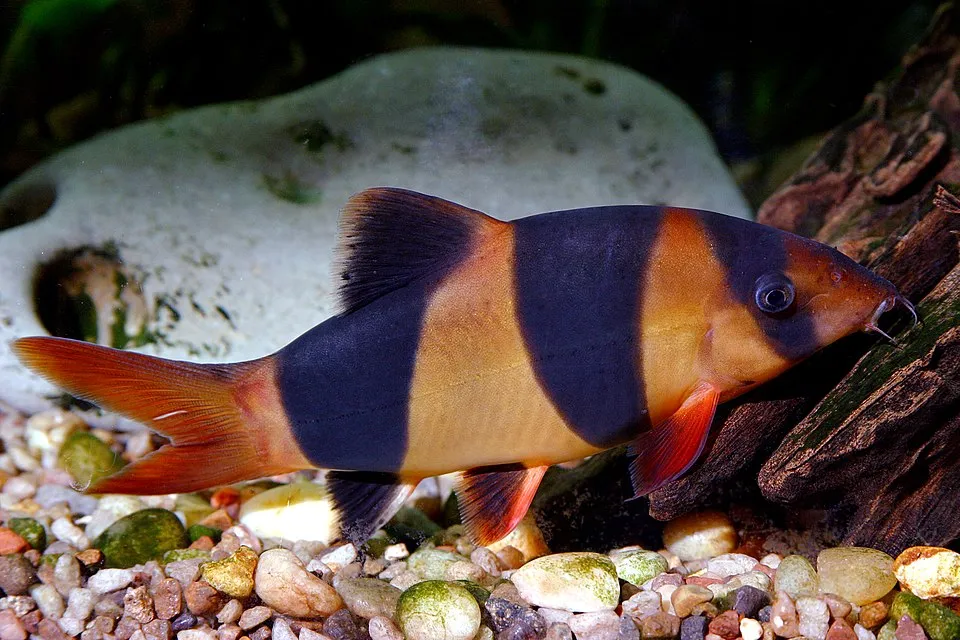
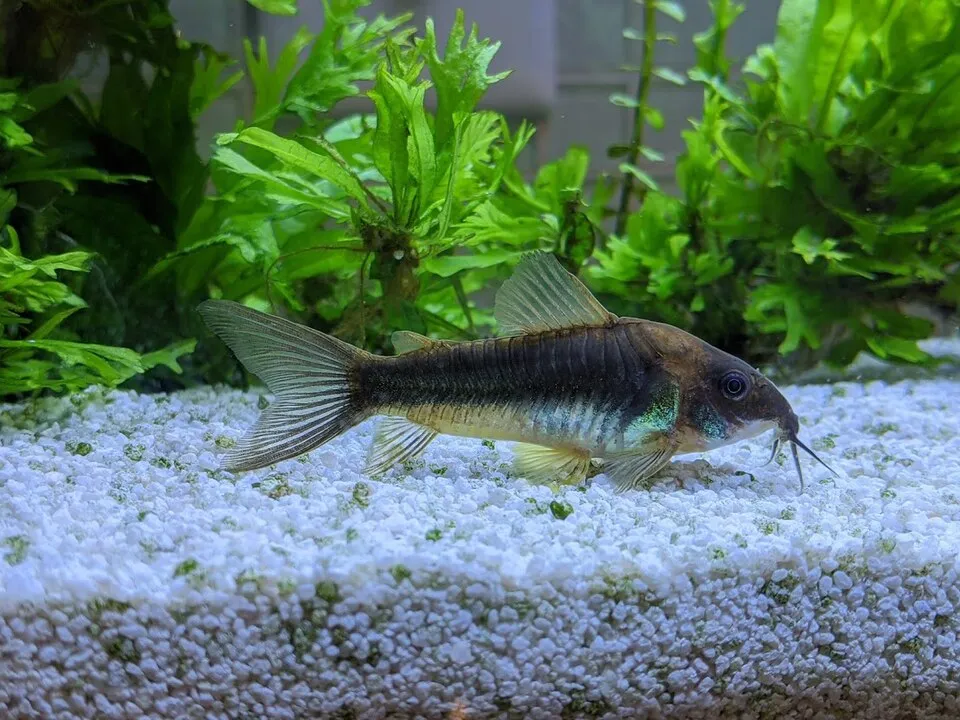
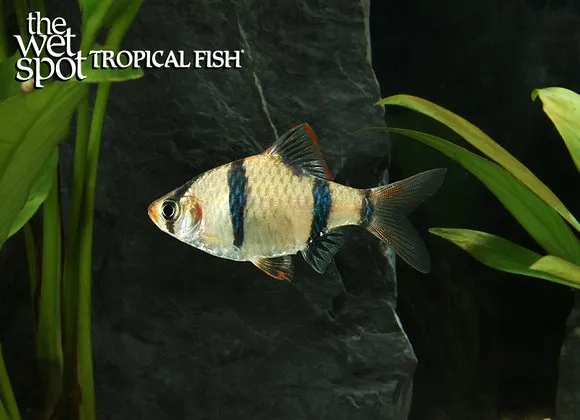 2.8 in (7 cm)29 gal (110 L)73–81°F (23–27°C)
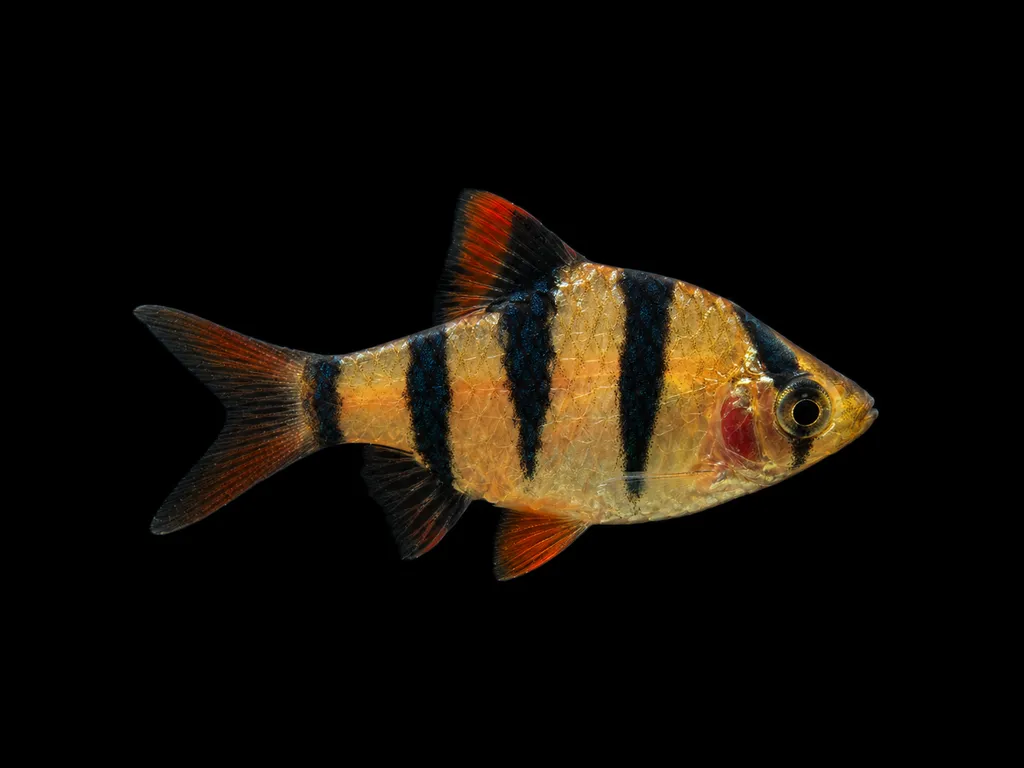 2.2 in (5.5 cm)29 gal (110 L)73–81°F (23–27°C)
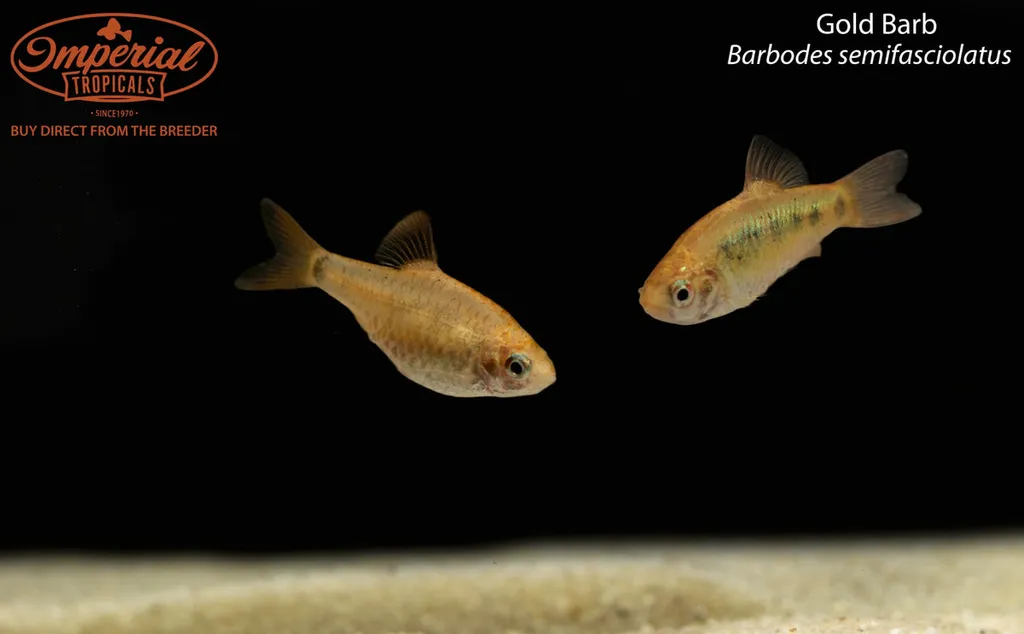 2.8 in (7 cm)20 gal (75 L)64–75°F (18–24°C)
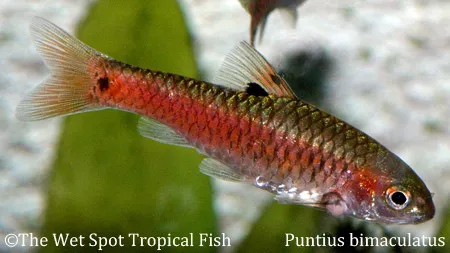 2.8 in (7 cm)20 gal (75 L)72–81°F (22–27°C)
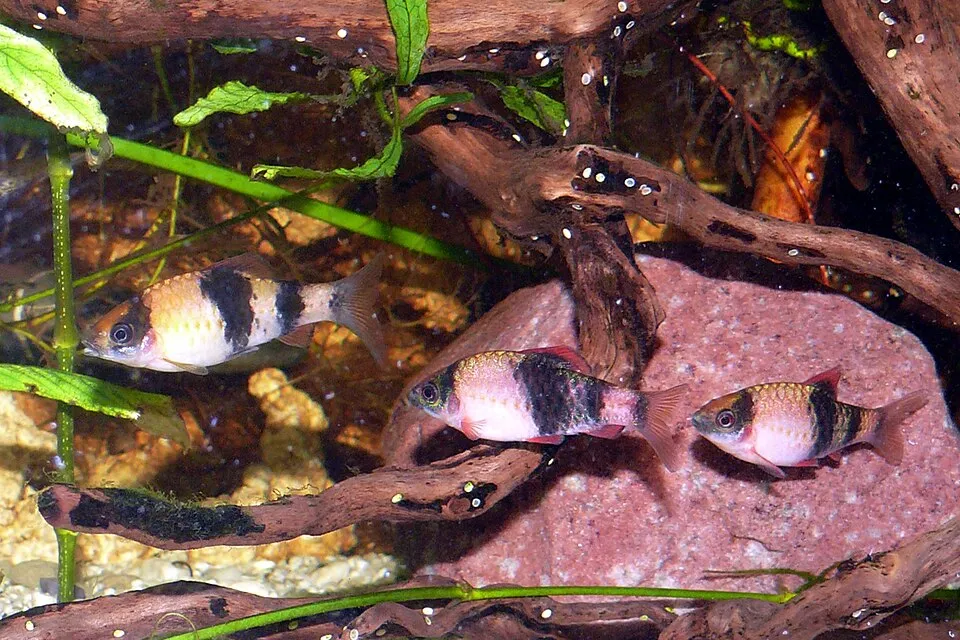 2.8 in (7 cm)40 gal (150 L)72–79°F (22–26°C)
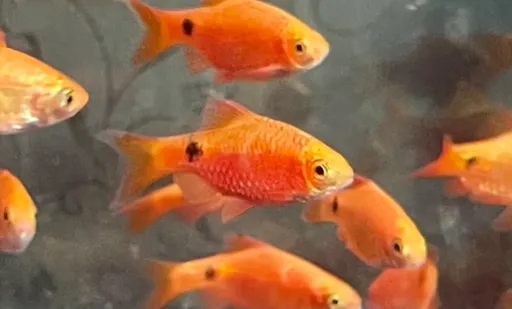 2.8 in (7 cm)24 gal (90 L)61–75°F (16–24°C)