Variety of Green swordtail
Pineapple swordtail
Xiphophorus hellerii
One of 6 varieties of Xiphophorus hellerii · See all varieties →
FreshwaterFish
Varieties · Xiphophorus hellerii
See all 6 →
Care at a glance
- Temperature
- 68–82°F
- 20–28°C
- pH
- 7.0–8.0
- Adult size
- 5.9 in
- 15 cm
- Minimum tank
- 20 gal
- 76 L
- Temperament
- Peaceful
- Social behavior
- Social
- Swim level
- Middle
- Difficulty
- Beginner
- Breeding
- Livebearer · Easy
- Rarity
- Very common
- Family
- Poeciliidae
Overview
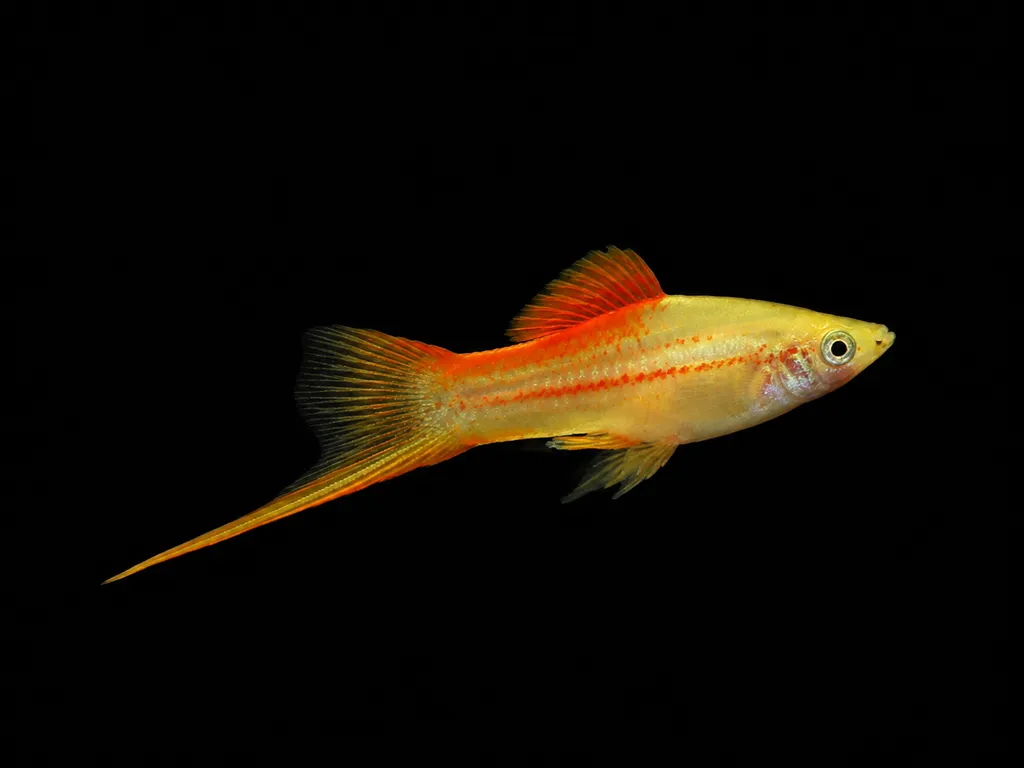
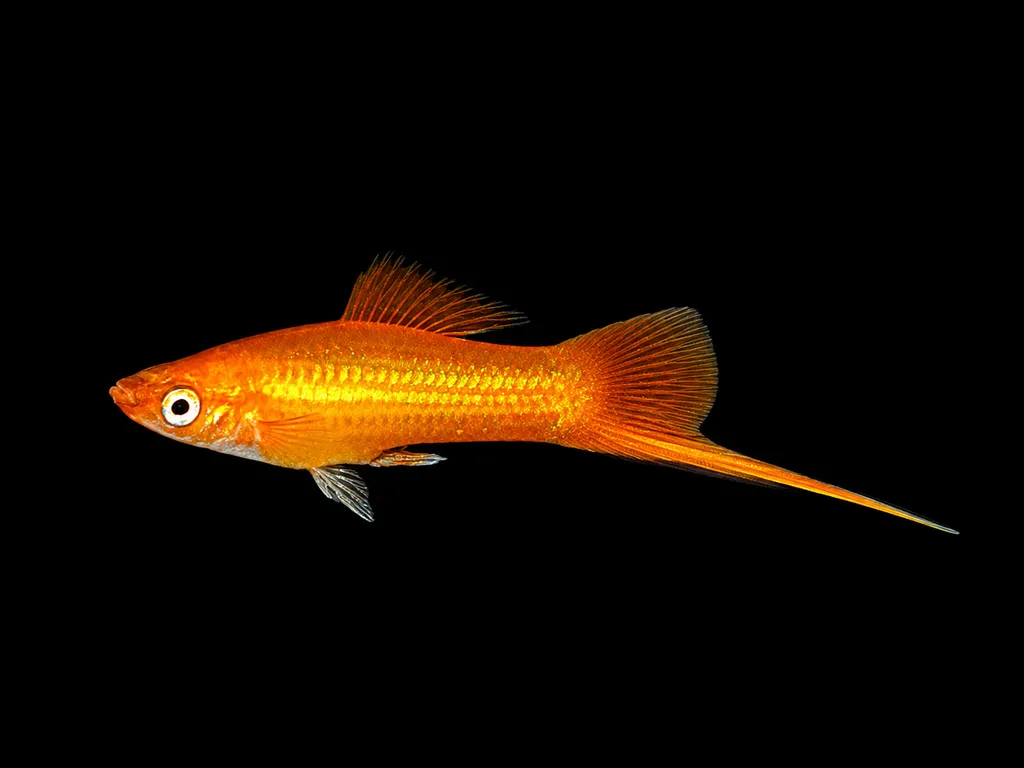
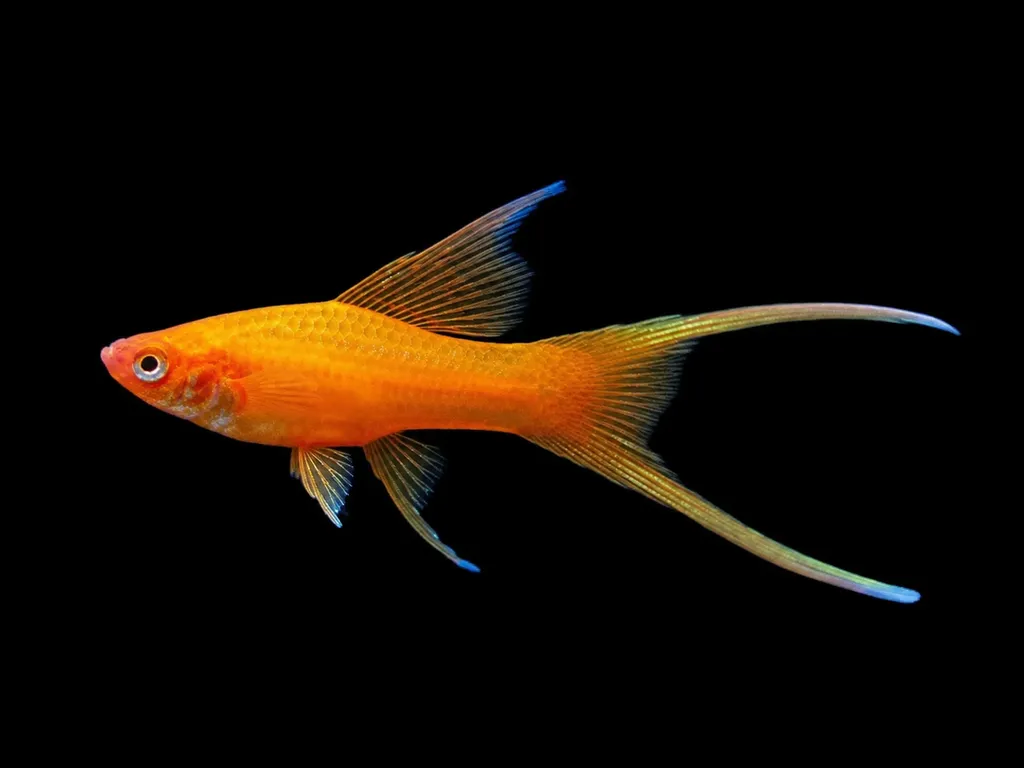
The pineapple swordtail has a pale yellow body with red or orange fins and edging. Stock varies, from lemon fish with a red sword edge to fish with an orange saddle running into the dorsal fin. It is a peaceful fish and easy for a beginner.
Did you know
Pineapple, marigold and sunset swordtails all describe the same yellow-to-red gradient, and shops move fish between the labels. To repeat a look, buy siblings from one supplier rather than trusting the name.
Caring for the pineapple swordtail
Give a small group of pineapple swordtails a tank of 20 gal (76 L) or more, with some length for cruising. They swim actively in the middle of the tank. Planted edges, open water in the center and moderate flow suit them.
Give them hard, alkaline water at 68 to 82°F (20 to 28°C), with a pH of 7.0 to 8.0. They are easy to feed on a quality flake or pellet with some vegetable matter. Add a frozen treat now and then.
Pineapple swordtails are peaceful, so they mix safely with other community fish. Keep more females than males to spread out the males' attention. Ask for a photo of the actual fish if the exact look matters to you.
Males carry a long sword on the lower tail fin, and the females are larger bodied without one. Pineapple swordtails are livebearers, and a female can store sperm to drop several broods from a single mating. They breed readily, so expect fry and give them plants to hide in.
Good to know
The pineapple swordtail's yellow comes from xanthophores, the yellow pigment cells, with erythrophores concentrated in the fins and edging. Two pigment sets are selected at once, so a pineapple spawn throws a wide spread of plain yellows, heavier reds and marigold-like fish. Pineapple is a trade name, not a fixed standard. Each supplier culls toward a house style, which is why two shops' pineapples rarely match. LiveAquaria, Imperial Tropicals and other mainstream online shops carry the line.
In the wild
The pineapple swordtail is a farm color, and no published source names a person, country or decade behind the line. Yellow and red swordtail lines were built like the reds, by selecting out of swordtail and platy crossings on farms. It is a hobby line of uncertain origin, and nothing yellow like it occurs in the wild population.
Weekly picks
Tank mates
The pineapple swordtail is a peaceful, social species that keeps to the middle. These picks share a community profile with it, are safe together in both directions, and overlap on water type, temperature and pH.
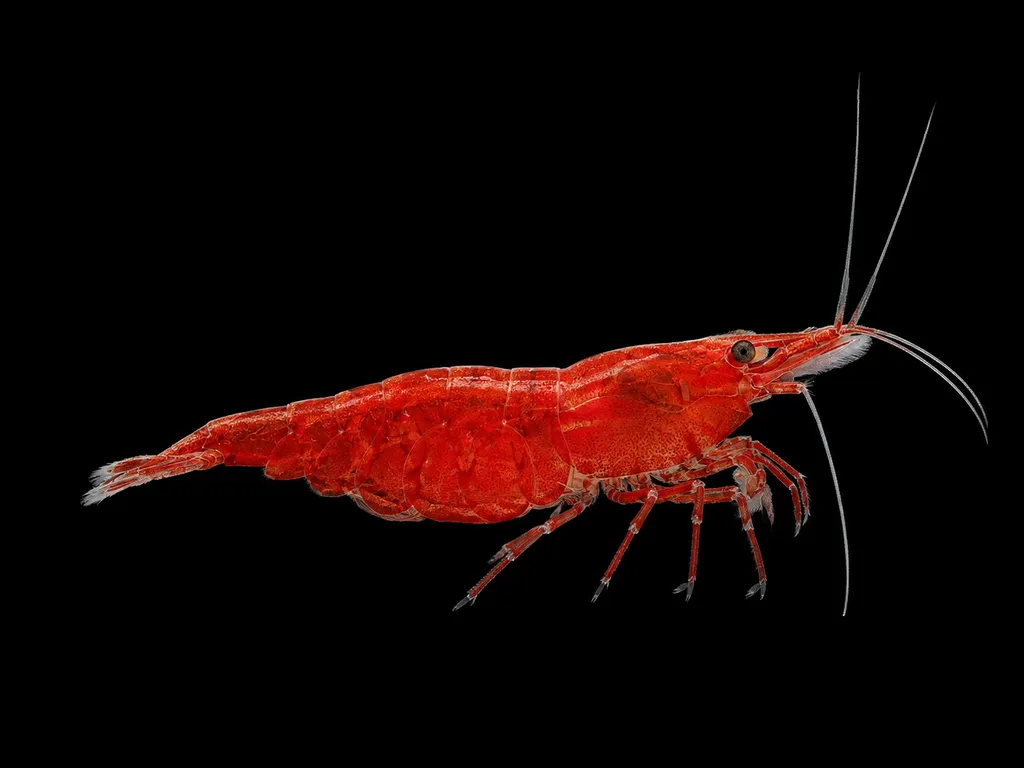
Neocaridina shrimp
Neocaridina davidi
Freshwater1.6 in (4 cm) · 5 gal (19 L)59–84°F (15–29°C)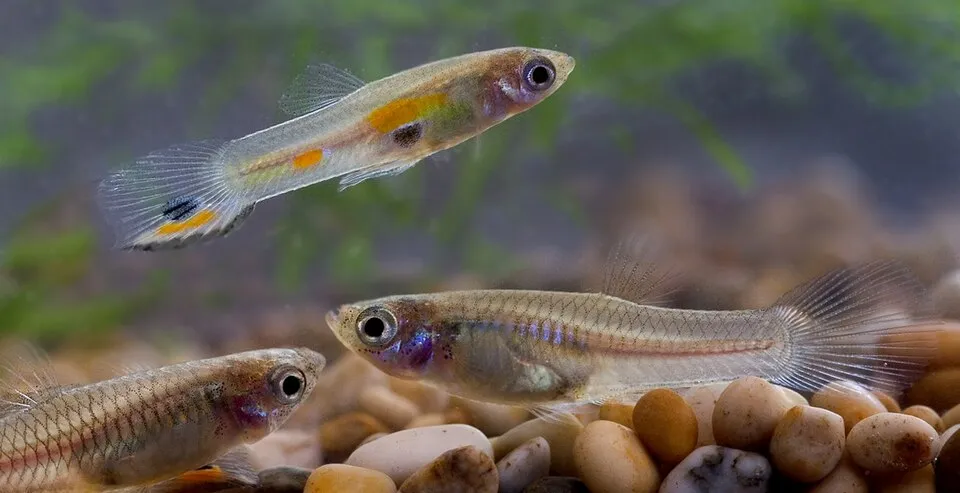
Guppy
Poecilia reticulata
FreshwaterBrackish2.4 in (6 cm) · 10 gal (38 L)64–82°F (18–28°C)
Neon tetra
Paracheirodon innesi
Freshwater1.5 in (3.8 cm) · 11 gal (40 L)70–77°F (21–25°C)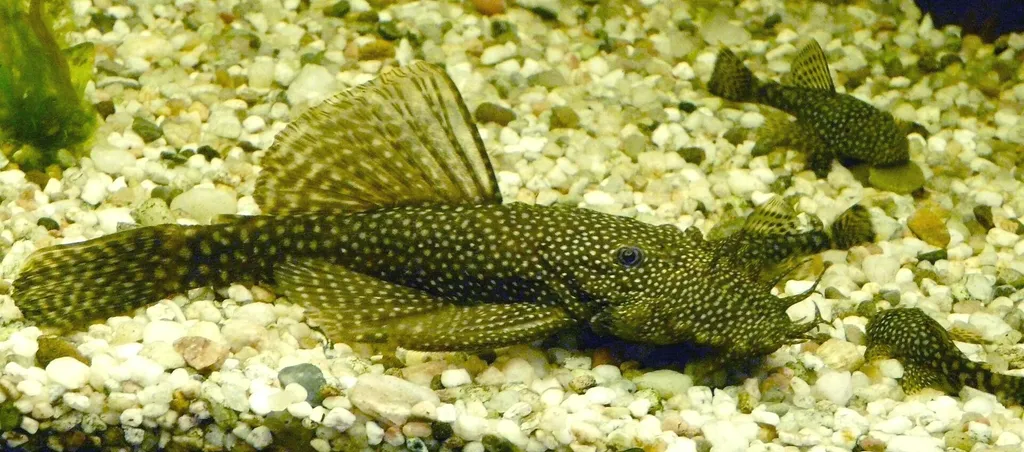
Bristlenose pleco
Ancistrus sp.
Freshwater4.9 in (12.5 cm) · 20 gal (75 L)70–79°F (21–26°C)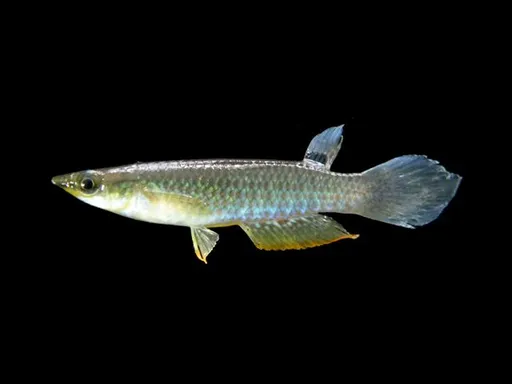
Blue panchax
Aplocheilus panchax
Freshwater3.5 in (9 cm) · 20 gal (75 L)72–82°F (22–28°C)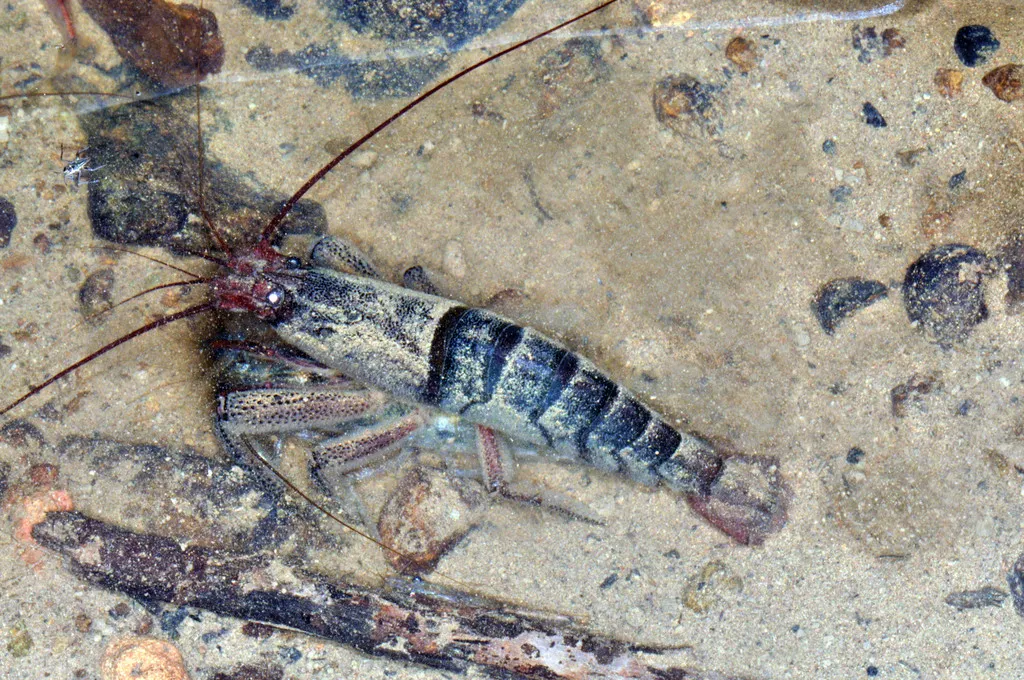
Marble wood shrimp
Atya scabra
Freshwater3.9 in (10 cm) · 20 gal (75 L)73–82°F (23–28°C)
Common questions
Is a pineapple swordtail a different species from the green swordtail?
No. A pineapple swordtail is a variety of the green swordtail, Xiphophorus hellerii, and it wants the same tank, water and food as the species.
What size tank does a pineapple swordtail need?
A pineapple swordtail needs at least 20 gal (76 L). It spends most of its time in the middle.
What does a pineapple swordtail eat?
A pineapple swordtail is easy to feed on a quality flake or pellet with some vegetable matter, with a frozen treat now and then.
How big does a pineapple swordtail get?
An adult pineapple swordtail reaches about 5.9 in (15 cm).
How can you tell a male pineapple swordtail from a female?
Males carry a long sword on the lower tail fin, which the larger-bodied females lack.
How does a pineapple swordtail breed?
Pineapple swordtails are livebearers, and one mating lets a female drop several broods from stored sperm. They breed readily, so give the fry plants for cover.
Related species
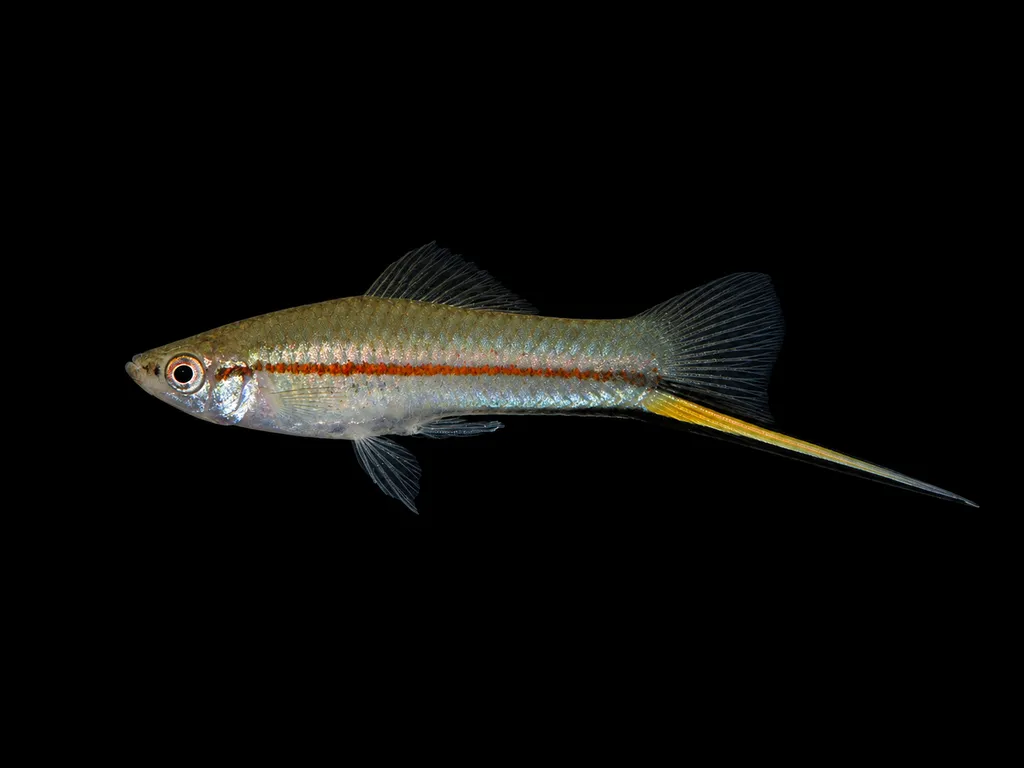 4.1 in (10.5 cm)29 gal (110 L)73–82°F (23–28°C)
Kallman's swordtail
Xiphophorus kallmani
4.1 in (10.5 cm) · 29 gal (110 L)
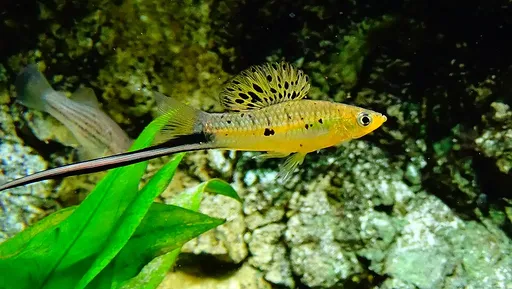 5.5 in (14 cm)32 gal (120 L)68–79°F (20–26°C)
Montezuma swordtail
Xiphophorus montezumae
5.5 in (14 cm) · 32 gal (120 L)
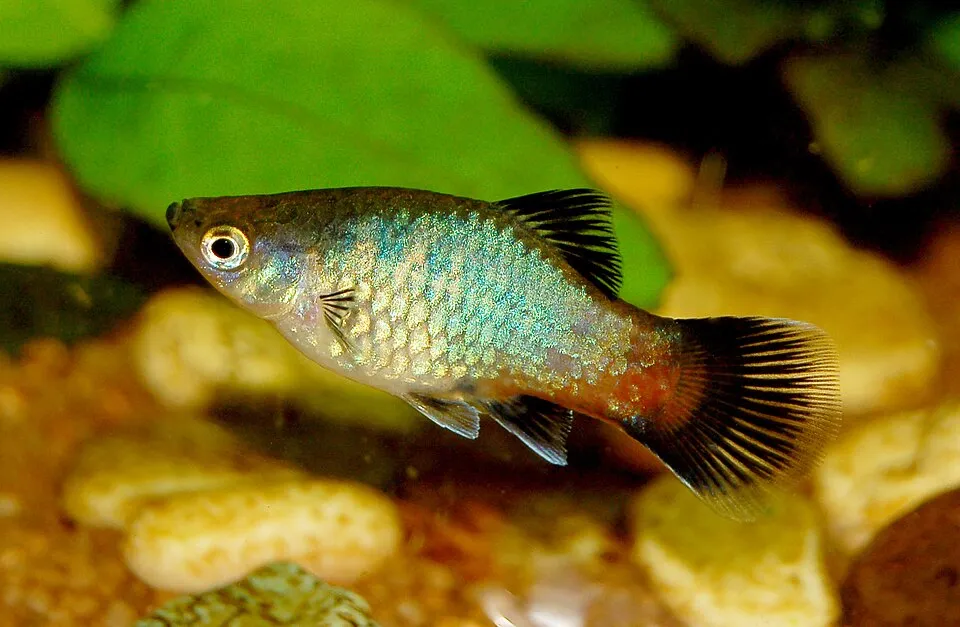 2.8 in (7 cm)10 gal (38 L)68–79°F (20–26°C)
Southern platy
Xiphophorus maculatus
2.8 in (7 cm) · 10 gal (38 L)
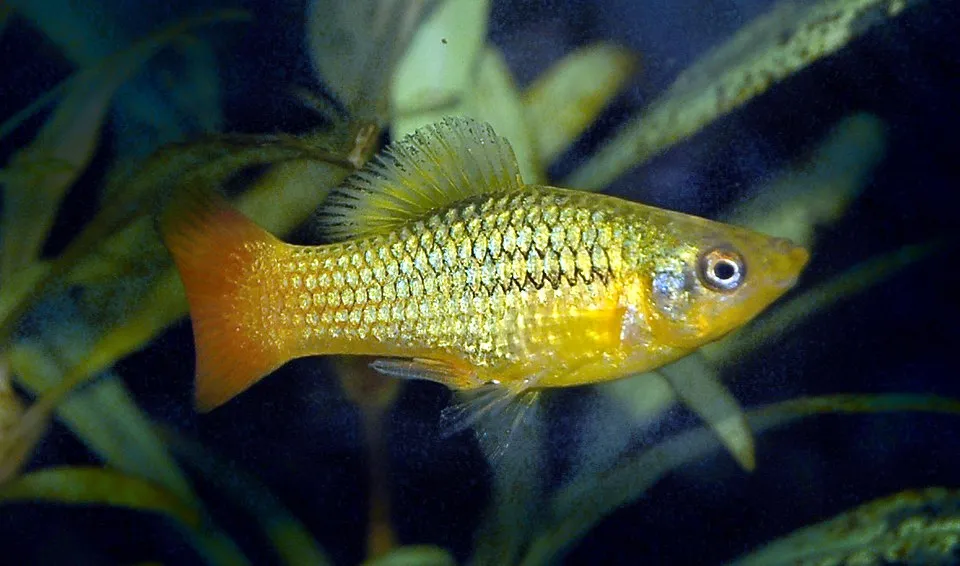 2.8 in (7 cm)15 gal (55 L)68–79°F (20–26°C)
Variable platy
Xiphophorus variatus
2.8 in (7 cm) · 15 gal (55 L)
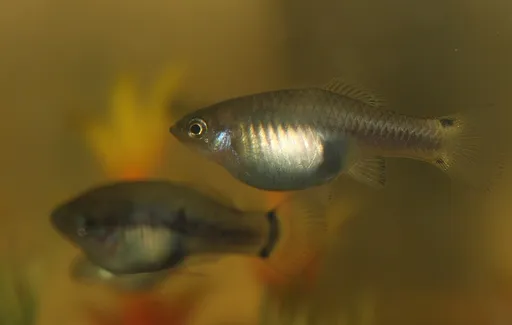 2 in (5 cm)16 gal (60 L)68–79°F (20–26°C)
Spiketail platy
Xiphophorus xiphidium
2 in (5 cm) · 16 gal (60 L)
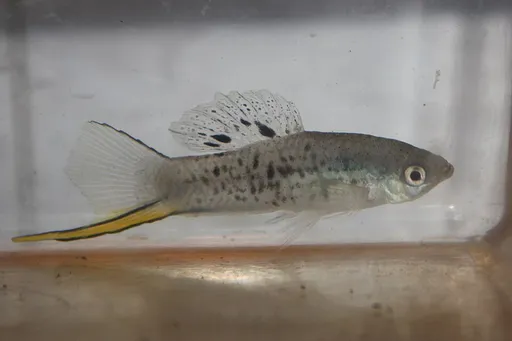 3.5 in (9 cm)29 gal (110 L)68–79°F (20–26°C)
Northern mountain swordtail
Xiphophorus nezahualcoyotl
3.5 in (9 cm) · 29 gal (110 L)