Graceful rasbora
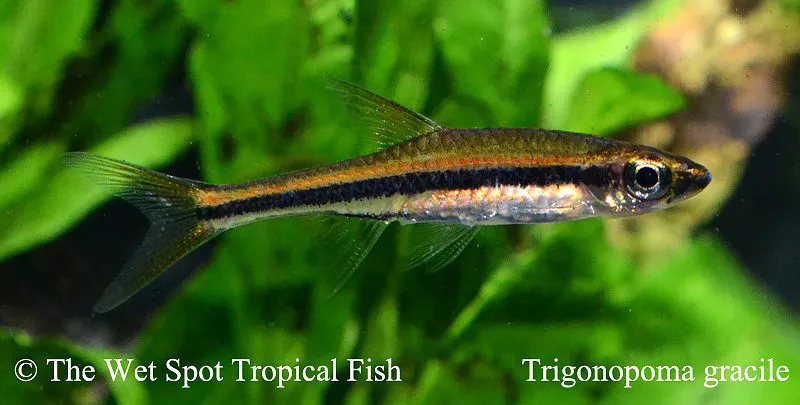
Trigonopoma gracile
Also known as Blue-line rasbora, Rasbora gracilis
FreshwaterFish
Care at a glance
- Temperature
- 72–79°F
- 22–26°C
- pH
- 5.0–7.0
- Adult size
- 2 in
- 5 cm
- Minimum tank
- 16 gal
- 60 L
- Temperament
- Peaceful
- Social behavior
- Schooling
- Swim level
- Middle
- Difficulty
- Medium
- Breeding
- Hard
- Rarity
- Rare
- Family
- Cyprinidae
- Origin
- Native to blackwater streams and peat swamps of the Malay Peninsula, Sumatra, and Borneo.
Overview
Keep graceful rasboras in a group of at least eight to ten in a tank of 60 litres or more, with soft, acidic water at 22 to 26 C and a pH of 5.0 to 7.0. Leaf litter, dark substrate, and gentle filtration through peat bring out the blue stripe. Feed small foods such as micropellets, crushed flake, and frozen daphnia, cyclops, and baby brine shrimp. It is a gentle schooler that suits a quiet blackwater community with other small, calm species.
In the wild
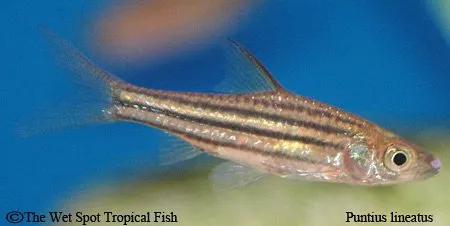
The graceful rasbora comes from soft, acidic blackwater streams and peat swamps of Southeast Asia. It shoals in midwater in shaded, tea-stained water among roots and leaf litter. A dark, often blue-tinged stripe runs along a slim reddish-tan body. It is a peaceful blackwater shoaler for a soft-water tank.
Good to know
Once placed in Rasbora as Rasbora gracilis, the species now sits in the genus Trigonopoma with the glowlight rasbora. It reaches about 5 cm and shows a blue sheen over the flank stripe in good conditions, which is why it is sometimes called the blue-line rasbora. It shares its blackwater home with fish such as chocolate and licorice gouramis.
Did you know
In soft blackwater the dark side stripe picks up an electric blue shimmer, which is easy to miss in a bright, hard-water shop tank.
Weekly picks
Tank mates
Graceful rasbora is a peaceful, schooling species that keeps to the middle. These picks share a community profile with it, are safe together in both directions, and overlap on water type, temperature and pH.
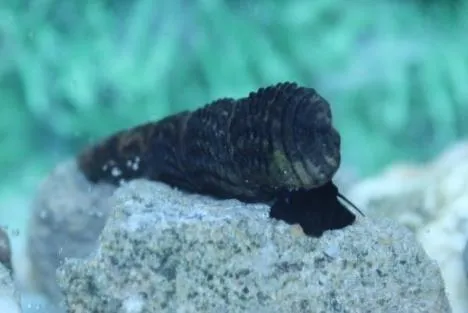
White spotted rabbit snail
Tylomelania towutica
Freshwater4.3 in (11 cm) · 16 gal (60 L)75–84°F (24–29°C)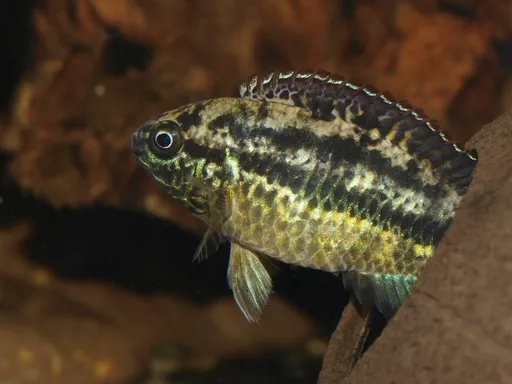
Golden dwarf cichlid
Nannacara anomala
Freshwater3.1 in (8 cm) · 16 gal (60 L)72–82°F (22–28°C)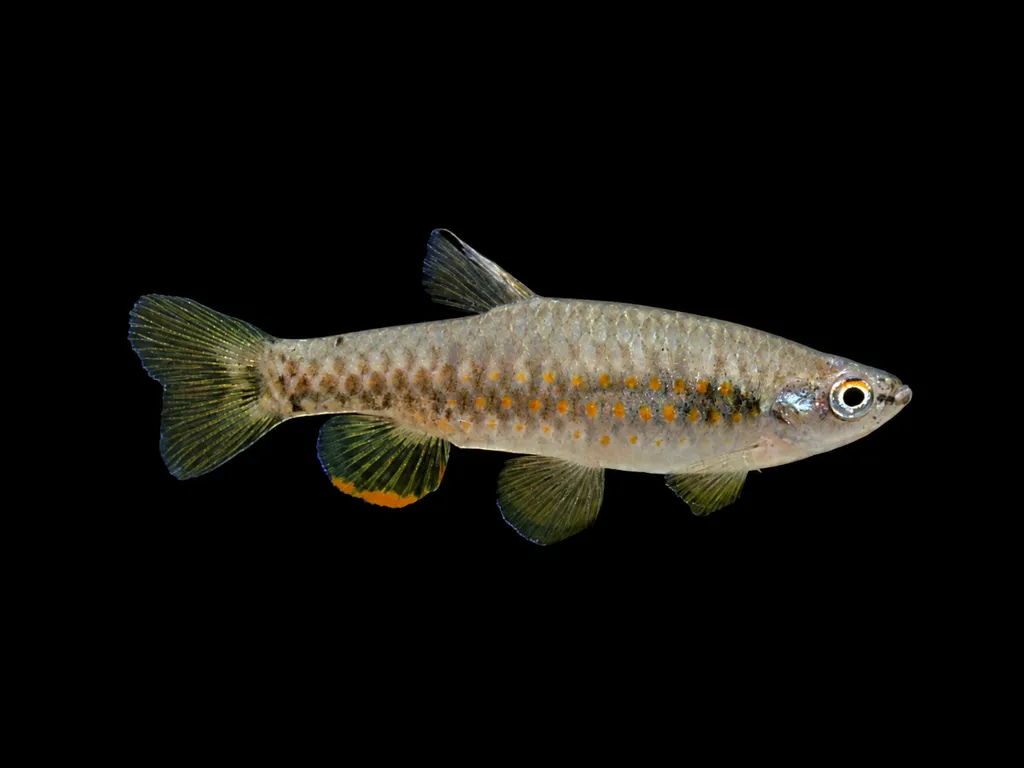
Fanning characin
Pyrrhulina rachoviana
Freshwater2 in (5 cm) · 16 gal (60 L)68–79°F (20–26°C)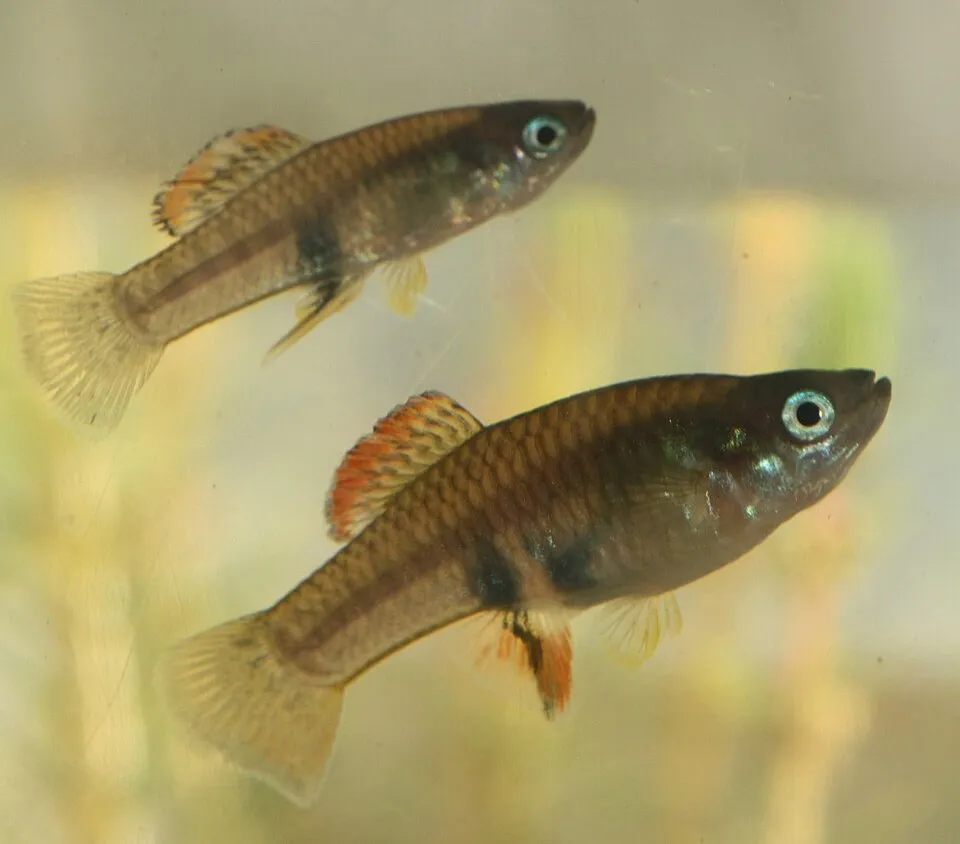
Cardinal toothcarp
Brachyrhaphis roseni
Freshwater2.4 in (6 cm) · 16 gal (60 L)72–86°F (22–30°C)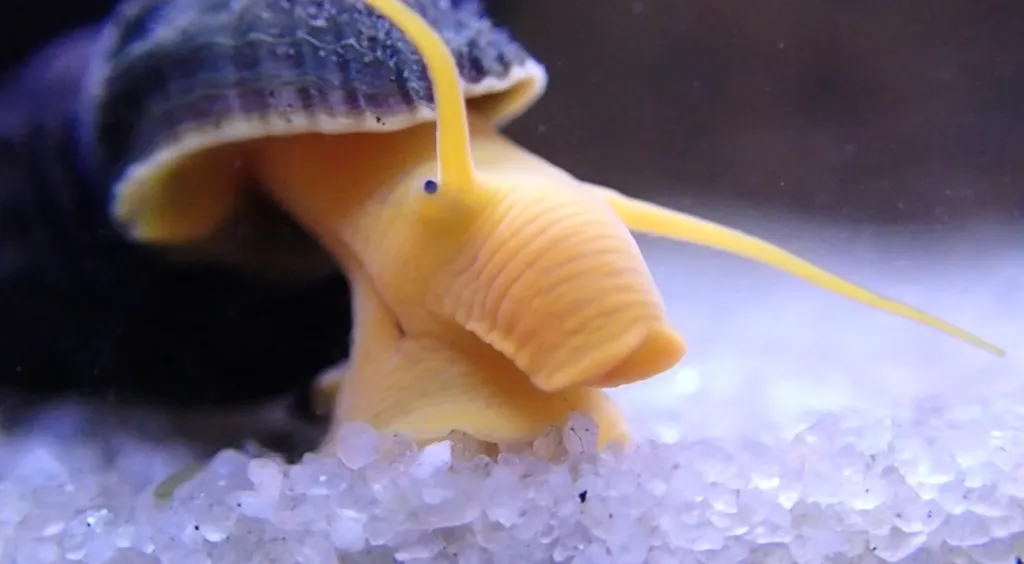
Gold rabbit snail
Tylomelania gemmifera
Freshwater2.8 in (7 cm) · 16 gal (60 L)75–82°F (24–28°C)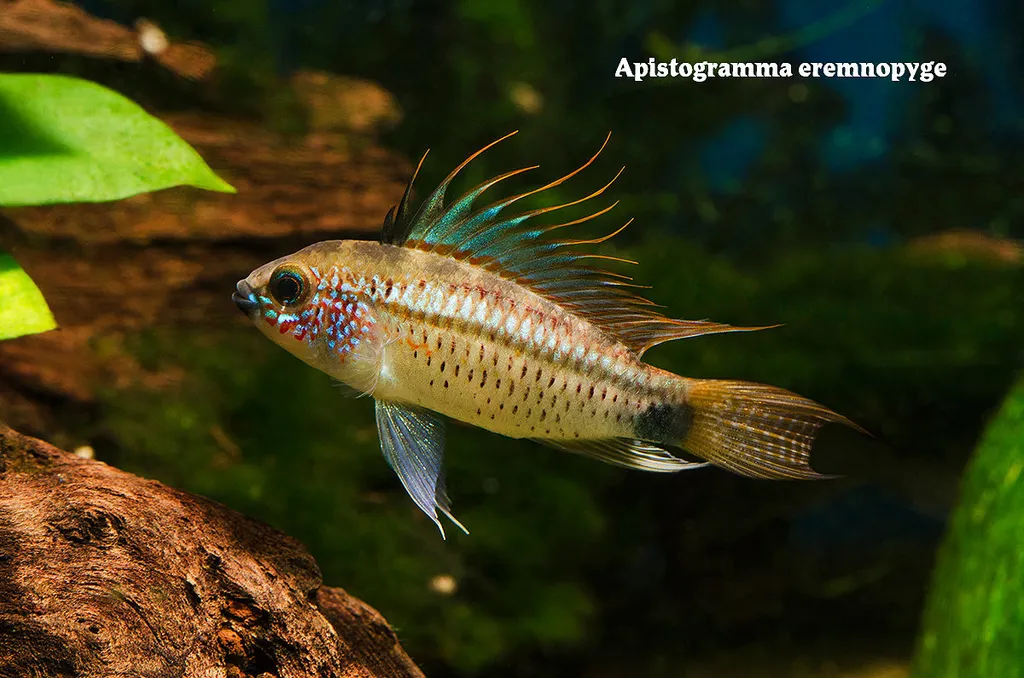
Fire-tail dwarf cichlid
Apistogramma eremnopyge
Freshwater1.8 in (4.5 cm) · 16 gal (60 L)73–81°F (23–27°C)
Common questions
What size tank does a Graceful rasbora need?
A Graceful rasbora needs at least 16 gal (60 L). It spends most of its time in the middle.
What temperature and pH does a Graceful rasbora need?
A Graceful rasbora is comfortable at 72–79°F (22–26°C) with a pH of 5.0–7.0.
How big does a Graceful rasbora get?
An adult Graceful rasbora reaches about 2 in (5 cm).
Does a Graceful rasbora need a group?
Yes. A Graceful rasbora is a schooling species and should be kept in a group, not singly.
Related species
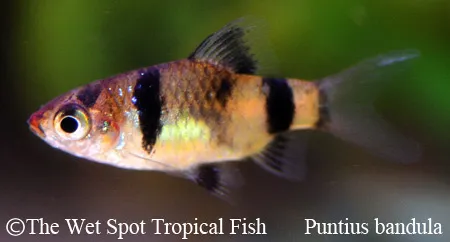 2 in (5 cm)20 gal (75 L)73–81°F (23–27°C)
Bandula barb
Pethia bandula
2 in (5 cm) · 20 gal (75 L)
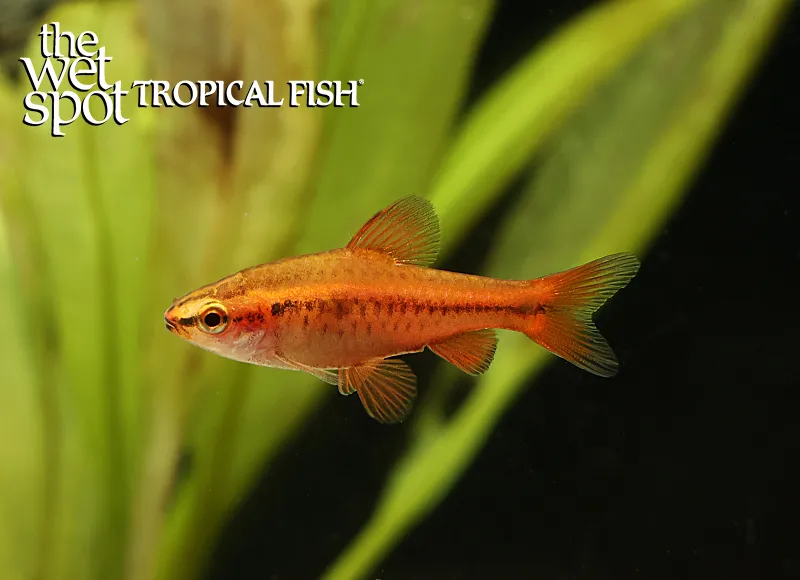 2 in (5 cm)20 gal (75 L)72–81°F (22–27°C)
Cherry barb
Rohanella titteya
2 in (5 cm) · 20 gal (75 L)
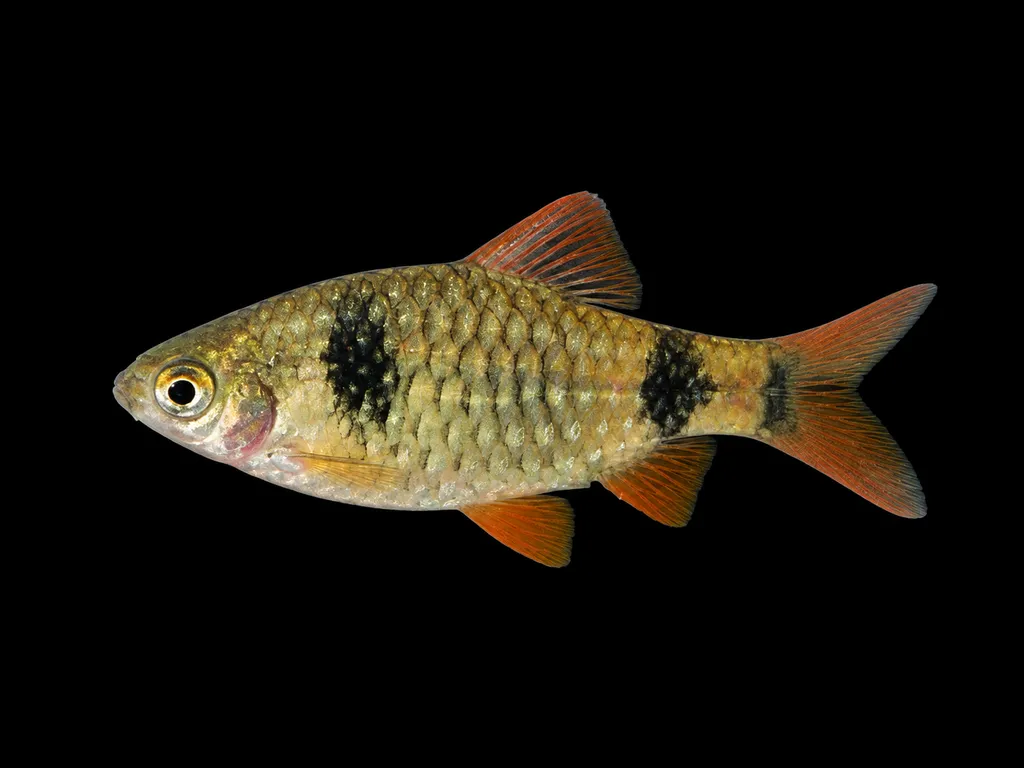 2 in (5 cm)16 gal (60 L)72–81°F (22–27°C)
Cuming's barb
Pethia cumingii
2 in (5 cm) · 16 gal (60 L)
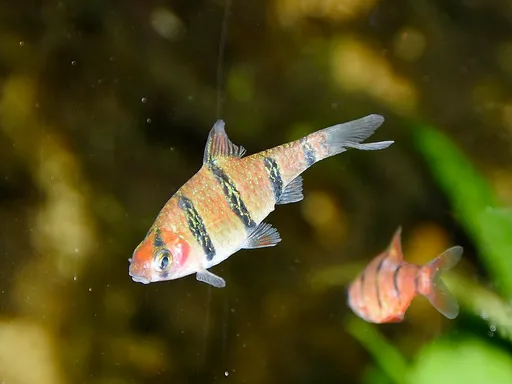 2 in (5 cm)20 gal (75 L)73–81°F (23–27°C)
Five-banded barb
Desmopuntius pentazona
2 in (5 cm) · 20 gal (75 L)
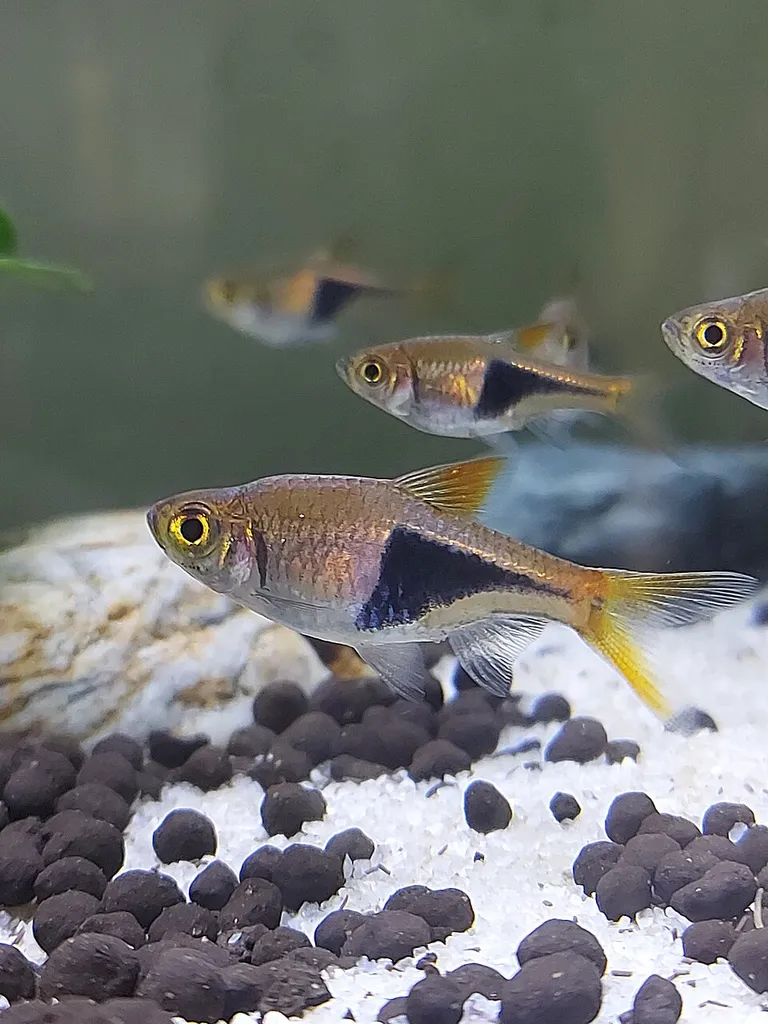 2 in (5 cm)15 gal (55 L)72–82°F (22–28°C)
Harlequin rasbora
Trigonostigma heteromorpha
2 in (5 cm) · 15 gal (55 L)
 2 in (5 cm)20 gal (75 L)73–81°F (23–27°C)
Lined barb
Striuntius lineatus
2 in (5 cm) · 20 gal (75 L)