Lined barb
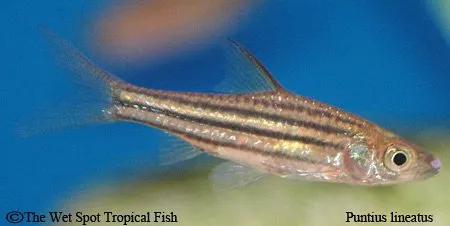
Striuntius lineatus
Also known as Striped barb, Puntius lineatus, Barbus lineatus
FreshwaterFish
Care at a glance
- Temperature
- 73–81°F
- 23–27°C
- pH
- 5.0–6.5
- Adult size
- 2 in
- 5 cm
- Minimum tank
- 20 gal
- 75 L
- Temperament
- Peaceful
- Social behavior
- Schooling
- Swim level
- Middle
- Difficulty
- Medium
- Breeding
- Hard
- Rarity
- Rare
- Family
- Cyprinidae
- Origin
- Found in blackwater streams, swamps, and peat forests of the Malay Peninsula, Sumatra, and Borneo.
Overview
Keep lined barbs in a shoal of at least eight in a tank of 75 litres or more, with soft, acidic blackwater at 23 to 27 C and a pH of 5.0 to 6.5. Alder cones, leaf litter, and gentle filtration through peat help hold the low pH they need. Feed small flakes, micropellets, and frozen daphnia, cyclops, and bloodworm. This is a fish for a stable, mature blackwater tank rather than a brand new setup.
In the wild
The lined barb lives in soft, tea-colored blackwater across the Malay Peninsula and the Greater Sunda Islands. These are shaded, acidic waters stained by decaying leaves, with very little dissolved mineral content. The fish carries several thin dark stripes along a slender pale body. It is a peaceful shoaling barb that needs stable, soft water to do well.
Good to know
Once placed in Puntius as Puntius lineatus, the species was moved to the genus Striuntius in a 2013 reclassification of the old barb group. It is sometimes confused in shops with other striped barbs such as Desmopuntius johorensis. The thin continuous stripes, rather than blotches or bars, separate it from most look-alikes.
Did you know
The soft acidic water it needs makes it a poor choice for hard tap water, but in a proper blackwater tank it is a hardy and long-lived shoaling fish.
Weekly picks
Tank mates
Lined barb is a peaceful, schooling species that keeps to the middle. These picks share a community profile with it, are safe together in both directions, and overlap on water type, temperature and pH.
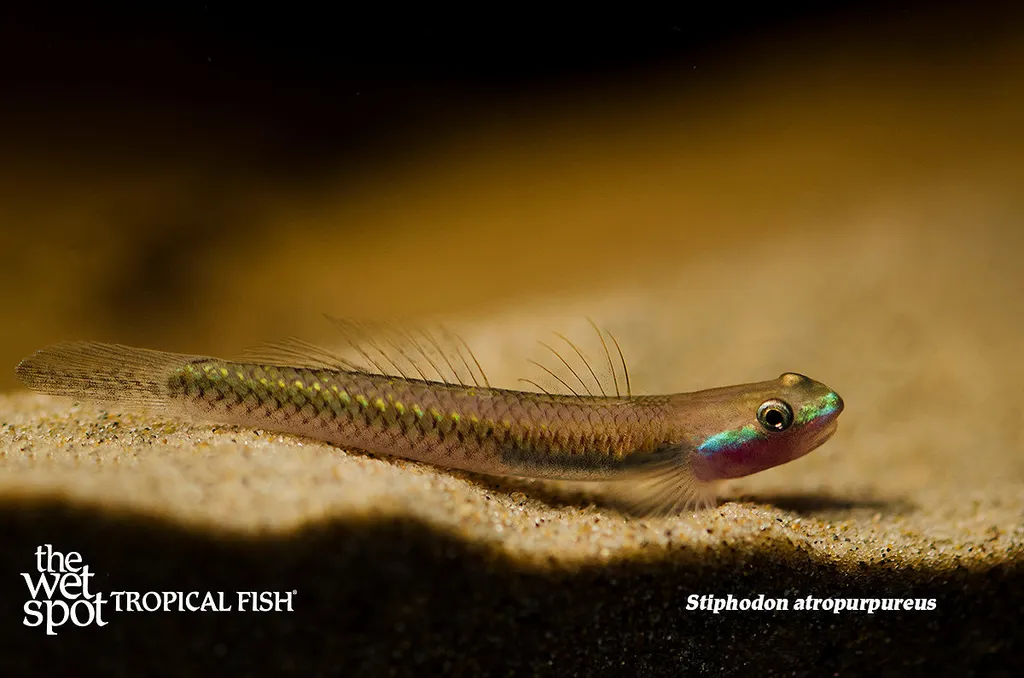
Blue neon dwarf goby
Stiphodon atropurpureus
Freshwater2 in (5 cm) · 20 gal (75 L)72–81°F (22–27°C)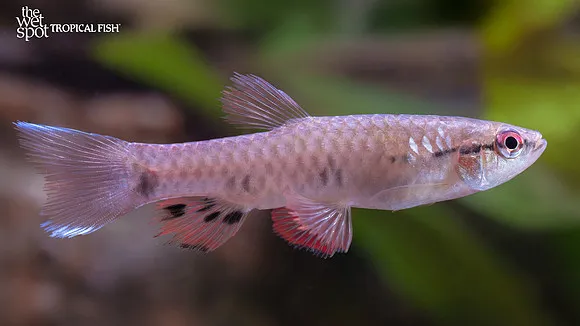
Spotted pyrrhulina
Pyrrhulina spilota
Freshwater2.8 in (7 cm) · 20 gal (75 L)73–81°F (23–27°C)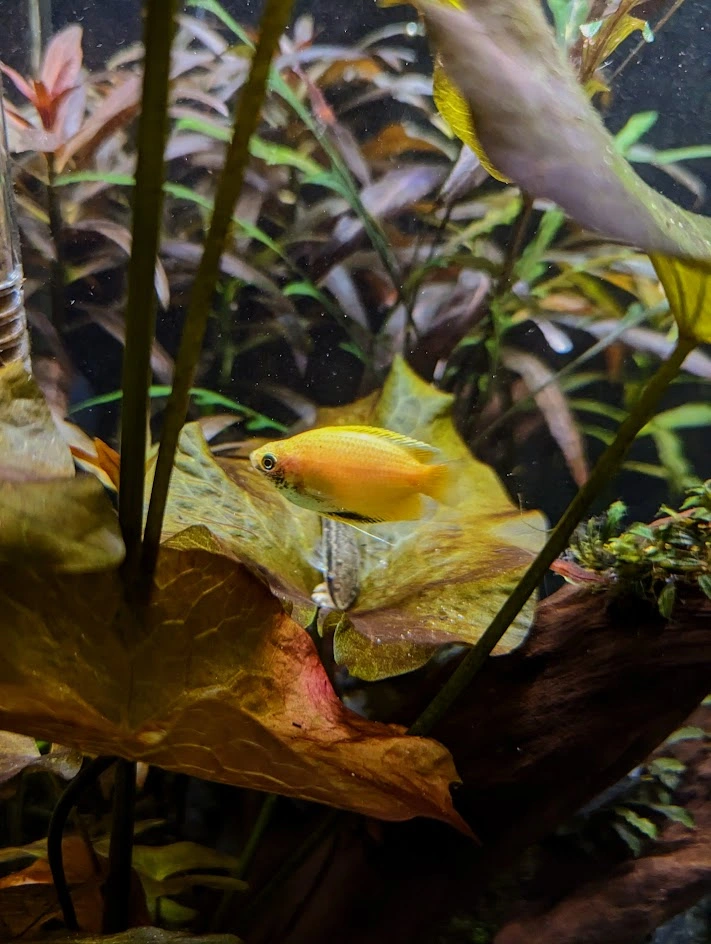
Honey gourami
Trichogaster chuna
Freshwater2 in (5 cm) · 20 gal (75 L)72–82°F (22–28°C)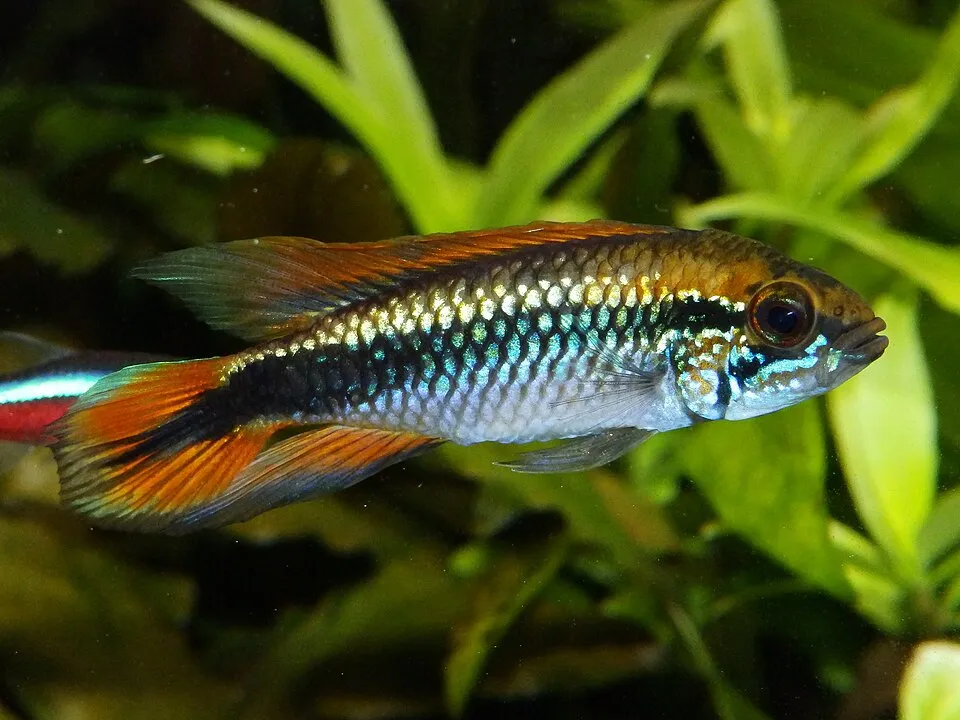
Agassiz's dwarf cichlid
Apistogramma agassizii
Freshwater3.5 in (9 cm) · 20 gal (75 L)72–84°F (22–29°C)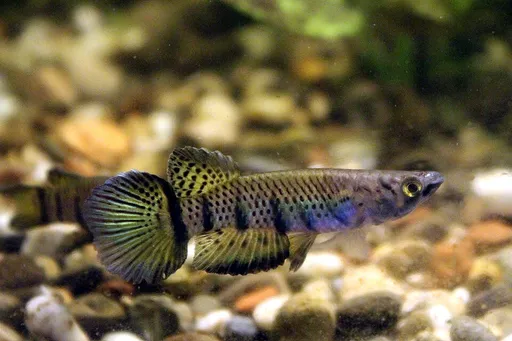
Six-barred panchax
Epiplatys sexfasciatus
Freshwater3.9 in (10 cm) · 20 gal (75 L)72–81°F (22–27°C)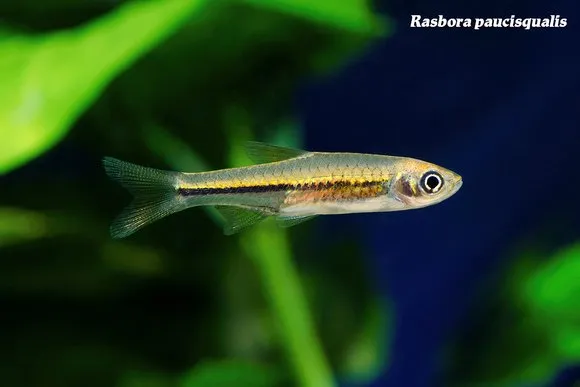
Largescale rasbora
Rasbora paucisqualis
Freshwater2 in (5 cm) · 20 gal (75 L)72–81°F (22–27°C)
Common questions
What size tank does a Lined barb need?
A Lined barb needs at least 20 gal (75 L). It spends most of its time in the middle.
What temperature and pH does a Lined barb need?
A Lined barb is comfortable at 73–81°F (23–27°C) with a pH of 5.0–6.5.
How big does a Lined barb get?
An adult Lined barb reaches about 2 in (5 cm).
Does a Lined barb need a group?
Yes. A Lined barb is a schooling species and should be kept in a group, not singly.
Related species
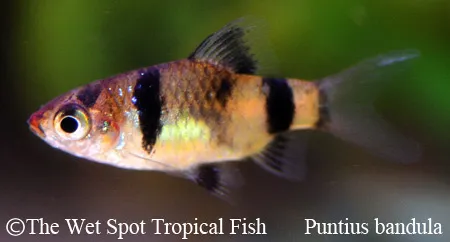 2 in (5 cm)20 gal (75 L)73–81°F (23–27°C)
Bandula barb
Pethia bandula
2 in (5 cm) · 20 gal (75 L)
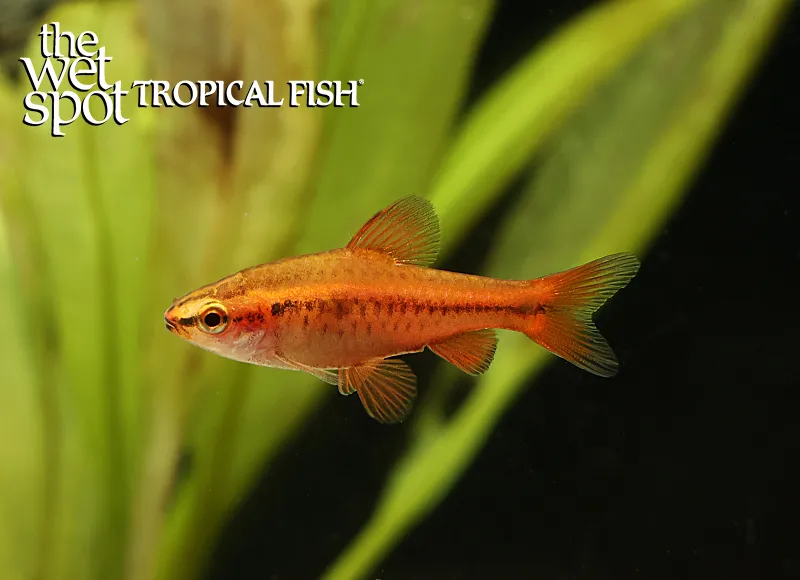 2 in (5 cm)20 gal (75 L)72–81°F (22–27°C)
Cherry barb
Rohanella titteya
2 in (5 cm) · 20 gal (75 L)
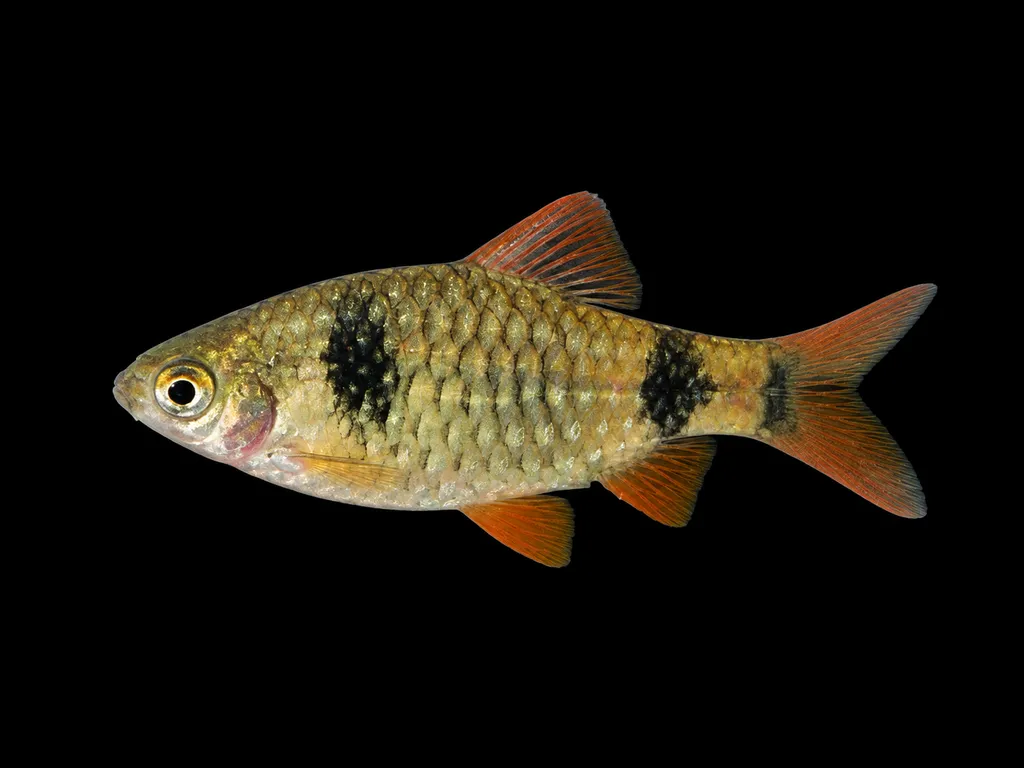 2 in (5 cm)16 gal (60 L)72–81°F (22–27°C)
Cuming's barb
Pethia cumingii
2 in (5 cm) · 16 gal (60 L)
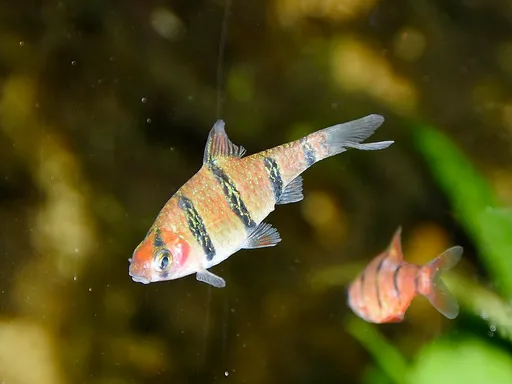 2 in (5 cm)20 gal (75 L)73–81°F (23–27°C)
Five-banded barb
Desmopuntius pentazona
2 in (5 cm) · 20 gal (75 L)
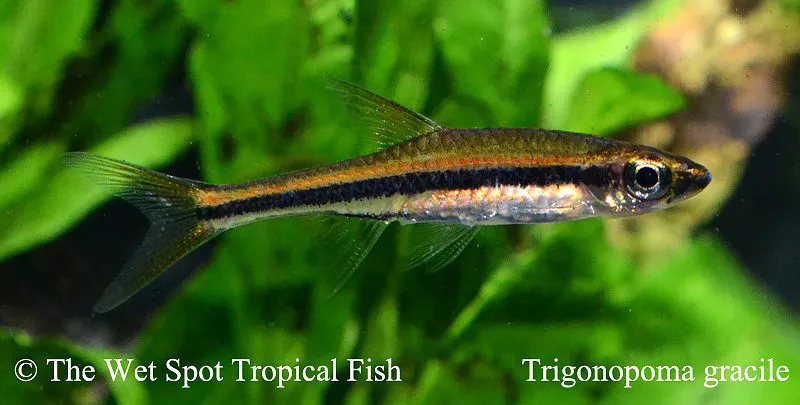 2 in (5 cm)16 gal (60 L)72–79°F (22–26°C)
Graceful rasbora
Trigonopoma gracile
2 in (5 cm) · 16 gal (60 L)
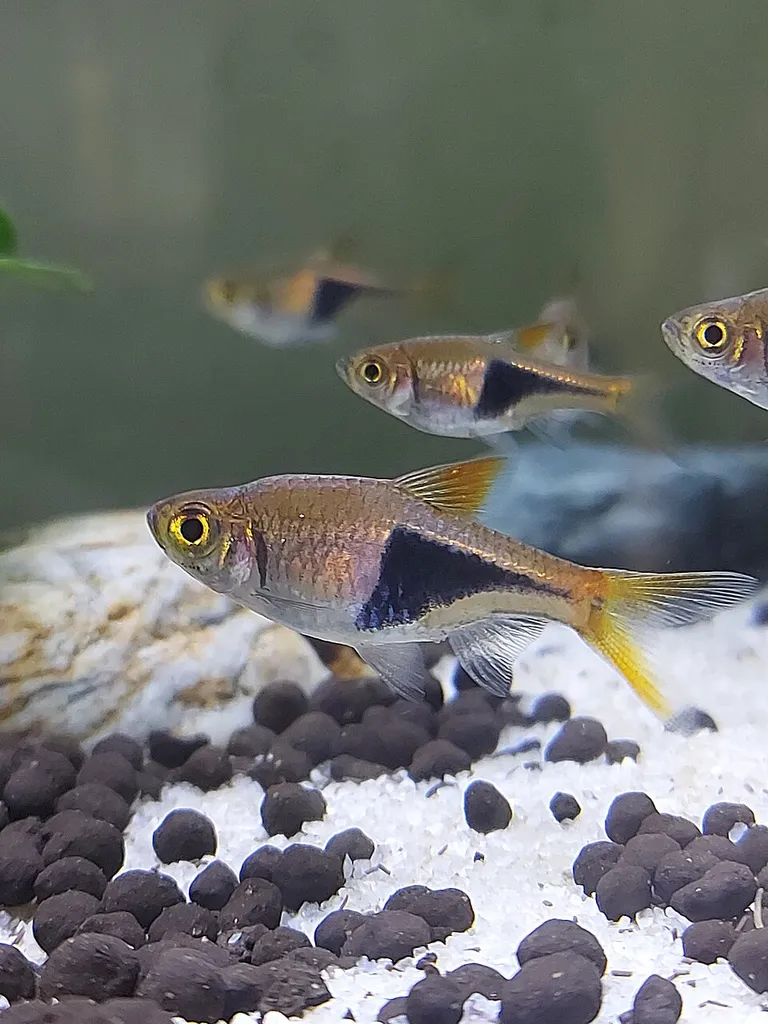 2 in (5 cm)15 gal (55 L)72–82°F (22–28°C)
Harlequin rasbora
Trigonostigma heteromorpha
2 in (5 cm) · 15 gal (55 L)