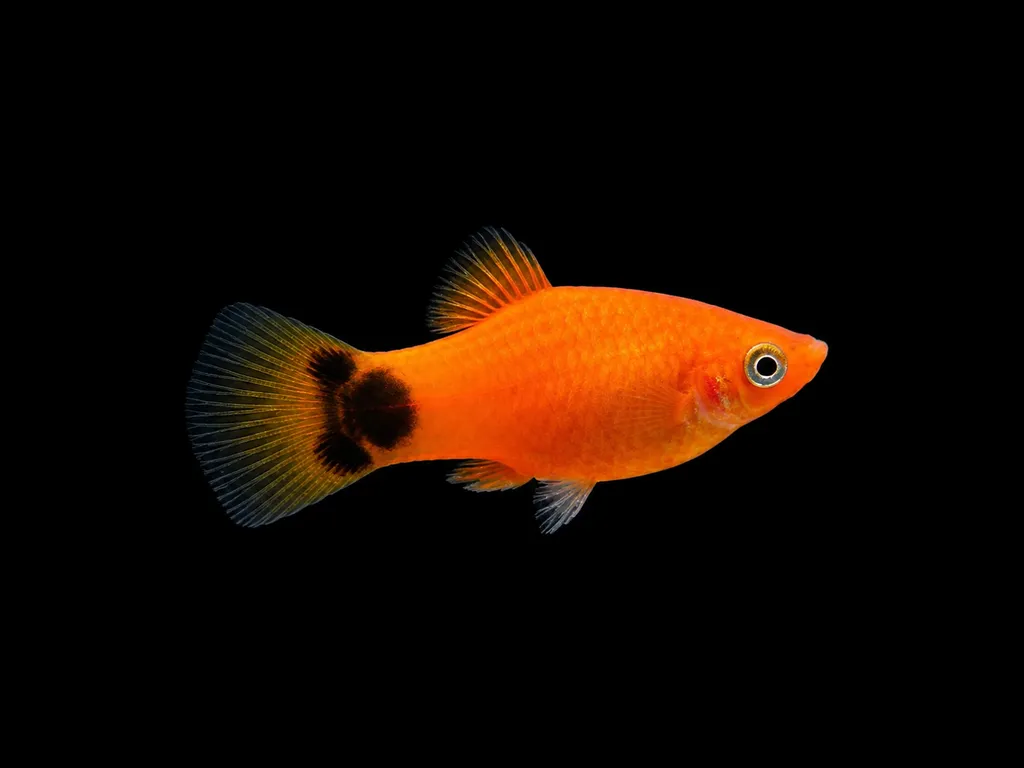
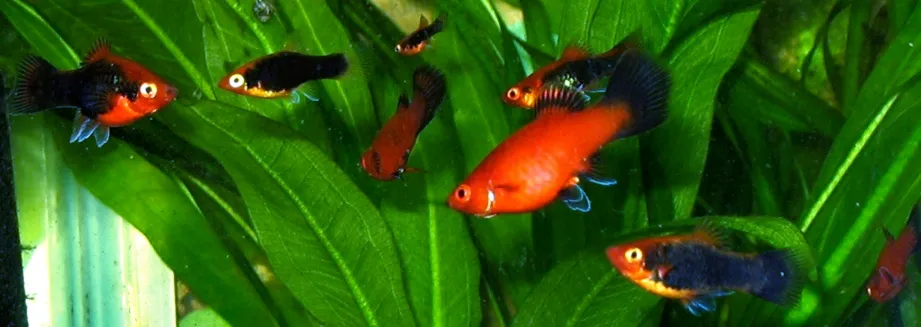
Wagtail is a fin pattern, not a body color, so it stacks on top of one. Red wag is the common version, with gold and blue wags also in the trade. Look for black that carries cleanly through the caudal, dorsal and anal fins, since weak lines show gray or patchy fins. A name like Red Wag tells you both halves of the fish.
In the wild
Wagtail was fixed in domesticated platy stock and is not a wild pattern. Trade platies carry genes from more than one Xiphophorus species, and a breeder's own account ties the black fins to swordtail crossing. That account puts two X. maculatus genes behind the pattern, a bar gene and a twin bar gene, with an enhancer from X. hellerii spreading the black through the whole caudal and into the other fins. Who first fixed the line, and when, is not on record.
Good to know
The black sits in the fin rays, not across the flanks, so a red wag keeps a red body under jet fins. Melanophores packed along the rays produce it. Because the pattern travels independently of body color, breeders move it onto red, gold and blue lines without losing the ground color.
Did you know
Three shop patterns get confused, and where the black lands tells them apart. Wagtail blackens the whole caudal along with the dorsal and anal fins, comet leaves black only along the top and bottom edges of the tail, and tuxedo puts the black on the back half of the body instead. Retailers often describe wagtail mouths as black as well, though that detail is less consistent than the fins.
Weekly picks
Tank mates
Wagtail platy is a peaceful, social species that keeps to the middle. These picks share a community profile with it, are safe together in both directions, and overlap on water type, temperature and pH.
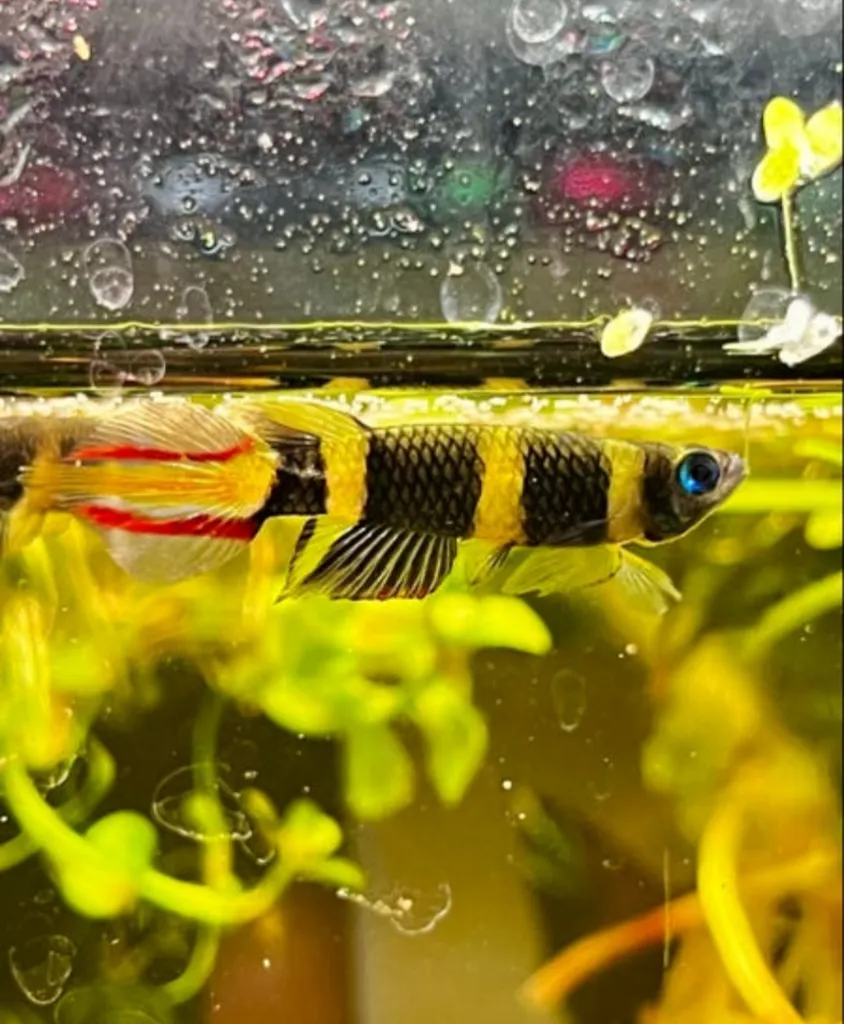
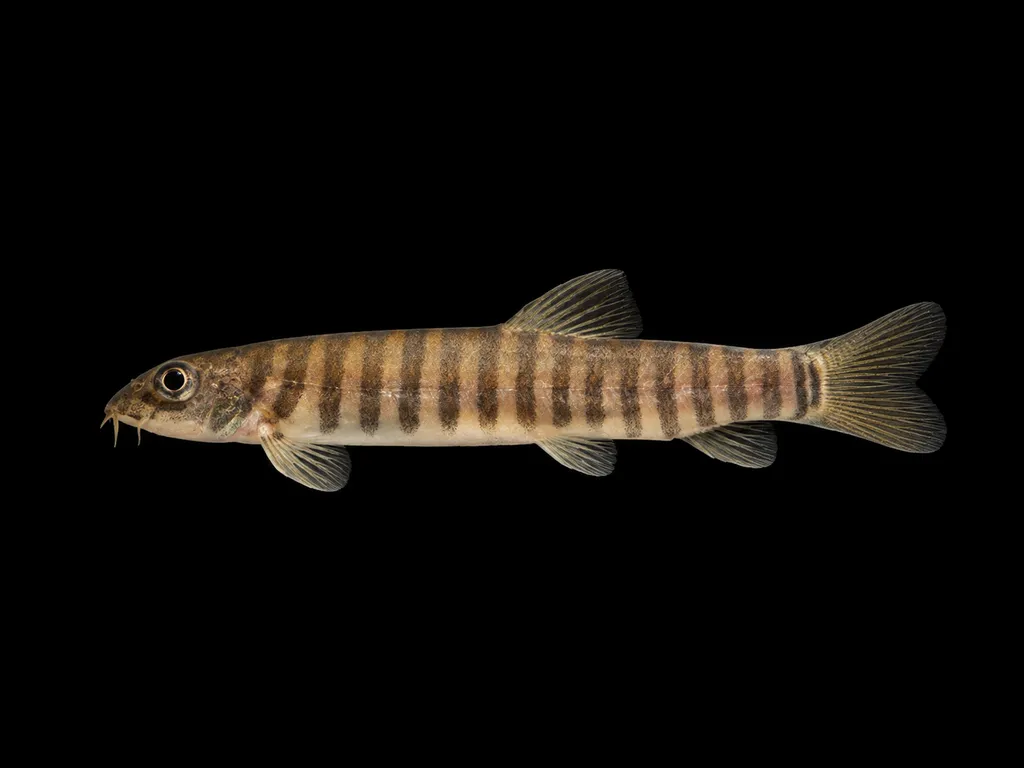
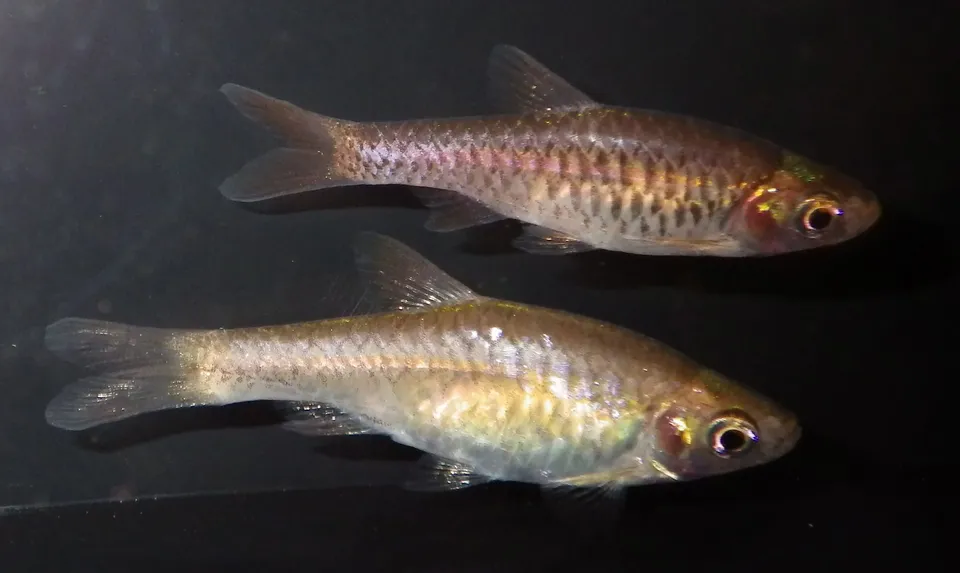
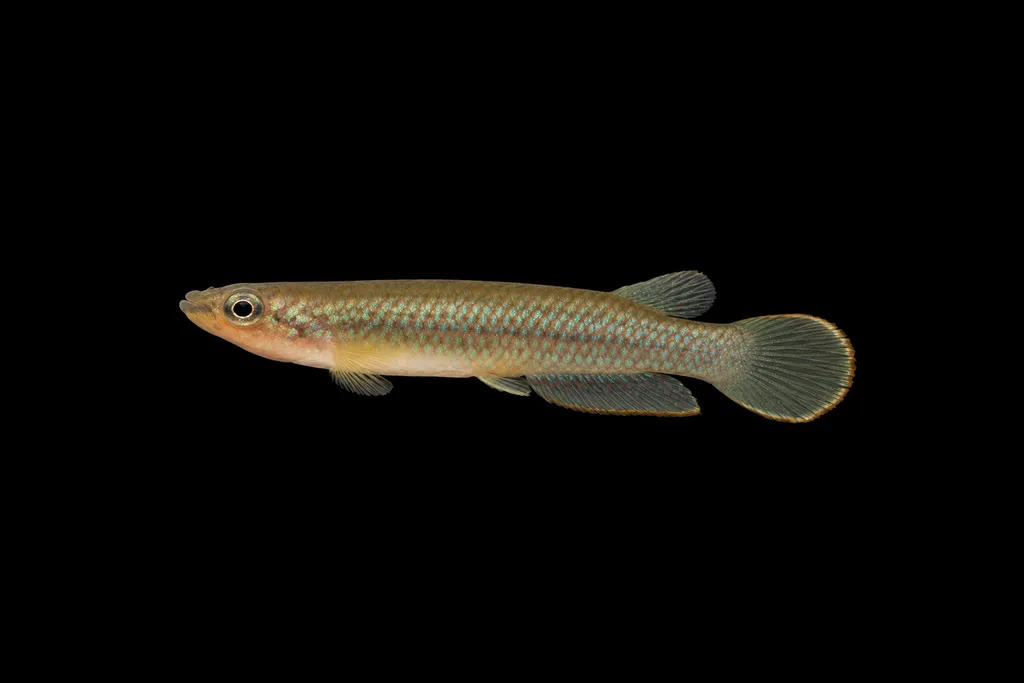
 2.8 in (7 cm)15 gal (55 L)68–79°F (20–26°C)
 2 in (5 cm)16 gal (60 L)68–79°F (20–26°C)
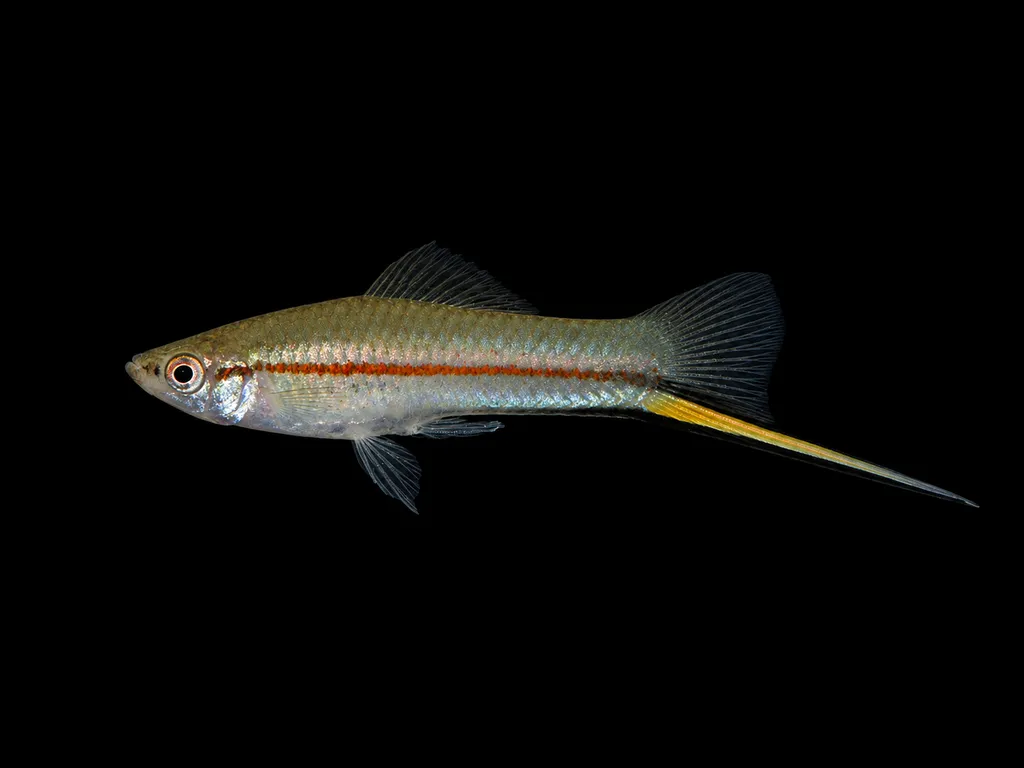 4.1 in (10.5 cm)29 gal (110 L)73–82°F (23–28°C)
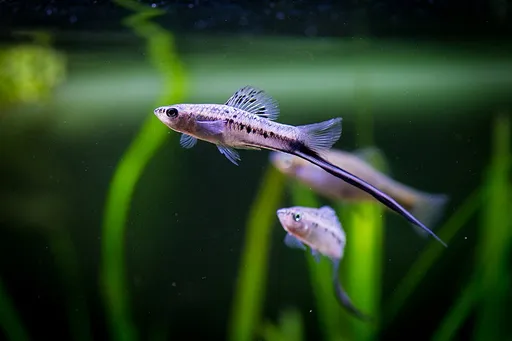 2.8 in (7 cm)24 gal (90 L)68–81°F (20–27°C)
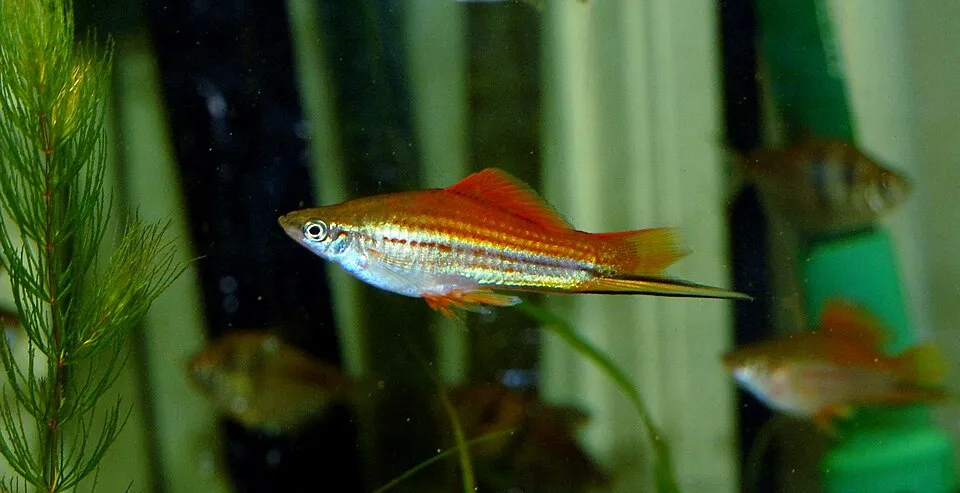 5.9 in (15 cm)24 gal (90 L)68–82°F (20–28°C)
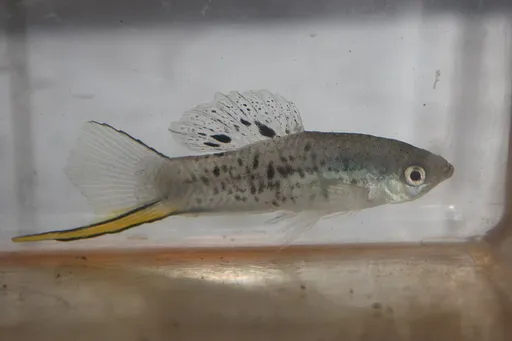 3.5 in (9 cm)29 gal (110 L)68–79°F (20–26°C)