Variety of Southern platy
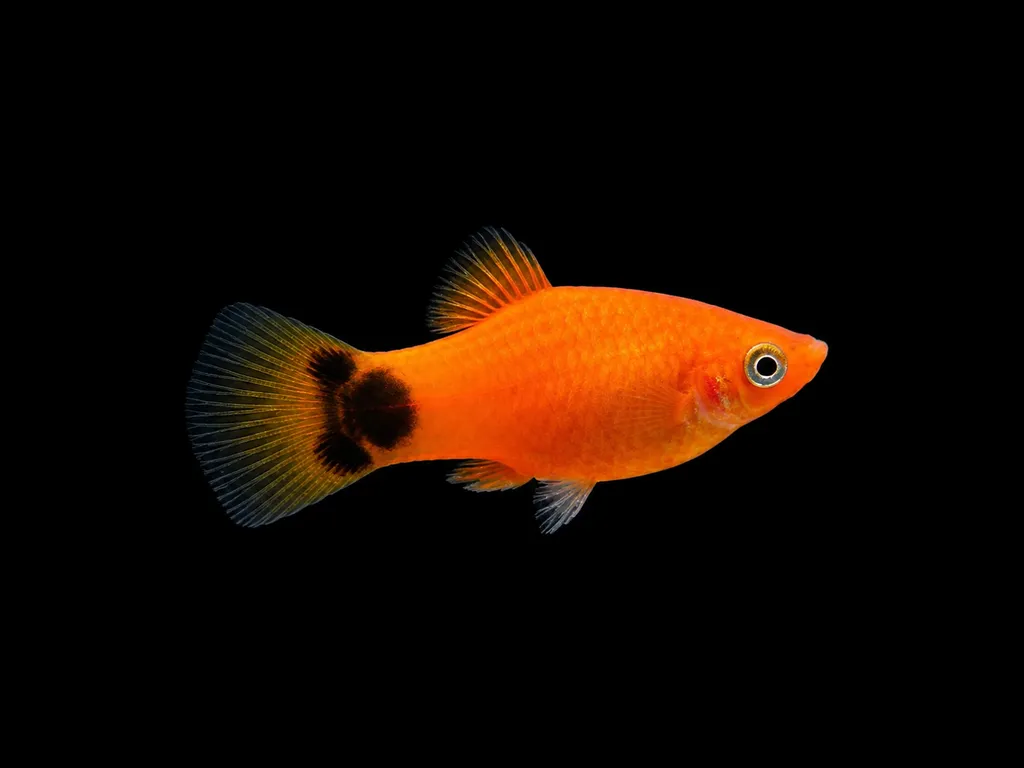
Mickey Mouse platy
Xiphophorus maculatus
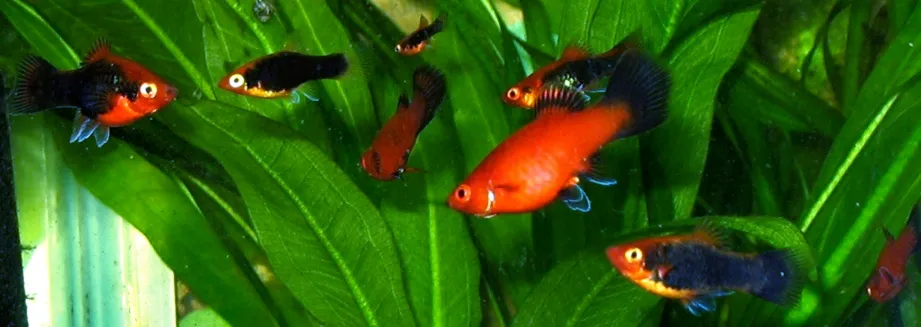
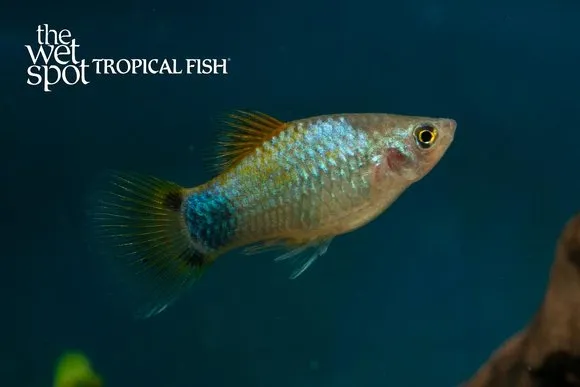
One of 4 varieties of Xiphophorus maculatus · See all varieties →
Also known as White Mickey Mouse Platy, Sunburst Mickey Mouse Platy, Gold Mickey Mouse Platy, Blue Mickey Mouse Platy
FreshwaterFish
Varieties · Xiphophorus maculatus
See all 4 →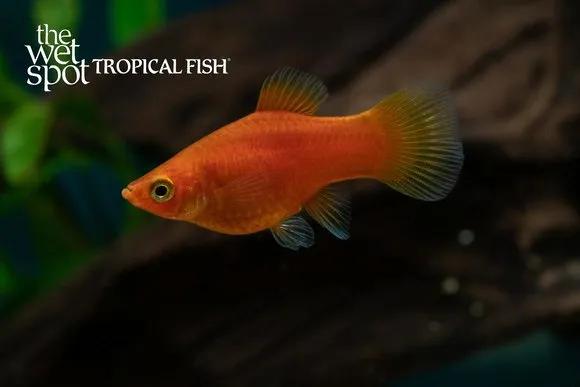
Care at a glance
- Temperature
- 68–79°F
- 20–26°C
- pH
- 6.8–8.0
- Adult size
- 2.8 in
- 7 cm
- Minimum tank
- 15 gal
- 55 L
- Temperament
- Peaceful
- Social behavior
- Social
- Swim level
- Middle
- Difficulty
- Beginner
- Breeding
- Easy
- Rarity
- Very common
- Family
- Poeciliidae
Overview
The name describes a mark, not a color, so shops sell it on gold, white, blue and sunburst bodies. Mixed tanks often ship as Assorted Mickey Mouse, meaning you pick the pattern and the supplier picks the color. Grading comes down to the three spots. A clean round pair over a solid third mark reads as the pattern, and smudged spots are common in bulk stock.
In the wild
Breeders fixed the marking on domesticated platy stock, and no named originator is on record. The pattern element itself is not an invention. Wild southern platies are polymorphic for tail base markings, and Xiphophorus genetics names the forms crescent, moon, moon complete, comet, one spot and twin spot, with some fish carrying no spot at all. Trade platies carry blood from more than one Xiphophorus species, so the fish under the mark is a hybrid.
Good to know
Breeders call the complete marking moon complete, and Xiphophorus genetics uses the same term for it. It sits on the caudal peduncle, the narrow stalk in front of the tail, and the dark melanin-based marks travel independently of body color, which is why the same pattern rides on gold, blue and white fish. The caudal spot patterns are inherited as autosomal traits, so fry from a mixed pairing often split into marked and unmarked siblings.
Did you know
The species answers to an older common name, the moonfish. Xiphophorus genetics kept the same vocabulary, naming the tail base markings crescent, moon and moon complete. The Mickey Mouse fish is the moon complete form, selected until the crescent and its two small spots turn up together every time.
Weekly picks
Tank mates
Mickey Mouse platy is a peaceful, social species that keeps to the middle. These picks share a community profile with it, are safe together in both directions, and overlap on water type, temperature and pH.
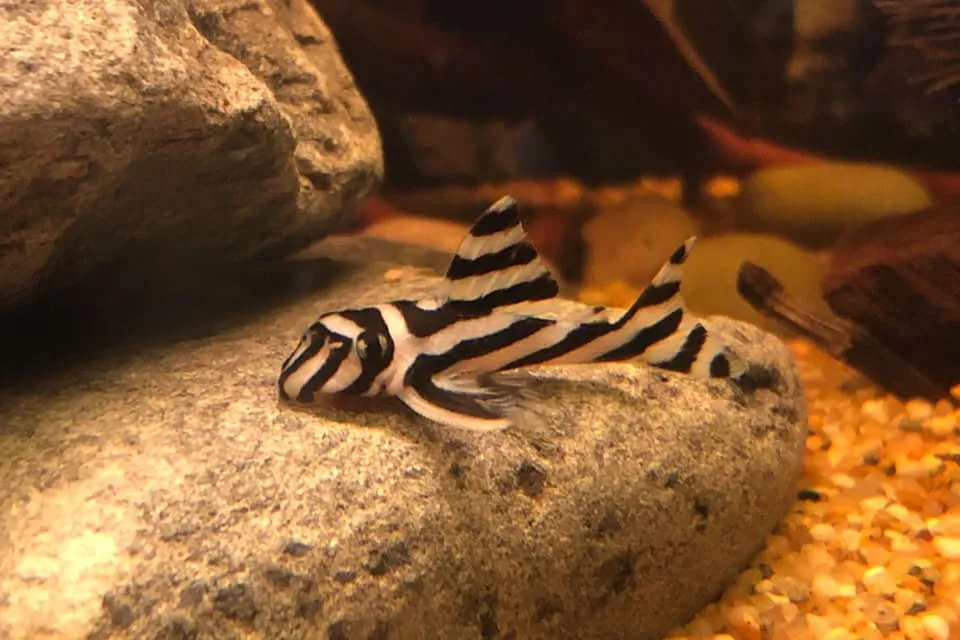
Zebra pleco
Hypancistrus zebra
Freshwater3.1 in (8 cm) · 15 gal (55 L)79–86°F (26–30°C)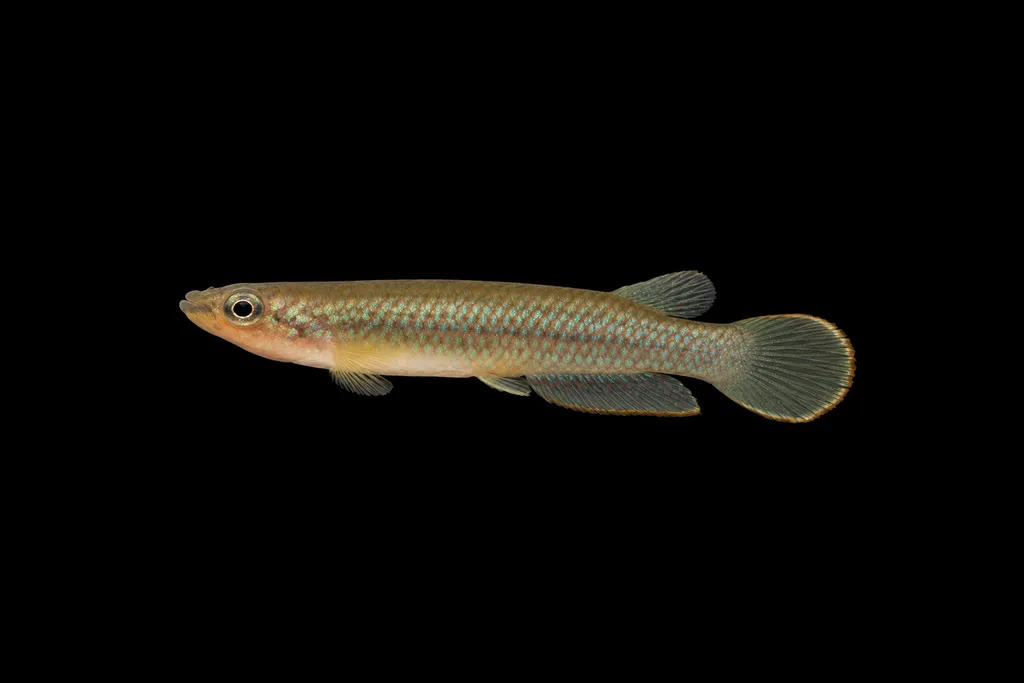
Guinean panchax
Epiplatys guineensis
Freshwater2.8 in (7 cm) · 14 gal (54 L)68–77°F (20–25°C)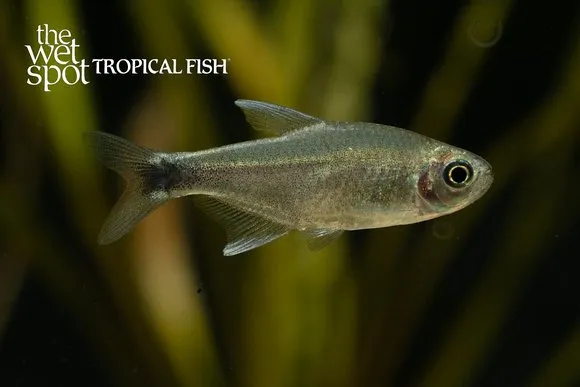
Negodagua tetra
Hyphessobrycon negodagua
Freshwater1.3 in (3.4 cm) · 15 gal (55 L)68–79°F (20–26°C)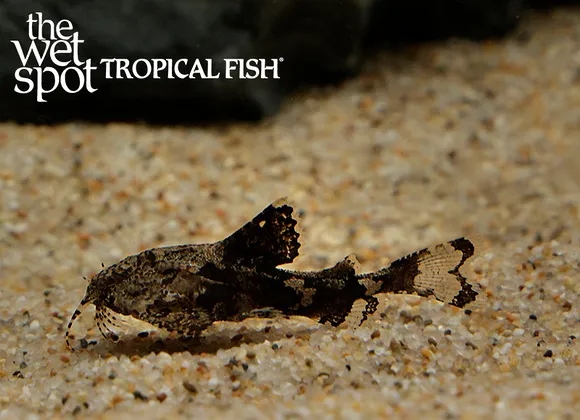
Butterfly hara catfish
Hara hara
Freshwater3.1 in (8 cm) · 14 gal (54 L)68–79°F (20–26°C)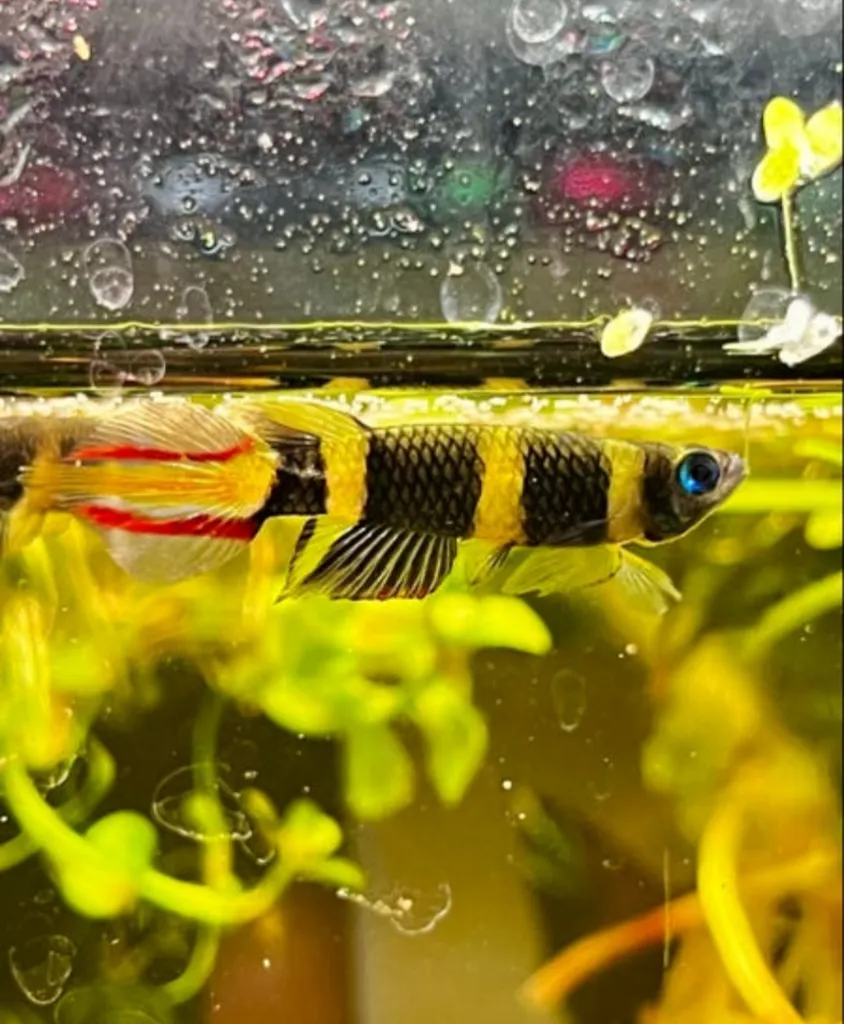
Clown killifish
Epiplatys annulatus
Freshwater1.4 in (3.5 cm) · 15 gal (55 L)68–79°F (20–26°C)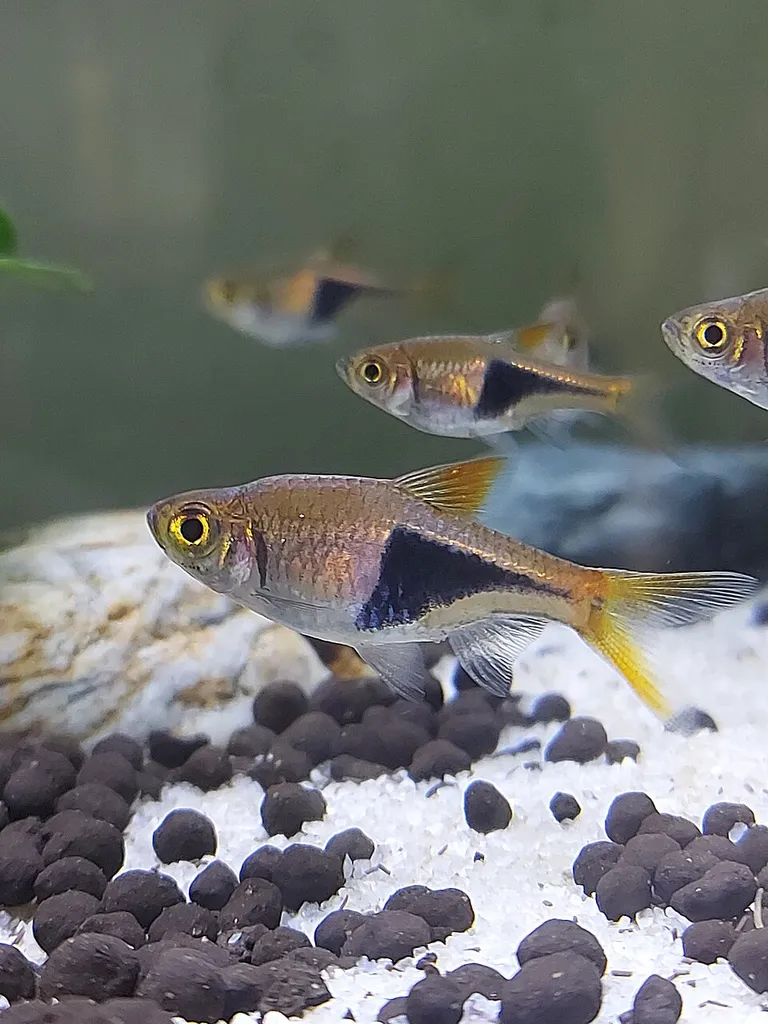
Harlequin rasbora
Trigonostigma heteromorpha
Freshwater2 in (5 cm) · 15 gal (55 L)72–82°F (22–28°C)
Common questions
Is a Mickey Mouse platy a different species from the Southern platy?
No. A Mickey Mouse platy is a variety of the Southern platy, Xiphophorus maculatus, and it wants the same tank, water and food as the species.
What size tank does a Mickey Mouse platy need?
A Mickey Mouse platy needs at least 15 gal (55 L). It spends most of its time in the middle.
How big does a Mickey Mouse platy get?
An adult Mickey Mouse platy reaches about 2.8 in (7 cm).
Related species
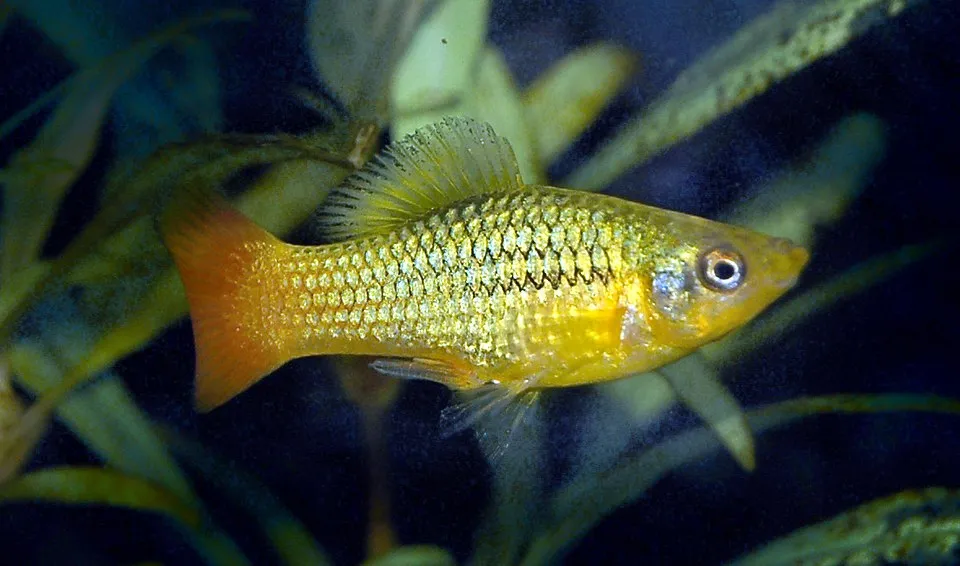 2.8 in (7 cm)15 gal (55 L)68–79°F (20–26°C)
Variable platy
Xiphophorus variatus
2.8 in (7 cm) · 15 gal (55 L)
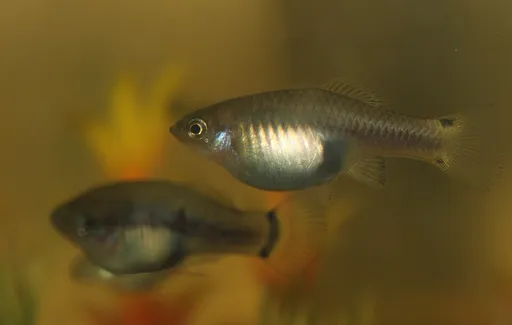 2 in (5 cm)16 gal (60 L)68–79°F (20–26°C)
Spiketail platy
Xiphophorus xiphidium
2 in (5 cm) · 16 gal (60 L)
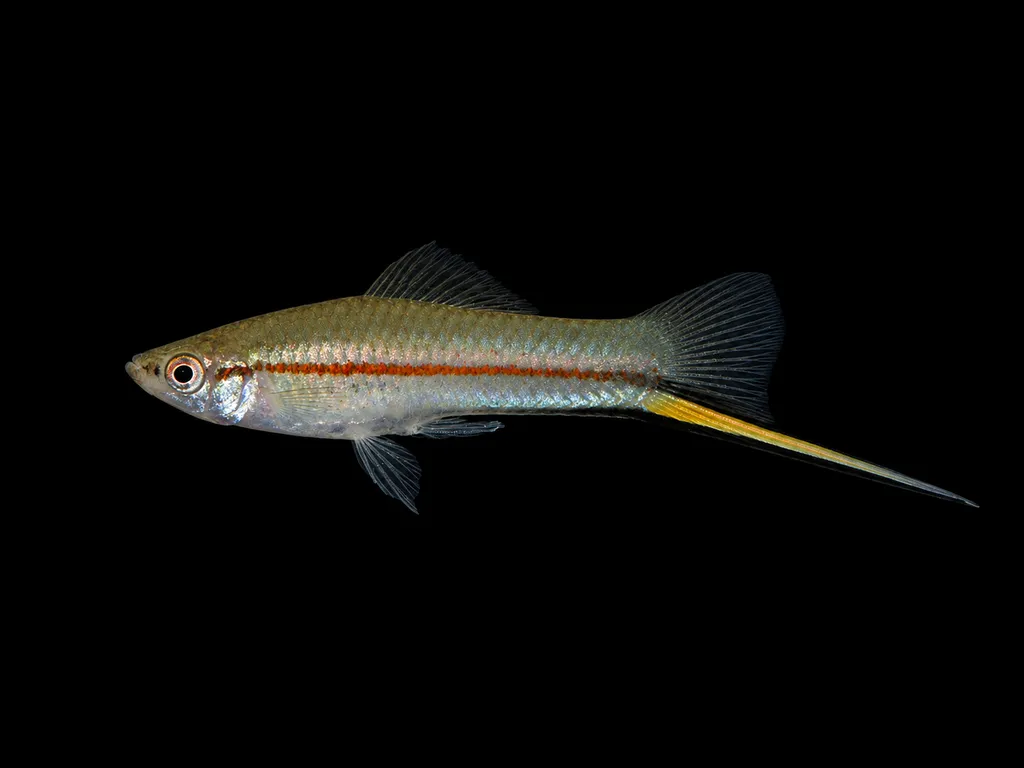 4.1 in (10.5 cm)29 gal (110 L)73–82°F (23–28°C)
Kallman's swordtail
Xiphophorus kallmani
4.1 in (10.5 cm) · 29 gal (110 L)
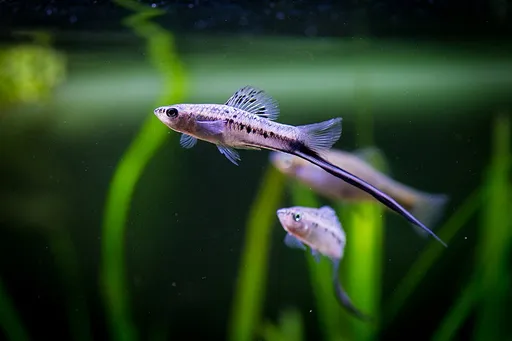 2.8 in (7 cm)24 gal (90 L)68–81°F (20–27°C)
Sheepshead swordtail
Xiphophorus birchmanni
2.8 in (7 cm) · 24 gal (90 L)
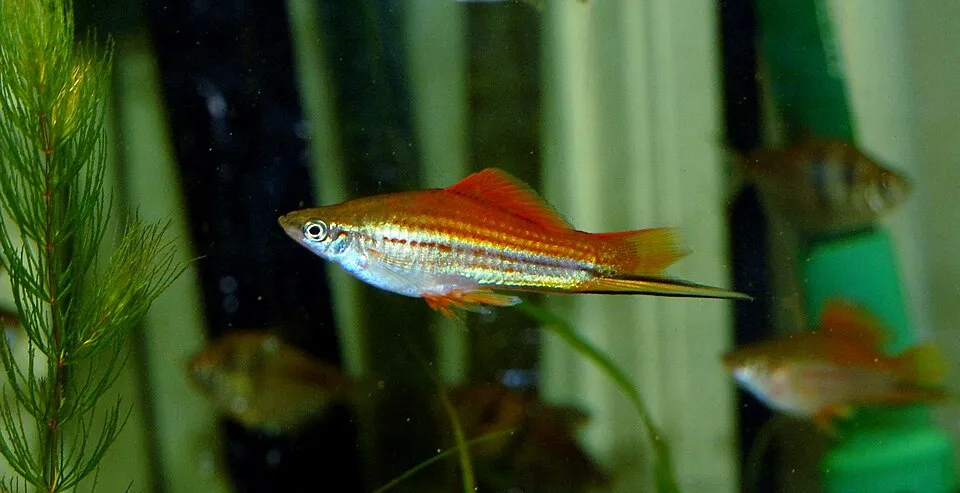 5.9 in (15 cm)24 gal (90 L)68–82°F (20–28°C)
Green swordtail
Xiphophorus hellerii
5.9 in (15 cm) · 24 gal (90 L)
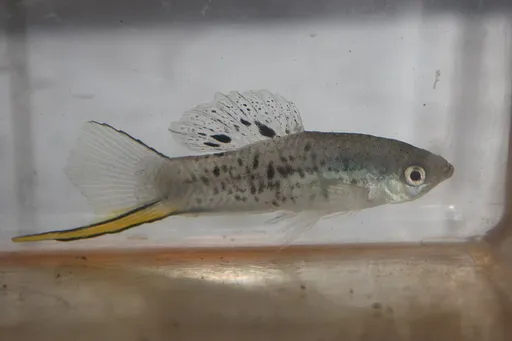 3.5 in (9 cm)29 gal (110 L)68–79°F (20–26°C)
Northern mountain swordtail
Xiphophorus nezahualcoyotl
3.5 in (9 cm) · 29 gal (110 L)