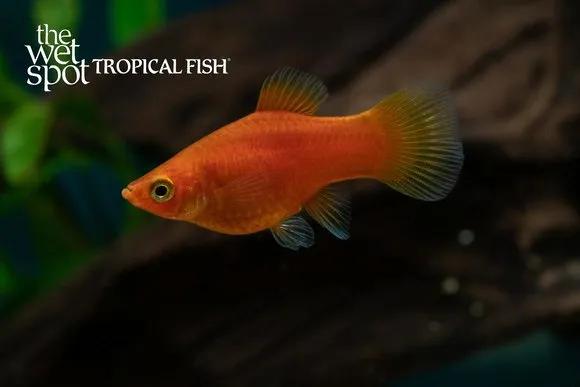
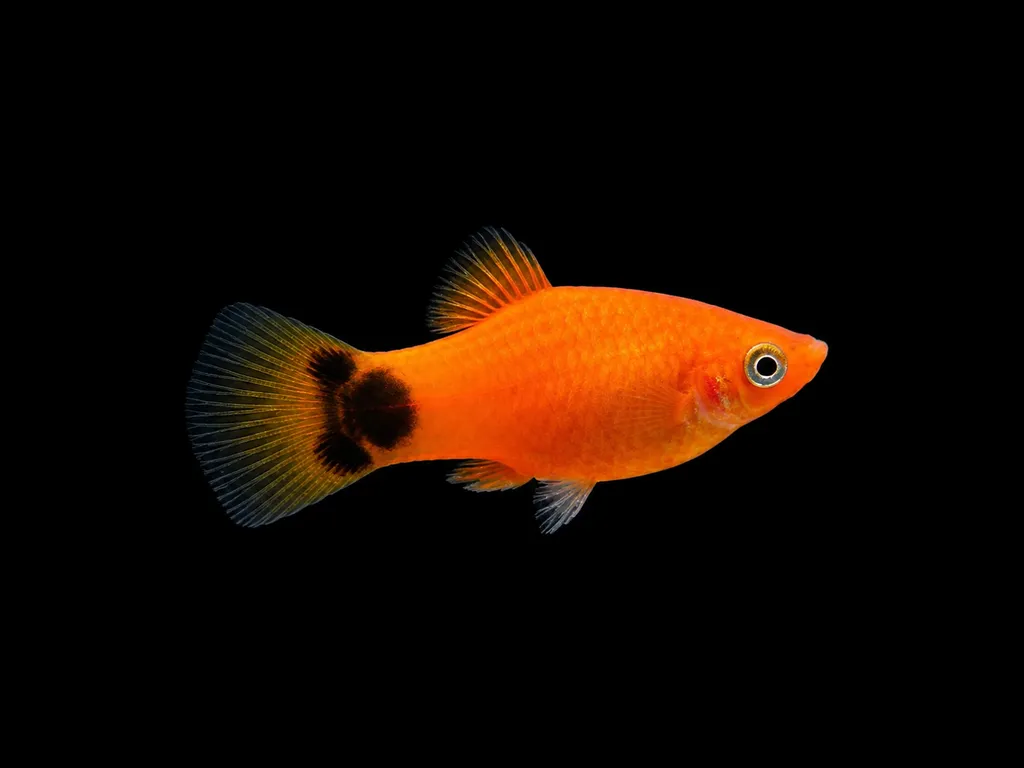
Shops sell this as the default platy, so it is the easiest form in the group to find. Color runs from orange-red to a deep brick, and suppliers add prefixes like Coral or Dark Red with no agreed standard behind them. Judge a batch by how evenly the red carries into the fins, since faded or patchy tails are common in bulk stock.
In the wild
Red is a breeding line, not a wild pattern. Wild southern platies are drab, and the saturated red is the result of generations of selection in farms and hobby tanks. Trade platies also carry blood from other Xiphophorus species, so a red shop platy is usually a hybrid rather than a pure southern platy. No single breeder or date is on record for the line.
Good to know
The red comes from erythrophores, pigment cells that in platyfish carry the pteridine pigment erythropterin alongside yellow carotenoids. Breeders report that a red line kept away from other colors comes close to breeding true, though intensity still varies between siblings in one drop of fry. They also report that crossing red into a patterned line breaks the solid look up in the next generation.
Did you know
The red platy's pigment cell is a modified yellow one. Work on Xiphophorus describes a xantho-erythrophore, a xanthophore in which red erythropterin sits alongside the yellow carotenoids lutein and zeaxanthin. The red and yellow forms are closer relatives than they look.
Weekly picks
Tank mates
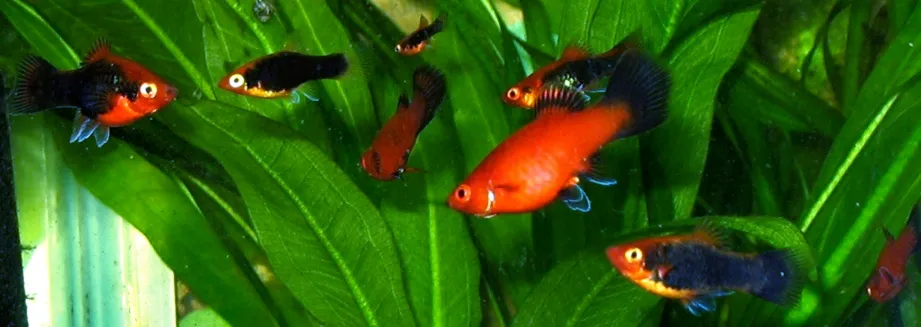
Red platy is a peaceful, social species that keeps to the middle. These picks share a community profile with it, are safe together in both directions, and overlap on water type, temperature and pH.
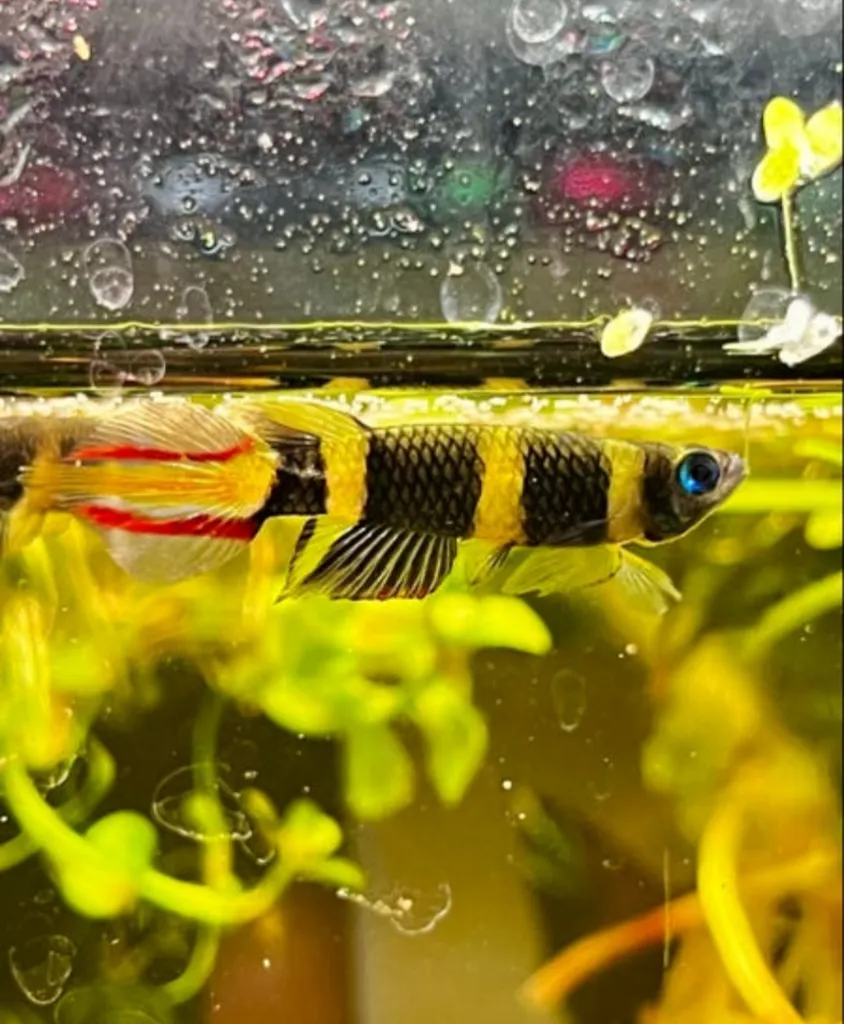
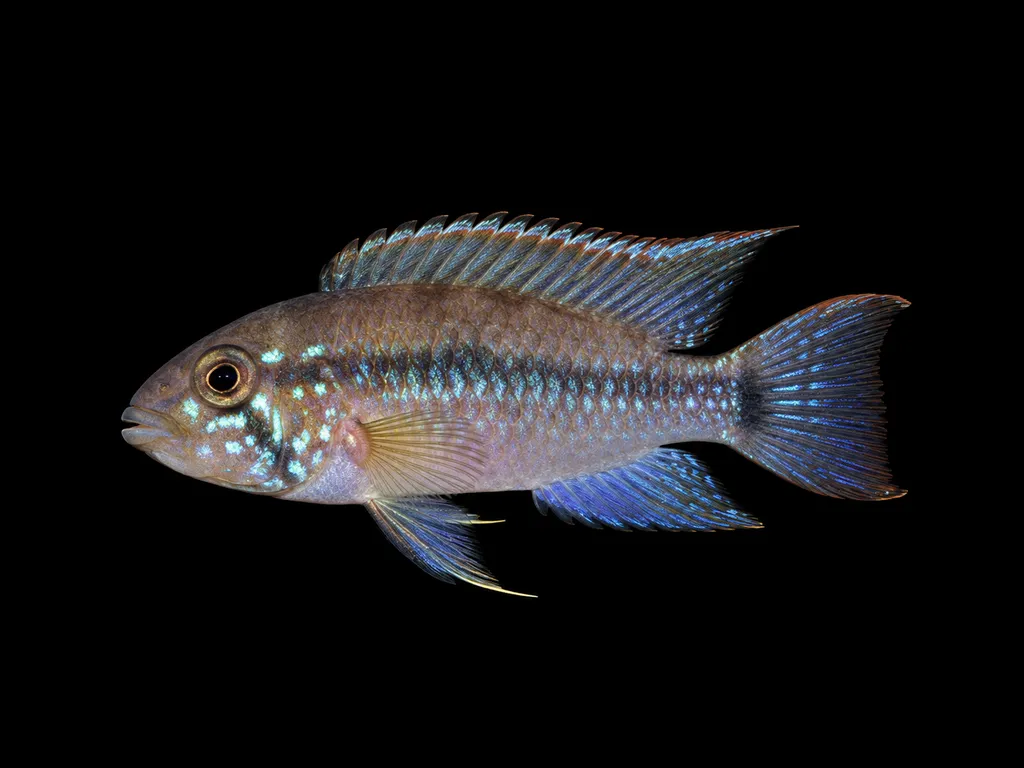
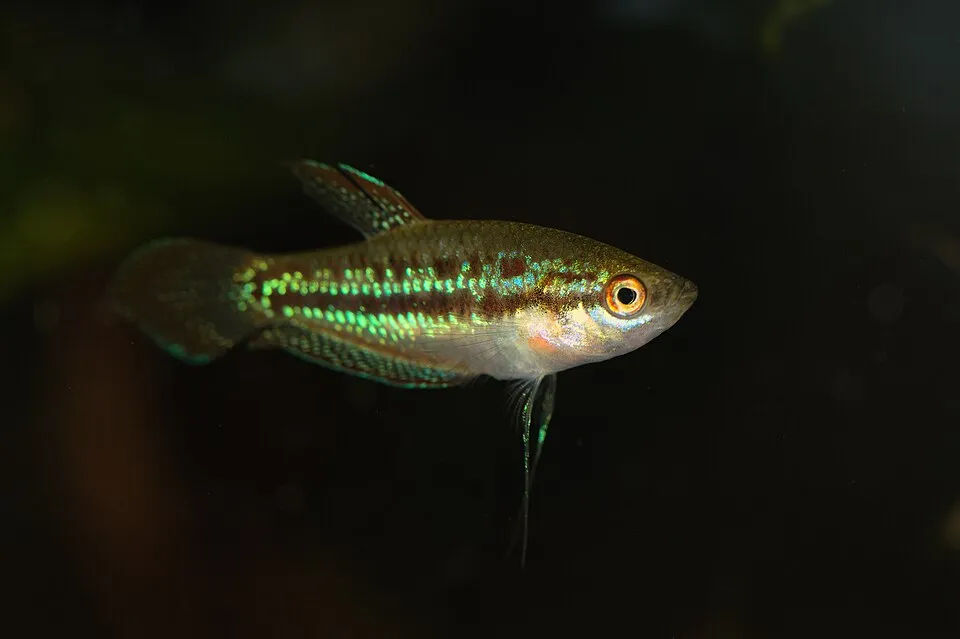
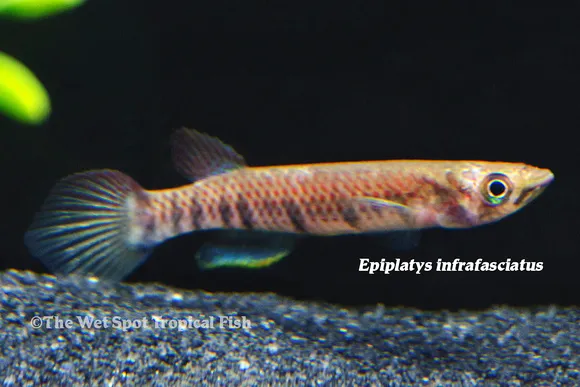
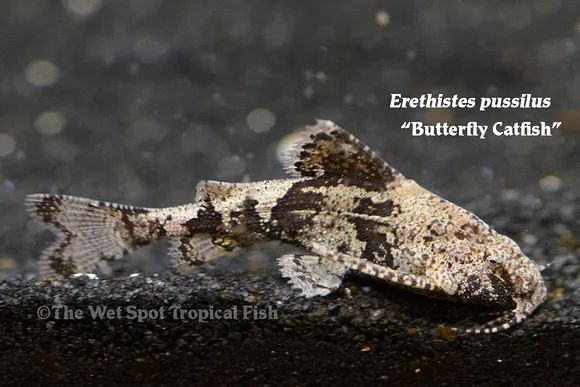
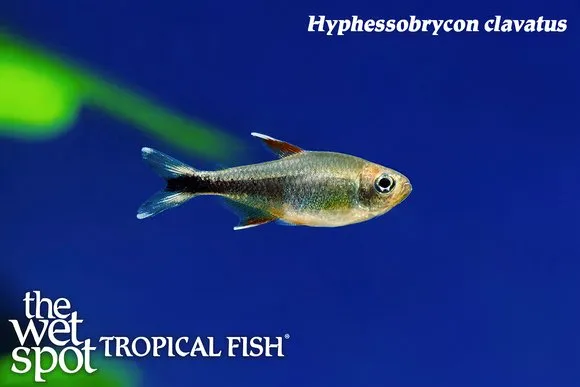
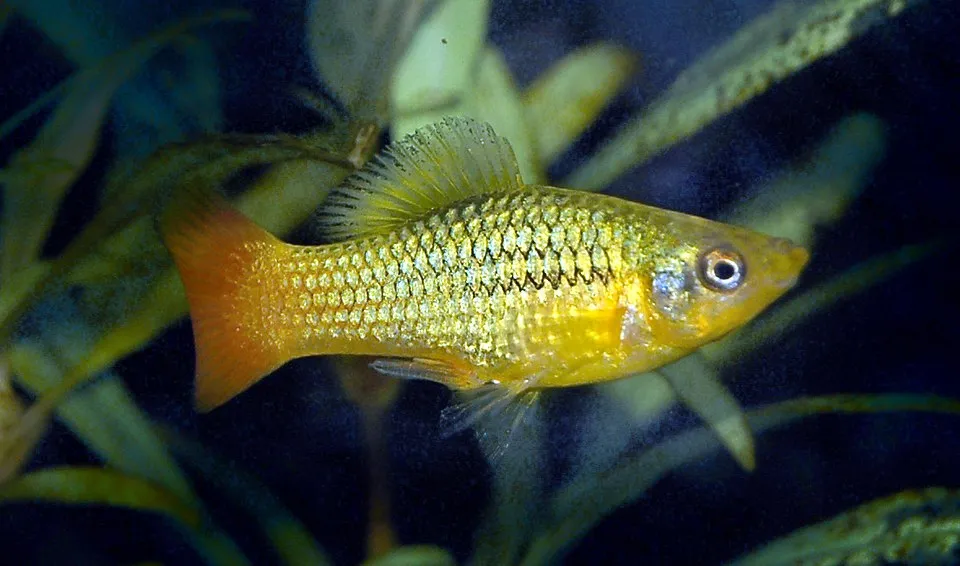 2.8 in (7 cm)15 gal (55 L)68–79°F (20–26°C)
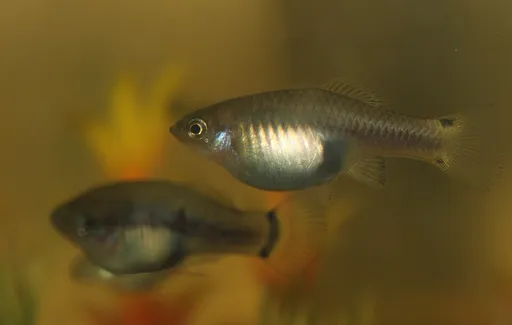 2 in (5 cm)16 gal (60 L)68–79°F (20–26°C)
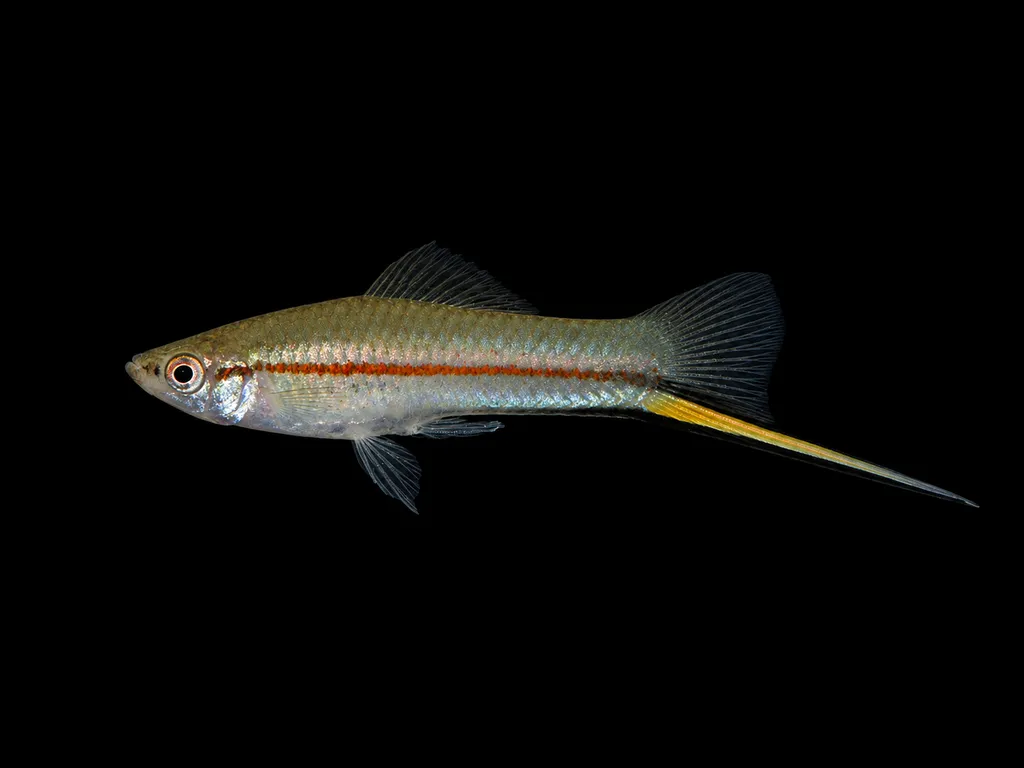 4.1 in (10.5 cm)29 gal (110 L)73–82°F (23–28°C)
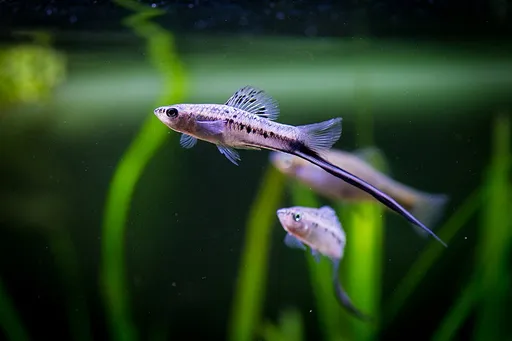 2.8 in (7 cm)24 gal (90 L)68–81°F (20–27°C)
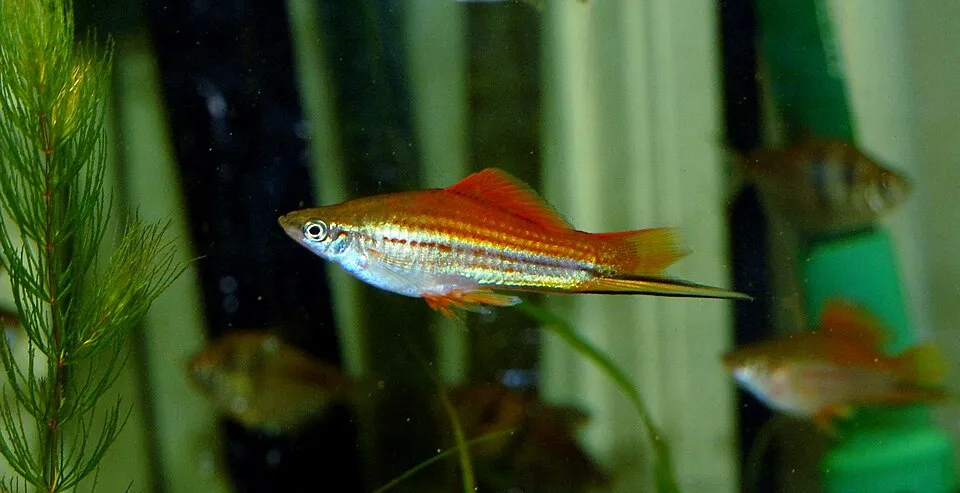 5.9 in (15 cm)24 gal (90 L)68–82°F (20–28°C)
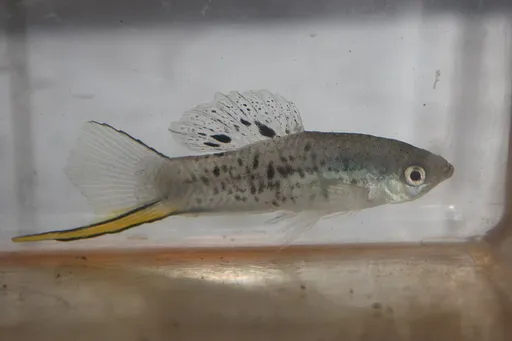 3.5 in (9 cm)29 gal (110 L)68–79°F (20–26°C)