Pacific blue-eye
Pseudomugil signifer
Also known as Southern Blue Eye Rainbow
FreshwaterBrackishFish
Care at a glance
- Temperature
- 68–79°F
- 20–26°C
- pH
- 6.5–8.0
- Adult size
- 2.8 in
- 7 cm
- Minimum tank
- 25 gal
- 95 L
- Temperament
- Peaceful
- Social behavior
- Schooling
- Swim level
- Middle
- Difficulty
- Medium
- Breeding
- Egg depositor · Hard
- Rarity
- Rare
- Family
- Pseudomugilidae
- Origin
- Australia
Overview
The Pacific blue-eye is a small, peaceful schooling fish for a clean, planted community tank. It needs a little more care than the easiest fish.
Did you know
Pacific blue-eyes vary so much along the Australian coast that scientists have long debated whether they are one species or several. Fish from warmer northern rivers grow noticeably larger than those from the cooler south.
Caring for the Pacific blue-eye
Keep Pacific blue-eyes in a group of eight or more, in a tank of at least 25 gal (95 L). Give them a fine substrate, plants around the edges and some wood. They like clean, planted water that moves gently.
Pacific blue-eyes tolerate a range of conditions, including fresh or brackish water. They handle neutral to slightly hard water, at 68 to 79°F (20 to 26°C) and a pH of 6.5 to 8.0. Feed small foods such as micro pellets, crushed flake, frozen cyclops, daphnia and baby brine shrimp.
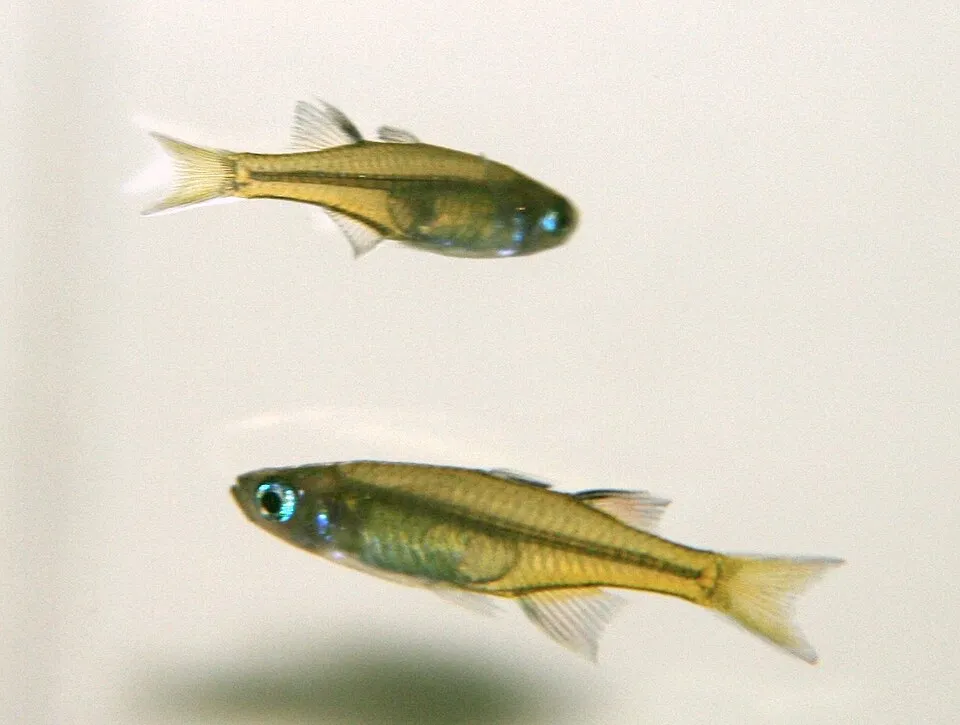
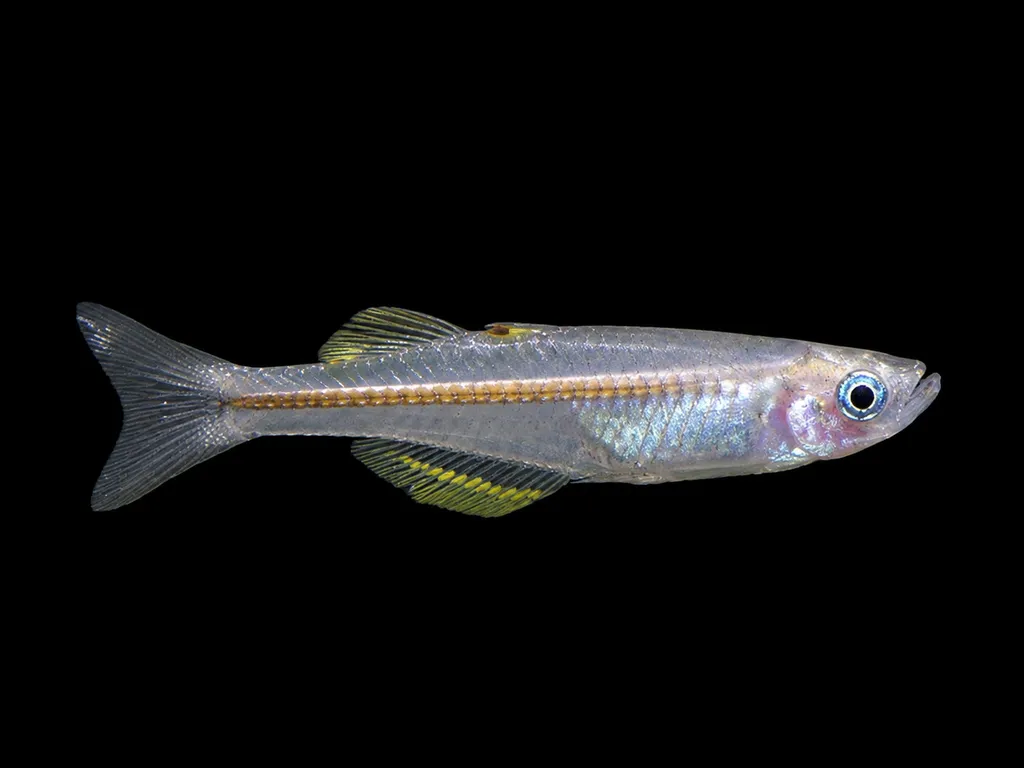
They are peaceful and keep to the middle and upper water. Keep them with other gentle, small companions rather than anything large or nippy. In a group, the males show off their bright blue eyes and yellow-tipped fins to one another. They display with spread fins and compete in color rather than fighting.
Pacific blue-eyes scatter small eggs among fine plants and roots over a long spawning period, and give no care. The very small fry make breeding hard.
Good to know
Pseudomugil signifer is a blue-eye in the family Pseudomugilidae. FishBase lists a maximum of about 7 centimeters, though most fish stay closer to 3 to 4 centimeters. It also goes by the southern blue eye rainbow.
In the wild
The Pacific blue-eye ranges along the eastern coast of Australia, from Queensland into New South Wales. It lives in coastal streams, estuaries and pools, sometimes where fresh water meets a little salt.
Weekly picks
Tank mates
The Pacific blue-eye is a peaceful, schooling species that keeps to the middle. These picks share a community profile with it, are safe together in both directions, and overlap on water type, temperature and pH.
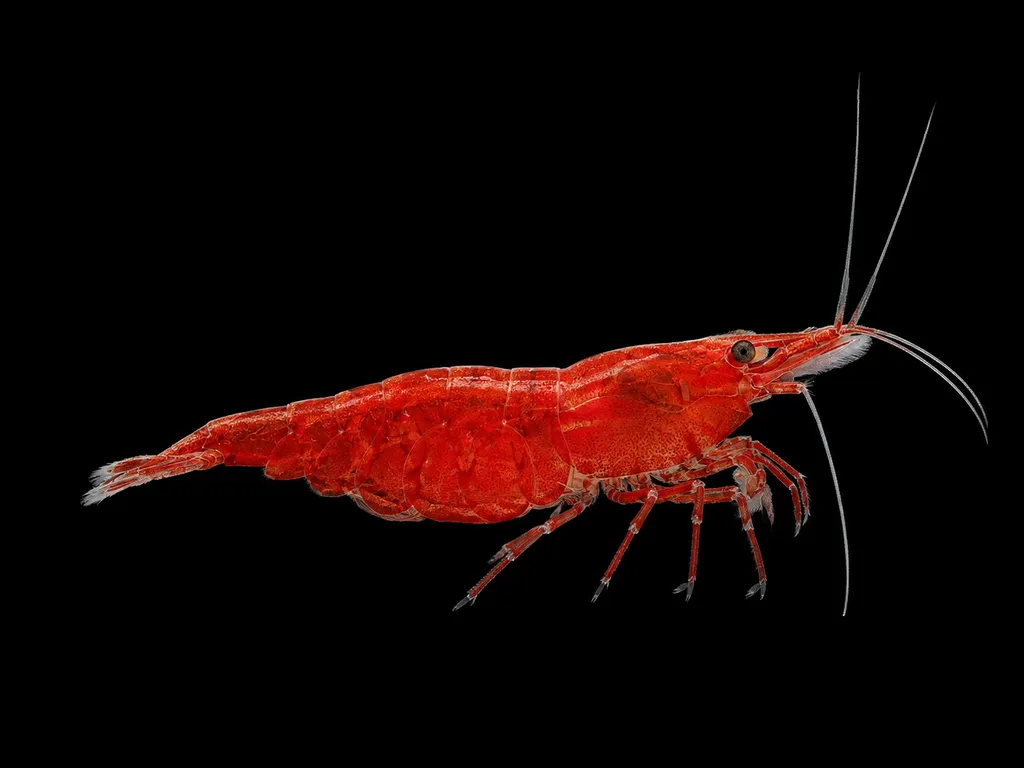
Neocaridina shrimp
Neocaridina davidi
Freshwater1.6 in (4 cm) · 5 gal (19 L)59–84°F (15–29°C)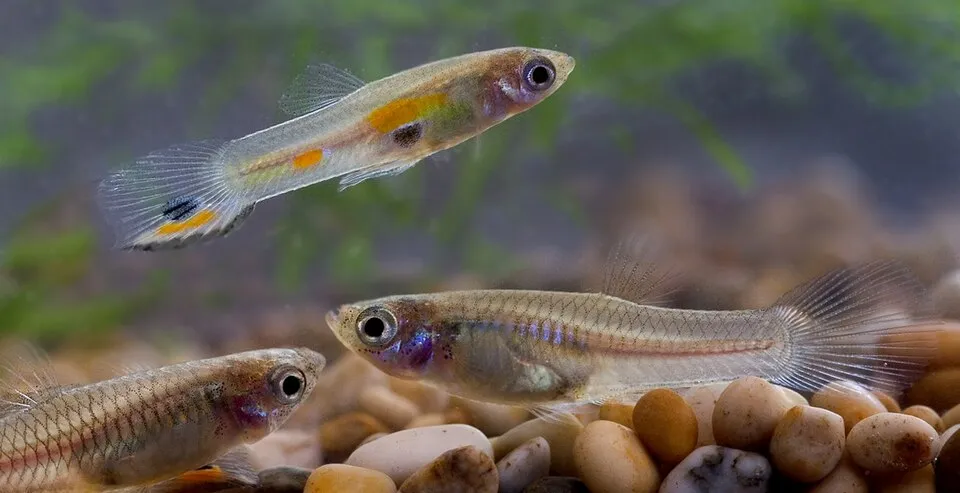
Guppy
Poecilia reticulata
FreshwaterBrackish2.4 in (6 cm) · 10 gal (38 L)64–82°F (18–28°C)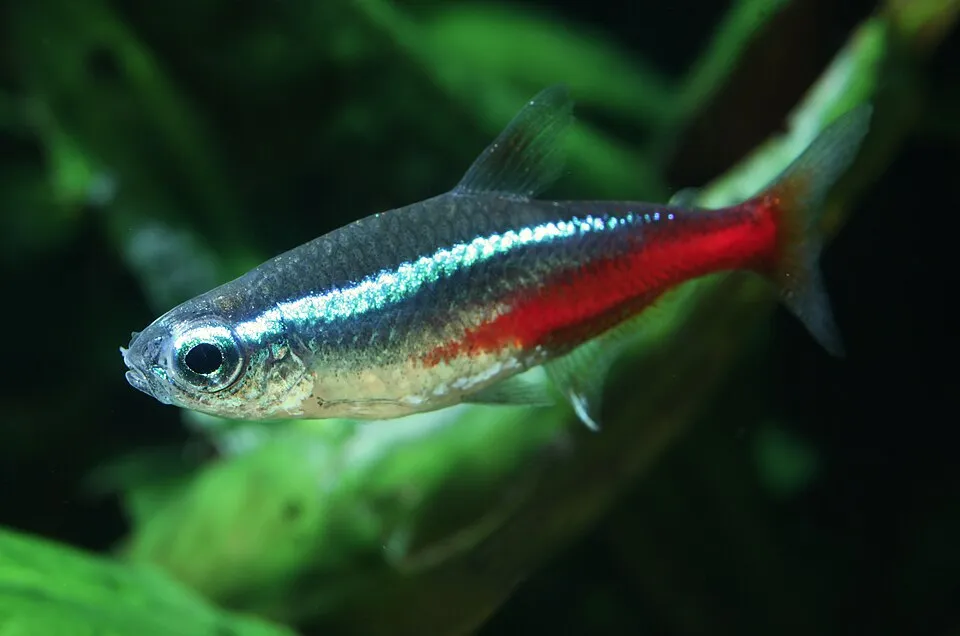
Neon tetra
Paracheirodon innesi
Freshwater1.5 in (3.8 cm) · 11 gal (40 L)70–77°F (21–25°C)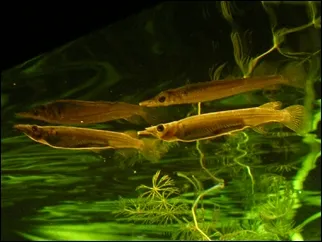
Wrestling halfbeak
Dermogenys pusilla
FreshwaterBrackish2.8 in (7 cm) · 25 gal (95 L)75–82°F (24–28°C)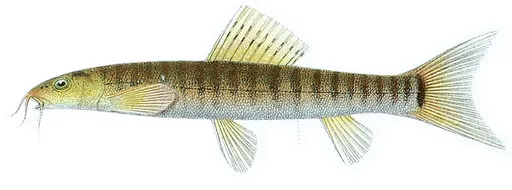
Barred loach
Nemacheilus fasciatus
Freshwater3.1 in (8 cm) · 24 gal (90 L)68–77°F (20–25°C)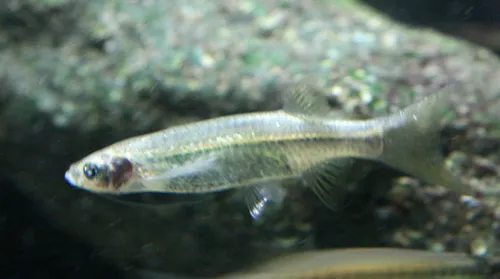
Striped flying barb
Esomus metallicus
Freshwater3 in (7.5 cm) · 24 gal (90 L)72–79°F (22–26°C)
Common questions
What size tank does a Pacific blue-eye need?
A Pacific blue-eye needs at least 25 gal (95 L). It spends most of its time in the middle.
What temperature and pH does a Pacific blue-eye need?
A Pacific blue-eye is comfortable at 68–79°F (20–26°C) with a pH of 6.5–8.0.
What does a Pacific blue-eye eat?
A Pacific blue-eye eats small foods such as micro pellets, crushed flake, frozen cyclops, daphnia and baby brine shrimp.
How big does a Pacific blue-eye get?
An adult Pacific blue-eye reaches about 2.8 in (7 cm).
Does a Pacific blue-eye need a group?
Yes. A Pacific blue-eye is a schooling species and should be kept in a group, not singly.
Related species
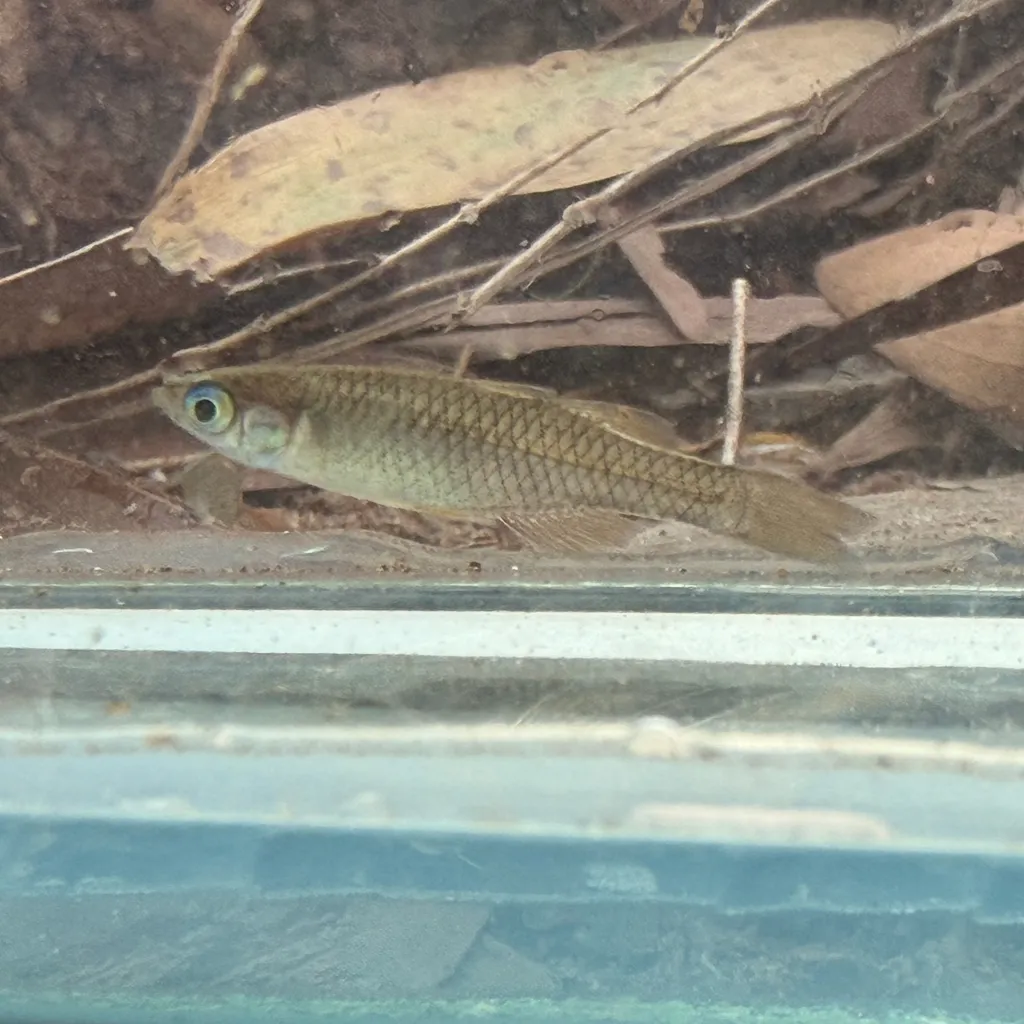 2.2 in (5.5 cm)20 gal (75 L)77–90°F (25–32°C)
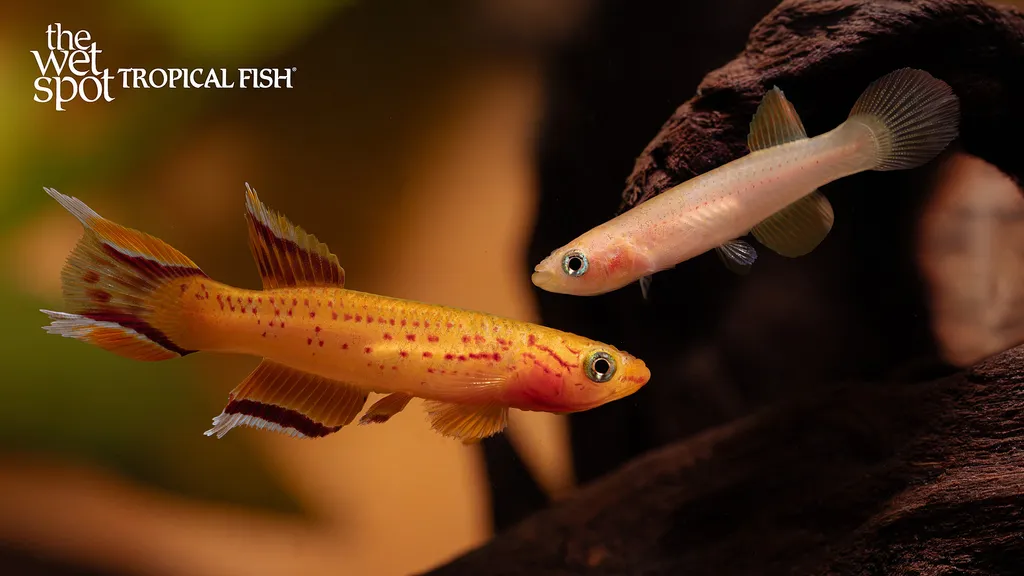
Delicate blue-eye
Pseudomugil tenellus
2.2 in (5.5 cm) · 20 gal (75 L)
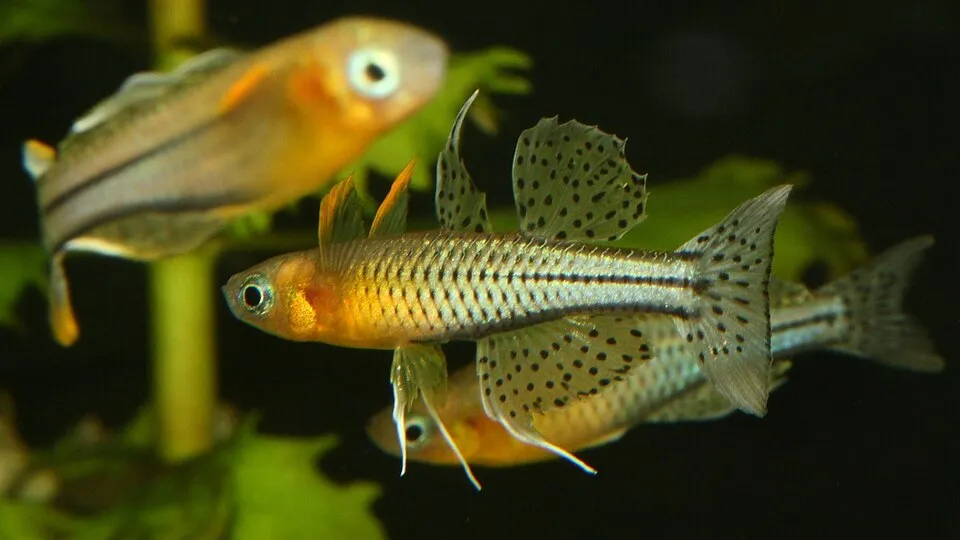
 2.2 in (5.5 cm)22 gal (85 L)75–82°F (24–28°C)
Forktail blue-eye
Pseudomugil furcatus
2.2 in (5.5 cm) · 22 gal (85 L)
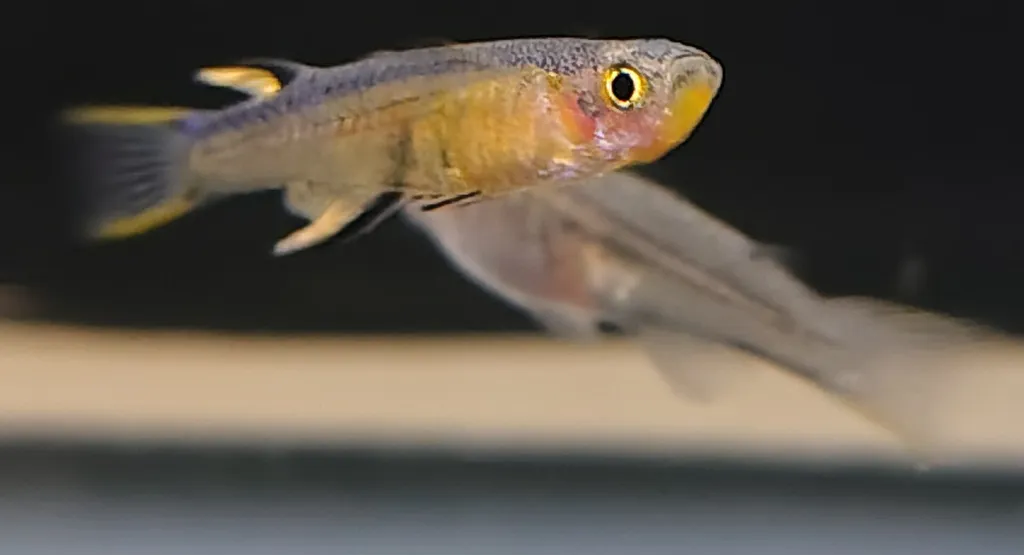
 1.5 in (3.8 cm)11 gal (40 L)70–82°F (21–28°C)
Spotted blue-eye
Pseudomugil gertrudae
1.5 in (3.8 cm) · 11 gal (40 L)
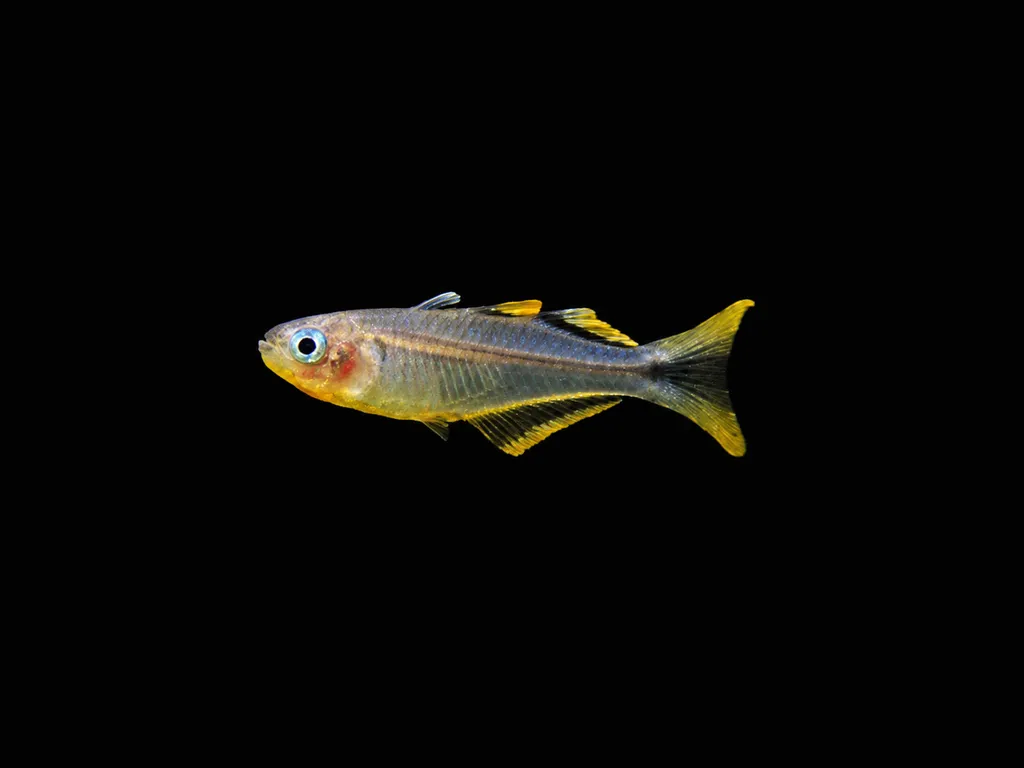
 1.4 in (3.5 cm)12 gal (45 L)72–82°F (22–28°C)
Neon blue-eye
Pseudomugil cyanodorsalis
1.4 in (3.5 cm) · 12 gal (45 L)
 2 in (5 cm)11 gal (40 L)75–82°F (24–28°C)
Popondetta blue-eye
Pseudomugil connieae
2 in (5 cm) · 11 gal (40 L)
 1.8 in (4.5 cm)15 gal (55 L)79–86°F (26–30°C)
New Guinea blue-eye
Pseudomugil novaeguineae
1.8 in (4.5 cm) · 15 gal (55 L)