Forktail blue-eye
Pseudomugil furcatus
Also known as Forktail furcata blue eye rainbowfish
FreshwaterFish
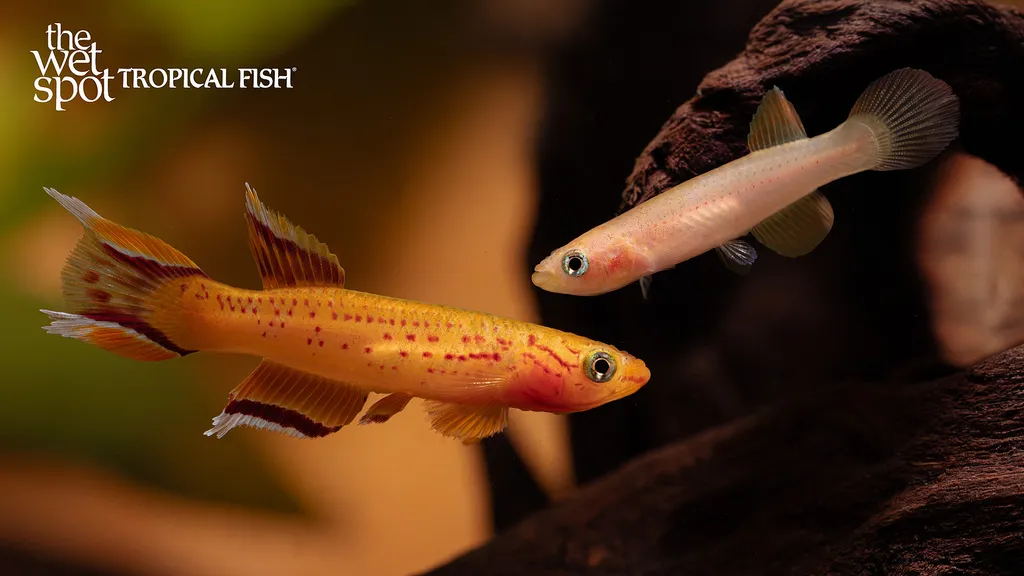
Care at a glance
- Temperature
- 75–82°F
- 24–28°C
- pH
- 6.0–7.5
- Adult size
- 2.2 in
- 5.5 cm
- Minimum tank
- 22 gal
- 85 L
- Temperament
- Peaceful
- Social behavior
- Schooling
- Swim level
- Middle
- Difficulty
- Medium
- Breeding
- Hard
- Rarity
- Rare
- Family
- Pseudomugilidae
- Origin
- New Guinea
Overview
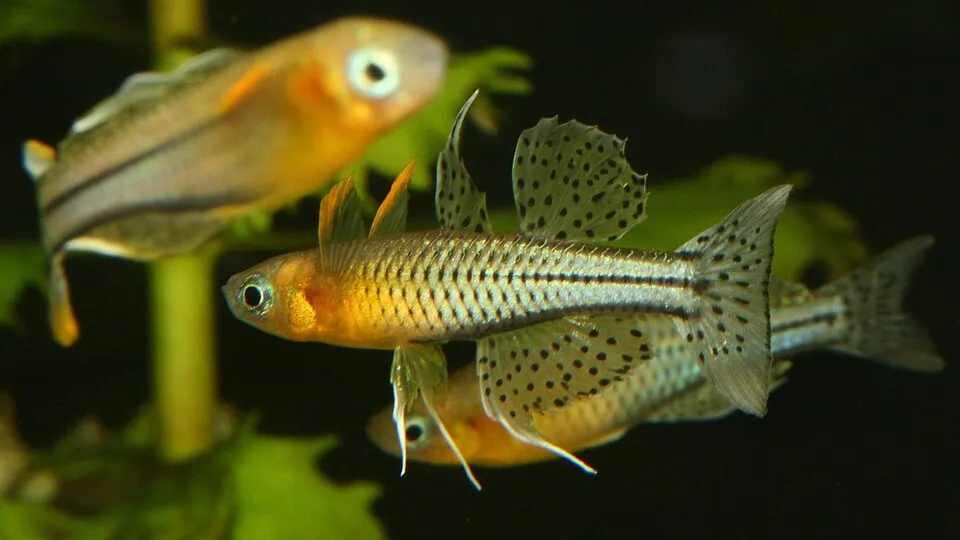
Forktail blue-eyes are small, peaceful fish that show best in a group of eight to ten, where the males constantly display their yellow-and-black forked tails and raised fins to each other. They keep to the middle and upper water and belong with other gentle, similarly sized fish rather than anything pushy. Feed small, frequent meals of micro pellet, crushed flake, frozen cyclops, daphnia, and baby brine shrimp to keep their color and energy up. They appreciate fine-leaved plants and steady, clean water. Aim for a tank around 85 liters or larger.
In the wild
This blue-eye comes from clear rainforest streams in eastern New Guinea, where it lives in cooler, well-oxygenated running water among plants and roots. Those streams are soft and slightly acidic to neutral, fitting a pH of about 6 to 7.5 and a temperature between 24 and 28 degrees Celsius. Recreate the setting with fine substrate, plenty of fine-leaved and floating plants, some wood, and gentle, clean flow to keep oxygen high.
Good to know
Pseudomugil furcatus belongs to the blue-eye family Pseudomugilidae and reaches about 5.5 centimeters, with males a little larger and more decorated than females. The name furcatus means forked, for the deeply split tail that flashes yellow and black when a male displays. It is a continuous egg-scatterer that lays small eggs among fine plants and mops over weeks, with no care for eggs or young. The very small fry need tiny first foods, which puts breeding on the harder side.
Did you know
Forktail blue-eyes were once placed in their own genus called Popondetta, after the town in New Guinea near where they were found, and older books still list them under that name. Males spend much of the day fanning their forked tails at rivals.
Weekly picks
Tank mates
Forktail blue-eye is a peaceful, schooling species that keeps to the middle. These picks share a community profile with it, are safe together in both directions, and overlap on water type, temperature and pH.
Siamese flying barb
Laubuka siamensis
Freshwater2.6 in (6.5 cm) · 24 gal (90 L)72–81°F (22–27°C)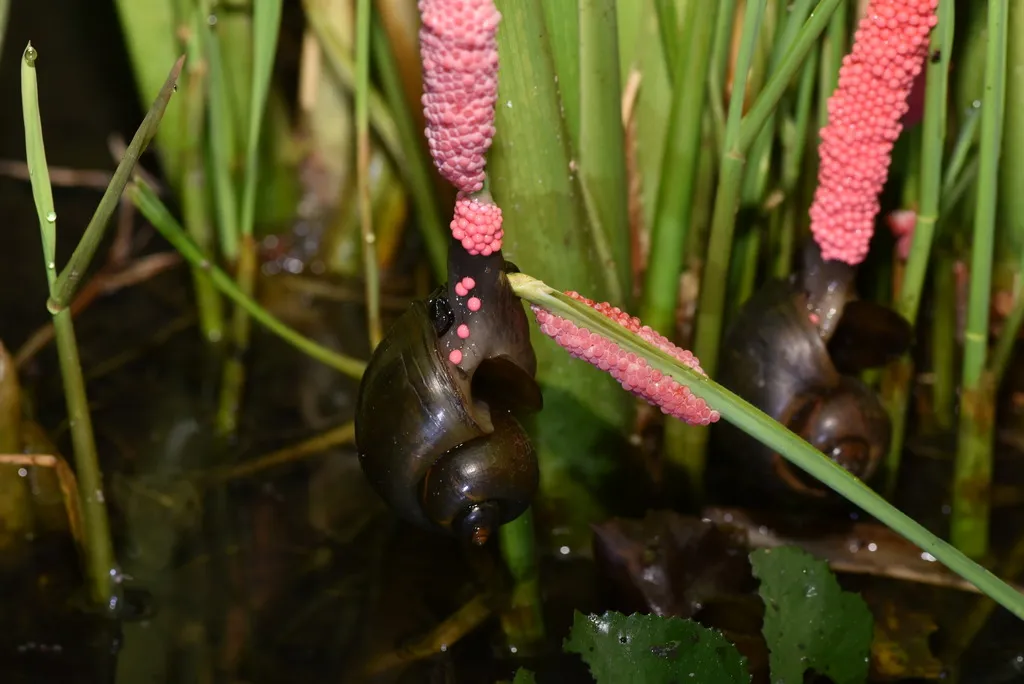
Apple snail
Pomacea canaliculata
Freshwater5.9 in (15 cm) · 21 gal (80 L)64–81°F (18–27°C)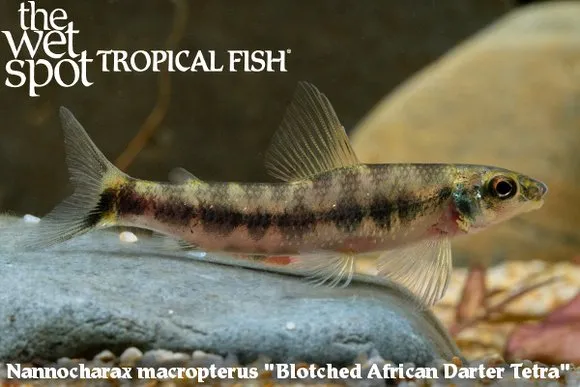
Blotched darter tetra
Nannocharax macropterus
Freshwater2.4 in (6 cm) · 21 gal (80 L)73–82°F (23–28°C)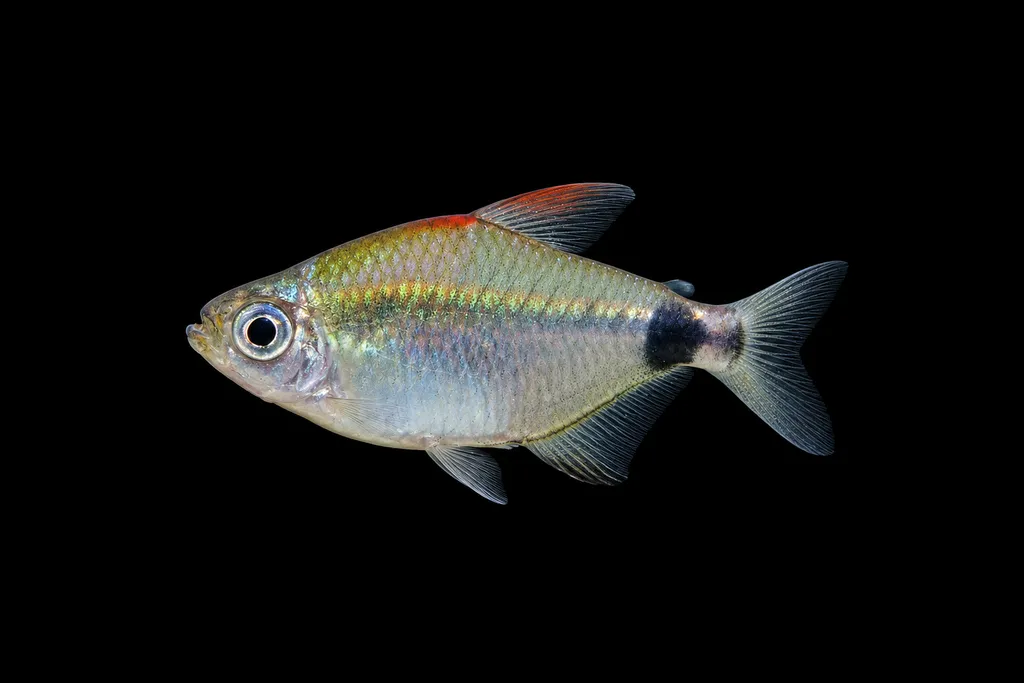
African moon tetra
Bathyaethiops caudomaculatus
Freshwater3.1 in (8 cm) · 22 gal (85 L)72–77°F (22–25°C)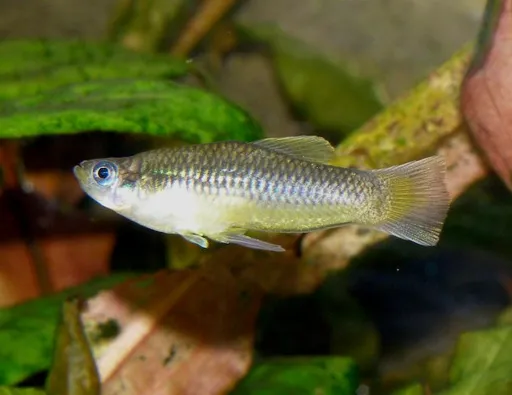
Blue-eyed livebearer
Priapella intermedia
Freshwater2.8 in (7 cm) · 24 gal (90 L)72–82°F (22–28°C)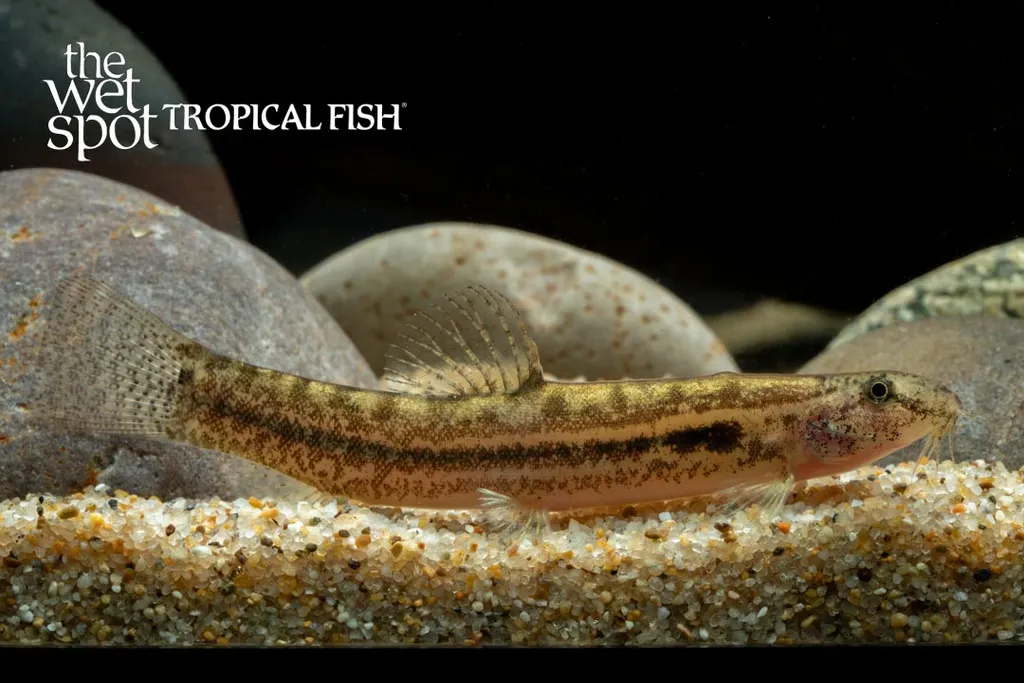
Guntea loach
Lepidocephalichthys guntea
Freshwater4.7 in (12 cm) · 24 gal (90 L)64–82°F (18–28°C)
Common questions
What size tank does a Forktail blue-eye need?
A Forktail blue-eye needs at least 22 gal (85 L). It spends most of its time in the middle.
What temperature and pH does a Forktail blue-eye need?
A Forktail blue-eye is comfortable at 75–82°F (24–28°C) with a pH of 6.0–7.5.
How big does a Forktail blue-eye get?
An adult Forktail blue-eye reaches about 2.2 in (5.5 cm).
Does a Forktail blue-eye need a group?
Yes. A Forktail blue-eye is a schooling species and should be kept in a group, not singly.
Related species
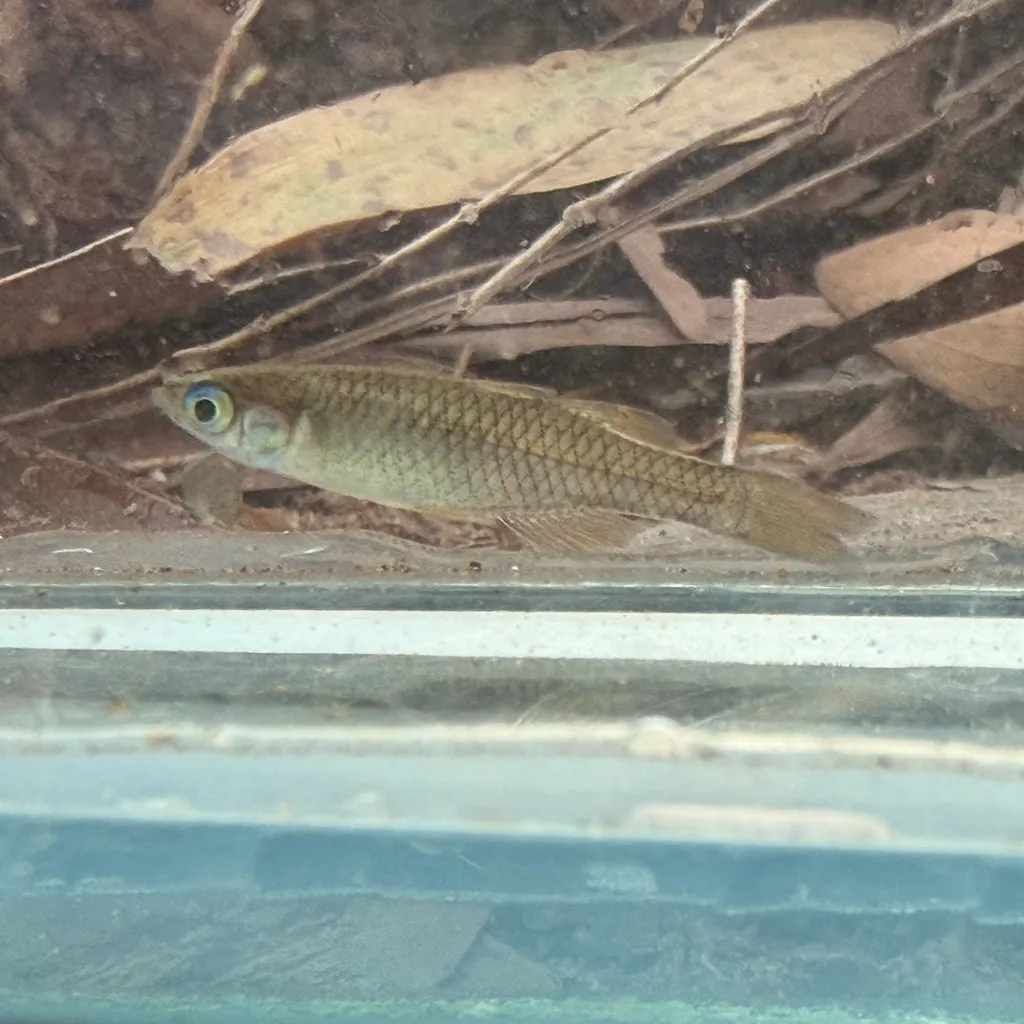 2.2 in (5.5 cm)20 gal (75 L)77–90°F (25–32°C)
Delicate blue-eye
Pseudomugil tenellus
2.2 in (5.5 cm) · 20 gal (75 L)
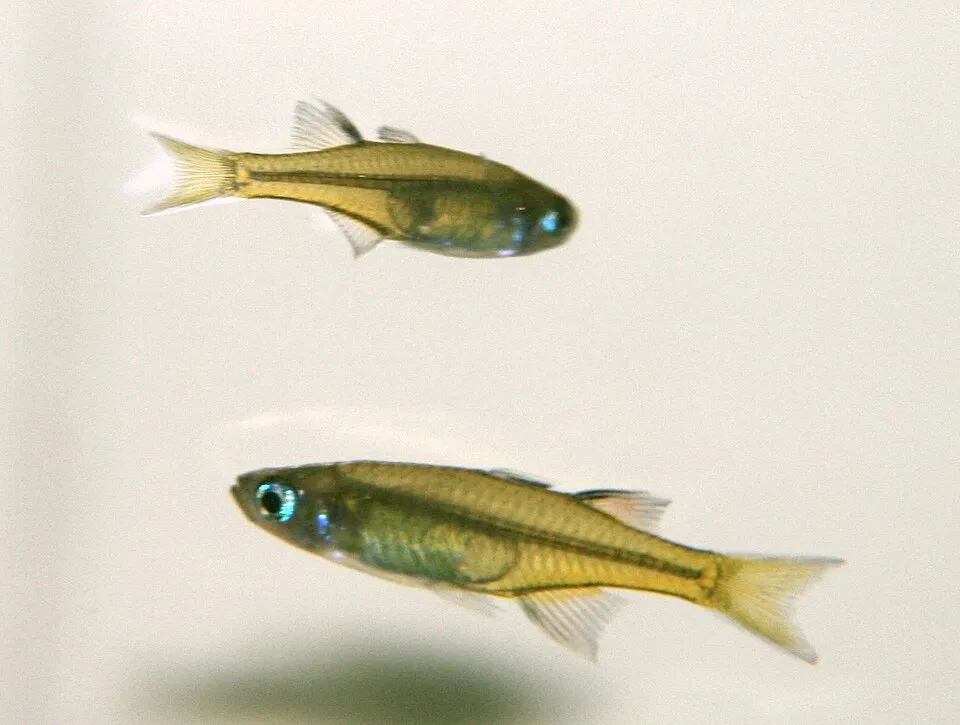 2.8 in (7 cm)25 gal (95 L)68–79°F (20–26°C)
Pacific blue-eye
Pseudomugil signifer
2.8 in (7 cm) · 25 gal (95 L)
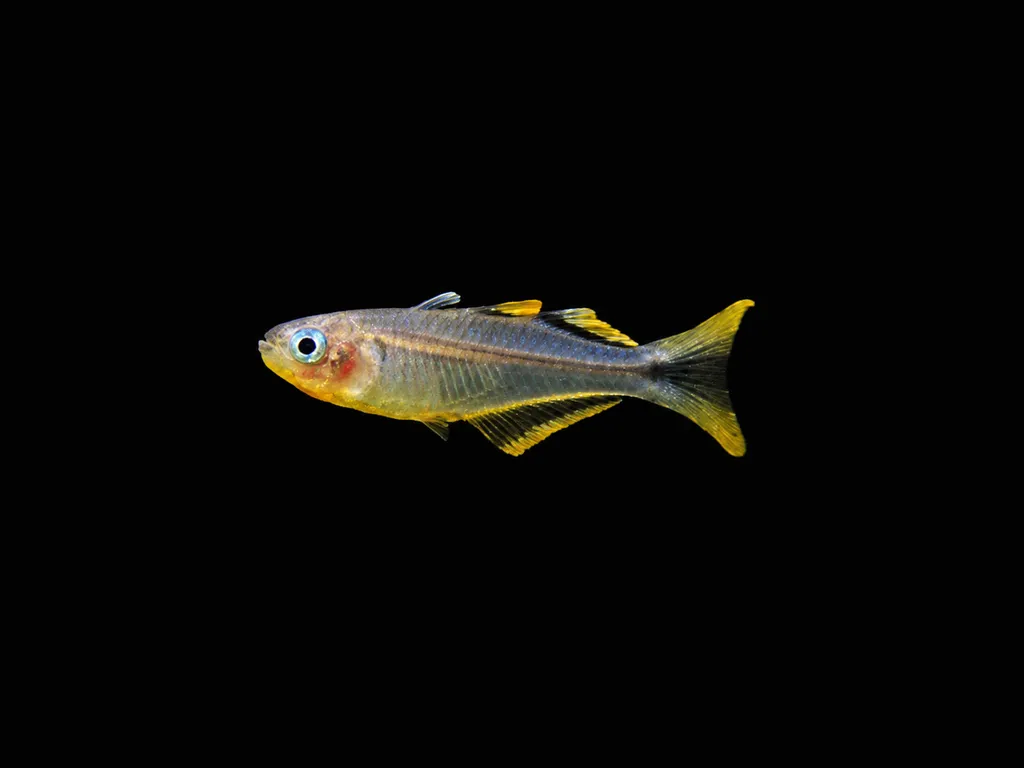
 1.5 in (3.8 cm)17 gal (65 L)70–82°F (21–28°C)
Spotted blue-eye
Pseudomugil gertrudae
1.5 in (3.8 cm) · 17 gal (65 L)
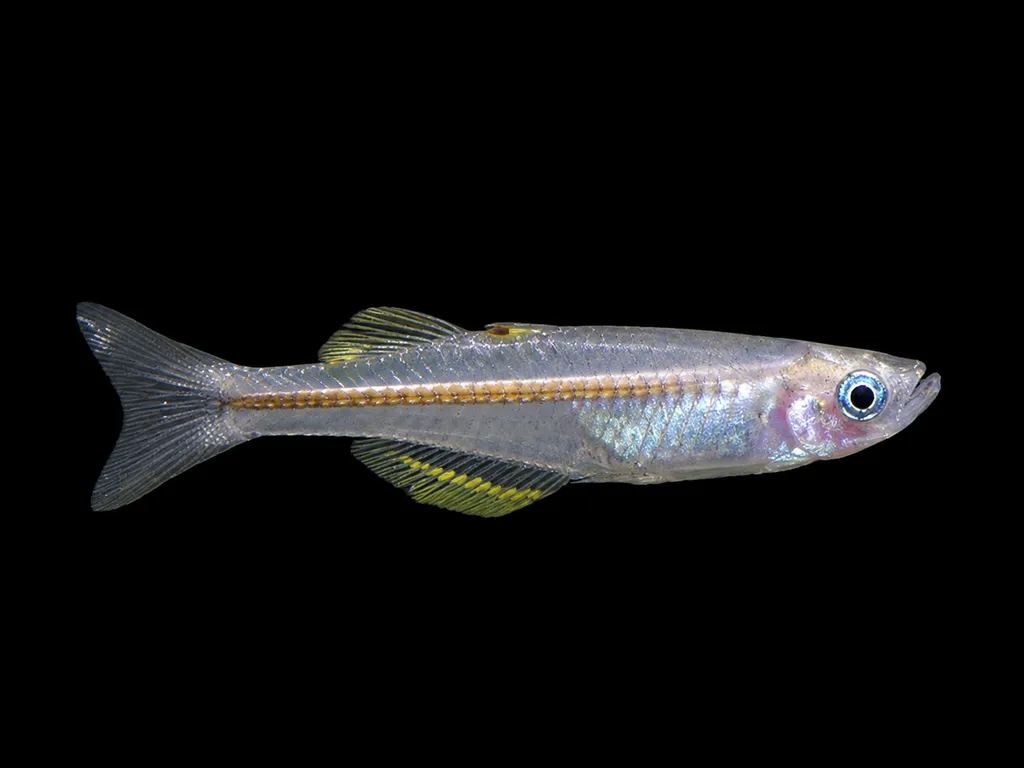
 2 in (5 cm)11 gal (40 L)75–82°F (24–28°C)
Popondetta blue-eye
Pseudomugil connieae
2 in (5 cm) · 11 gal (40 L)
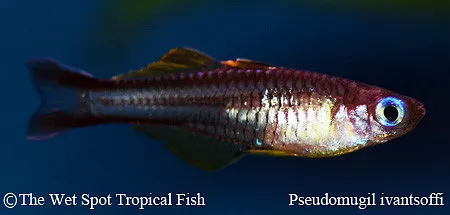
 1.8 in (4.5 cm)15 gal (55 L)79–86°F (26–30°C)
New Guinea blue-eye
Pseudomugil novaeguineae
1.8 in (4.5 cm) · 15 gal (55 L)
 1.6 in (4 cm)11 gal (40 L)75–82°F (24–28°C)
Ivantsoff's blue-eye
Pseudomugil ivantsoffi
1.6 in (4 cm) · 11 gal (40 L)