Variety of Neon tetra
Longfin neon tetra
Paracheirodon innesi
One of 3 varieties of Paracheirodon innesi · See all varieties →
Also known as Double Longfin Neon Tetra, Long Fin Neon Tetra
FreshwaterFish
Varieties · Paracheirodon innesi
See all 3 →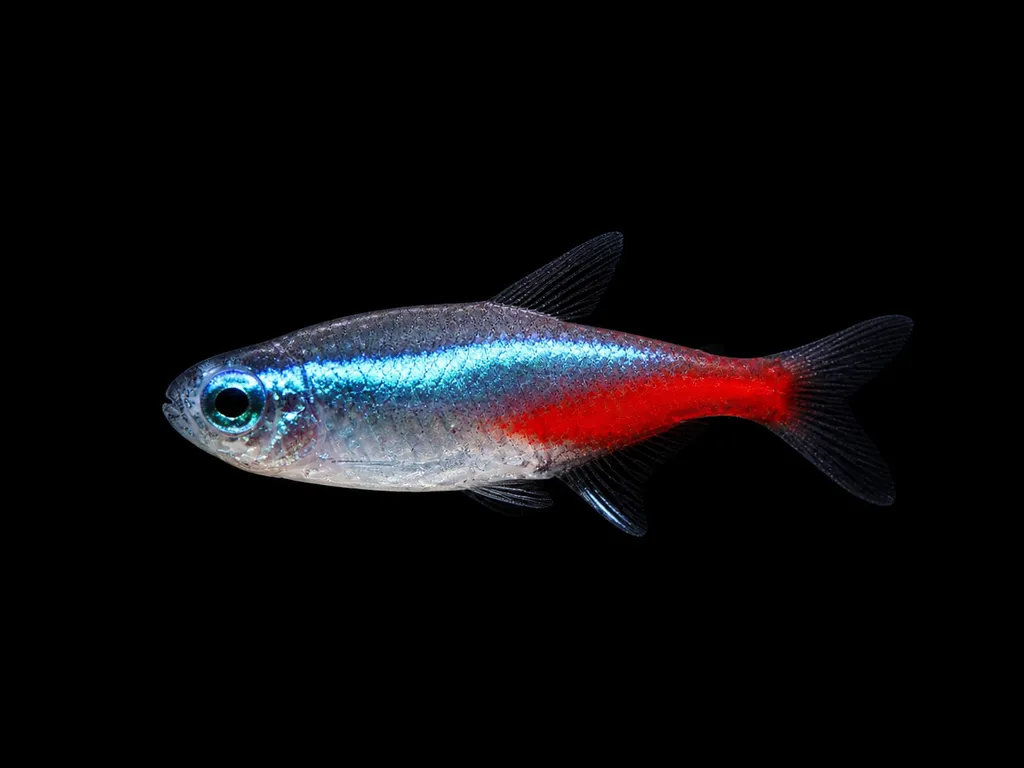
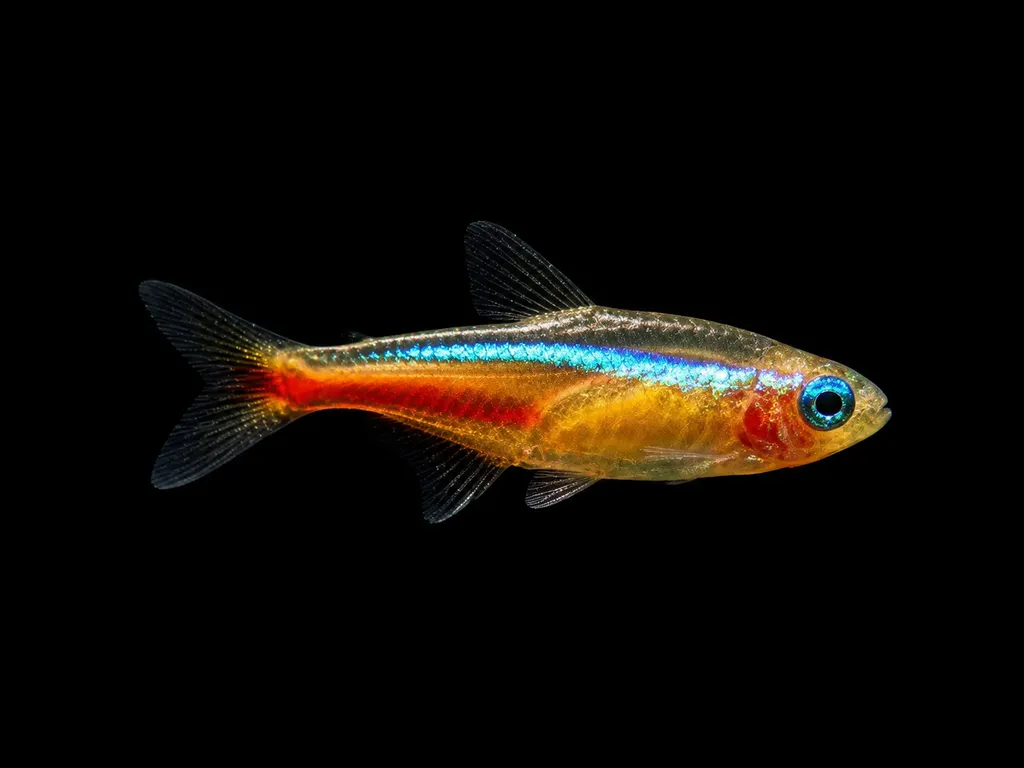
Care at a glance
- Temperature
- 70–77°F
- 21–25°C
- pH
- 5.0–7.5
- Adult size
- 1.5 in
- 3.8 cm
- Minimum tank
- 11 gal
- 40 L
- Temperament
- Peaceful
- Social behavior
- Schooling
- Swim level
- Middle
- Difficulty
- Beginner
- Breeding
- Hard
- Rarity
- Very common
- Family
- Characidae
Overview
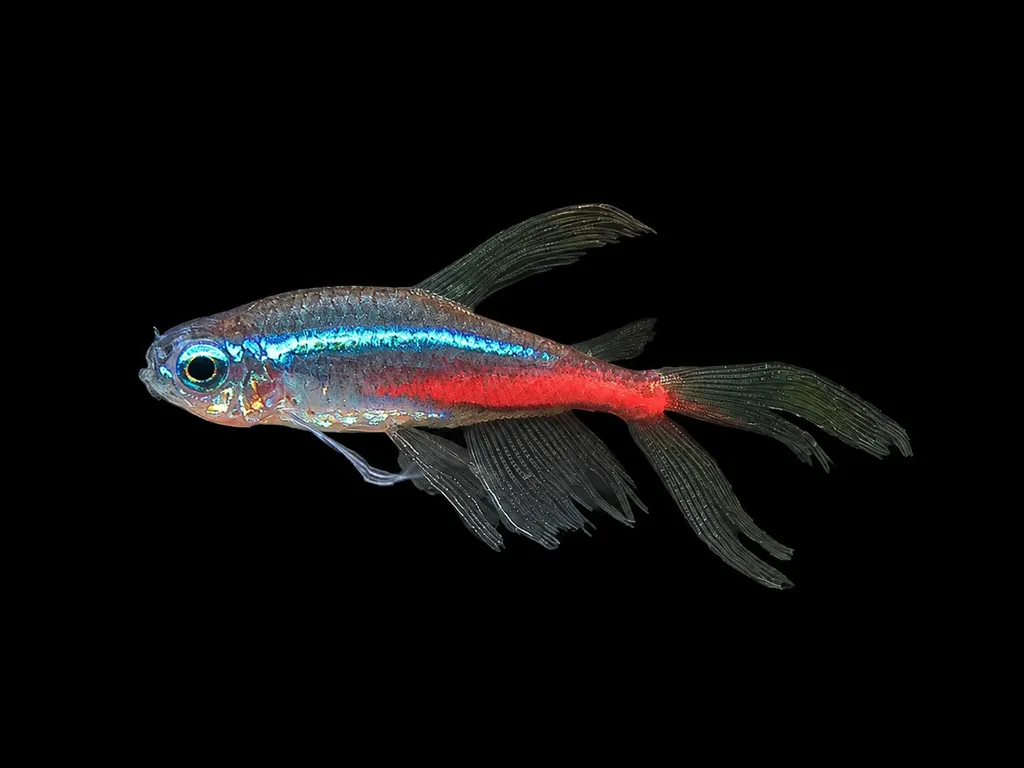
The fins are the whole difference and they are fragile. Aqua Huna lists the fish as Double Longfin, and Dan's Fish sells it as a long-fin neon with a standing warning attached. Trailing fins snag on sharp decor and get pushed around by a hard outflow, so blunt hardscape and a softened return help.
In the wild
A long-finned form selected in captivity, so it does not exist in wild neon populations. Seriously Fish lists long-finned among the established neon strains, alongside albino, golden, short-bodied and diamond, and records no breeder, country or decade for any of them. Dan's Fish describes its stock as hobbyist bred and raised in Europe rather than farm produced.
Good to know
Long-fin traits in aquarium fish are generally described as extended growth of the existing fin rays rather than added rays, so the fin gains length without changing shape. How the trait segregates in the neon is not documented, and long-fin genes in other species are recessive in some and dominant in others. Longer fins also give a nipper more to grab, which is the complaint that comes up most often with the strain.
Did you know
Dan's Fish attaches a note to every batch: the fish are healthy, but the long fins are delicate and often arrive ragged, and they grow back. No such note rides along with standard neons, which is a fair summary of what the extra length costs the fish.
Weekly picks
Tank mates
Longfin neon tetra is a peaceful, schooling species that keeps to the middle. These picks share a community profile with it, are safe together in both directions, and overlap on water type, temperature and pH.
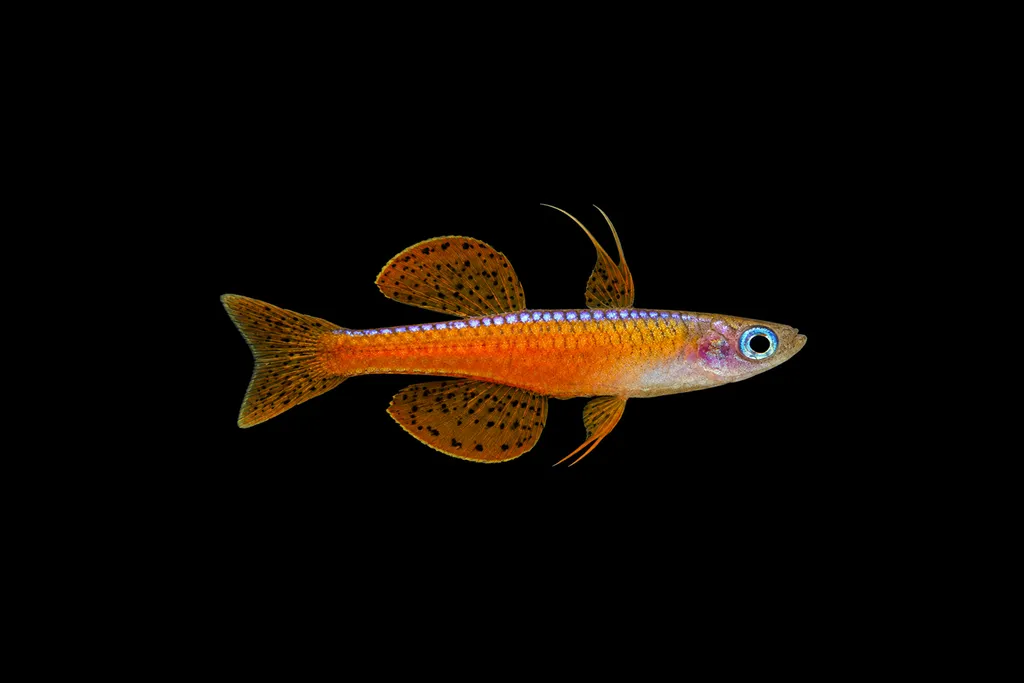
Paska's blue-eye
Pseudomugil paskai
Freshwater1.4 in (3.5 cm) · 11 gal (40 L)72–79°F (22–26°C)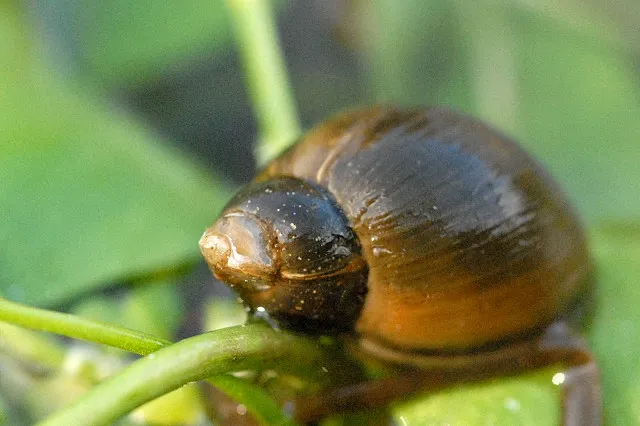
Wandering snail
Ampullaceana balthica
Freshwater0.8 in (2 cm) · 11 gal (40 L)50–84°F (10–29°C)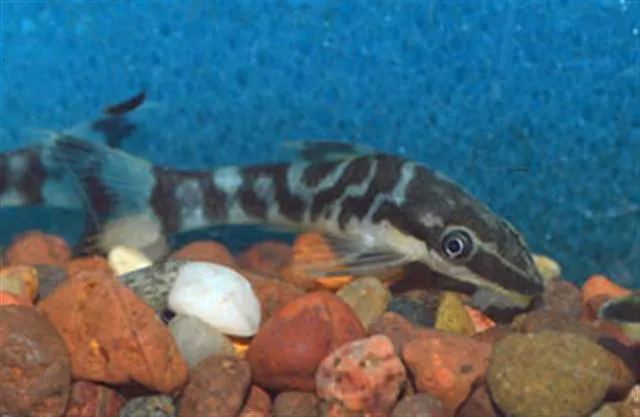
Zebra dwarf sucker
Otocinclus cocama
Freshwater1.8 in (4.5 cm) · 11 gal (40 L)70–77°F (21–25°C)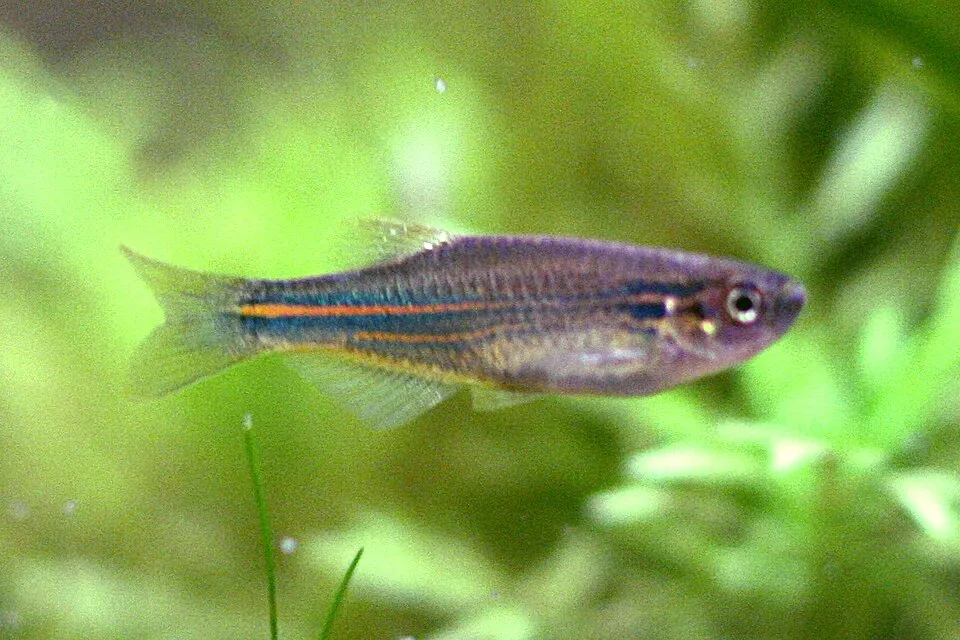
Blue danio
Danio kerri
Freshwater1.8 in (4.5 cm) · 11 gal (40 L)68–79°F (20–26°C)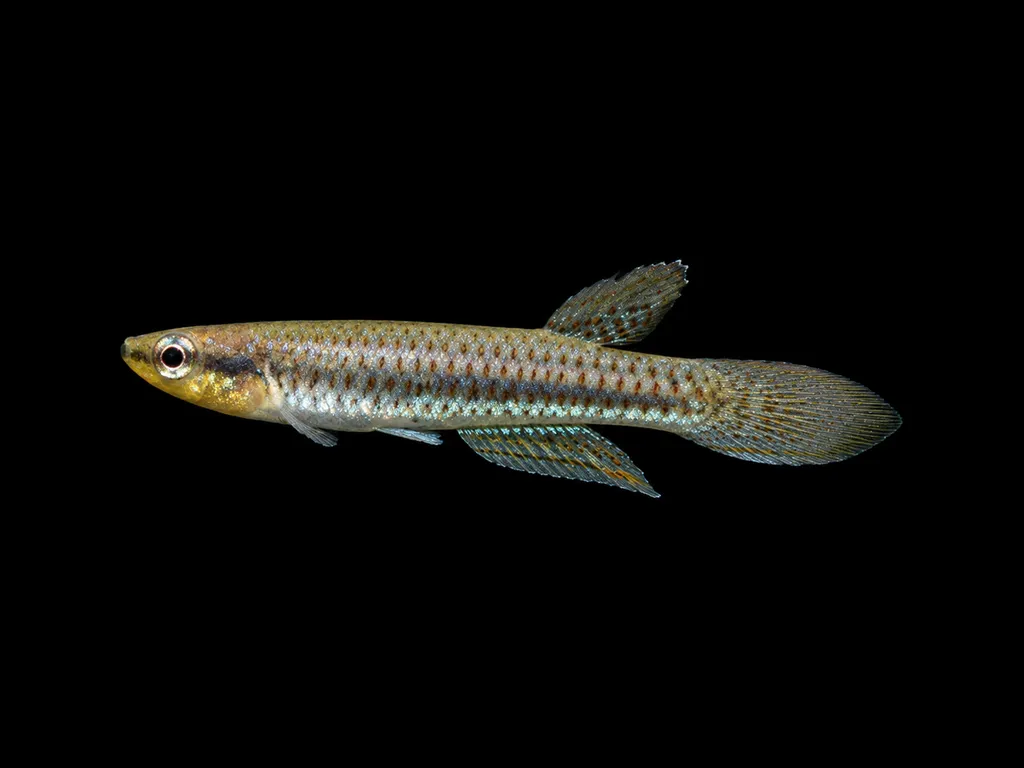
Dubois' panchax
Epiplatys duboisi
Freshwater1.4 in (3.5 cm) · 11 gal (40 L)68–77°F (20–25°C)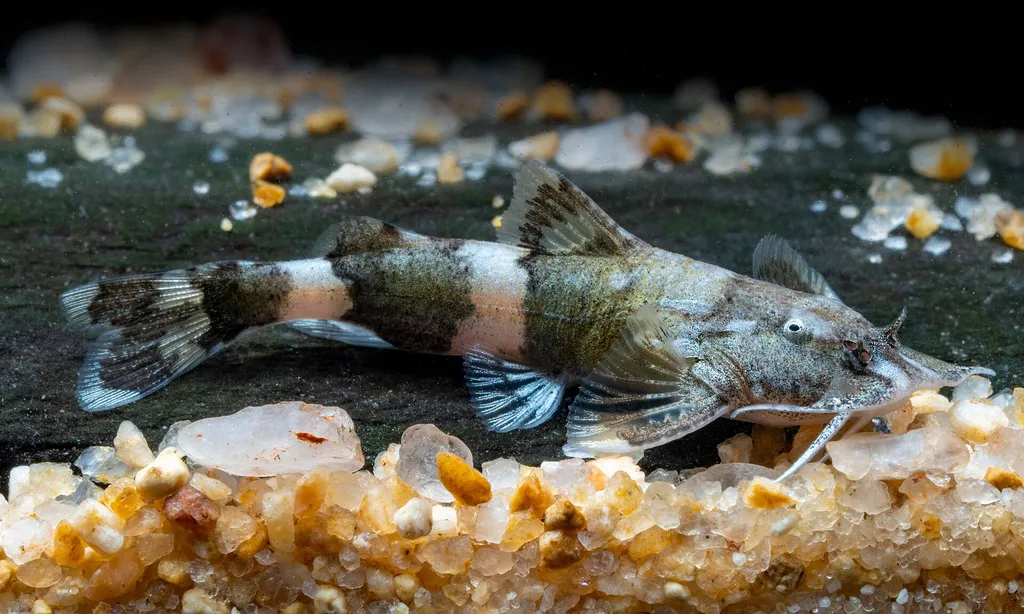
Cheetah moth catfish
Pseudolaguvia shawi
Freshwater1.5 in (3.8 cm) · 11 gal (40 L)68–79°F (20–26°C)
Common questions
Is a Longfin neon tetra a different species from the Neon tetra?
No. A Longfin neon tetra is a variety of the Neon tetra, Paracheirodon innesi, and it wants the same tank, water and food as the species.
What size tank does a Longfin neon tetra need?
A Longfin neon tetra needs at least 11 gal (40 L). It spends most of its time in the middle.
How big does a Longfin neon tetra get?
An adult Longfin neon tetra reaches about 1.5 in (3.8 cm).
Does a Longfin neon tetra need a group?
Yes. A Longfin neon tetra is a schooling species and should be kept in a group, not singly.
Related species
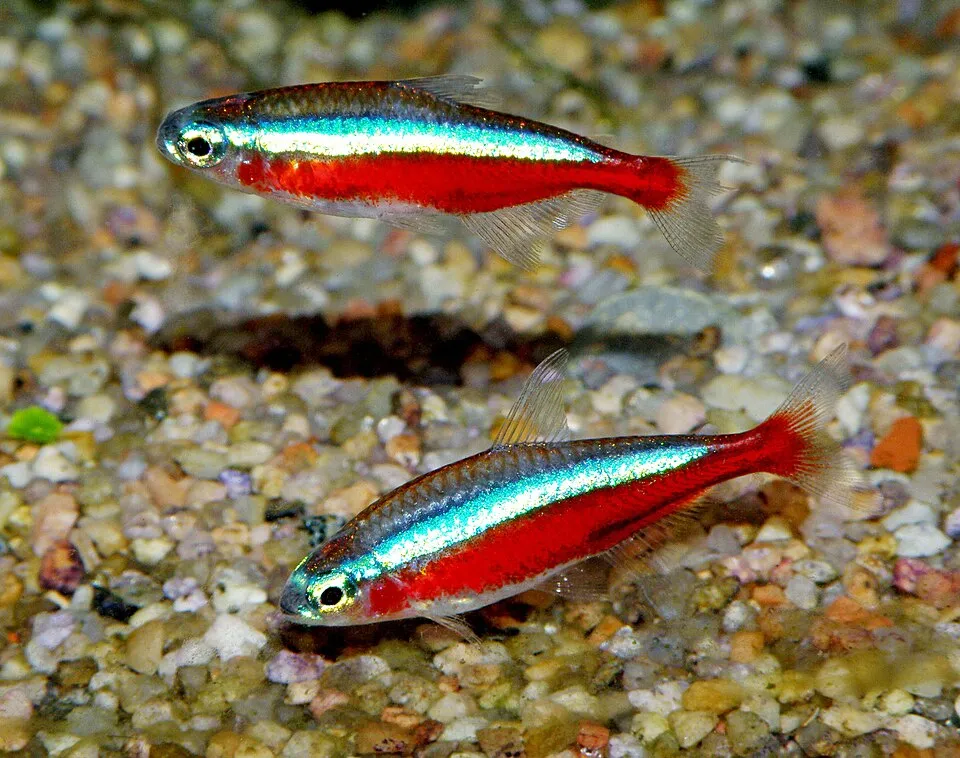 1.8 in (4.5 cm)16 gal (60 L)73–84°F (23–29°C)
Cardinal tetra
Paracheirodon axelrodi
1.8 in (4.5 cm) · 16 gal (60 L)
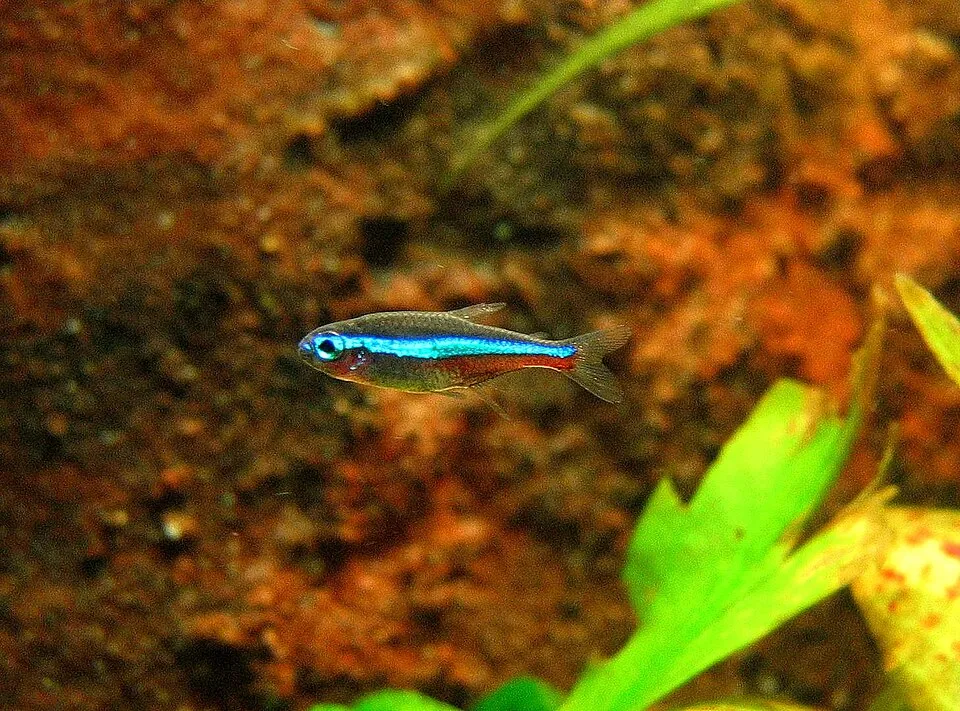 1 in (2.5 cm)15 gal (55 L)72–86°F (22–30°C)
Green neon tetra
Paracheirodon simulans
1 in (2.5 cm) · 15 gal (55 L)
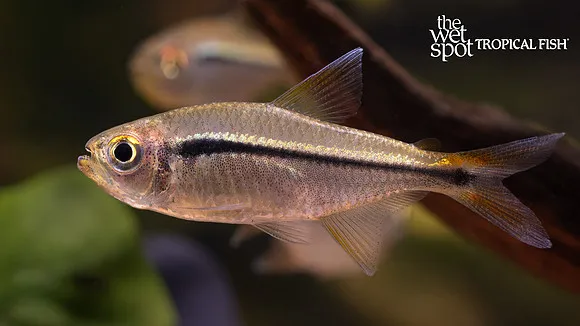 1.5 in (3.8 cm)15 gal (55 L)72–81°F (22–27°C)
Eschwartzae tetra
Hyphessobrycon eschwartzae
1.5 in (3.8 cm) · 15 gal (55 L)
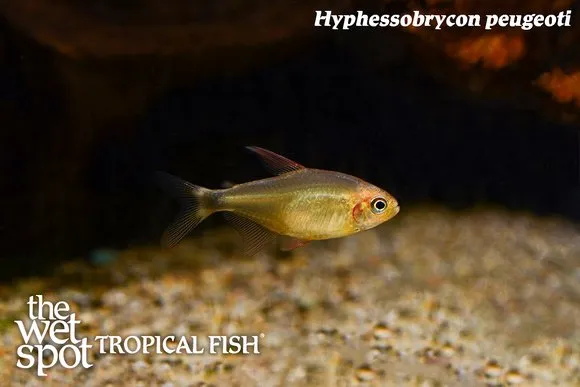 1.5 in (3.8 cm)15 gal (55 L)72–81°F (22–27°C)
Peugeot's tetra
Hyphessobrycon peugeoti
1.5 in (3.8 cm) · 15 gal (55 L)
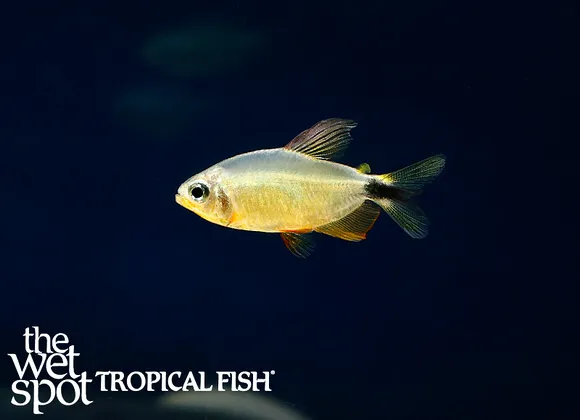 1.5 in (3.8 cm)15 gal (55 L)72–81°F (22–27°C)
Procyon tetra
Hyphessobrycon procyon
1.5 in (3.8 cm) · 15 gal (55 L)
- 1.5 in (3.8 cm)15 gal (55 L)73–82°F (23–28°C)
Piabinhas tetra
Hyphessobrycon piabinhas
1.5 in (3.8 cm) · 15 gal (55 L)