Niger tetra
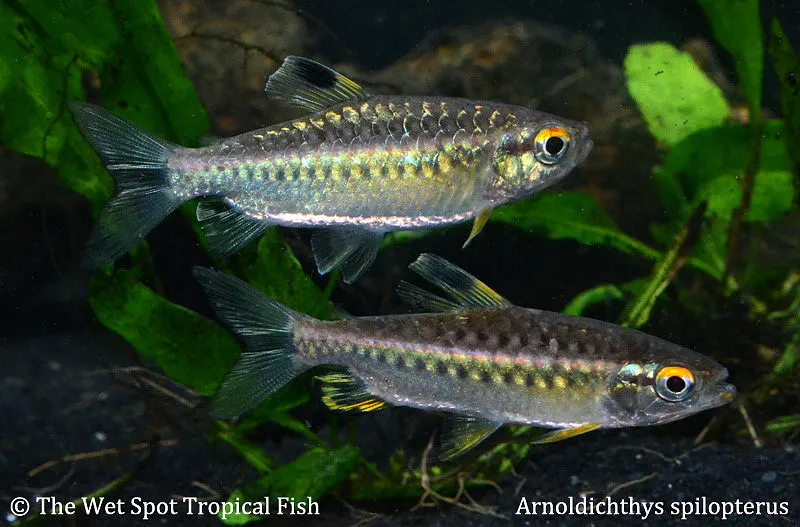
Arnoldichthys spilopterus
Also known as African Red Eyed Tetra, African Red Eye Tetra
FreshwaterFish
Care at a glance
- Temperature
- 75–81°F
- 24–27°C
- pH
- 6.0–8.0
- Adult size
- 3.9 in
- 10 cm
- Minimum tank
- 50 gal
- 190 L
- Temperament
- Peaceful
- Social behavior
- Schooling
- Swim level
- Middle
- Difficulty
- Easy
- Breeding
- Medium
- Rarity
- Common
- Family
- Alestidae
- Origin
- Nigeria
Overview
Keep a group of at least six in a tank of 190 liters or larger, since they're big, fast, and need swimming space. They're peaceful but active and sit in the middle to upper water column. Water should sit in the mid 20s C with a pH anywhere from 6 to 8. They're easy eaters and do well on quality flake, pellets, and frozen foods like bloodworm. Pair them with robust tankmates rather than tiny fish.
In the wild
The Niger tetra comes from rivers and streams in southern Nigeria, including the Niger and Ogun basins. These are soft to moderately hard waters with cover from plants and roots. A planted tank with open swimming room in the middle suits them, with water from acidic to slightly alkaline. They aren't fussy about exact parameters as long as conditions are stable.
Good to know
This is an African characin in the family Alestidae, growing to about 10 cm. It's an egg scatterer with no parental care. Adults are silver with a dark spot on the dorsal fin and a sharp red and gold eye. The IUCN lists it as Endangered, as an endemic Nigerian species with declining populations.
Did you know
Unlike most tetras, the female lays unusually large eggs and scatters them where they sink into leaf litter and debris. The fry are big at hatching and grow fast, which is one reason this species is a bit easier to breed than many of its relatives.
Weekly picks
Tank mates
Niger tetra is a peaceful, schooling species that keeps to the middle. These picks share a community profile with it, are safe together in both directions, and overlap on water type, temperature and pH.
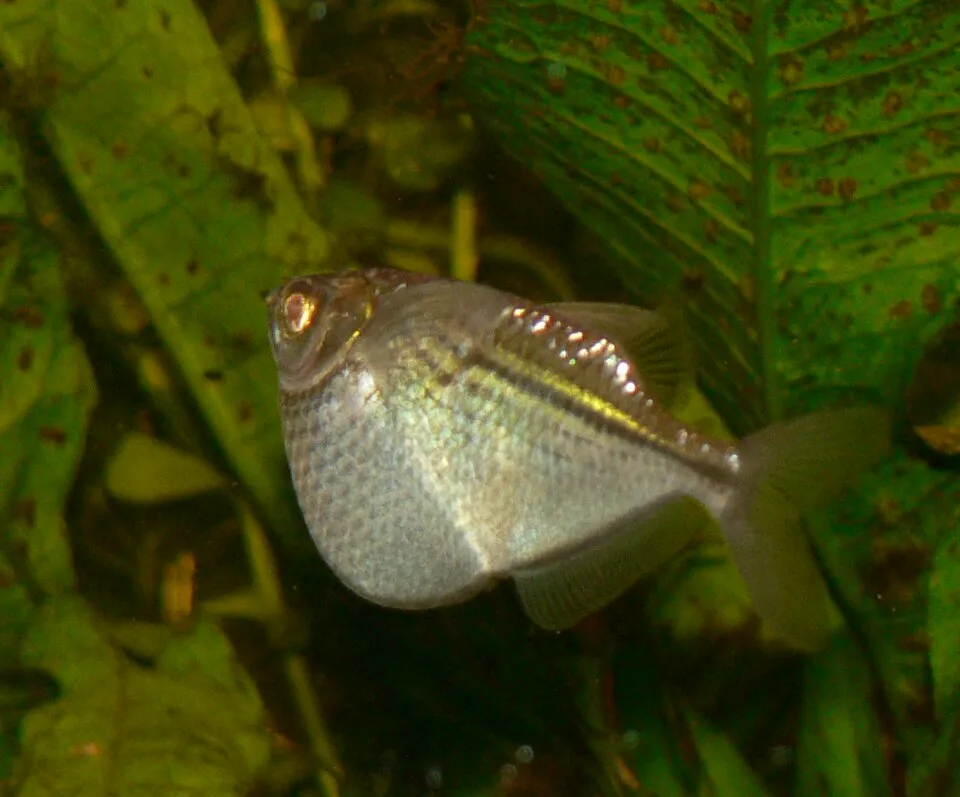
Common hatchetfish
Gasteropelecus sternicla
Freshwater1.6 in (4 cm) · 33 gal (125 L)68–82°F (20–28°C)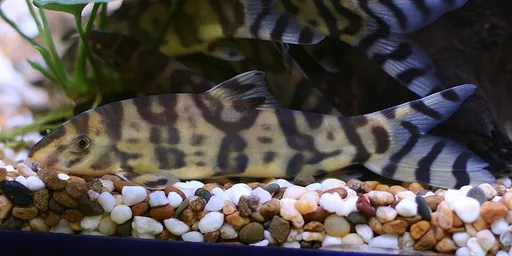
Burmese border loach
Botia histrionica
Freshwater5.1 in (13 cm) · 53 gal (200 L)72–82°F (22–28°C)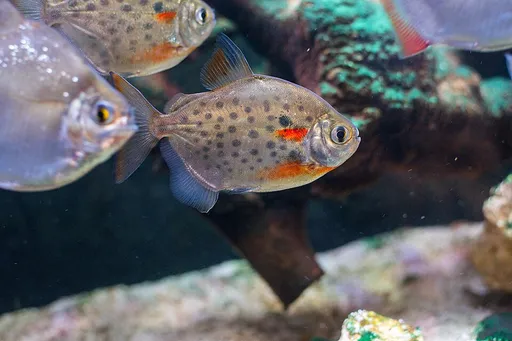
Spotted silver dollar
Metynnis lippincottianus
Freshwater5.5 in (14 cm) · 53 gal (200 L)73–81°F (23–27°C)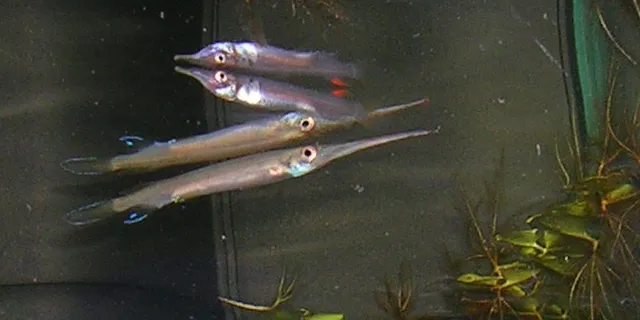
Forest halfbeak
Hemirhamphodon pogonognathus
Freshwater3.5 in (9 cm) · 34 gal (130 L)75–82°F (24–28°C)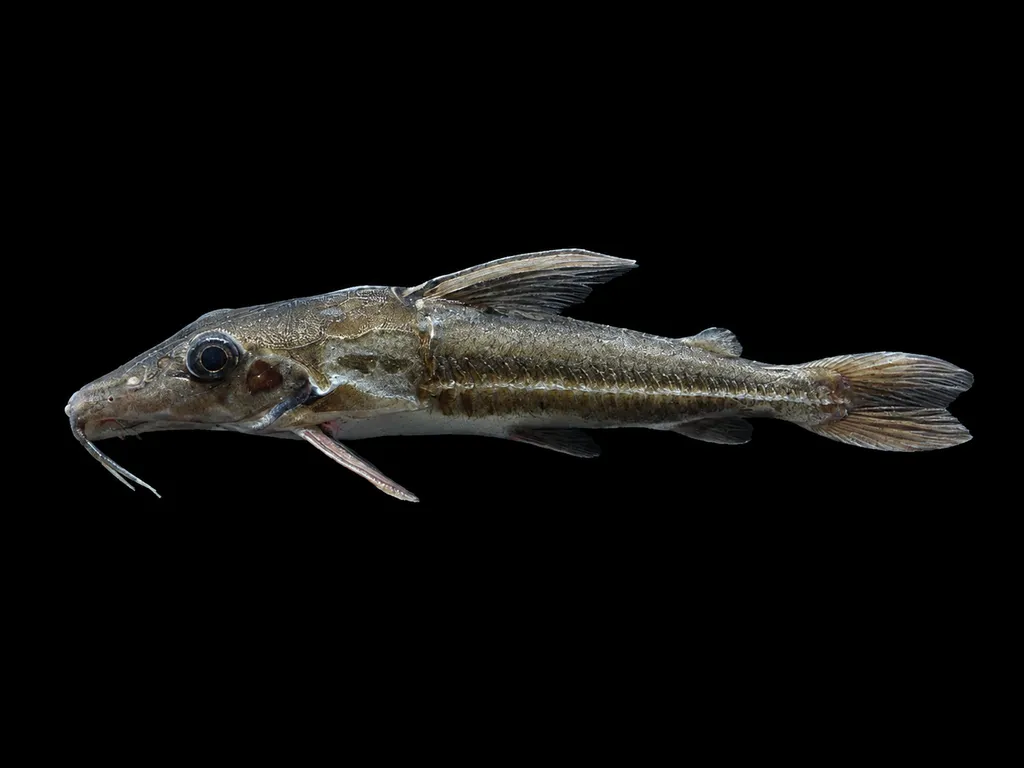
Green turushuki catfish
Hemidoras morrisi
Freshwater6.3 in (16 cm) · 53 gal (200 L)73–82°F (23–28°C)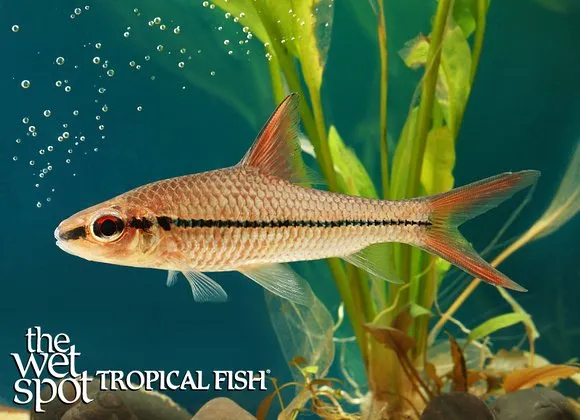
Purple-fin barb
Cyclocheilichthys janthochir
Freshwater7.1 in (18 cm) · 53 gal (200 L)73–82°F (23–28°C)
Common questions
What size tank does a Niger tetra need?
A Niger tetra needs at least 50 gal (190 L). It spends most of its time in the middle.
What temperature and pH does a Niger tetra need?
A Niger tetra is comfortable at 75–81°F (24–27°C) with a pH of 6.0–8.0.
How big does a Niger tetra get?
An adult Niger tetra reaches about 3.9 in (10 cm).
Does a Niger tetra need a group?
Yes. A Niger tetra is a schooling species and should be kept in a group, not singly.
Related species
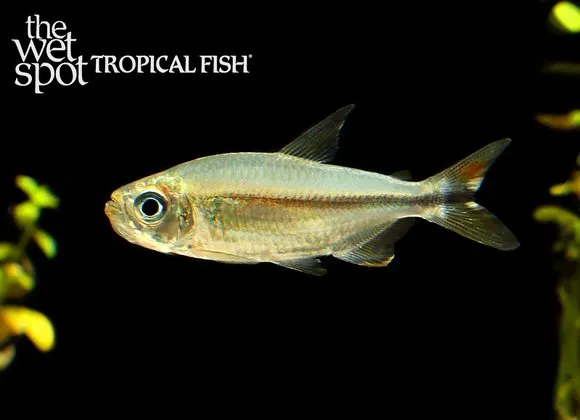 3.9 in (10 cm)42 gal (160 L)73–81°F (23–27°C)
Hilgendorf's Congo tetra
Alestopetersius hilgendorfi
3.9 in (10 cm) · 42 gal (160 L)
 3.9 in (10 cm)42 gal (160 L)73–81°F (23–27°C)
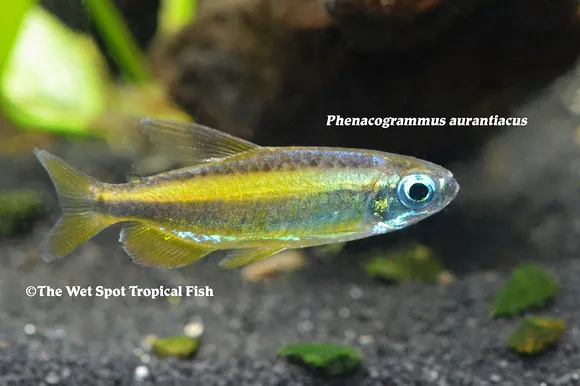
Orange Congo tetra
Phenacogrammus aurantiacus
3.9 in (10 cm) · 42 gal (160 L)
 3.5 in (9 cm)29 gal (110 L)73–81°F (23–27°C)
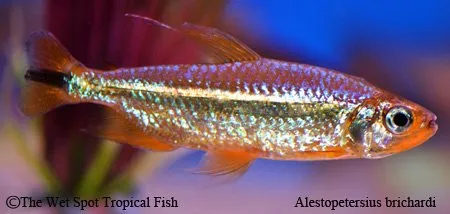
Brichard's Congo tetra
Alestopetersius brichardi
3.5 in (9 cm) · 29 gal (110 L)
 3.1 in (8 cm)22 gal (85 L)72–77°F (22–25°C)
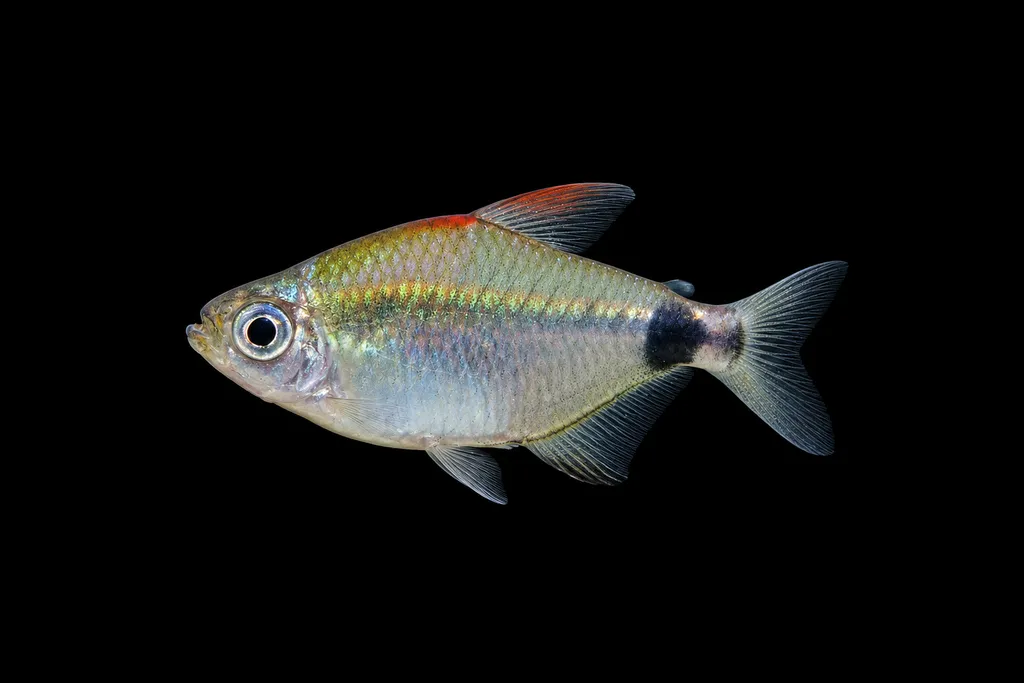
African moon tetra
Bathyaethiops caudomaculatus
3.1 in (8 cm) · 22 gal (85 L)
 3.1 in (8 cm)24 gal (90 L)73–82°F (23–28°C)
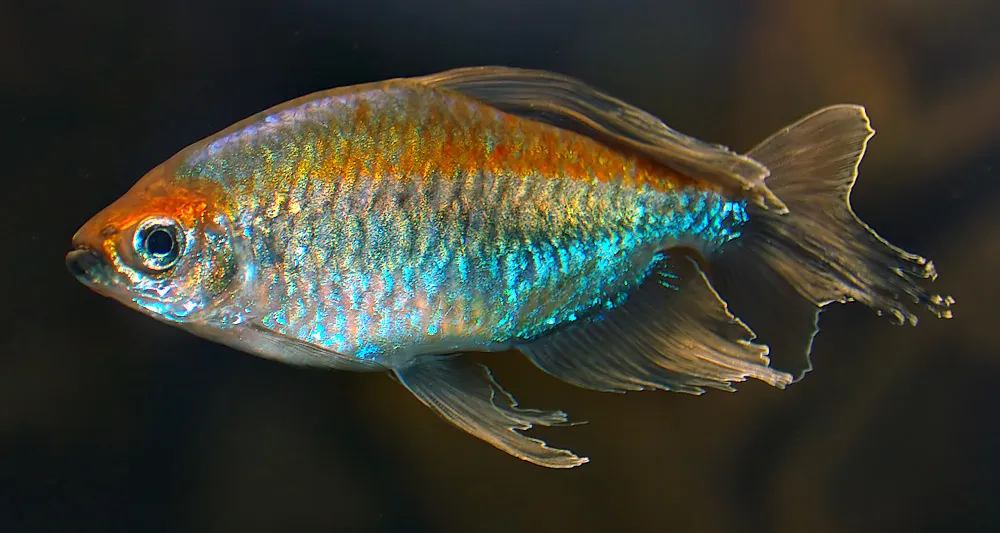
Congo tetra
Phenacogrammus interruptus
3.1 in (8 cm) · 24 gal (90 L)
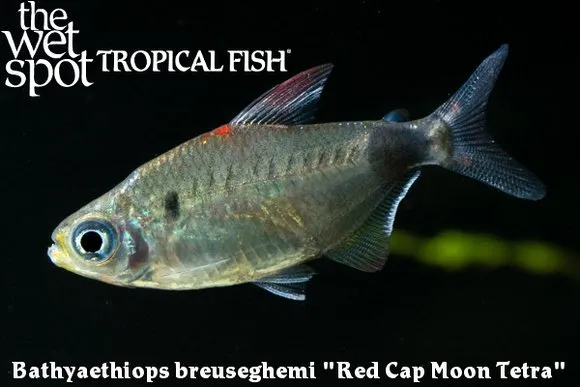 2.8 in (7 cm)29 gal (110 L)73–81°F (23–27°C)
Breuseghem's moon tetra
Bathyaethiops breuseghemi
2.8 in (7 cm) · 29 gal (110 L)