Orange Congo tetra
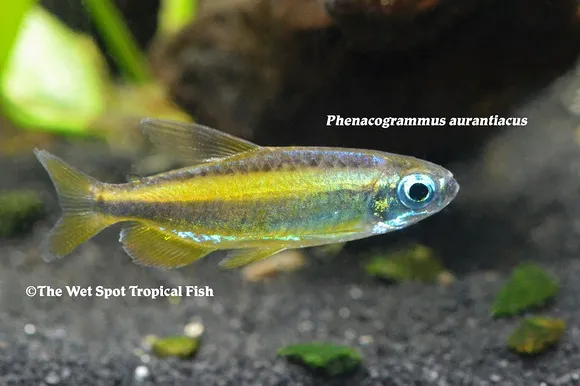
Phenacogrammus aurantiacus
Also known as Aurantiacus Congo tetra, Lamp eye Congo tetra
FreshwaterFish
Care at a glance
- Temperature
- 73–81°F
- 23–27°C
- pH
- 6.0–7.2
- Adult size
- 3.9 in
- 10 cm
- Minimum tank
- 42 gal
- 160 L
- Temperament
- Peaceful
- Social behavior
- Schooling
- Swim level
- Middle
- Difficulty
- Medium
- Breeding
- Egg scatterer
- Rarity
- Rare
- Family
- Alestidae
- Origin
- Gabon and Congo coastal basins
Overview
The orange Congo tetra is a peaceful schooling fish for open midwater, kept much like its famous blue cousin. It is best kept by someone with a little experience.
Did you know
The orange Congo tetra's species name, aurantiacus, is Latin for orange. Kept beside the blue common Congo tetra, a mixed group shows how much color this one African genus can wear.
Caring for the orange Congo tetra
Keep orange Congo tetras in a group of at least six, with a mix of sexes to bring out the males' color. These active, fair-sized tetras need real length, so plan on 42 gal (160 L) or more. Driftwood, a dark substrate, dim lighting and some floating cover suit them.
Give them soft, slightly acidic water at 73 to 81°F (23 to 27°C) and a pH of 6.0 to 7.2. Keep it clean and well filtered, with gentle current, low nitrate and steady water changes. Feed a varied diet of flake and pellets, with regular frozen or live bloodworm, brine shrimp and daphnia.
The orange Congo tetra is peaceful and swims in open midwater. Good company includes calm community fish that use other levels, from Synodontis catfish to peaceful barbs and rasboras.
Mature males take on a warm gold-orange wash, with extended dorsal and tail fins. Females stay smaller and duller. Aquarium breeding is not well documented, though they scatter eggs like their relatives.
Good to know
Phenacogrammus aurantiacus is an African tetra in the family Alestidae, in the same genus as the classic Congo tetra. It is far less domesticated than that fish.
In the wild
The orange Congo tetra comes from the soft, tea-colored forest rivers of Gabon and neighboring Congo drainages in west-central Africa. These warm, gently flowing waters are stained with tannins. They run over sand, leaf litter and wood beneath dense shade.
Weekly picks
Tank mates
The orange Congo tetra is a peaceful, schooling species that keeps to the middle. These picks share a community profile with it, are safe together in both directions, and overlap on water type, temperature and pH.
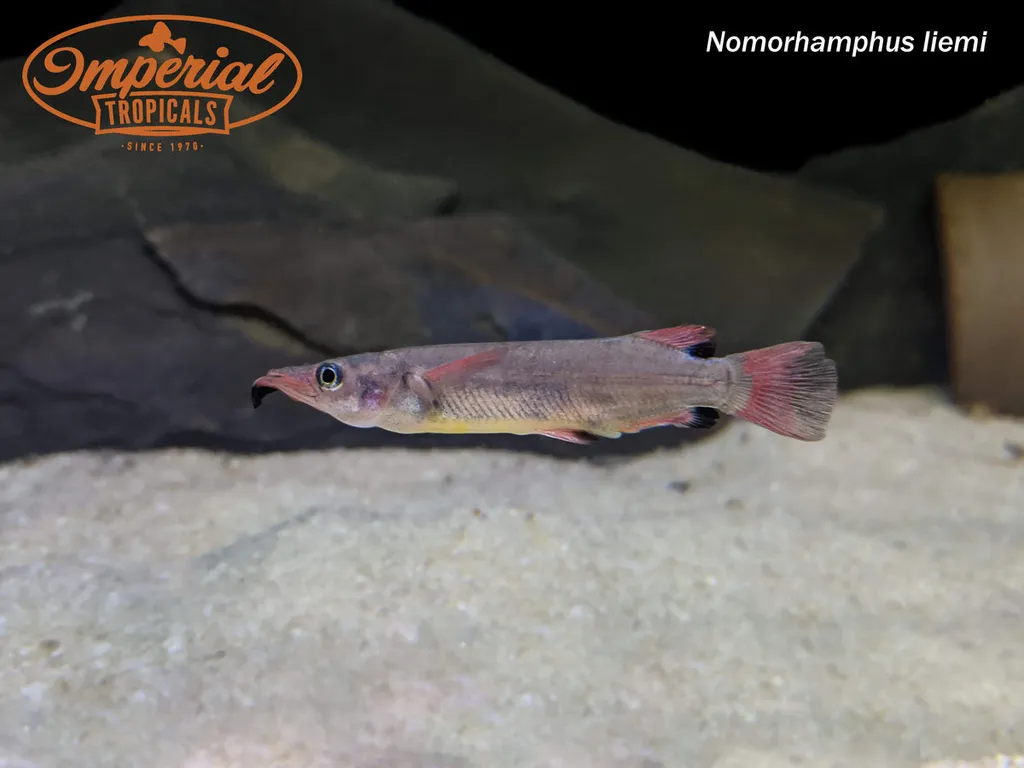
Celebes halfbeak
Nomorhamphus liemi
Freshwater3.5 in (9 cm) · 40 gal (150 L)68–77°F (20–25°C)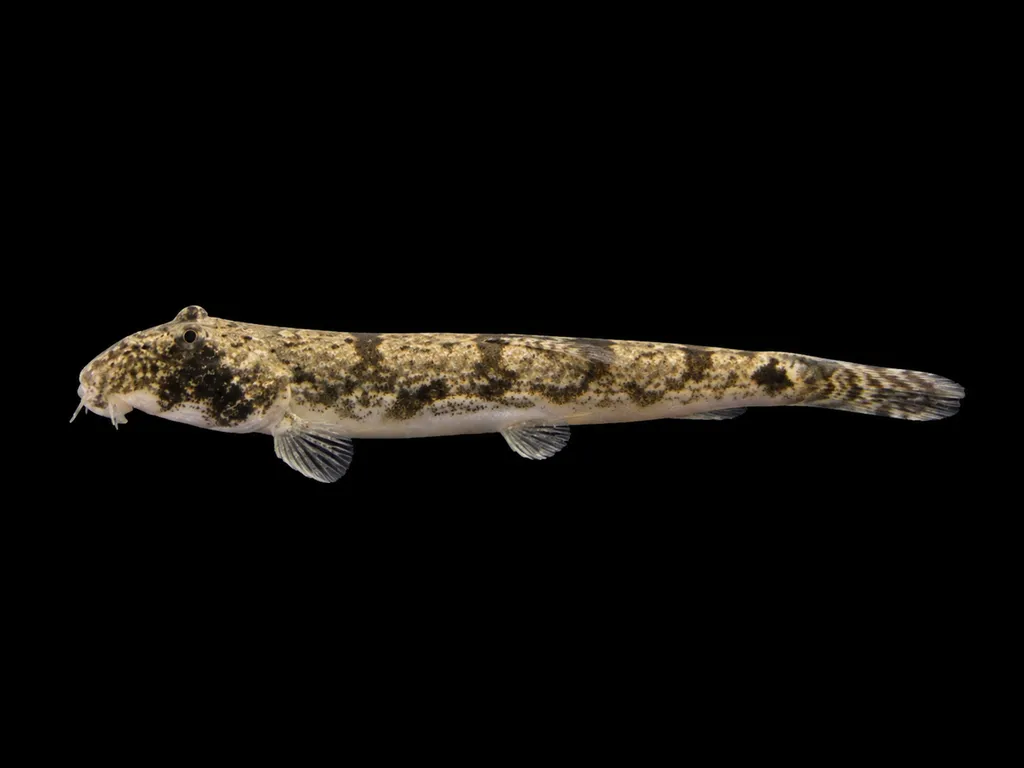
Gongota loach
Canthophrys gongota
Freshwater5.1 in (13 cm) · 42 gal (160 L)70–81°F (21–27°C)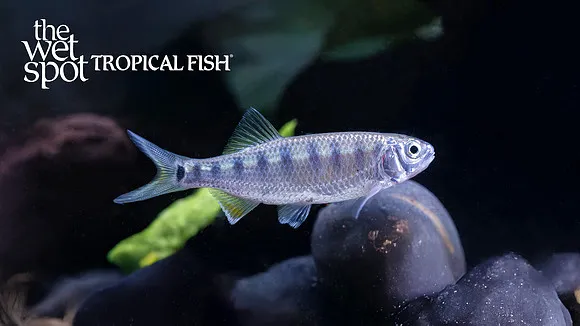
Bernatzik's baril
Opsarius bernatziki
Freshwater4.3 in (11 cm) · 42 gal (160 L)72–81°F (22–27°C)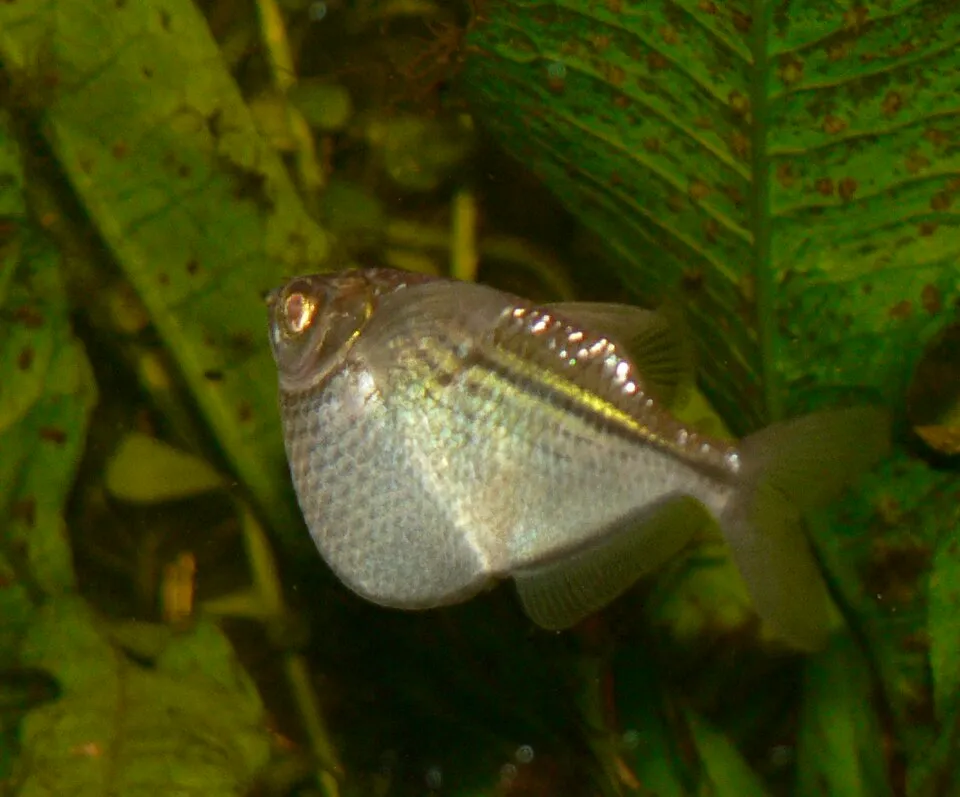
Common hatchetfish
Gasteropelecus sternicla
Freshwater1.6 in (4 cm) · 33 gal (125 L)68–82°F (20–28°C)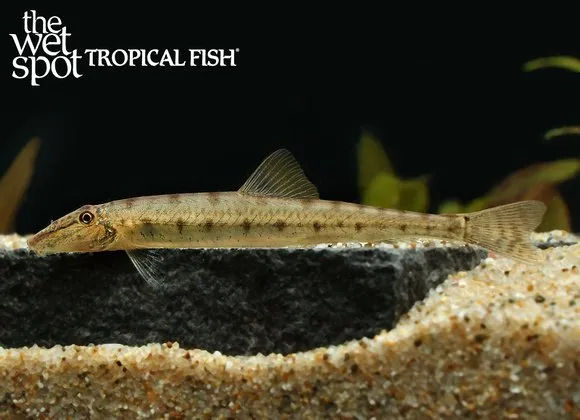
Slender horseface loach
Acantopsis ioa
Freshwater6.3 in (16 cm) · 42 gal (160 L)72–81°F (22–27°C)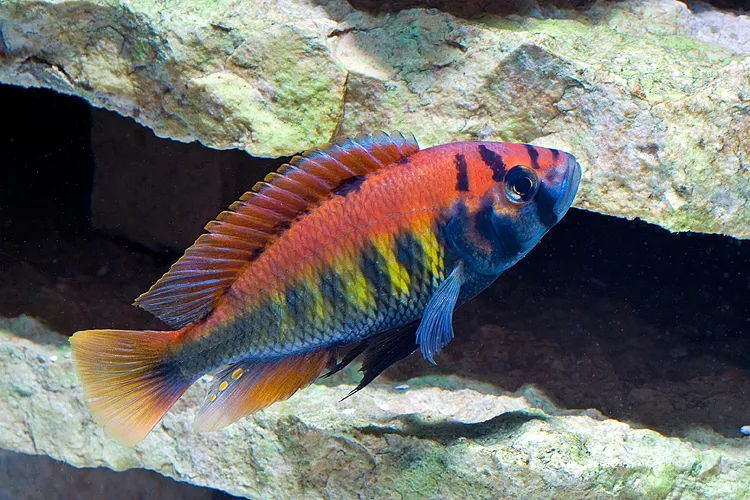
Flameback cichlid
Pundamilia nyererei
Freshwater3.5 in (9 cm) · 42 gal (160 L)73–81°F (23–27°C)
Common questions
What size tank does an orange Congo tetra need?
An orange Congo tetra needs at least 42 gal (160 L). It spends most of its time in the middle.
What temperature and pH does an orange Congo tetra need?
An orange Congo tetra is comfortable at 73–81°F (23–27°C) with a pH of 6.0–7.2.
What does an orange Congo tetra eat?
An orange Congo tetra eats flake and pellets. Give it regular frozen or live foods as well, such as bloodworm, brine shrimp and daphnia.
How big does an orange Congo tetra get?
An adult orange Congo tetra reaches about 3.9 in (10 cm).
Does an orange Congo tetra need a group?
Yes. An orange Congo tetra is a schooling species and should be kept in a group, not singly.
How can you tell a male orange Congo tetra from a female?
Males take on a warm gold-orange wash as they mature, with extended dorsal and tail fins. Females stay smaller and duller.
How does an orange Congo tetra breed?
Orange Congo tetras scatter their eggs like their relatives. Breeding them in the aquarium is not well documented.
Related species
 3.1 in (8 cm)24 gal (90 L)73–82°F (23–28°C)
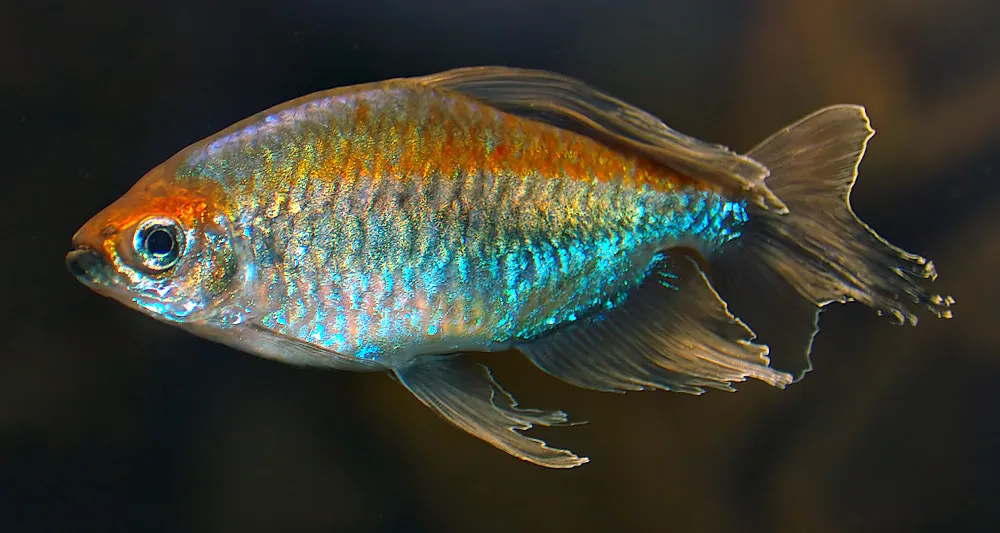
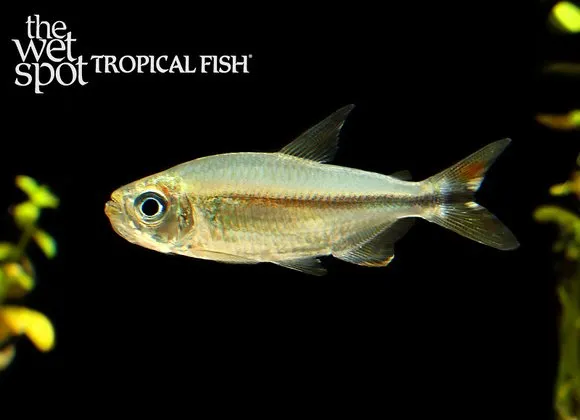
Congo tetra
Phenacogrammus interruptus
3.1 in (8 cm) · 24 gal (90 L)
 3.9 in (10 cm)42 gal (160 L)73–81°F (23–27°C)
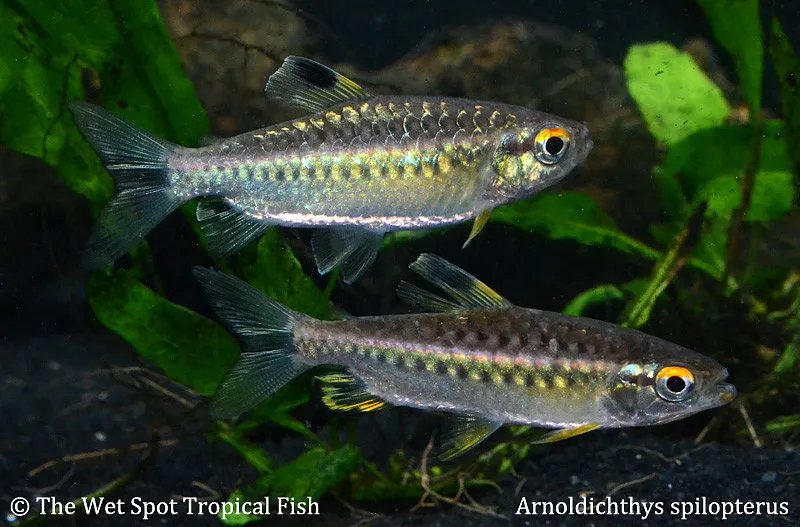
Hilgendorf's Congo tetra
Alestopetersius hilgendorfi
3.9 in (10 cm) · 42 gal (160 L)
 3.9 in (10 cm)50 gal (190 L)75–81°F (24–27°C)
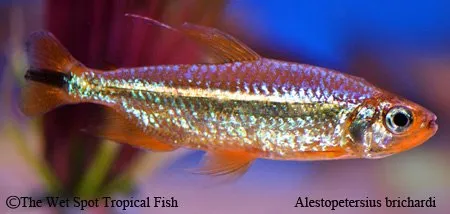
Niger tetra
Arnoldichthys spilopterus
3.9 in (10 cm) · 50 gal (190 L)
 3.5 in (9 cm)29 gal (110 L)73–81°F (23–27°C)
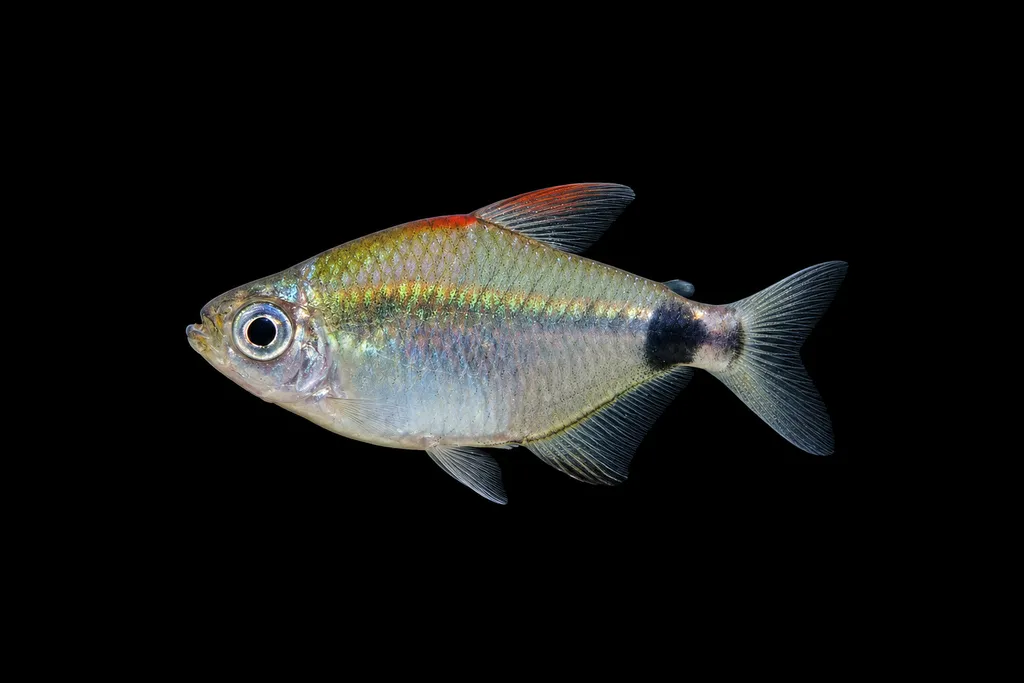
Brichard's Congo tetra
Alestopetersius brichardi
3.5 in (9 cm) · 29 gal (110 L)
 3.1 in (8 cm)22 gal (85 L)72–77°F (22–25°C)
African moon tetra
Bathyaethiops caudomaculatus
3.1 in (8 cm) · 22 gal (85 L)
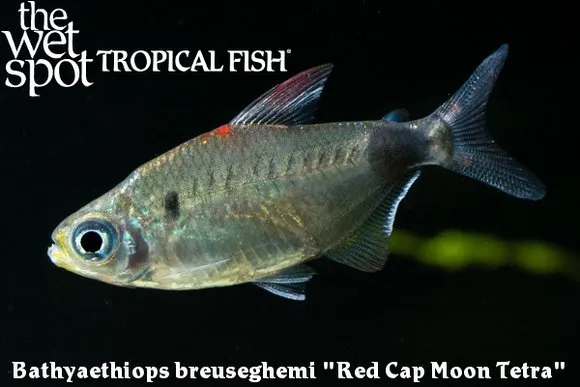 2.8 in (7 cm)29 gal (110 L)73–81°F (23–27°C)
Breuseghem's moon tetra
Bathyaethiops breuseghemi
2.8 in (7 cm) · 29 gal (110 L)