Moolenburgh's glass catfish
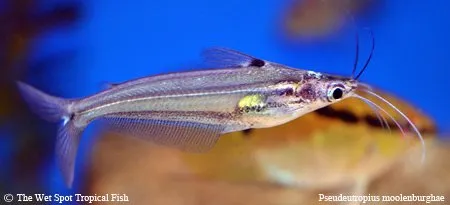
Pseudeutropius moolenburghae
Also known as Burmese silver glass cat
FreshwaterFish
Care at a glance
- Temperature
- 73–82°F
- 23–28°C
- pH
- 6.0–7.5
- Adult size
- 3.9 in
- 10 cm
- Minimum tank
- 30 gal
- 112 L
- Temperament
- Peaceful
- Social behavior
- Schooling
- Swim level
- Middle
- Difficulty
- Medium
- Breeding
- No record
- Rarity
- Rare
- Family
- Schilbeidae
- Origin
- Rivers of Sumatra, Indonesia
Overview
Moolenburgh's glass catfish is a delicate, silvery catfish that shoals in the open midwater of a calm community tank. It needs a keeper with some experience.
Did you know
Moolenburgh's glass catfish carries four pairs of barbels, eight in all, while the Asian glass catfish trails a single pair. That is the quickest way to tell the two silvered fish apart. Despite the Burmese name the trade gives it, it comes from Indonesia, not Myanmar.
Caring for the Moolenburgh's glass catfish
Keep Moolenburgh's glass catfish in a group of at least six, since they show best in numbers and settle into an active display. Give the group a mature, softly planted tank of at least 30 gal (112 L), with gentle flow and dim light. Dim, tea-colored water suits them, so add driftwood, leaf litter and shade from floating plants.
Hold the water warm and soft, at 73 to 82°F (23 to 28°C) and an acidic to neutral pH of 6.0 to 7.5. Wild fish come from clean blackwater and can be sensitive to poor water quality, so keep conditions clean, stable and steady. Acclimate new fish slowly, since wild stock is used to very clean, low-bacteria water.
Feed small foods they can catch in the water column, such as frozen daphnia, cyclops, baby brine shrimp, chopped bloodworm and fine dried foods. They readily take prepared diets once settled.
Moolenburgh's glass catfish are peaceful and gentle, so choose calm tank mates of similar size. Avoid anything large or rowdy that could bully them. They are not known to breed in home aquariums.
Good to know
Moolenburgh's glass catfish, Pseudeutropius moolenburghae, is a small schilbeid catfish. It has a slim, silvered, semi-transparent body and long trailing barbels.
In the wild
Moolenburgh's glass catfish comes from the tannin-stained rivers of Sumatra, and also Borneo. It lives in soft, gently flowing blackwater, where it feeds on small invertebrates and drifting foods.
Weekly picks
Tank mates
The Moolenburgh's glass catfish is a peaceful, schooling species that keeps to the middle. These picks share a community profile with it, are safe together in both directions, and overlap on water type, temperature and pH.
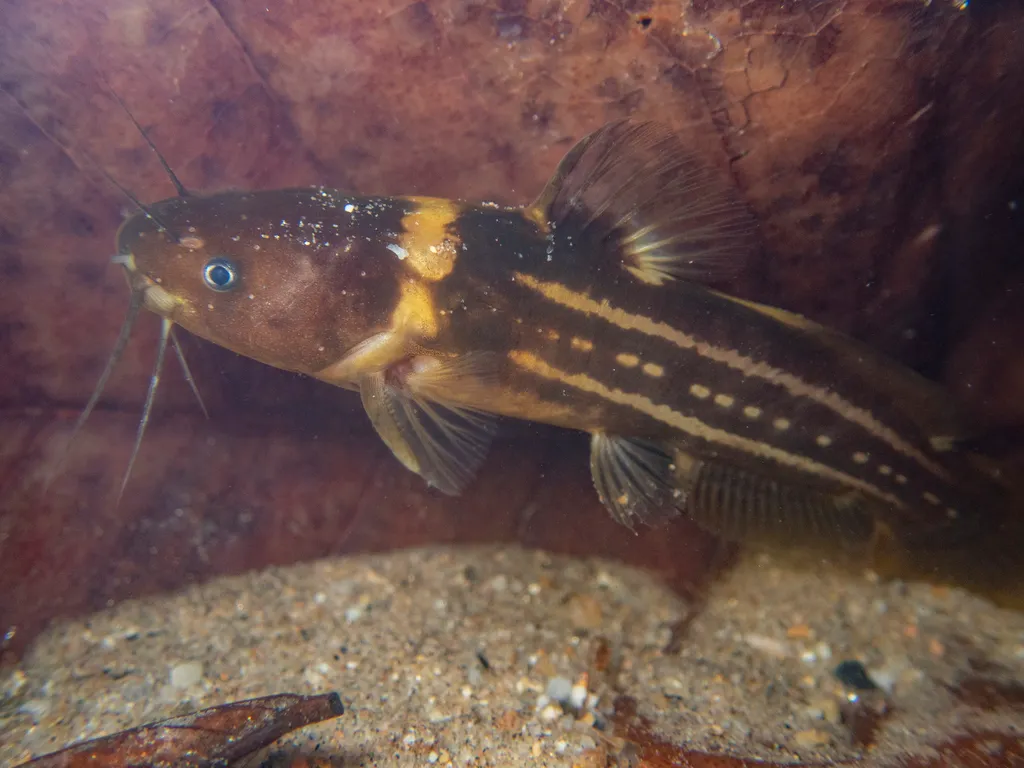
Three-lined bagrid
Tachysurus trilineatus
Freshwater3.1 in (8 cm) · 30 gal (112 L)64–77°F (18–25°C)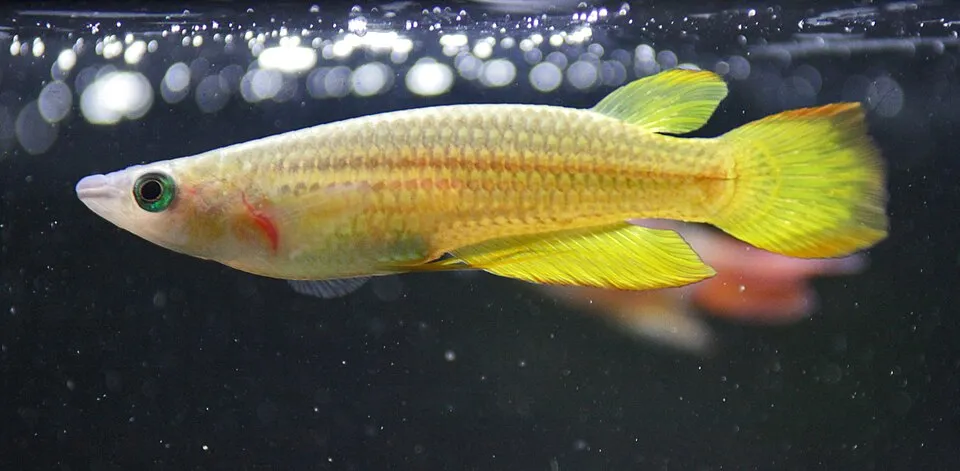
Striped panchax
Aplocheilus lineatus
Freshwater4.3 in (11 cm) · 30 gal (115 L)72–77°F (22–25°C)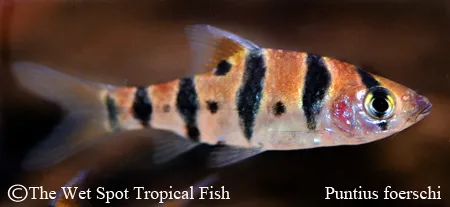
Foersch's barb
Desmopuntius foerschi
Freshwater3.1 in (8 cm) · 29 gal (110 L)73–82°F (23–28°C)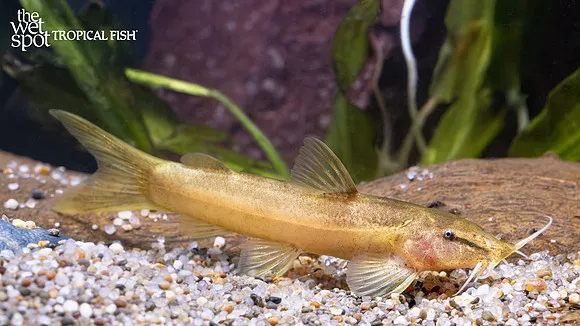
Kuhli cat
Amphilius platychir
Freshwater4.3 in (11 cm) · 30 gal (112 L)68–77°F (20–25°C)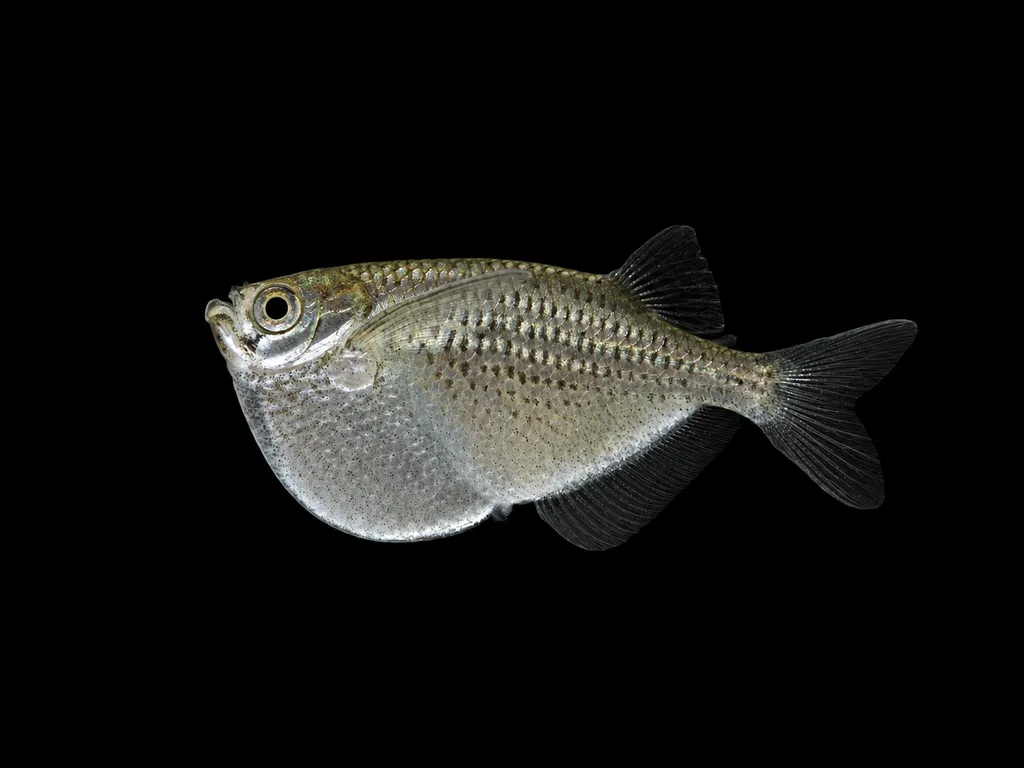
Silver hatchetfish
Gasteropelecus levis
Freshwater1.4 in (3.5 cm) · 30 gal (112 L)73–82°F (23–28°C)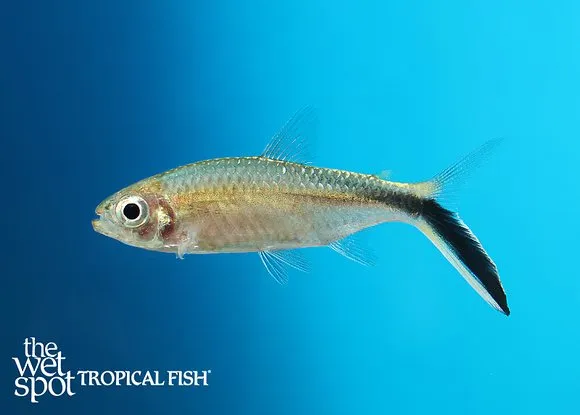
True penguin tetra
Thayeria obliqua
Freshwater3 in (7.6 cm) · 29 gal (110 L)73–82°F (23–28°C)
Common questions
What size tank does a Moolenburgh's glass catfish need?
A Moolenburgh's glass catfish needs at least 30 gal (112 L). It spends most of its time in the middle.
What temperature and pH does a Moolenburgh's glass catfish need?
A Moolenburgh's glass catfish is comfortable at 73–82°F (23–28°C) with a pH of 6.0–7.5.
What does a Moolenburgh's glass catfish eat?
A Moolenburgh's glass catfish eats small foods from the water column, such as frozen daphnia, cyclops, baby brine shrimp and chopped bloodworm. It also takes fine dried foods, and it readily accepts prepared diets once settled.
How big does a Moolenburgh's glass catfish get?
An adult Moolenburgh's glass catfish reaches about 3.9 in (10 cm).
Does a Moolenburgh's glass catfish need a group?
Yes. A Moolenburgh's glass catfish is a schooling species and should be kept in a group, not singly.
Related species
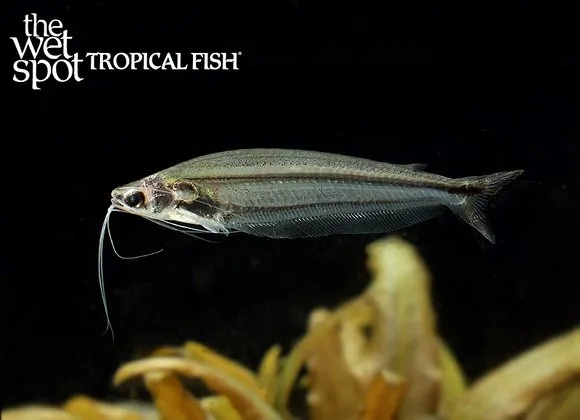
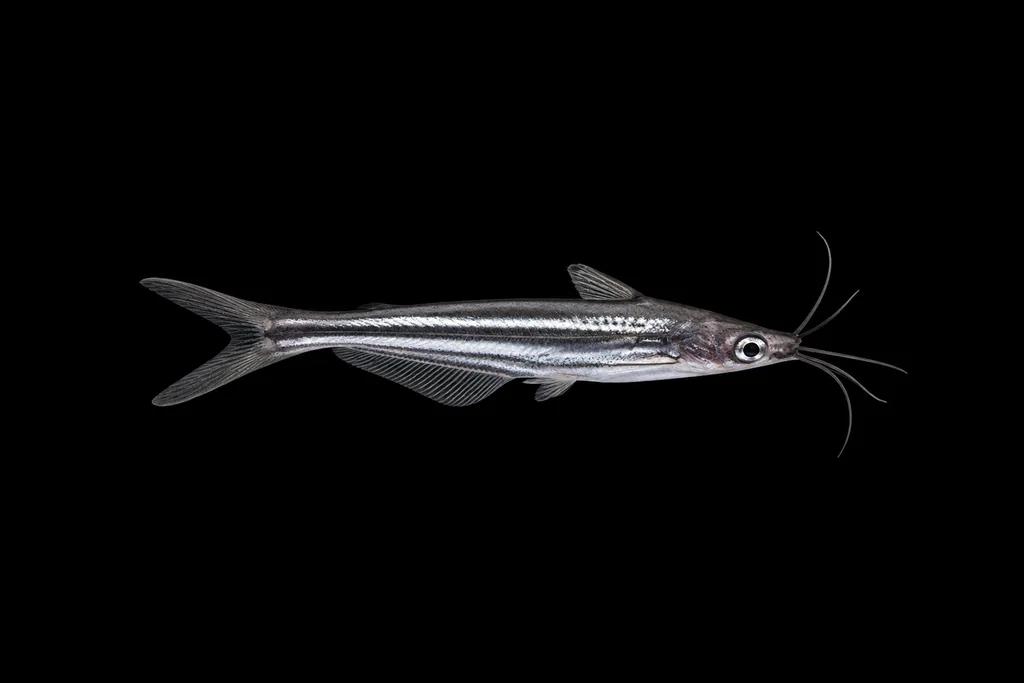 4.3 in (11 cm)30 gal (112 L)73–82°F (23–28°C)
Mini shark cat
Pseudeutropius brachypopterus
4.3 in (11 cm) · 30 gal (112 L)
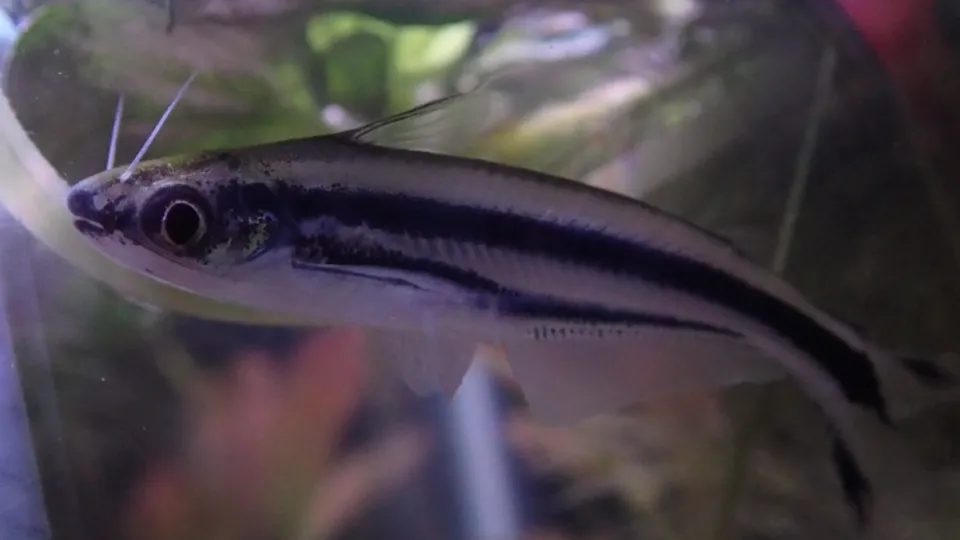
 4.7 in (12 cm)40 gal (150 L)73–82°F (23–28°C)
African glass cat
Parailia pellucida
4.7 in (12 cm) · 40 gal (150 L)
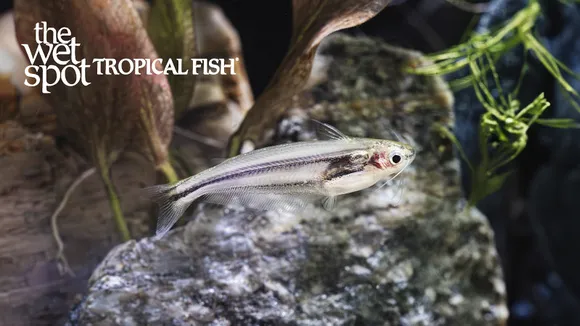
 3.1 in (8 cm)20 gal (75 L)75–82°F (24–28°C)
Three-striped African catfish
Pareutropius buffei
3.1 in (8 cm) · 20 gal (75 L)
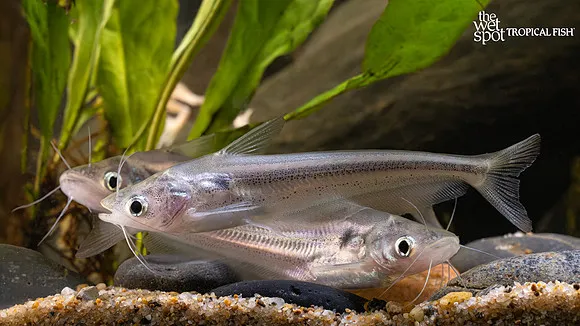
 5.1 in (13 cm)40 gal (150 L)73–82°F (23–28°C)
Debauwi cat
Pareutropius debauwi
5.1 in (13 cm) · 40 gal (150 L)
 19.7 in (50 cm)264 gal (1,000 L)73–82°F (23–28°C)
African butter catfish
Schilbe intermedius
19.7 in (50 cm) · 264 gal (1,000 L)
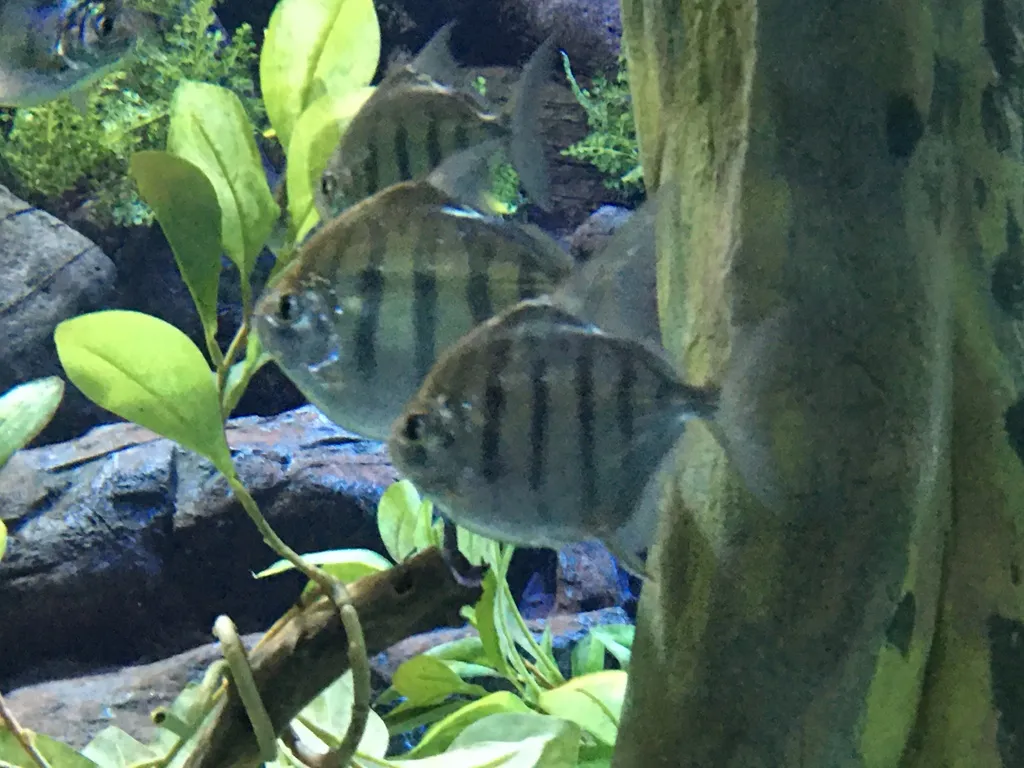 3.9 in (10 cm)70 gal (265 L)75–82°F (24–28°C)
Banded silver dollar
Metynnis fasciatus
3.9 in (10 cm) · 70 gal (265 L)