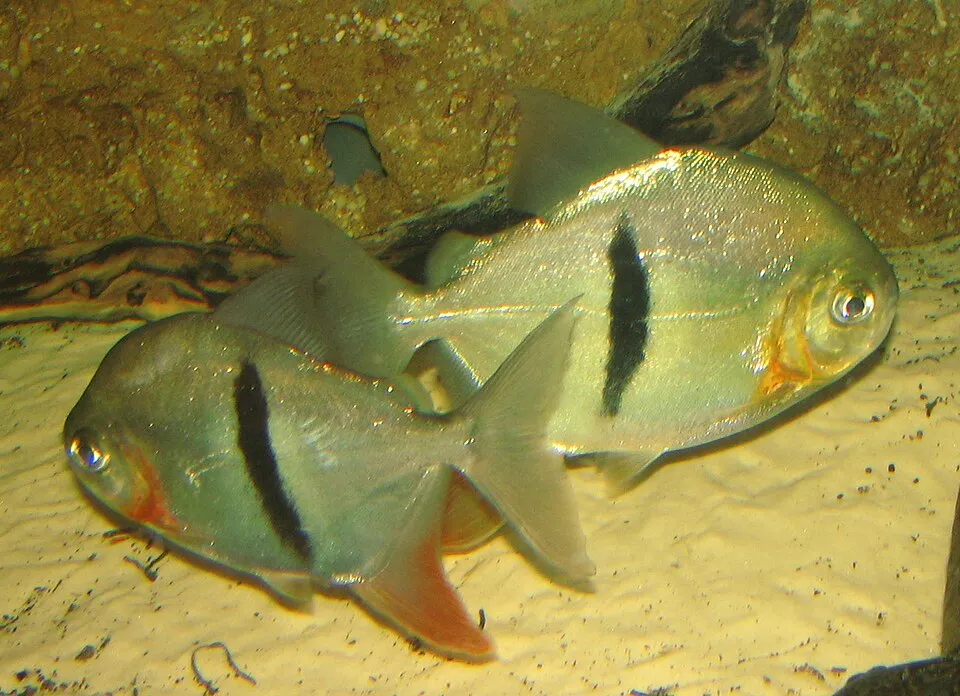
Banded silver dollar
Metynnis fasciatus
Also known as Banded metynnis, Tiger silver dollar
FreshwaterFish
Care at a glance
- Temperature
- 75–82°F
- 24–28°C
- pH
- 5.5–7.2
- Adult size
- 3.9 in
- 10 cm
- Minimum tank
- 70 gal
- 265 L
- Temperament
- Peaceful
- Social behavior
- Schooling
- Swim level
- Middle
- Diet
- Herbivore
- Difficulty
- Medium
- Breeding
- No record
- Rarity
- Common
- Family
- Serrasalmidae
- Origin
- Lower Amazon tributaries, Brazil
Overview
The banded silver dollar is a barred schooling fish for the middle of a large community tank. It takes a little experience to keep well.
Did you know
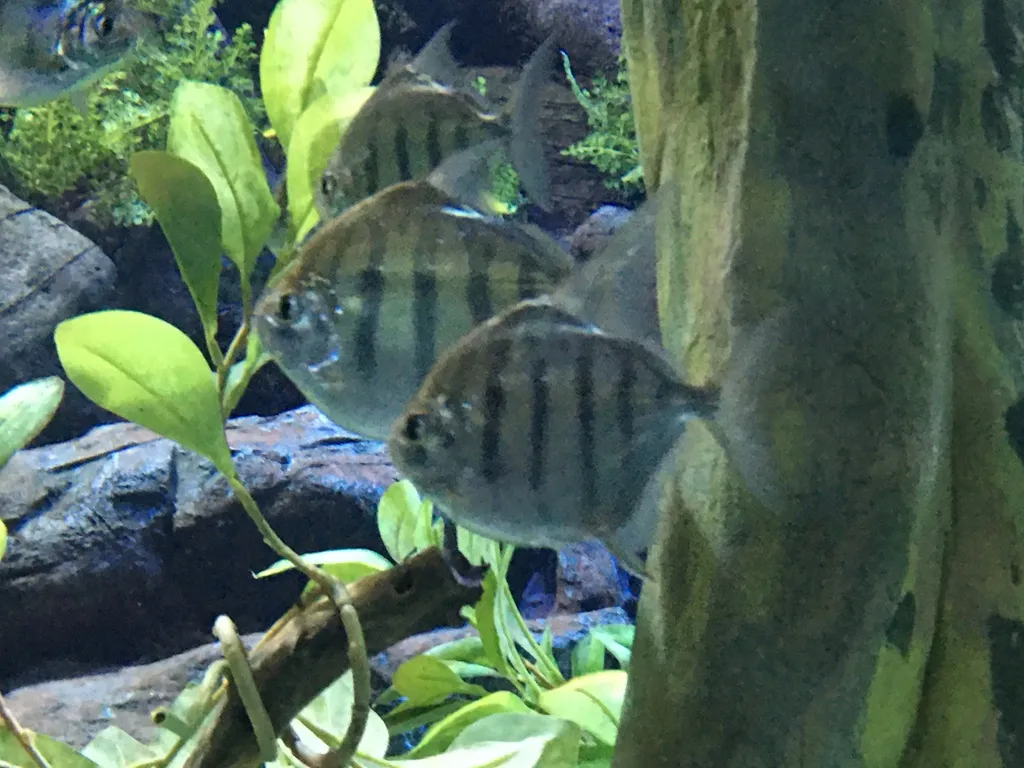
The banded silver dollar's bars strengthen and fade with mood and light. A single fish can flicker between striped and plain.
Caring for the banded silver dollar
Keep banded silver dollars as a school of six or more, in at least 70 gal (265 L) with height as well as length. Give them open swimming space and subdued lighting.
Keep the water at 75 to 82°F (24 to 28°C), with a pH of 5.5 to 7.2. The banded silver dollar is a committed herbivore. Feed spirulina flake, blanched vegetables and vegetable-based pellets, and accept that it will eat any soft plant in the tank.
It is peaceful and suits larger community fish. A group is far calmer than two or three fish, which spook and crash into the glass.
Good to know
The banded silver dollar, Metynnis fasciatus, carries a series of narrow vertical bars, which sets it apart from the plain-sided silver dollars usually sold. Like other serrasalmids in the family Serrasalmidae, it is a close relative of the piranhas. Unlike them, it has grinding, molar-like teeth for plant material rather than shearing ones. It also goes by banded metynnis and tiger silver dollar.
In the wild
The banded silver dollar lives in lower Amazon tributaries in Brazil. The water there is warm and runs soft to neutral, among submerged branches and vegetation.
Weekly picks
Tank mates
The banded silver dollar is a peaceful, schooling species that keeps to the middle. These picks share a community profile with it, are safe together in both directions, and overlap on water type, temperature and pH.
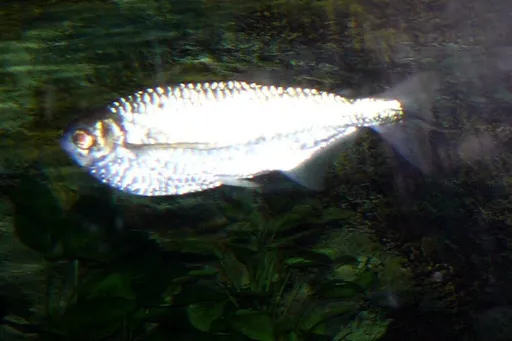
Narrow hatchetfish
Triportheus angulatus
Freshwater9.8 in (25 cm) · 79 gal (300 L)73–82°F (23–28°C)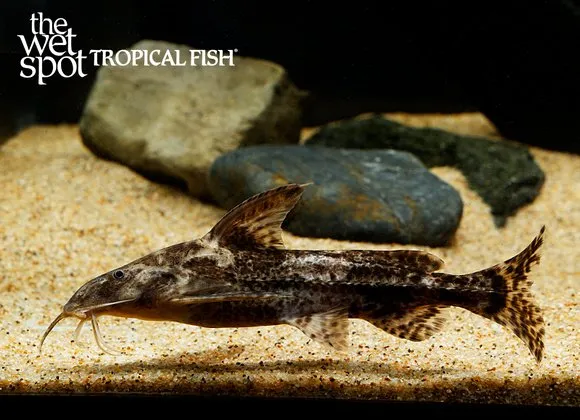
Gallagher's catfish
Rhinodoras gallagheri
Freshwater5.9 in (15 cm) · 70 gal (265 L)73–82°F (23–28°C)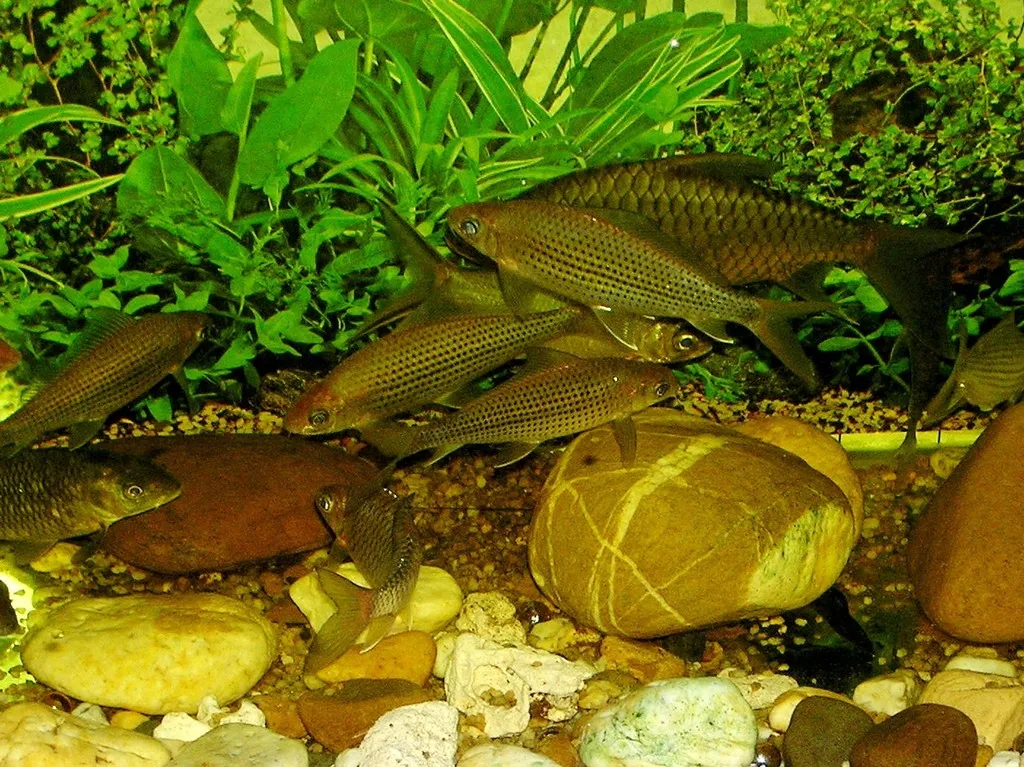
Thinlip sharkminnow barb
Labiobarbus leptocheilus
Freshwater8.7 in (22 cm) · 66 gal (250 L)72–82°F (22–28°C)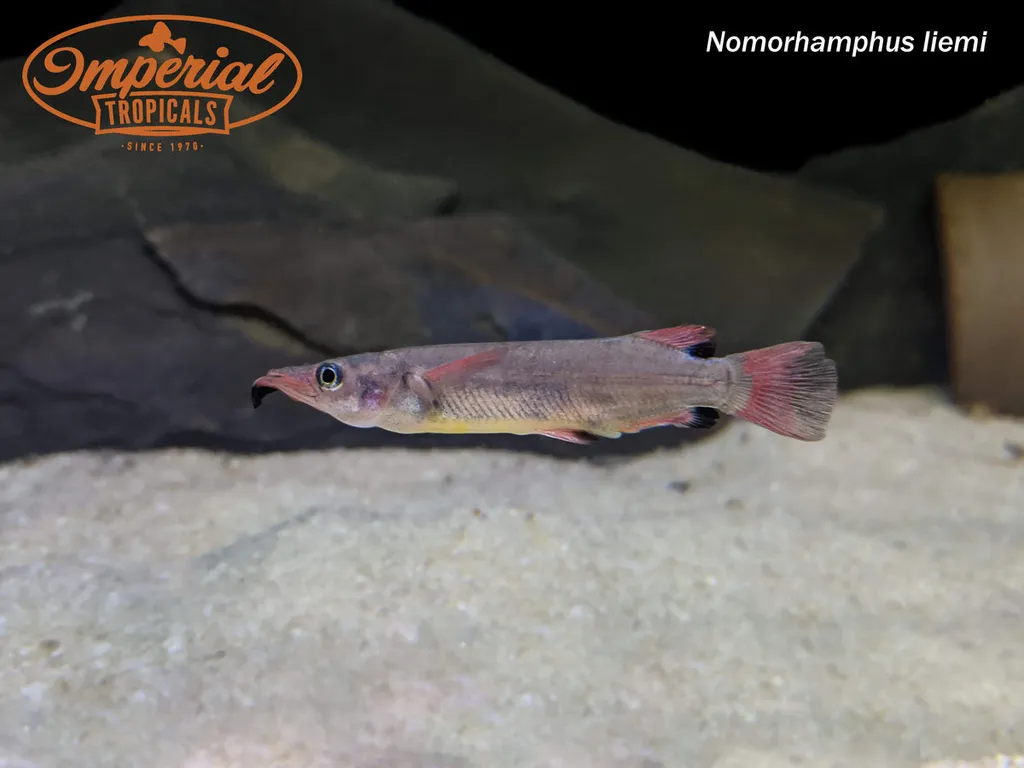
Celebes halfbeak
Nomorhamphus liemi
Freshwater3.5 in (9 cm) · 40 gal (150 L)68–77°F (20–25°C)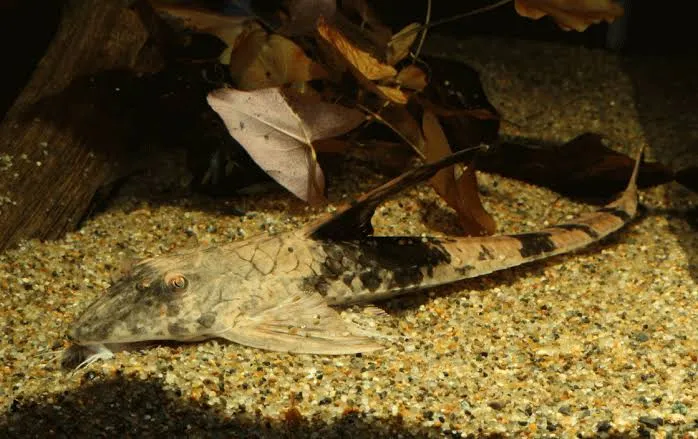
Marble whiptail
Loricaria simillima
Freshwater10.2 in (26 cm) · 66 gal (250 L)75–82°F (24–28°C)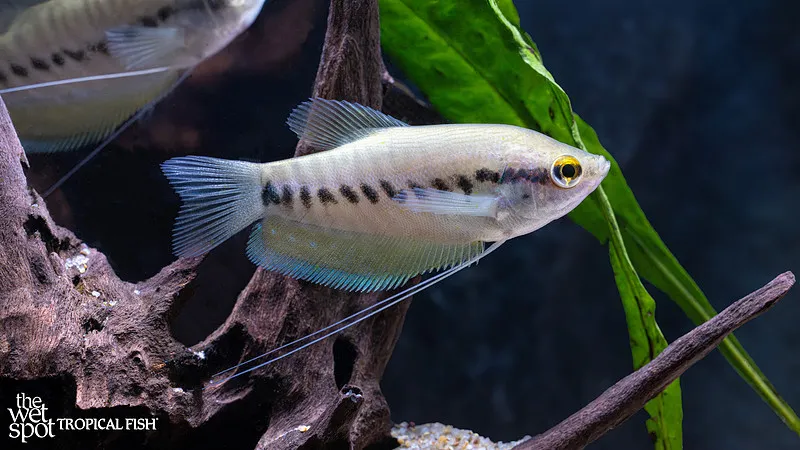
Snakeskin gourami
Trichopodus pectoralis
Freshwater9.8 in (25 cm) · 61 gal (230 L)72–86°F (22–30°C)
Common questions
What size tank does a banded silver dollar need?
A banded silver dollar needs at least 70 gal (265 L). It spends most of its time in the middle.
What temperature and pH does a banded silver dollar need?
A banded silver dollar is comfortable at 75–82°F (24–28°C) with a pH of 5.5–7.2.
What does a banded silver dollar eat?
A banded silver dollar is a committed herbivore. It eats spirulina flake, blanched vegetables and vegetable-based pellets, along with any soft plant in the tank.
How big does a banded silver dollar get?
An adult banded silver dollar reaches about 3.9 in (10 cm).
Does a banded silver dollar need a group?
Yes. A banded silver dollar is a schooling species and should be kept in a group, not singly.
Related species
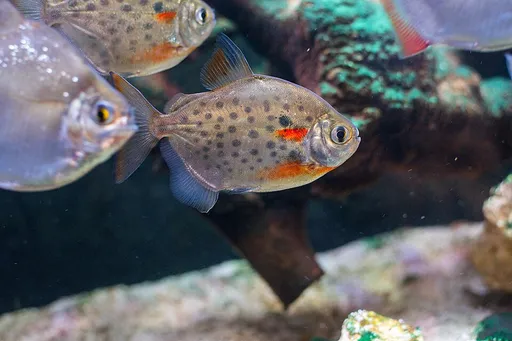 5.5 in (14 cm)53 gal (200 L)73–81°F (23–27°C)
Spotted silver dollar
Metynnis lippincottianus
5.5 in (14 cm) · 53 gal (200 L)
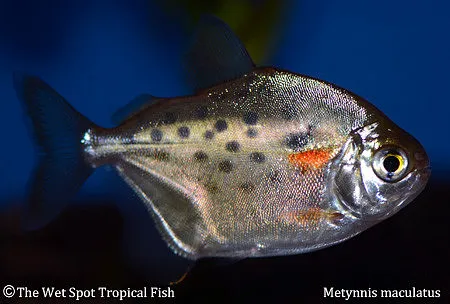 7.1 in (18 cm)92 gal (350 L)73–82°F (23–28°C)
Spotted metynnis
Metynnis maculatus
7.1 in (18 cm) · 92 gal (350 L)
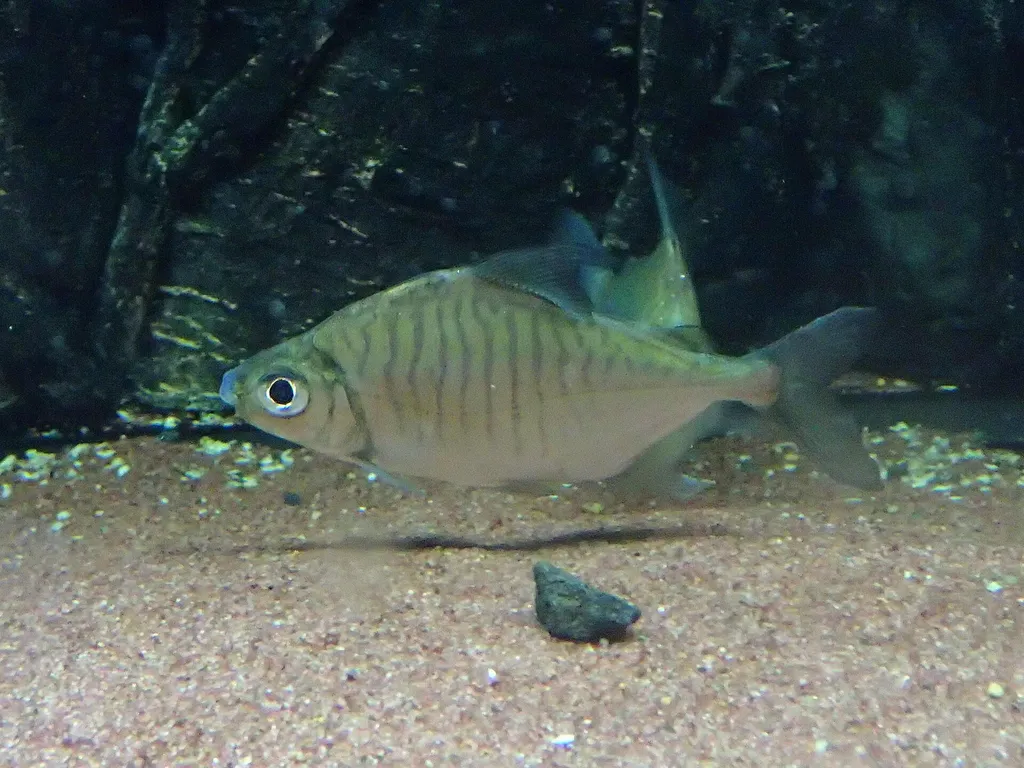 5.1 in (13 cm)46 gal (175 L)72–82°F (22–28°C)
Tiger pacu
Acnodon normani
5.1 in (13 cm) · 46 gal (175 L)
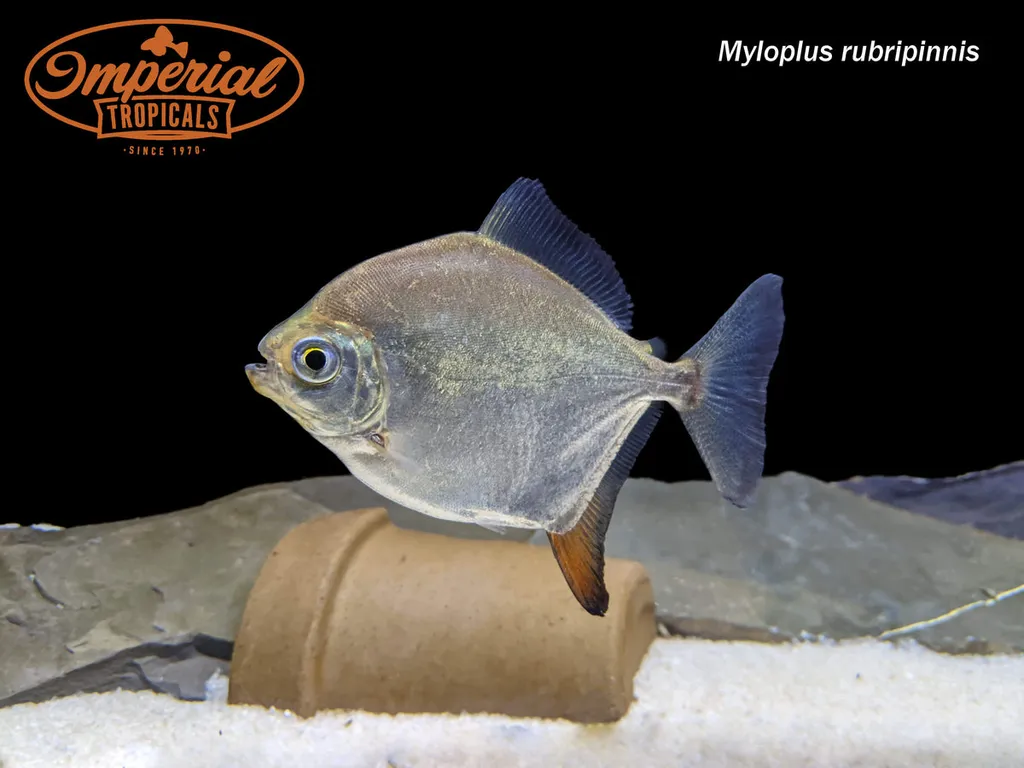 9.8 in (25 cm)70 gal (265 L)73–81°F (23–27°C)
Redhook
Myloplus rubripinnis
9.8 in (25 cm) · 70 gal (265 L)
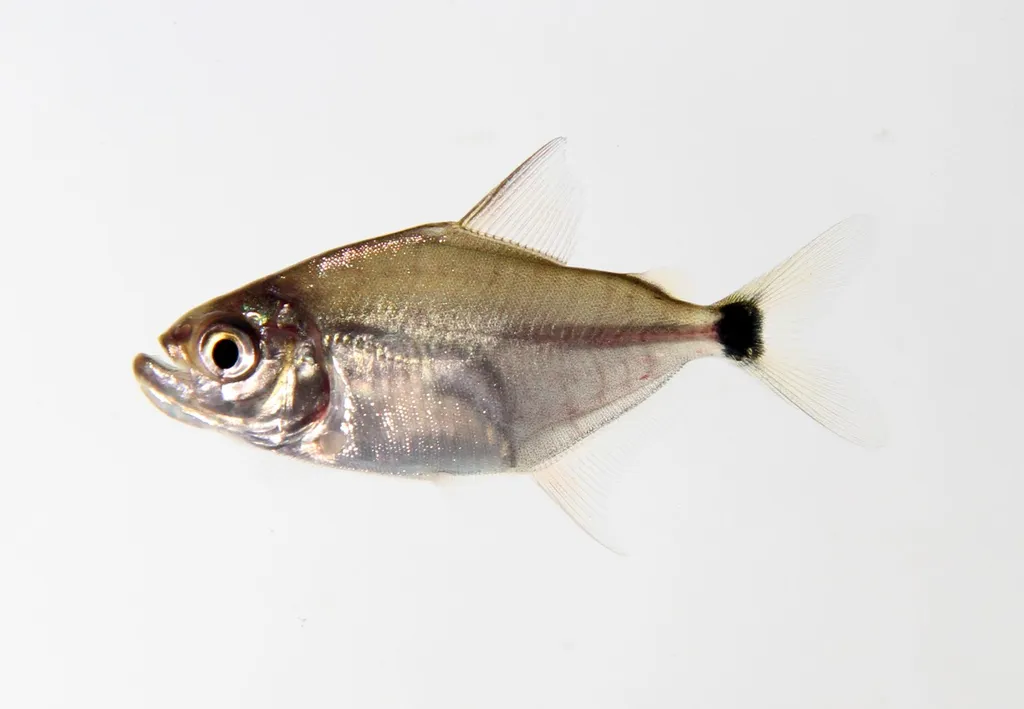 5.9 in (15 cm)53 gal (200 L)75–82°F (24–28°C)
Wimple piranha
Catoprion mento
5.9 in (15 cm) · 53 gal (200 L)
 15.7 in (40 cm)170 gal (645 L)73–81°F (23–27°C)
Disk tetra
Myloplus schomburgkii
15.7 in (40 cm) · 170 gal (645 L)