Kubuna hardyhead
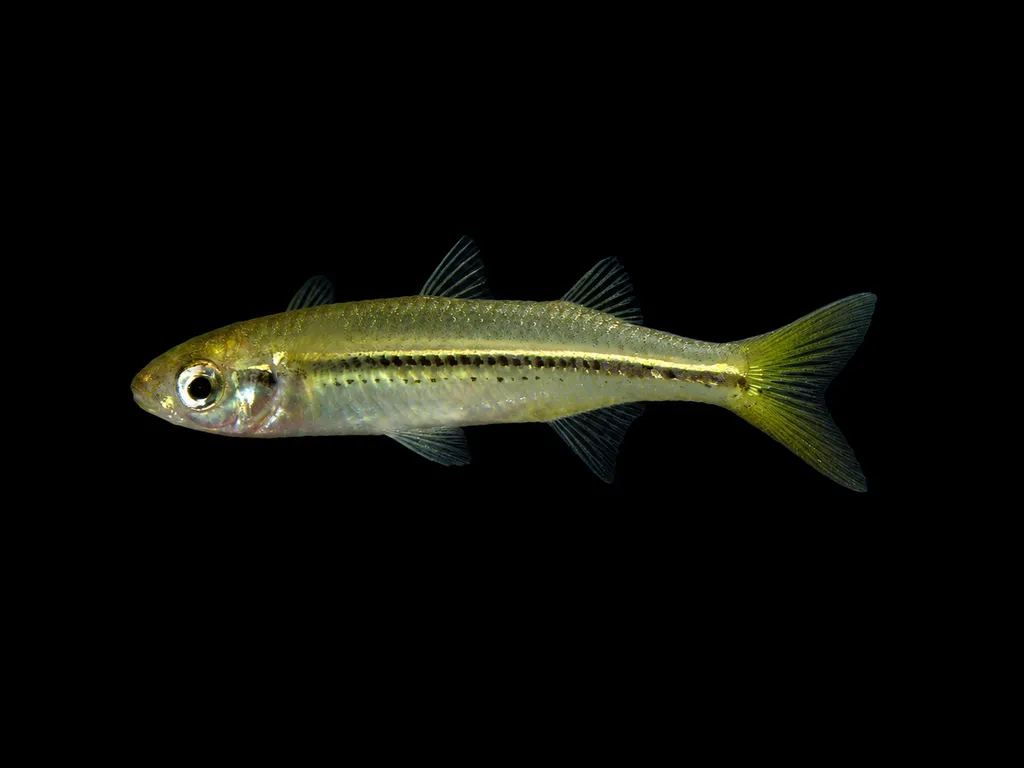
Craterocephalus randi
Also known as Australian hardy head, Rand's hardyhead
FreshwaterFish
Care at a glance
- Temperature
- 72–82°F
- 22–28°C
- pH
- 6.8–7.8
- Adult size
- 3.1 in
- 8 cm
- Minimum tank
- 30 gal
- 112 L
- Temperament
- Peaceful
- Social behavior
- Schooling
- Swim level
- Middle
- Difficulty
- Medium
- Breeding
- Egg depositor · Medium
- Rarity
- Rare
- Family
- Atherinidae
- Origin
- Southern New Guinea rivers
Overview
The Kubuna hardyhead is an active, peaceful silverside for a calm community tank. It suits keepers with a little experience.
Did you know
The Kubuna hardyhead looks plain beside its rainbowfish cousins, but its two separate dorsal fins give its family away. That twin-fin silverside feature places the hardyheads right next to the rainbowfishes on the family tree.
Caring for the Kubuna hardyhead
Keep Kubuna hardyheads in a group of six or more, in a tank of at least 30 gal (112 L) with open midwater to cruise. Use a soft sand base with some driftwood and plants. Add a gentle current from a filter return or small powerhead for oxygen.
Keep the water clean and well filtered, at 72 to 82°F (22 to 28°C) and a pH of 6.8 to 7.8. This genus is sensitive to poor water quality, so make regular partial water changes.
Kubuna hardyheads pick small foods from the water and off plants. Offer flake, micro pellets and small frozen foods such as daphnia and mosquito larvae. Single fish or tiny groups turn nervous and fade, while a proper shoal stays out and busy. They are peaceful and mix well with other calm fish of a similar size, such as rainbowfish, gobies and glassfish.
Breeding them is moderately challenging. Like its relatives, the Kubuna hardyhead attaches small eggs to fine plants and trailing roots over a long spawning period.
Good to know
Craterocephalus randi belongs to Atherinidae, the hardyheads and silversides. It is a slim, pewter-toned fish, also known as Rand's hardyhead or the Australian hardy head.
In the wild
The Kubuna hardyhead comes from clear rivers, streams and lakes across southern New Guinea. It lives over beds of sand, mud and rock.
Weekly picks
Tank mates
The Kubuna hardyhead is a peaceful, schooling species that keeps to the middle. These picks share a community profile with it, are safe together in both directions, and overlap on water type, temperature and pH.
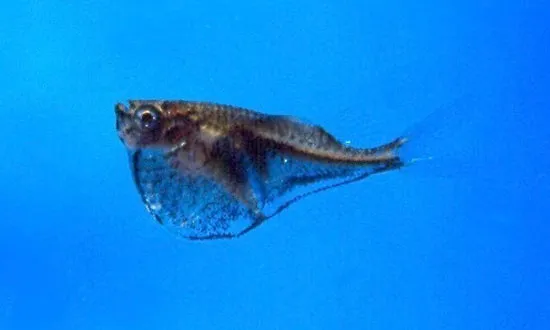
Blackwing hatchetfish
Carnegiella marthae
Freshwater1.4 in (3.5 cm) · 30 gal (115 L)68–82°F (20–28°C)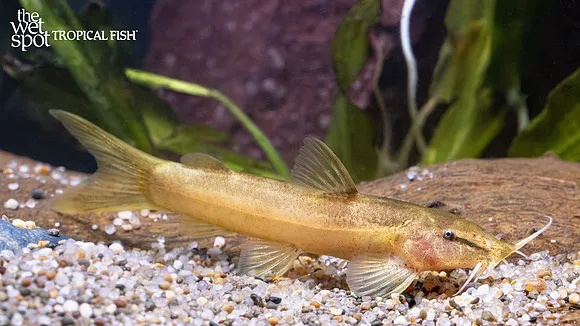
Kuhli cat
Amphilius platychir
Freshwater4.3 in (11 cm) · 30 gal (112 L)68–77°F (20–25°C)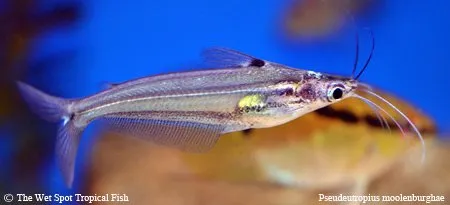
Moolenburgh's glass catfish
Pseudeutropius moolenburghae
Freshwater3.9 in (10 cm) · 30 gal (112 L)73–82°F (23–28°C)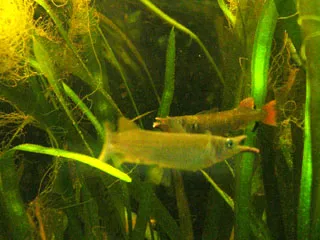
Redfin halfbeak
Nomorhamphus ebrardtii
Freshwater3.5 in (9 cm) · 29 gal (110 L)75–81°F (24–27°C)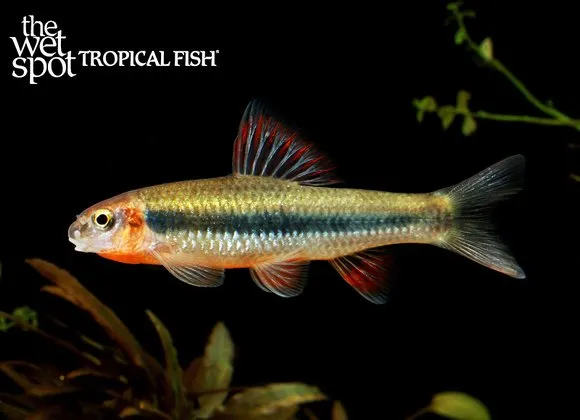
Neon golden-stripe shark
Sarcocheilichthys parvus
Freshwater3.5 in (9 cm) · 30 gal (112 L)61–75°F (16–24°C)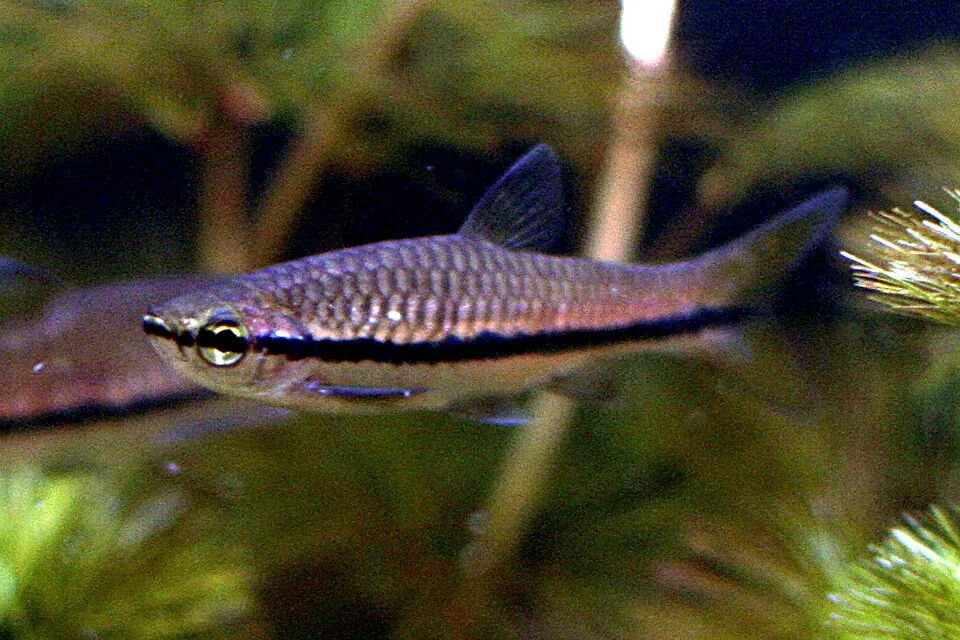
Brilliant rasbora
Rasbora einthovenii
Freshwater3.5 in (9 cm) · 29 gal (110 L)72–82°F (22–28°C)
Common questions
What size tank does a Kubuna hardyhead need?
A Kubuna hardyhead needs at least 30 gal (112 L). It spends most of its time in the middle.
What temperature and pH does a Kubuna hardyhead need?
A Kubuna hardyhead is comfortable at 72–82°F (22–28°C) with a pH of 6.8–7.8.
What does a Kubuna hardyhead eat?
A Kubuna hardyhead picks small foods from the water and off plants. Feed it flake, micro pellets and small frozen foods such as daphnia and mosquito larvae.
How big does a Kubuna hardyhead get?
An adult Kubuna hardyhead reaches about 3.1 in (8 cm).
Does a Kubuna hardyhead need a group?
Yes. A Kubuna hardyhead is a schooling species and should be kept in a group, not singly.
How does a Kubuna hardyhead breed?
Kubuna hardyheads attach small eggs to fine plants and trailing roots over a long spawning period. Breeding them is moderately challenging.
Related species
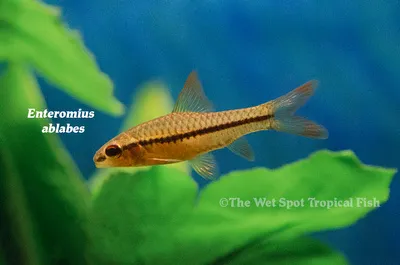 3.1 in (8 cm)24 gal (90 L)72–81°F (22–27°C)
Ablabes barb
Enteromius ablabes
3.1 in (8 cm) · 24 gal (90 L)
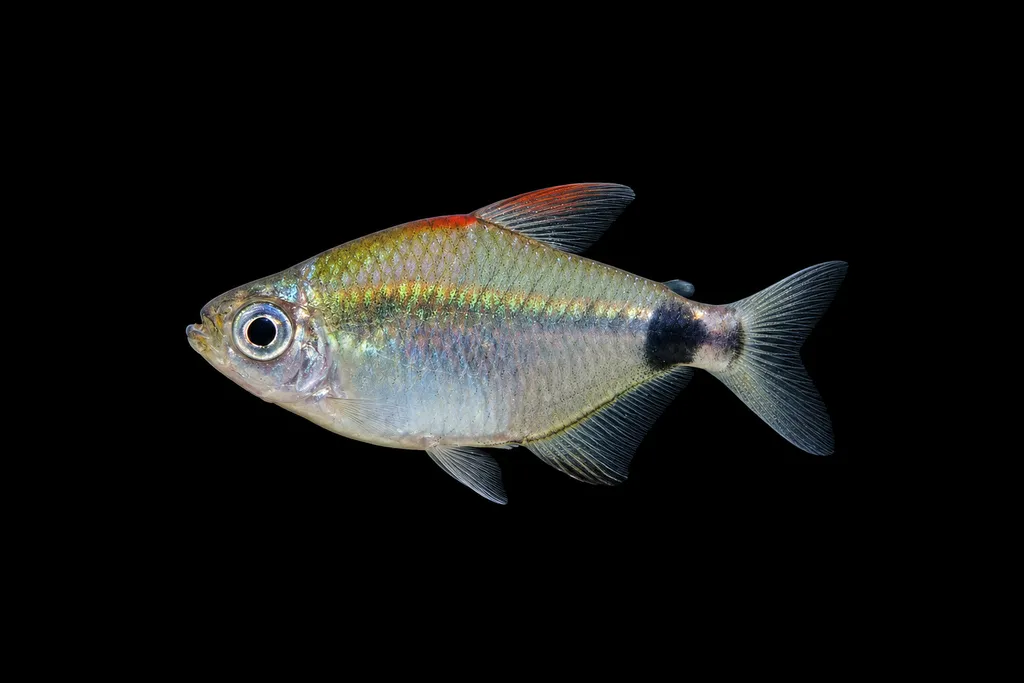 3.1 in (8 cm)22 gal (85 L)72–77°F (22–25°C)
African moon tetra
Bathyaethiops caudomaculatus
3.1 in (8 cm) · 22 gal (85 L)
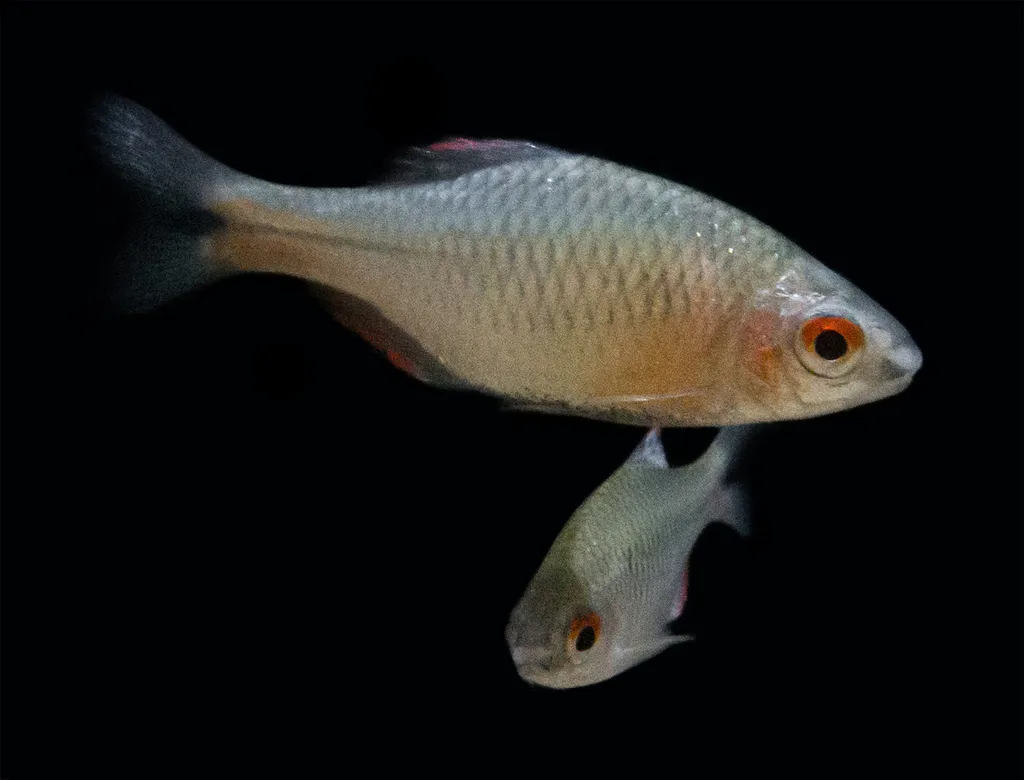 3.1 in (8 cm)30 gal (112 L)57–79°F (14–26°C)
Blue Amur bitterling
Paracheilognathus himantegus
3.1 in (8 cm) · 30 gal (112 L)
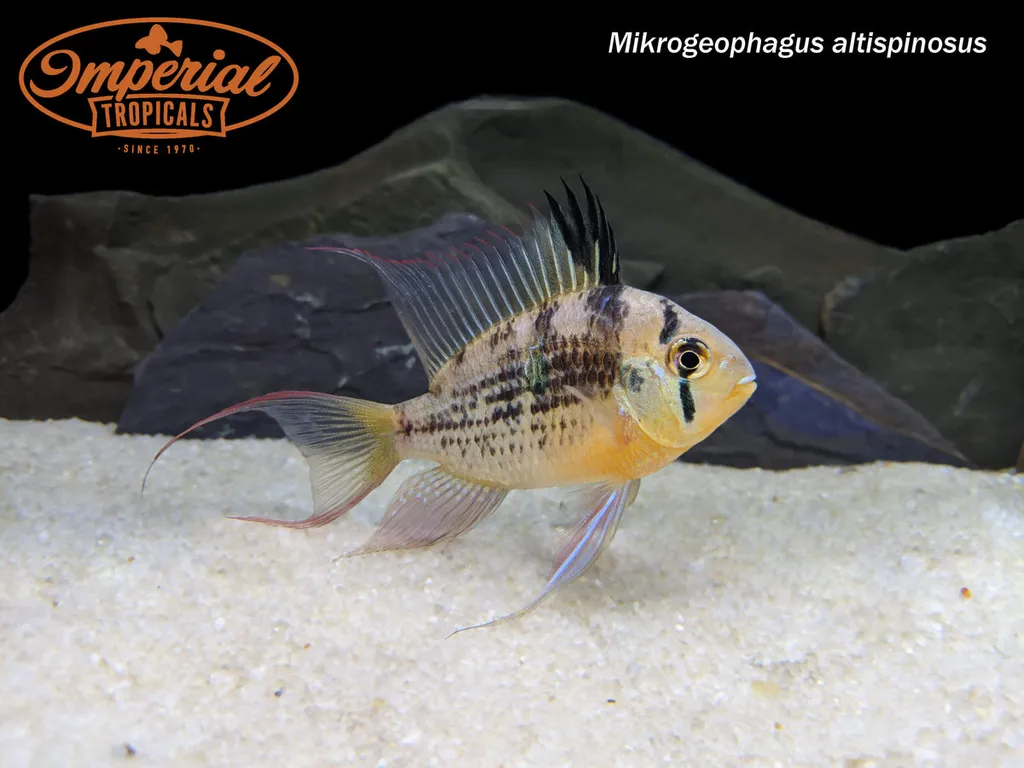 3.1 in (8 cm)45 gal (170 L)75–82°F (24–28°C)
Bolivian ram
Mikrogeophagus altispinosus
3.1 in (8 cm) · 45 gal (170 L)
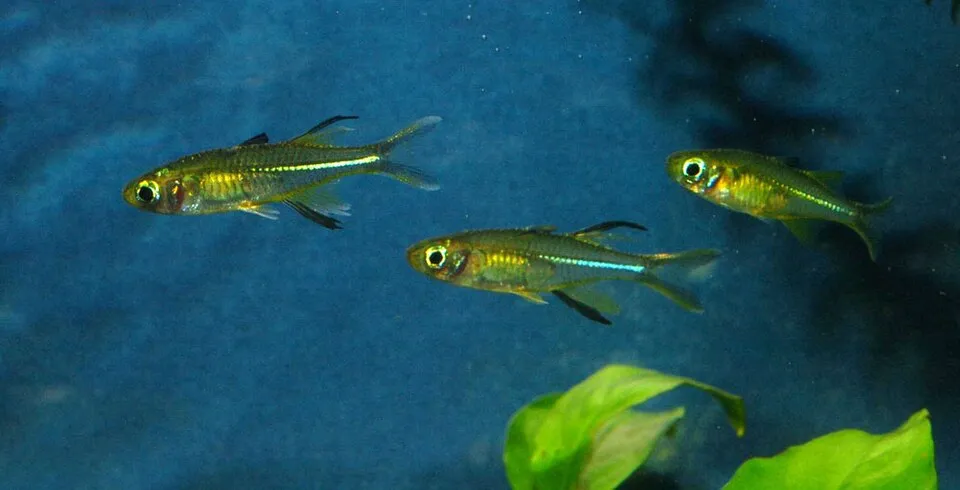 3.1 in (8 cm)25 gal (95 L)72–82°F (22–28°C)
Celebes rainbow
Marosatherina ladigesi
3.1 in (8 cm) · 25 gal (95 L)
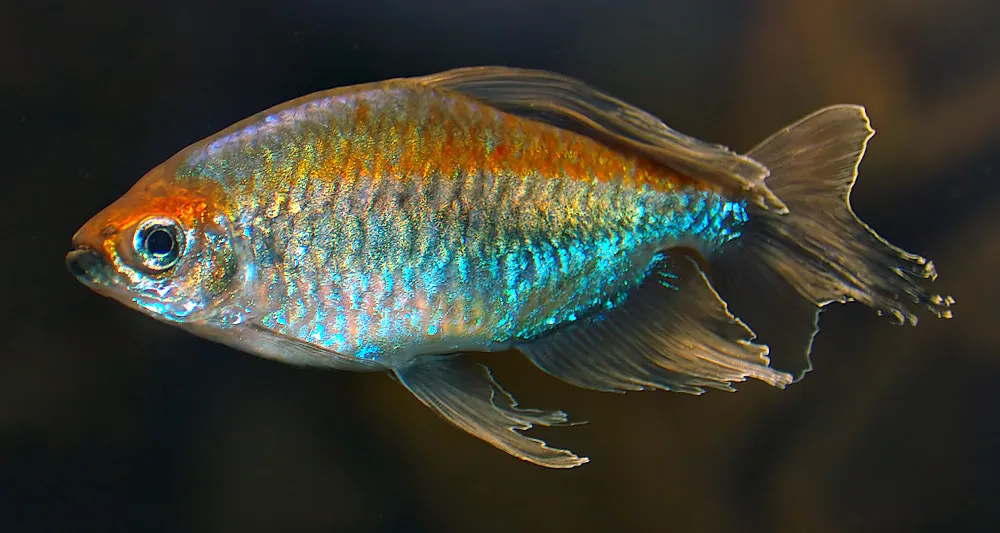 3.1 in (8 cm)24 gal (90 L)73–82°F (23–28°C)
Congo tetra
Phenacogrammus interruptus
3.1 in (8 cm) · 24 gal (90 L)