Variety of Blue acara
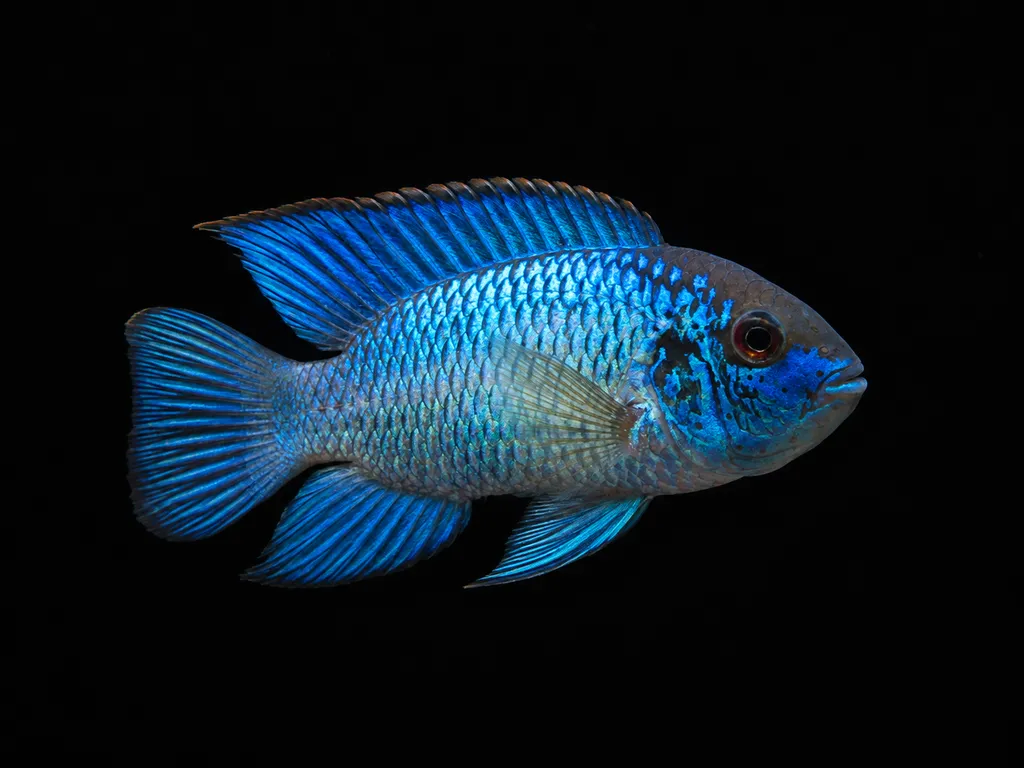
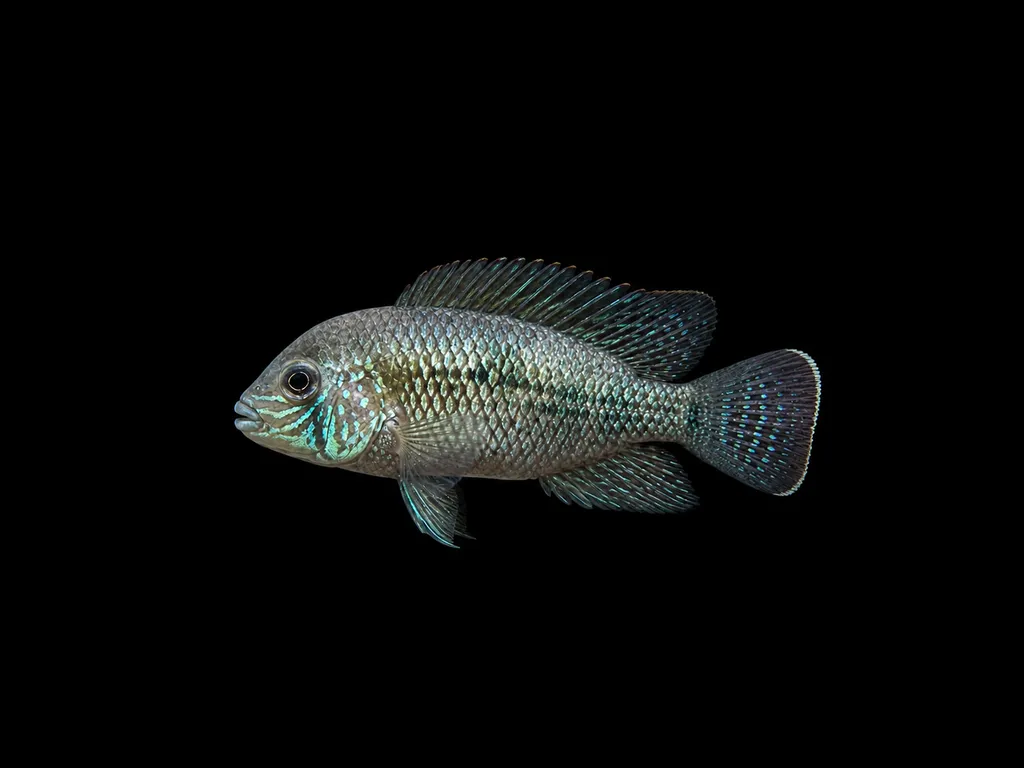
Electric blue acara
Andinoacara pulcher
The named variety of Andinoacara pulcher · See the species →
FreshwaterFish
Care at a glance
- Temperature
- 72–82°F
- 22–28°C
- pH
- 6.5–8.0
- Adult size
- 5.9 in
- 15 cm
- Minimum tank
- 42 gal
- 160 L
- Temperament
- Mostly peaceful
- Social behavior
- Social
- Swim level
- Middle
- Difficulty
- Medium
- Breeding
- Medium
- Rarity
- Common
- Family
- Cichlidae
Overview
The electric blue is the same species as a plain blue acara with solid metallic blue laid over the body. Breeders report slower development and slower growth, so shop fish tend to run small for their age. Color depth varies between suppliers, and it usually costs more than the plain fish.
In the wild
The origin of this line is disputed, and no fish like it lives in the wild. It reached the trade through Asian fish farms, and nobody on that end has published how it was produced, which is why hobby accounts disagree. The usual story is a cross with the electric blue ram followed by line breeding, but it is unproven and widely doubted, because the two fish sit in different branches of the cichlid family. Sellers hedge by listing the fish as Andinoacara pulcher hybrid.
Good to know
Breeding reports have the blue behaving as a recessive trait. Blue to blue gives all blue fry, while blue crossed to a standard acara gives normal looking carriers. Keepers also report weaker, slower developing fry from blue to blue pairs, the usual argument for outcrossing every few generations. No gene has been named for the color.
Did you know
Because the trait hides in normal looking fish, a plain blue acara out of an electric blue line can throw blue fry a generation later. Nobody can pick the carriers out by eye, shops included.
Weekly picks
Tank mates
Electric blue acara is a mostly peaceful, social species that keeps to the middle. These picks share a community profile with it, are safe together in both directions, and overlap on water type, temperature and pH.
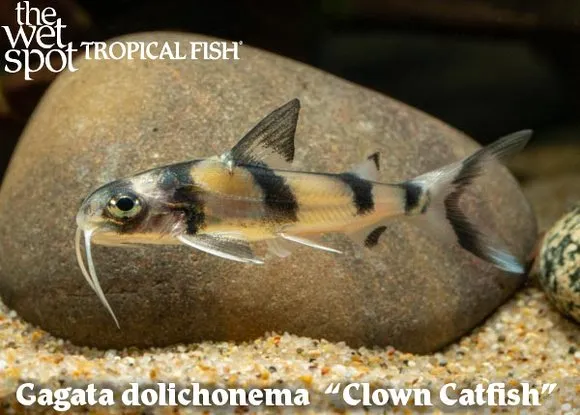
Clown gagata catfish
Gagata dolichonema
Freshwater5.1 in (13 cm) · 42 gal (160 L)68–79°F (20–26°C)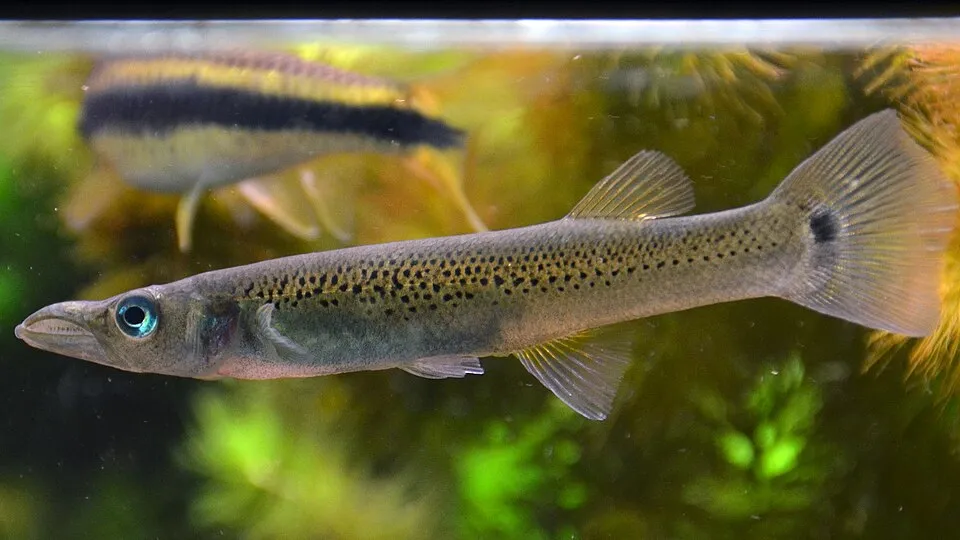
Pike topminnow
Belonesox belizanus
Freshwater7.9 in (20 cm) · 44 gal (165 L)73–82°F (23–28°C)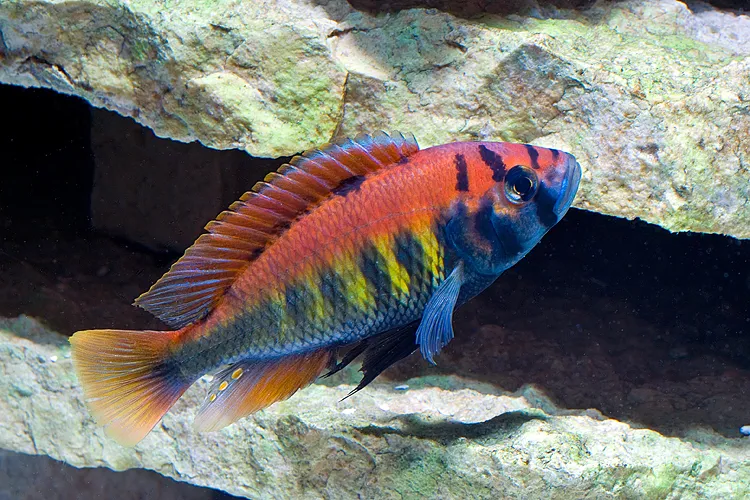
Flameback cichlid
Pundamilia nyererei
Freshwater3.5 in (9 cm) · 42 gal (160 L)73–81°F (23–27°C)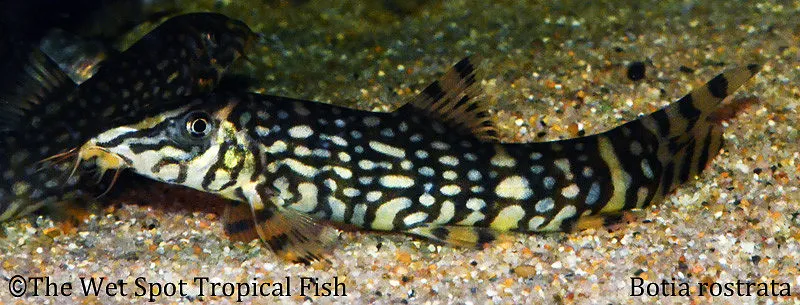
Gangetic loach
Botia rostrata
Freshwater4.7 in (12 cm) · 42 gal (160 L)66–81°F (19–27°C)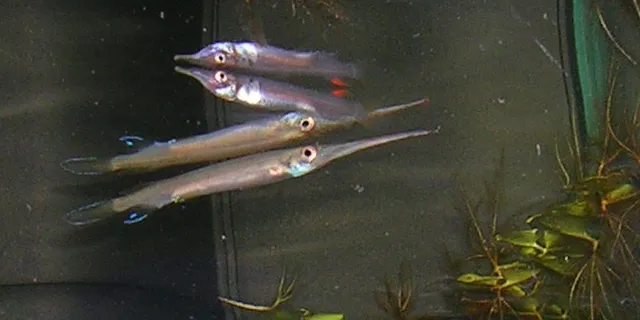
Forest halfbeak
Hemirhamphodon pogonognathus
Freshwater3.5 in (9 cm) · 34 gal (130 L)75–82°F (24–28°C)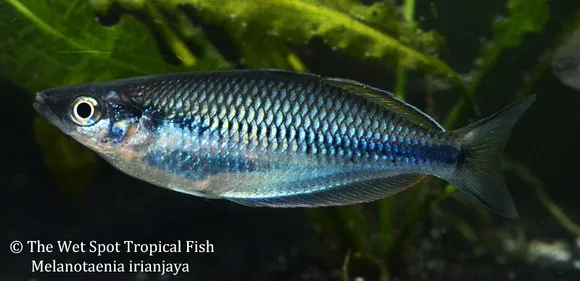
Irian Jaya rainbowfish
Melanotaenia irianjaya
Freshwater3.9 in (10 cm) · 42 gal (160 L)75–84°F (24–29°C)
Common questions
Is an Electric blue acara a different species from the Blue acara?
No. An Electric blue acara is a variety of the Blue acara, Andinoacara pulcher, and it wants the same tank, water and food as the species.
What size tank does an Electric blue acara need?
An Electric blue acara needs at least 42 gal (160 L). It spends most of its time in the middle.
How big does an Electric blue acara get?
An adult Electric blue acara reaches about 5.9 in (15 cm).
Related species
 7.9 in (20 cm)74 gal (280 L)68–79°F (20–26°C)
Silver saum
Andinoacara stalsbergi
7.9 in (20 cm) · 74 gal (280 L)
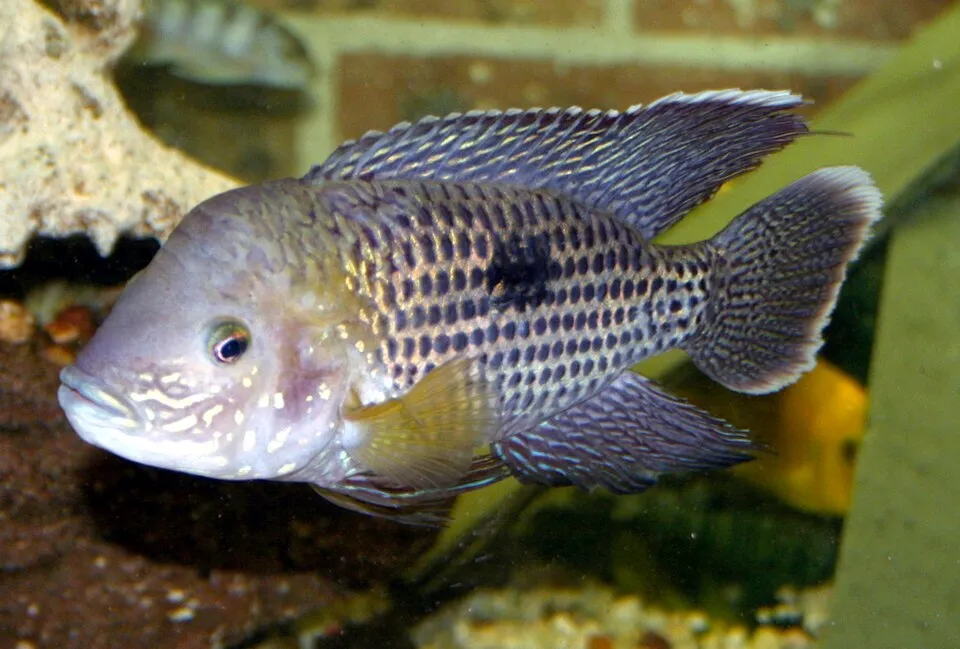 11.8 in (30 cm)75 gal (285 L)68–75°F (20–24°C)
Gold saum
Andinoacara rivulatus
11.8 in (30 cm) · 75 gal (285 L)
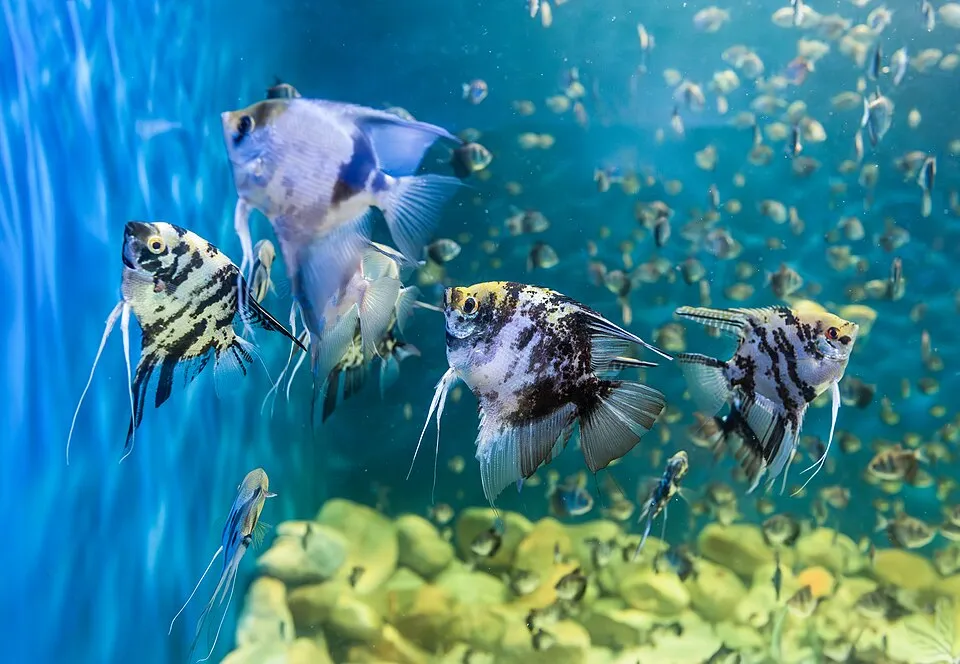 5.9 in (15 cm)30 gal (115 L)75–86°F (24–30°C)
Angelfish
Pterophyllum scalare
5.9 in (15 cm) · 30 gal (115 L)
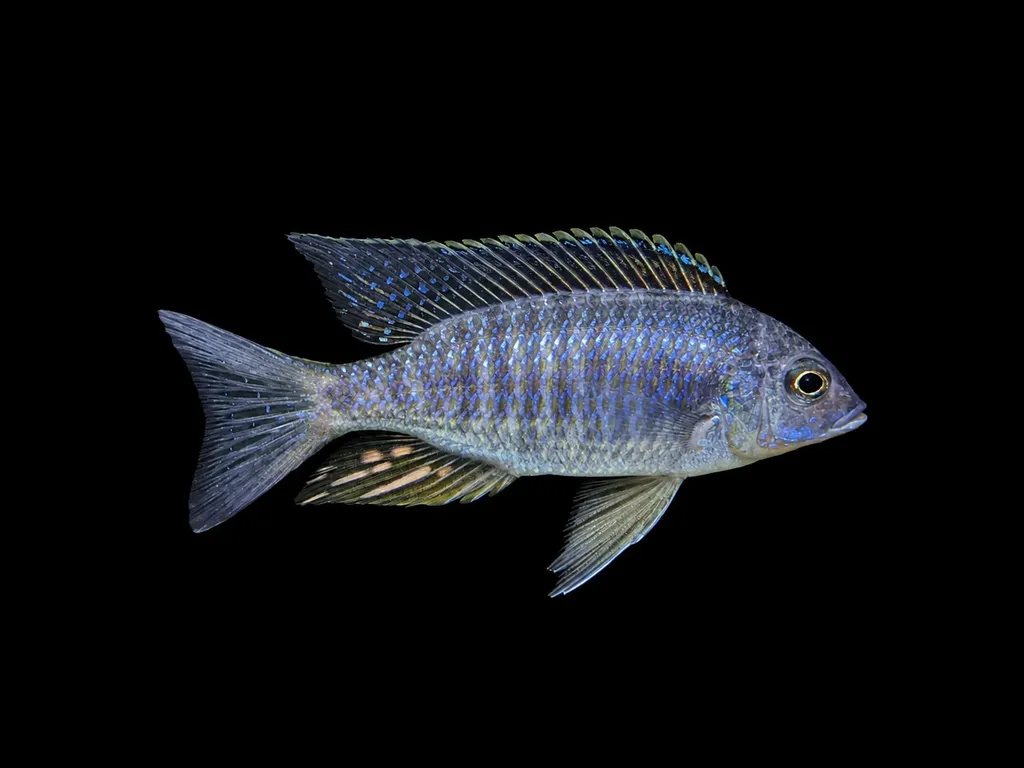 5.9 in (15 cm)70 gal (265 L)75–82°F (24–28°C)
Atripinnis hap
Copadichromis atripinnis
5.9 in (15 cm) · 70 gal (265 L)
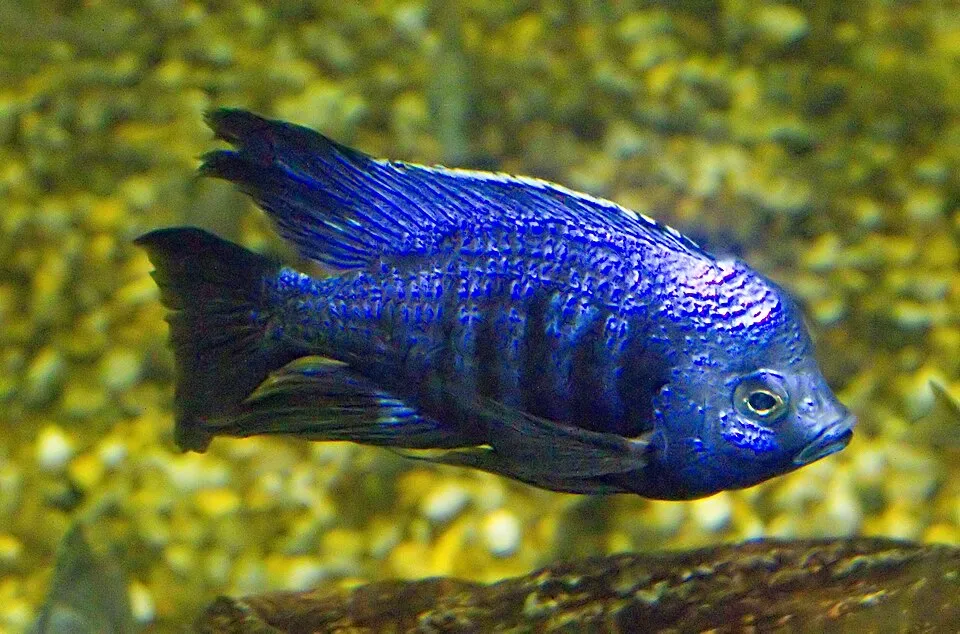 5.9 in (15 cm)79 gal (300 L)77–82°F (25–28°C)
Azureus
Copadichromis azureus
5.9 in (15 cm) · 79 gal (300 L)
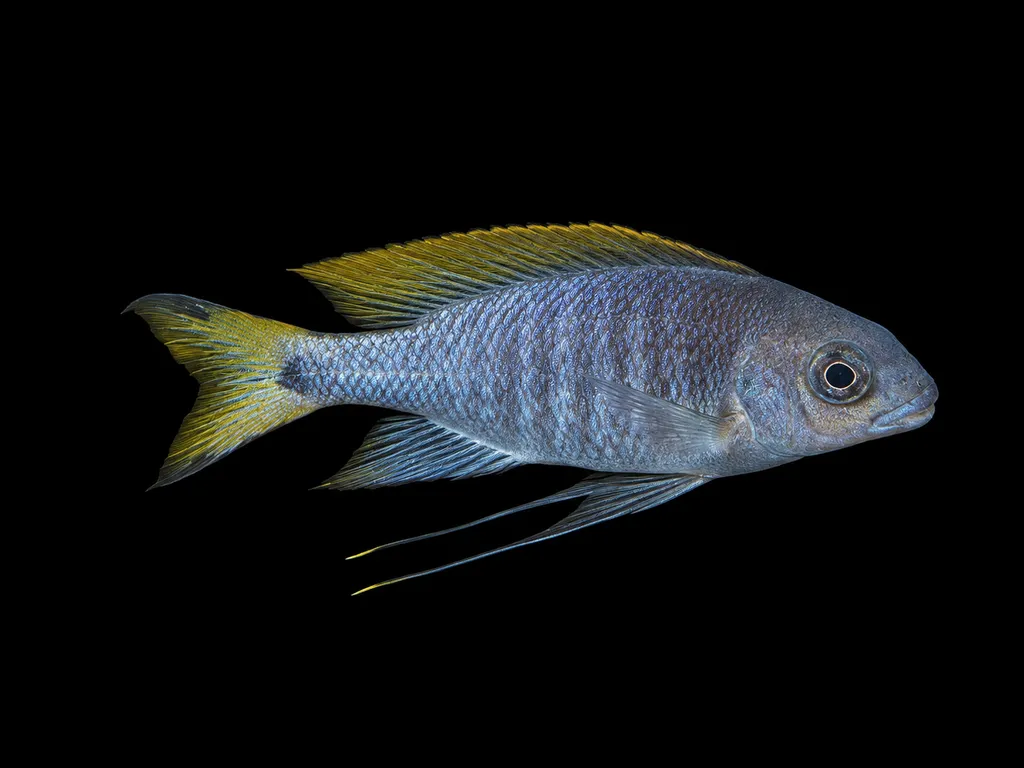 5.9 in (15 cm)106 gal (400 L)75–81°F (24–27°C)
Boops featherfin
Ophthalmotilapia boops
5.9 in (15 cm) · 106 gal (400 L)