Yellow kribensis
Wallaceochromis humilis
Also known as Pelvicachromis humilis
FreshwaterFish
Care at a glance
- Temperature
- 75–81°F
- 24–27°C
- pH
- 6.0–7.5
- Adult size
- 4.9 in
- 12.5 cm
- Minimum tank
- 30 gal
- 115 L
- Temperament
- Mostly peaceful
- Social behavior
- Social
- Swim level
- Middle
- Difficulty
- Easy
- Breeding
- Hard
- Rarity
- Rare
- Family
- Cichlidae
- Origin
- Sierra Leone, Liberia, Guinea
Overview
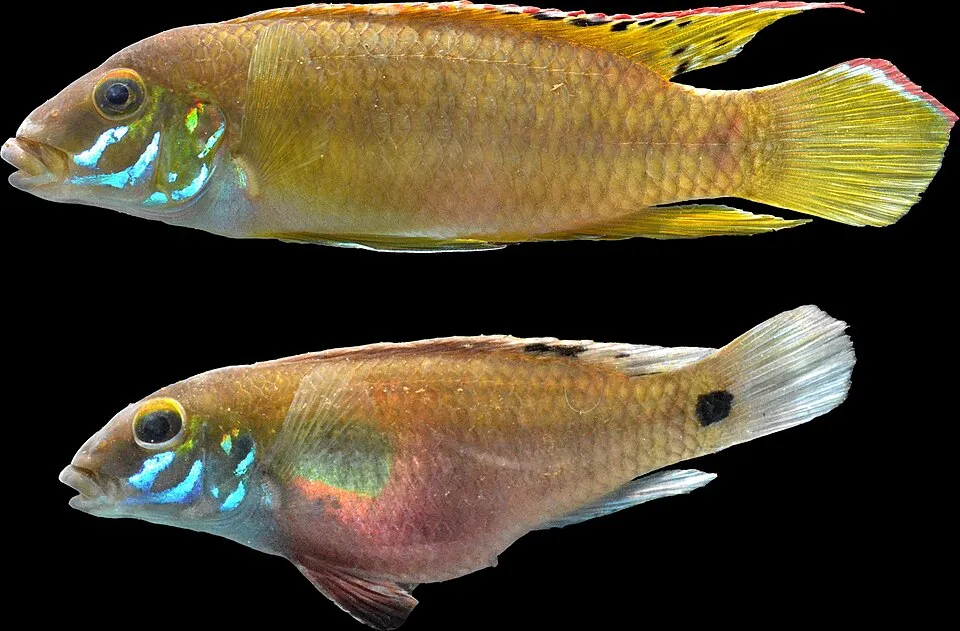
The yellow kribensis is a colorful dwarf cichlid that patrols the lower and middle levels of the tank and is best kept as a bonded pair, or as a small group of youngsters grown on so that a pair can form. It is generally mild and mixes well with peaceful midwater community fish, though a breeding pair turns territorial and will defend the area around its chosen cave. A pair is comfortable in a tank of at least 115 liters with a sand or fine gravel floor, driftwood, plants, and several cave sites such as clay pots or coconut shells. It takes a varied diet, so offer frozen and live foods such as bloodworm, brine shrimp, and daphnia alongside a quality sinking dried food.
In the wild
Pelvicachromis humilis comes from the coastal rivers and forest streams of Sierra Leone, Liberia, and Guinea in West Africa. These are warm, soft, gently flowing waters, quite different from the hard Rift Lake habitats, so keep the tank between 24 and 27 degrees Celsius with a slightly acidic to neutral pH from 6 up to 7.5 and soft to moderately soft water. Furnish it with a sandy or fine gravel bed, driftwood, leaf litter, and plants, and add plenty of caves and shaded retreats. Subdued lighting and cover help this shy fish feel secure and show its best color.
Good to know
The yellow kribensis is a member of the cichlid family, Cichlidae, and at up to about 12.5 centimeters it is the largest species in the West African genus Pelvicachromis, the group that includes the popular common kribensis. It is a cave spawner. A pair chooses an enclosed site such as a pot or hollow, lays its eggs on the roof or wall inside, and both parents tend the eggs and guard the fry once they emerge. It is less forgiving than the common krib, and getting pairs to spawn and hold together in captivity can take patience, which makes it a harder fish to breed.
Did you know
It is the largest member of the kribensis genus, Pelvicachromis. As in its smaller relatives the female is often the showier of the pair, flushing a bright cherry to purple belly to court the male when she is ready to spawn.
Weekly picks
Tank mates
Yellow kribensis is a mostly peaceful, social species that keeps to the middle. These picks share a community profile with it, are safe together in both directions, and overlap on water type, temperature and pH.
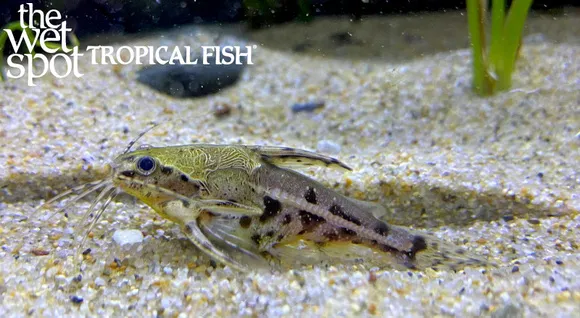
Marbled talking catfish
Amblydoras nauticus
Freshwater4.3 in (11 cm) · 30 gal (112 L)73–82°F (23–28°C)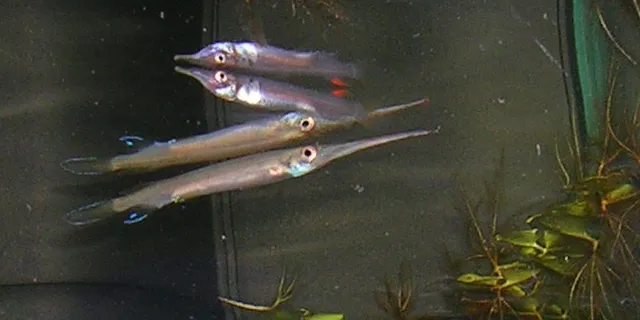
Forest halfbeak
Hemirhamphodon pogonognathus
Freshwater3.5 in (9 cm) · 34 gal (130 L)75–82°F (24–28°C)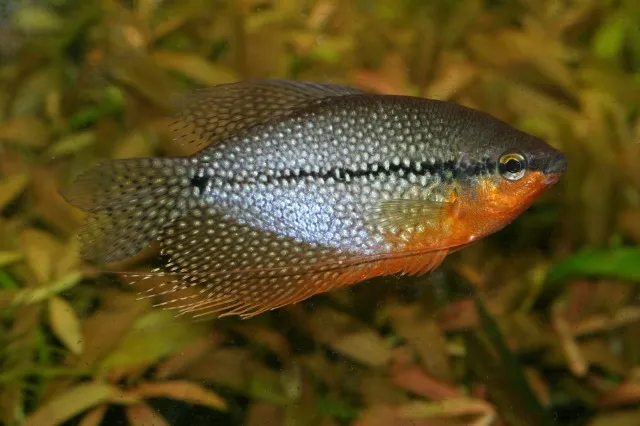
Pearl gourami
Trichopodus leerii
Freshwater4.7 in (12 cm) · 30 gal (115 L)75–86°F (24–30°C)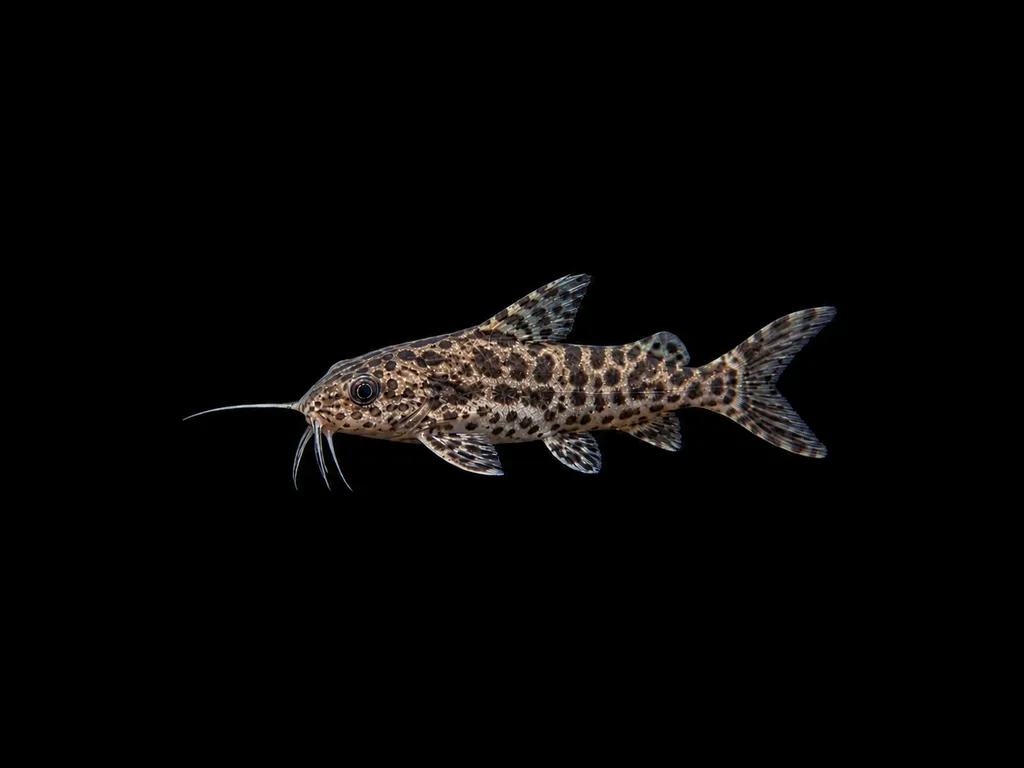
Bugeye squeaker
Synodontis contractus
Freshwater3.9 in (10 cm) · 30 gal (114 L)72–79°F (22–26°C)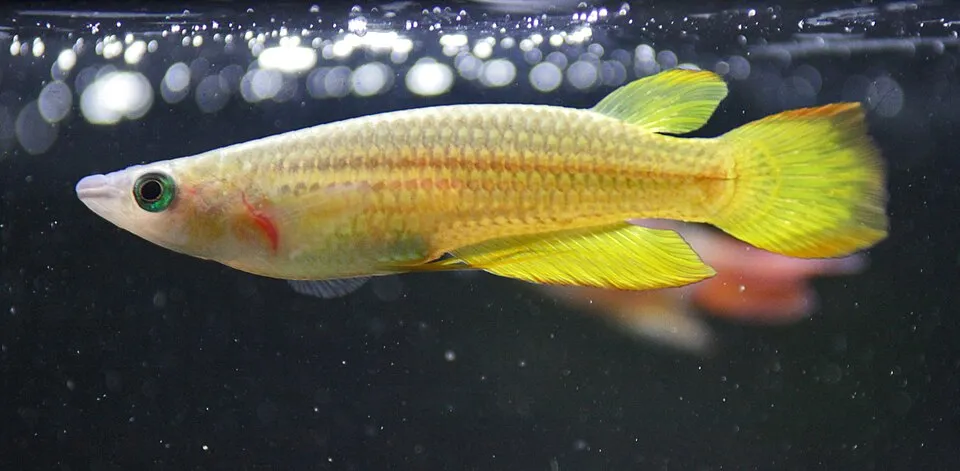
Striped panchax
Aplocheilus lineatus
Freshwater4.3 in (11 cm) · 30 gal (115 L)72–77°F (22–25°C)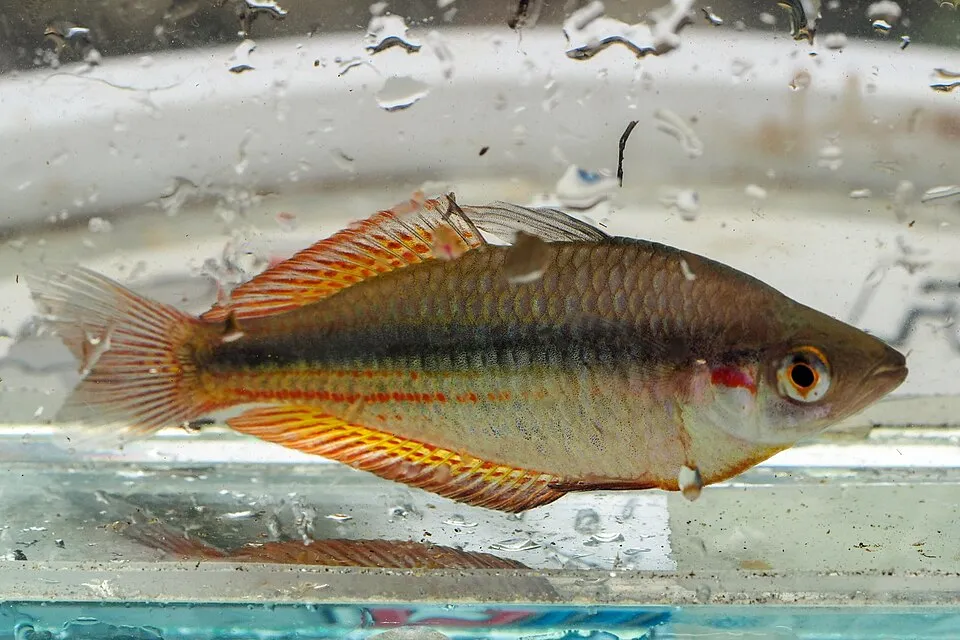
Duboulayi's rainbowfish
Melanotaenia duboulayi
Freshwater4.7 in (12 cm) · 30 gal (115 L)64–82°F (18–28°C)
Common questions
What size tank does a Yellow kribensis need?
A Yellow kribensis needs at least 30 gal (115 L). It spends most of its time in the middle.
What temperature and pH does a Yellow kribensis need?
A Yellow kribensis is comfortable at 75–81°F (24–27°C) with a pH of 6.0–7.5.
How big does a Yellow kribensis get?
An adult Yellow kribensis reaches about 4.9 in (12.5 cm).
Related species
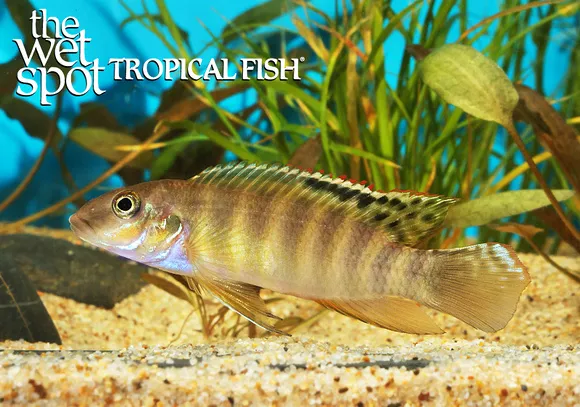 3.7 in (9.5 cm)42 gal (160 L)73–81°F (23–27°C)
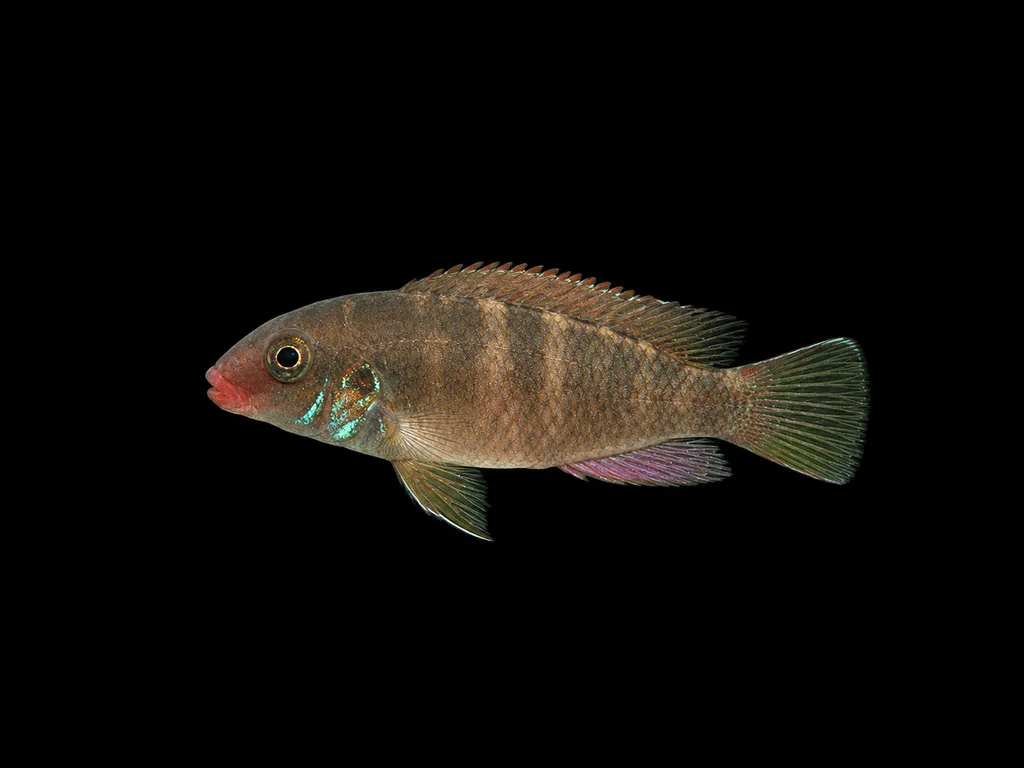
Signatus wallaceochromis
Wallaceochromis signatus
3.7 in (9.5 cm) · 42 gal (160 L)
 3.1 in (8 cm)42 gal (160 L)73–81°F (23–27°C)
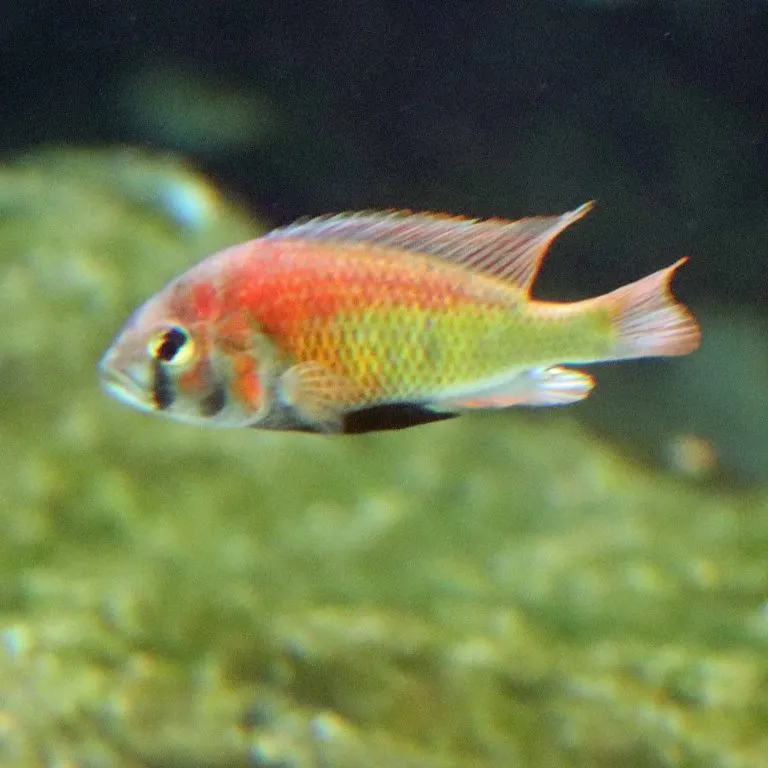
Red-lipped krib
Wallaceochromis rubrolabiatus
3.1 in (8 cm) · 42 gal (160 L)
 5.1 in (13 cm)30 gal (115 L)73–82°F (23–28°C)
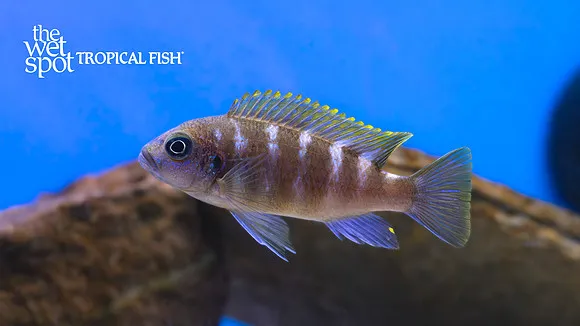
Hippo Point salmon
Ptyochromis sp.
5.1 in (13 cm) · 30 gal (115 L)
 5.1 in (13 cm)79 gal (300 L)75–81°F (24–27°C)
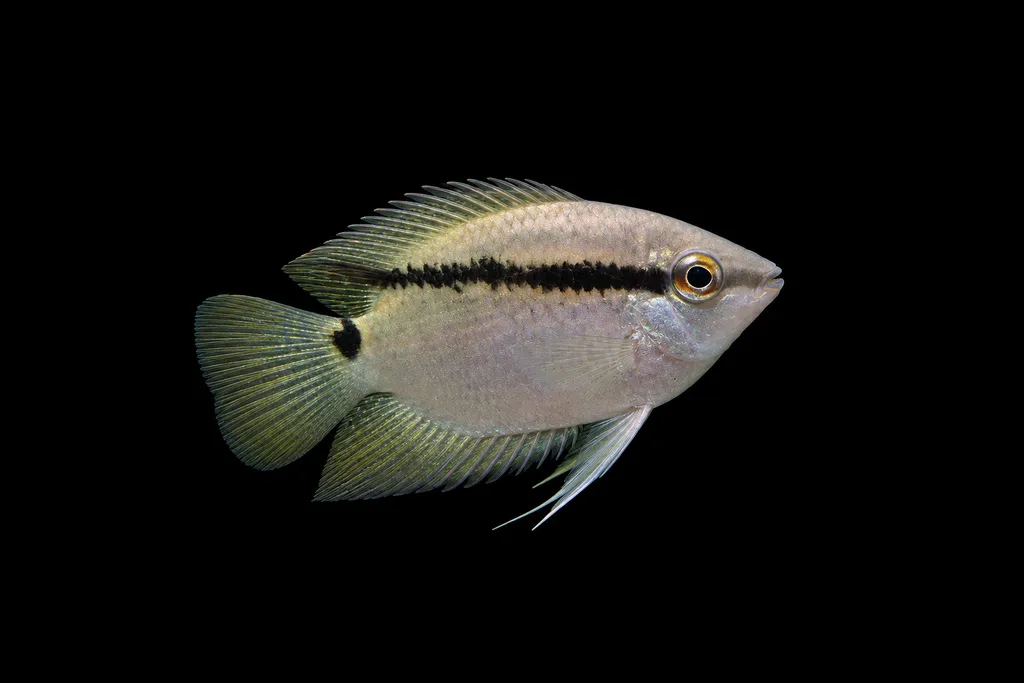
Mloto utaka
Copadichromis trewavasae
5.1 in (13 cm) · 79 gal (300 L)
 4.7 in (12 cm)66 gal (250 L)75–82°F (24–28°C)
Acora festivum
Mesonauta acora
4.7 in (12 cm) · 66 gal (250 L)
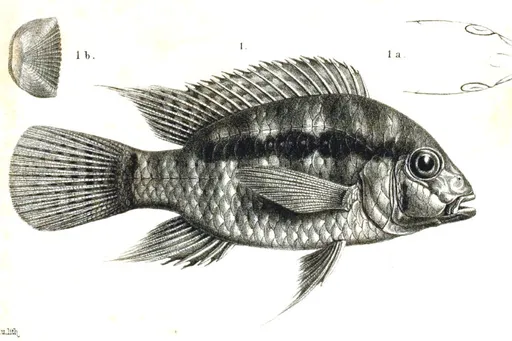 4.7 in (12 cm)34 gal (130 L)68–82°F (20–28°C)
Banded acara
Bujurquina vittata
4.7 in (12 cm) · 34 gal (130 L)