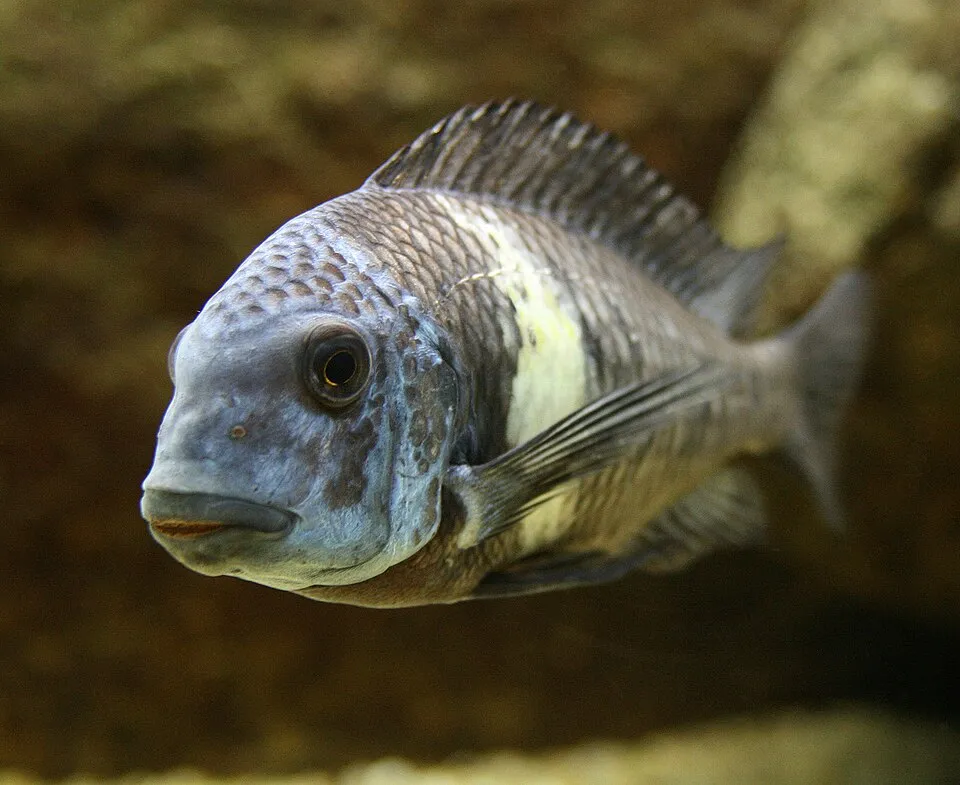
Banded acara
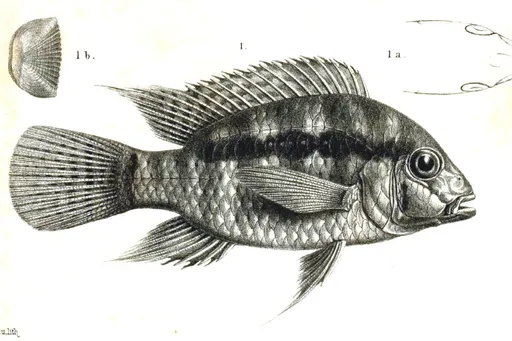
Bujurquina vittata
Also known as Yellow banded acara, Straight-lined acara, Cichlasoma vittatum
FreshwaterFish
Care at a glance
- Temperature
- 68–82°F
- 20–28°C
- pH
- 6.0–7.5
- Adult size
- 4.7 in
- 12 cm
- Minimum tank
- 34 gal
- 130 L
- Temperament
- Mostly peaceful
- Social behavior
- Solitary
- Swim level
- Middle
- Difficulty
- Easy
- Breeding
- Mouthbrooder · Medium
- Rarity
- Common
- Family
- Cichlidae
- Origin
- La Plata basin across the Parana and Paraguay drainages in Paraguay, Argentina, Bolivia, and southern Brazil, in slow, vegetated subtropical waters.
Overview
The banded acara is a mostly peaceful South American cichlid for a planted community tank. It is easy to keep, even for a newer keeper.
Did you know
A spawning pair of banded acaras lays its eggs on a fallen leaf. If the tank is disturbed, the pair can pick up the whole clutch and carry it to safety.
Caring for the banded acara
Give a pair of banded acaras at least 34 gal (130 L). A planted tank with wood and leaf litter suits them, along with flat surfaces or leaves for spawning. They swim in the middle of the tank.
The banded acara handles cooler temperatures than most cichlids. Keep the water at 68 to 82°F (20 to 28°C) with a pH of 6.0 to 7.5. Feed pellets, frozen foods and live foods.
It is mostly peaceful and forms pairs, and it works in a community of similarly sized, calm fish. It is one of the few South American cichlids that broods its eggs in the mouth. Both parents share the duty, an unusual trait for the region. Breeding is of medium difficulty.
Good to know
The banded acara, Bujurquina vittata, was described by Heckel in 1840. It is a member of the cichlid family.
In the wild
The banded acara comes from the La Plata basin, across the Parana and Paraguay drainages in Paraguay, Argentina, Bolivia and southern Brazil. It lives in slow, vegetated subtropical waters.
Weekly picks
Tank mates
The banded acara is a mostly peaceful, solitary species that keeps to the middle. These picks share a community profile with it, are safe together in both directions, and overlap on water type, temperature and pH.
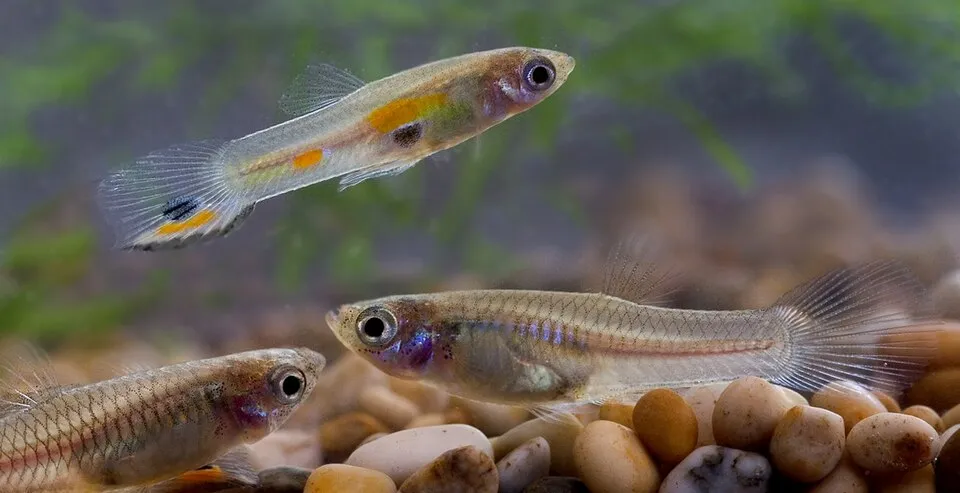
Guppy
Poecilia reticulata
FreshwaterBrackish2.4 in (6 cm) · 10 gal (38 L)64–82°F (18–28°C)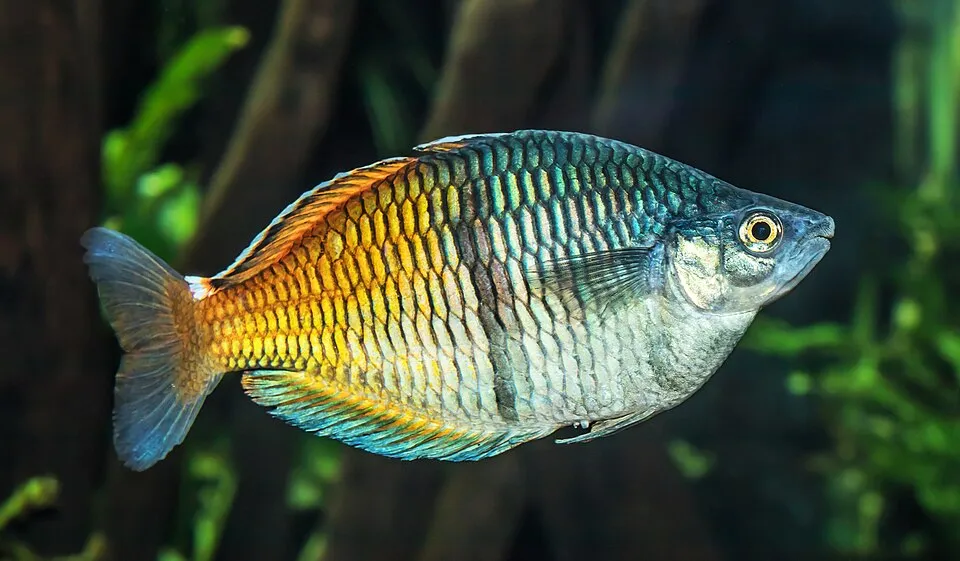
Boeseman's rainbowfish
Melanotaenia boesemani
Freshwater4.3 in (11 cm) · 29 gal (108 L)81–86°F (27–30°C)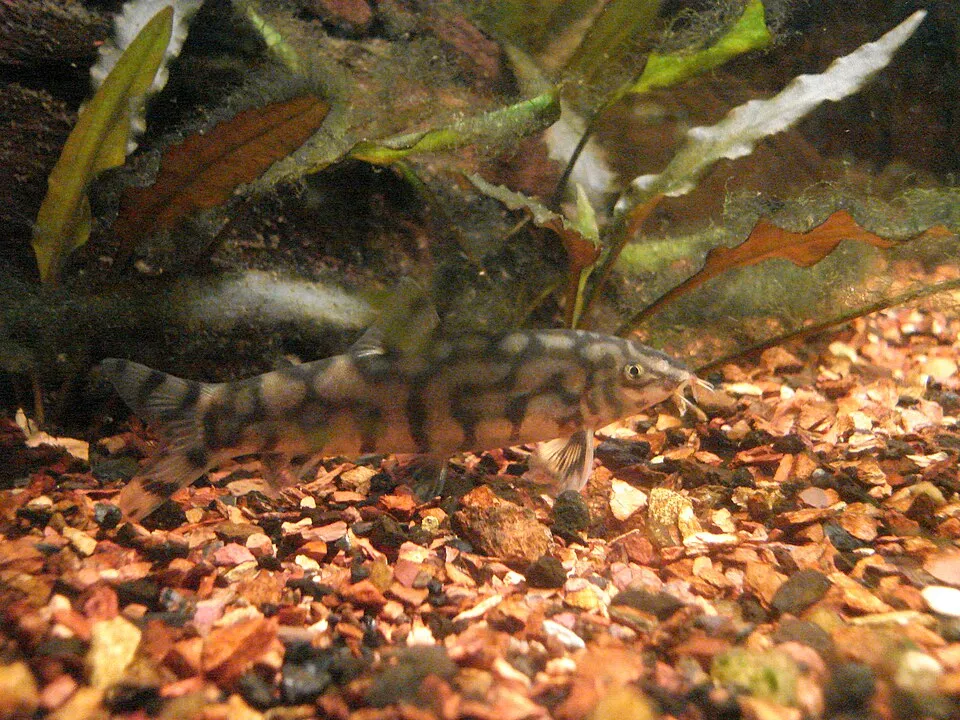
Yoyo loach
Botia almorhae
Freshwater6.3 in (16 cm) · 42 gal (160 L)66–81°F (19–27°C)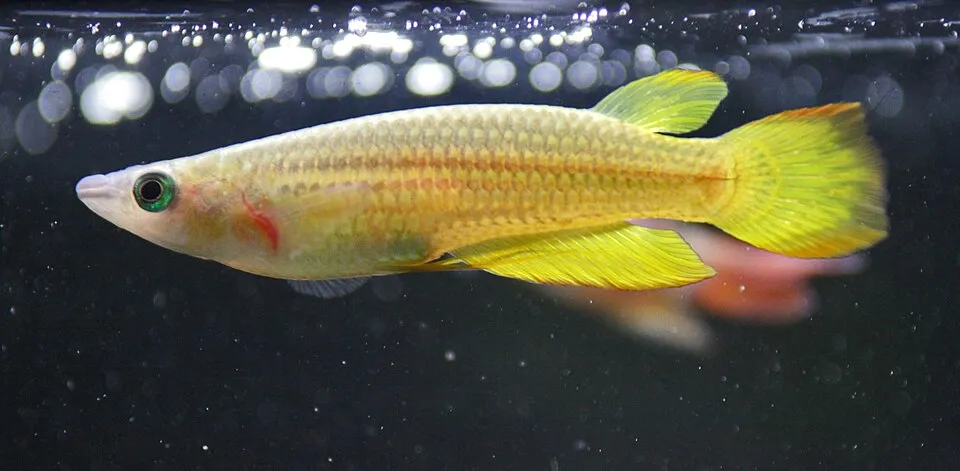
Striped panchax
Aplocheilus lineatus
Freshwater4.3 in (11 cm) · 30 gal (115 L)72–77°F (22–25°C)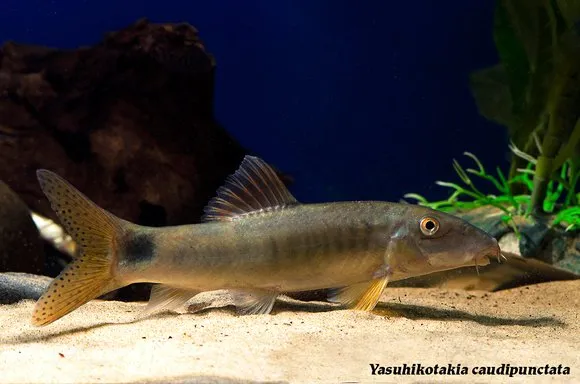
Spottail loach
Yasuhikotakia caudipunctata
Freshwater4.3 in (11 cm) · 37 gal (140 L)73–82°F (23–28°C)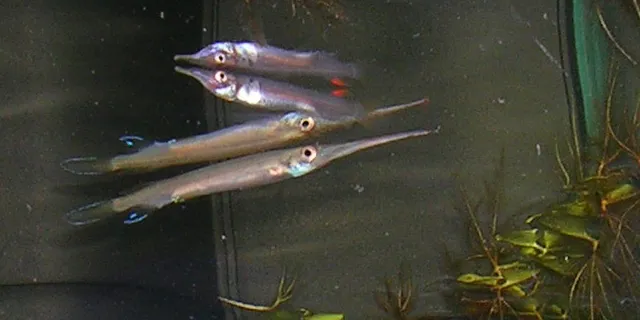
Forest halfbeak
Hemirhamphodon pogonognathus
Freshwater3.5 in (9 cm) · 34 gal (130 L)75–82°F (24–28°C)
Common questions
What size tank does a banded acara need?
A banded acara needs at least 34 gal (130 L). It spends most of its time in the middle.
What temperature and pH does a banded acara need?
A banded acara is comfortable at 68–82°F (20–28°C) with a pH of 6.0–7.5.
What does a banded acara eat?
A banded acara eats pellets, frozen foods and live foods.
How big does a banded acara get?
An adult banded acara reaches about 4.7 in (12 cm).
How does a banded acara breed?
Banded acaras spawn on a leaf or flat surface, then brood the eggs in their mouths. Both parents share the work, which is unusual among South American cichlids. Breeding them is of medium difficulty.
Related species
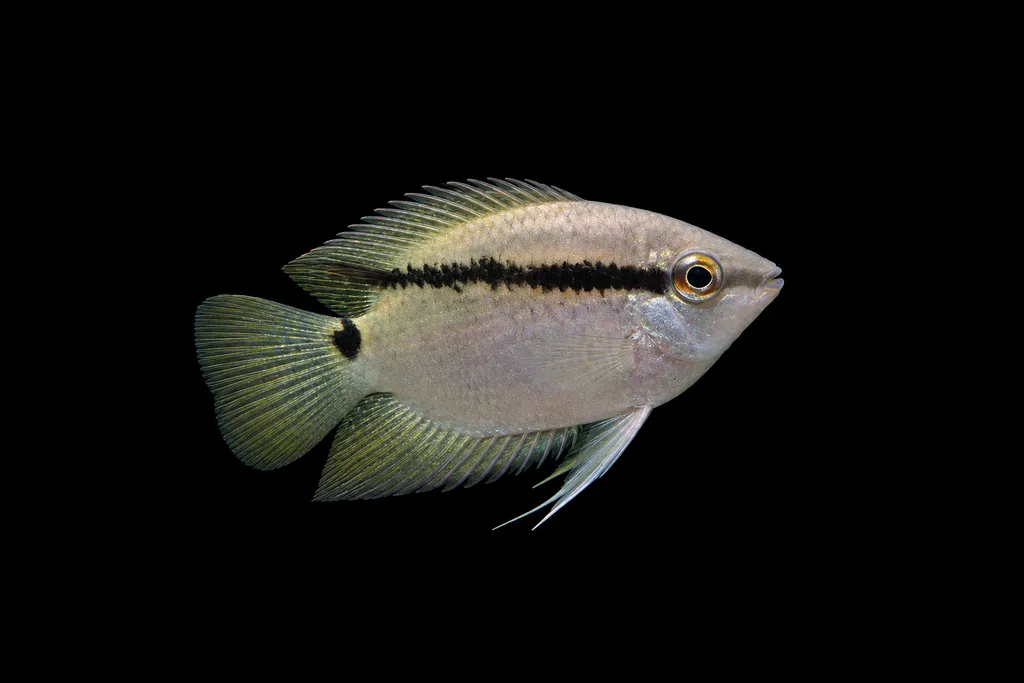 4.7 in (12 cm)66 gal (250 L)75–82°F (24–28°C)
Acora festivum
Mesonauta acora
4.7 in (12 cm) · 66 gal (250 L)
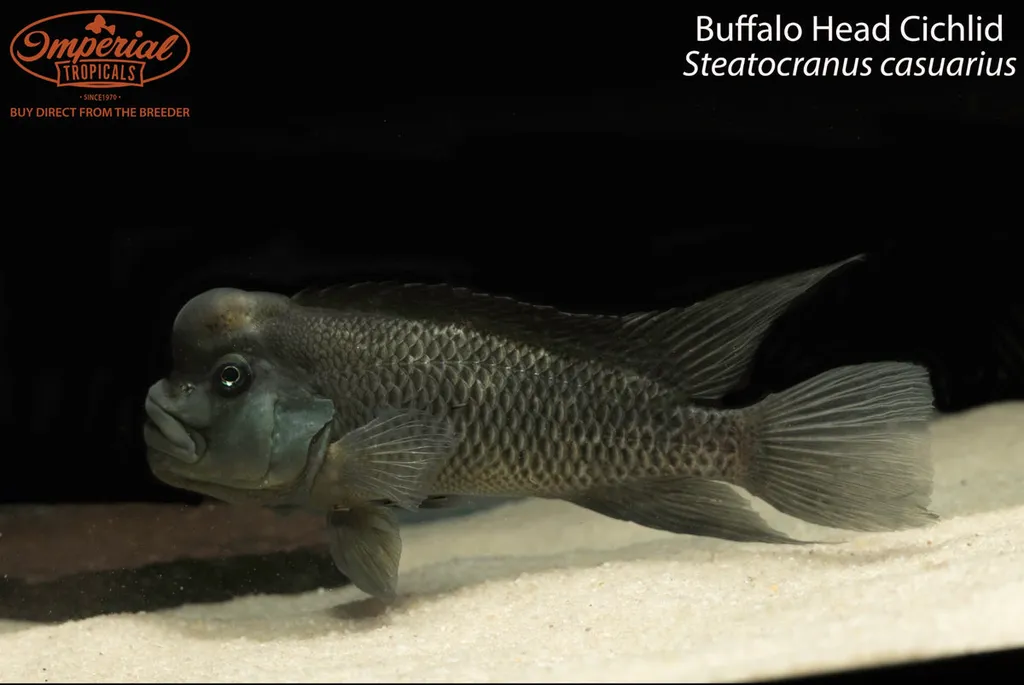 4.7 in (12 cm)25 gal (95 L)75–82°F (24–28°C)
Blockhead cichlid
Steatocranus casuarius
4.7 in (12 cm) · 25 gal (95 L)
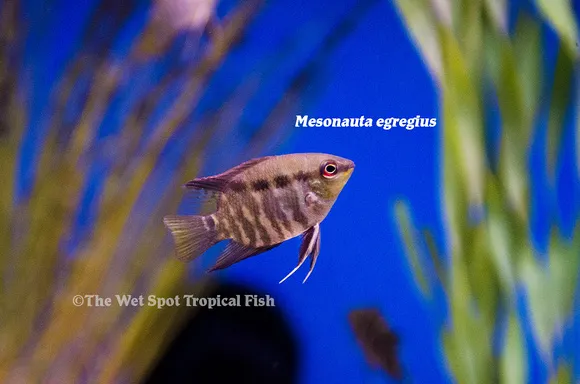 4.7 in (12 cm)66 gal (250 L)75–82°F (24–28°C)
Colombian festivum
Mesonauta egregius
4.7 in (12 cm) · 66 gal (250 L)
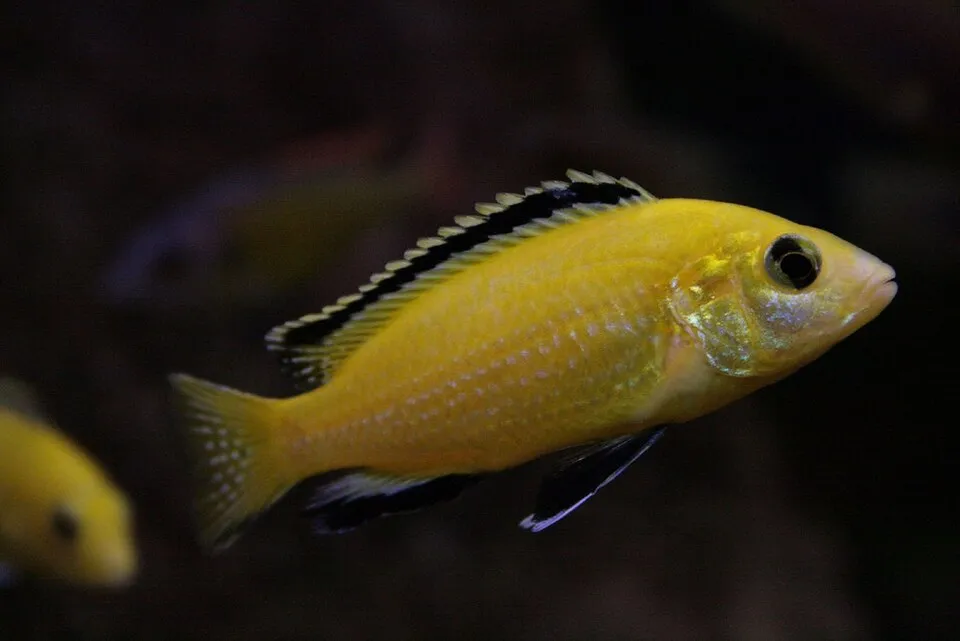 4.7 in (12 cm)35 gal (134 L)75–82°F (24–28°C)
Electric yellow cichlid
Labidochromis caeruleus
4.7 in (12 cm) · 35 gal (134 L)
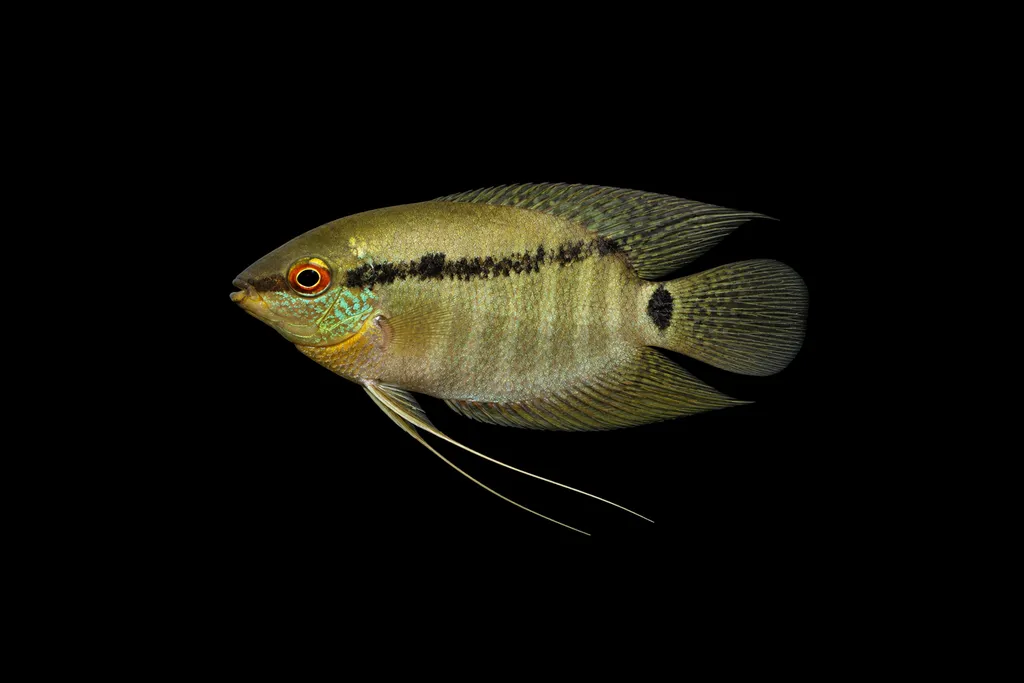 4.7 in (12 cm)66 gal (250 L)75–82°F (24–28°C)
Peruvian festivum
Mesonauta mirificus
4.7 in (12 cm) · 66 gal (250 L)
 4.7 in (12 cm)29 gal (110 L)73–82°F (23–28°C)
White-spotted cichlid
Tropheus duboisi
4.7 in (12 cm) · 29 gal (110 L)