Sepik rainbowfish
Glossolepis multisquamata
Also known as Multisquamata Rainbow
FreshwaterFish
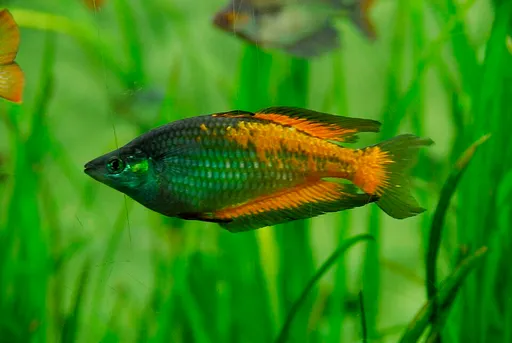
Care at a glance
- Temperature
- 79–86°F
- 26–30°C
- pH
- 6.2–6.8
- Adult size
- 5.5 in
- 14 cm
- Minimum tank
- 55 gal
- 208 L
- Temperament
- Mostly peaceful
- Social behavior
- Schooling
- Swim level
- Middle
- Difficulty
- Easy
- Breeding
- Medium
- Rarity
- Common
- Family
- Melanotaeniidae
- Origin
- Northern New Guinea (Sepik, Ramu and Mamberamo river floodplains), Papua New Guinea and Western Papua, Indonesia
Overview
Keep them in a group of six or more, with at least two to three females per male to spread out aggression and bring out the males' color. They are fast, active swimmers that cruise the middle of the water column all day, so the tank needs a long footprint, around 120 cm or more, and at least 208 liters. Hold the water warm at 26 to 30 C, soft, and acidic at pH 6.2 to 6.8. They are mostly peaceful but can dominate smaller or more timid rainbowfish, so pair them with similarly sized, robust tankmates. Feed a varied diet of quality flakes or small pellets plus frozen foods like daphnia and bloodworms. They are strictly freshwater, so no salt or brackish conditions.
In the wild
Sepik rainbowfish come from the river floodplains of northern New Guinea, across the Sepik, Ramu, and Mamberamo systems in Papua New Guinea and Western Papua, Indonesia. These are warm, soft, slightly acidic waters, which is unusual for a rainbowfish, since most of the family prefers harder, alkaline conditions. Give them a long, planted tank of at least 208 liters with open swimming space down the middle and dense planting along the back and sides. Keep the water warm at 26 to 30 C, soft, and on the acidic side at pH 6.2 to 6.8, and do not keep them in alkaline water. Add a little current and keep oxygen levels high.
Good to know
This is Glossolepis multisquamata, a rainbowfish in the family Melanotaeniidae. Adults reach about 14 cm, which makes them one of the larger rainbowfish. They are continuous plant-spawners that scatter eggs into fine-leaved plants over and over rather than in one batch, and they live a long time for an aquarium fish, up to around 10 years.
Did you know
Most rainbowfish want neutral to hard, alkaline water, but this one is the odd one out. As a floodplain fish it actually does best in soft, slightly acidic water and will struggle in the alkaline conditions that suit its relatives. The breeding is the easy part once they are well fed, but the eggs hatch into tiny fry, and growing those out is where most keepers get stuck.
Weekly picks
Tank mates
Sepik rainbowfish is a mostly peaceful, schooling species that keeps to the middle. These picks share a community profile with it, are safe together in both directions, and overlap on water type, temperature and pH.
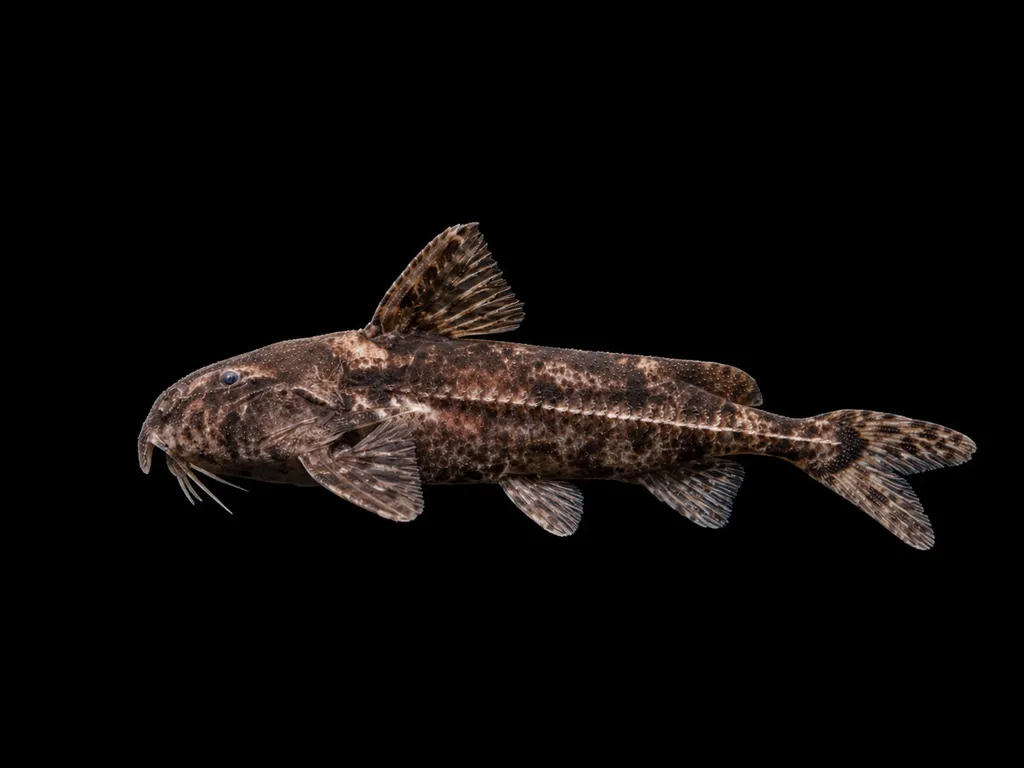
Parrot doradid
Rhynchodoras woodsi
Freshwater4.1 in (10.5 cm) · 53 gal (200 L)73–82°F (23–28°C)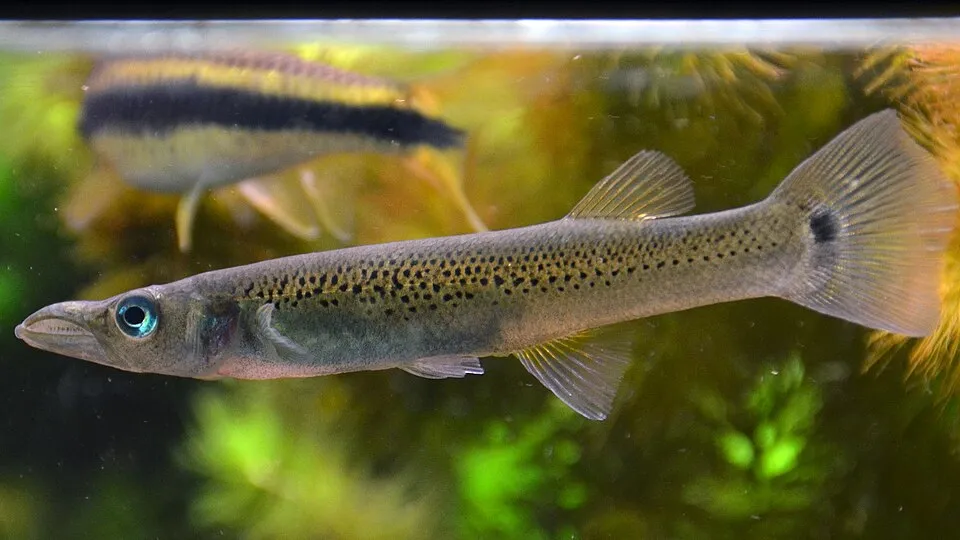
Pike topminnow
Belonesox belizanus
Freshwater7.9 in (20 cm) · 44 gal (165 L)73–82°F (23–28°C)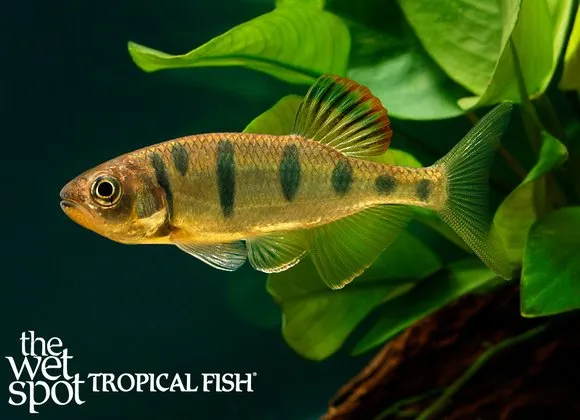
Jeweled baril
Opsarius pulchellus
Freshwater5.1 in (13 cm) · 53 gal (200 L)72–81°F (22–27°C)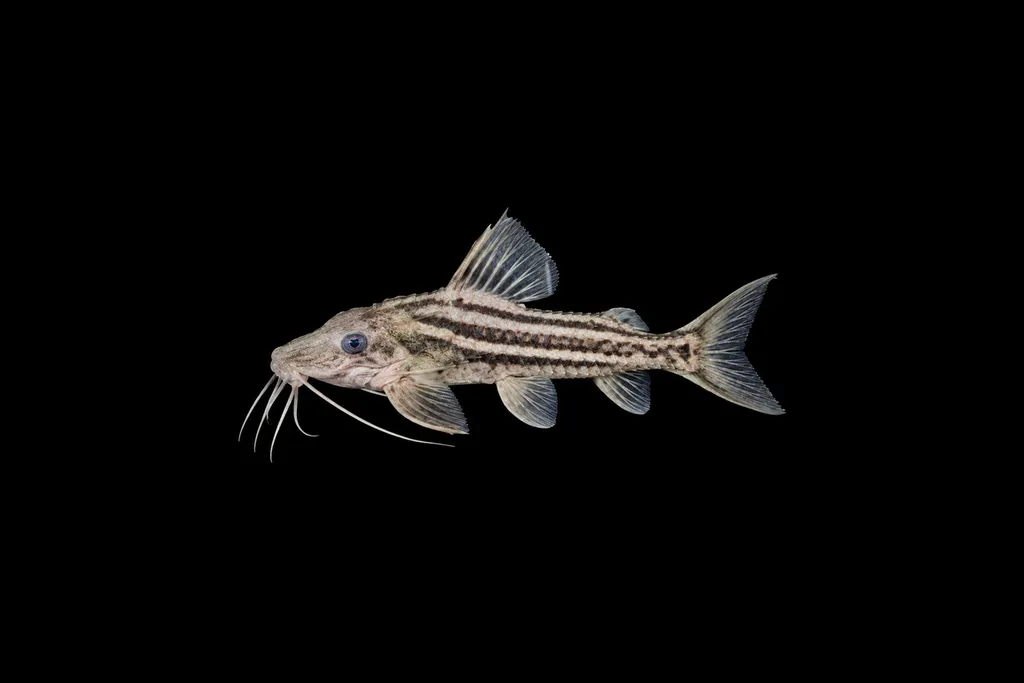
Hancock's talking catfish
Platydoras hancockii
Freshwater5.9 in (15 cm) · 53 gal (200 L)73–82°F (23–28°C)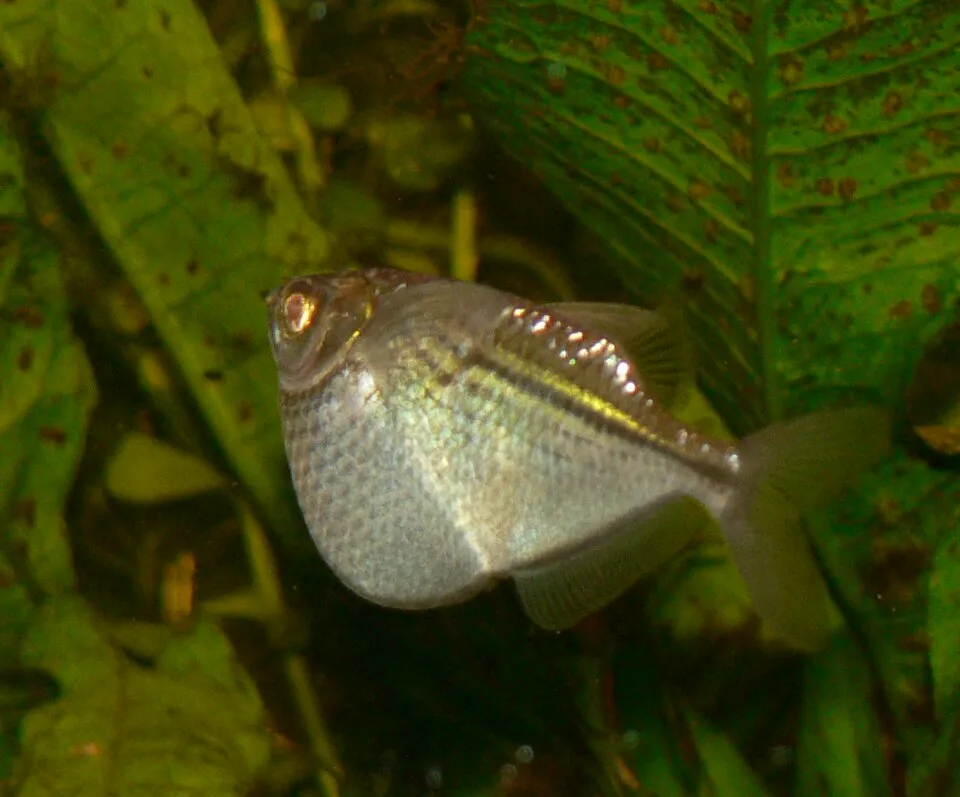
Common hatchetfish
Gasteropelecus sternicla
Freshwater1.6 in (4 cm) · 33 gal (125 L)68–82°F (20–28°C)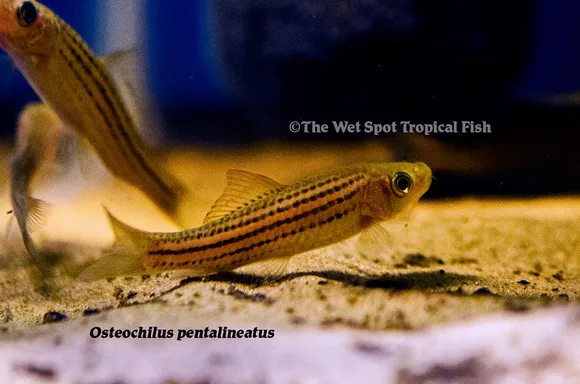
Fiveline bonylip barb
Osteochilus pentalineatus
Freshwater2.2 in (5.6 cm) · 53 gal (200 L)73–82°F (23–28°C)
Common questions
What size tank does a Sepik rainbowfish need?
A Sepik rainbowfish needs at least 55 gal (208 L). It spends most of its time in the middle.
What temperature and pH does a Sepik rainbowfish need?
A Sepik rainbowfish is comfortable at 79–86°F (26–30°C) with a pH of 6.2–6.8.
How big does a Sepik rainbowfish get?
An adult Sepik rainbowfish reaches about 5.5 in (14 cm).
Does a Sepik rainbowfish need a group?
Yes. A Sepik rainbowfish is a schooling species and should be kept in a group, not singly.
Related species
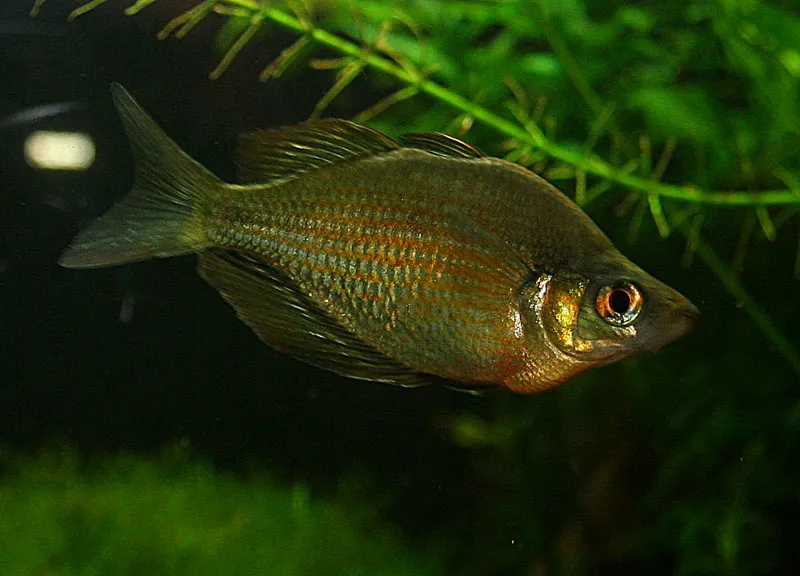
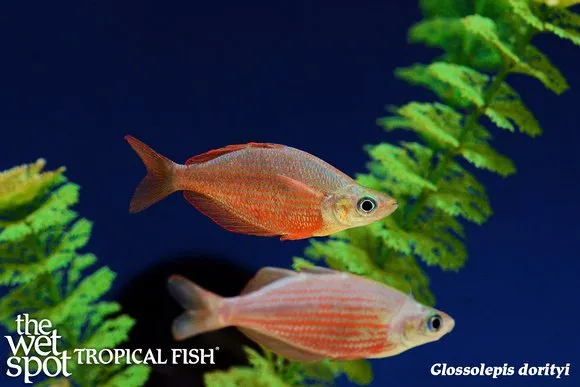 5.1 in (13 cm)53 gal (200 L)77–86°F (25–30°C)
Dority's rainbowfish
Glossolepis dorityi
5.1 in (13 cm) · 53 gal (200 L)
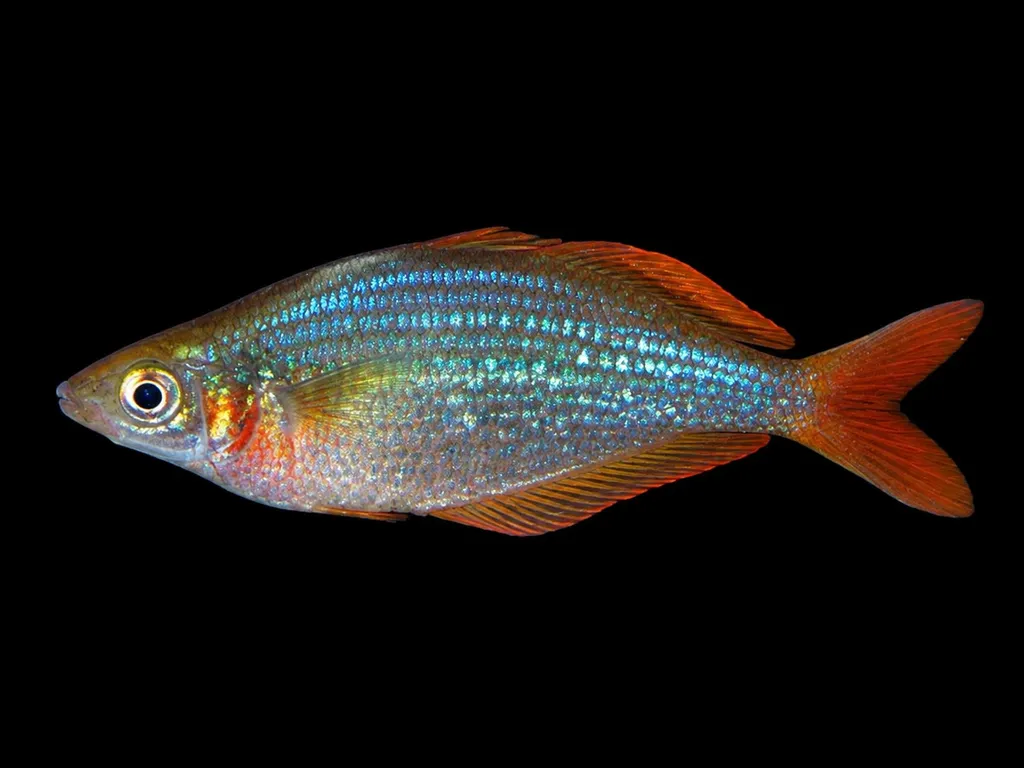
 3.9 in (10 cm)25 gal (95 L)77–86°F (25–30°C)
Lake Wanam rainbowfish
Glossolepis wanamensis
3.9 in (10 cm) · 25 gal (95 L)
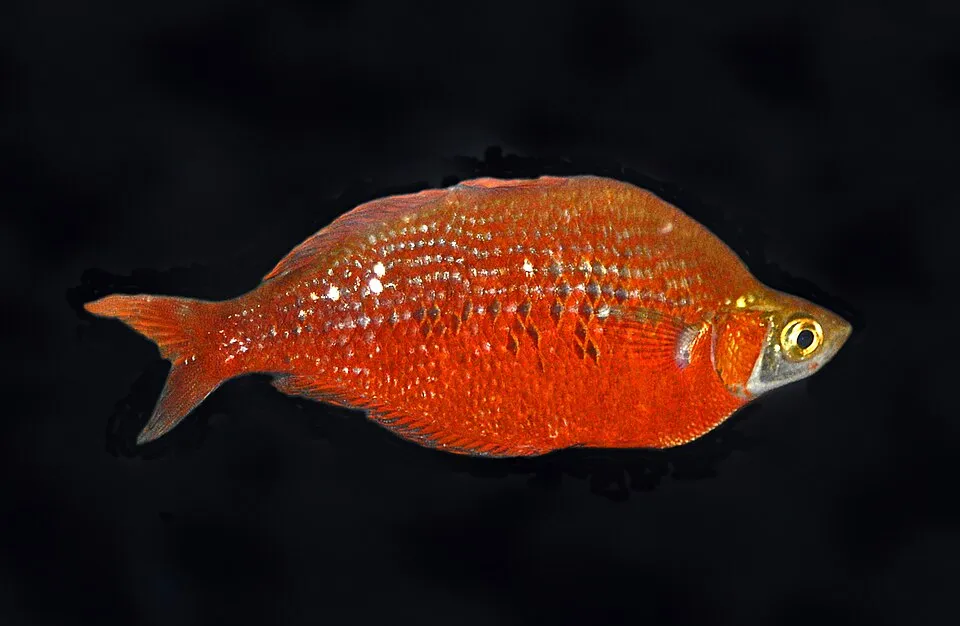
 3.6 in (9.2 cm)42 gal (160 L)75–84°F (24–29°C)
Millennium rainbowfish
Glossolepis pseudoincisa
3.6 in (9.2 cm) · 42 gal (160 L)
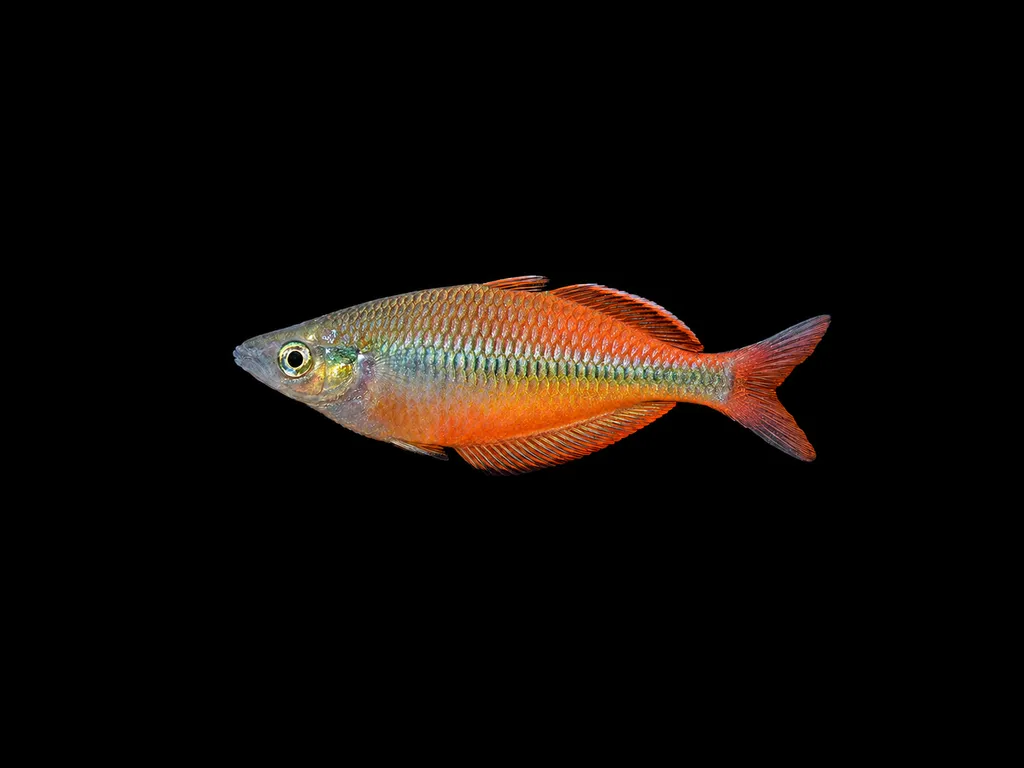
 5.5 in (14 cm)34 gal (130 L)72–77°F (22–25°C)
Red rainbowfish
Glossolepis incisus
5.5 in (14 cm) · 34 gal (130 L)
 5.5 in (14 cm)42 gal (160 L)75–84°F (24–29°C)
Susi rainbowfish
Melanotaenia susii
5.5 in (14 cm) · 42 gal (160 L)
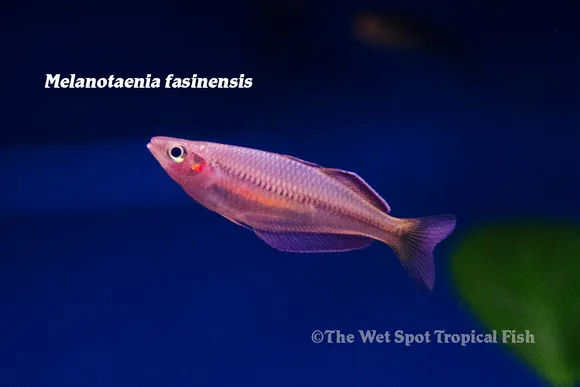 5.4 in (13.8 cm)53 gal (200 L)75–84°F (24–29°C)
Fasin rainbowfish
Melanotaenia fasinensis
5.4 in (13.8 cm) · 53 gal (200 L)