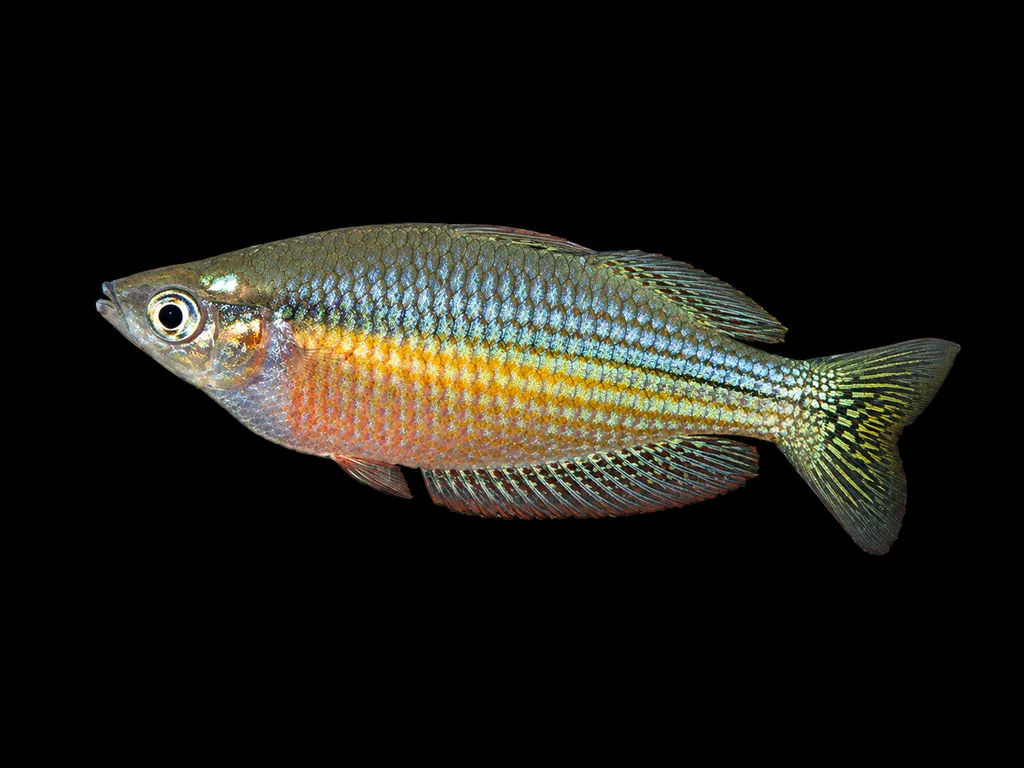
Lake Wanam rainbowfish
Glossolepis wanamensis
Also known as Emerald Rainbowfish
FreshwaterFish
Care at a glance
- Temperature
- 77–86°F
- 25–30°C
- pH
- 7.0–8.0
- Adult size
- 3.9 in
- 10 cm
- Minimum tank
- 25 gal
- 95 L
- Temperament
- Peaceful
- Social behavior
- Schooling
- Swim level
- Middle
- Difficulty
- Medium
- Breeding
- Egg depositor
- Rarity
- Rare
- Family
- Melanotaeniidae
- Origin
- New Guinea
Overview
The Lake Wanam rainbowfish is a peaceful, active rainbowfish for the middle of a community tank. It is a step up from the easiest fish.
Did you know
The Lake Wanam rainbowfish is considered critically endangered in the wild, hit hard by introduced fish. Aquarium populations now play a real part in keeping the species going.
Caring for the Lake Wanam rainbowfish
Keep Lake Wanam rainbowfish in a group of six or more, in a tank of 25 gal (95 L) or larger. Plant the edges with hardy plants and keep open water in the center. A fine substrate with wood and stone suits them.
Keep the water at 77 to 86°F (25 to 30°C) and a pH of 7.0 to 8.0. It should be clean, well oxygenated and reliably warm. Feed a varied diet of flake or pellet with frozen bloodworms, daphnia and brine shrimp.
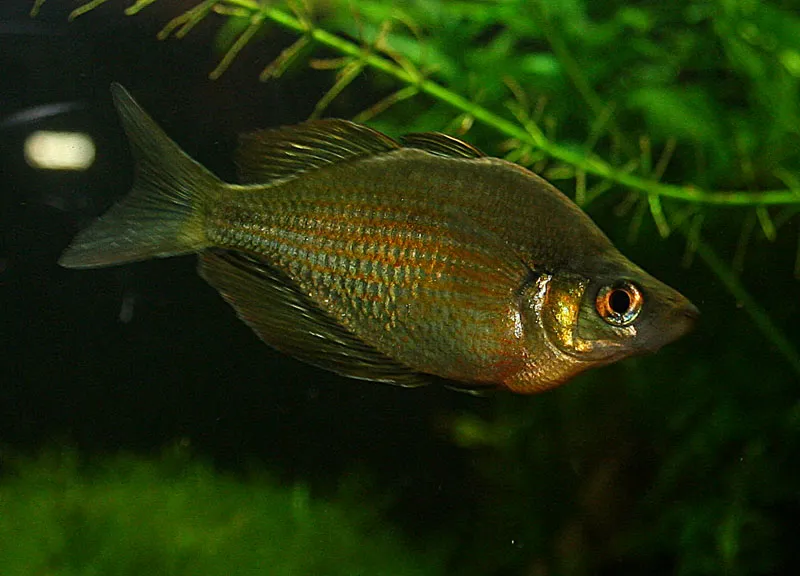
Lake Wanam rainbowfish are active and peaceful, and they mix well with other calm fish that share their taste for warm, hard water. Good color needs age, space and steady feeding, so give young fish time. Males are far greener and deeper bodied than the silvery females.
They spawn over an extended period, attaching small eggs to fine plants and mops by short threads. The parents give no care once the eggs are laid.
Good to know
Glossolepis wanamensis belongs to the rainbowfish family Melanotaeniidae. It sits in the genus Glossolepis alongside the well-known red rainbowfish, rather than in Melanotaenia. Its other name, emerald rainbowfish, comes from the deep emerald-green sheen that mature males develop.
In the wild
The Lake Wanam rainbowfish is found only in Lake Wanam, a small lake near Lae in Papua New Guinea. The water there is warm, clear and hard, with an alkaline lean.
Weekly picks
Tank mates
The Lake Wanam rainbowfish is a peaceful, schooling species that keeps to the middle. These picks share a community profile with it, are safe together in both directions, and overlap on water type, temperature and pH.
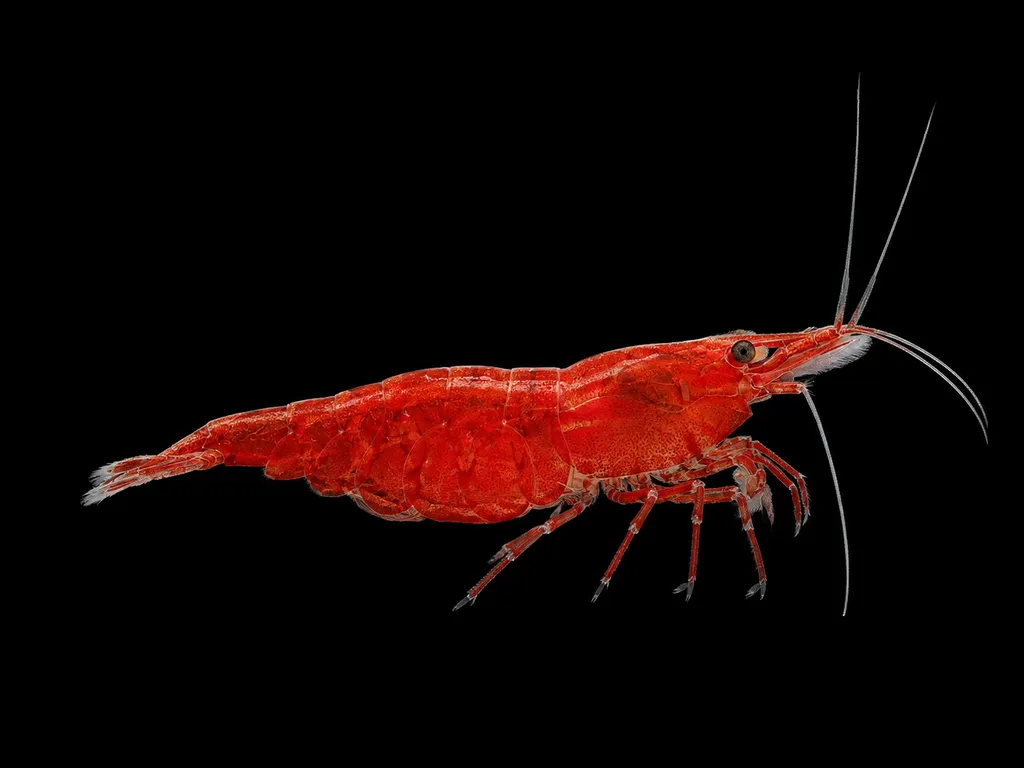
Neocaridina shrimp
Neocaridina davidi
Freshwater1.6 in (4 cm) · 5 gal (19 L)59–84°F (15–29°C)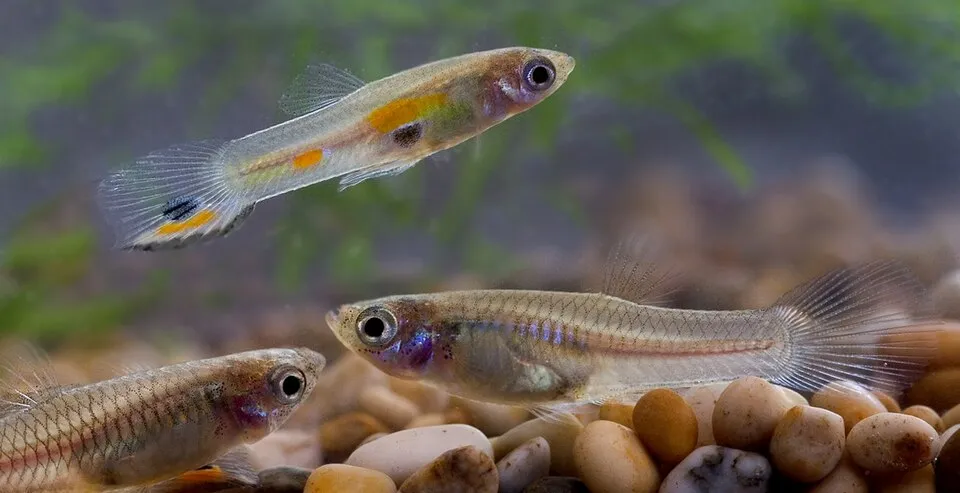
Guppy
Poecilia reticulata
FreshwaterBrackish2.4 in (6 cm) · 10 gal (38 L)64–82°F (18–28°C)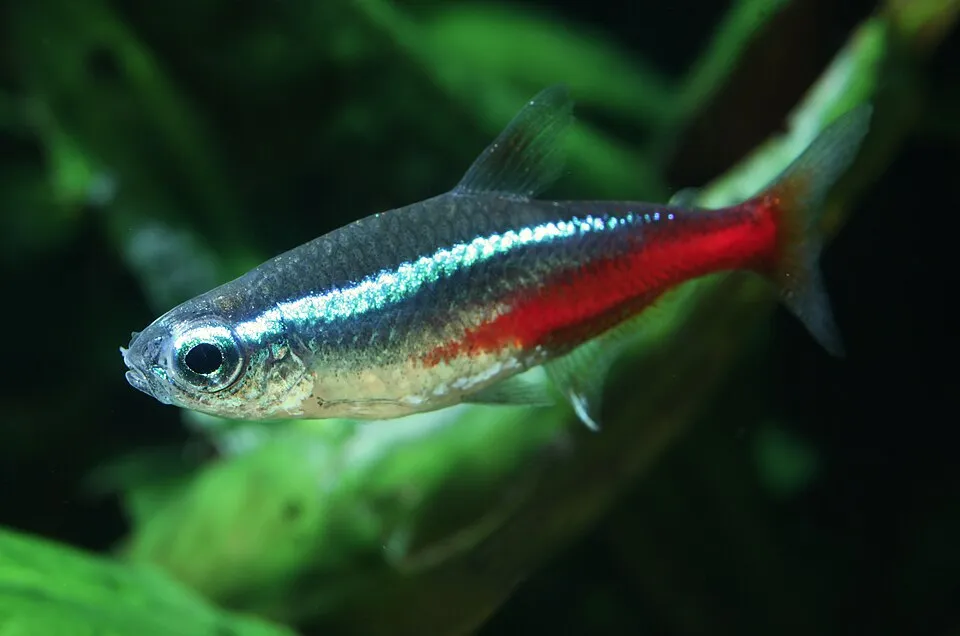
Neon tetra
Paracheirodon innesi
Freshwater1.5 in (3.8 cm) · 11 gal (40 L)70–77°F (21–25°C)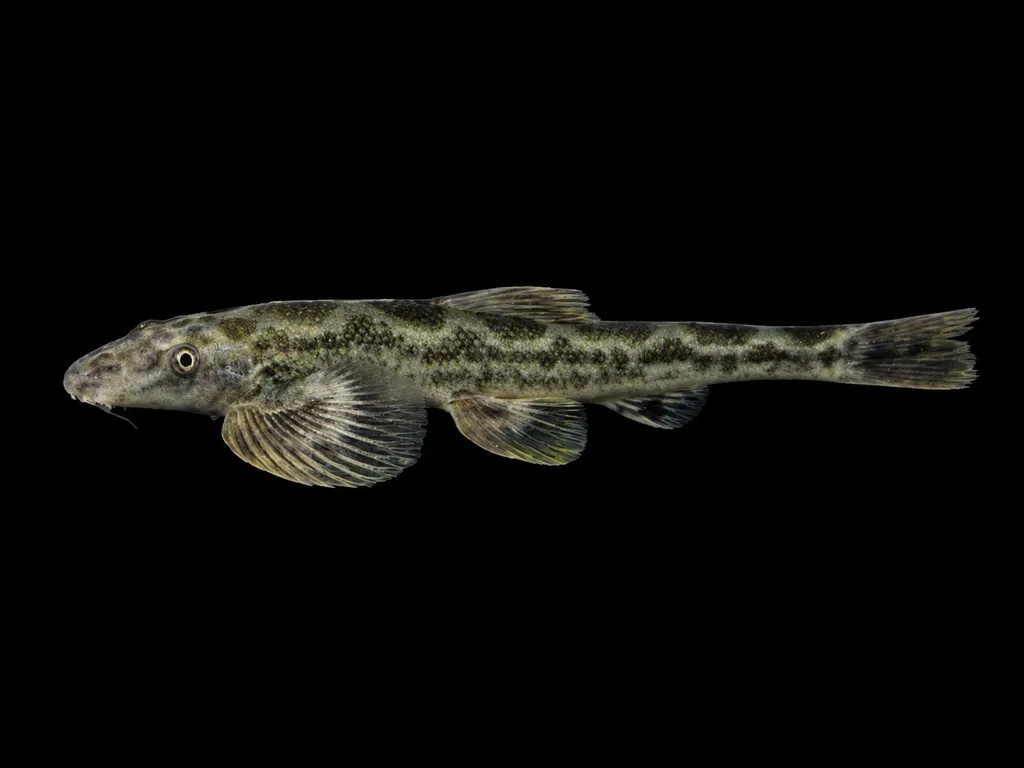
Burmese stone loach
Balitora burmanica
Freshwater3.9 in (10 cm) · 25 gal (95 L)68–79°F (20–26°C)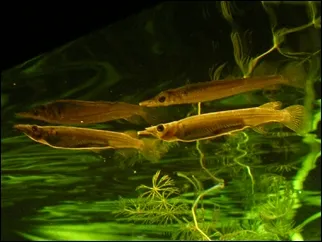
Wrestling halfbeak
Dermogenys pusilla
FreshwaterBrackish2.8 in (7 cm) · 25 gal (95 L)75–82°F (24–28°C)
Guntea loach
Lepidocephalichthys guntea
Freshwater4.7 in (12 cm) · 24 gal (90 L)64–82°F (18–28°C)
Common questions
What size tank does a Lake Wanam rainbowfish need?
A Lake Wanam rainbowfish needs at least 25 gal (95 L). It spends most of its time in the middle.
What temperature and pH does a Lake Wanam rainbowfish need?
A Lake Wanam rainbowfish is comfortable at 77–86°F (25–30°C) with a pH of 7.0–8.0.
What does a Lake Wanam rainbowfish eat?
A Lake Wanam rainbowfish eats a varied diet of flake or pellet, with frozen bloodworms, daphnia and brine shrimp. Steady feeding helps its color come in.
How big does a Lake Wanam rainbowfish get?
An adult Lake Wanam rainbowfish reaches about 3.9 in (10 cm).
Does a Lake Wanam rainbowfish need a group?
Yes. A Lake Wanam rainbowfish is a schooling species and should be kept in a group, not singly.
How can you tell a male Lake Wanam rainbowfish from a female?
Males are far greener and deeper bodied than the silvery females.
How does a Lake Wanam rainbowfish breed?
Lake Wanam rainbowfish spawn over an extended period, attaching small eggs to fine plants and mops by short threads. The parents give the eggs no care once they are laid.
Related species
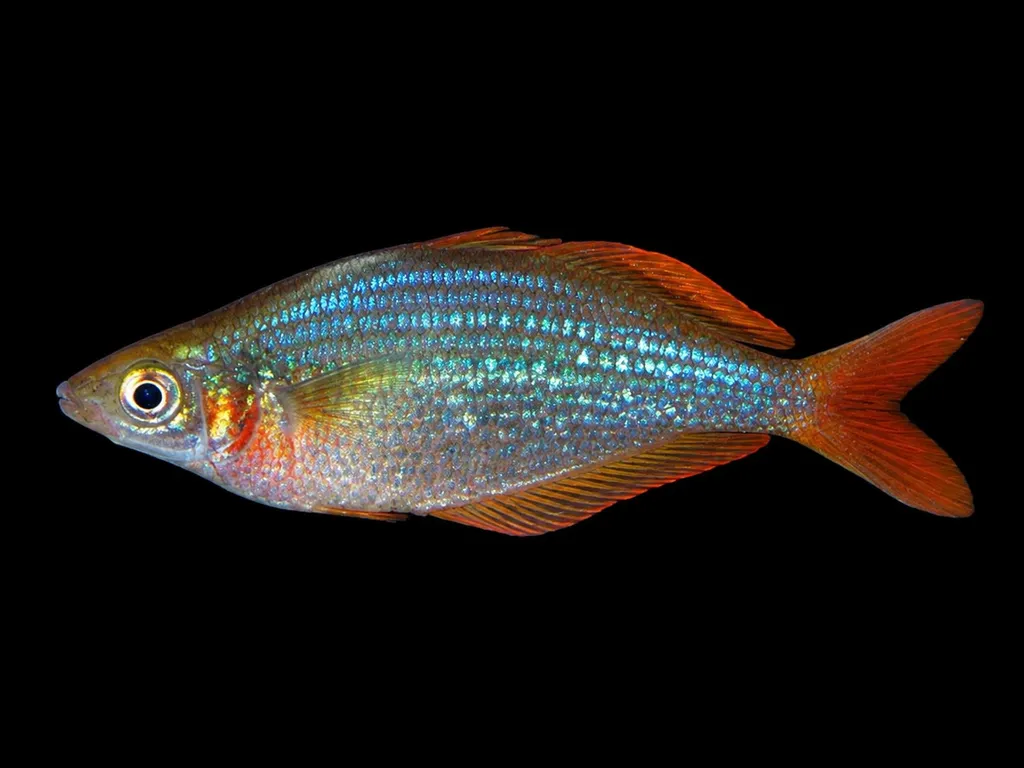 3.6 in (9.2 cm)42 gal (160 L)75–84°F (24–29°C)
Millennium rainbowfish
Glossolepis pseudoincisa
3.6 in (9.2 cm) · 42 gal (160 L)
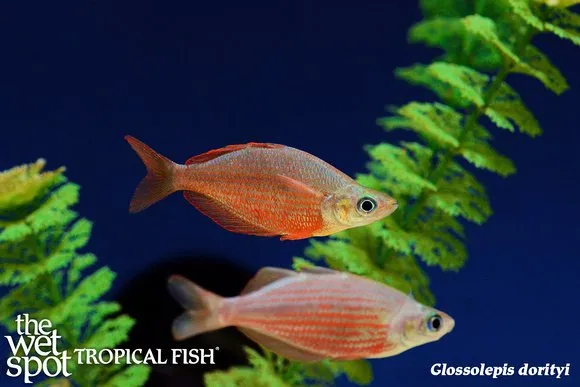 5.1 in (13 cm)53 gal (200 L)77–86°F (25–30°C)
Dority's rainbowfish
Glossolepis dorityi
5.1 in (13 cm) · 53 gal (200 L)
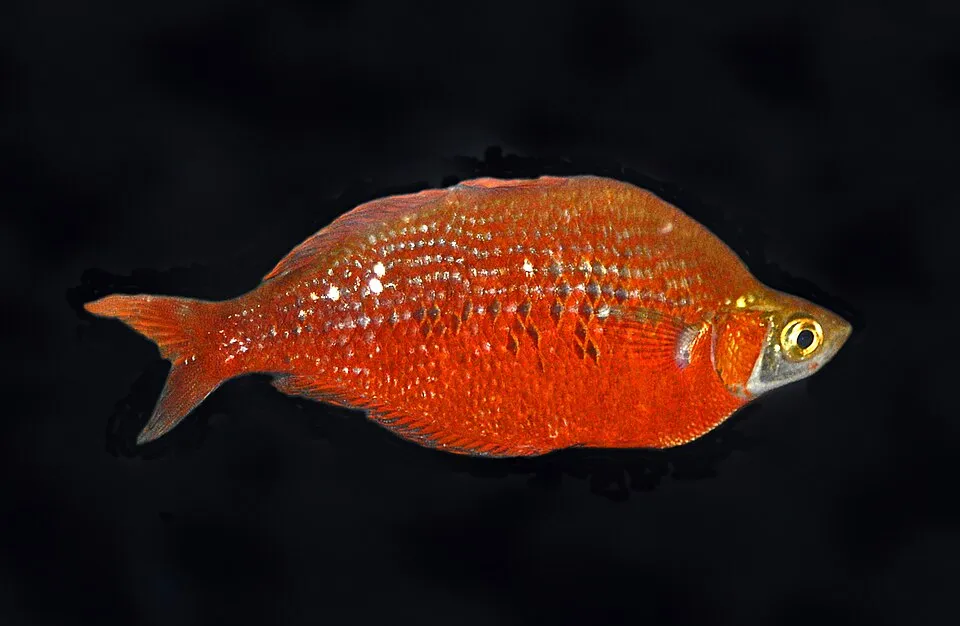 5.5 in (14 cm)34 gal (130 L)72–77°F (22–25°C)
Red rainbowfish
Glossolepis incisus
5.5 in (14 cm) · 34 gal (130 L)
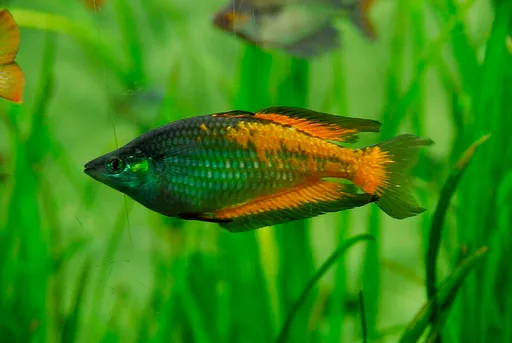 5.5 in (14 cm)55 gal (208 L)79–86°F (26–30°C)
Sepik rainbowfish
Glossolepis multisquamata
5.5 in (14 cm) · 55 gal (208 L)
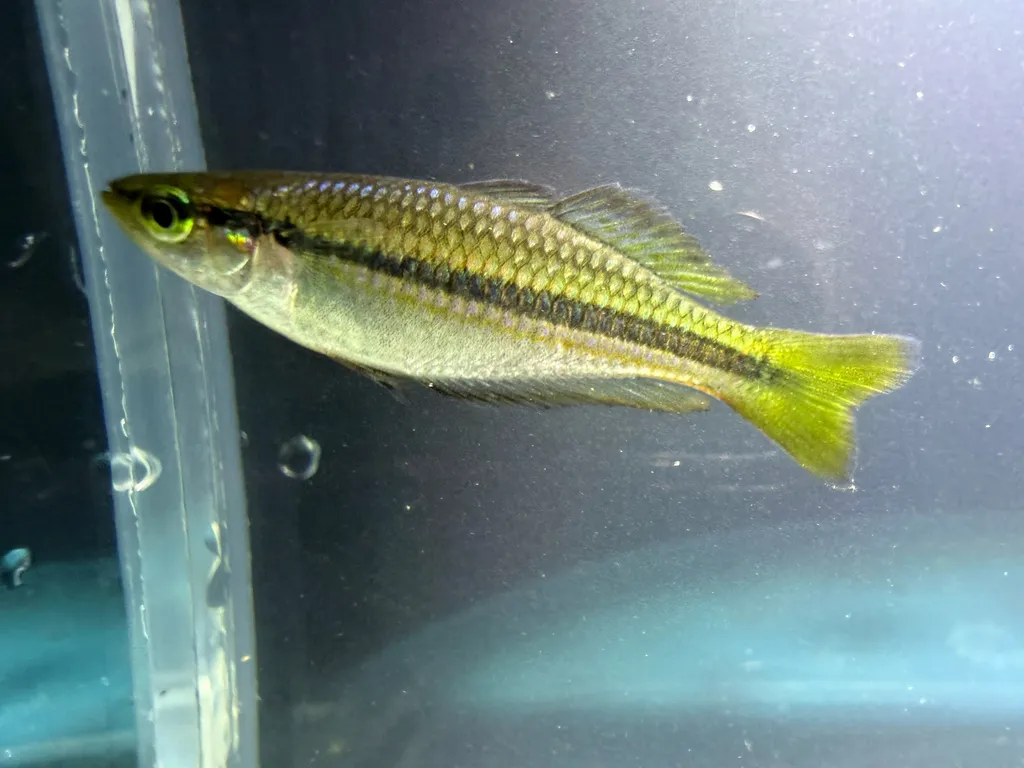 3.9 in (10 cm)32 gal (120 L)72–82°F (22–28°C)
Black-banded rainbowfish
Melanotaenia nigrans
3.9 in (10 cm) · 32 gal (120 L)
 3.9 in (10 cm)42 gal (160 L)64–86°F (18–30°C)
Desert rainbowfish
Melanotaenia splendida tatei
3.9 in (10 cm) · 42 gal (160 L)