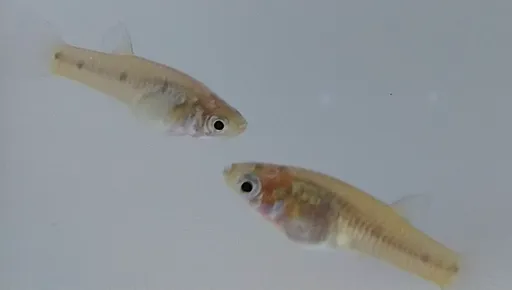
Porthole livebearer
Poeciliopsis gracilis
FreshwaterFish
Care at a glance
- Temperature
- 72–82°F
- 22–28°C
- pH
- 6.5–7.8
- Adult size
- 3.5 in
- 9 cm
- Minimum tank
- 11 gal
- 40 L
- Temperament
- Peaceful
- Social behavior
- Social
- Swim level
- Middle
- Difficulty
- Beginner
- Breeding
- Easy
- Rarity
- Common
- Family
- Poeciliidae
- Origin
- Central America; Atlantic slope from southern Mexico to Honduras
Overview
Keep them as a small colony with more females than males, in a tank of 40 liters or larger, since males chase persistently and extra females spread out the attention. They are peaceful mid-water swimmers that hold up well across roughly 22 to 28 C and a pH of 6.5 to 7.8, and they take hard water without trouble. Feed prepared flake, which they eat readily, and supplement with live or frozen foods like baby brine shrimp and microworms. They are extremely prolific, dropping 6 to 15 fry per brood every few weeks, so plan ahead for population control or rehoming. Never release unwanted fish or fry into local waters, and check your local rules, since hardy livebearers can become invasive in warm regions.
In the wild
Porthole livebearers come from streams and ponds on the Atlantic slope of Central America, from southern Mexico down through Honduras. These are warm, often hard-water habitats, and the fish handle a wide range without fuss. Give them a tank of at least 40 liters with some planting and open mid-water space to swim. Keep the water between 22 and 28 C with a pH from 6.5 to 7.8, and put a tight lid on the tank since they jump.
Good to know
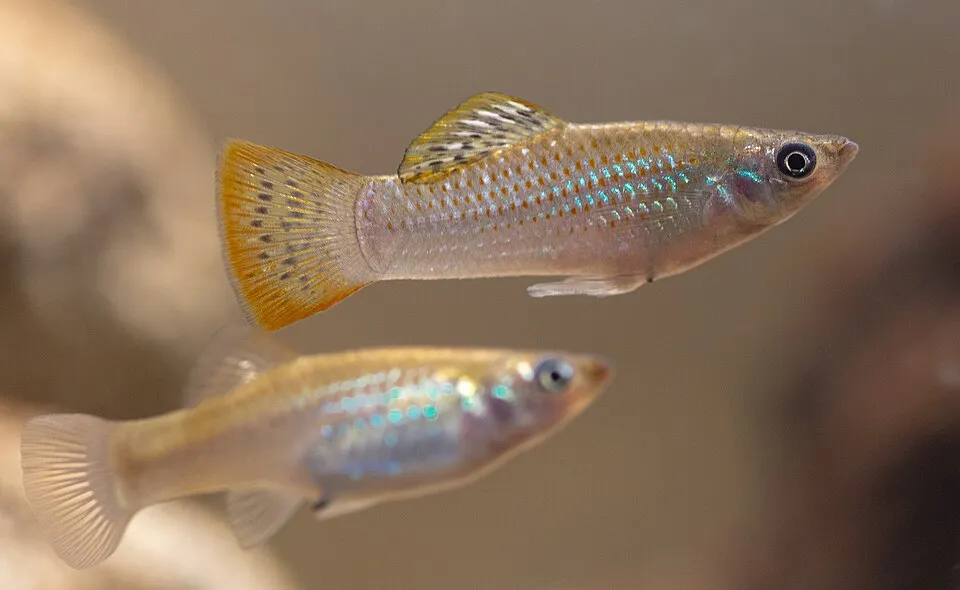
This is a livebearer in the family Poeciliidae, with a reported maximum length around 9 cm. Females noticeably outgrow males, often reaching 6 to 7 cm while males stay smaller. Like other poeciliids, females give birth to live, free-swimming fry rather than scattering eggs, and they can carry brood after brood every few weeks.
Did you know
Females do most of the growing in this species, ending up well larger than the males, which top out around 6 to 7 cm. A single female can stay productive for a long stretch, turning out a fresh batch of fully formed fry every few weeks, which is why a small group can fill a tank surprisingly fast.
Weekly picks
Tank mates
Porthole livebearer is a peaceful, social species that keeps to the middle. These picks share a community profile with it, are safe together in both directions, and overlap on water type, temperature and pH.
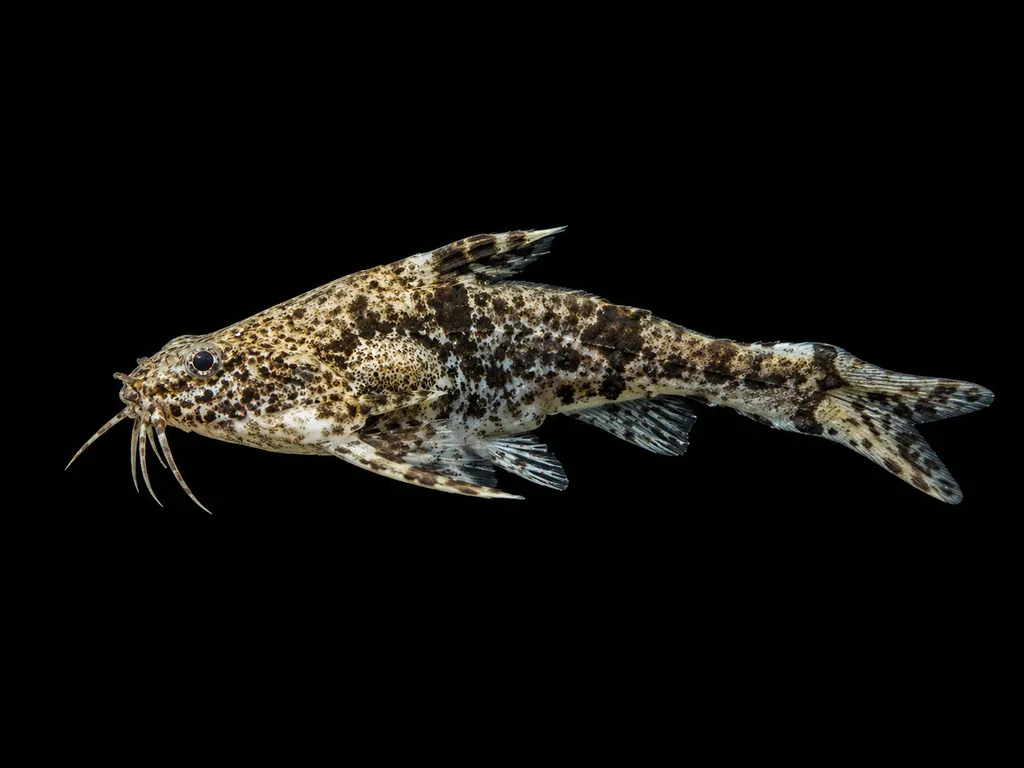
Dwarf thorny catfish
Physopyxis lyra
Freshwater1.4 in (3.5 cm) · 11 gal (40 L)73–82°F (23–28°C)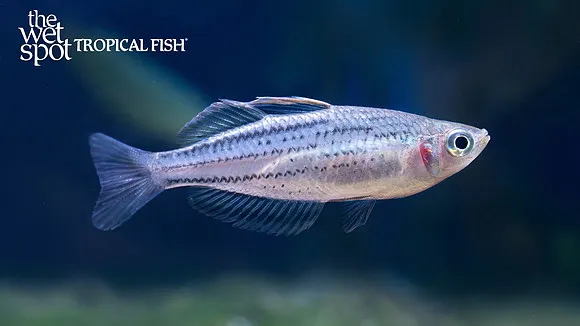
Green panchax
Aplocheilus blockii
Freshwater2 in (5 cm) · 11 gal (40 L)72–82°F (22–28°C)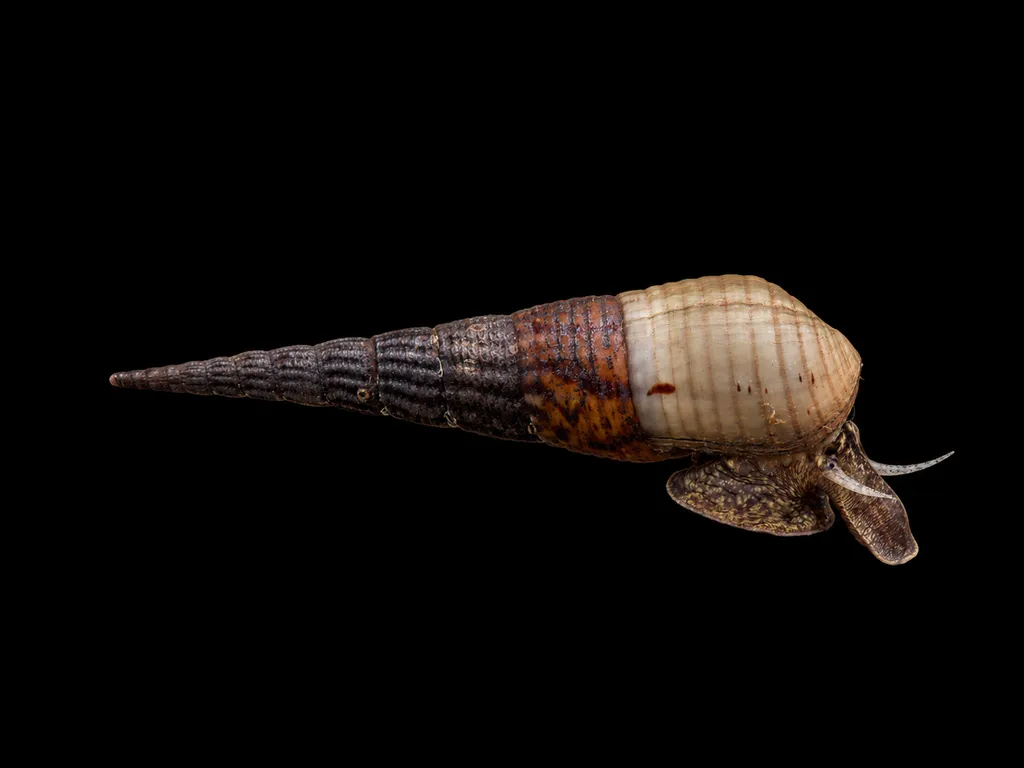
Chopstick snail
Stenomelania torulosa
Freshwater2 in (5 cm) · 11 gal (40 L)73–82°F (23–28°C)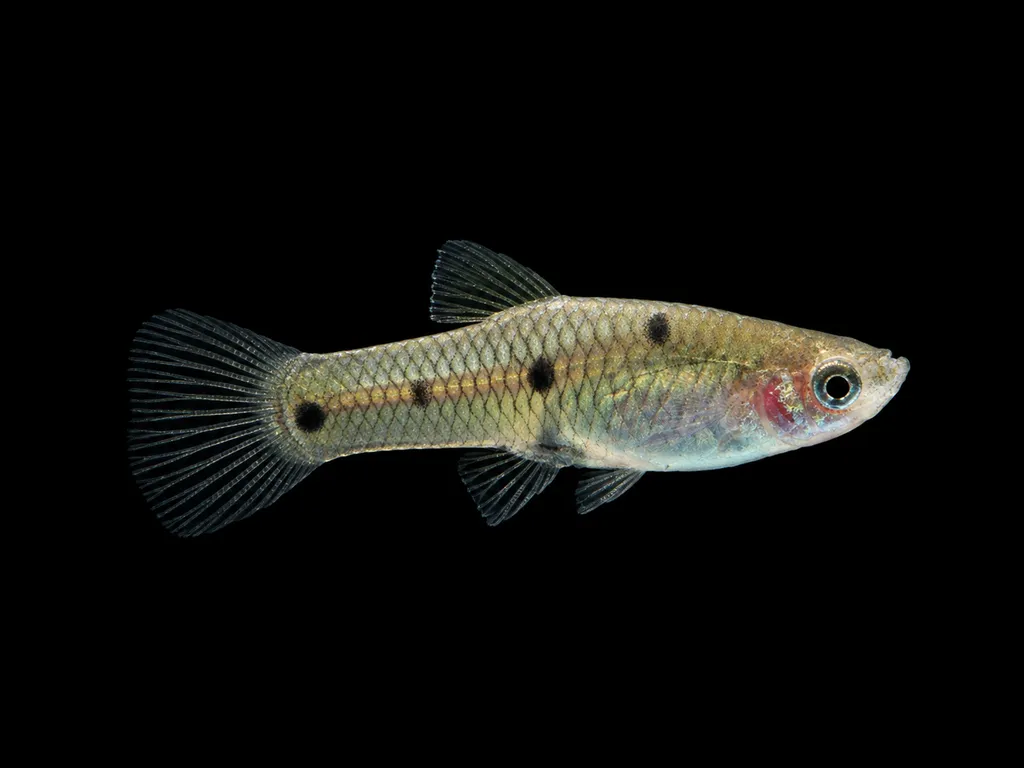
Fourspotted toothcarp
Phallichthys quadripunctatus
Freshwater1.4 in (3.5 cm) · 11 gal (40 L)68–86°F (20–30°C)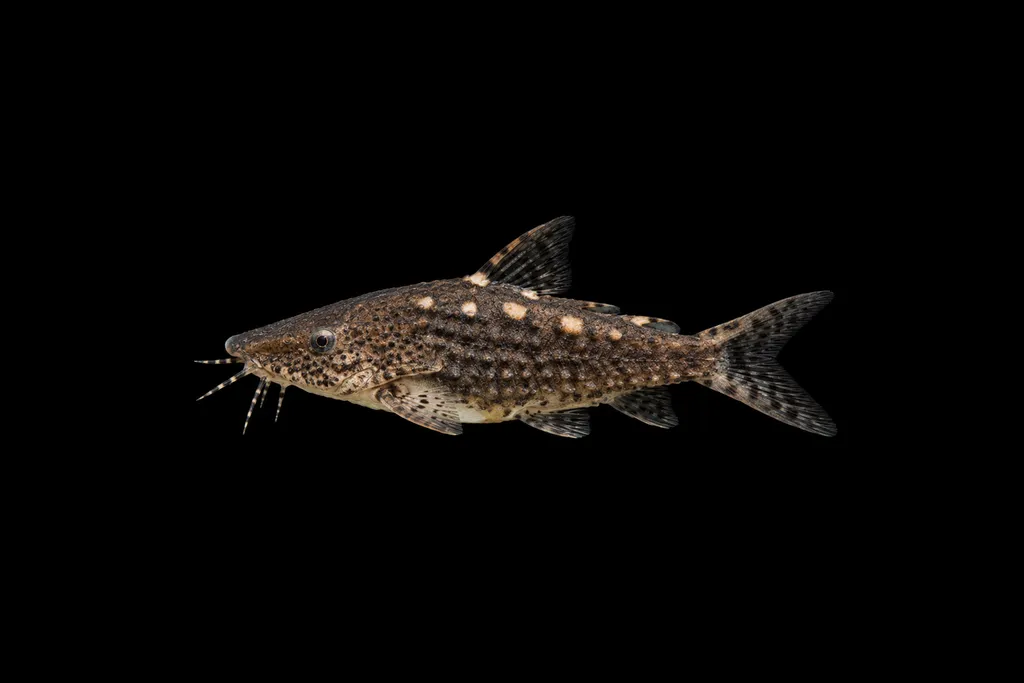
Dwarf warty catfish
Parakysis notialis
Freshwater1 in (2.5 cm) · 11 gal (40 L)73–82°F (23–28°C)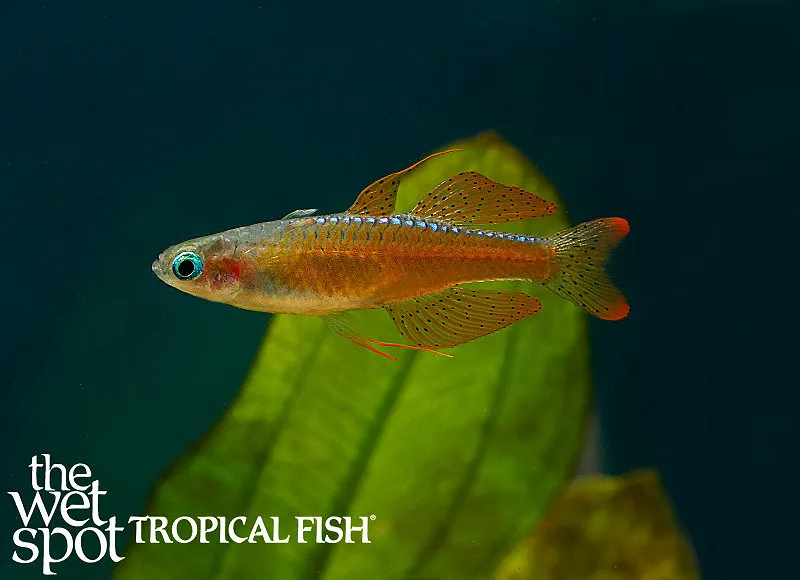
Red neon blue-eye
Pseudomugil luminatus
Freshwater1.4 in (3.5 cm) · 11 gal (40 L)72–81°F (22–27°C)
Common questions
What size tank does a Porthole livebearer need?
A Porthole livebearer needs at least 11 gal (40 L). It spends most of its time in the middle.
What temperature and pH does a Porthole livebearer need?
A Porthole livebearer is comfortable at 72–82°F (22–28°C) with a pH of 6.5–7.8.
How big does a Porthole livebearer get?
An adult Porthole livebearer reaches about 3.5 in (9 cm).
Related species
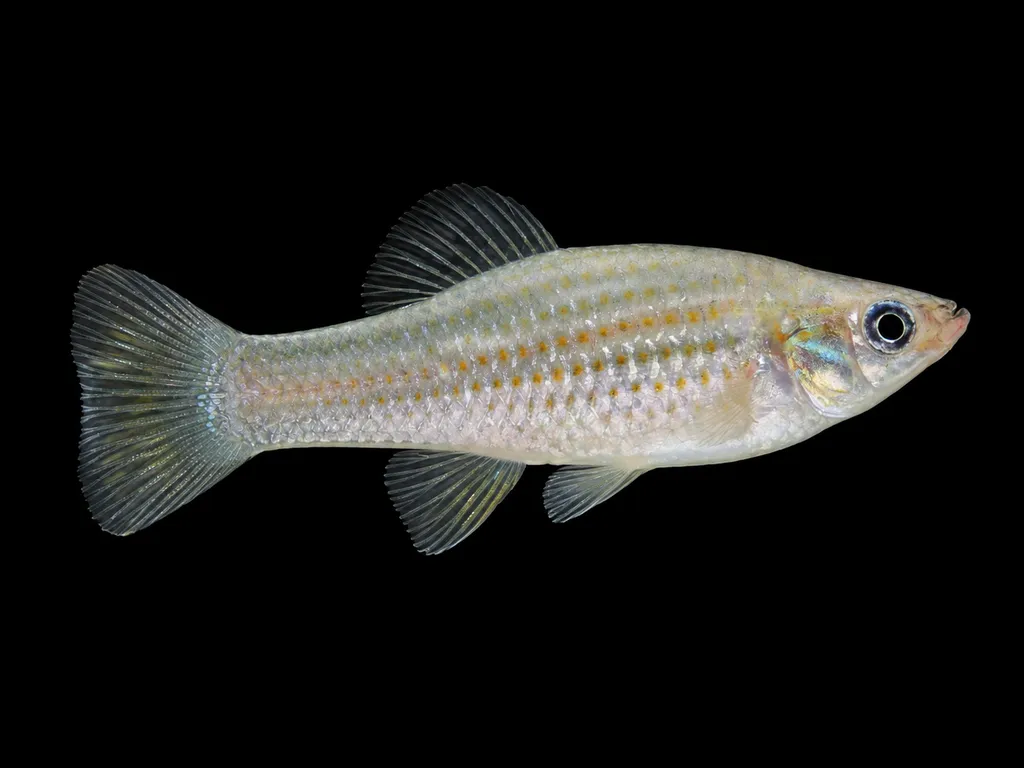 3.5 in (9 cm)20 gal (75 L)68–82°F (20–28°C)
Amazon molly
Poecilia formosa
3.5 in (9 cm) · 20 gal (75 L)
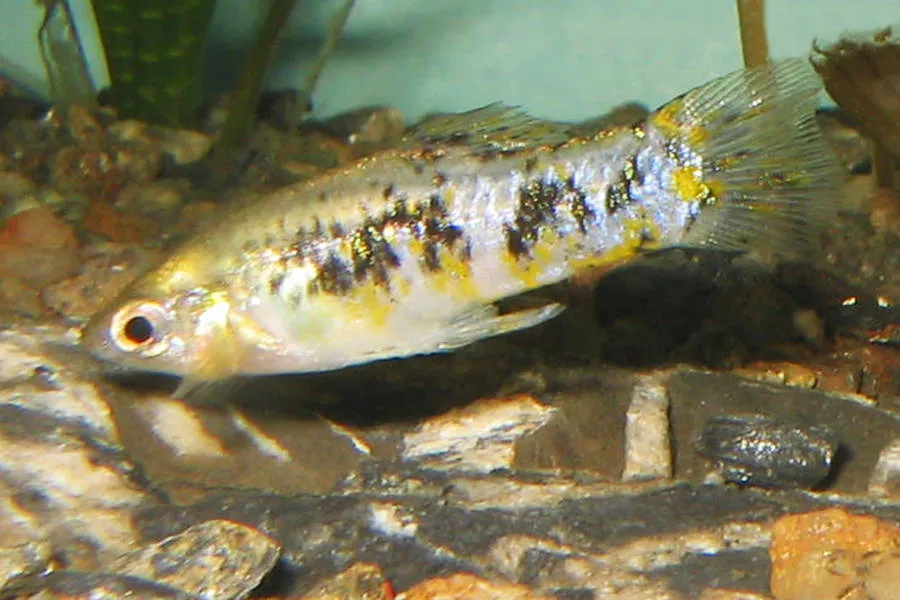 3.9 in (10 cm)18 gal (70 L)73–82°F (23–28°C)
Cuban limia
Limia vittata
3.9 in (10 cm) · 18 gal (70 L)
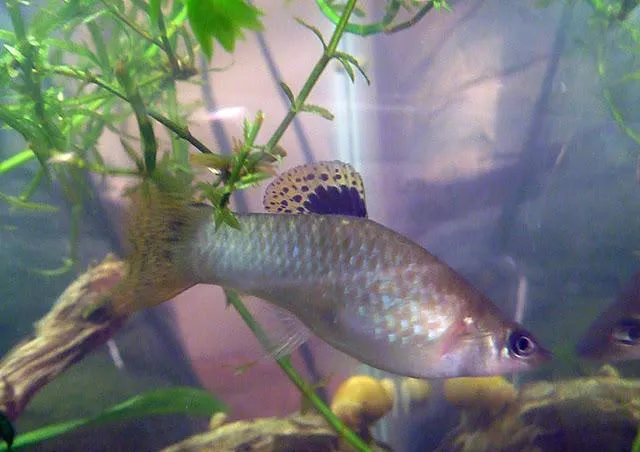 3.9 in (10 cm)26 gal (100 L)72–86°F (22–30°C)
Gill's molly
Poecilia gillii
3.9 in (10 cm) · 26 gal (100 L)
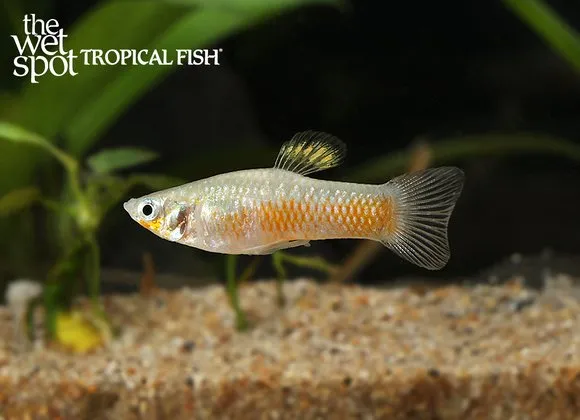 3.1 in (8 cm)20 gal (75 L)72–81°F (22–27°C)
Southern molly
Poecilia vivipara
3.1 in (8 cm) · 20 gal (75 L)
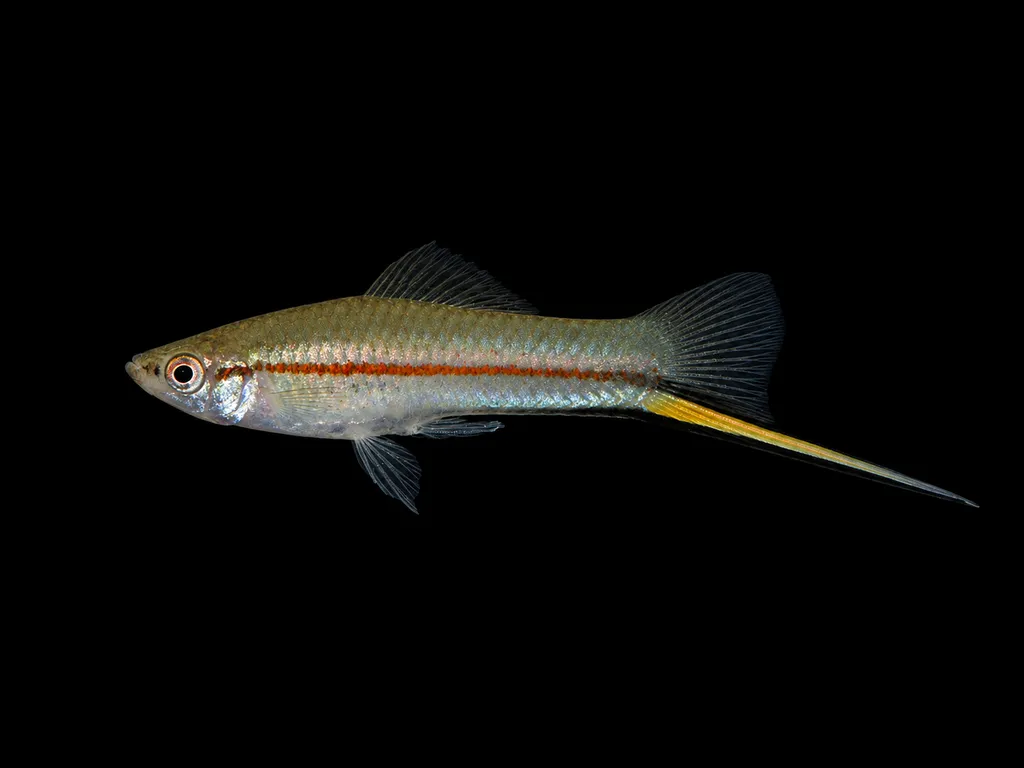 4.1 in (10.5 cm)29 gal (110 L)73–82°F (23–28°C)
Kallman's swordtail
Xiphophorus kallmani
4.1 in (10.5 cm) · 29 gal (110 L)
 4.3 in (11 cm)32 gal (120 L)72–82°F (22–28°C)
Shortfin molly
Poecilia mexicana
4.3 in (11 cm) · 32 gal (120 L)