Yellow banded mochokiella
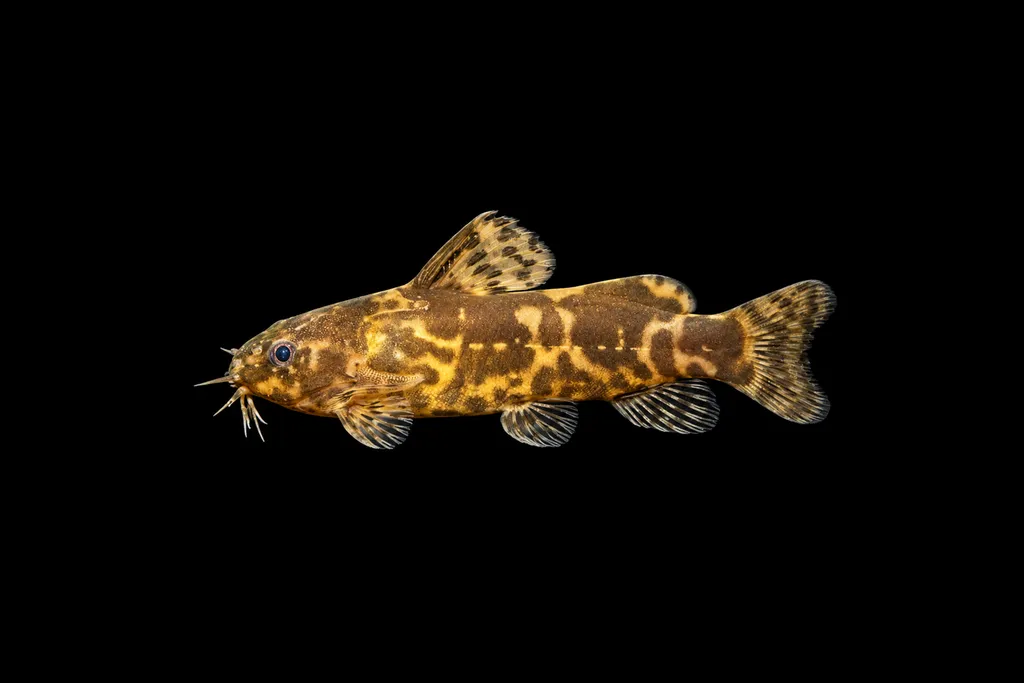
Mochokiella paynei
Also known as Payne's catfish, Mochokiella, Yellow banded catfish
FreshwaterFish
Care at a glance
- Temperature
- 73–81°F
- 23–27°C
- pH
- 6.0–7.5
- Adult size
- 2 in
- 5 cm
- Minimum tank
- 29 gal
- 110 L
- Temperament
- Peaceful
- Social behavior
- Social
- Swim level
- Bottom
- Difficulty
- Medium
- Breeding
- Egg layer
- Rarity
- Rare
- Family
- Mochokidae
- Origin
- Sierra Leone streams
Overview
The yellow banded mochokiella is a tiny, peaceful catfish for a quiet community of small fish. It asks for a little experience.
Did you know
The yellow banded mochokiella has remarkably long, much branched barbels. They are elaborate even by the standards of the whiskery squeakers.
Caring for the yellow banded mochokiella
Give yellow banded mochokiellas a mature tank of at least 29 gal (110 L), with plenty of cover. A sand floor, dried leaves, bogwood and low light suit them, with gentle flow.
Keep the water warm, soft and slightly acidic to neutral, at 73 to 81°F (23 to 27°C) and a pH of 6.0 to 7.5. They work over leaf litter and among wood for small foods, mostly around dusk and after dark. Offer fine sinking foods and small frozen items such as baby brine shrimp and daphnia.
Keep them in a small group rather than singly, since they are sociable. They are fully peaceful, but small and retiring, so pair them with small, gentle tank mates that will not outcompete them. They lay eggs, though breeding is not recorded in home aquaria.
Good to know
The yellow banded mochokiella is the only species in the genus Mochokiella, within the catfish family Mochokidae. It is banded in cream and brown. The ichthyologist Howes described it in 1980, and it is also called Payne's catfish.
In the wild
The yellow banded mochokiella lives in shaded forest streams of Sierra Leone. It is known only from a single protected reserve, the Kassawe Forest Reserve. There it keeps to soft, tannin stained water over leaf litter.
Weekly picks
Tank mates
The yellow banded mochokiella is a peaceful, social species that keeps to the bottom. These picks share a community profile with it, are safe together in both directions, and overlap on water type, temperature and pH.
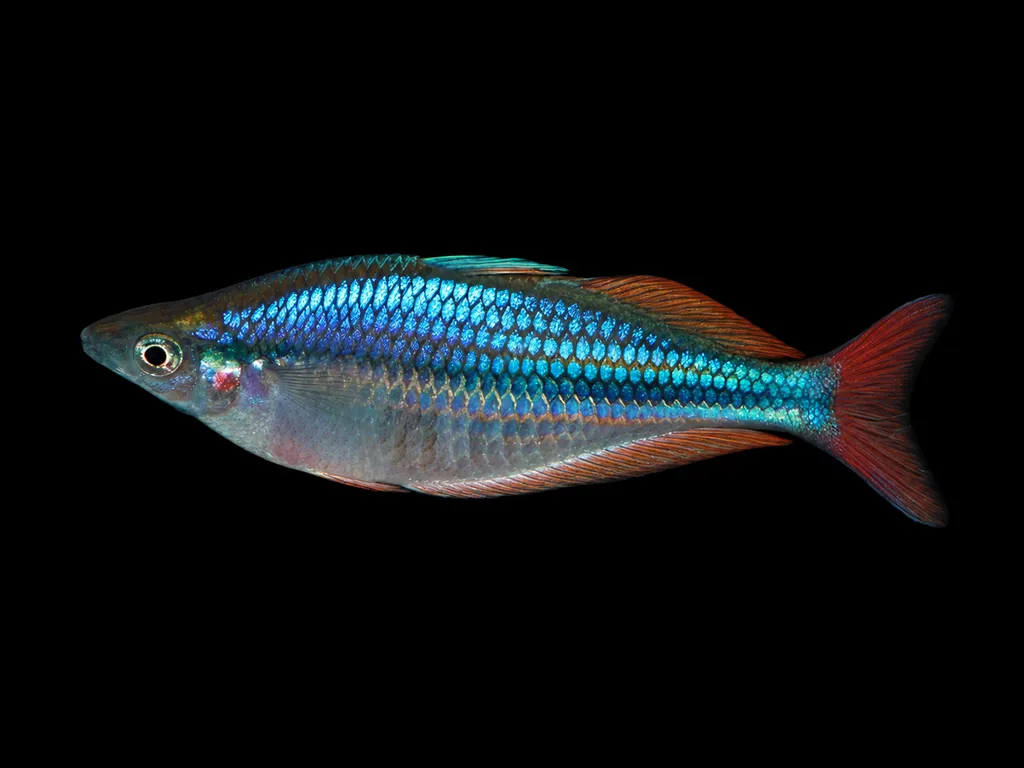
Highlands rainbowfish
Chilatherina campsi
Freshwater3.4 in (8.6 cm) · 29 gal (110 L)70–81°F (21–27°C)
Blackwing hatchetfish
Carnegiella marthae
Freshwater1.4 in (3.5 cm) · 30 gal (115 L)68–82°F (20–28°C)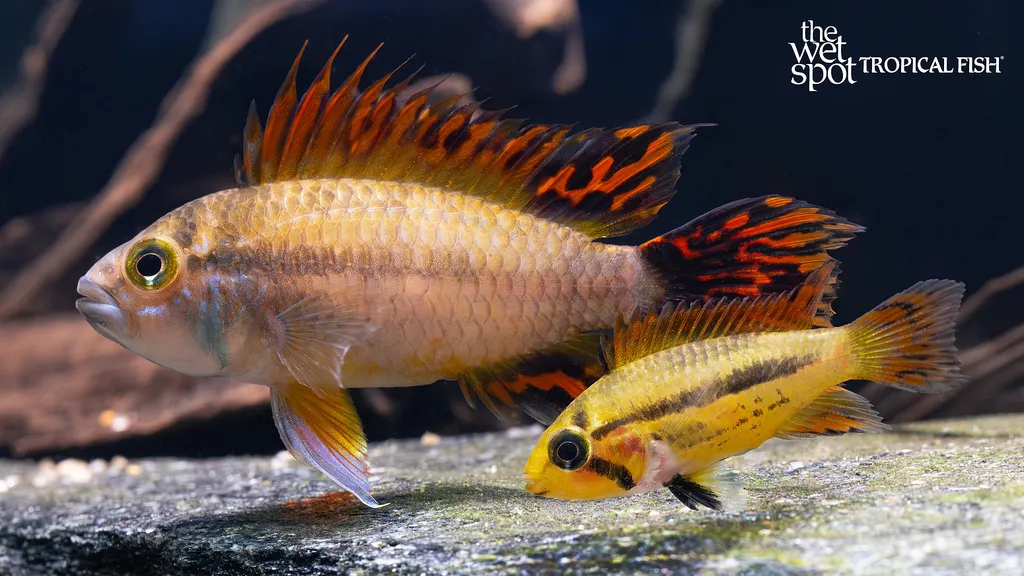
Kullander's dwarf cichlid
Apistogramma kullanderi
Freshwater3.9 in (10 cm) · 29 gal (110 L)72–81°F (22–27°C)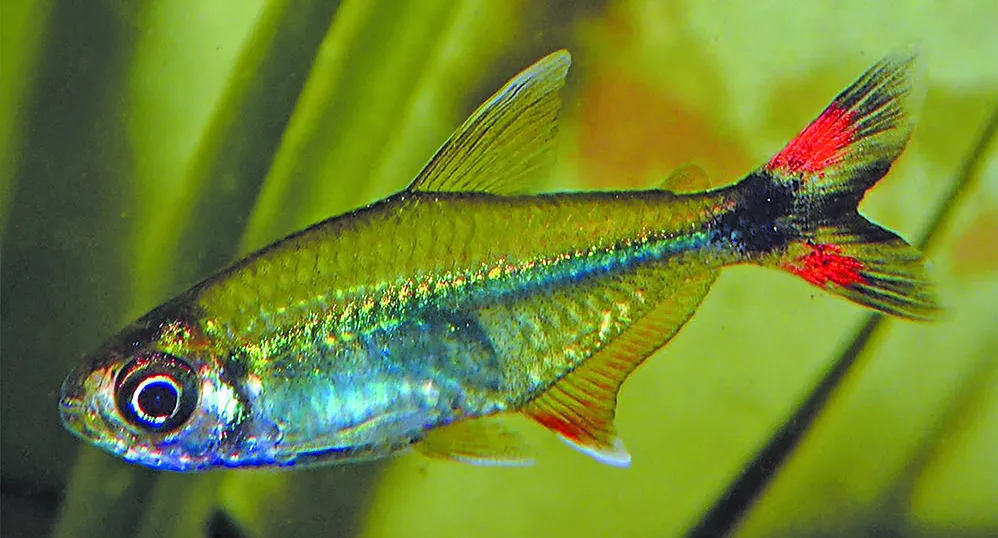
Bonita tetra
Moenkhausia bonita
Freshwater3.3 in (8.5 cm) · 29 gal (110 L)72–81°F (22–27°C)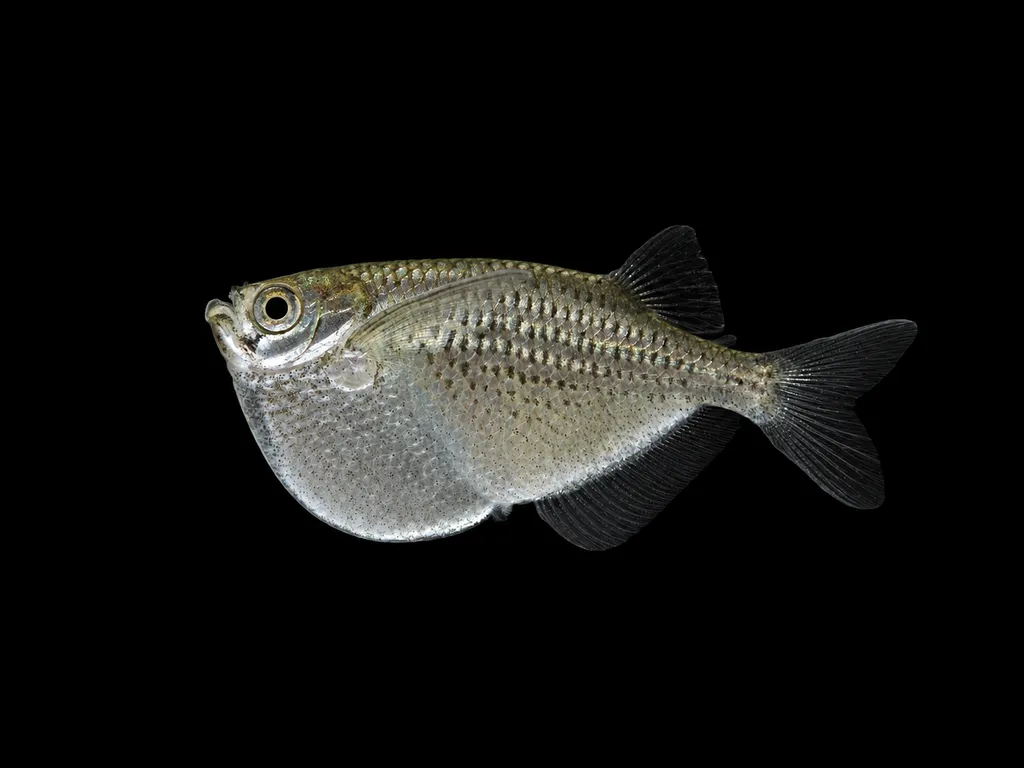
Silver hatchetfish
Gasteropelecus levis
Freshwater1.4 in (3.5 cm) · 30 gal (112 L)73–82°F (23–28°C)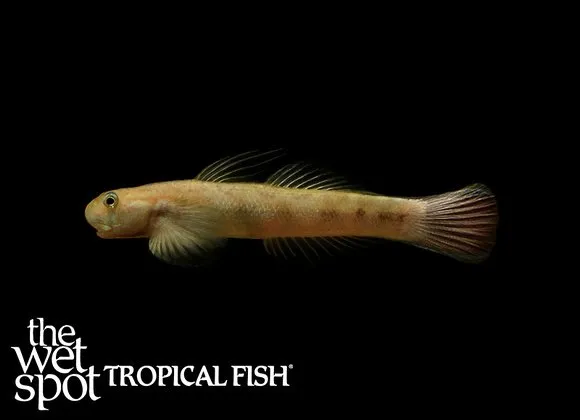
Red tail sicyopterus
Sicyopterus lagocephalus
Freshwater5.1 in (13 cm) · 29 gal (110 L)73–81°F (23–27°C)
Common questions
What size tank does a yellow banded mochokiella need?
A yellow banded mochokiella needs at least 29 gal (110 L). It spends most of its time in the bottom.
What temperature and pH does a yellow banded mochokiella need?
A yellow banded mochokiella is comfortable at 73–81°F (23–27°C) with a pH of 6.0–7.5.
What does a yellow banded mochokiella eat?
A yellow banded mochokiella eats fine sinking foods and small frozen items such as baby brine shrimp and daphnia. It feeds mostly around dusk and after dark.
How big does a yellow banded mochokiella get?
An adult yellow banded mochokiella reaches about 2 in (5 cm).
How does a yellow banded mochokiella breed?
The yellow banded mochokiella lays eggs, but breeding has not been recorded in home aquaria.
Related species
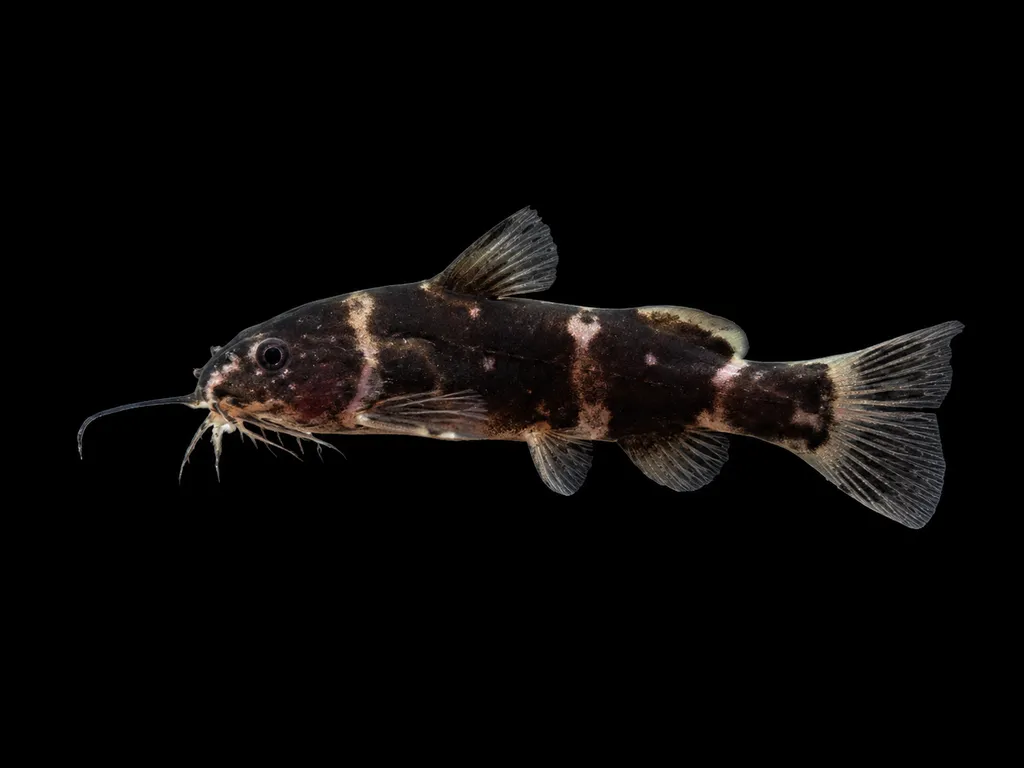
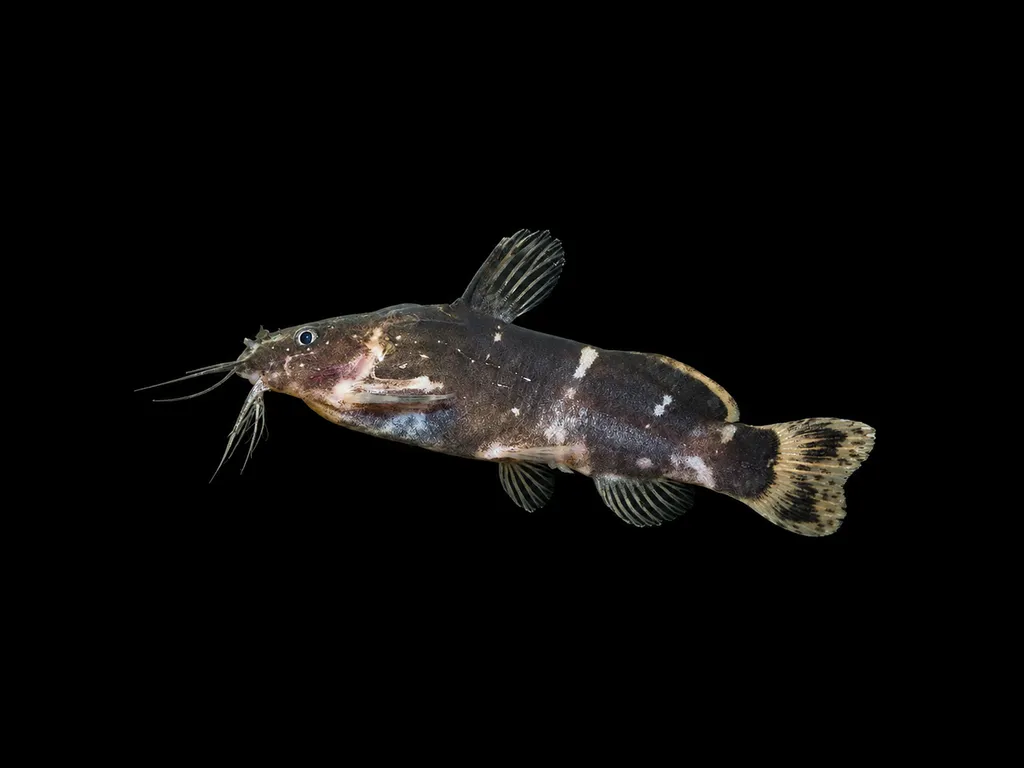 1.8 in (4.5 cm)20 gal (75 L)73–81°F (23–27°C)
Poll's dwarf synodontis
Microsynodontis polli
1.8 in (4.5 cm) · 20 gal (75 L)
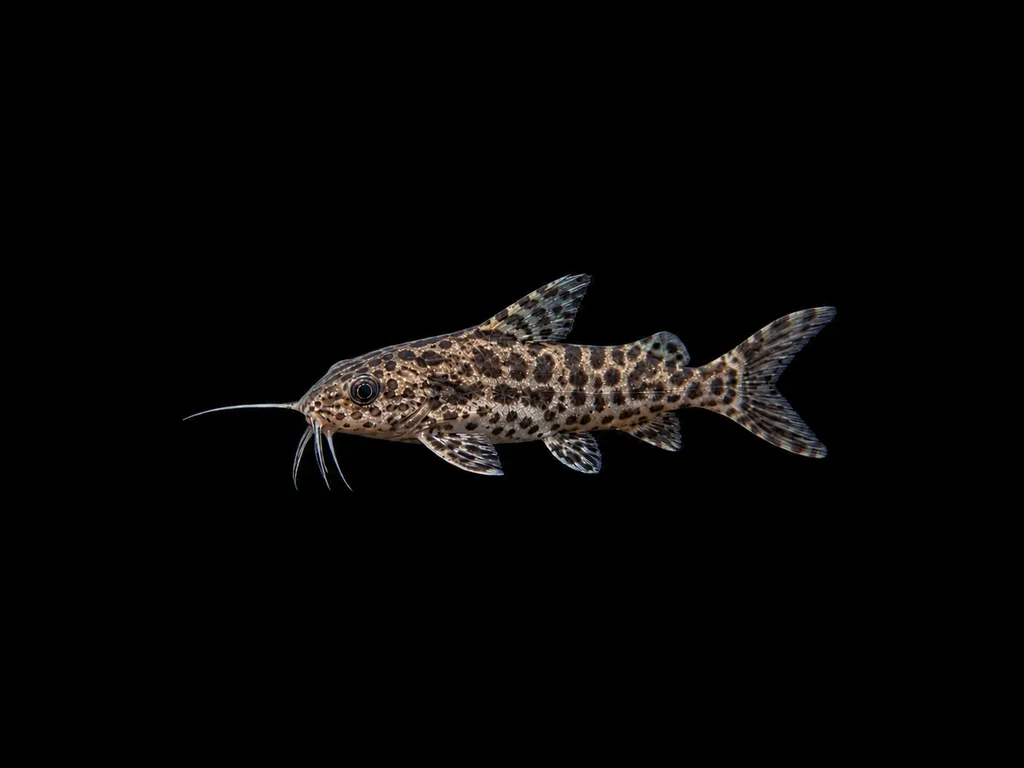
 3.3 in (8.5 cm)29 gal (110 L)73–81°F (23–27°C)
Dwarf synodontis
Microsynodontis batesii
3.3 in (8.5 cm) · 29 gal (110 L)
 3.9 in (10 cm)30 gal (114 L)72–79°F (22–26°C)
Bugeye squeaker
Synodontis contractus
3.9 in (10 cm) · 30 gal (114 L)
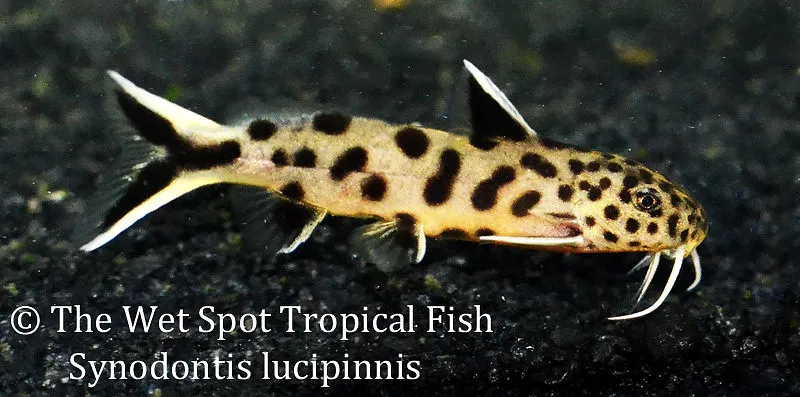 3.9 in (10 cm)30 gal (114 L)73–81°F (23–27°C)
Dwarf petricola
Synodontis lucipinnis
3.9 in (10 cm) · 30 gal (114 L)
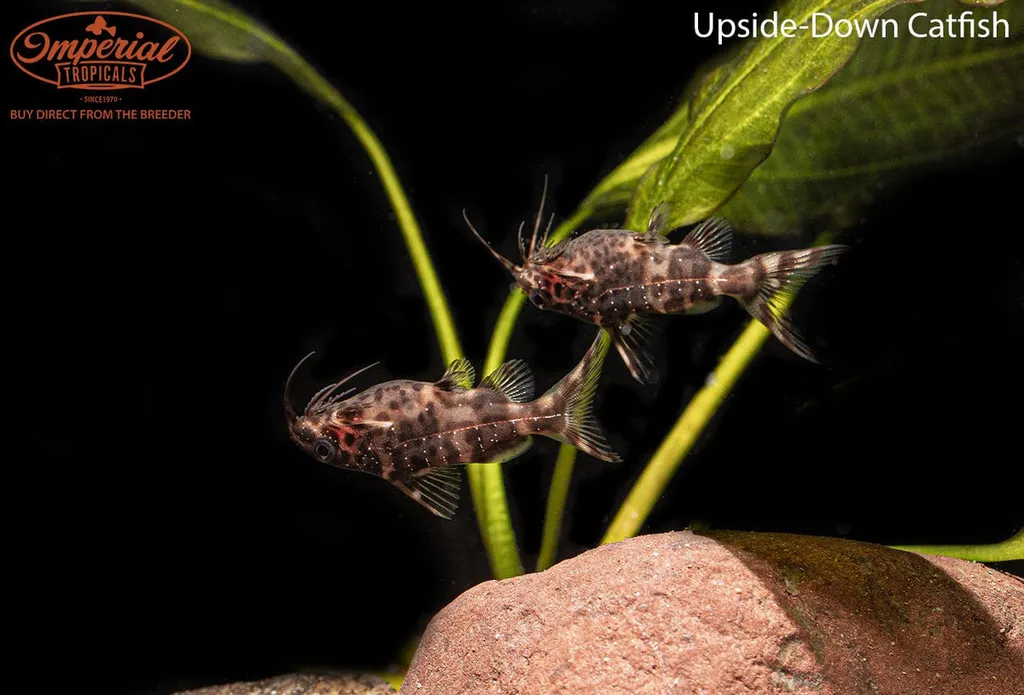 3.9 in (10 cm)30 gal (115 L)75–82°F (24–28°C)
Upside-down catfish
Synodontis nigriventris
3.9 in (10 cm) · 30 gal (115 L)
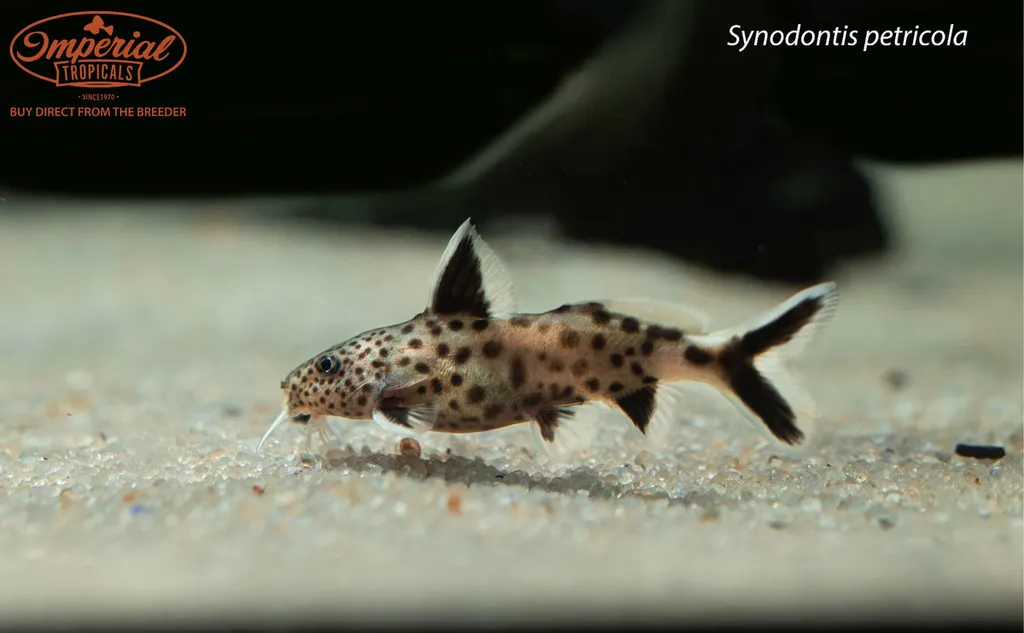 4.7 in (12 cm)21 gal (80 L)75–82°F (24–28°C)
Even-Spotted squeaker
Synodontis petricola
4.7 in (12 cm) · 21 gal (80 L)