Striped glass catfish
Kryptopterus macrocephalus
FreshwaterFish
Care at a glance
- Temperature
- 70–79°F
- 21–26°C
- pH
- 6.0–7.0
- Adult size
- 3.5 in
- 9 cm
- Minimum tank
- 36 gal
- 135 L
- Temperament
- Peaceful
- Social behavior
- Schooling
- Swim level
- Middle
- Difficulty
- Easy
- Breeding
- No record
- Rarity
- Very rare
- Family
- Siluridae
- Origin
- Thailand
Overview
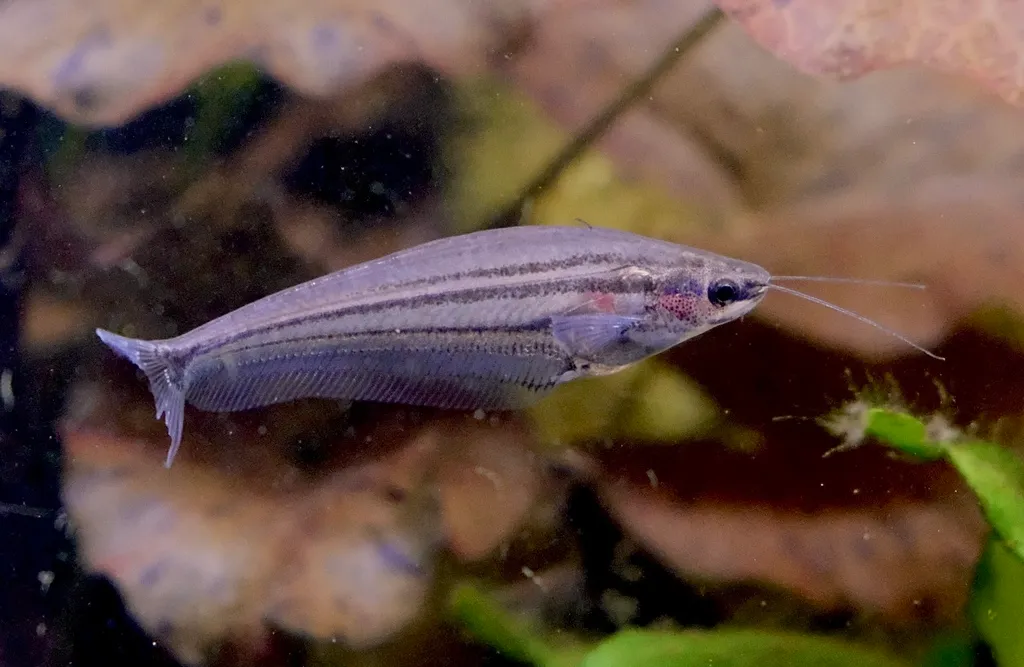
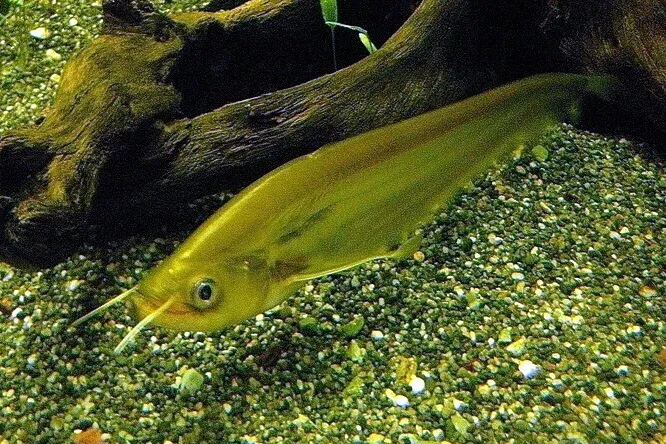
The striped glass catfish is a peaceful, shy shoaler that hangs in open midwater rather than resting on the bottom, so it must be kept in a group of at least six to feel safe. On its own or in small numbers it hides, stops feeding, and fades, but in a proper shoal it drifts calmly in the current. It mixes well with small, gentle community fish and does not bother anything it cannot eat. Offer small foods that stay in the water column, such as frozen bloodworms, daphnia, cyclops, and fine sinking pellets. Give it a well-planted, dimly lit tank with gentle flow and open swimming space, around 135 liters or larger.
In the wild
The striped glass catfish comes from Thailand and nearby parts of Southeast Asia, living in slow-moving, well-vegetated rivers and streams, often in soft, slightly acidic water. Keep it from around 21 to 26 C with a pH between 6 and 7 and gentle flow. A densely planted tank with driftwood, some floating plants to soften the light, and open water in the middle for the shoal to gather suits it best. Stable, clean water matters, as sudden changes stress this delicate fish.
Good to know
The striped glass catfish belongs to Siluridae, the sheatfishes, and grows to around 9 cm. It is a close relative of the familiar clear glass catfish but is less transparent, with a pinkish, faintly striped body and a larger head. Like others in the family it has a long anal fin along its underside and little or no dorsal fin. It feeds on small invertebrates in midwater and, as with most glass catfishes, is not known to breed in home aquariums.
Did you know
The striped glass catfish is often mixed up with the fully see-through glass catfish sold in shops. This species is only partly transparent, showing a pinkish body with faint stripes and a noticeably larger head.
Weekly picks
Tank mates
Striped glass catfish is a peaceful, schooling species that keeps to the middle. These picks share a community profile with it, are safe together in both directions, and overlap on water type, temperature and pH.
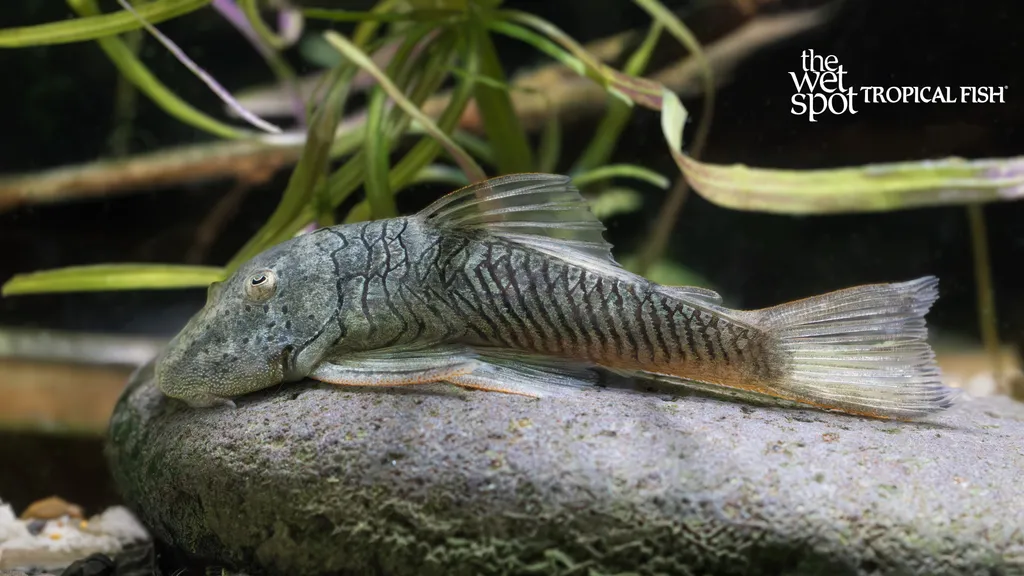
Bulldog pleco
Chaetostoma formosae
Freshwater4.3 in (11 cm) · 40 gal (150 L)68–77°F (20–25°C)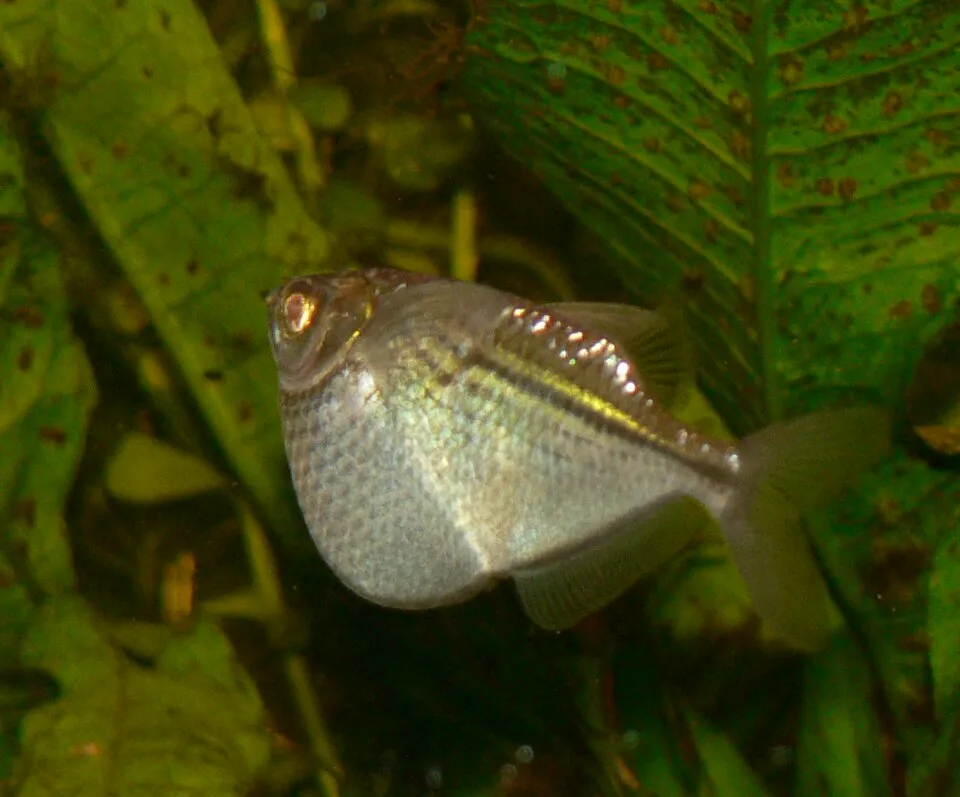
Common hatchetfish
Gasteropelecus sternicla
Freshwater1.6 in (4 cm) · 33 gal (125 L)68–82°F (20–28°C)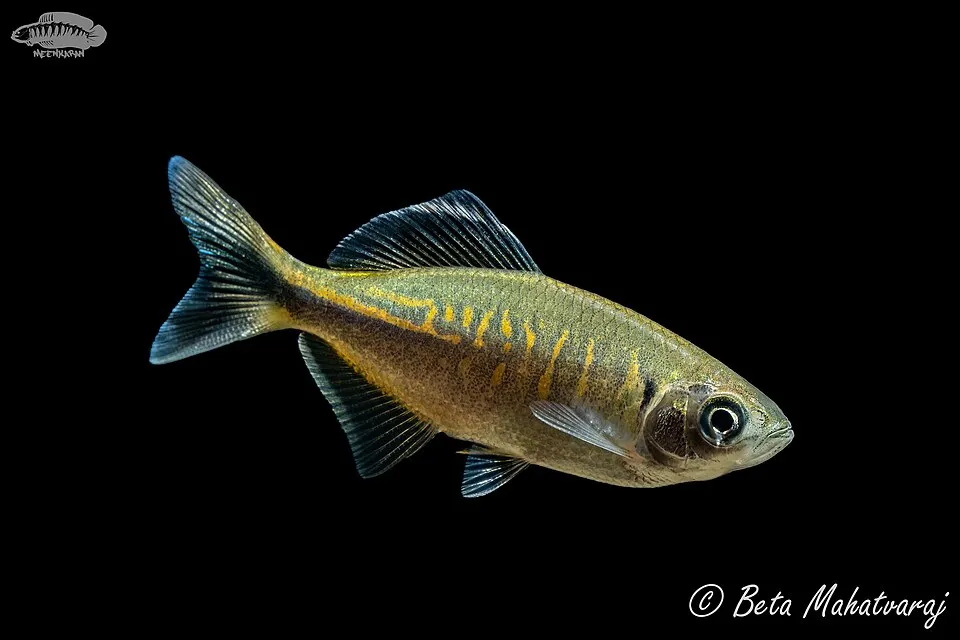
Bengal danio
Devario devario
Freshwater3.5 in (9 cm) · 34 gal (130 L)59–81°F (15–27°C)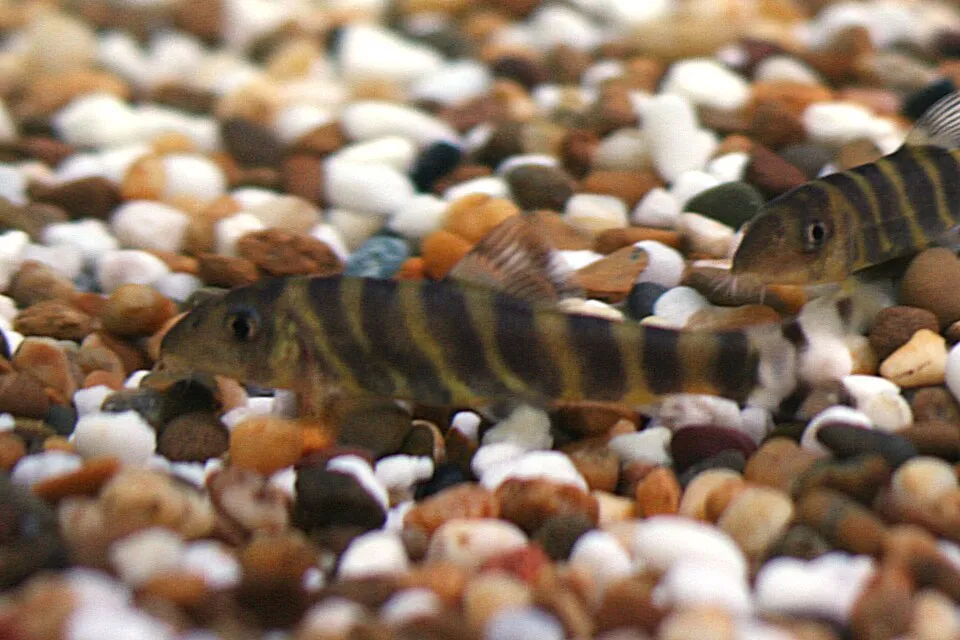
Bengal loach
Botia dario
Freshwater5.1 in (13 cm) · 37 gal (140 L)73–79°F (23–26°C)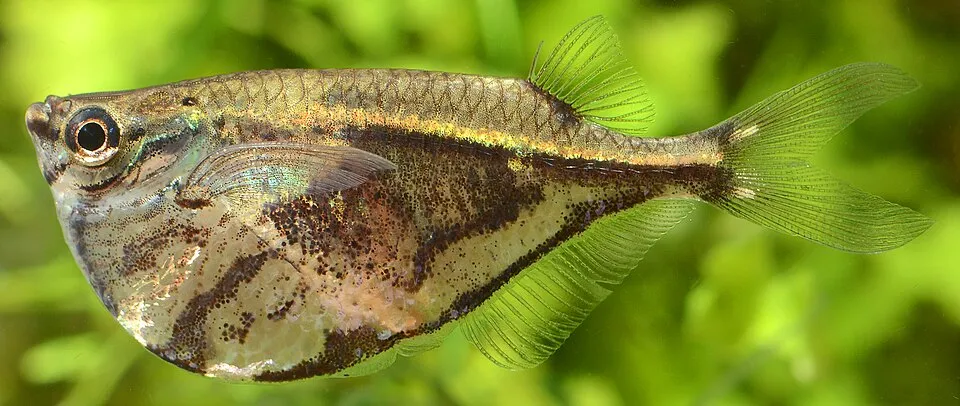
Marbled hatchetfish
Carnegiella strigata
Freshwater1.6 in (4 cm) · 32 gal (120 L)68–82°F (20–28°C)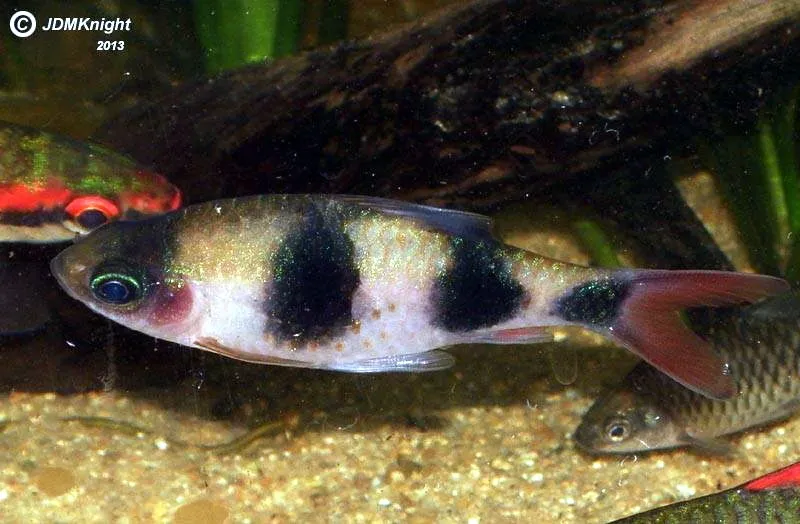
Arulius barb
Dawkinsia arulius
Freshwater4.7 in (12 cm) · 37 gal (140 L)66–77°F (19–25°C)
Common questions
What size tank does a Striped glass catfish need?
A Striped glass catfish needs at least 36 gal (135 L). It spends most of its time in the middle.
What temperature and pH does a Striped glass catfish need?
A Striped glass catfish is comfortable at 70–79°F (21–26°C) with a pH of 6.0–7.0.
How big does a Striped glass catfish get?
An adult Striped glass catfish reaches about 3.5 in (9 cm).
Does a Striped glass catfish need a group?
Yes. A Striped glass catfish is a schooling species and should be kept in a group, not singly.
Related species
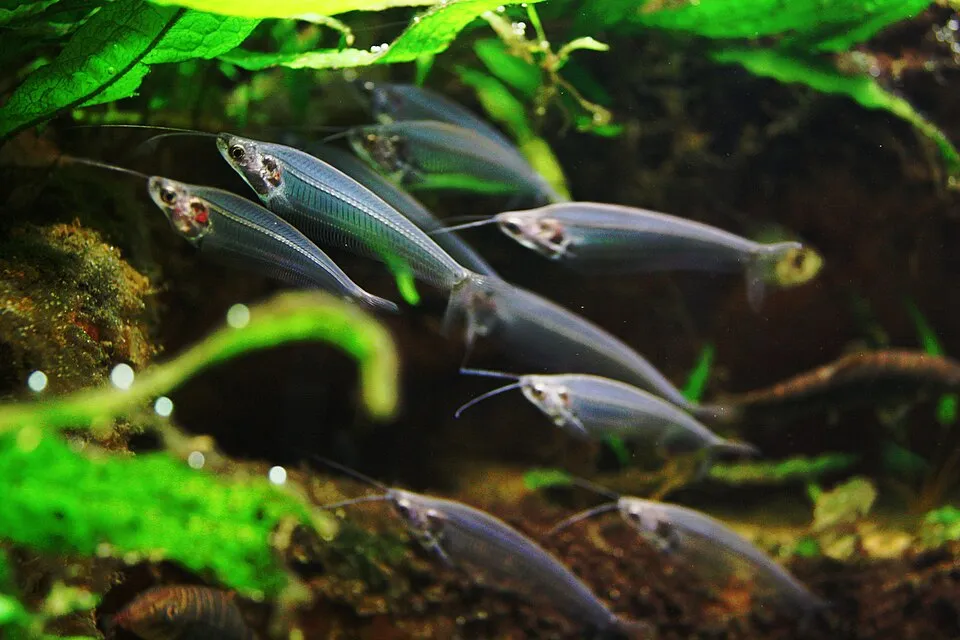 2.8 in (7 cm)30 gal (115 L)70–79°F (21–26°C)
Glass catfish
Kryptopterus vitreolus
2.8 in (7 cm) · 30 gal (115 L)
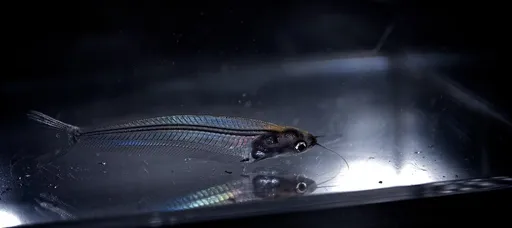 5.9 in (15 cm)26 gal (100 L)70–79°F (21–26°C)
True glass catfish
Kryptopterus bicirrhis
5.9 in (15 cm) · 26 gal (100 L)
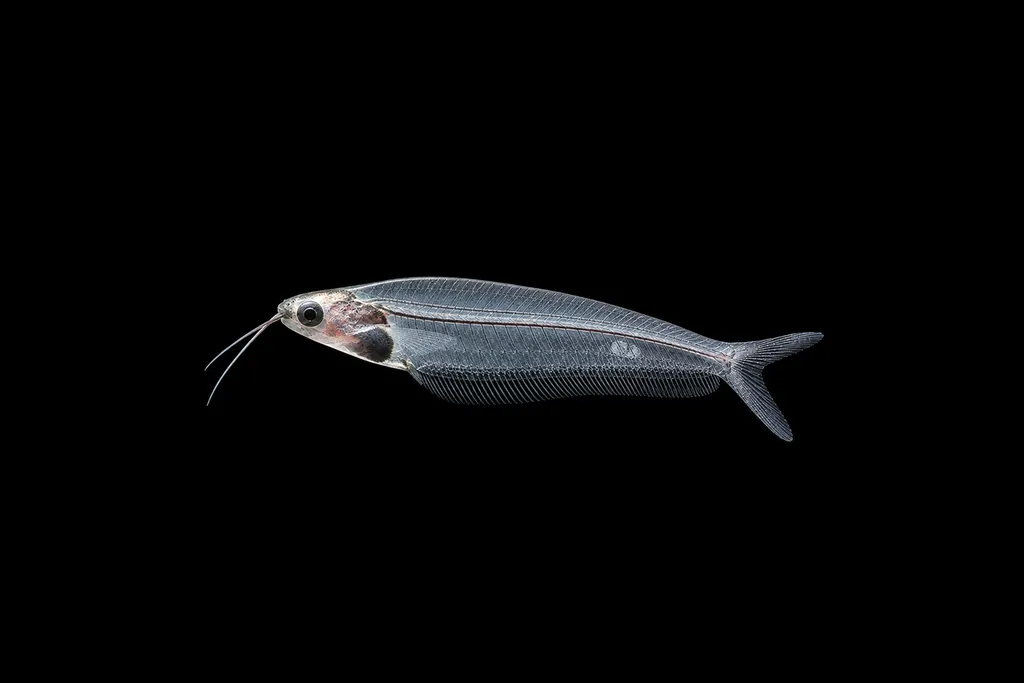 11.8 in (30 cm)119 gal (450 L)73–81°F (23–27°C)
Mekong glass sheatfish
Kryptopterus limpok
11.8 in (30 cm) · 119 gal (450 L)
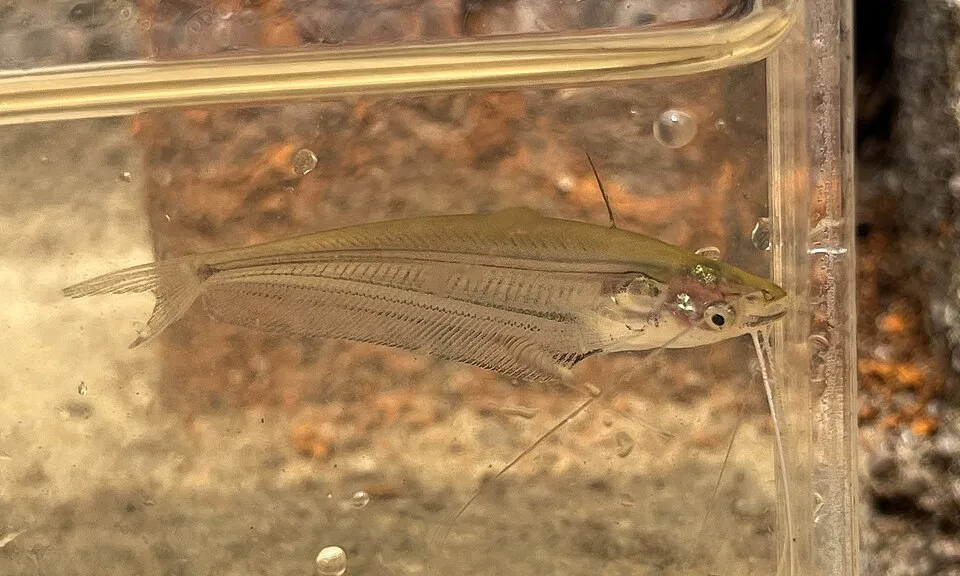 6.5 in (16.5 cm)45 gal (170 L)70–82°F (21–28°C)
Borneo glass catfish
Ompok eugeneiatus
6.5 in (16.5 cm) · 45 gal (170 L)
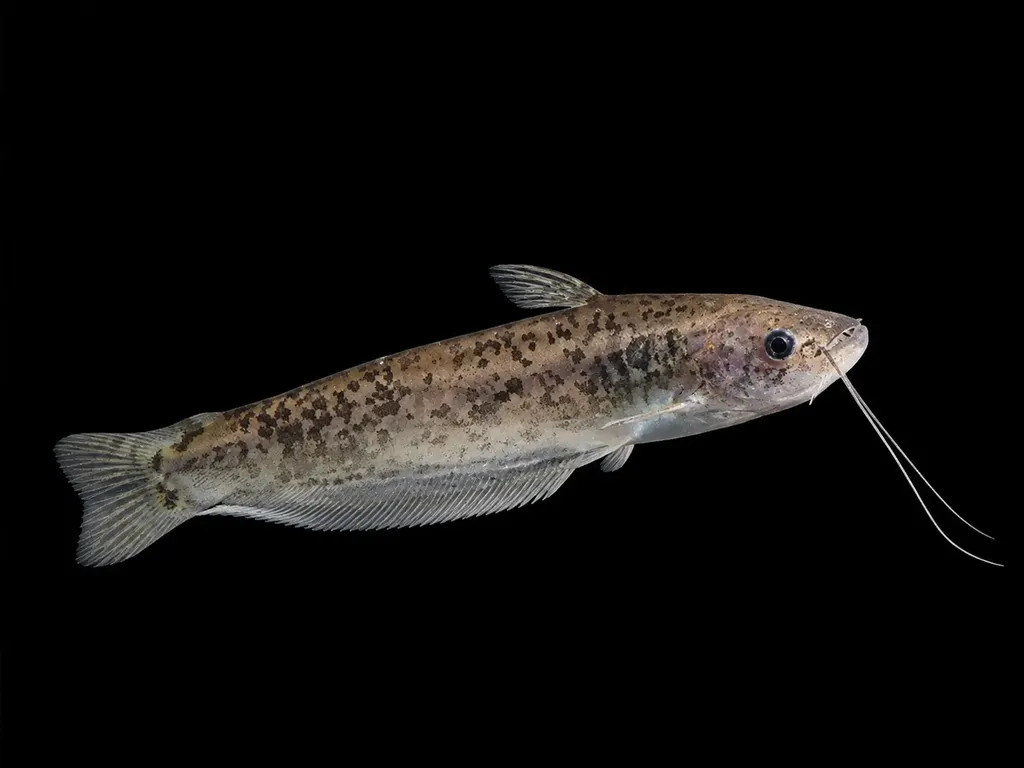 11.8 in (30 cm)106 gal (400 L)73–81°F (23–27°C)
Ompok catfish
Ompok pabda
11.8 in (30 cm) · 106 gal (400 L)
 31.5 in (80 cm)238 gal (900 L)73–81°F (23–27°C)
Blue neon sheatfish
Belodontichthys dinema
31.5 in (80 cm) · 238 gal (900 L)