Pongo characin
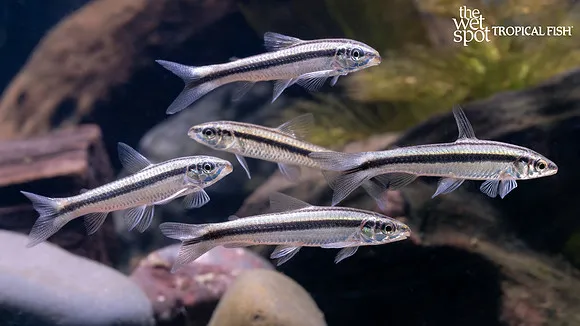
Parodon cf. pongoensis
Also known as Parodon pongoensis, Pongo darter
FreshwaterFish
Care at a glance
- Temperature
- 72–79°F
- 22–26°C
- pH
- 6.0–7.5
- Adult size
- 3.9 in
- 10 cm
- Minimum tank
- 30 gal
- 112 L
- Temperament
- Mostly peaceful
- Social behavior
- Shoaling
- Swim level
- Bottom
- Difficulty
- Medium
- Breeding
- No record
- Rarity
- Rare
- Family
- Parodontidae
- Origin
- Andean foothill streams of Peru
Overview
The Pongo characin is a hillstream-style grazer that clings to rock in fast water. It suits a keeper who has a little experience.
Did you know
The Pongo characin is named after the Pongo de Manseriche, a dramatic gorge where the Maranon River carves through the last Andean ridge. After the gorge, the river spreads out into the Amazon lowlands.
Caring for the Pongo characin
Give a shoal of Pongo characins at least 30 gal (112 L), with open, rocky ground. A hillstream layout of smooth boulders, pebbles and sand suits them, with strong flow from a powerhead or oversized filter. Bright light helps grow the algae film they feed on.
They need strong current and high oxygen to stay healthy. Keep the water warm but well oxygenated, at 72 to 79°F (22 to 26°C) and a pH of 6.0 to 7.5. They graze aufwuchs, and once settled they also accept algae wafers, vegetable-based foods and small frozen items.
Keep five or more together, since they work best in a shoal. They are peaceful with tank mates but busy and quick. Pair them with other fish that enjoy moving water rather than still tanks. There is no aquarium breeding record for this species.
Good to know
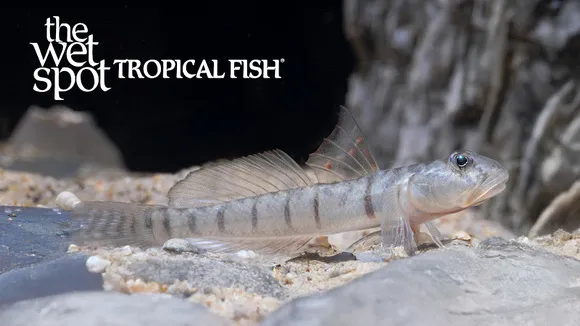
Parodon pongoensis is a scrape-toothed characin of the family Parodontidae, with a slim body and an underslung mouth of spade-shaped teeth for rasping rock. It was described from a brook near the Pongo de Manseriche in Peru. Imported fish match it closely but not certainly, so the trade sells them as cf. pongoensis, and all of them are wild caught.
In the wild
The Pongo characin lives in fast Andean foothill streams on the Peruvian side of the upper Amazon. Its clear water tumbles over rock and gravel with plenty of oxygen. It grazes the thin algae and biofilm coating the stones.
Weekly picks
Tank mates
The Pongo characin is a mostly peaceful, shoaling species that keeps to the bottom. These picks share a community profile with it, are safe together in both directions, and overlap on water type, temperature and pH.
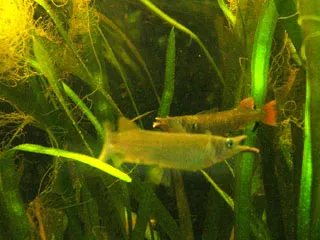
Redfin halfbeak
Nomorhamphus ebrardtii
Freshwater3.5 in (9 cm) · 29 gal (110 L)75–81°F (24–27°C)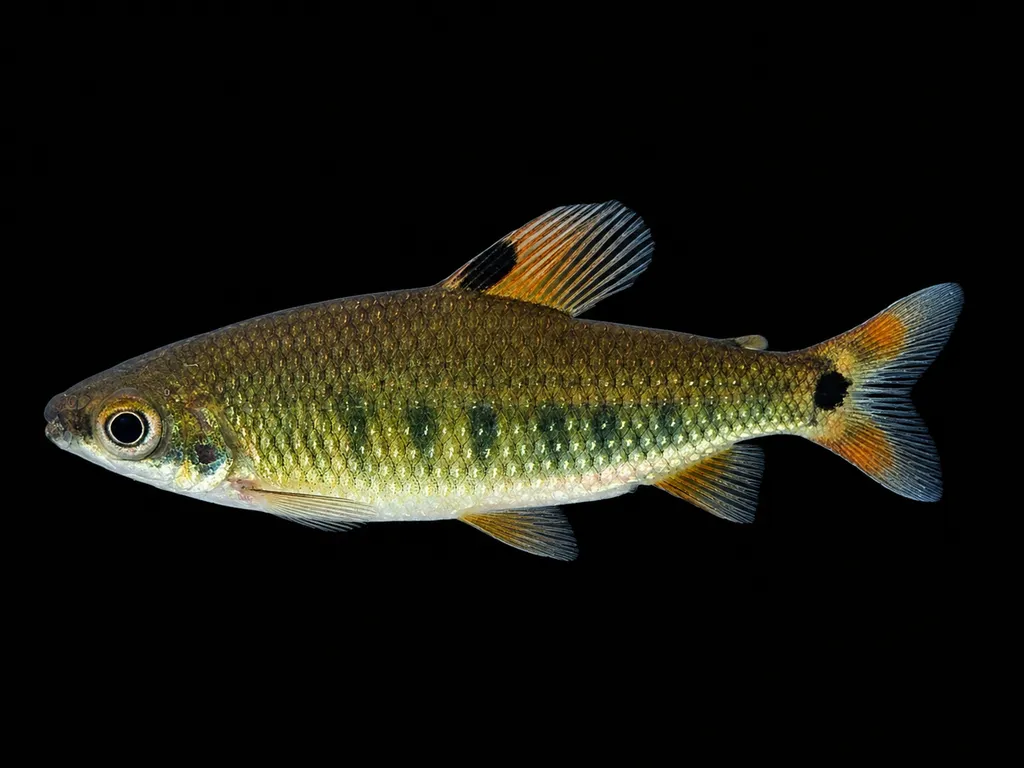
Dwarf distichodus
Distichodus decemmaculatus
Freshwater3 in (7.5 cm) · 30 gal (112 L)73–81°F (23–27°C)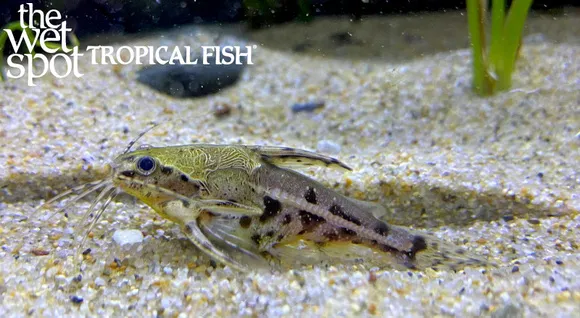
Marbled talking catfish
Amblydoras nauticus
Freshwater4.3 in (11 cm) · 30 gal (112 L)73–82°F (23–28°C)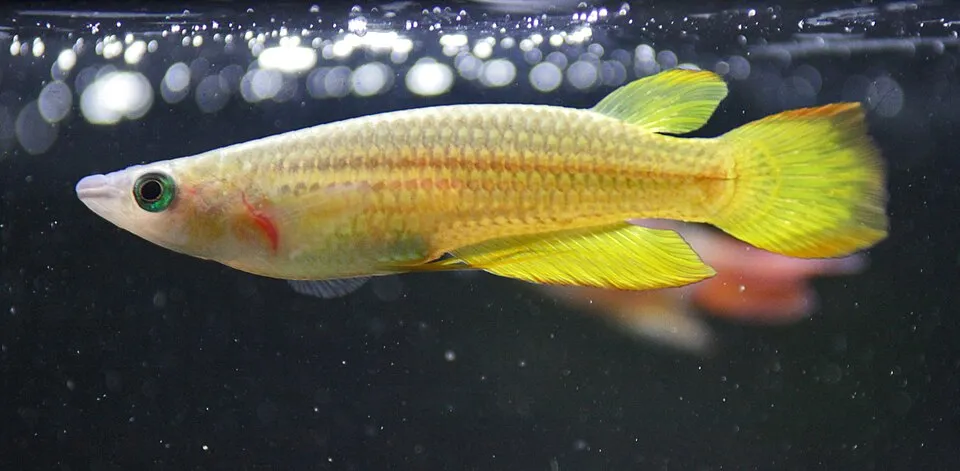
Striped panchax
Aplocheilus lineatus
Freshwater4.3 in (11 cm) · 30 gal (115 L)72–77°F (22–25°C)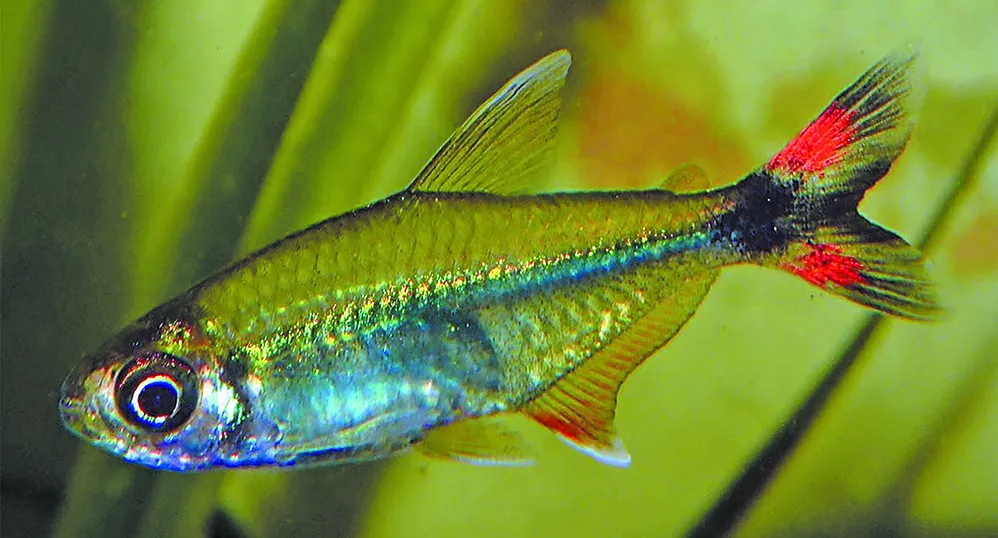
Bonita tetra
Moenkhausia bonita
Freshwater3.3 in (8.5 cm) · 29 gal (110 L)72–81°F (22–27°C)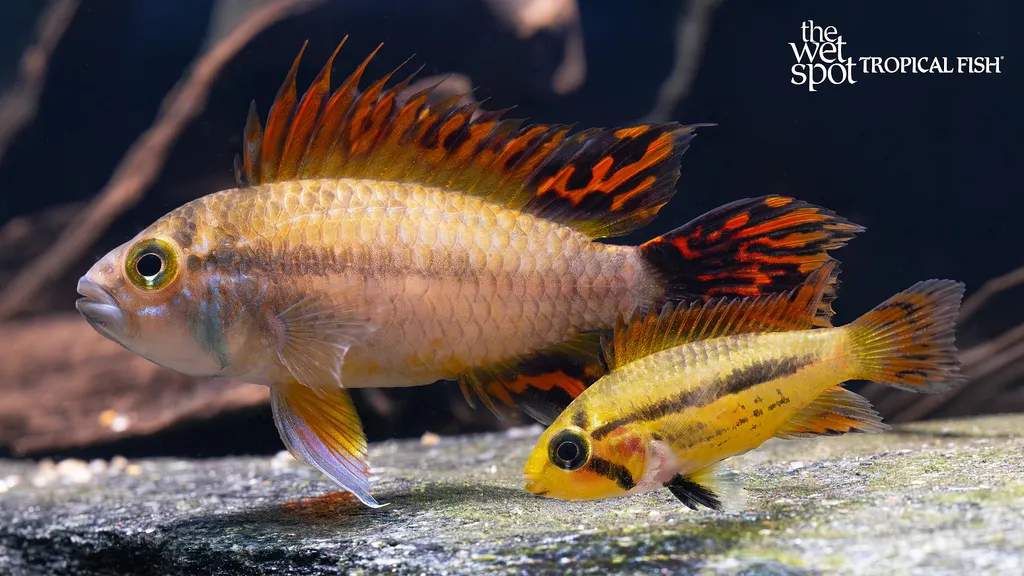
Kullander's dwarf cichlid
Apistogramma kullanderi
Freshwater3.9 in (10 cm) · 29 gal (110 L)72–81°F (22–27°C)
Common questions
What size tank does a Pongo characin need?
A Pongo characin needs at least 30 gal (112 L). It spends most of its time in the bottom.
What temperature and pH does a Pongo characin need?
A Pongo characin is comfortable at 72–79°F (22–26°C) with a pH of 6.0–7.5.
What does a Pongo characin eat?
A Pongo characin grazes aufwuchs. Once settled, it also accepts algae wafers, vegetable-based foods and small frozen items.
How big does a Pongo characin get?
An adult Pongo characin reaches about 3.9 in (10 cm).
Does a Pongo characin need a group?
Yes. A Pongo characin is a shoaling species and should be kept in a group, not singly.
Related species
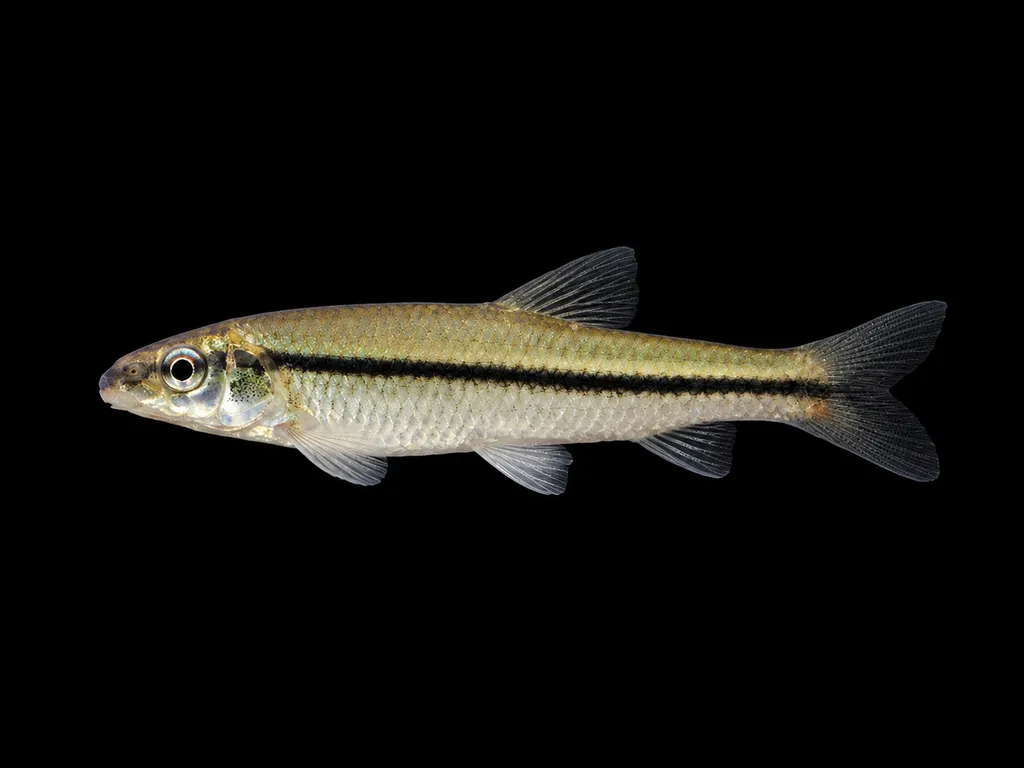 7.1 in (18 cm)53 gal (200 L)64–77°F (18–25°C)
Darter characin
Apareiodon affinis
7.1 in (18 cm) · 53 gal (200 L)
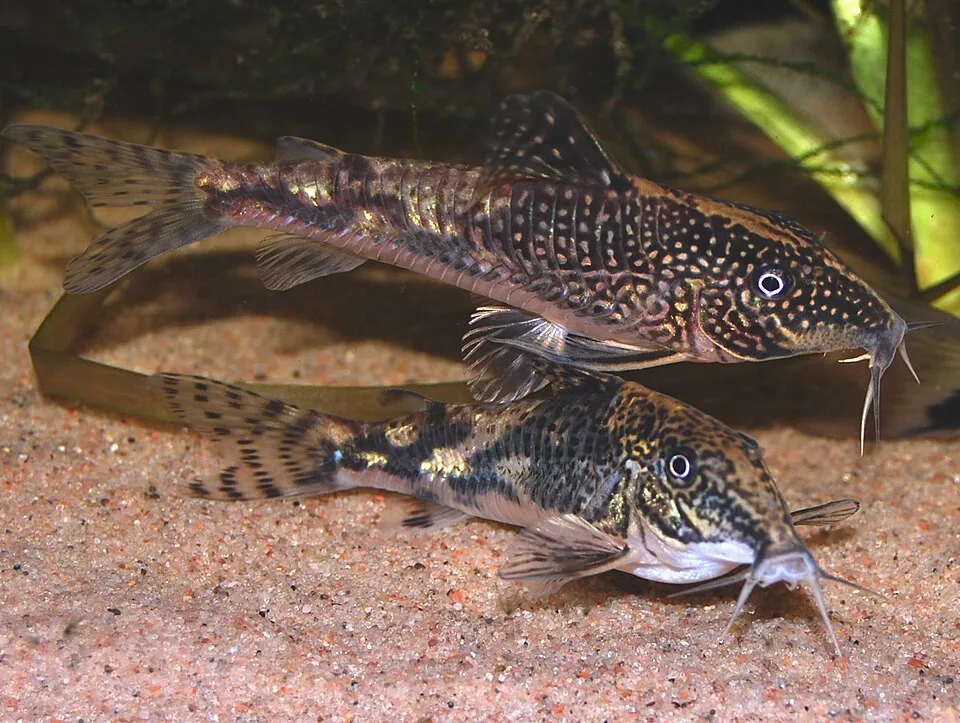 3.9 in (10 cm)40 gal (150 L)66–75°F (19–24°C)
Banded cory
Scleromystax barbatus
3.9 in (10 cm) · 40 gal (150 L)
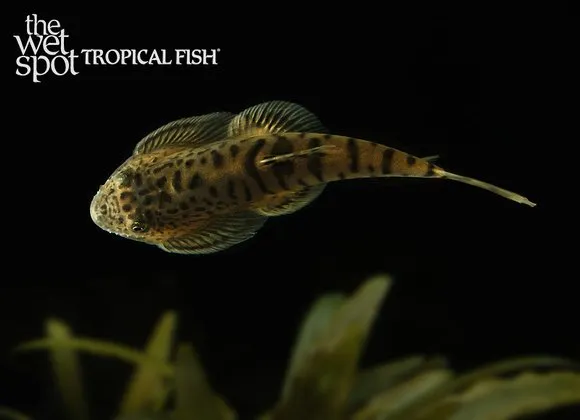 3.9 in (10 cm)25 gal (95 L)64–75°F (18–24°C)
Banded hillstream loach
Pseudogastromyzon fasciatus
3.9 in (10 cm) · 25 gal (95 L)
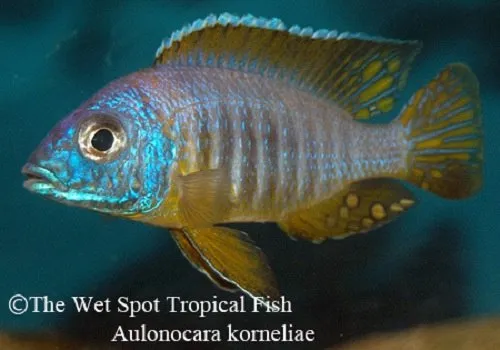 3.9 in (10 cm)63 gal (240 L)75–81°F (24–27°C)
Blue gold peacock
Aulonocara korneliae
3.9 in (10 cm) · 63 gal (240 L)
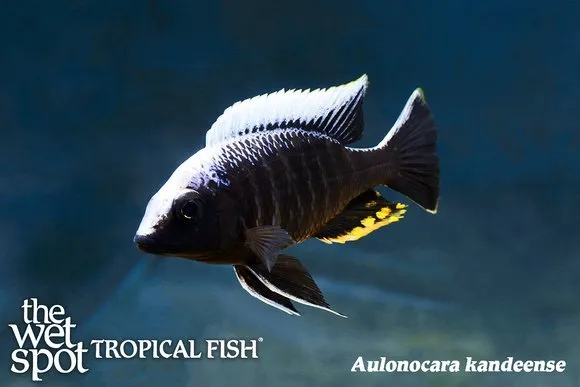 3.9 in (10 cm)63 gal (240 L)75–81°F (24–27°C)
Blue orchid peacock
Aulonocara kandeense
3.9 in (10 cm) · 63 gal (240 L)
 3.9 in (10 cm)29 gal (110 L)75–82°F (24–28°C)
Candy stripe goby
Awaous flavus
3.9 in (10 cm) · 29 gal (110 L)