Blue orchid peacock
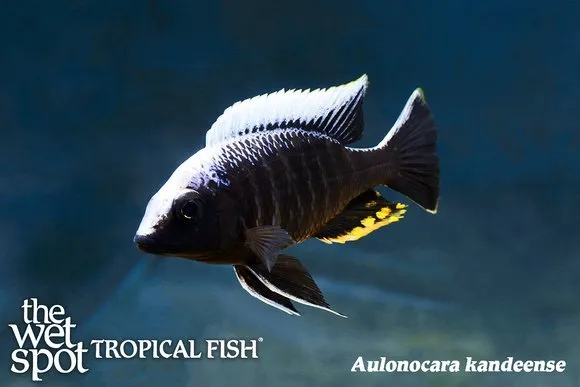
Aulonocara kandeense
Also known as Kande Island peacock, Kandeense aulonocara
FreshwaterFish
Care at a glance
- Temperature
- 75–81°F
- 24–27°C
- pH
- 7.5–8.5
- Adult size
- 3.9 in
- 10 cm
- Minimum tank
- 63 gal
- 240 L
- Temperament
- Mostly peaceful
- Social behavior
- Social
- Swim level
- Bottom
- Difficulty
- Medium
- Breeding
- Mouthbrooder · Medium
- Rarity
- Rare
- Family
- Cichlidae
- Origin
- Lake Malawi, Kande Island
Overview
The blue orchid peacock is a Kande Island form of Malawi peacock. It feeds low in the tank, over open sand between rock piles. Keeping it well takes some experience.
Did you know
The blue orchid peacock comes from a single island, and its blue is easily muddied by crossing with other peacocks. That is why keeping pure Kande Island stock matters to hobbyists. The deep blue of a good male is where the orchid in its name comes from.
Caring for the blue orchid peacock
A harem of blue orchid peacocks needs at least 63 gal (240 L), in a tank at least four feet long. Put rock structures and caves at one end over a sandy floor, and leave clear sand for foraging at the other.
Keep the temperature at 75 to 81°F (24 to 27°C) and the pH at 7.5 to 8.5, with strong, steady filtration. Feed sinking pellets and frozen foods such as mysis, cyclops and brine shrimp.
Keep one male to several females, so his mild aggression is shared out. It is relatively peaceful, so house it with other calm peacocks and haps of similar size rather than boisterous mbuna. Keep only one male of a given peacock type to avoid hybrids and fighting.
Dominant males are deep blue-black, with a white-edged dorsal fin and yellow flashes in the tail. Females are plain brown. The blue orchid peacock is a maternal mouthbrooder, and breeding it is of medium difficulty. The female incubates the eggs and fry in her mouth for around three weeks before releasing them.
Good to know
Aulonocara kandeense belongs to the cichlid family. It has sensory pits on its head, which it uses to find small prey in the substrate.
In the wild
Aulonocara kandeense is endemic to Kande Island in Lake Malawi, where rock gives way to open sand. Lake Malawi water is hard, alkaline and warm.
Weekly picks
Tank mates
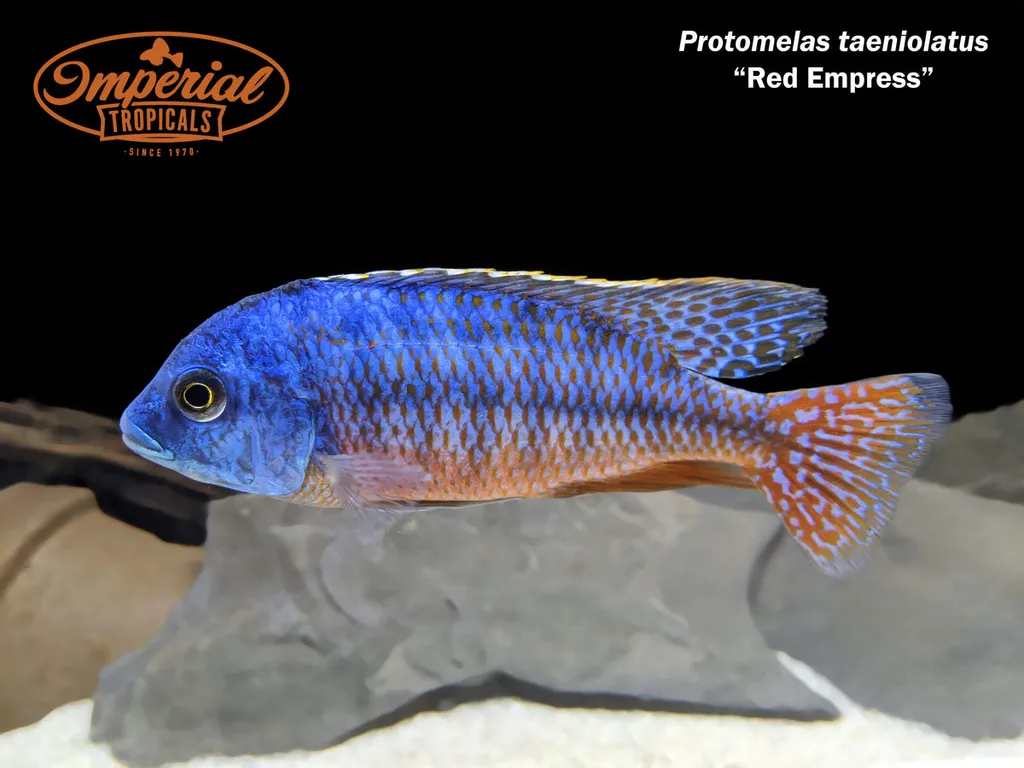
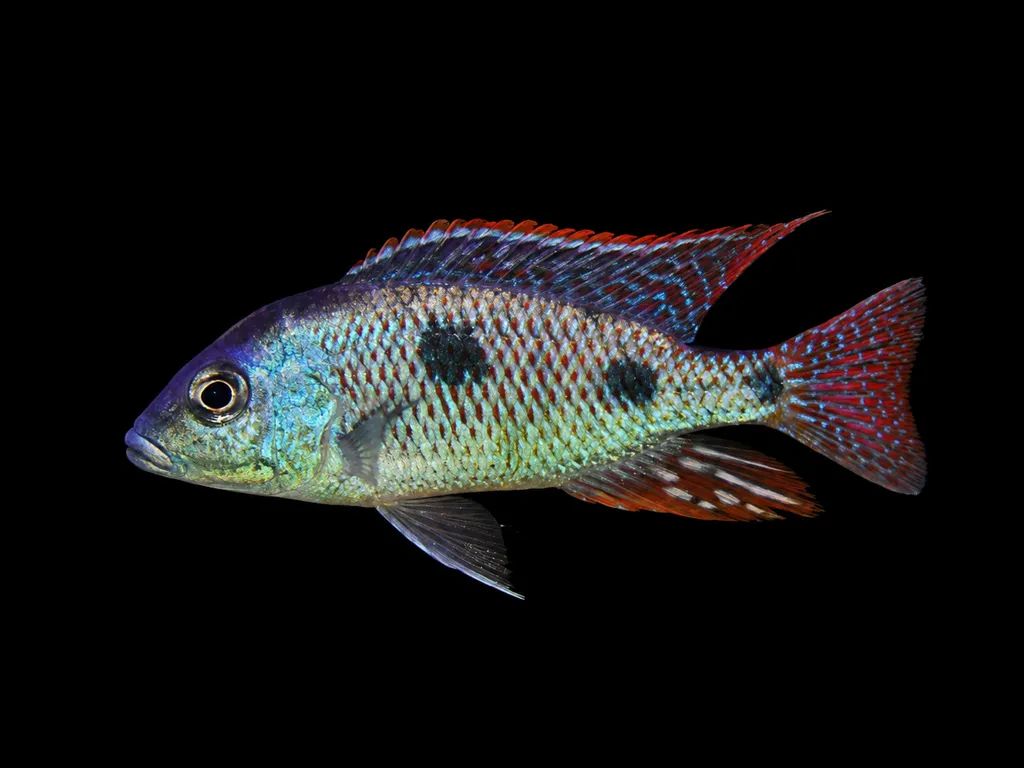
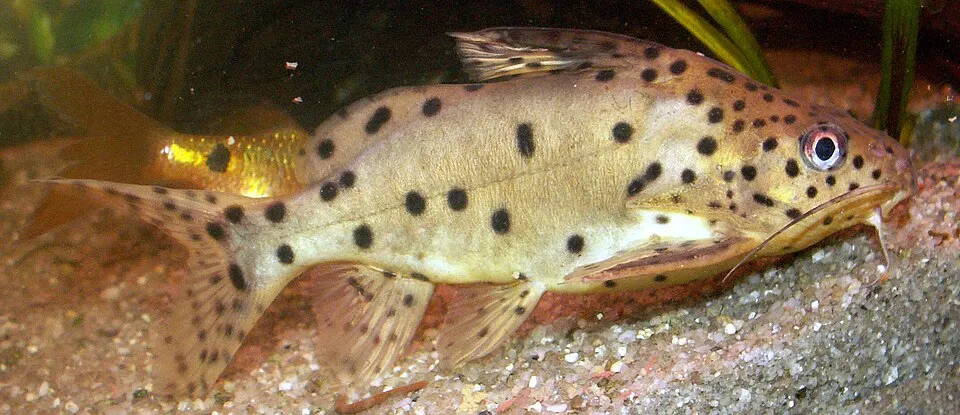
The blue orchid peacock is a mostly peaceful, social species that keeps to the bottom. These picks share a community profile with it, are safe together in both directions, and overlap on water type, temperature and pH.
Common questions
What size tank does a blue orchid peacock need?
A blue orchid peacock needs at least 63 gal (240 L). It spends most of its time in the bottom.
What temperature and pH does a blue orchid peacock need?
A blue orchid peacock is comfortable at 75–81°F (24–27°C) with a pH of 7.5–8.5.
What does a blue orchid peacock eat?
A blue orchid peacock eats sinking pellets and frozen foods such as mysis, cyclops and brine shrimp.
How big does a blue orchid peacock get?
An adult blue orchid peacock reaches about 3.9 in (10 cm).
How can you tell a male blue orchid peacock from a female?
Dominant males are deep blue-black, with a white-edged dorsal fin and yellow flashes in the tail. Females are plain brown.
How does a blue orchid peacock breed?
The blue orchid peacock is a maternal mouthbrooder. The female incubates the eggs and fry in her mouth for around three weeks before releasing them. Breeding it is of medium difficulty.
Related species
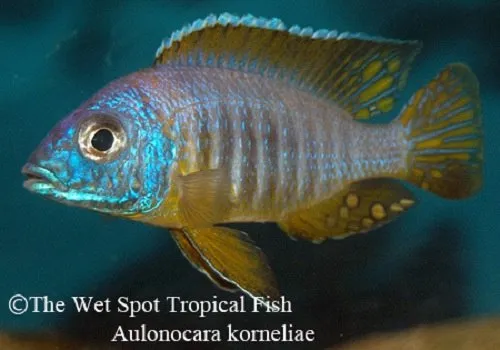 3.9 in (10 cm)63 gal (240 L)75–81°F (24–27°C)
Blue gold peacock
Aulonocara korneliae
3.9 in (10 cm) · 63 gal (240 L)
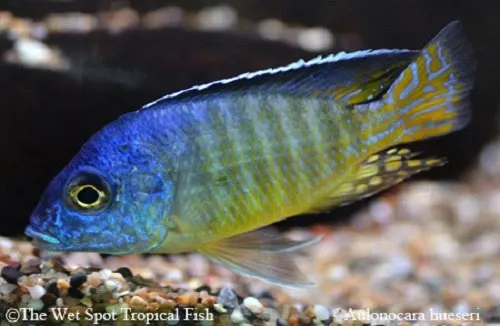 3.9 in (10 cm)63 gal (240 L)75–81°F (24–27°C)
Night aulonocara
Aulonocara hueseri
3.9 in (10 cm) · 63 gal (240 L)
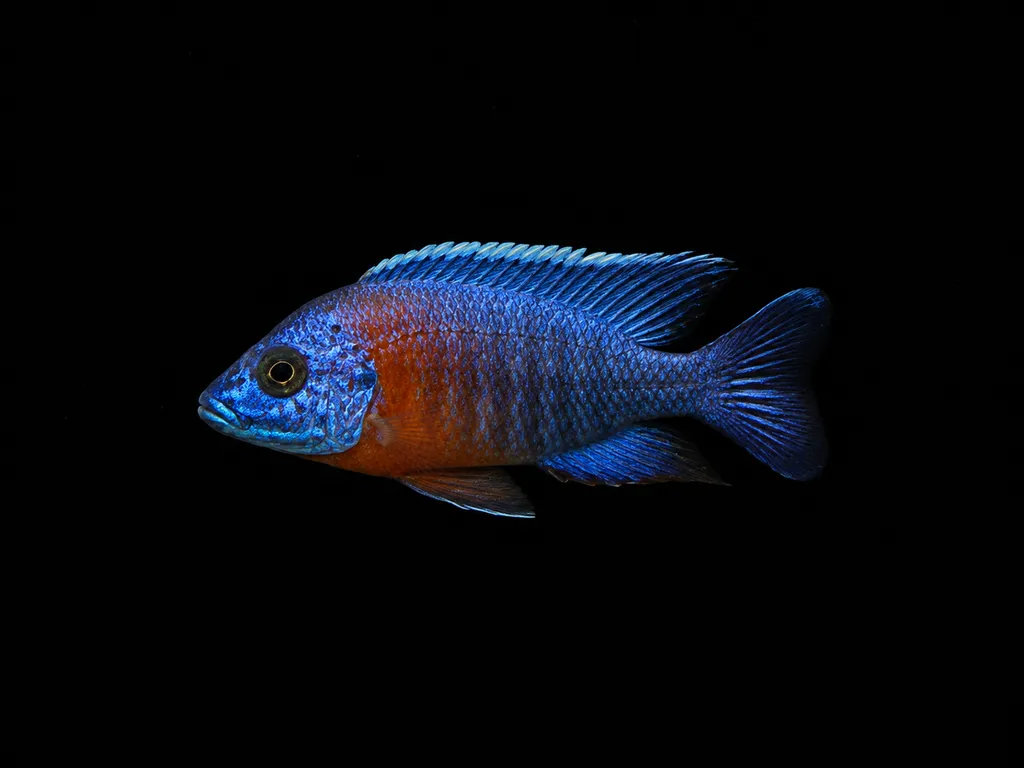 4.1 in (10.5 cm)63 gal (240 L)75–81°F (24–27°C)
Red shoulder peacock
Aulonocara hansbaenschi
4.1 in (10.5 cm) · 63 gal (240 L)
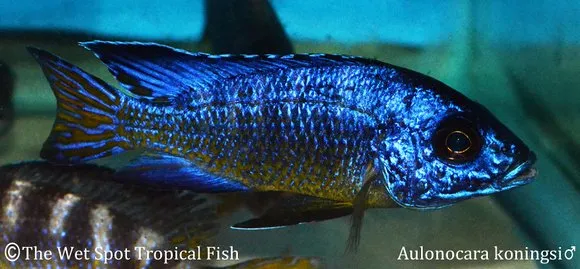 4.3 in (11 cm)63 gal (240 L)75–81°F (24–27°C)
Konings' peacock
Aulonocara koningsi
4.3 in (11 cm) · 63 gal (240 L)
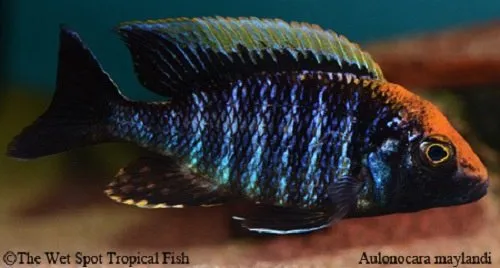 4.3 in (11 cm)66 gal (250 L)77–82°F (25–28°C)
Sulfurhead peacock
Aulonocara maylandi
4.3 in (11 cm) · 66 gal (250 L)
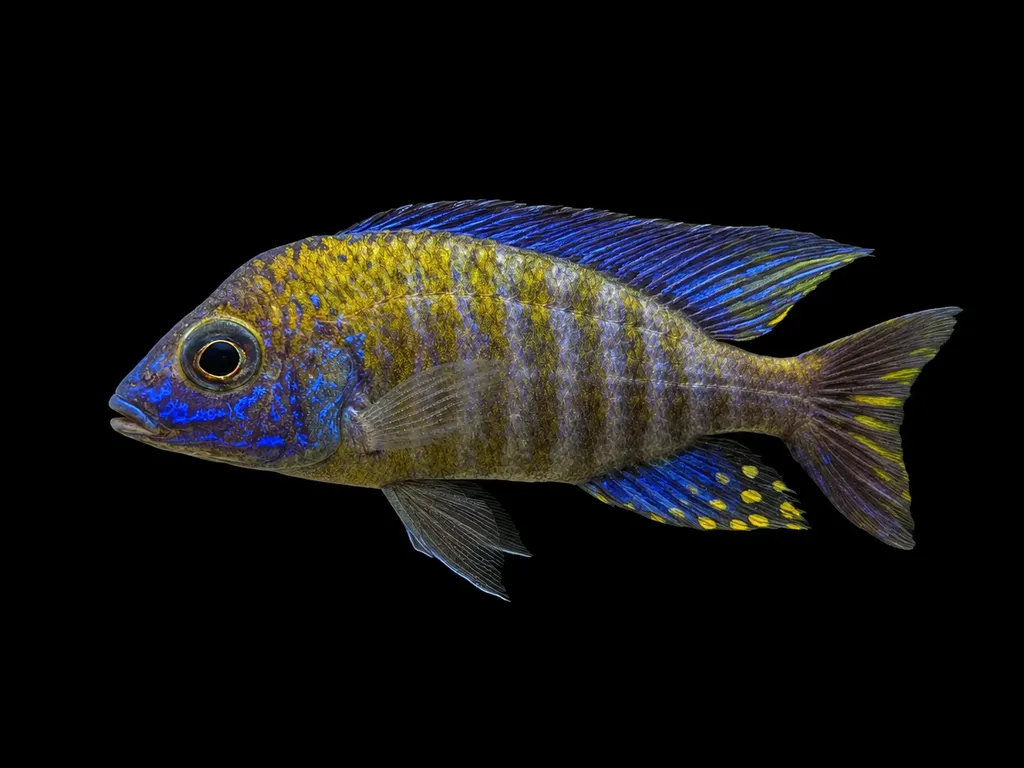 3.5 in (9 cm)63 gal (240 L)75–81°F (24–27°C)
Chitande aulonocara
Aulonocara ethelwynnae
3.5 in (9 cm) · 63 gal (240 L)