Phantasia catfish
Cetopsorhamdia phantasia
Also known as Fantasy catfish
FreshwaterFish
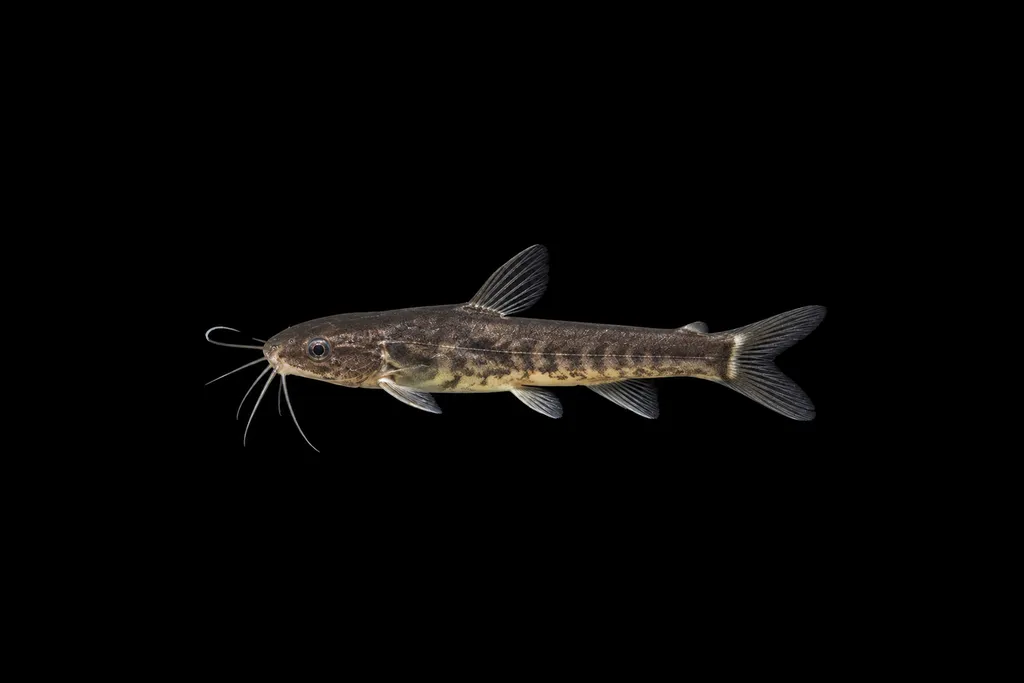
Care at a glance
- Temperature
- 73–82°F
- 23–28°C
- pH
- 6.0–7.5
- Adult size
- 1.8 in
- 4.5 cm
- Minimum tank
- 14 gal
- 54 L
- Temperament
- Peaceful
- Social behavior
- Solitary
- Swim level
- Bottom
- Difficulty
- Medium
- Breeding
- No record
- Rarity
- Rare
- Family
- Heptapteridae
- Origin
- Upper Amazon, Ecuador and Peru
Overview
The Phantasia catfish is a tiny, peaceful bottom dweller that is content in a modest tank. Keeping it takes a little experience.
Did you know
The Phantasia catfish was described only in 1985 and remains one of the least documented catfishes in the trade. Its name translates roughly as fantasy or apparition, an unusual choice for a genus of plain little streambed catfishes.
Caring for the Phantasia catfish
Give a Phantasia catfish a tank of around 14 gal (54 L) or more. It spends its time working the substrate and sheltering among wood and roots. Use fine sand or smooth gravel, and add stones, driftwood and plenty of cover.
Hold it in soft, warm water at 73 to 82°F (23 to 28°C) and a pH of 6.0 to 7.5. Clean, oxygen-rich water and a gentle current suit a fish from flowing headwaters. Feed small sinking foods and frozen items such as bloodworm and daphnia.
It is not a shoaling species, so keep it singly or as a pair rather than in a group. It gets along with small, calm community fish, though the tiniest tank mates and shrimp may be seen as food. Its breeding is not documented in aquaria.
Good to know
Cetopsorhamdia phantasia is a three-barbeled catfish in the family Heptapteridae. It is one of the smallest members of the family.
In the wild
The Phantasia catfish is known from a small range in the Napo basin, in the upper Amazon headwaters of Ecuador and Peru. It lives in small, fast streams, working sandy and gravelly beds among sunken wood and leaf litter.
Weekly picks
Tank mates
The Phantasia catfish is a peaceful, solitary species that keeps to the bottom. These picks share a community profile with it, are safe together in both directions, and overlap on water type, temperature and pH.
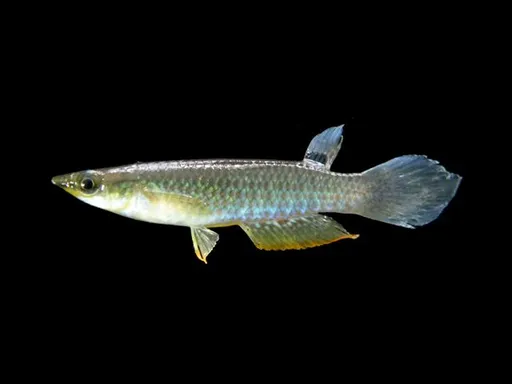
Blue panchax
Aplocheilus panchax
Freshwater3.5 in (9 cm) · 20 gal (75 L)72–82°F (22–28°C)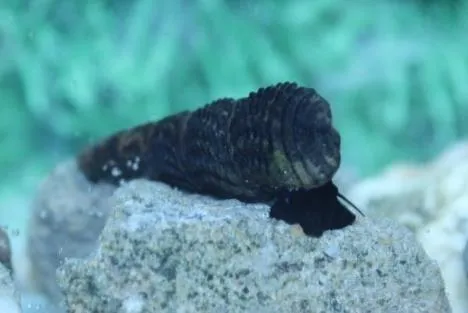
White spotted rabbit snail
Tylomelania towutica
Freshwater4.3 in (11 cm) · 16 gal (60 L)75–84°F (24–29°C)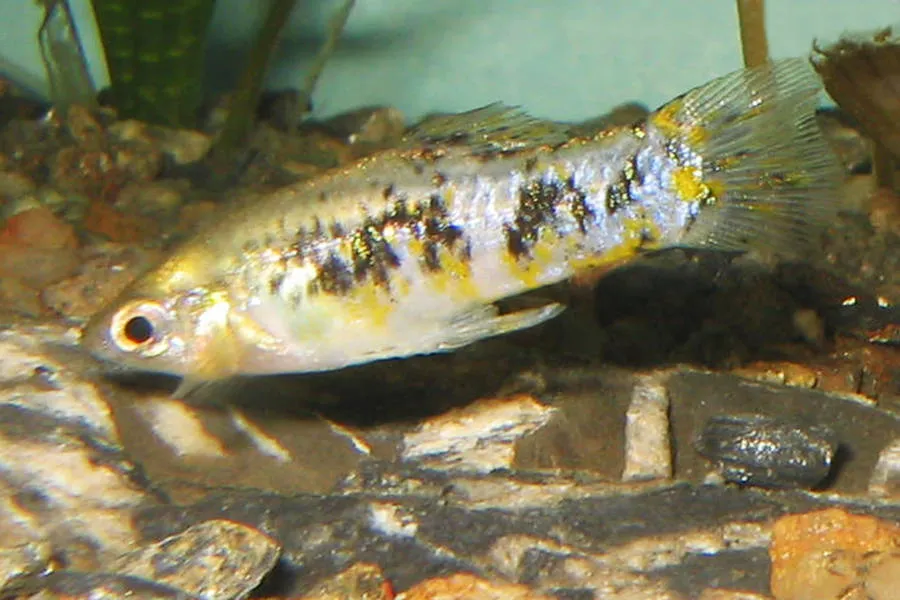
Cuban limia
Limia vittata
Freshwater3.9 in (10 cm) · 18 gal (70 L)73–82°F (23–28°C)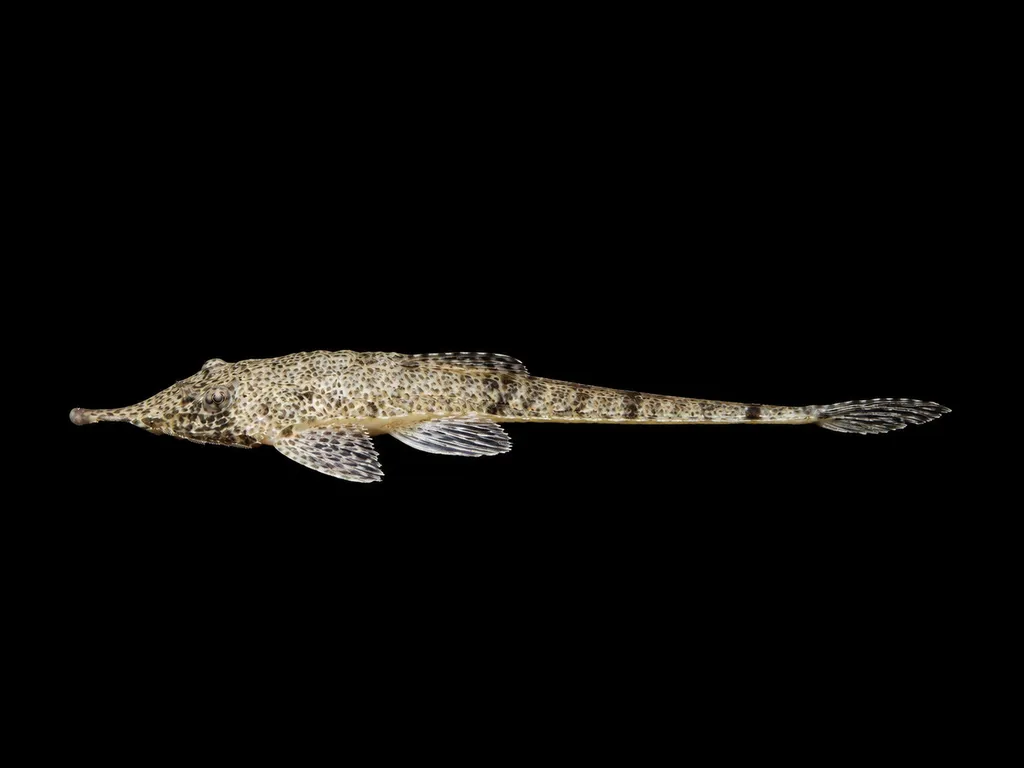
Pinocchio whiptail
Hemiodontichthys acipenserinus
Freshwater5.3 in (13.5 cm) · 18 gal (70 L)73–82°F (23–28°C)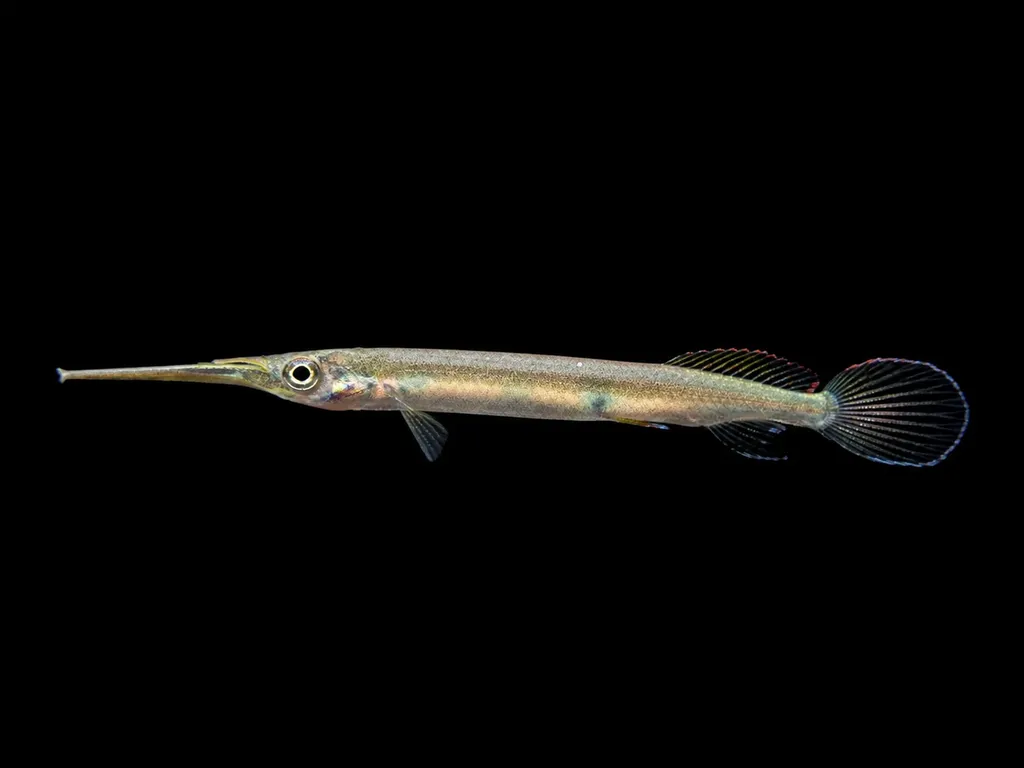
Kuekenthal's halfbeak
Hemirhamphodon kuekenthali
Freshwater3.3 in (8.5 cm) · 20 gal (75 L)73–81°F (23–27°C)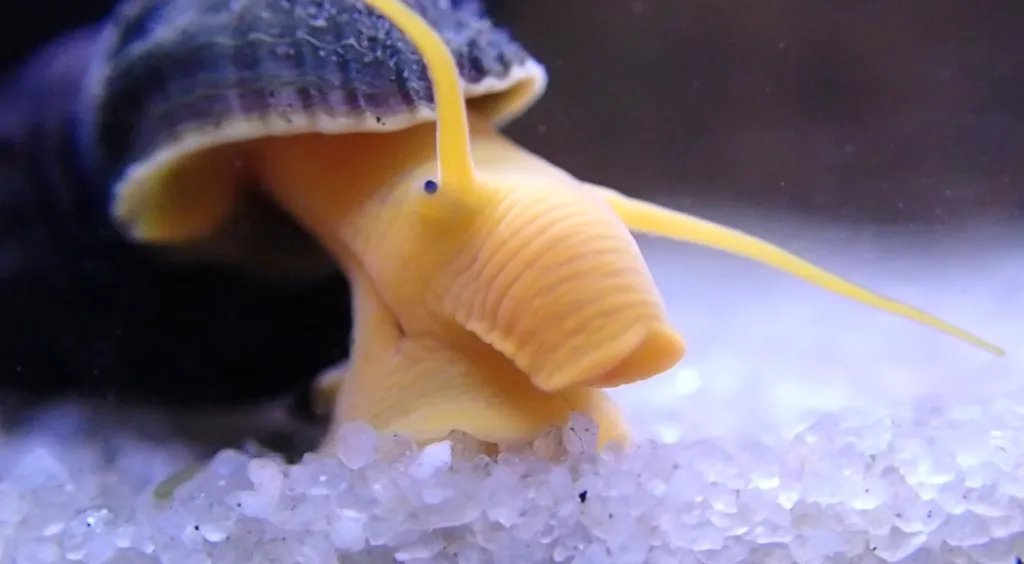
Gold rabbit snail
Tylomelania gemmifera
Freshwater2.8 in (7 cm) · 16 gal (60 L)75–82°F (24–28°C)
Common questions
What size tank does a Phantasia catfish need?
A Phantasia catfish needs at least 14 gal (54 L). It spends most of its time in the bottom.
What temperature and pH does a Phantasia catfish need?
A Phantasia catfish is comfortable at 73–82°F (23–28°C) with a pH of 6.0–7.5.
What does a Phantasia catfish eat?
A Phantasia catfish eats small sinking foods and frozen items such as bloodworm and daphnia.
How big does a Phantasia catfish get?
An adult Phantasia catfish reaches about 1.8 in (4.5 cm).
How does a Phantasia catfish breed?
The Phantasia catfish has no documented breeding in aquaria.
Related species
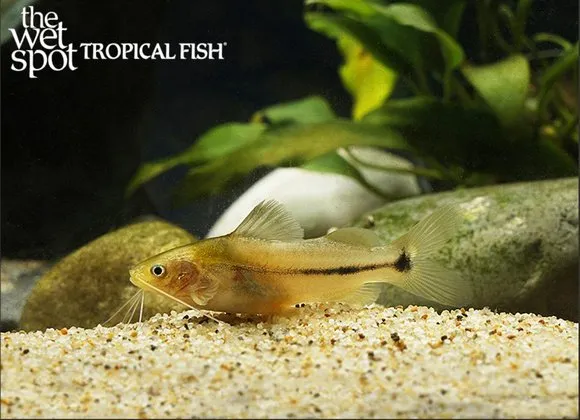
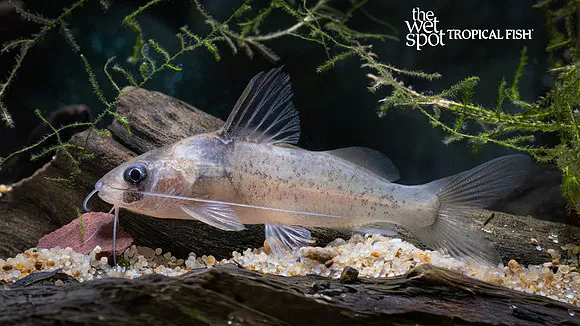 2.2 in (5.5 cm)30 gal (112 L)73–82°F (23–28°C)
Imitator catfish
Brachyrhamdia imitator
2.2 in (5.5 cm) · 30 gal (112 L)
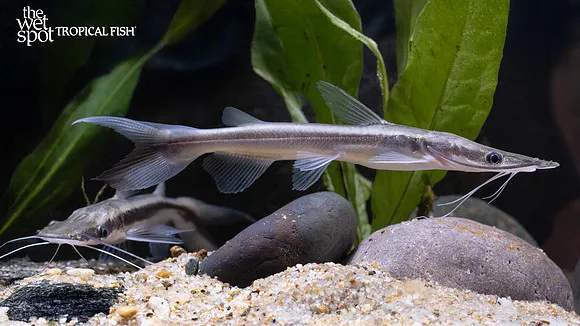
 2.4 in (6 cm)30 gal (112 L)73–82°F (23–28°C)
Mees' antenna catfish
Brachyrhamdia meesi
2.4 in (6 cm) · 30 gal (112 L)
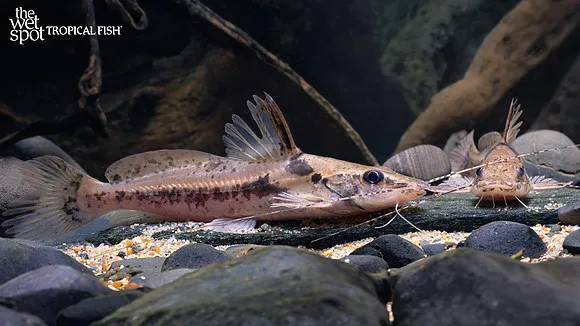
 6.7 in (17 cm)40 gal (150 L)72–79°F (22–26°C)
Slender catfish
Pimelodella gracilis
6.7 in (17 cm) · 40 gal (150 L)
 11.4 in (29 cm)106 gal (400 L)73–82°F (23–28°C)
Horsehead catfish
Goeldiella eques
11.4 in (29 cm) · 106 gal (400 L)
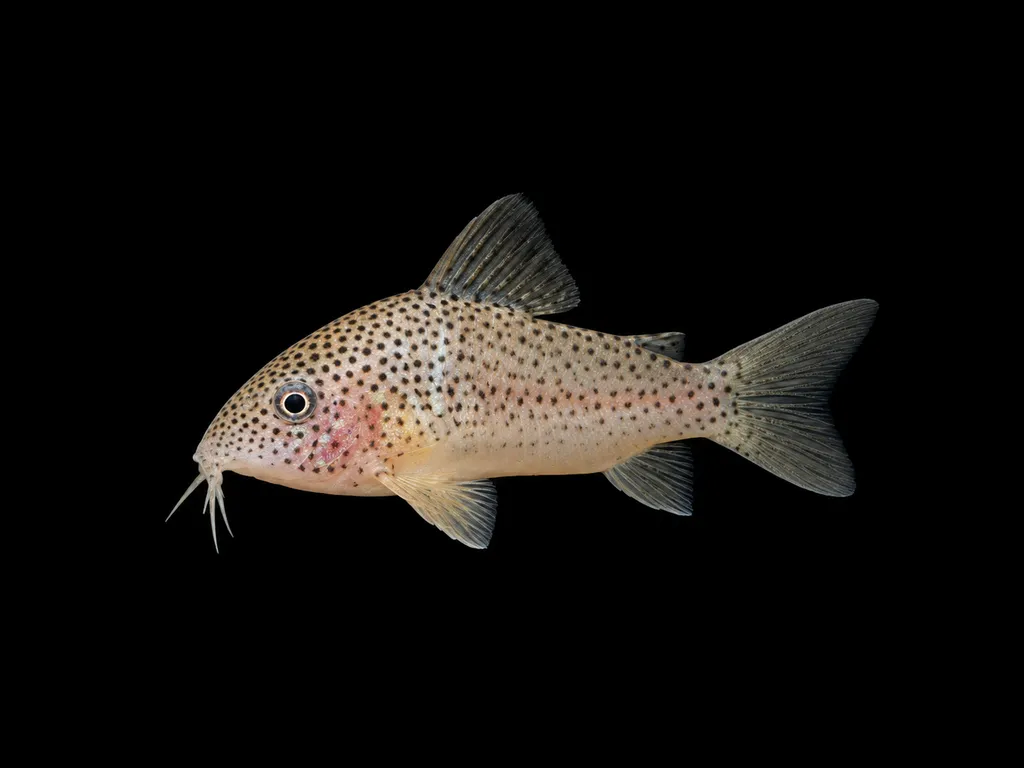 1.8 in (4.5 cm)15 gal (55 L)75–82°F (24–28°C)
Apiaka cory
Hoplisoma apiaka
1.8 in (4.5 cm) · 15 gal (55 L)
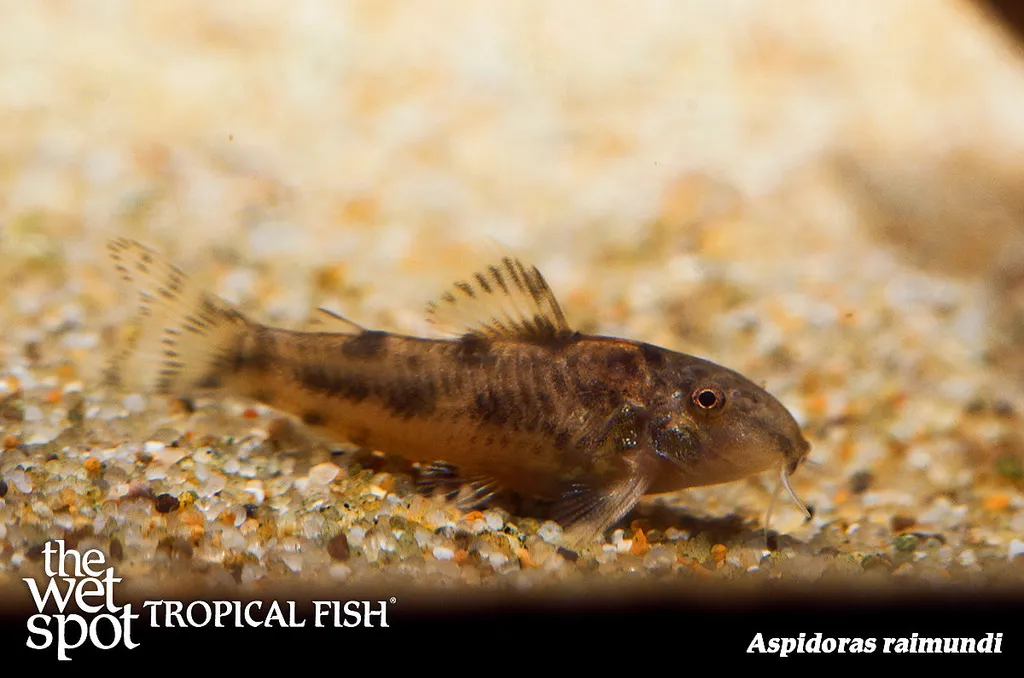 1.8 in (4.5 cm)15 gal (55 L)68–77°F (20–25°C)
Aspidoras cory-cat
Aspidoras raimundi
1.8 in (4.5 cm) · 15 gal (55 L)