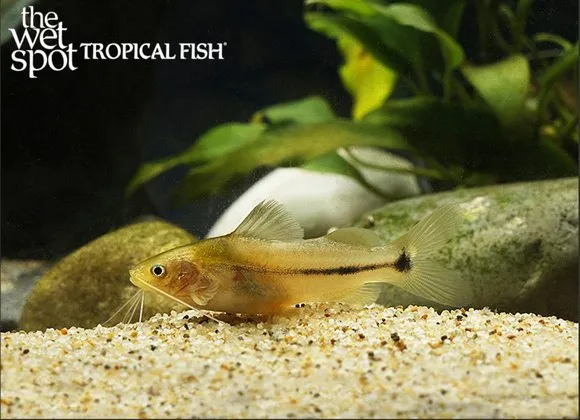
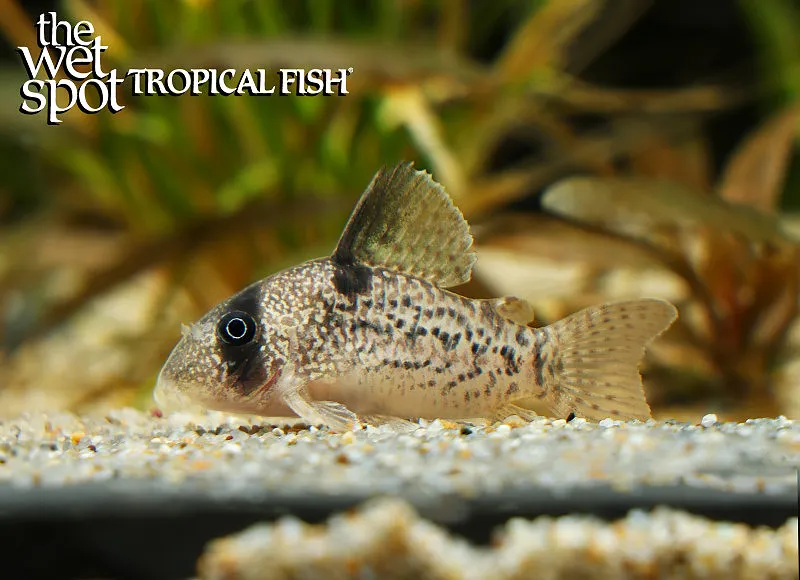
Mees' antenna catfish
Brachyrhamdia meesi
Also known as Mees' pimelodella
FreshwaterFish
Care at a glance
- Temperature
- 73–82°F
- 23–28°C
- pH
- 6.0–7.5
- Adult size
- 2.4 in
- 6 cm
- Minimum tank
- 30 gal
- 112 L
- Temperament
- Peaceful
- Social behavior
- Social
- Swim level
- Bottom
- Difficulty
- Medium
- Breeding
- No record
- Rarity
- Rare
- Family
- Heptapteridae
- Origin
- Lower Amazon tributaries, Brazil
Overview
Mees' antenna catfish is a peaceful little catfish that keeps to the bottom of a sandy tank. It is best with a little experience.
Caring for the Mees' antenna catfish
A group of Mees' antenna catfish is comfortable in a tank of about 30 gal (112 L) or more. It spends its time working the substrate for small foods, so give it soft sand, driftwood and dim, shaded light. Cover and calm surroundings help it behave naturally.
The water should be soft and warm, at 73 to 82°F (23 to 28°C) and a pH of 6.0 to 7.5. Feed sinking foods, sinking dried foods and small frozen items such as brine shrimp and bloodworm.
It is fine alone or in a group, though this sociable bottom fish gains confidence in company. Keep several together if you can, along with a group of small corydoras. Choose calm companions it cannot eat and that will not bully it. Its breeding has not been recorded in aquaria.
Good to know
Brachyrhamdia meesi is a three-barbeled catfish in the family Heptapteridae. Sands and Black described it in 1985. It carries the long barbels of its group.
In the wild
Mees' antenna catfish comes from tributaries of the lower Amazon in Brazil. It shoals with Corydoras over soft substrates, in warm, gently flowing water.
Weekly picks
Tank mates
The Mees' antenna catfish is a peaceful, social species that keeps to the bottom. These picks share a community profile with it, are safe together in both directions, and overlap on water type, temperature and pH.
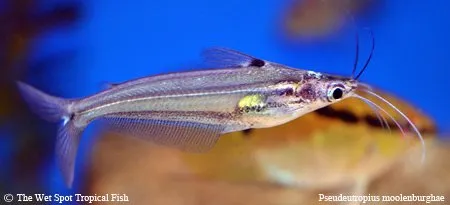
Moolenburgh's glass catfish
Pseudeutropius moolenburghae
Freshwater3.9 in (10 cm) · 30 gal (112 L)73–82°F (23–28°C)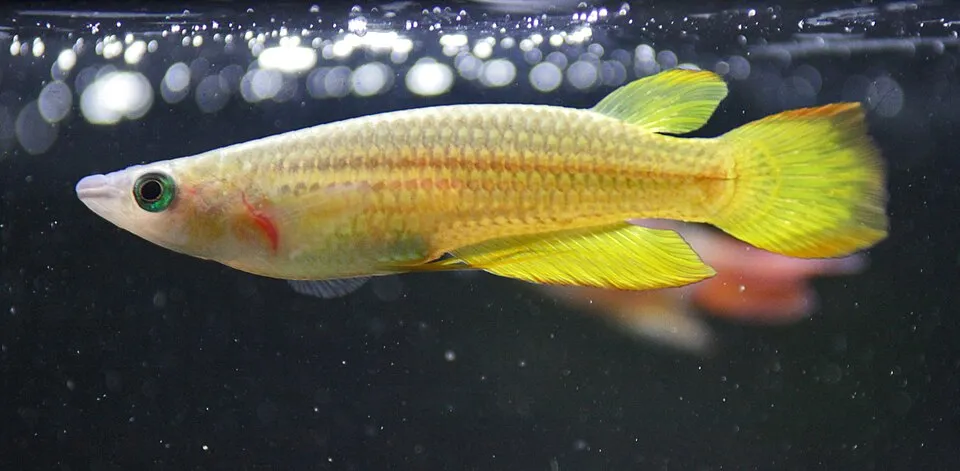
Striped panchax
Aplocheilus lineatus
Freshwater4.3 in (11 cm) · 30 gal (115 L)72–77°F (22–25°C)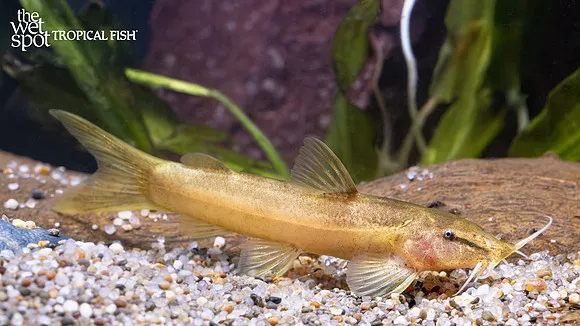
Kuhli cat
Amphilius platychir
Freshwater4.3 in (11 cm) · 30 gal (112 L)68–77°F (20–25°C)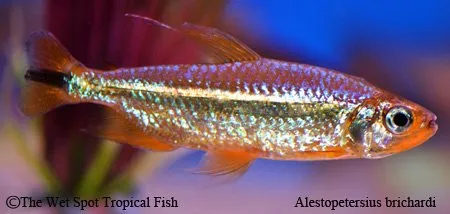
Brichard's Congo tetra
Alestopetersius brichardi
Freshwater3.5 in (9 cm) · 29 gal (110 L)73–81°F (23–27°C)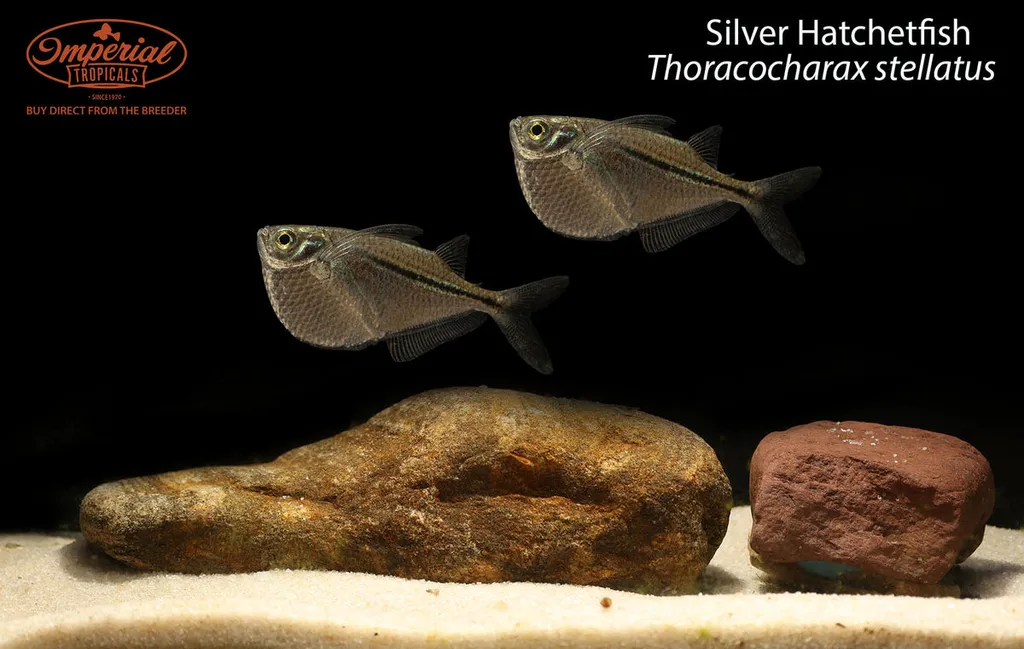
Spotfin hatchetfish
Thoracocharax stellatus
Freshwater3.5 in (9 cm) · 26 gal (100 L)73–82°F (23–28°C)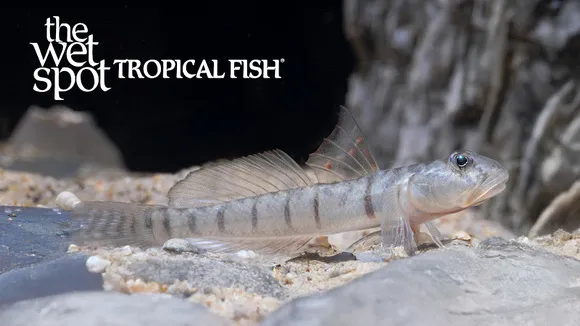
Candy stripe goby
Awaous flavus
Freshwater3.9 in (10 cm) · 29 gal (110 L)75–82°F (24–28°C)
Common questions
What size tank does a Mees' antenna catfish need?
A Mees' antenna catfish needs at least 30 gal (112 L). It spends most of its time in the bottom.
What temperature and pH does a Mees' antenna catfish need?
A Mees' antenna catfish is comfortable at 73–82°F (23–28°C) with a pH of 6.0–7.5.
What does a Mees' antenna catfish eat?
A Mees' antenna catfish eats sinking foods, sinking dried foods and small frozen items such as brine shrimp and bloodworm.
How big does a Mees' antenna catfish get?
An adult Mees' antenna catfish reaches about 2.4 in (6 cm).
How does a Mees' antenna catfish breed?
Mees' antenna catfish breeding has not been recorded in aquaria.
Related species
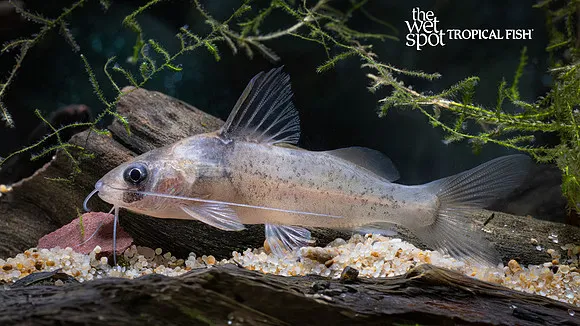 2.2 in (5.5 cm)30 gal (112 L)73–82°F (23–28°C)
Imitator catfish
Brachyrhamdia imitator
2.2 in (5.5 cm) · 30 gal (112 L)
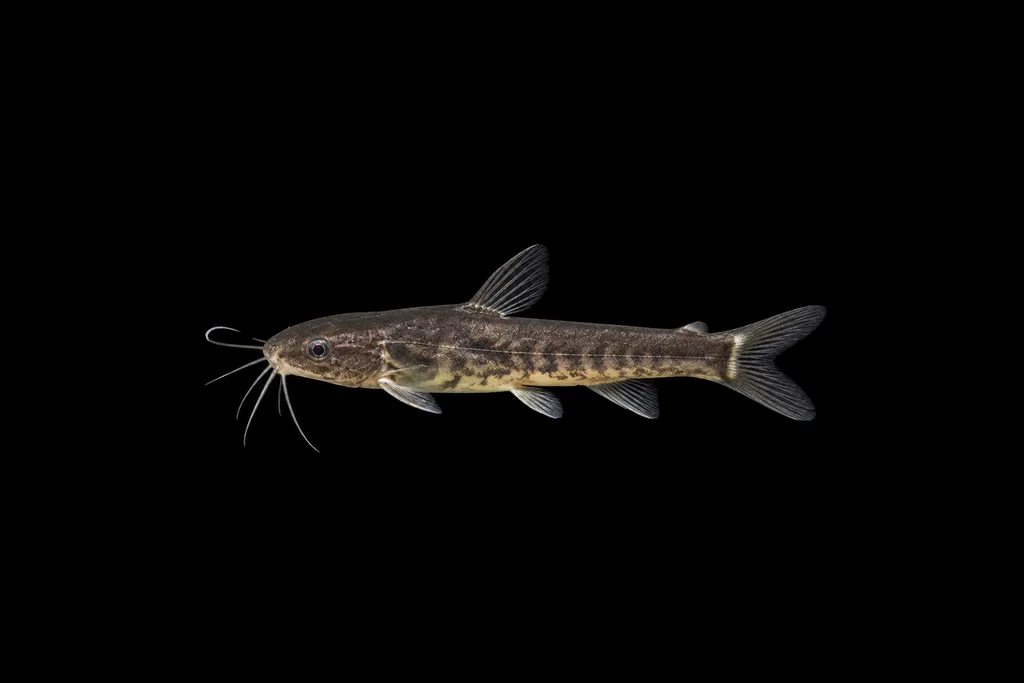 1.8 in (4.5 cm)14 gal (54 L)73–82°F (23–28°C)
Phantasia catfish
Cetopsorhamdia phantasia
1.8 in (4.5 cm) · 14 gal (54 L)
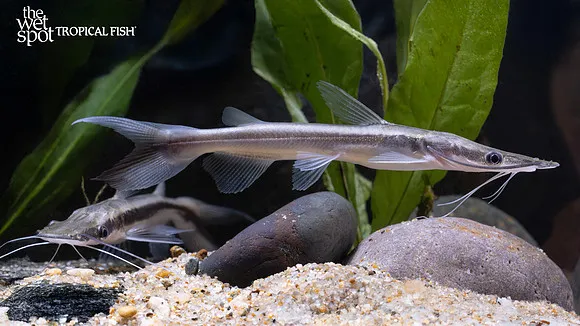 6.7 in (17 cm)40 gal (150 L)72–79°F (22–26°C)
Slender catfish
Pimelodella gracilis
6.7 in (17 cm) · 40 gal (150 L)
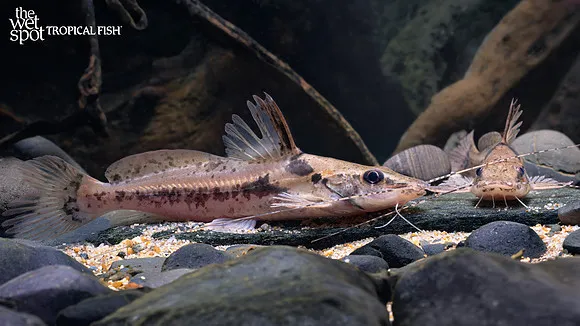 11.4 in (29 cm)106 gal (400 L)73–82°F (23–28°C)
Horsehead catfish
Goeldiella eques
11.4 in (29 cm) · 106 gal (400 L)
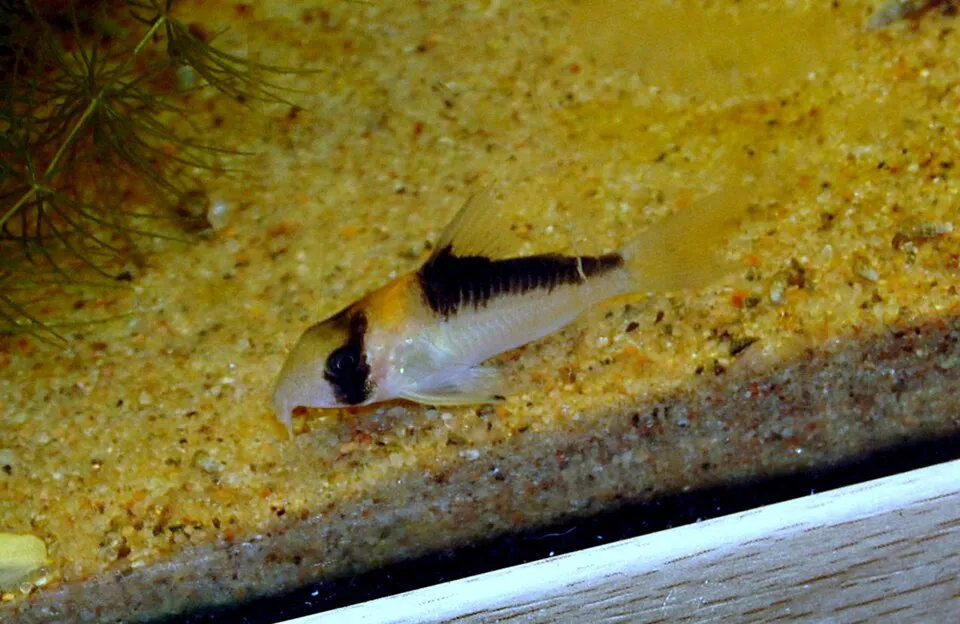 2.4 in (6 cm)20 gal (75 L)70–79°F (21–26°C)
Adolfo's cory
Hoplisoma adolfoi
2.4 in (6 cm) · 20 gal (75 L)
 2.4 in (6 cm)16 gal (60 L)75–82°F (24–28°C)
Ancestor cory
Hoplisoma noxium
2.4 in (6 cm) · 16 gal (60 L)