Jae barb
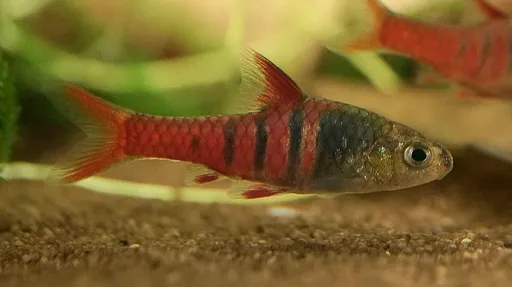
Enteromius jae
Also known as Barbus jae, Jae's barb, Red jae barb
FreshwaterFish
Care at a glance
- Temperature
- 68–77°F
- 20–25°C
- pH
- 5.0–6.5
- Adult size
- 1.6 in
- 4 cm
- Minimum tank
- 16 gal
- 60 L
- Temperament
- Peaceful
- Social behavior
- Schooling
- Swim level
- Middle
- Difficulty
- Medium
- Breeding
- Medium
- Rarity
- Rare
- Family
- Cyprinidae
- Origin
- Native to shaded rainforest streams and pools of Cameroon and neighboring Central and West Africa.
Overview
Keep jae barbs in a group of at least eight to ten in a mature tank of 60 litres or more, with soft, acidic water at 20 to 25 C and a pH of 5.0 to 6.5. Leaf litter, gentle flow, and dim light help the males color up and settle. Feed small foods such as micropellets, crushed flake, and frozen or live daphnia, cyclops, and baby brine shrimp. It is a gentle schooler for a soft-water community with other small, calm species.
In the wild
The jae barb is a tiny African barb from shaded, soft, acidic rainforest streams and pools in Cameroon and nearby countries. It shoals at mid depth and near the bottom among leaf litter and roots in dim, tea-colored water. Males flush a deep brick red when settled and in good condition. It is a shy, peaceful dwarf that shows best in a quiet blackwater tank.
Good to know
Long known as Barbus jae, the species now sits in the African barb genus Enteromius, which covers most small African barbs. It reaches only about 4 cm and comes from the same rainforest waters as many killifish. The strong red color of conditioned males is the main reason it is collected for the hobby.
Did you know
A group of jae barbs looks plain in a bright shop tank but turns deep red and confident once settled in a shaded blackwater tank, which catches many keepers by surprise.
Weekly picks
Tank mates
Jae barb is a peaceful, schooling species that keeps to the middle. These picks share a community profile with it, are safe together in both directions, and overlap on water type, temperature and pH.
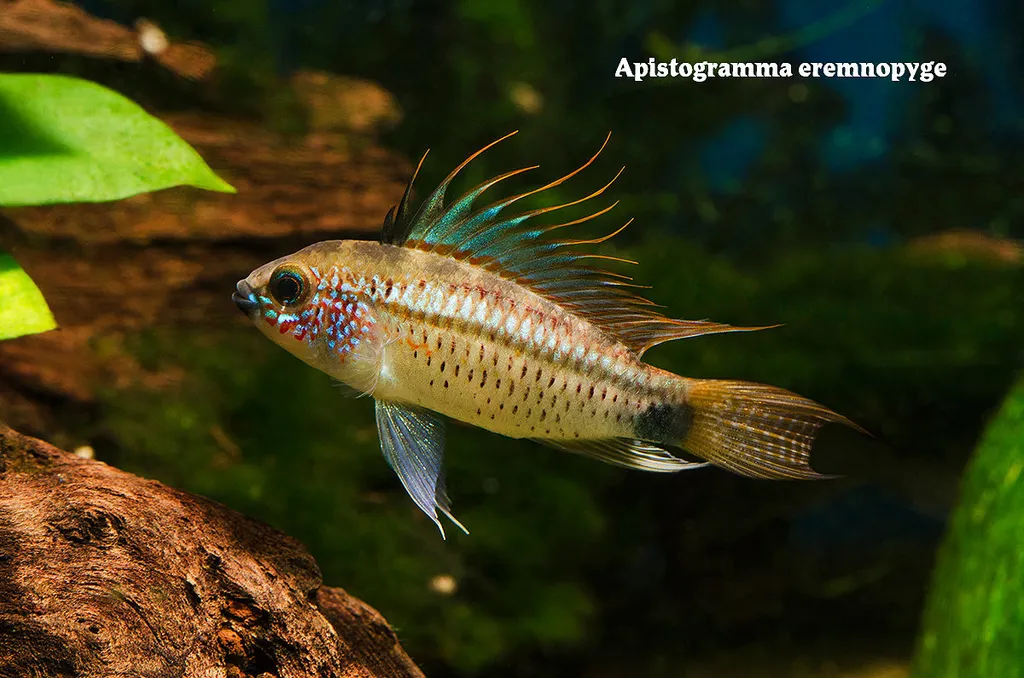
Fire-tail dwarf cichlid
Apistogramma eremnopyge
Freshwater1.8 in (4.5 cm) · 16 gal (60 L)73–81°F (23–27°C)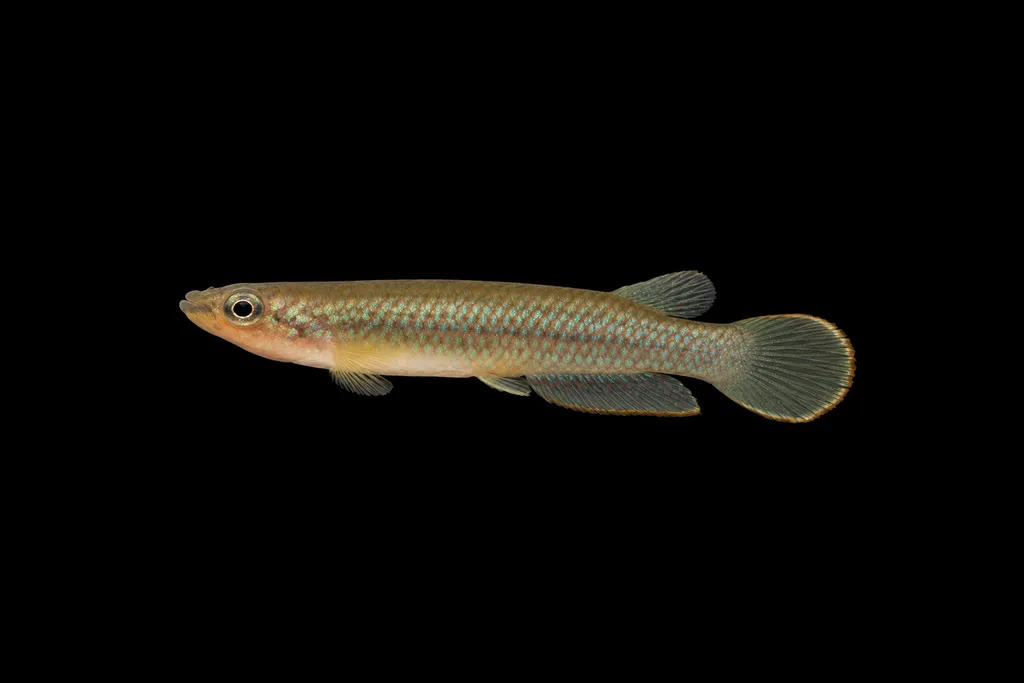
Guinean panchax
Epiplatys guineensis
Freshwater2.8 in (7 cm) · 14 gal (54 L)68–77°F (20–25°C)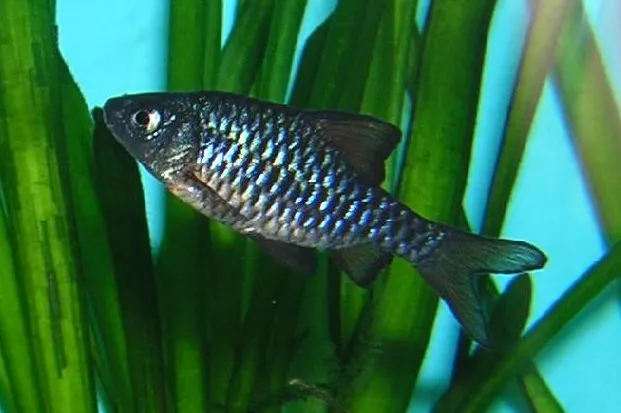
Checkered barb
Oliotius oligolepis
Freshwater1.8 in (4.5 cm) · 16 gal (60 L)68–79°F (20–26°C)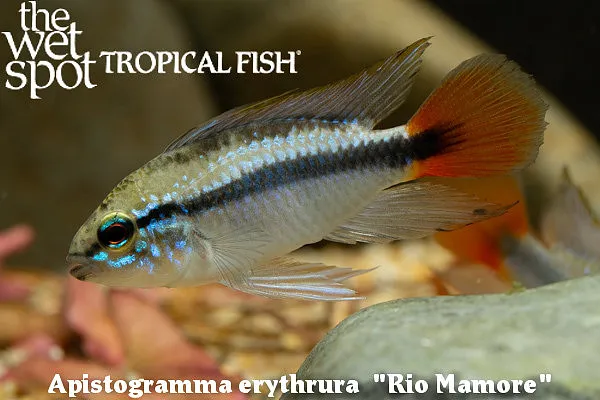
Red-tail dwarf cichlid
Apistogramma erythrura
Freshwater2.2 in (5.5 cm) · 16 gal (60 L)73–81°F (23–27°C)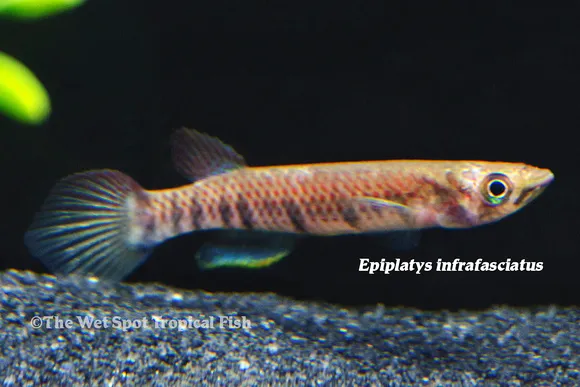
Infrafasciatus killifish
Epiplatys infrafasciatus
Freshwater2.4 in (6 cm) · 14 gal (54 L)68–77°F (20–25°C)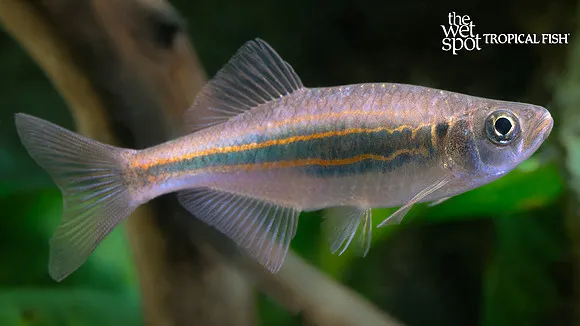
Brittan's rasbora
Kottelatia brittani
Freshwater2.4 in (6 cm) · 16 gal (60 L)68–79°F (20–26°C)
Common questions
What size tank does a Jae barb need?
A Jae barb needs at least 16 gal (60 L). It spends most of its time in the middle.
What temperature and pH does a Jae barb need?
A Jae barb is comfortable at 68–77°F (20–25°C) with a pH of 5.0–6.5.
How big does a Jae barb get?
An adult Jae barb reaches about 1.6 in (4 cm).
Does a Jae barb need a group?
Yes. A Jae barb is a schooling species and should be kept in a group, not singly.
Related species
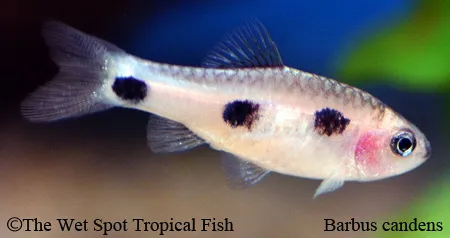 1.6 in (4 cm)14 gal (54 L)72–81°F (22–27°C)
Glowing ember barb
Enteromius candens
1.6 in (4 cm) · 14 gal (54 L)
- 1.6 in (4 cm)14 gal (54 L)72–81°F (22–27°C)
Sierra Leone yellow fin barb
Enteromius leonensis
1.6 in (4 cm) · 14 gal (54 L)
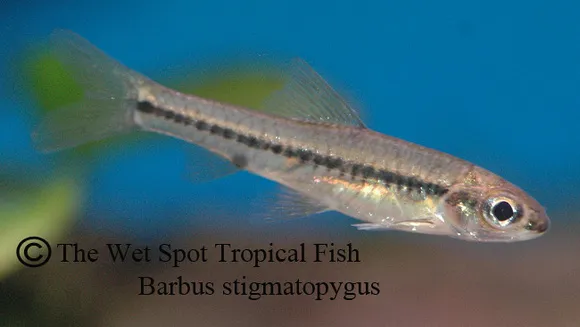 1.4 in (3.5 cm)11 gal (40 L)72–81°F (22–27°C)
Blackspot dwarf barb
Enteromius stigmatopygus
1.4 in (3.5 cm) · 11 gal (40 L)
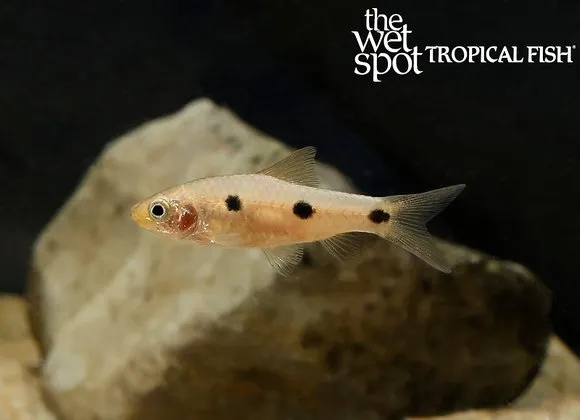 2.8 in (7 cm)24 gal (90 L)72–81°F (22–27°C)
Threespot barb
Enteromius trispilos
2.8 in (7 cm) · 24 gal (90 L)
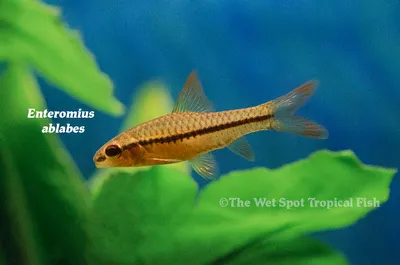 3.1 in (8 cm)24 gal (90 L)72–81°F (22–27°C)
Ablabes barb
Enteromius ablabes
3.1 in (8 cm) · 24 gal (90 L)
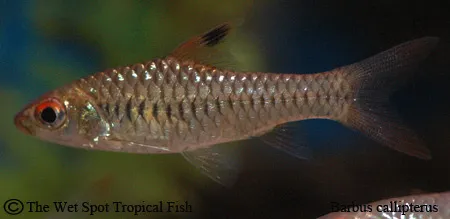 3.5 in (9 cm)24 gal (90 L)72–81°F (22–27°C)
Clipper barb
Enteromius callipterus
3.5 in (9 cm) · 24 gal (90 L)