Hori's deepwater cichlid
Benthochromis horii
Also known as Hori's benthochromis, Giant featherfin cichlid
FreshwaterFish
Care at a glance
- Temperature
- 75–81°F
- 24–27°C
- pH
- 7.8–9.0
- Adult size
- 7.1 in
- 18 cm
- Minimum tank
- 159 gal
- 600 L
- Temperament
- Peaceful
- Social behavior
- Social
- Swim level
- Middle
- Difficulty
- Difficult
- Breeding
- Mouthbrooder · Hard
- Rarity
- Rare
- Family
- Cichlidae
- Origin
- Lake Tanganyika
Overview
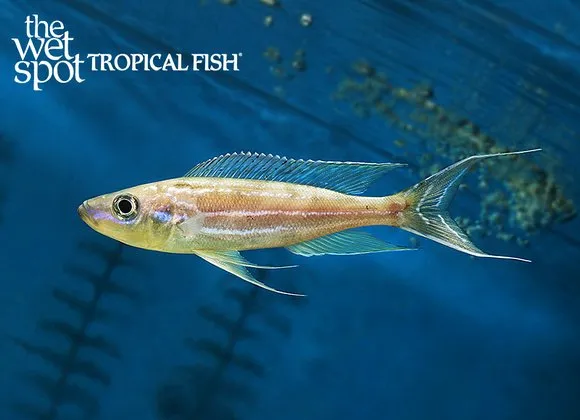
Hori's deepwater cichlid is a tall, elegant Tanganyikan and a genuine specialist for open midwater. It is an advanced fish for experienced keepers, and it rewards patience and stable conditions.
Did you know
Most deepwater cichlids sold in the hobby as Benthochromis tricoti are in fact Hori's deepwater cichlids. The true tricoti lives deeper still and rarely reaches the trade.
Caring for the Hori's deepwater cichlid
Give Hori's deepwater cichlid a large, tall, calm tank of at least 159 gal (600 L), with plenty of vertical room. Open midwater matters more than heavy decor for this open-swimming fish. Keep the tank deep and quiet, with dim lighting.
Keep the water hard and alkaline like the lake, at 75 to 81°F (24 to 27°C) and a pH of 7.8 to 9.0. It needs spotless water of excellent quality. Offer fine foods that suit a plankton feeder. Give small frozen cyclops, daphnia and baby brine shrimp, with a quality flake or micro pellet.
Keep it as a group in open midwater. It is peaceful, gentle and easily bullied, so keep it only with other calm, deepwater-style Tanganyikans, not boisterous rock dwellers.
Males grow long, streaming fins that add to their length, and they display to females with slow, flickering movements. It is a maternal mouthbrooder, but it breeds only with difficulty in aquariums. Females are easily disturbed and often will not carry a clutch to term.
Good to know
Benthochromis horii is a member of the family Cichlidae. It was described in 2008 and is named for the biologist Michio Hori.
In the wild
Hori's deepwater cichlid lives well down in Lake Tanganyika, gathering in the dim water tens of meters below the surface. Males there clear the tops of rocks as display sites.
Weekly picks
Tank mates
The Hori's deepwater cichlid is a peaceful, social species that keeps to the middle. These picks share a community profile with it, are safe together in both directions, and overlap on water type, temperature and pH.
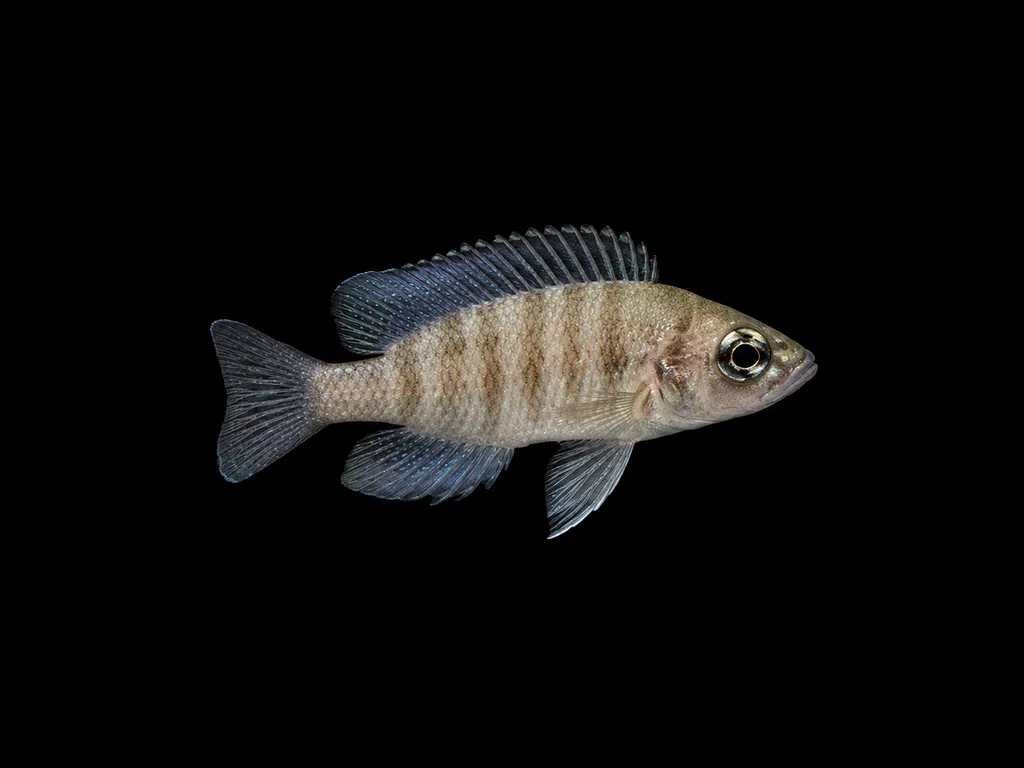
Toa cichlid
Neolamprologus toae
Freshwater4.7 in (12 cm) · 53 gal (200 L)75–81°F (24–27°C)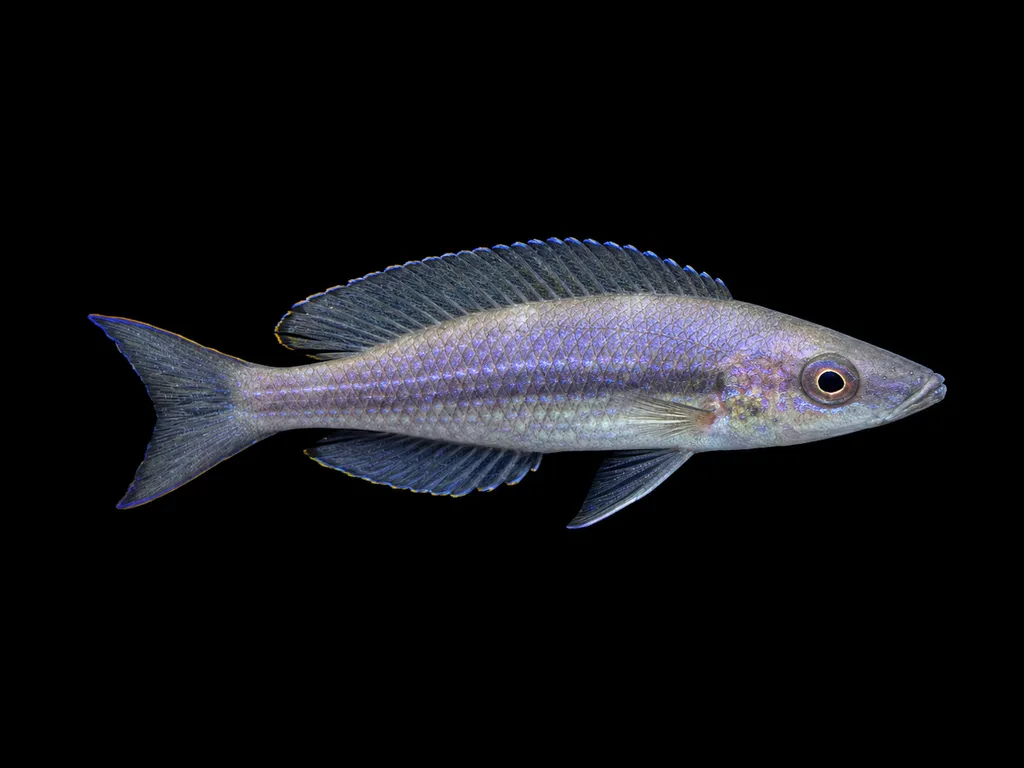
Brien's cichlid
Paracyprichromis brieni
Freshwater4.3 in (11 cm) · 66 gal (250 L)75–81°F (24–27°C)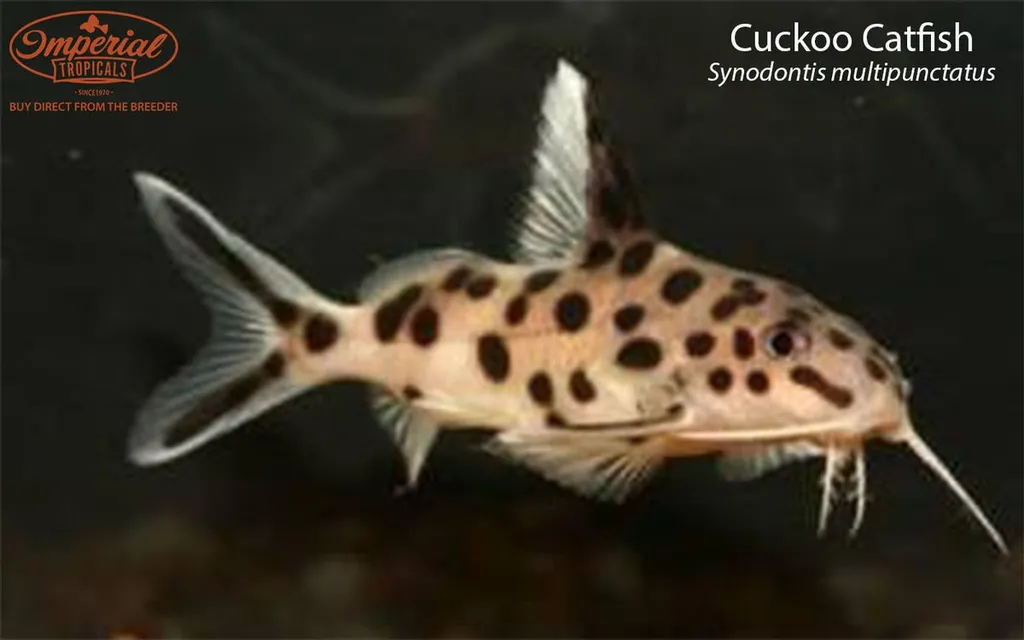
Cuckoo squeaker
Synodontis multipunctatus
Freshwater7.1 in (18 cm) · 29 gal (110 L)75–82°F (24–28°C)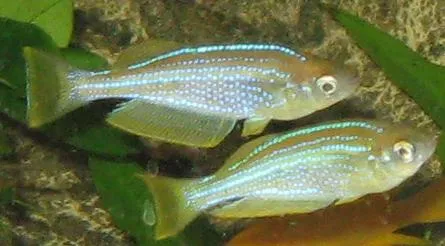
Tanganyika killifish
Lamprichthys tanganicanus
Freshwater5.5 in (14 cm) · 40 gal (150 L)73–77°F (23–25°C)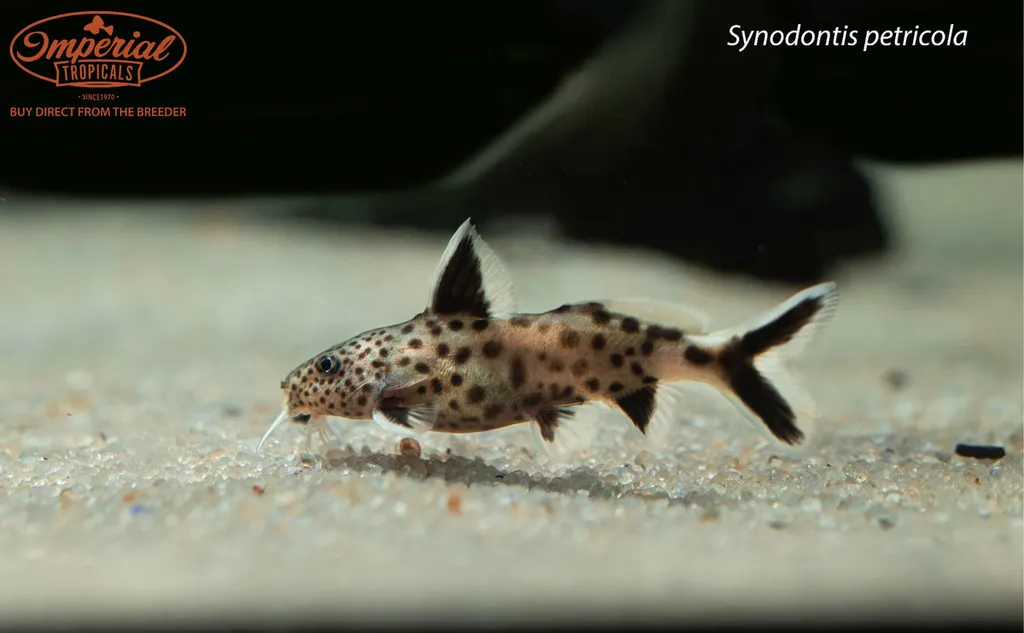
Even-Spotted squeaker
Synodontis petricola
Freshwater4.7 in (12 cm) · 21 gal (80 L)75–82°F (24–28°C)
Common questions
What size tank does a Hori's deepwater cichlid need?
A Hori's deepwater cichlid needs at least 159 gal (600 L). It spends most of its time in the middle.
What temperature and pH does a Hori's deepwater cichlid need?
A Hori's deepwater cichlid is comfortable at 75–81°F (24–27°C) with a pH of 7.8–9.0.
What does a Hori's deepwater cichlid eat?
A Hori's deepwater cichlid eats fine foods suited to a plankton feeder. Offer small frozen cyclops, daphnia and baby brine shrimp, along with a quality flake or micro pellet.
How big does a Hori's deepwater cichlid get?
An adult Hori's deepwater cichlid reaches about 7.1 in (18 cm).
How can you tell a male Hori's deepwater cichlid from a female?
Males carry long, streaming fins that add to their length. They display to females with slow, flickering movements.
How does a Hori's deepwater cichlid breed?
A Hori's deepwater cichlid is a maternal mouthbrooder, but it is hard to breed in aquariums. Females are easily disturbed and often fail to carry a clutch to term.
Related species
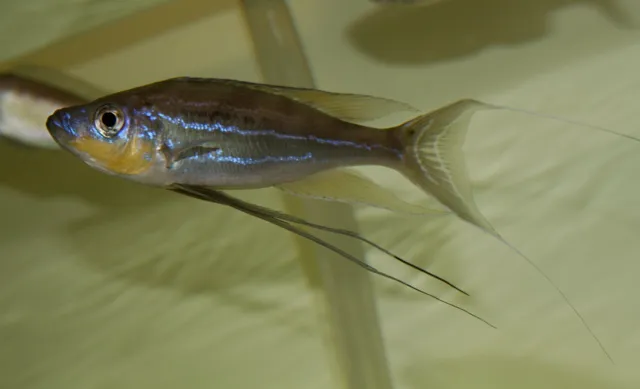 6.5 in (16.5 cm)159 gal (600 L)75–81°F (24–27°C)
Tricot's deepwater cichlid
Benthochromis tricoti
6.5 in (16.5 cm) · 159 gal (600 L)
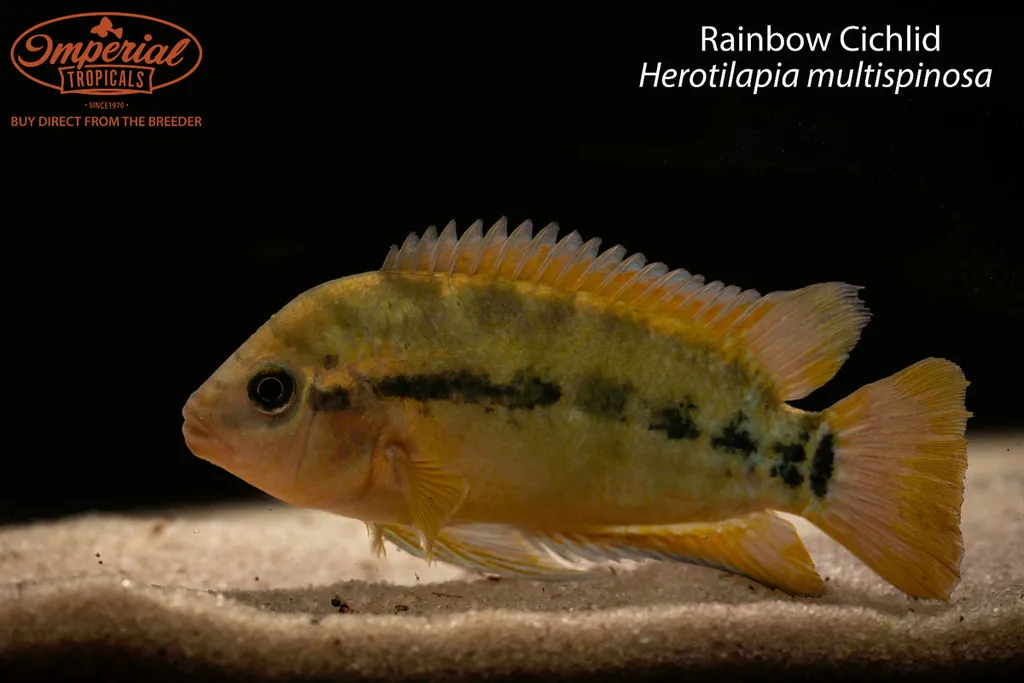 6.3 in (16 cm)26 gal (100 L)72–82°F (22–28°C)
Rainbow cichlid
Herotilapia multispinosa
6.3 in (16 cm) · 26 gal (100 L)
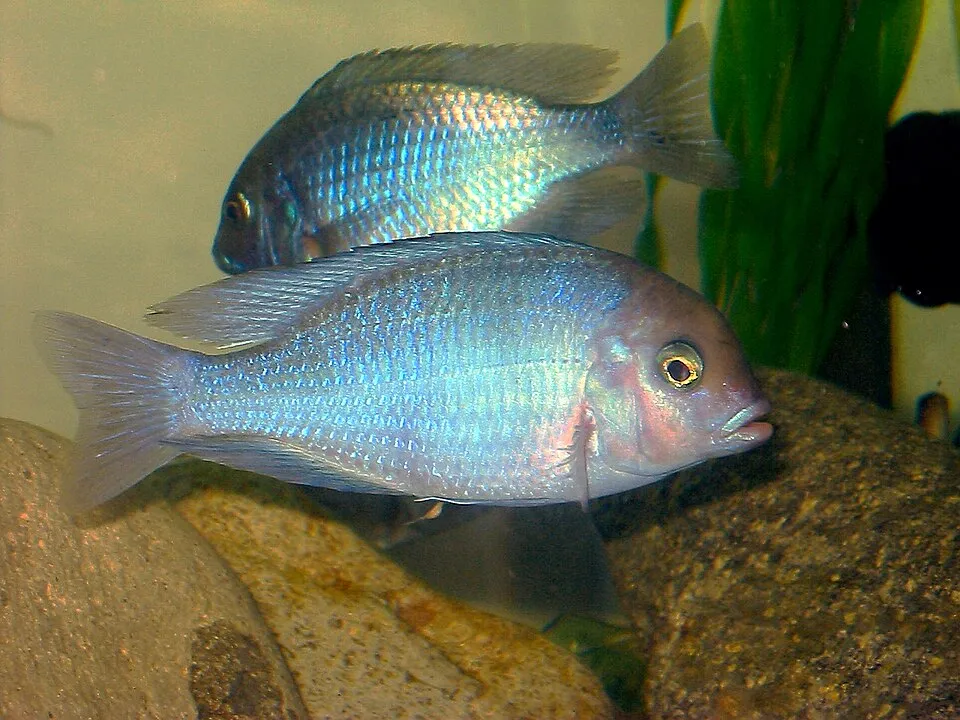 9.8 in (25 cm)66 gal (250 L)77–84°F (25–29°C)
Blue dolphin cichlid
Cyrtocara moorii
9.8 in (25 cm) · 66 gal (250 L)
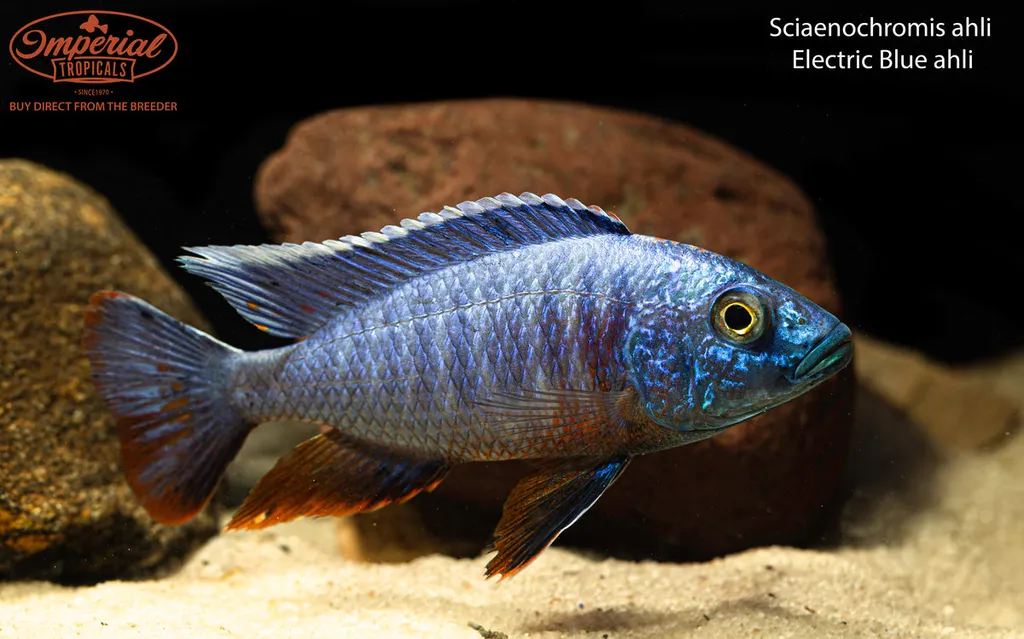 7.1 in (18 cm)66 gal (250 L)75–82°F (24–28°C)
Electric blue hap
Sciaenochromis fryeri
7.1 in (18 cm) · 66 gal (250 L)
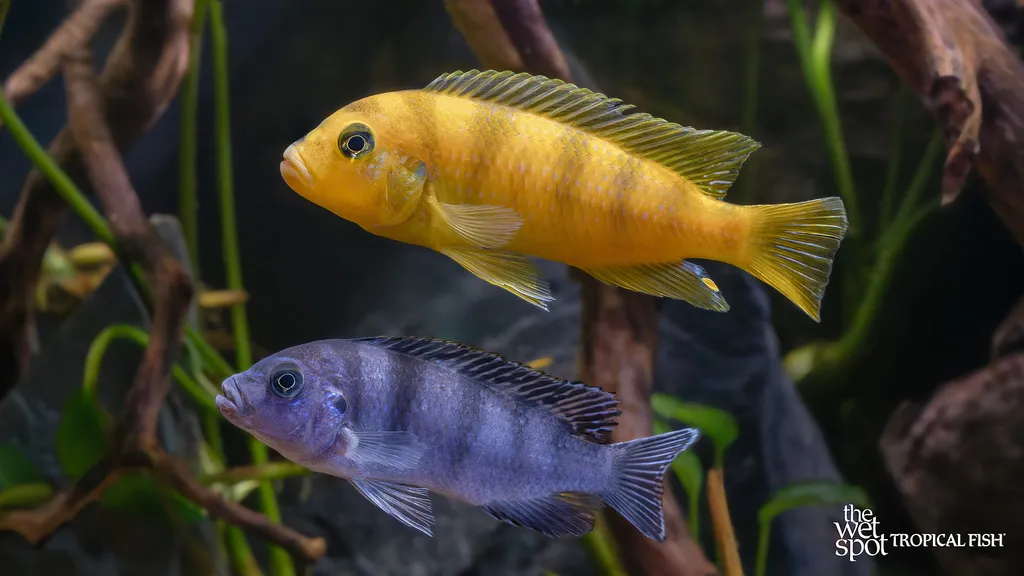 7.1 in (18 cm)46 gal (175 L)75–82°F (24–28°C)
Fuelleborn's cichlid
Labeotropheus fuelleborni
7.1 in (18 cm) · 46 gal (175 L)
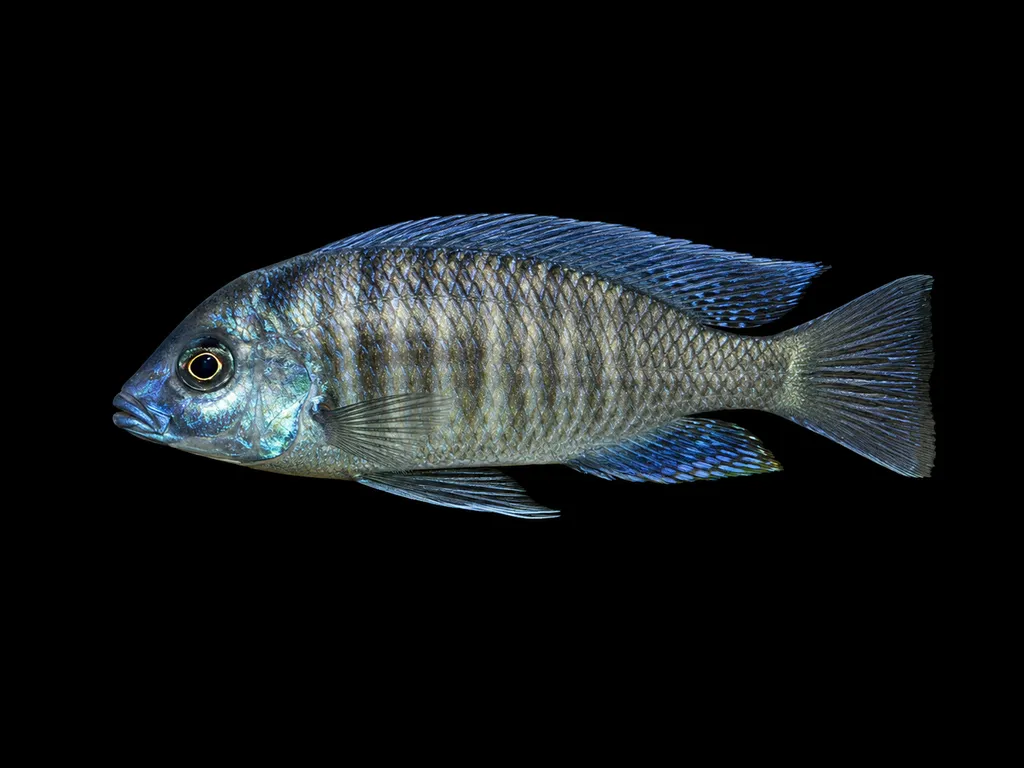 7.1 in (18 cm)79 gal (300 L)75–81°F (24–27°C)
Jackson's utaka
Copadichromis jacksoni
7.1 in (18 cm) · 79 gal (300 L)