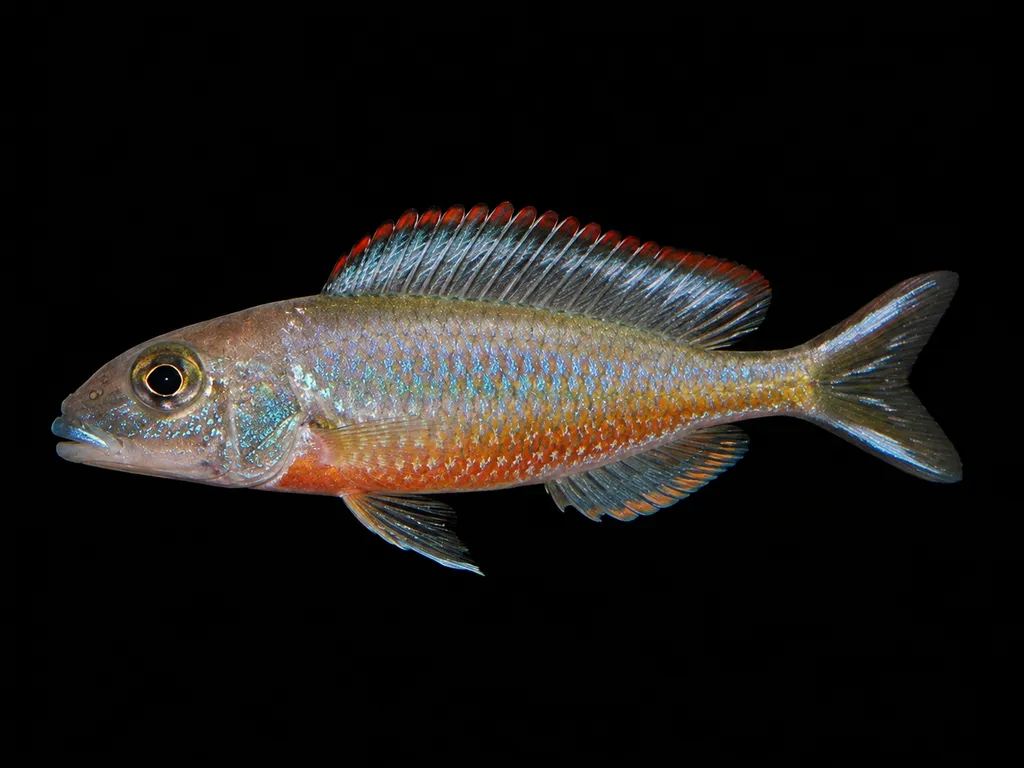
Flame callochromis
Callochromis pleurospilus
Also known as Flame rainbow callochromis, Rainbow sand sifter
FreshwaterFish
Care at a glance
- Temperature
- 75–81°F
- 24–27°C
- pH
- 7.8–9.0
- Adult size
- 3.9 in
- 10 cm
- Minimum tank
- 66 gal
- 250 L
- Temperament
- Mostly peaceful
- Social behavior
- Social
- Swim level
- Bottom
- Diet
- Carnivore
- Difficulty
- Difficult
- Breeding
- Mouthbrooder · Hard
- Rarity
- Rare
- Family
- Cichlidae
- Origin
- Lake Tanganyika
Overview
The flame callochromis is a colorful sand-sifting cichlid for a Tanganyika tank with open sand. It is a fish for experienced keepers.
Did you know
The flame callochromis wears its color as a mood as much as a marking. A frightened or subordinate fish goes pale and washed out. A confident, displaying male flushes with the rose-orange that gives the flame form its name.
Caring for the flame callochromis
A group of flame callochromis needs at least 66 gal (250 L), with a large, open bed of soft, fine sand. Add only a little rock at the margins and leave plenty of clear floor to work. They stay low over the sand, sifting it for small food.
Keep the water hard and alkaline like the lake, at 75 to 81°F (24 to 27°C) and a pH of 7.8 to 9.0. Keep it spotlessly clean, since this sensitive fish suffers in poor conditions. Feed small sinking foods such as frozen cyclops, brine shrimp and finely chopped meaty items that settle onto the sand.
Keep a harem of one male with several females rather than a lone pair, so the male's attention is spread out. The flame callochromis is peaceful toward other species and no real threat to tank mates. Males spar with each other and crater the sand while displaying, so give them space and calm Tanganyikan companions.
It is a maternal mouthbrooder. A male digs and defends a sand crater to court over, and the female broods the fertilized eggs in her mouth. Between its sensitivity and the need for a settled harem, aquarium breeding is hard.
Good to know
The flame callochromis is one of the smaller Callochromis sand cichlids, in the family Cichlidae.
In the wild
Callochromis pleurospilus sifts the shallow, sandy stretches around the edges of Lake Tanganyika. It works over fine sand with rock nearby.
Weekly picks
Tank mates
The flame callochromis is a mostly peaceful, social species that keeps to the bottom. These picks share a community profile with it, are safe together in both directions, and overlap on water type, temperature and pH.
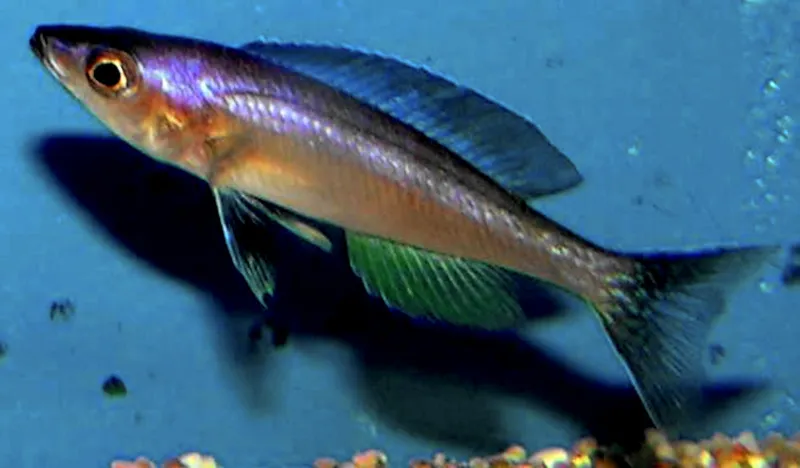
Sardine cichlid
Cyprichromis leptosoma
Freshwater4.3 in (11 cm) · 63 gal (240 L)75–81°F (24–27°C)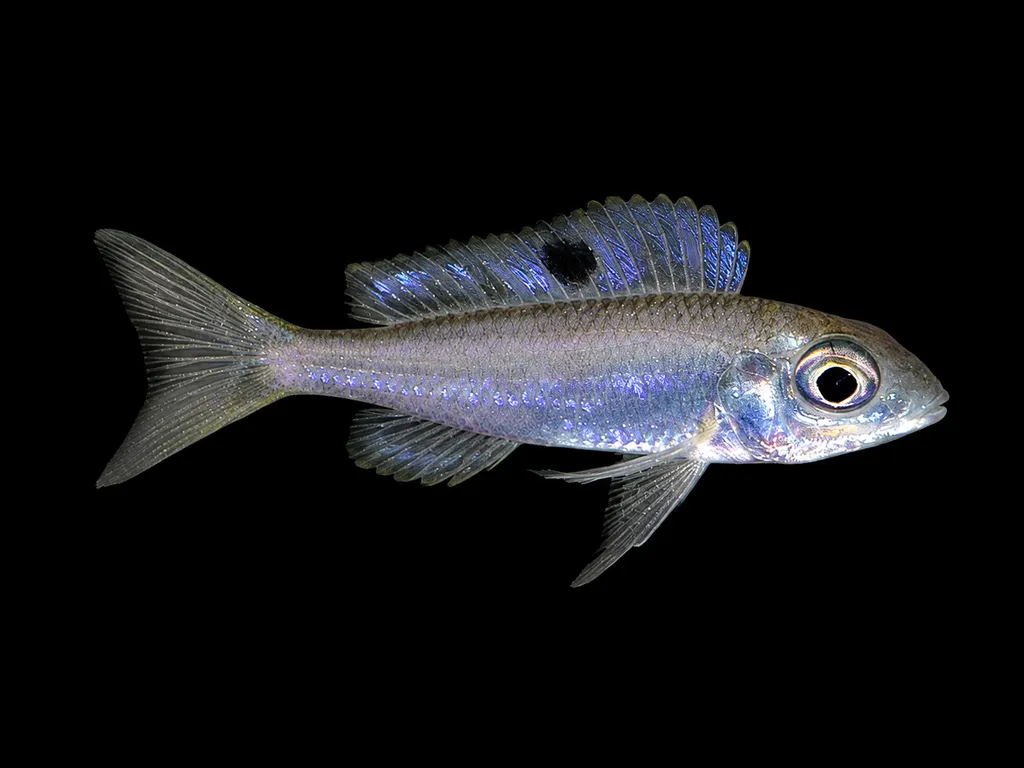
Descamps' sand cichlid
Ectodus descampsii
Freshwater4.1 in (10.5 cm) · 66 gal (250 L)75–81°F (24–27°C)
Tanganyika killifish
Lamprichthys tanganicanus
Freshwater5.5 in (14 cm) · 40 gal (150 L)73–77°F (23–25°C)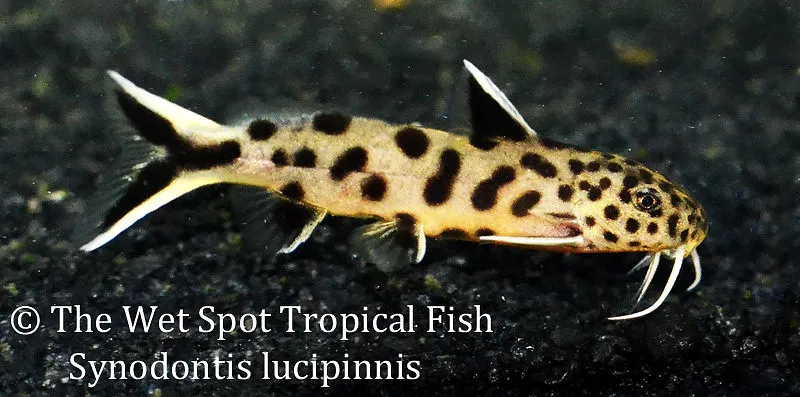
Dwarf petricola
Synodontis lucipinnis
Freshwater3.9 in (10 cm) · 30 gal (114 L)73–81°F (23–27°C)
Common questions
What size tank does a flame callochromis need?
A flame callochromis needs at least 66 gal (250 L). It spends most of its time in the bottom.
What temperature and pH does a flame callochromis need?
A flame callochromis is comfortable at 75–81°F (24–27°C) with a pH of 7.8–9.0.
What does a flame callochromis eat?
A flame callochromis eats small sinking foods that settle onto the sand, such as frozen cyclops, brine shrimp and finely chopped meaty items.
How big does a flame callochromis get?
An adult flame callochromis reaches about 3.9 in (10 cm).
How does a flame callochromis breed?
The flame callochromis is a maternal mouthbrooder. The male digs and defends a sand crater to court over, and the female broods the eggs in her mouth. Breeding it in the aquarium is hard.
Related species
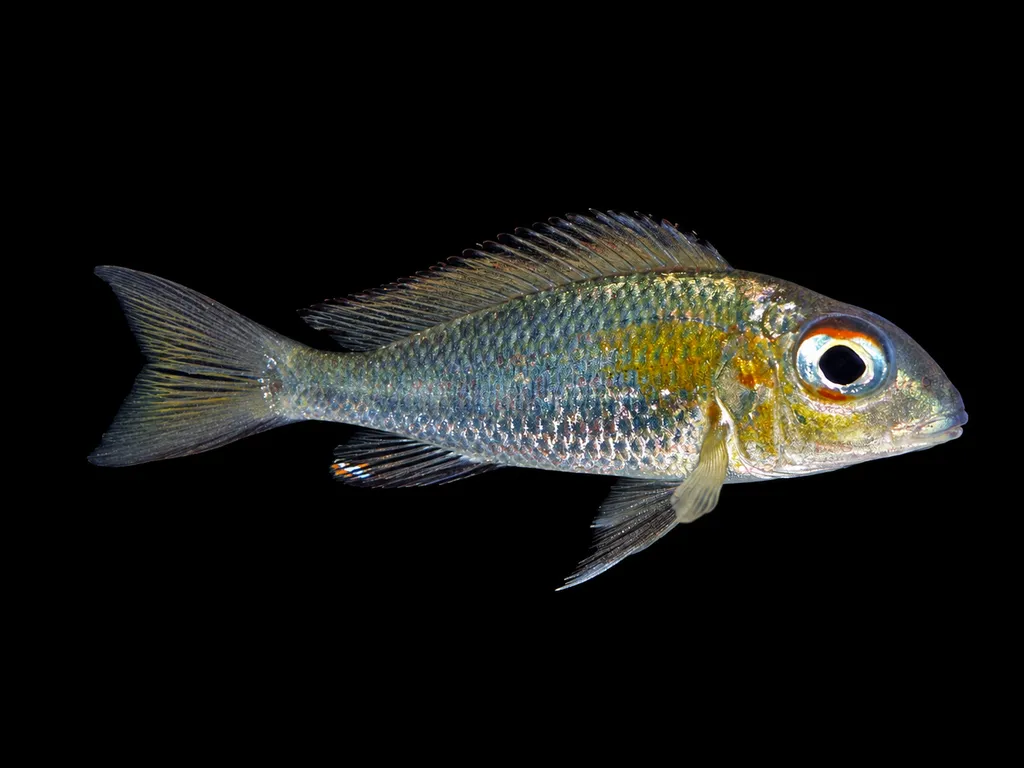 5.3 in (13.5 cm)79 gal (300 L)75–81°F (24–27°C)
Bigeye callochromis
Callochromis macrops
5.3 in (13.5 cm) · 79 gal (300 L)
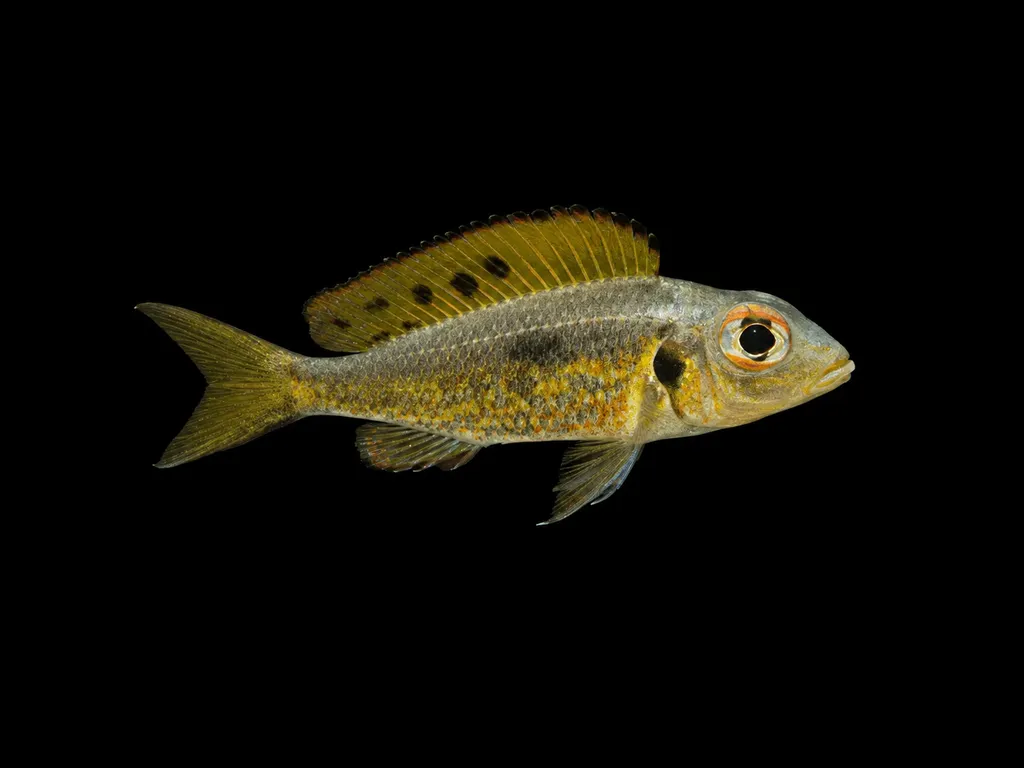 5.9 in (15 cm)79 gal (300 L)75–81°F (24–27°C)
Blackspot callochromis
Callochromis melanostigma
5.9 in (15 cm) · 79 gal (300 L)
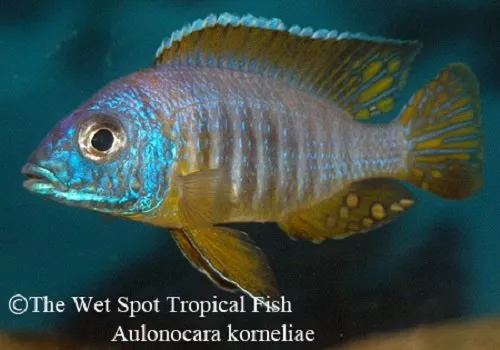 3.9 in (10 cm)63 gal (240 L)75–81°F (24–27°C)
Blue gold peacock
Aulonocara korneliae
3.9 in (10 cm) · 63 gal (240 L)
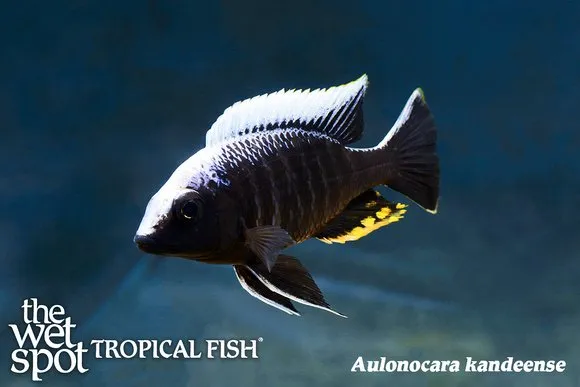 3.9 in (10 cm)63 gal (240 L)75–81°F (24–27°C)
Blue orchid peacock
Aulonocara kandeense
3.9 in (10 cm) · 63 gal (240 L)
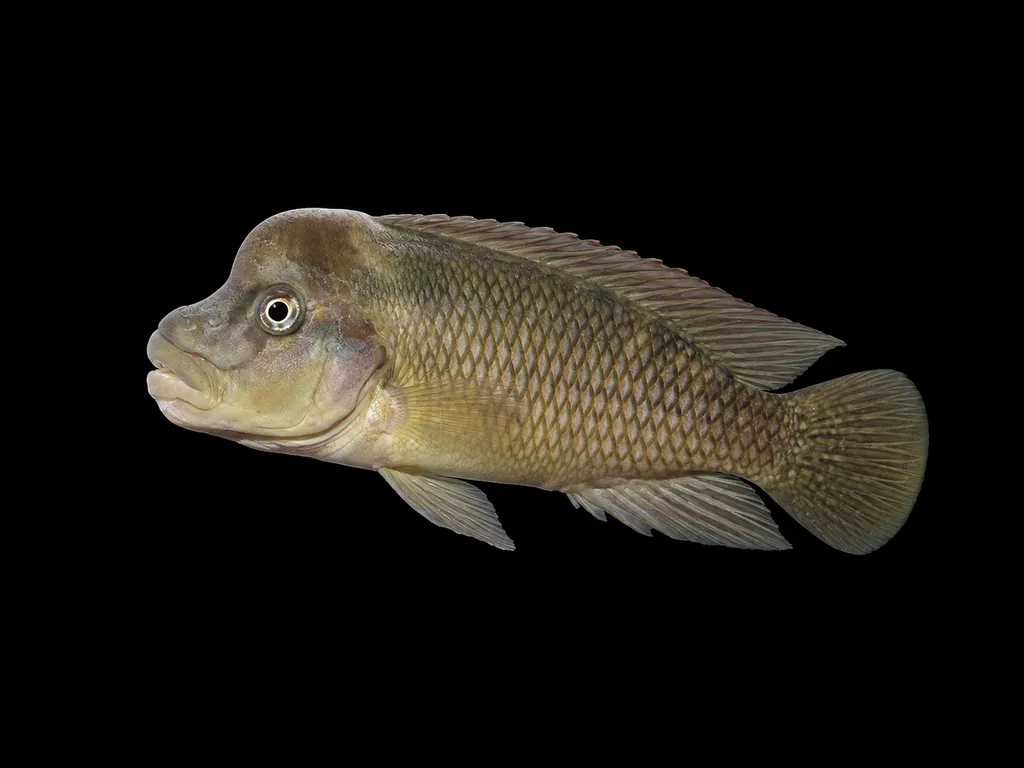 3.9 in (10 cm)42 gal (160 L)73–81°F (23–27°C)
Gibbiceps buffalo head
Steatocranus gibbiceps
3.9 in (10 cm) · 42 gal (160 L)
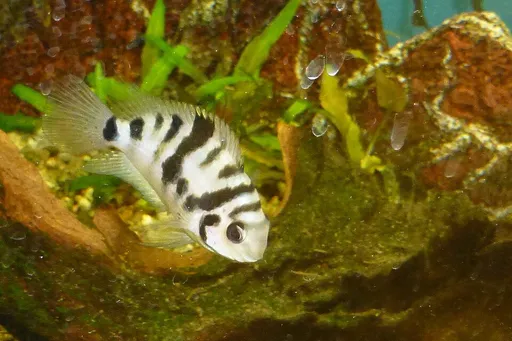 3.9 in (10 cm)30 gal (114 L)73–82°F (23–28°C)
Honduran red point cichlid
Amatitlania siquia
3.9 in (10 cm) · 30 gal (114 L)