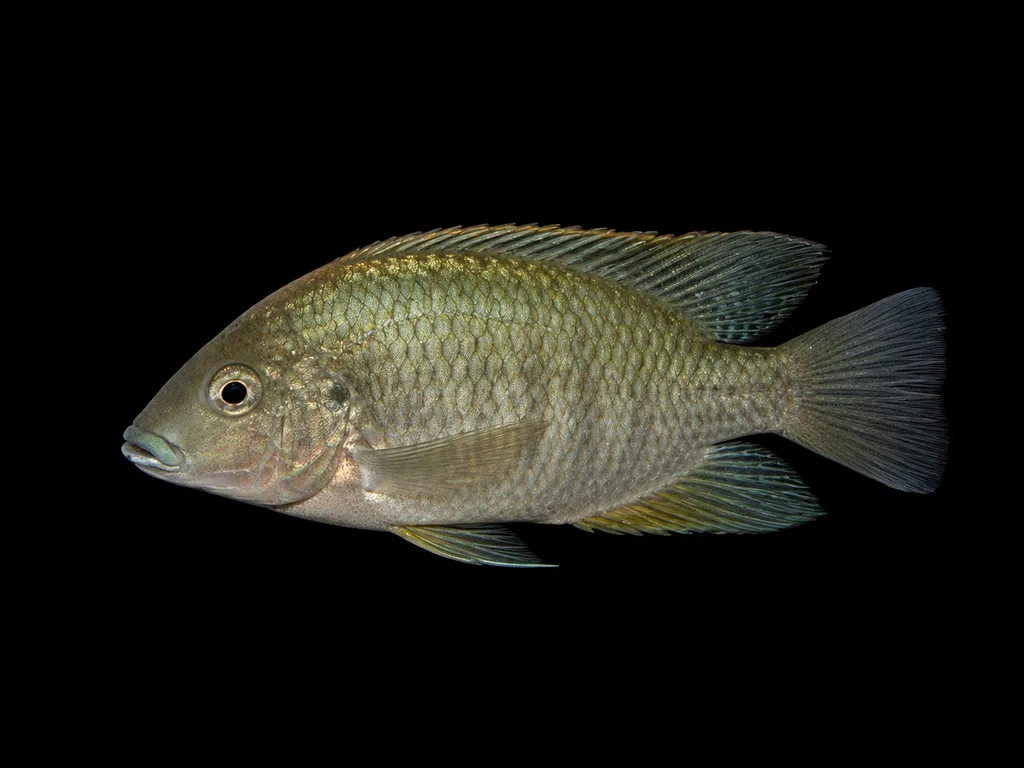
Guenther's mouthbrooder
Chromidotilapia guentheri
Also known as Chromidotilapia guntheri
FreshwaterFish
Care at a glance
- Temperature
- 75–81°F
- 24–27°C
- pH
- 6.0–7.5
- Adult size
- 5.9 in
- 15 cm
- Minimum tank
- 30 gal
- 115 L
- Temperament
- Mostly peaceful
- Social behavior
- Social
- Swim level
- Middle
- Difficulty
- Medium
- Breeding
- Hard
- Rarity
- Rare
- Family
- Cichlidae
- Origin
- West Africa
Overview
This is a mostly peaceful cichlid that does best as a bonded pair and can share a tank with other calm, sturdy fish. It works the middle and lower levels and likes territory to defend, so give it caves and broken sight lines. Keep the water warm, in the mid 20s C, with pH from 6 to 7.5. Feed a varied diet of quality pellets and flake plus frozen foods like brine shrimp and bloodworms. A bigger tank, around 115 liters or more, keeps the peace.
In the wild
Guenther's mouthbrooder comes from slow rivers, streams, and lakes in West Africa, including Cameroon, Nigeria, and Gabon. It favors shallow water over sand or mud, with plants and submerged roots for cover. The water is warm and runs from slightly acidic to neutral. Recreate that with a roomy tank, soft sandy substrate, driftwood, and plenty of hiding places.
Good to know
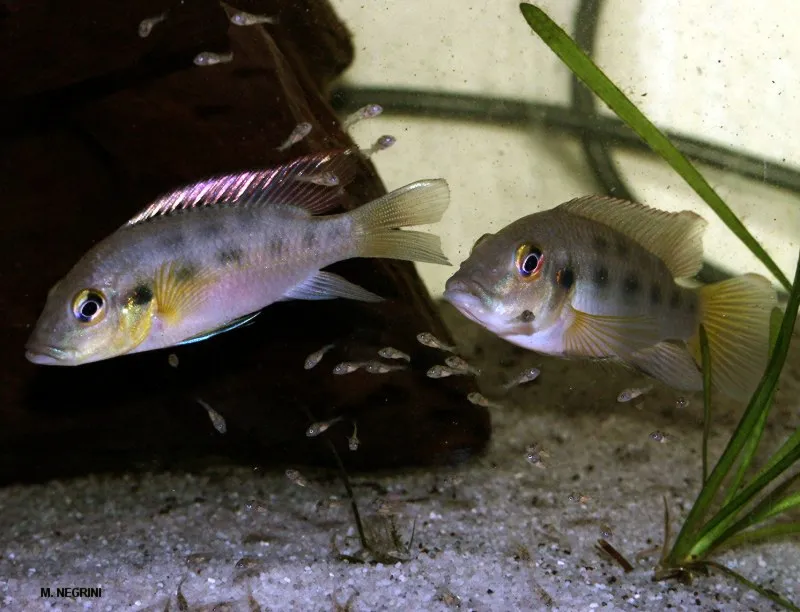
Chromidotilapia guentheri is a West African cichlid in the family Cichlidae. Adults reach about 15 cm. The standout trait is biparental mouthbrooding. The parents carry the eggs and fry in their mouth for protection, which is unusual and makes breeding a real project. Wild populations are widespread.
Did you know
In this species both parents share the mouthbrooding, which is rare among cichlids. The pair can pass a clutch of eggs and fry back and forth, taking turns holding them, so neither fish has to go too long without eating during the brooding period.
Weekly picks
Tank mates
Guenther's mouthbrooder is a mostly peaceful, social species that keeps to the middle. These picks share a community profile with it, are safe together in both directions, and overlap on water type, temperature and pH.
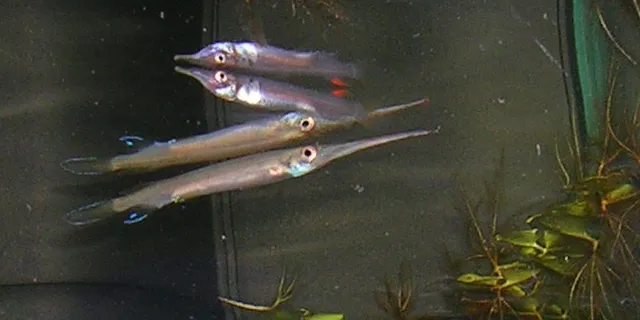
Forest halfbeak
Hemirhamphodon pogonognathus
Freshwater3.5 in (9 cm) · 34 gal (130 L)75–82°F (24–28°C)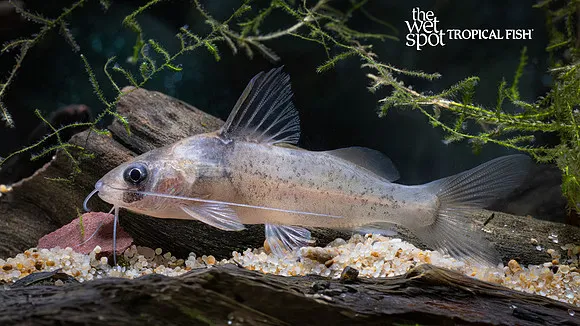
Imitator catfish
Brachyrhamdia imitator
Freshwater2.2 in (5.5 cm) · 30 gal (112 L)73–82°F (23–28°C)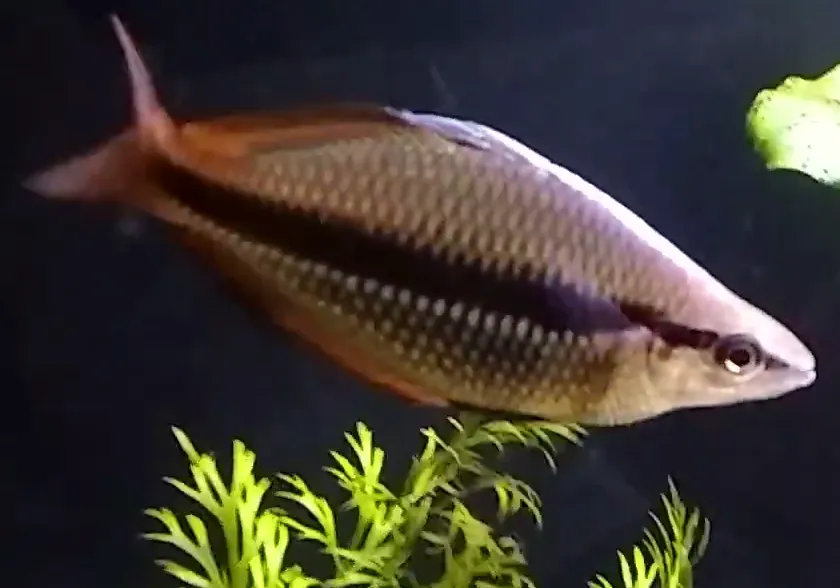
New Guinea rainbowfish
Melanotaenia affinis
Freshwater4.7 in (12 cm) · 30 gal (115 L)68–86°F (20–30°C)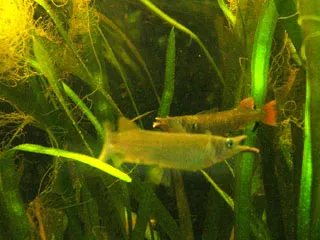
Redfin halfbeak
Nomorhamphus ebrardtii
Freshwater3.5 in (9 cm) · 29 gal (110 L)75–81°F (24–27°C)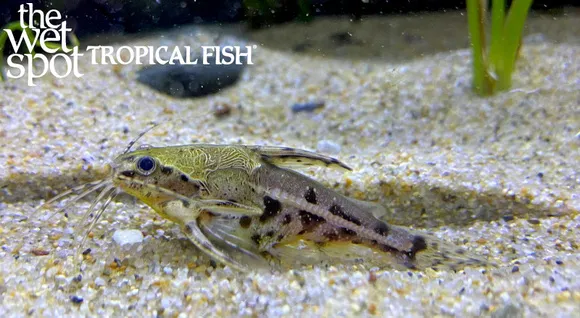
Marbled talking catfish
Amblydoras nauticus
Freshwater4.3 in (11 cm) · 30 gal (112 L)73–82°F (23–28°C)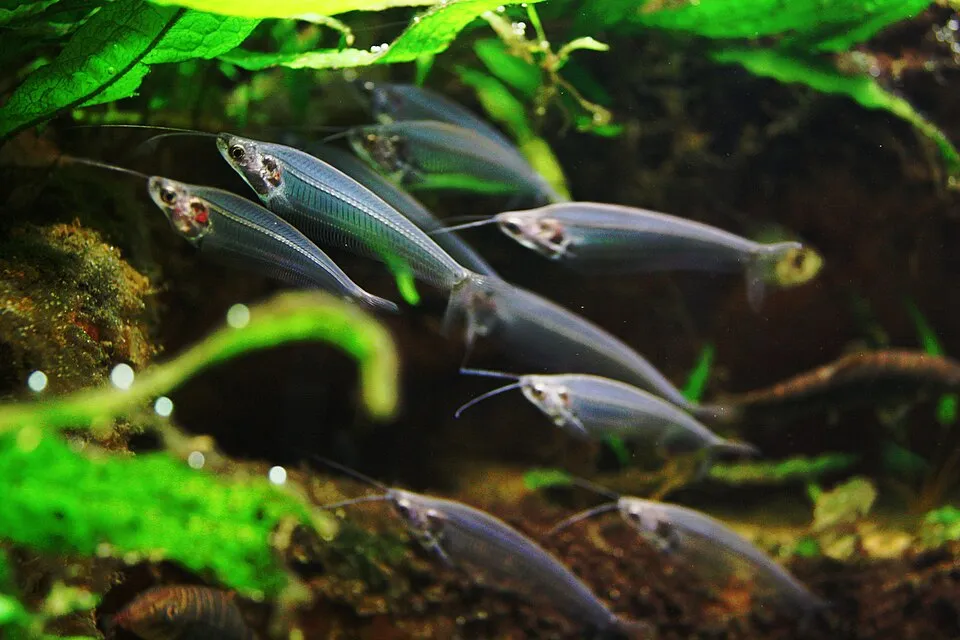
Glass catfish
Kryptopterus vitreolus
Freshwater2.8 in (7 cm) · 30 gal (115 L)70–79°F (21–26°C)
Common questions
What size tank does a Guenther's mouthbrooder need?
A Guenther's mouthbrooder needs at least 30 gal (115 L). It spends most of its time in the middle.
What temperature and pH does a Guenther's mouthbrooder need?
A Guenther's mouthbrooder is comfortable at 75–81°F (24–27°C) with a pH of 6.0–7.5.
How big does a Guenther's mouthbrooder get?
An adult Guenther's mouthbrooder reaches about 5.9 in (15 cm).
Related species
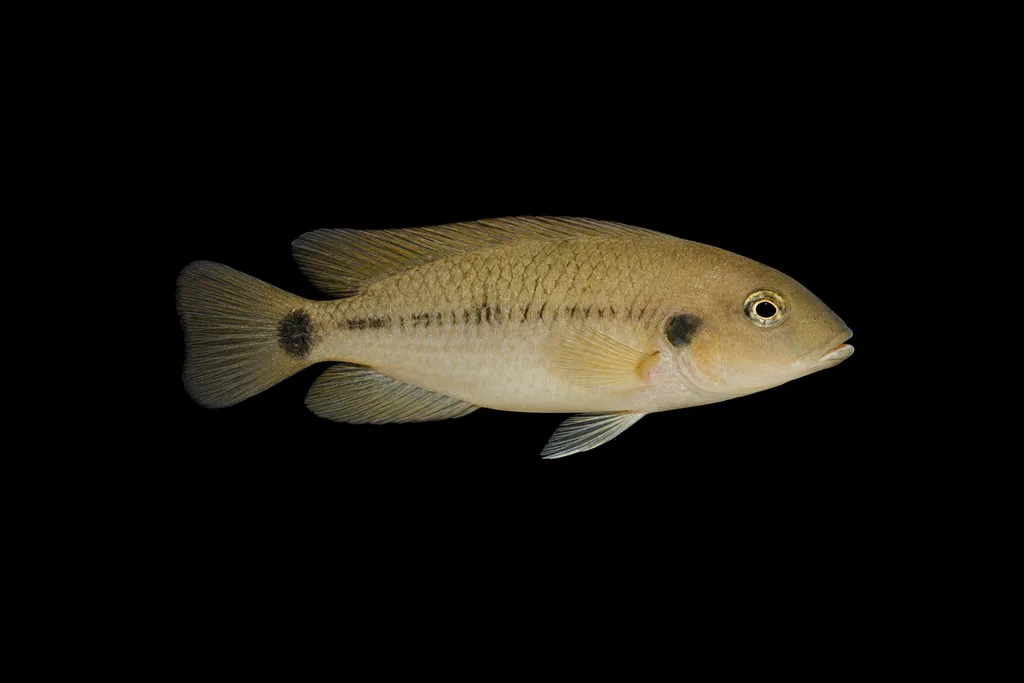 3.7 in (9.5 cm)53 gal (200 L)73–81°F (23–27°C)
Linke's mouthbrooder
Chromidotilapia linkei
3.7 in (9.5 cm) · 53 gal (200 L)
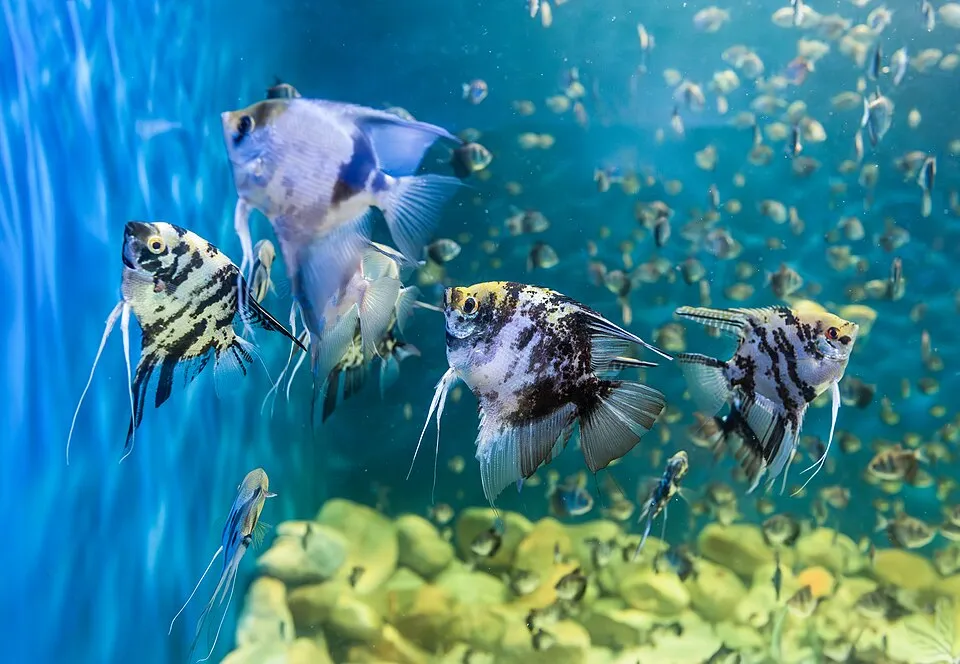 5.9 in (15 cm)30 gal (115 L)75–86°F (24–30°C)
Angelfish
Pterophyllum scalare
5.9 in (15 cm) · 30 gal (115 L)
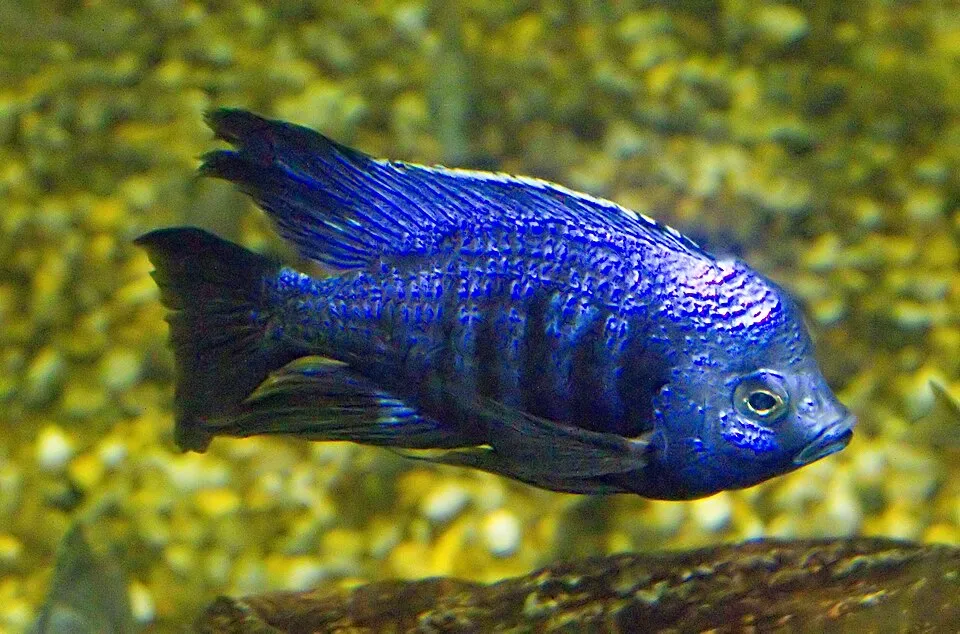 5.9 in (15 cm)79 gal (300 L)77–82°F (25–28°C)
Azureus
Copadichromis azureus
5.9 in (15 cm) · 79 gal (300 L)
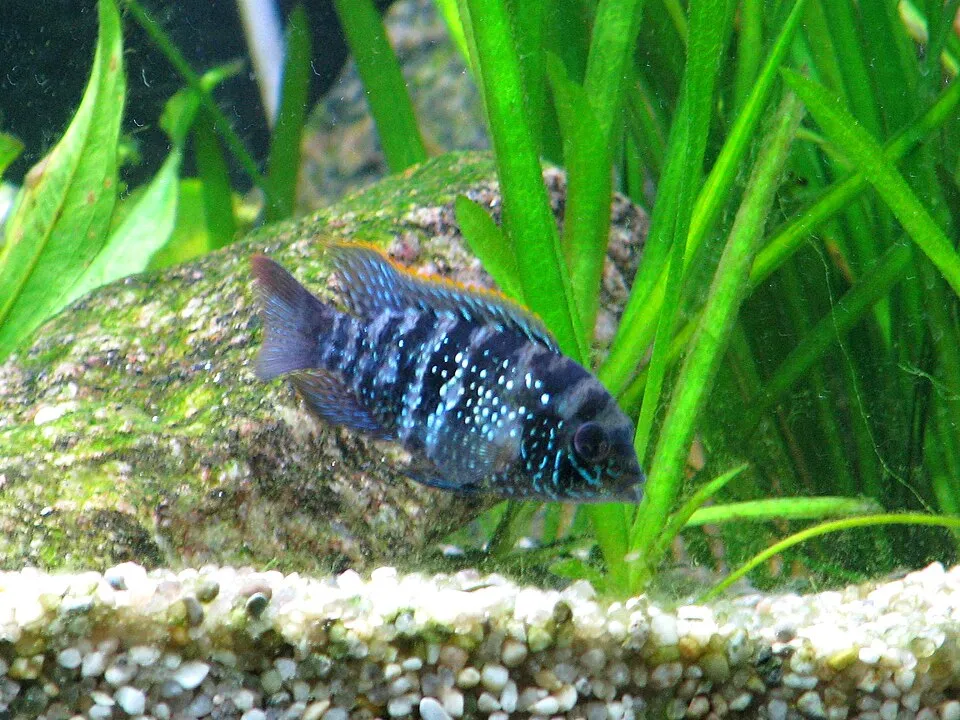 5.9 in (15 cm)42 gal (160 L)72–82°F (22–28°C)
Blue acara
Andinoacara pulcher
5.9 in (15 cm) · 42 gal (160 L)
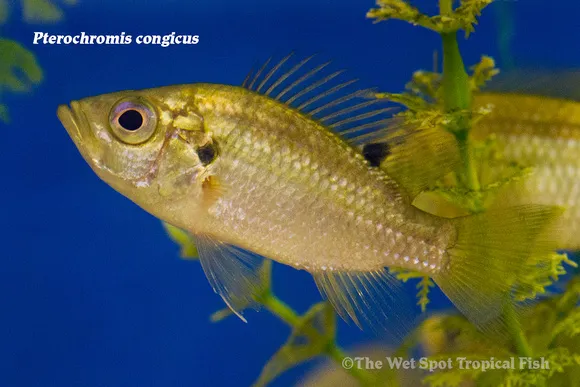 5.9 in (15 cm)79 gal (300 L)73–82°F (23–28°C)
Congicus pterochromis
Pterochromis congicus
5.9 in (15 cm) · 79 gal (300 L)
 5.9 in (15 cm)66 gal (250 L)73–81°F (23–27°C)
Deepwater coptodon
Coptodon bythobates
5.9 in (15 cm) · 66 gal (250 L)