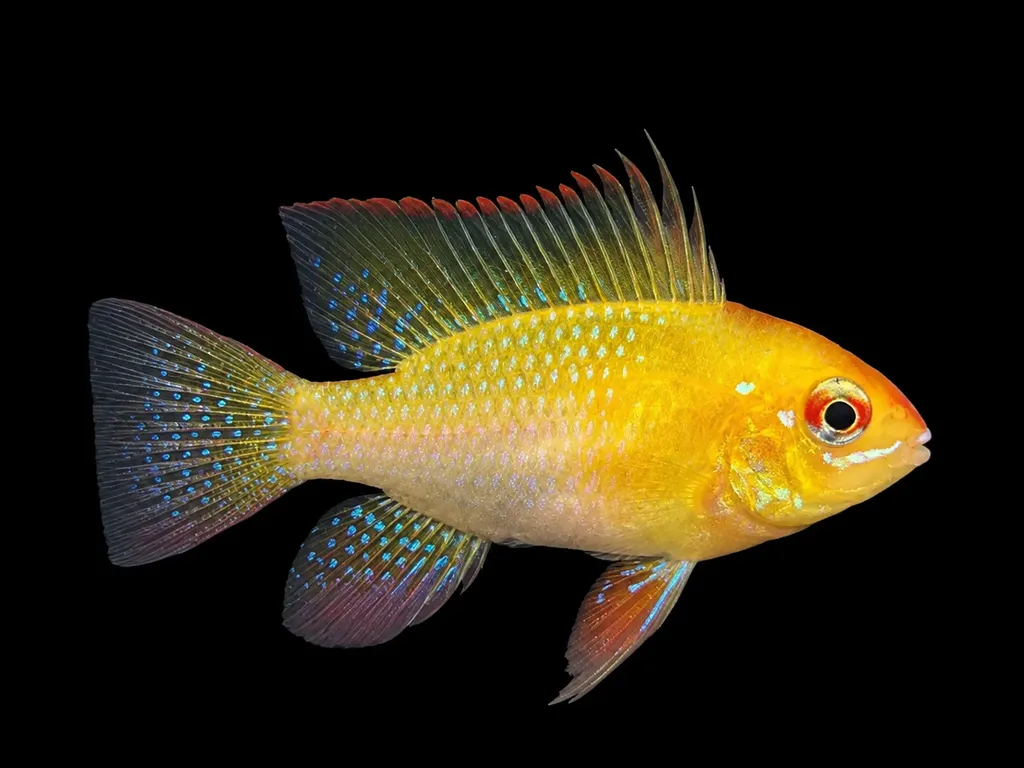
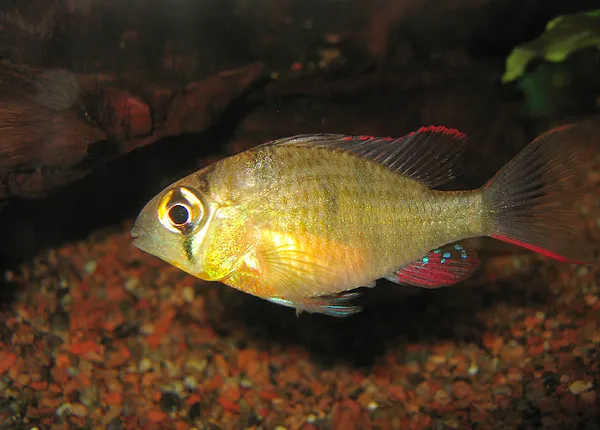
A xanthic line: yellow to gold body, usually with the dark bars and the flank spot gone, plus blue speckling that catches the light. Depth of gold varies by supplier, and washed out cream fish turn up in cheap batches. Females still show a pink to red belly in condition, so sexing works as it does on a standard ram. German gold ram is the same fish, with the German label carried over from the German blue ram strain rather than telling you where the batch was farmed.
In the wild
Gold is one of the older ram color lines and has been in the trade for many years, but no originator or date is documented. Gold stock is farmed in Southeast Asia, Europe, Israel and North America, with much of the trade supply shipping from Thailand and Indonesia. It exists only in captivity, with nothing gold swimming in the wild range.
Good to know
Xanthism is the underlying change: dark melanin pigment is reduced, so the yellow layer shows through unopposed. The eye bar and the flank spot go with the melanin, which separates a gold ram from a merely pale one. Breeders report that the line breeds true when kept pure, while a cross back to a standard ram brings the normal pattern back in the fry. Reduced fertility and weaker parental care show up across most line bred ram varieties, not just this one.
Did you know
Gold rams show the difference between a color line and a color change. The gold is fixed for life, while a standard ram can go pale or dark within minutes as its mood shifts.
Weekly picks
Tank mates
Gold ram is a peaceful, social species that keeps to the middle. These picks share a community profile with it, are safe together in both directions, and overlap on water type, temperature and pH.
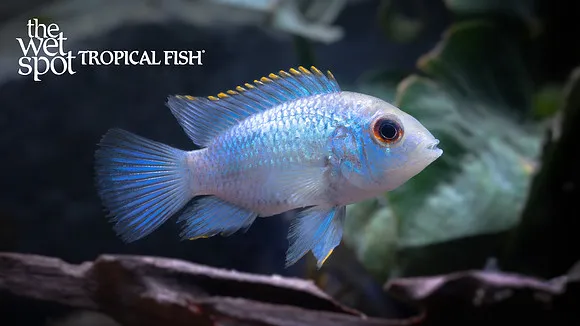
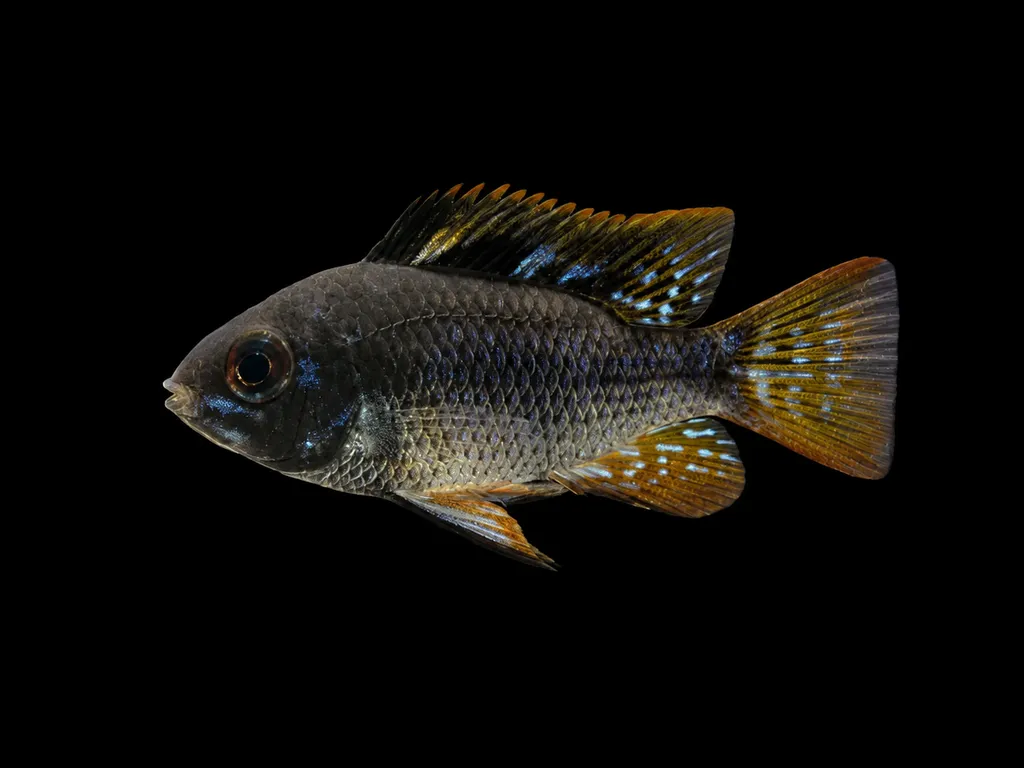
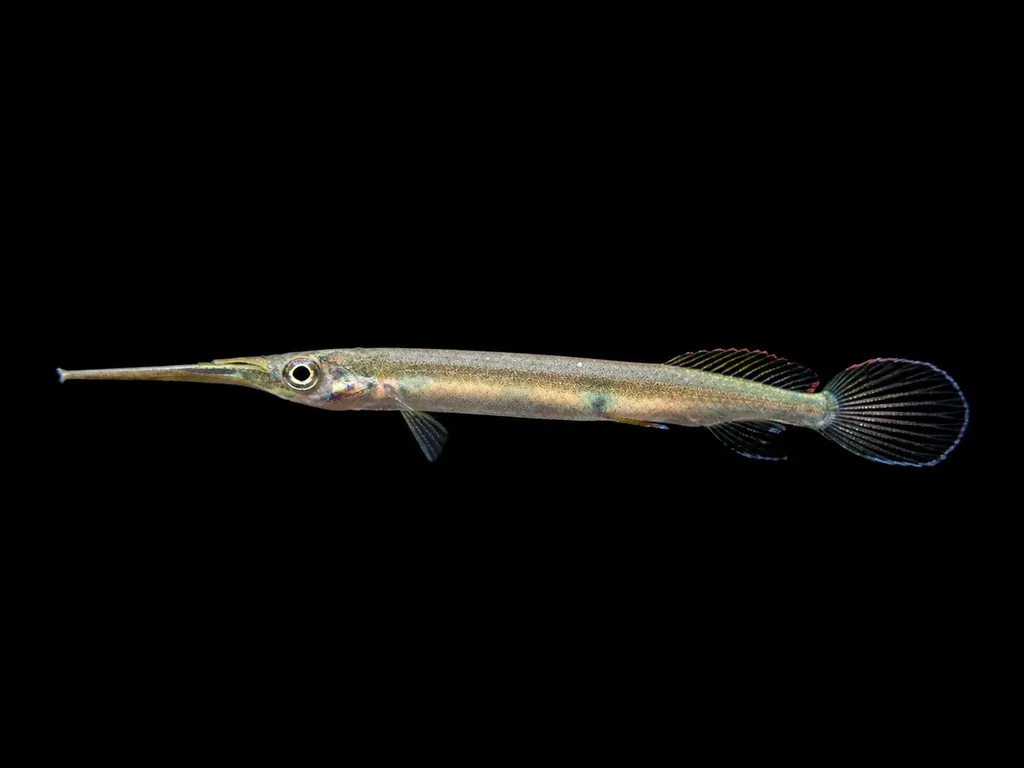
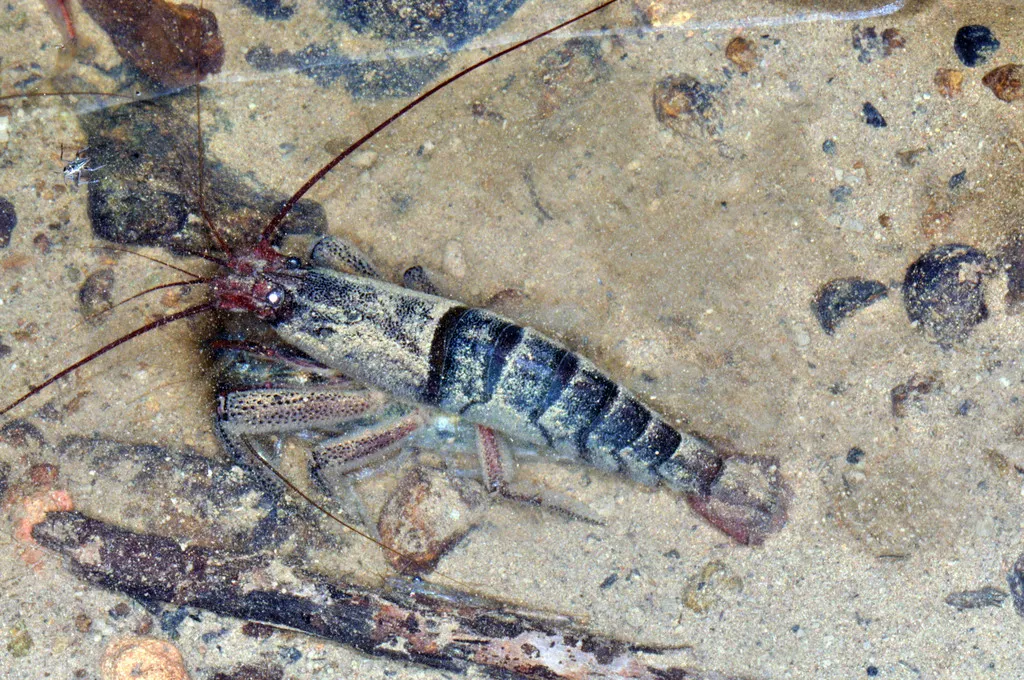
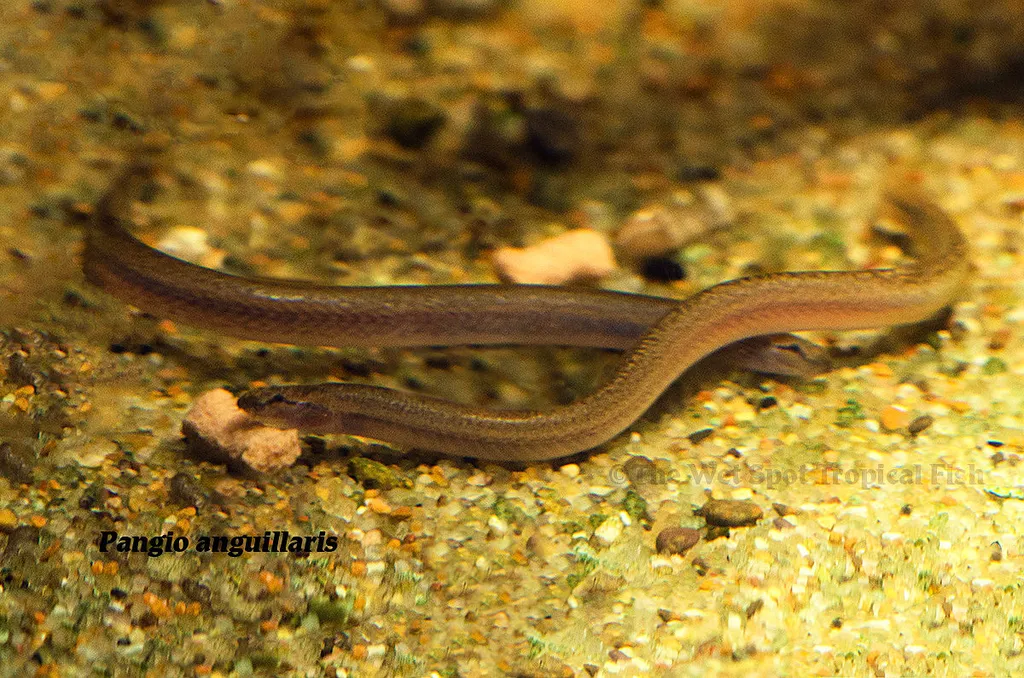
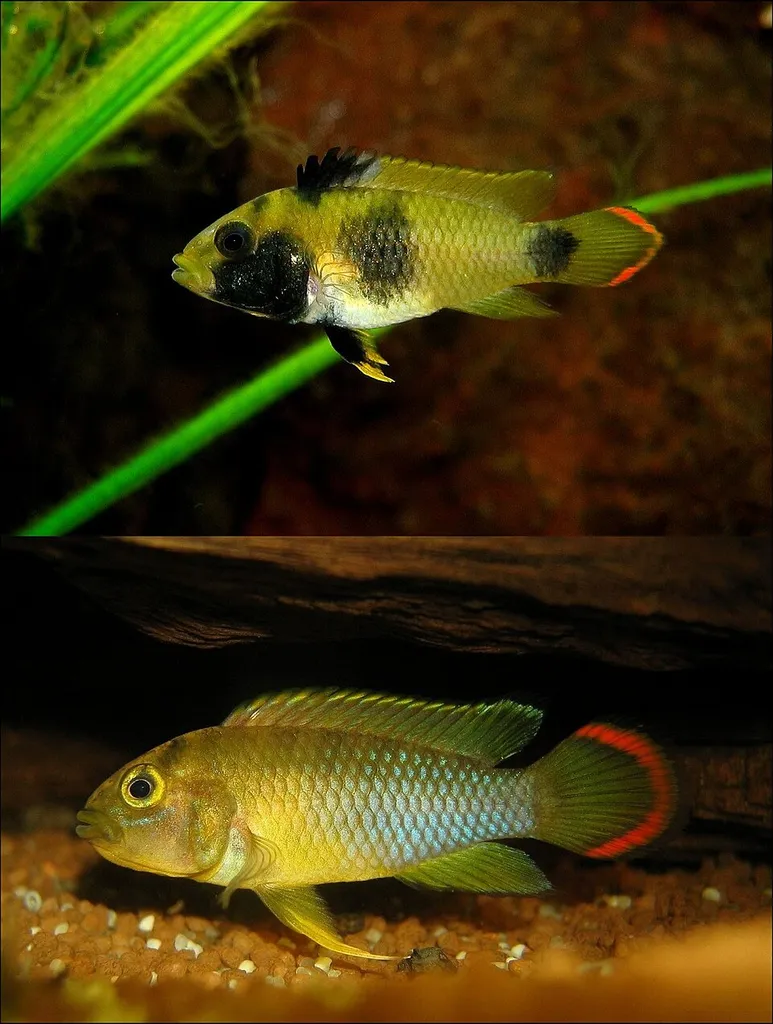
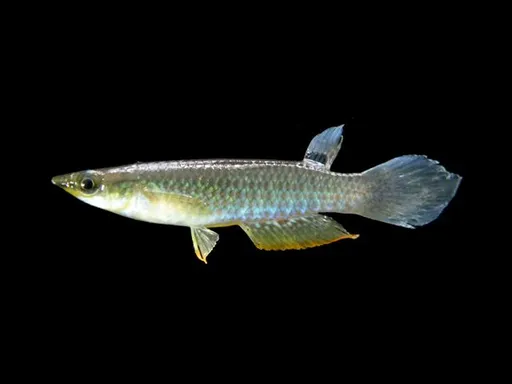
 3.1 in (8 cm)45 gal (170 L)75–82°F (24–28°C)
 2.4 in (6 cm)14 gal (54 L)77–86°F (25–30°C)
 2.2 in (5.5 cm)20 gal (75 L)68–82°F (20–28°C)
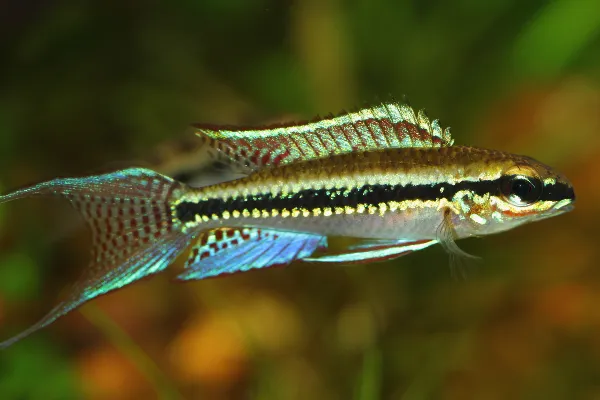 3.5 in (9 cm)20 gal (75 L)79–86°F (26–30°C)
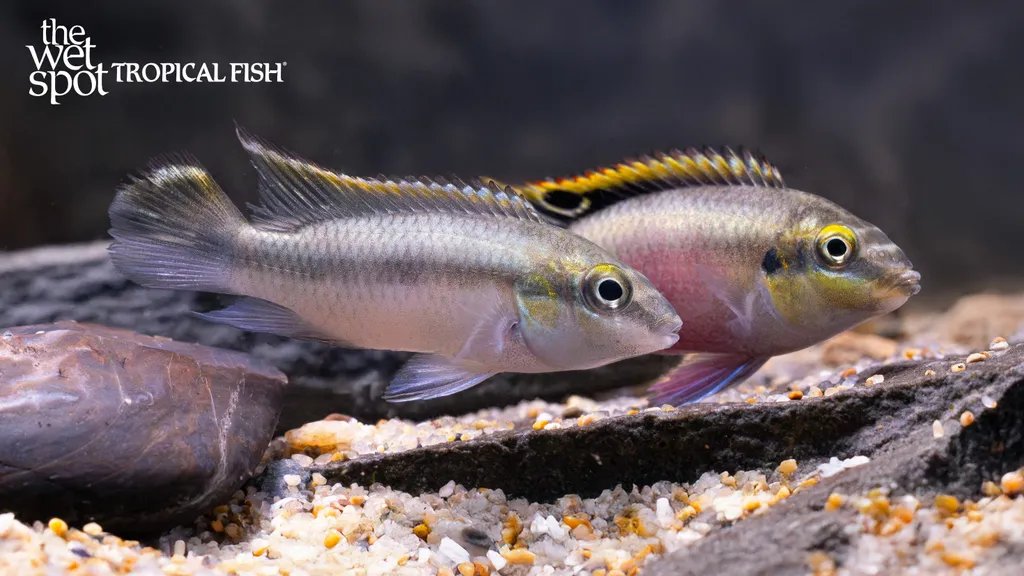 3.9 in (10 cm)20 gal (75 L)75–81°F (24–27°C)
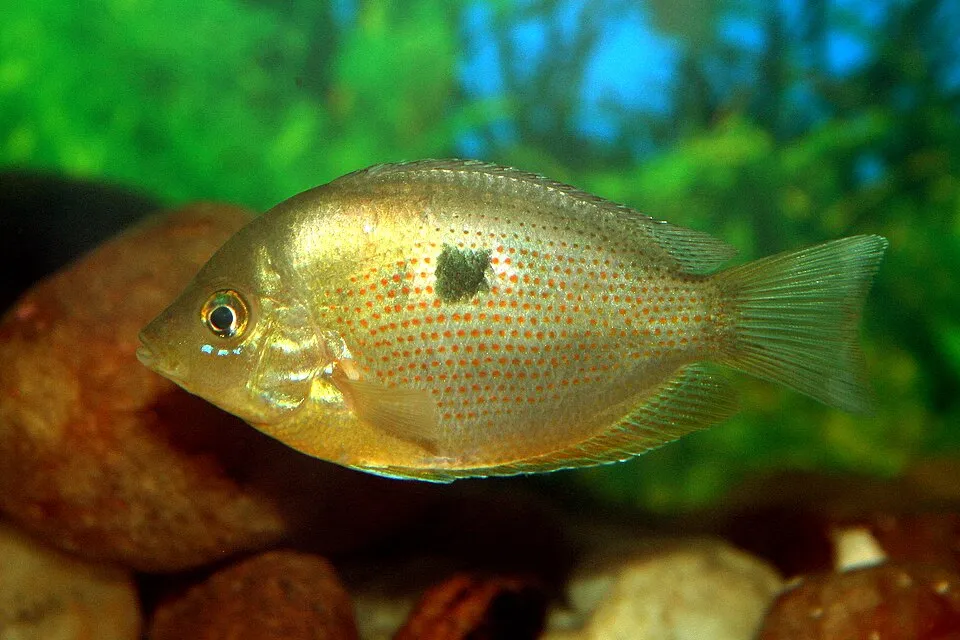 3.9 in (10 cm)55 gal (210 L)68–82°F (20–28°C)