Brazilian ram
Mikrogeophagus maculicauda
Also known as Tailspot ram, Guapore ram
FreshwaterFish
Care at a glance
- Temperature
- 77–86°F
- 25–30°C
- pH
- 5.5–7.0
- Adult size
- 2.4 in
- 6 cm
- Minimum tank
- 14 gal
- 54 L
- Temperament
- Mostly peaceful
- Social behavior
- Social
- Swim level
- Bottom
- Difficulty
- Medium
- Breeding
- Substrate spawner · Medium
- Rarity
- Rare
- Family
- Cichlidae
- Origin
- Upper Guaporé basin, Brazil
Overview
The Brazilian ram is a small, warm-water dwarf cichlid, kept much like a Bolivian ram. It is a step up from the easiest fish.
Did you know
The Brazilian ram, formally named in 2022, was the first new member of its genus in more than seventy years. Until then the ram genus held only two species, the common ram and the Bolivian ram.
Caring for the Brazilian ram
Keep a bonded pair of Brazilian rams, or a small group in a larger tank from which a pair will form. A pair needs at least 14 gal (54 L), planted and softly filtered. Give them a soft sand floor, driftwood, some plants and gentle flow.
Hold the water at 77 to 86°F (25 to 30°C) and a pH of 5.5 to 7.0. The upper end of that temperature range suits it well. Feed small foods such as quality flake and micro pellets, frozen bloodworm, brine shrimp and daphnia.
The Brazilian ram stays near the bottom and holds a small territory. It is peaceful but will defend a spawning site, so pick gentle tank mates.
It is a substrate spawner. A pair cleans a flat stone or leaf, then guards the eggs and fry together. Breeding it takes a little experience.
Good to know
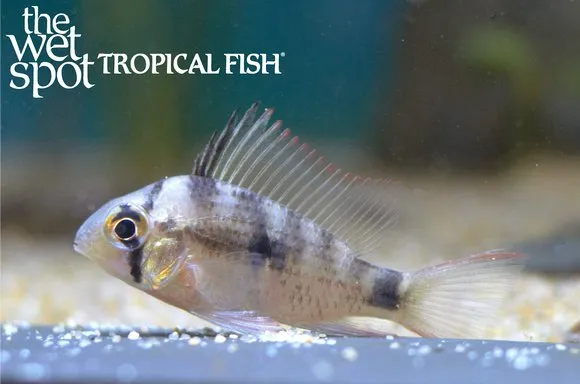
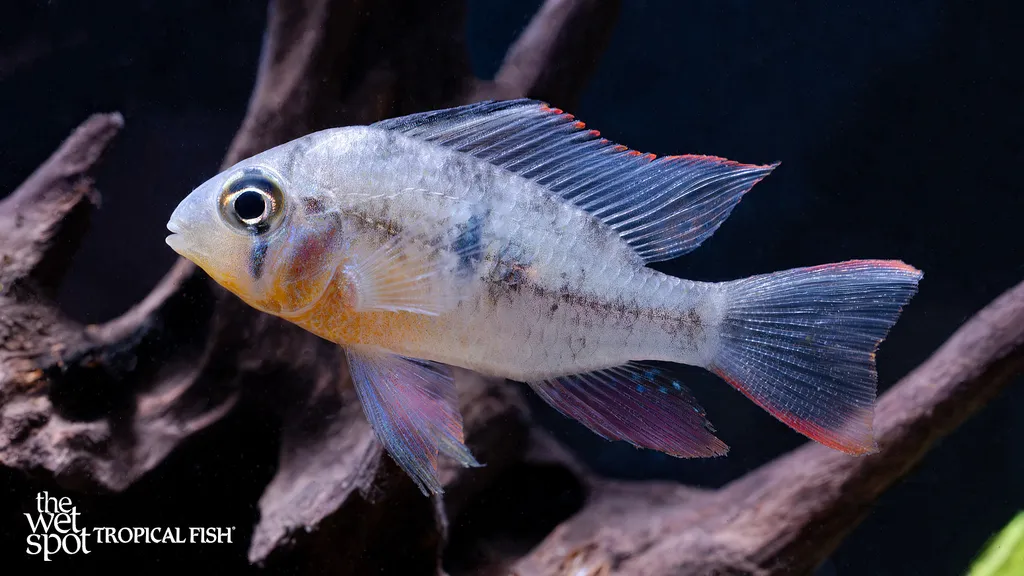
Mikrogeophagus maculicauda belongs to the cichlid family, Cichlidae. Its name means spotted tail, for the dark blotch at the base of the tail. That blotch and a green body sheen separate it from the Bolivian ram and the common ram.
In the wild
Mikrogeophagus maculicauda comes from the upper Rio Guapore in Brazil. It lives in warm, clear, slow tributaries over sand, with wood and leaf litter, in soft to neutral water.
Weekly picks
Tank mates
The Brazilian ram is a mostly peaceful, social species that keeps to the bottom. These picks share a community profile with it, are safe together in both directions, and overlap on water type, temperature and pH.
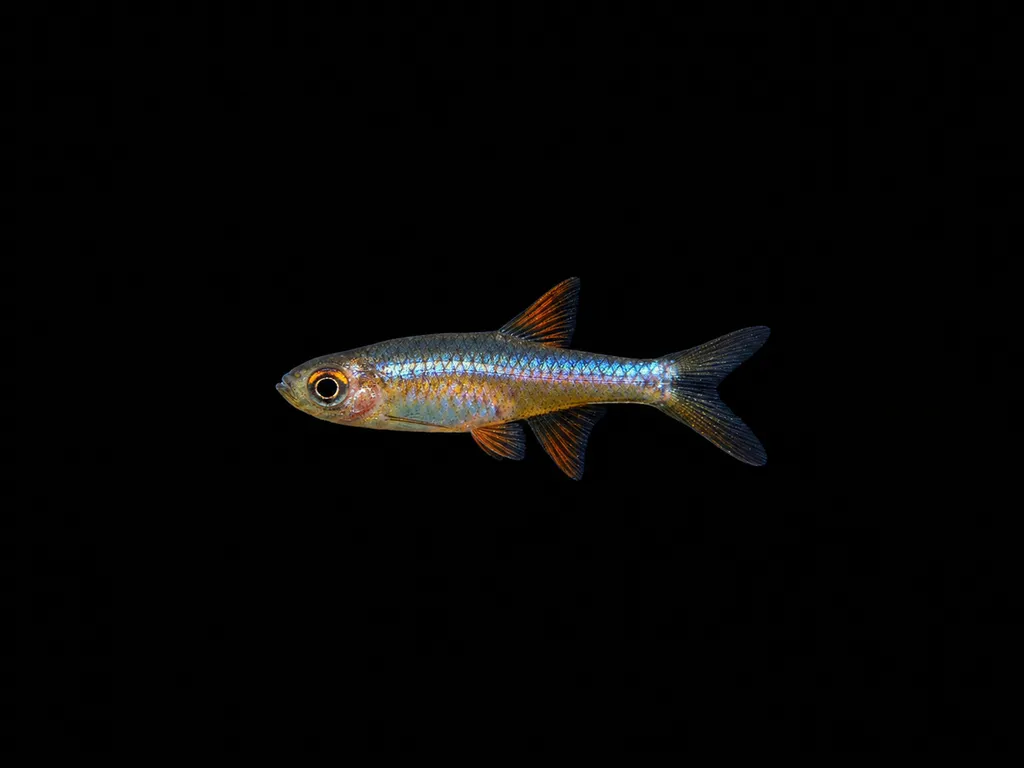
Pearly rasbora
Rasboroides vaterifloris
Freshwater1.6 in (4 cm) · 14 gal (54 L)75–82°F (24–28°C)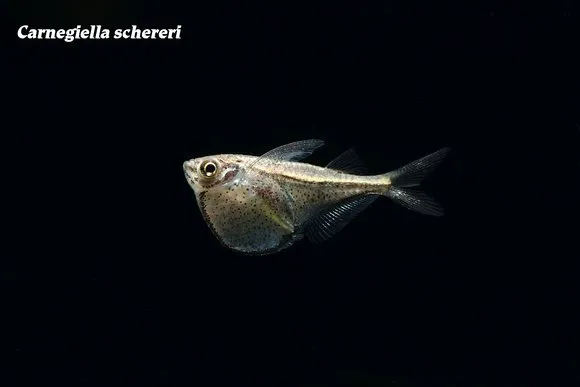
Scherer's hatchetfish
Carnegiella schereri
Freshwater1 in (2.6 cm) · 14 gal (54 L)73–82°F (23–28°C)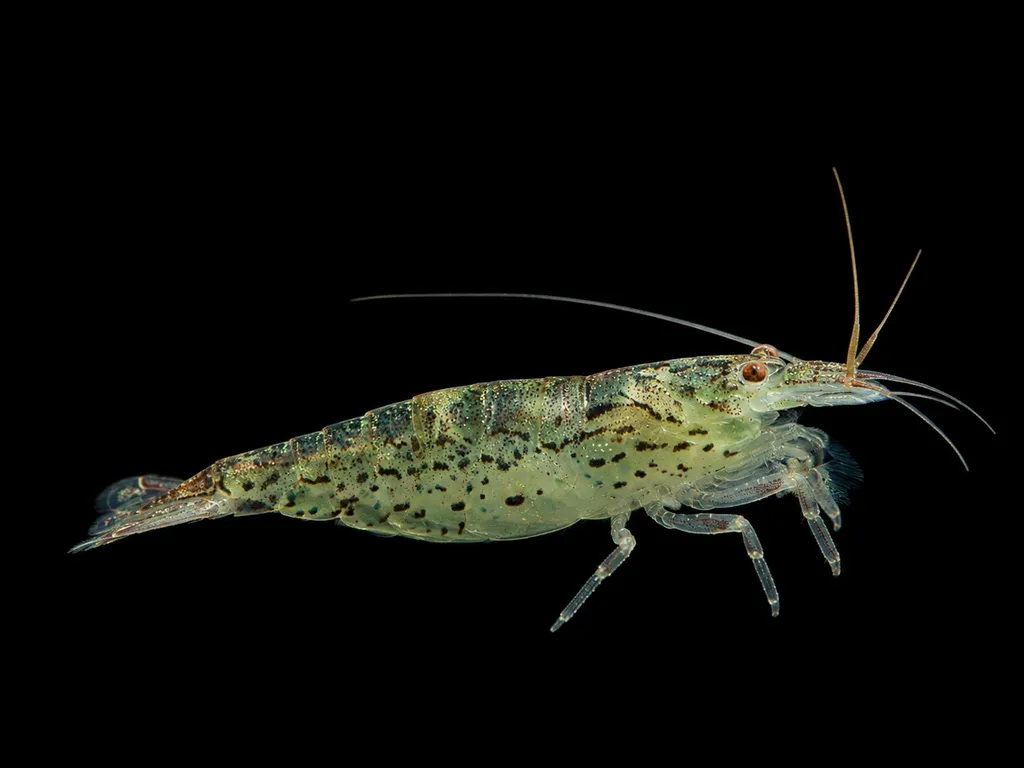
Green lace shrimp
Atyoida pilipes
Freshwater2.8 in (7 cm) · 14 gal (54 L)73–82°F (23–28°C)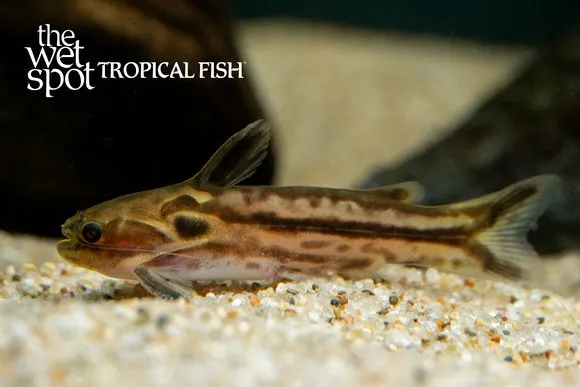
Dwarf driftwood catfish
Tatia gyrina
Freshwater1.8 in (4.5 cm) · 14 gal (54 L)73–82°F (23–28°C)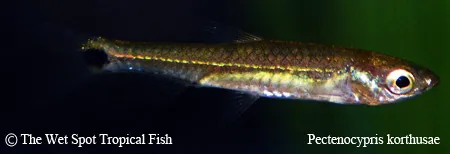
Korthaus rasbora
Pectenocypris korthausae
Freshwater1.7 in (4.2 cm) · 14 gal (54 L)73–82°F (23–28°C)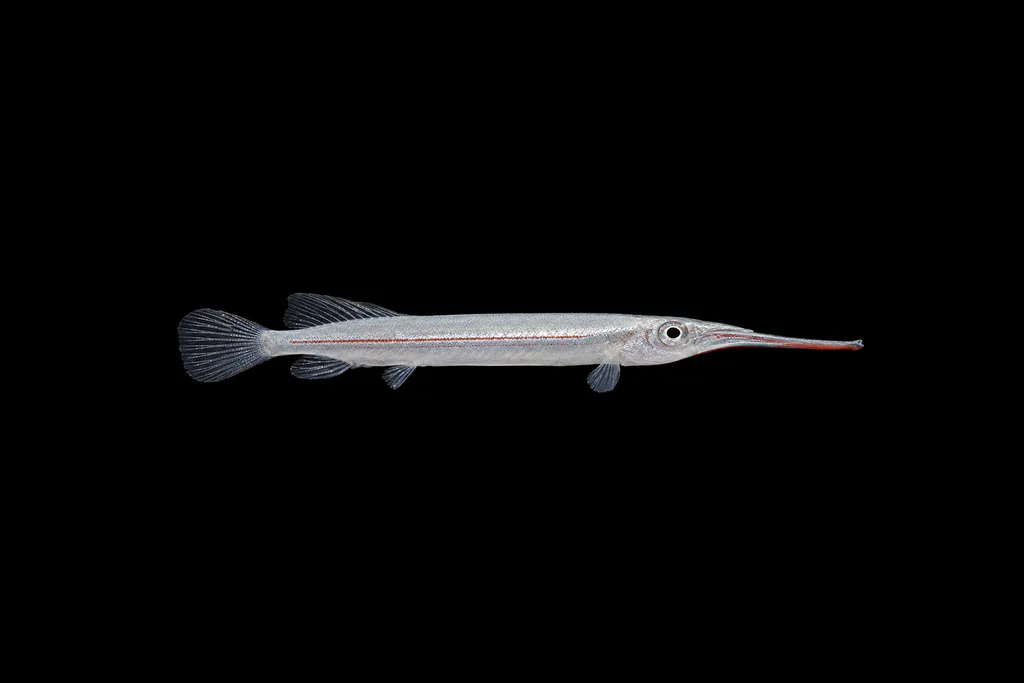
Fire halfbeak
Hemirhamphodon kapuasensis
Freshwater2.4 in (6 cm) · 14 gal (54 L)73–81°F (23–27°C)
Common questions
What size tank does a Brazilian ram need?
A Brazilian ram needs at least 14 gal (54 L). It spends most of its time in the bottom.
What temperature and pH does a Brazilian ram need?
A Brazilian ram is comfortable at 77–86°F (25–30°C) with a pH of 5.5–7.0.
What does a Brazilian ram eat?
A Brazilian ram eats small foods, such as quality flake and micro pellets, frozen bloodworm, brine shrimp and daphnia.
How big does a Brazilian ram get?
An adult Brazilian ram reaches about 2.4 in (6 cm).
How does a Brazilian ram breed?
A Brazilian ram is a substrate spawner. A pair cleans a flat stone or leaf and guards the eggs and fry together. Breeding it takes a little experience.
Related species
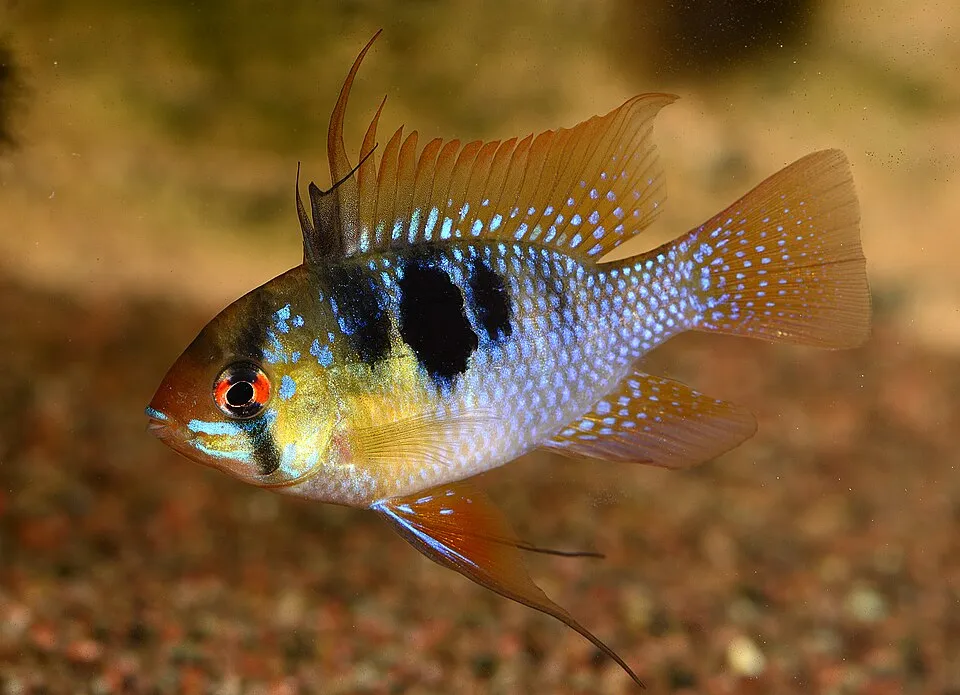 2.4 in (6 cm)18 gal (70 L)81–86°F (27–30°C)
Blue ram
Mikrogeophagus ramirezi
2.4 in (6 cm) · 18 gal (70 L)
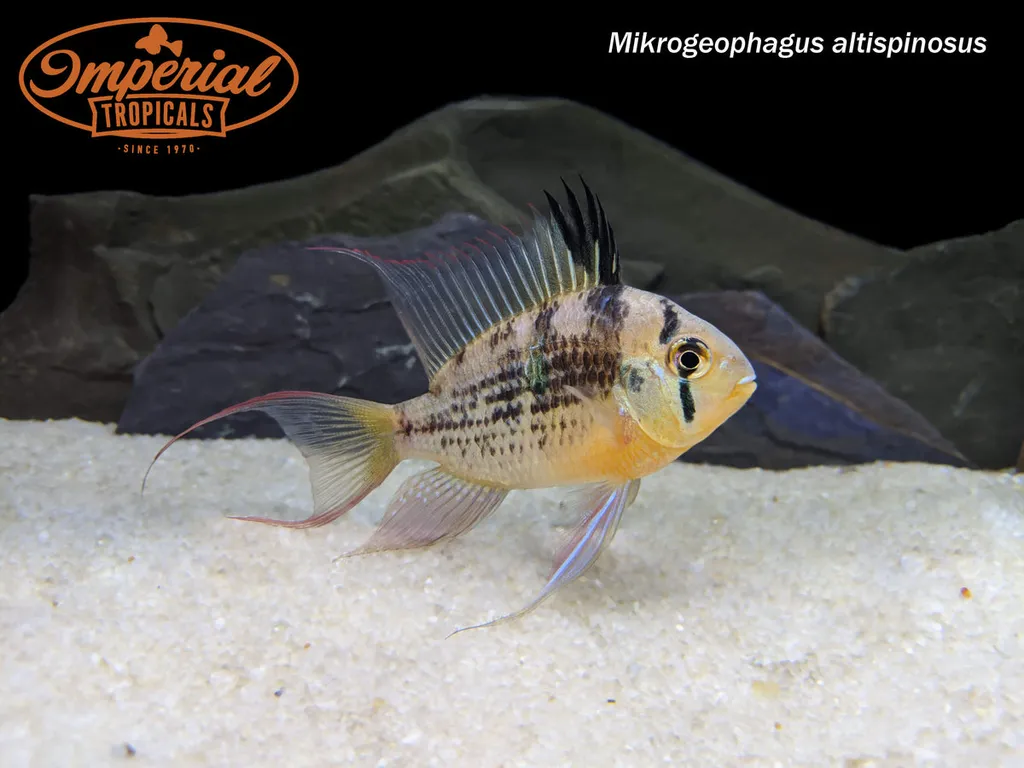 3.1 in (8 cm)45 gal (170 L)75–82°F (24–28°C)
Bolivian ram
Mikrogeophagus altispinosus
3.1 in (8 cm) · 45 gal (170 L)
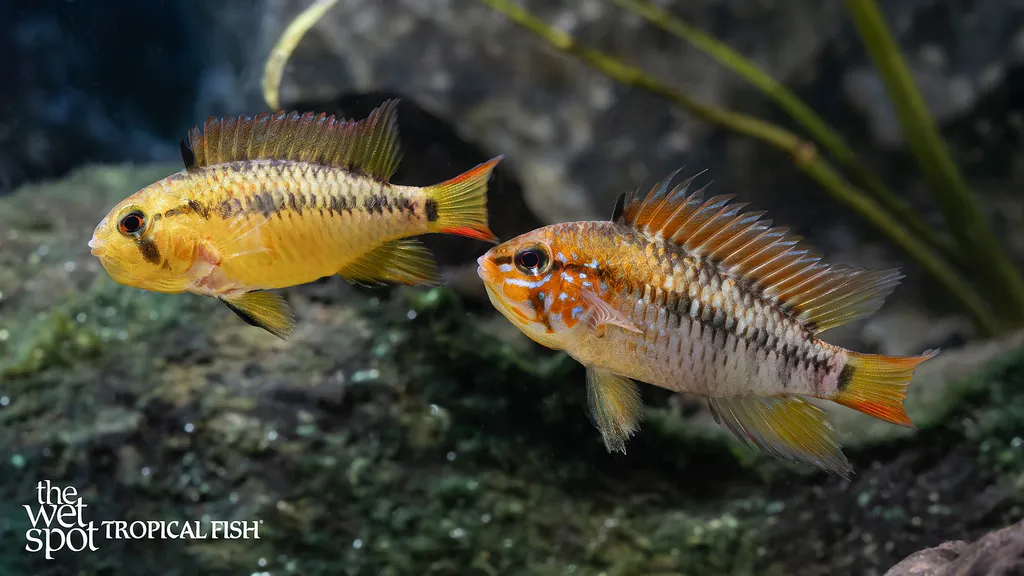 2.4 in (6 cm)20 gal (75 L)75–82°F (24–28°C)
Macmaster's dwarf cichlid
Apistogramma macmasteri
2.4 in (6 cm) · 20 gal (75 L)
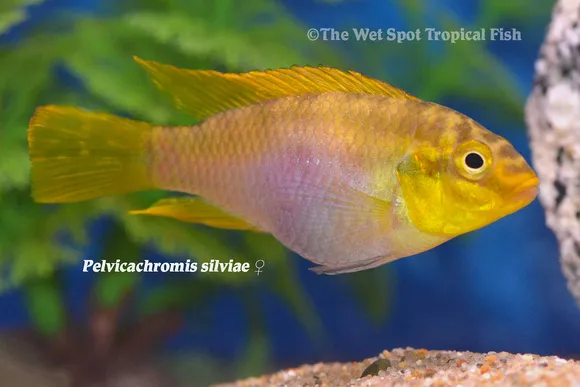 2.4 in (6 cm)20 gal (75 L)73–81°F (23–27°C)
Silvia's krib
Pelvicachromis silviae
2.4 in (6 cm) · 20 gal (75 L)
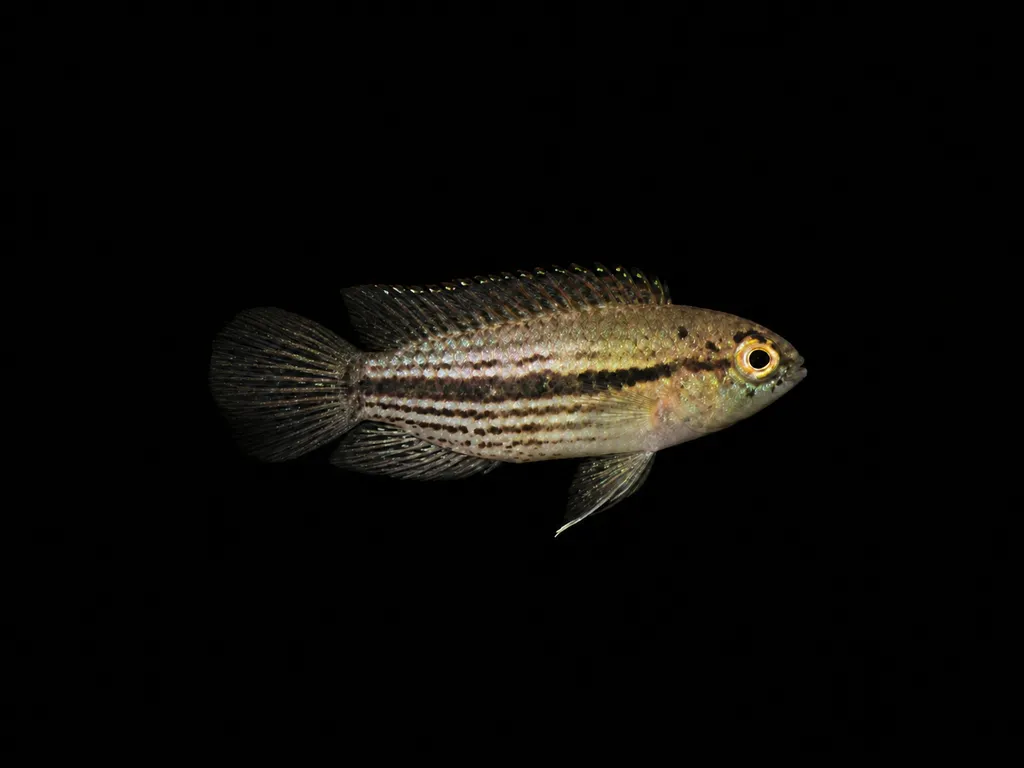 2.4 in (6 cm)18 gal (70 L)75–82°F (24–28°C)
Striped nannacara
Nannacara taenia
2.4 in (6 cm) · 18 gal (70 L)
 2.6 in (6.5 cm)16 gal (60 L)77–84°F (25–29°C)
Bigfin dwarf cichlid
Apistogramma megaptera
2.6 in (6.5 cm) · 16 gal (60 L)