Exclamation barb
Dawkinsia exclamatio
Also known as Exclamation point barb
FreshwaterFish
Care at a glance
- Temperature
- 70–79°F
- 21–26°C
- pH
- 6.0–7.5
- Adult size
- 3.5 in
- 9 cm
- Minimum tank
- 42 gal
- 160 L
- Temperament
- Peaceful
- Social behavior
- Schooling
- Swim level
- Middle
- Difficulty
- Medium
- Breeding
- No record
- Rarity
- Rare
- Family
- Cyprinidae
- Origin
- Kallada River basin, Kerala, India
Overview
The exclamation barb is a peaceful filament barb from India for a long tank with some current. It is best for a keeper past the beginner stage.
Did you know
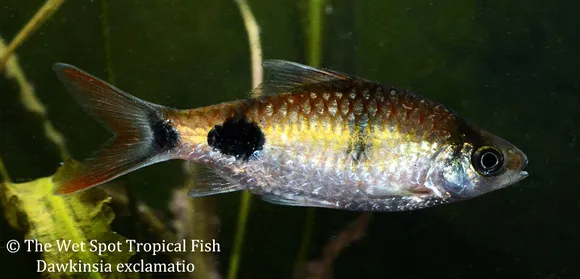
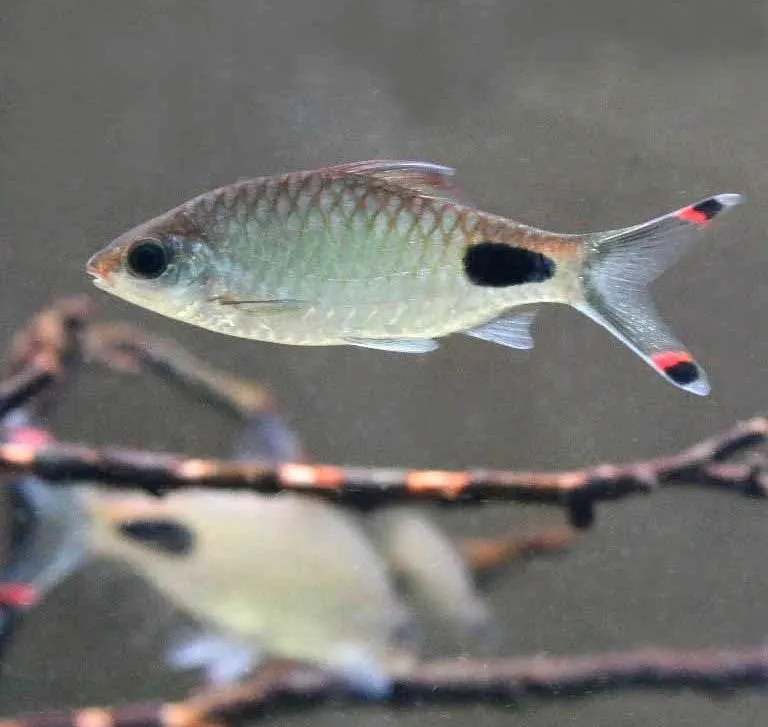
The exclamation barb's species name, exclamatio, comes straight from punctuation. A dark vertical bar sitting above a round spot near the tail reads like an exclamation mark. The scientists who described the fish wrote that into its name.
Caring for the exclamation barb
Give exclamation barbs a long tank of at least 42 gal (160 L), where they can cover ground. Provide open swimming space, a current from a filter or powerhead, a bed of sand and rounded stone, and some scattered rock.
They do best in cool, clear, moving water, at 70 to 79°F (21 to 26°C) and a pH of 6.0 to 7.5. Offer small pellets and flake as staples. Several times a week, top these up with frozen or live bloodworm, daphnia and brine shrimp.
Keep them in a shoal of six or more, since a group settles their nerves. They hold the open midwater and are peaceful, mixing well with other lively, similarly sized fish that can handle steady flow. Mature males grow trailing dorsal-fin rays, and a group encourages them to grow and show those fins. Breeding in aquariums is not on record.
Good to know
The exclamation barb, Dawkinsia exclamatio, is a filament barb of the family Cyprinidae. Pethiyagoda and Kottelat described it in 2005. It also goes by exclamation point barb. The species is assessed as endangered.
In the wild
The exclamation barb lives in the Kallada River basin of Kerala, in the Western Ghats of India. It keeps to clear stretches over pebble and rock.
Weekly picks
Tank mates
The exclamation barb is a peaceful, schooling species that keeps to the middle. These picks share a community profile with it, are safe together in both directions, and overlap on water type, temperature and pH.
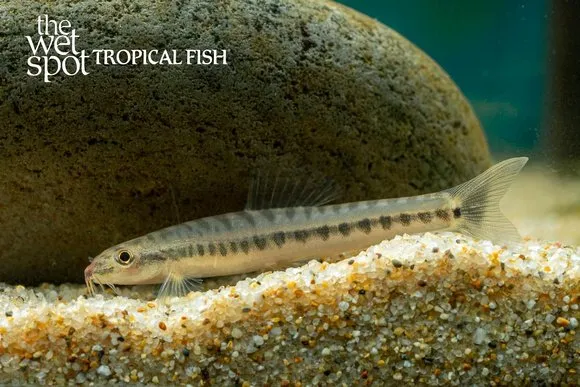
Arrow loach
Nemacheilus masyae
Freshwater6.3 in (16 cm) · 42 gal (160 L)72–81°F (22–27°C)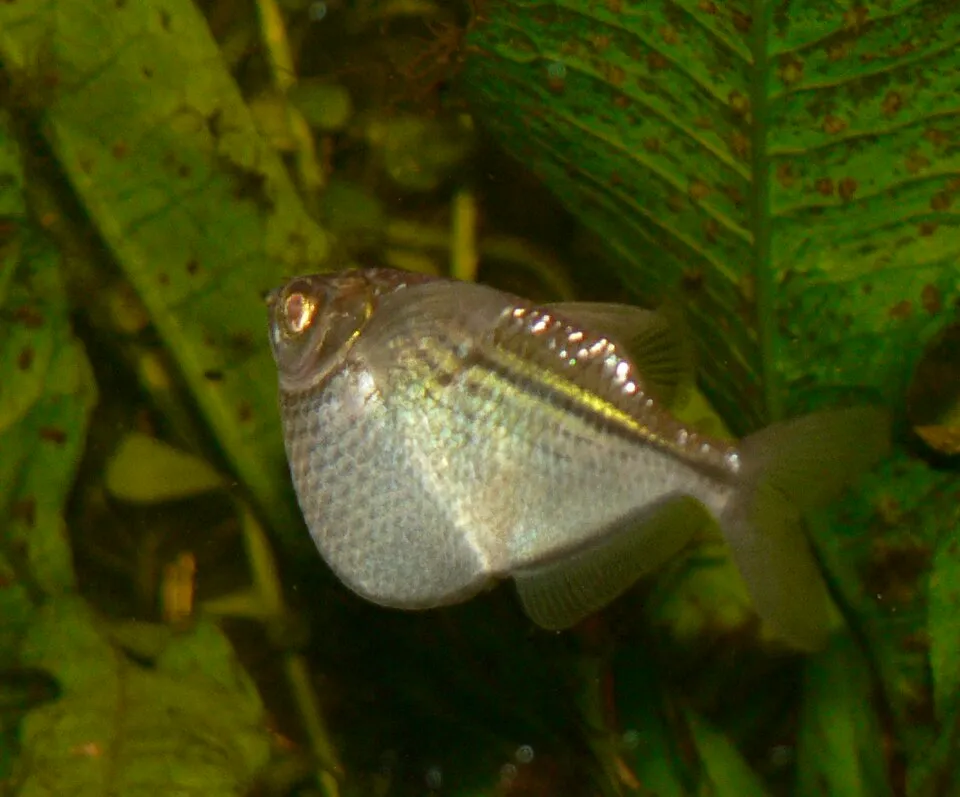
Common hatchetfish
Gasteropelecus sternicla
Freshwater1.6 in (4 cm) · 33 gal (125 L)68–82°F (20–28°C)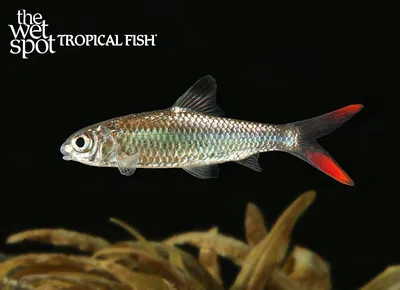
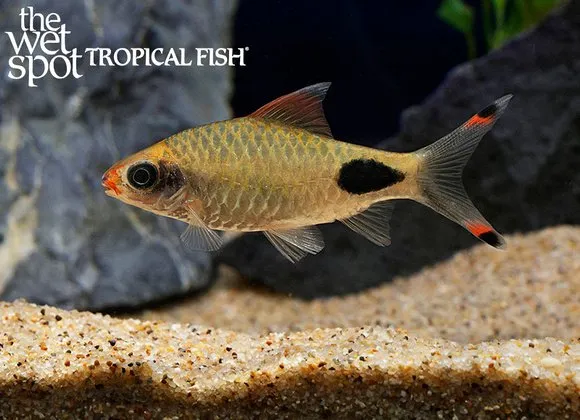
Redcheek barb
Discherodontus ashmeadi
Freshwater5.4 in (13.6 cm) · 42 gal (160 L)72–81°F (22–27°C)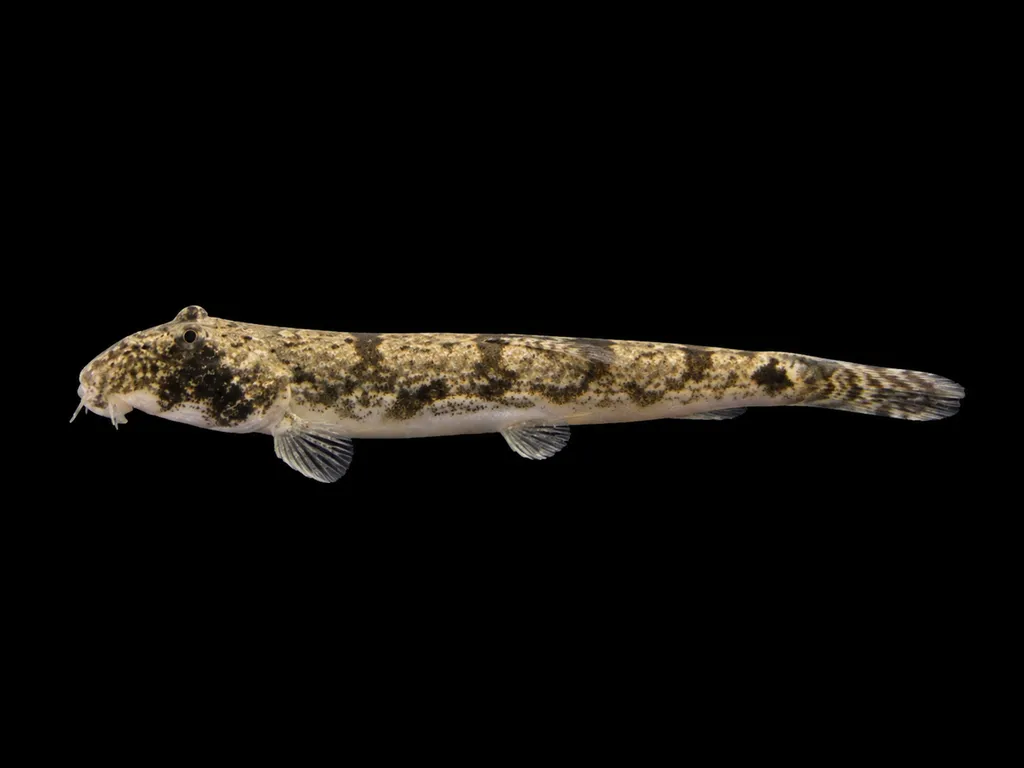
Gongota loach
Canthophrys gongota
Freshwater5.1 in (13 cm) · 42 gal (160 L)70–81°F (21–27°C)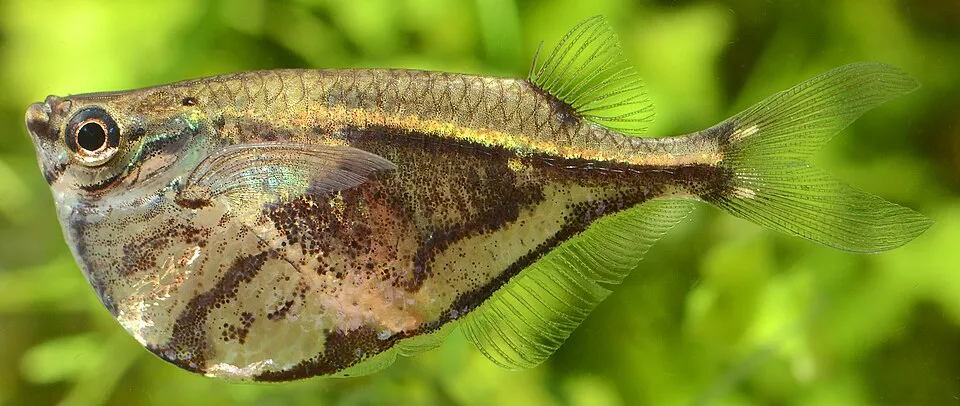
Marbled hatchetfish
Carnegiella strigata
Freshwater1.6 in (4 cm) · 32 gal (120 L)68–82°F (20–28°C)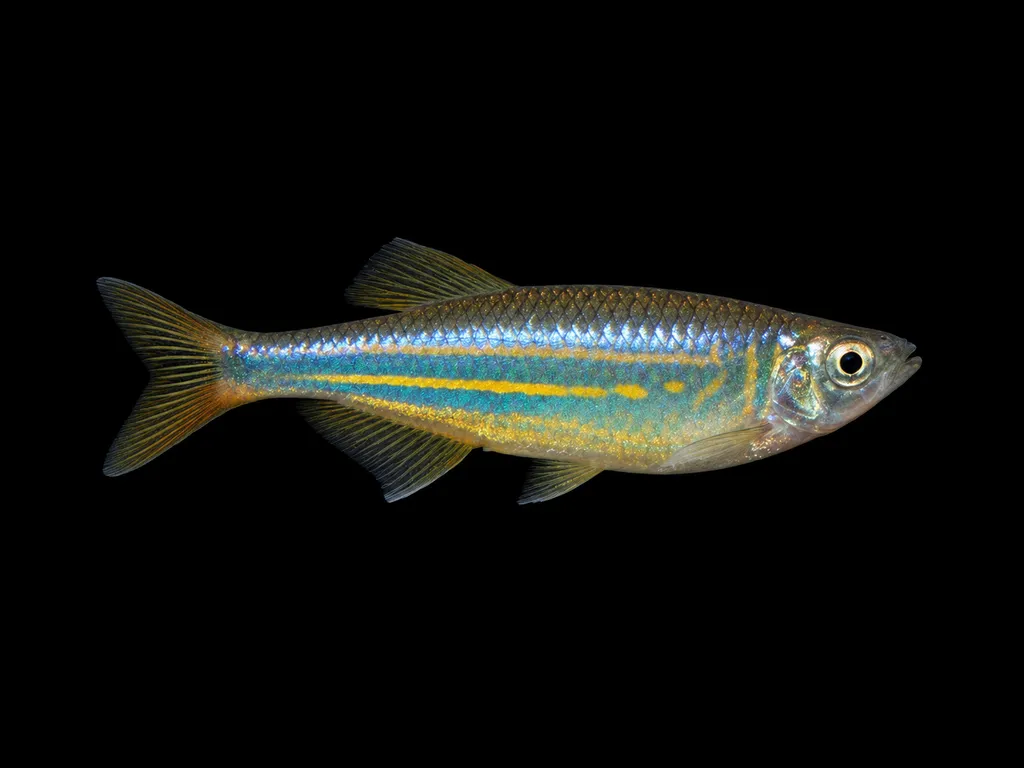
Annandale danio
Devario annandalei
Freshwater4.3 in (11 cm) · 42 gal (160 L)68–79°F (20–26°C)
Common questions
What size tank does an exclamation barb need?
An exclamation barb needs at least 42 gal (160 L). It spends most of its time in the middle.
What temperature and pH does an exclamation barb need?
An exclamation barb is comfortable at 70–79°F (21–26°C) with a pH of 6.0–7.5.
What does an exclamation barb eat?
An exclamation barb eats small pellets and flake as staples. Several times a week, top these up with frozen or live bloodworm, daphnia and brine shrimp.
How big does an exclamation barb get?
An adult exclamation barb reaches about 3.5 in (9 cm).
Does an exclamation barb need a group?
Yes. An exclamation barb is a schooling species and should be kept in a group, not singly.
How can you tell a male exclamation barb from a female?
Males grow trailing dorsal-fin rays as they mature. A group encourages them to grow and show those fins.
Related species
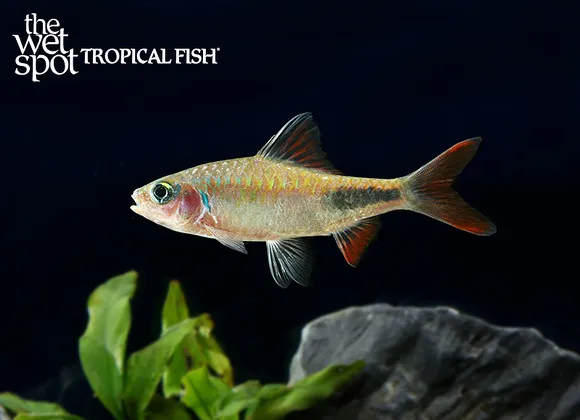
 3.5 in (9 cm)42 gal (160 L)70–79°F (21–26°C)
Apsara barb
Dawkinsia apsara
3.5 in (9 cm) · 42 gal (160 L)
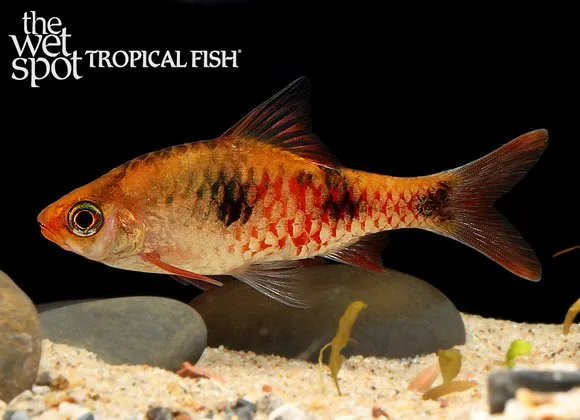
 3.9 in (10 cm)42 gal (160 L)70–79°F (21–26°C)
Rohan's barb
Dawkinsia rohani
3.9 in (10 cm) · 42 gal (160 L)
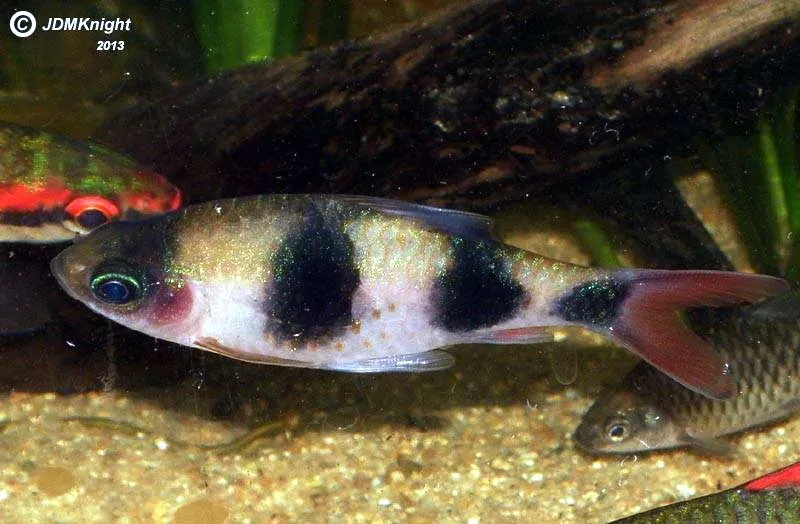
 3.9 in (10 cm)42 gal (160 L)70–79°F (21–26°C)
Ruby-tinted barb
Dawkinsia rubrotincta
3.9 in (10 cm) · 42 gal (160 L)
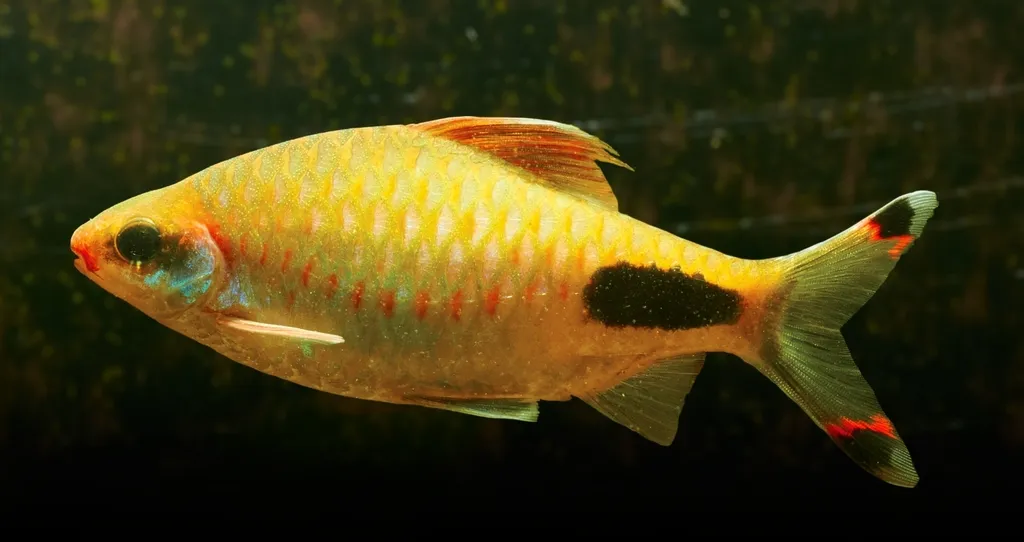
 4.7 in (12 cm)37 gal (140 L)66–77°F (19–25°C)
Arulius barb
Dawkinsia arulius
4.7 in (12 cm) · 37 gal (140 L)
 4.7 in (12 cm)53 gal (200 L)66–77°F (19–25°C)
Mascara barb
Dawkinsia assimilis
4.7 in (12 cm) · 53 gal (200 L)
 5.1 in (13 cm)53 gal (200 L)68–77°F (20–25°C)
Filament barb
Dawkinsia filamentosa
5.1 in (13 cm) · 53 gal (200 L)