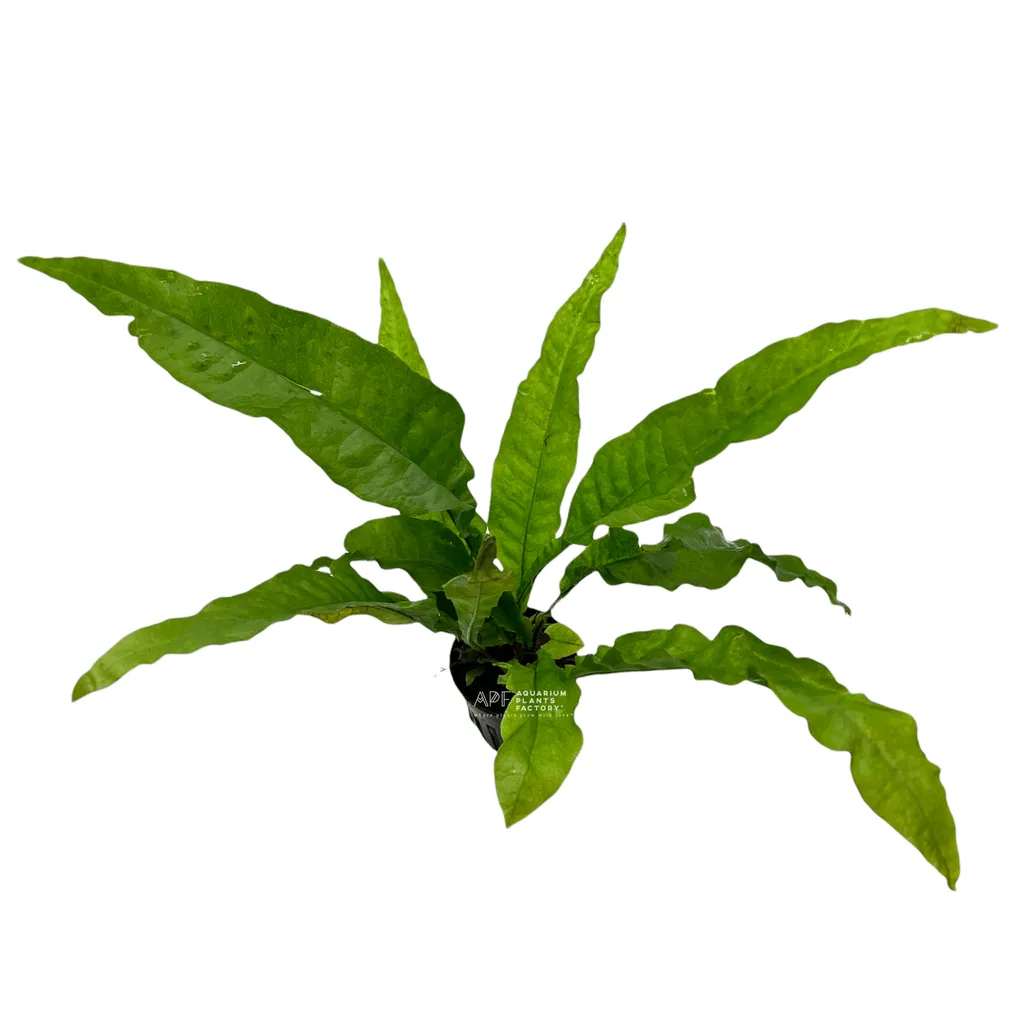
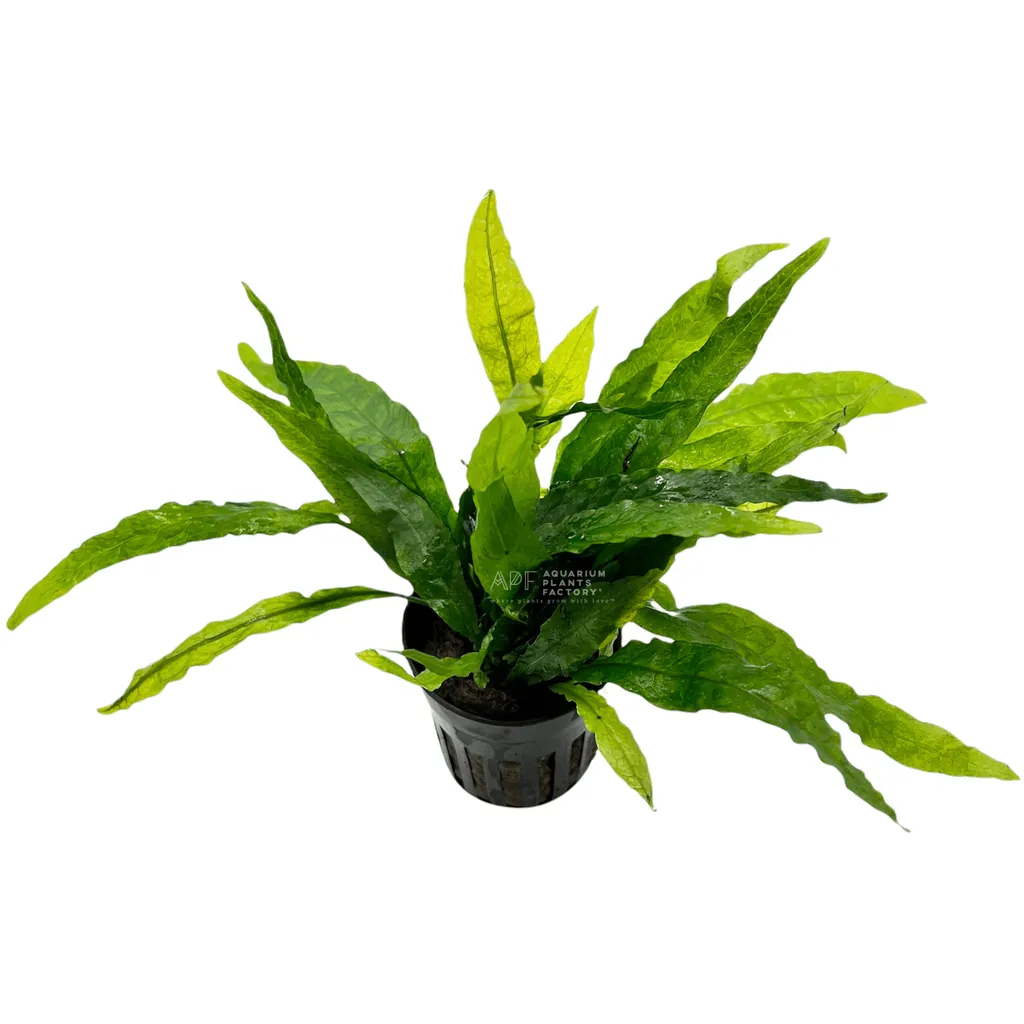
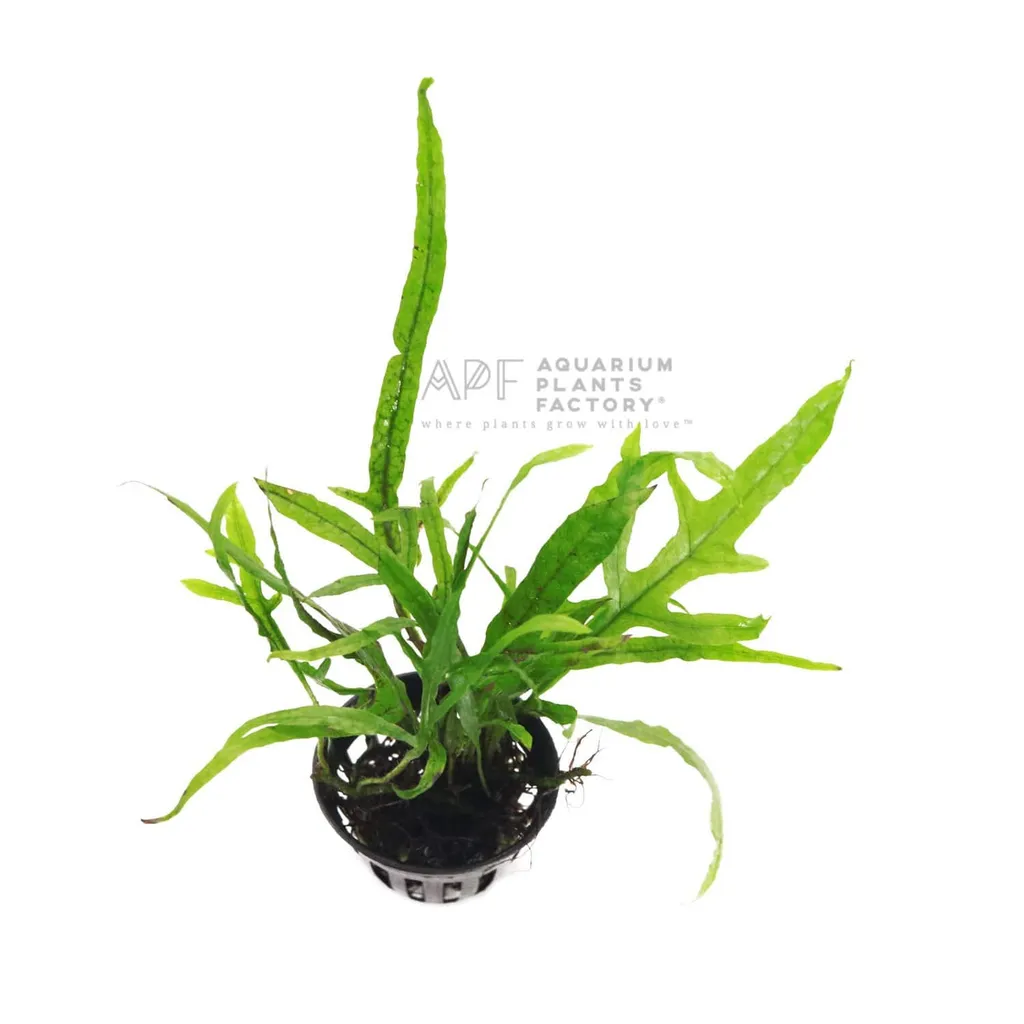
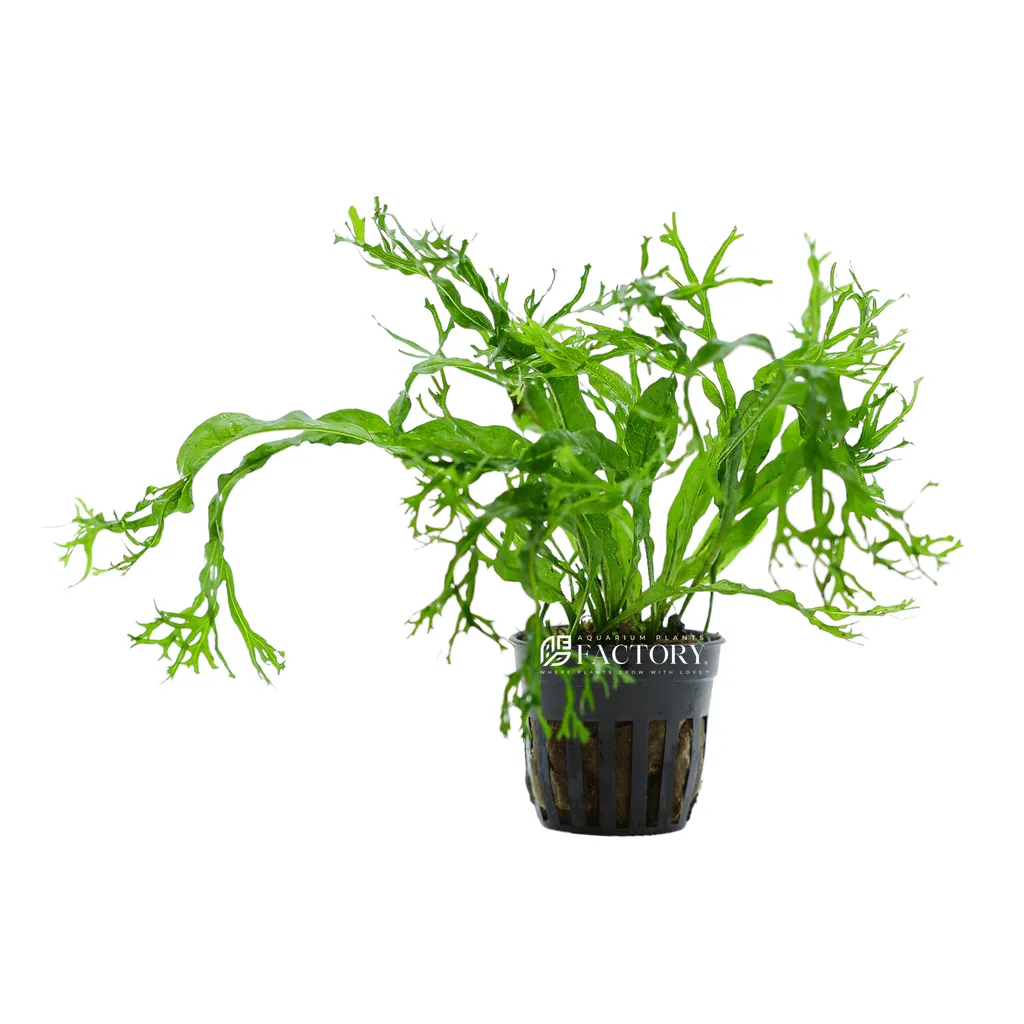
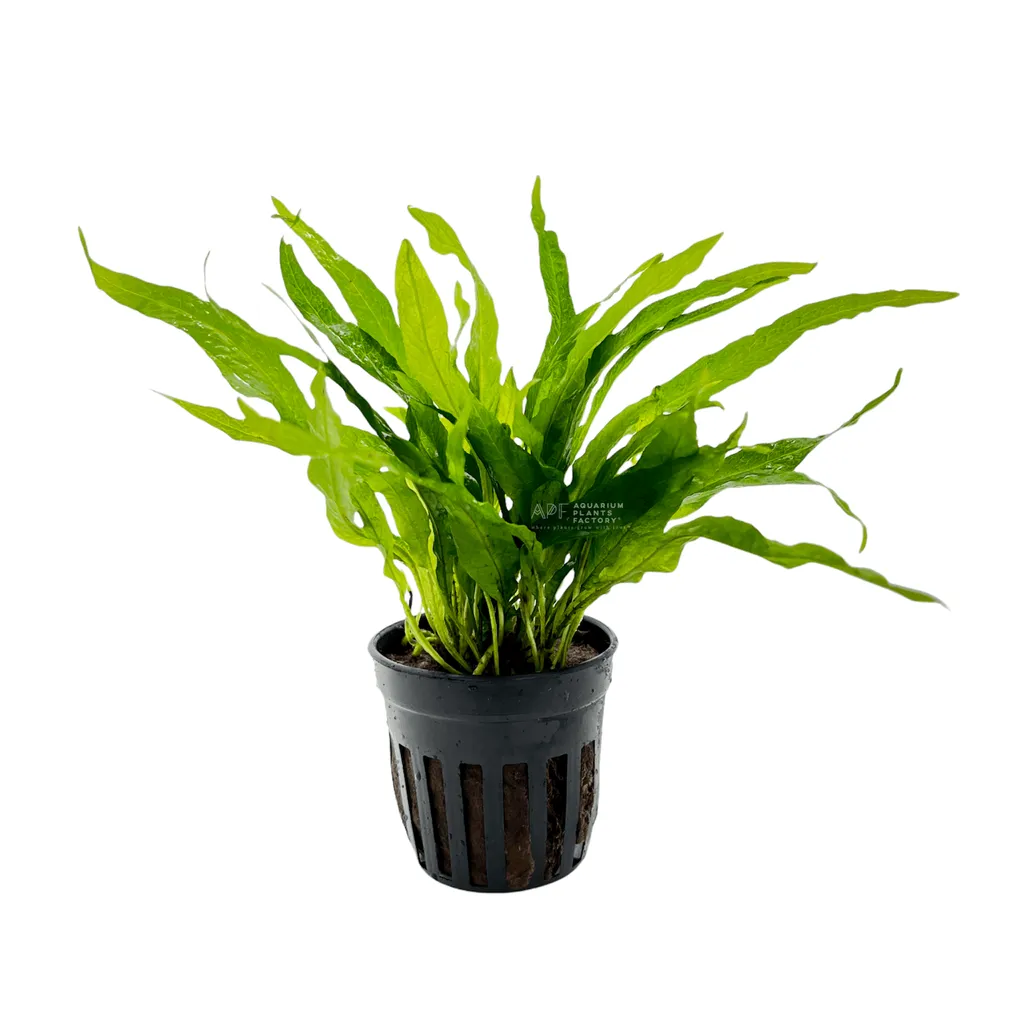
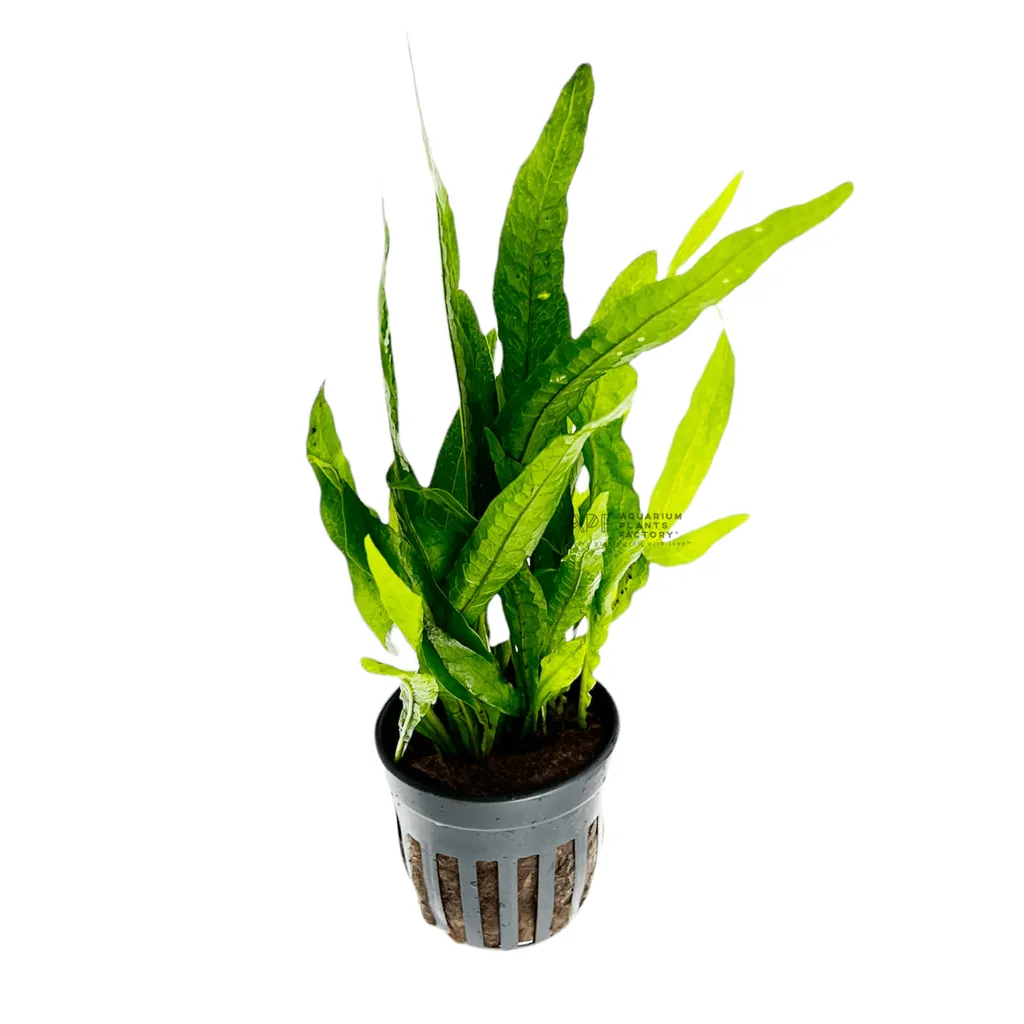
Attach the rhizome to wood or stone and never bury it, because a buried rhizome rots. It is an easy, low-light, low-tech plant, but unlike most java ferns it dislikes very soft acidic water, so aim for around 10 dGH or more and pH near 6.6 or above. Growth is slow to establish, and CO2 and nutrient-rich water speed it up. It self-propagates by sprouting baby plantlets on older leaf tips, which you can detach once they have roots.
In the wild
The Philippine java fern was collected in the Philippines, specifically on the island of Panay, where it often grows in or near brackish-influenced water. Like all java ferns it is an epiphyte that anchors its rhizome to rocks and wood rather than rooting in substrate. Its habitat leans toward harder, near-neutral water rather than the very soft acidic streams other java ferns tolerate.
Good to know
It is a cultivar of the java fern introduced to the hobby by the Danish nursery Tropica. The species has been reclassified from Microsorum pteropus to the accepted name Leptochilus pteropus, though the aquarium trade still uses the old name. It belongs to the fern family Polypodiaceae, and its narrow, upright leaves have a pronounced hammered, structured surface.
Did you know
Because it comes from brackish-influenced habitats on Panay, the Philippine java fern actually prefers harder, less acidic water than typical java fern, the opposite of what most aquarists assume about the group.