Variety of Java fern
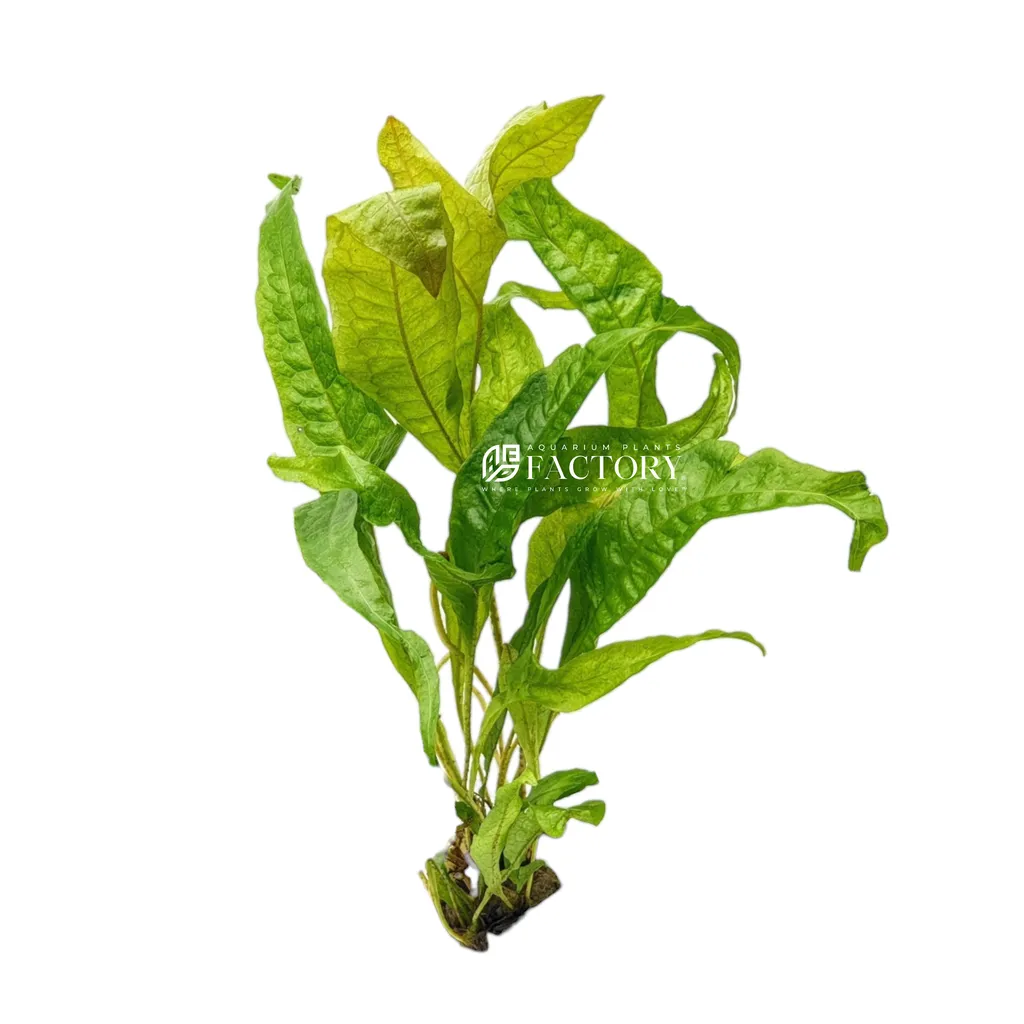
Gold Sparkle java fern
Leptochilus pteropus 'Gold Sparkle'
One of 15 varieties of Leptochilus pteropus · See all varieties →
Also known as Microsorum pteropus 'Gold Sparkle', Microsorum 'Gold Sparkle', Java fern Gold Sparkle
FreshwaterBrackishRhizomeRhizome divisionPlantlets
Varieties · Leptochilus pteropus
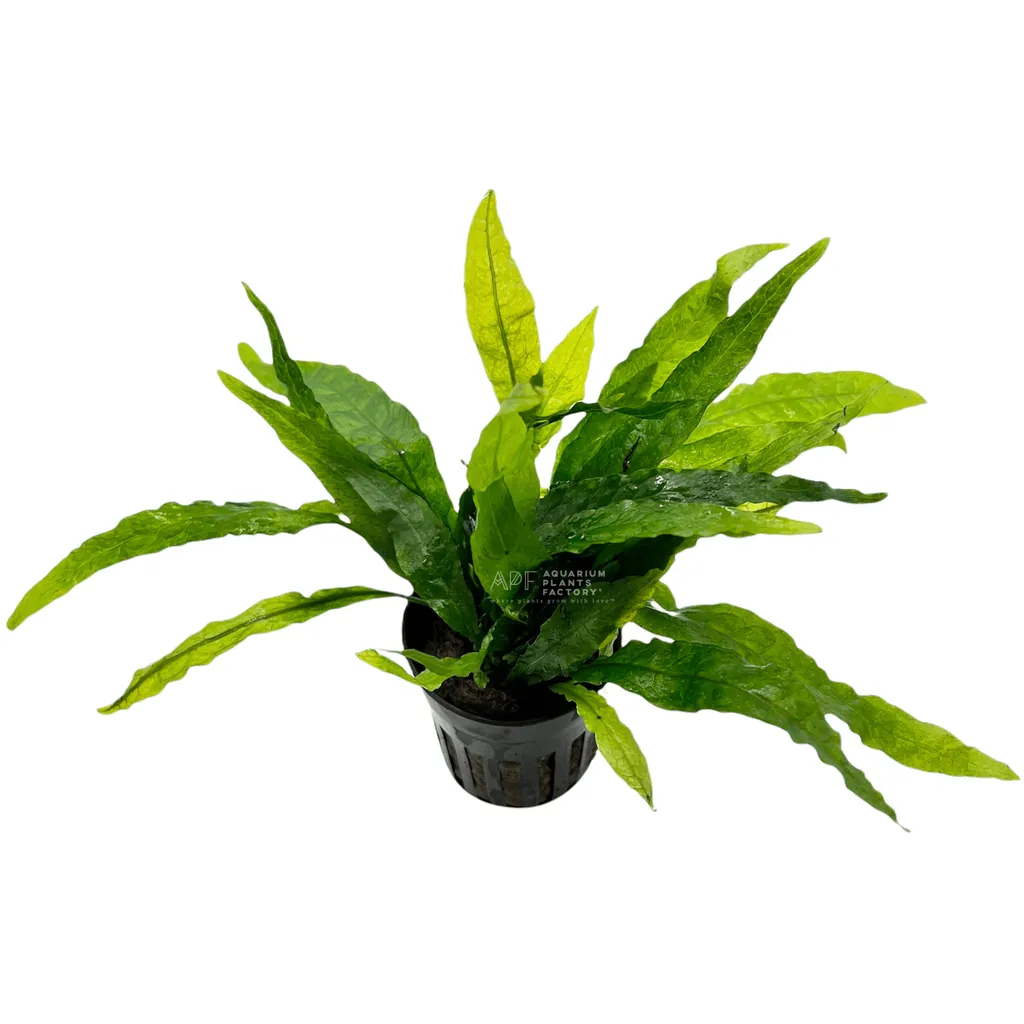
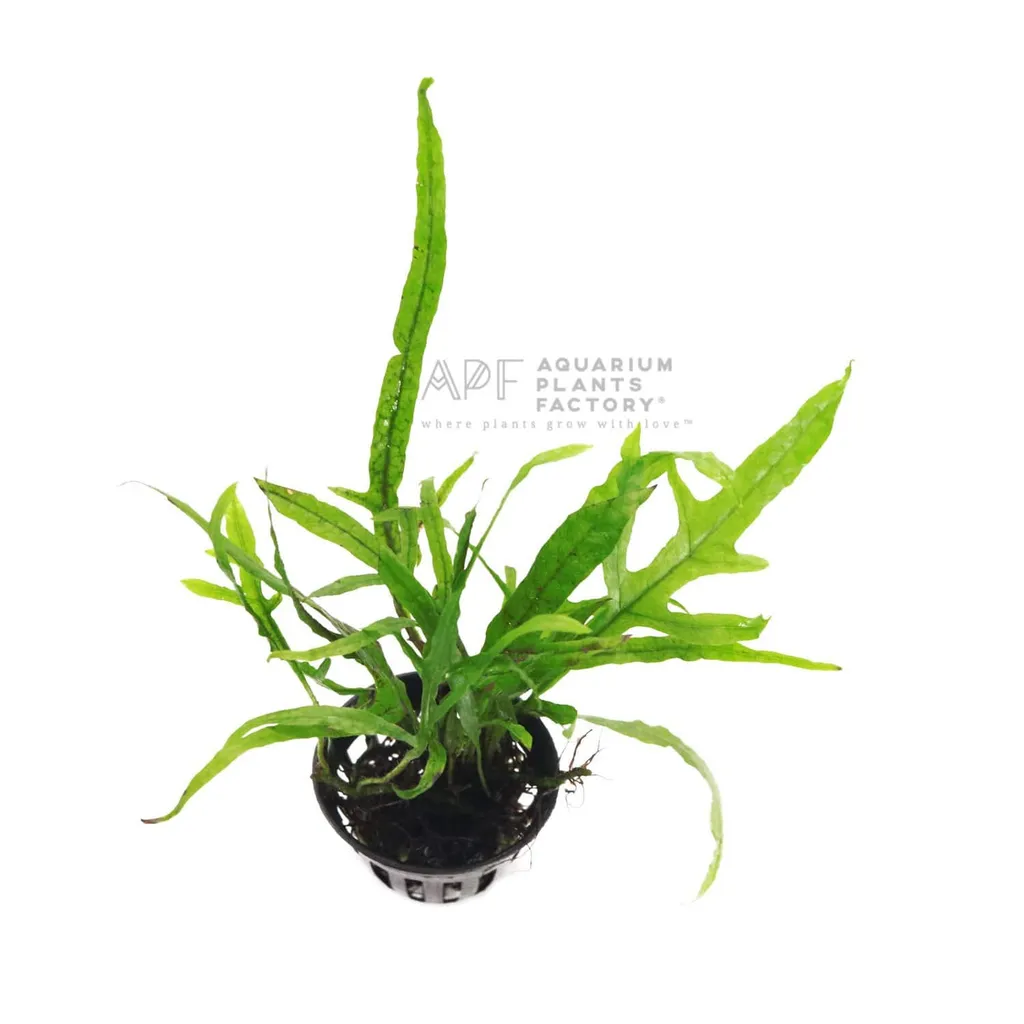
See all 15 →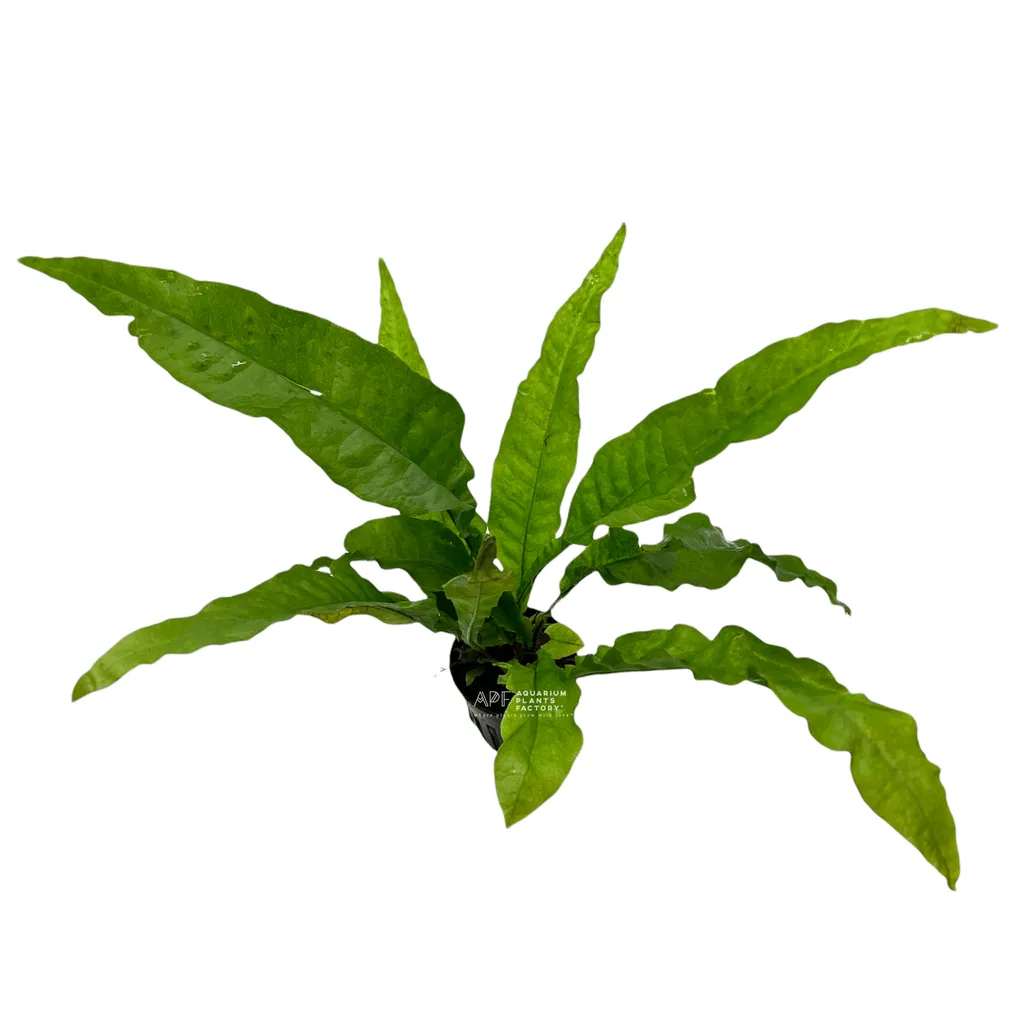
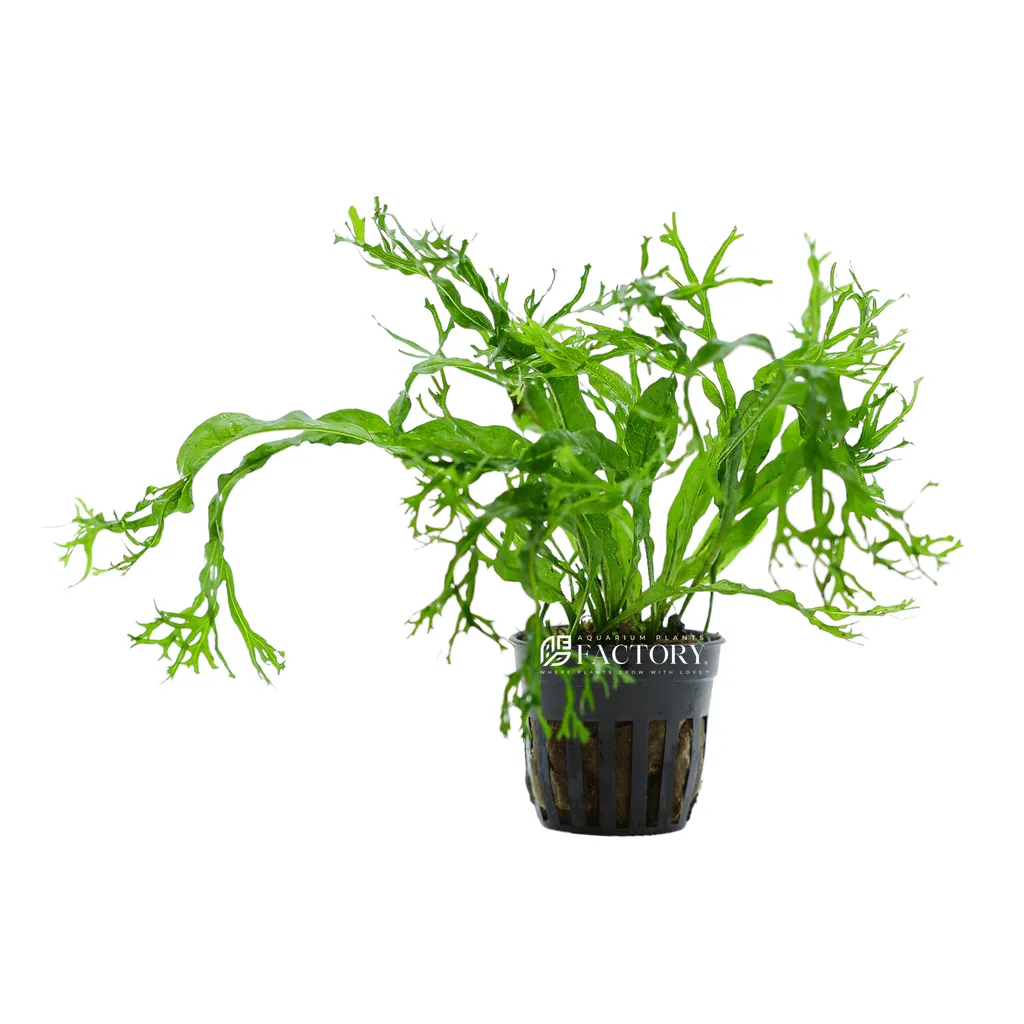
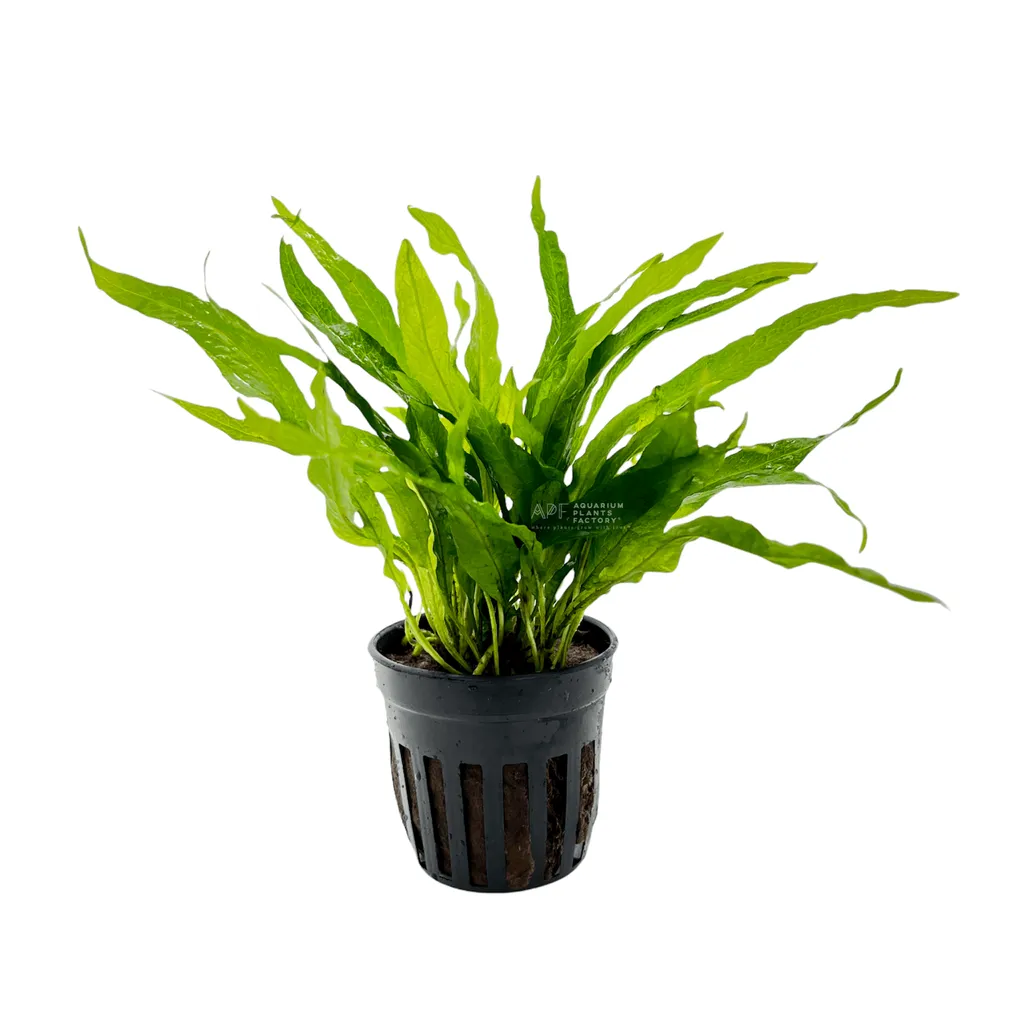
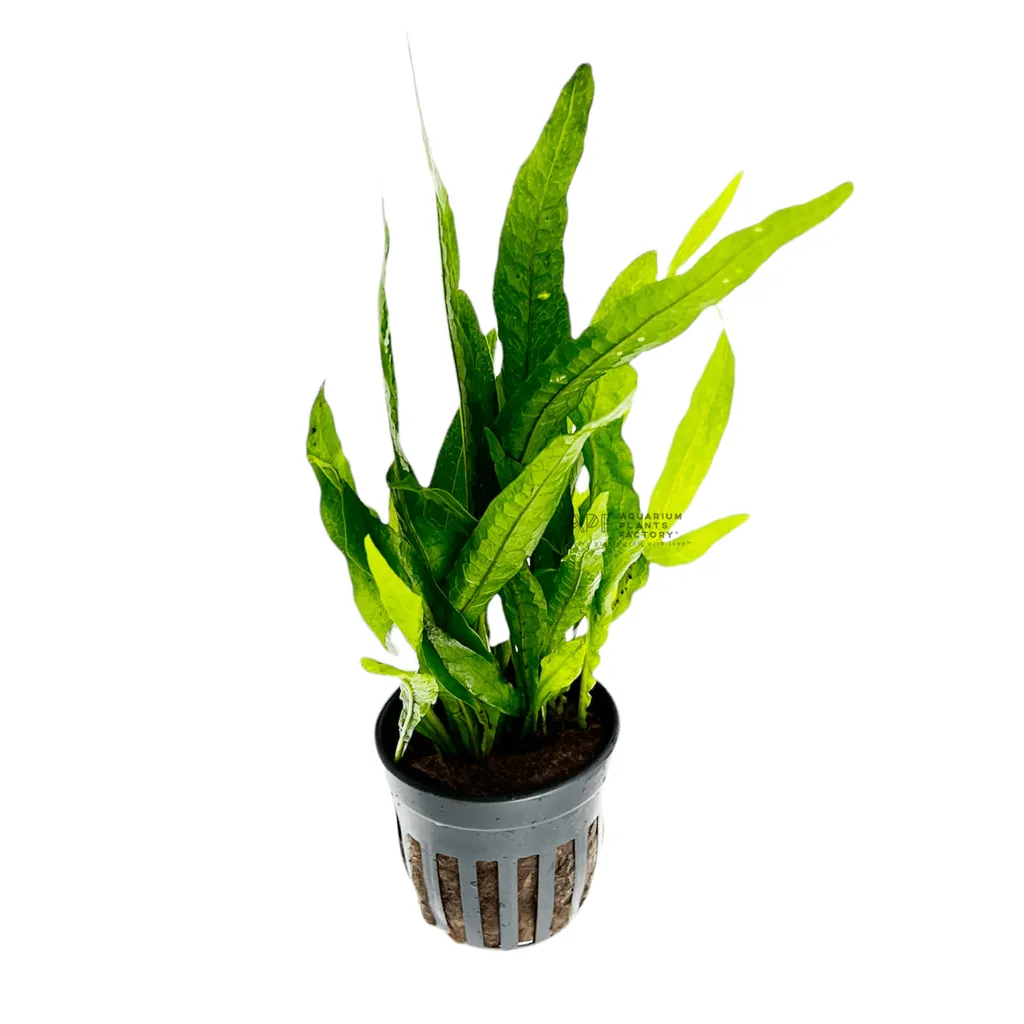
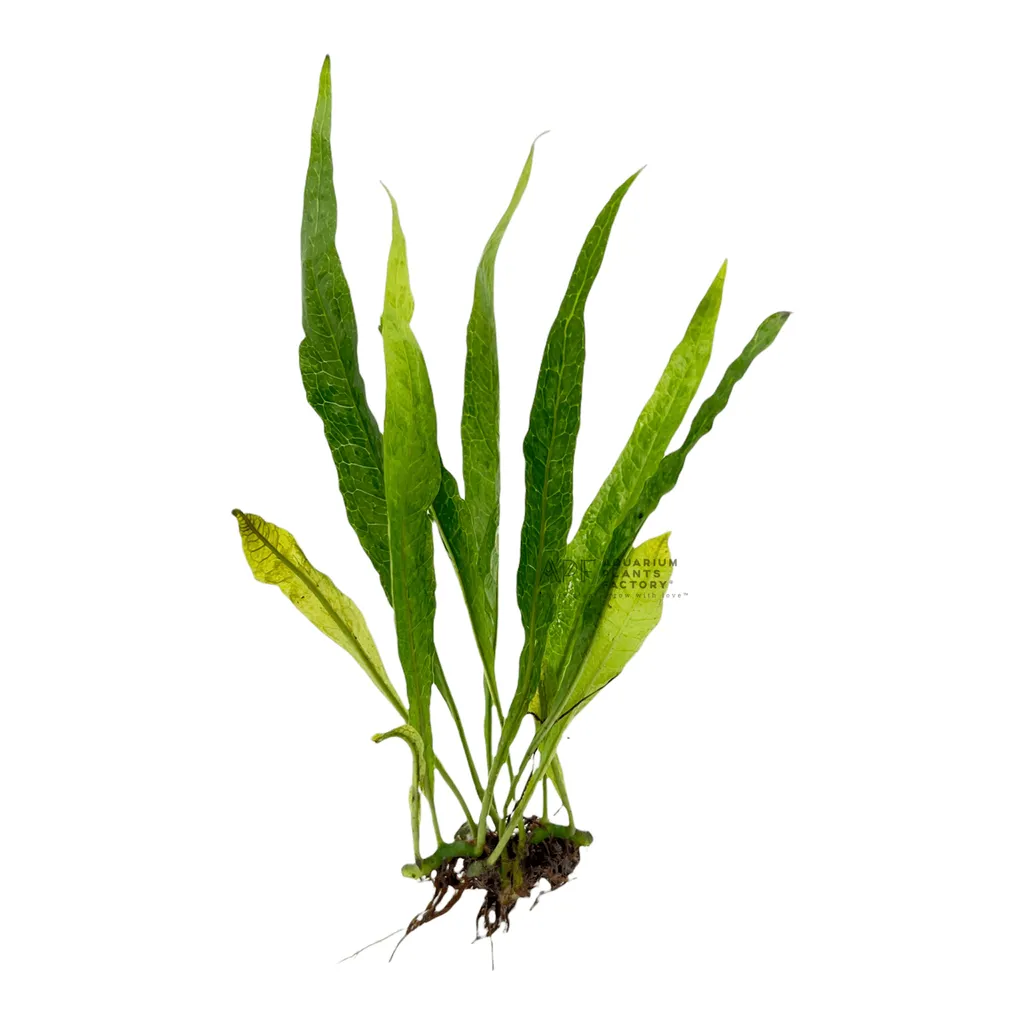
Care at a glance
- Light
- Low light
- CO2
- No CO₂ needed
- Temperature
- 64–82°F
- 18–28°C
- Max height
- 7.9 in
- 20 cm
- Growth rate
- Slow
- Placement
- Epiphyte
- Type
- Rhizome
- pH
- 5.0–7.5
- Hardness
- 2–15 dGH
- Spread
- 7.9 in (20 cm)
- Nutrient uptake
- Water column
- Growth region
- Submersed or emersed
- Difficulty
- Beginner
- Family
- Polypodiaceae
- Origin
- Cultivated form (nursery selection, no wild range)
Overview
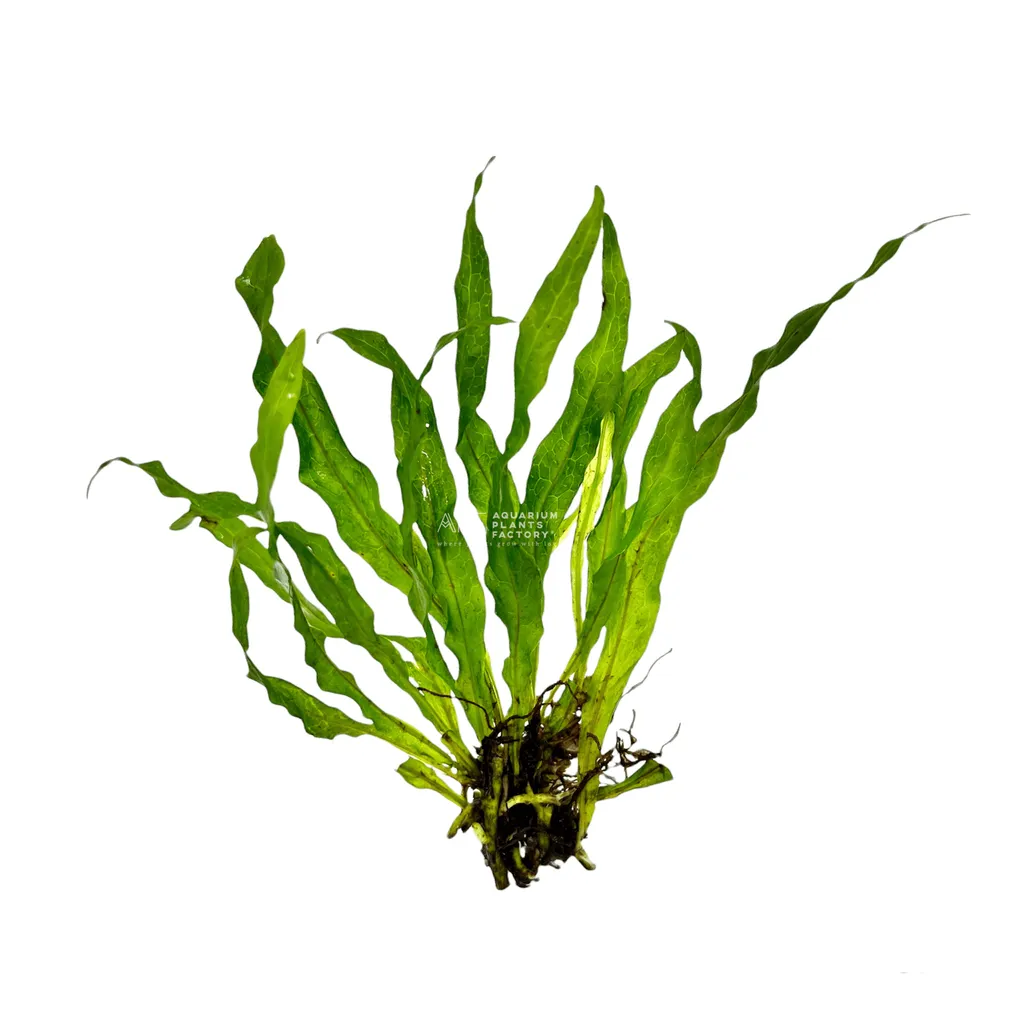
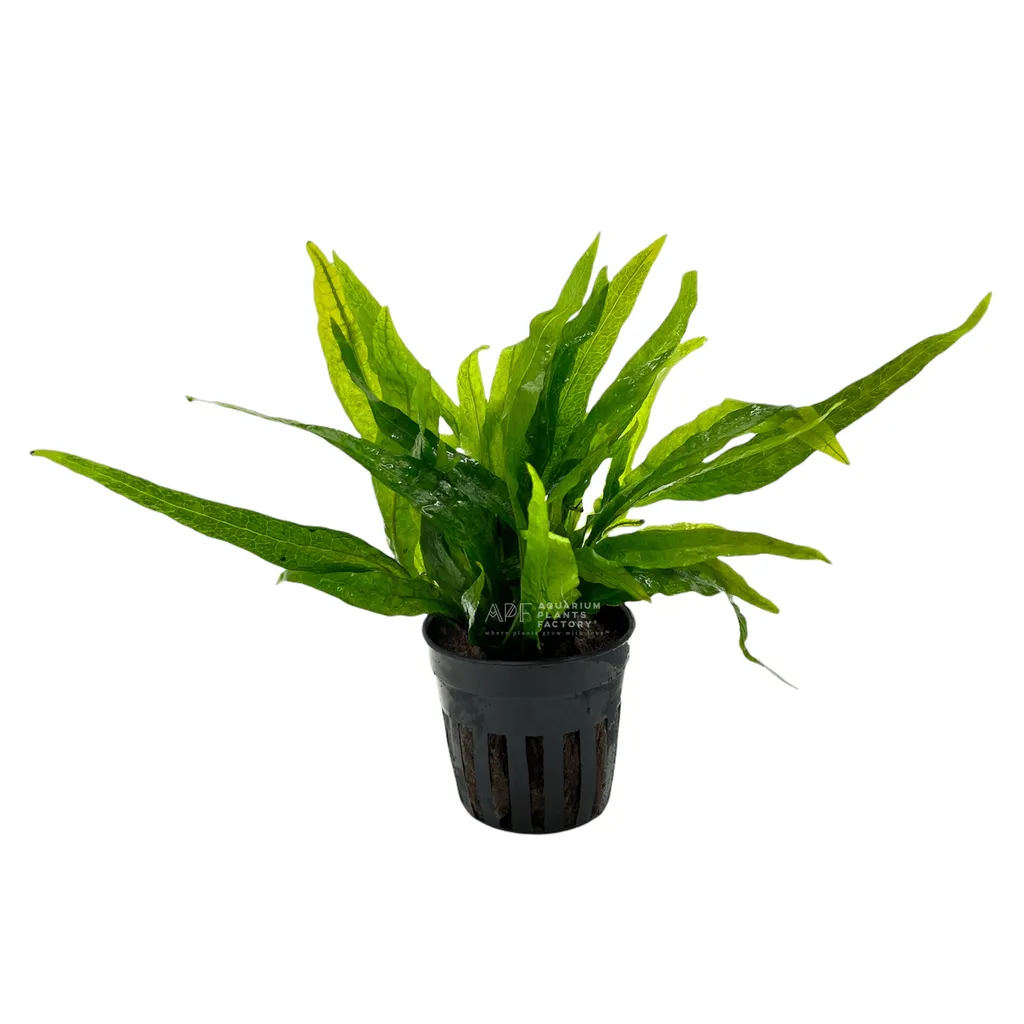
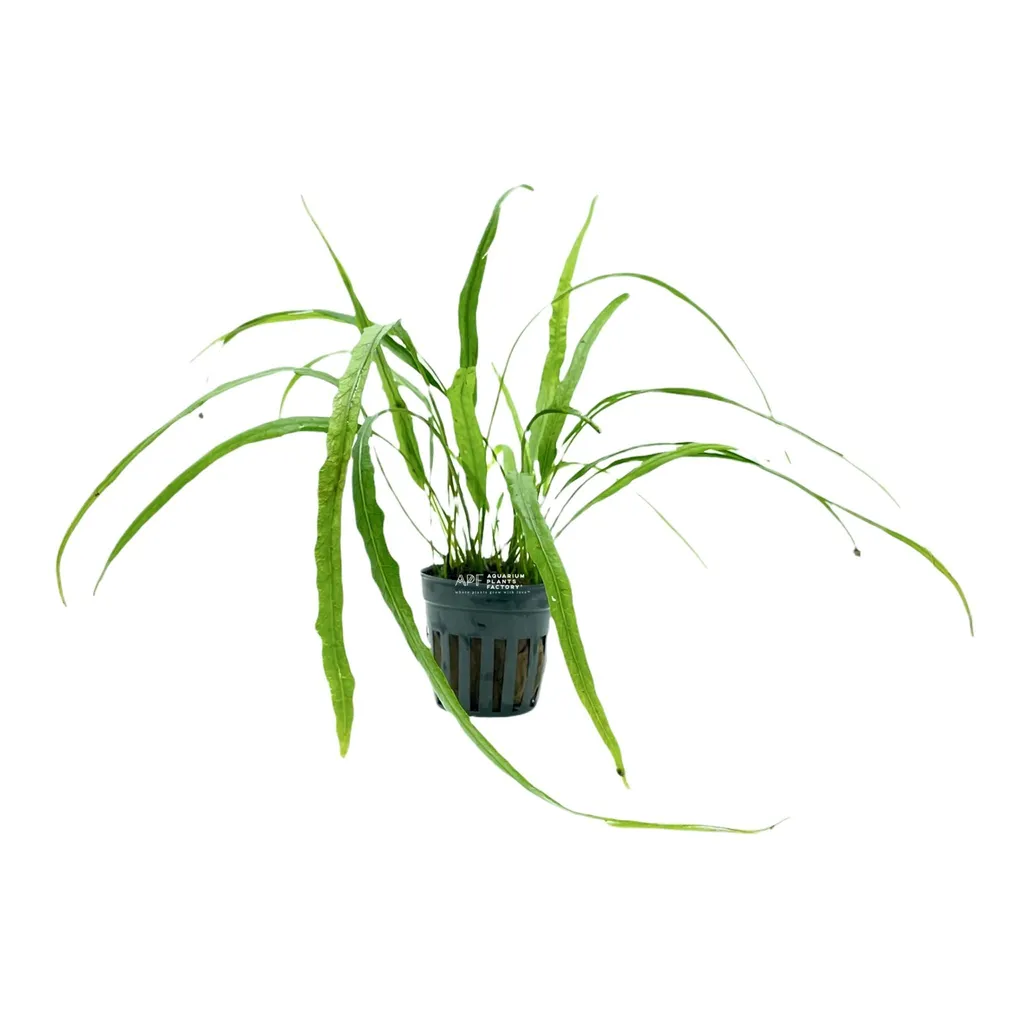
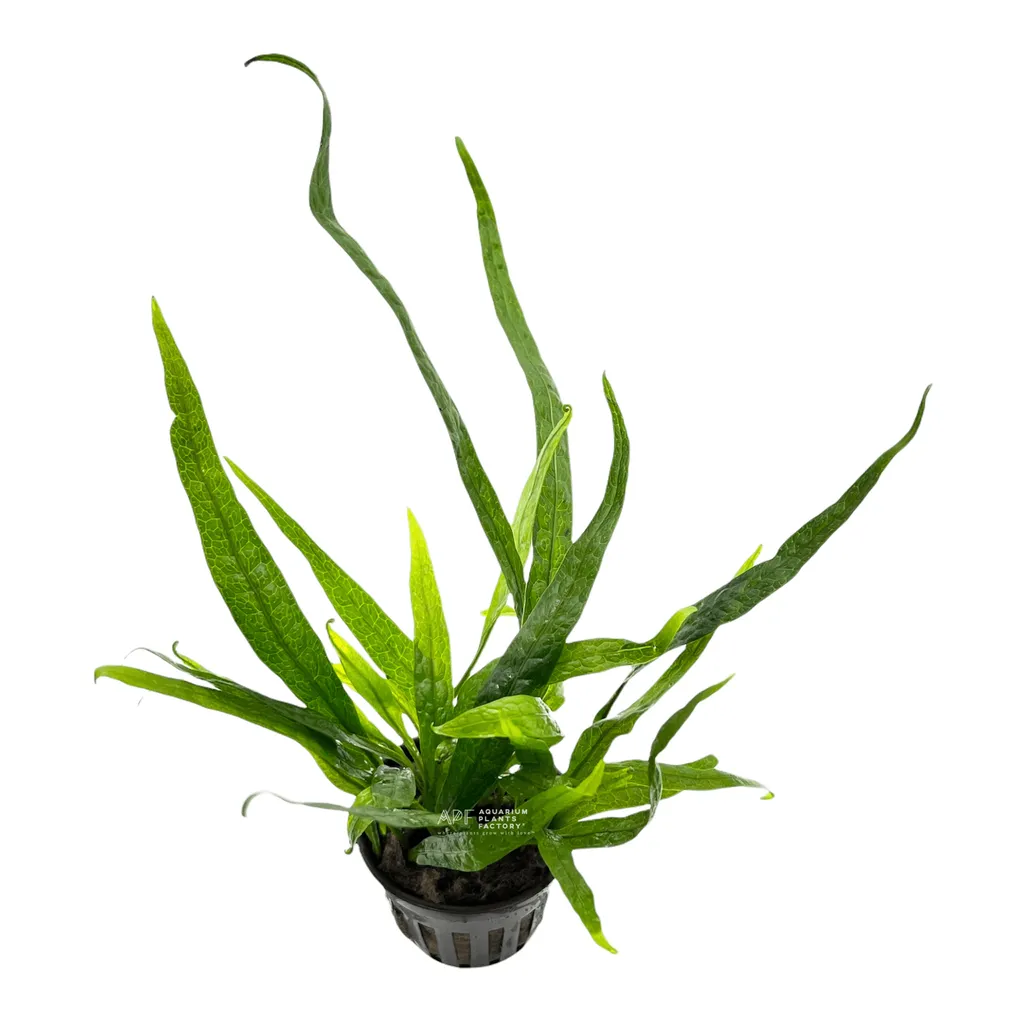
Gold Sparkle java fern attaches to wood or rock like any java fern, with the rhizome kept above the substrate. It grows to about 20 cm and fits the midground. Low light and no CO2 are enough, and strong light mostly feeds algae on a fern this slow. Added CO2 and liquid fertilizer speed its growth. Plants vary from mostly gold to mostly green, and the balance can shift with conditions, so judge the color on new leaves. Detach plantlets from older leaves once they have roots and two or three leaves.
In the wild
Gold Sparkle java fern is a cultivated form with no wild population. A Thai grower sells it, Buce Plant and Glass Aqua added it in August 2022, and Aquarium Plants Factory followed in 2023. Its parent species grows on rocks and wood along shaded streams in Southeast Asia, both underwater and on wet banks above the waterline.
Good to know
Gold Sparkle is a cultivar of Leptochilus pteropus (family Polypodiaceae), sold as Microsorum pteropus 'Gold Sparkle'. New leaves open lime to golden yellow, often with orange-red tips, and turn green as they age, so a growing plant mixes gold young leaves with older green ones. The leaves are narrow with small, irregular lobes along the edge. Sunrise, another form with colored new growth, has broader leaves with deeper, jagged lobes.
Did you know
Gold Sparkle's gold sits in its young leaves. Each new leaf opens lime to gold and greens as it matures, so a plant that stops growing tends to turn all green until new leaves appear.