Perrieri hap
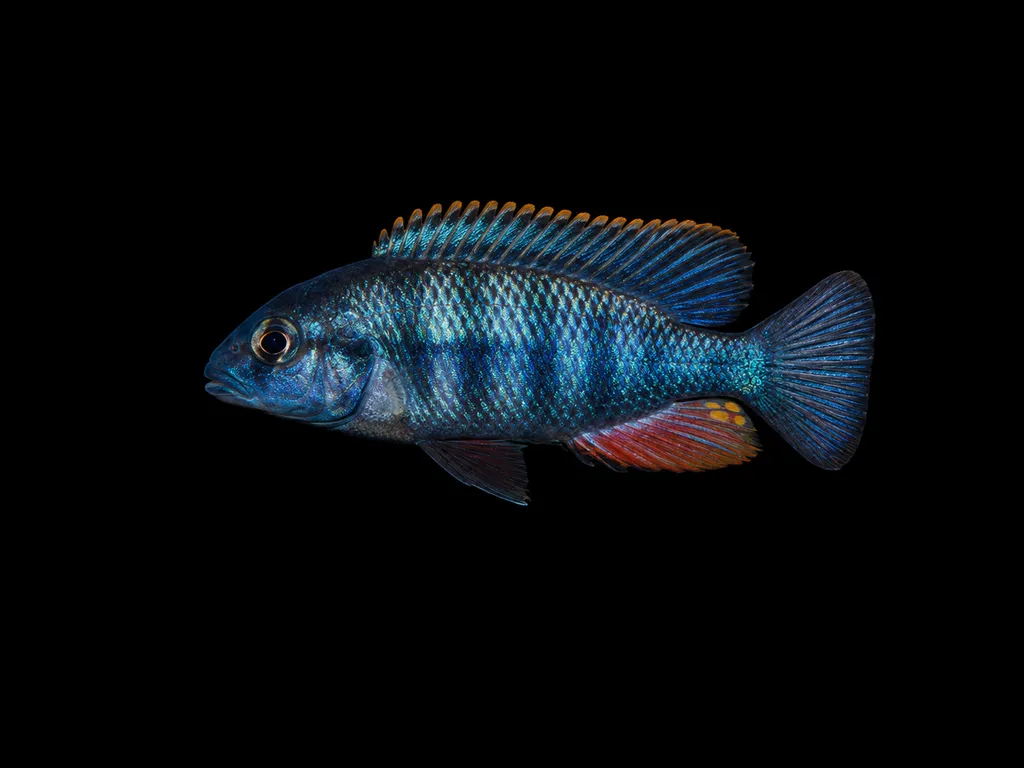
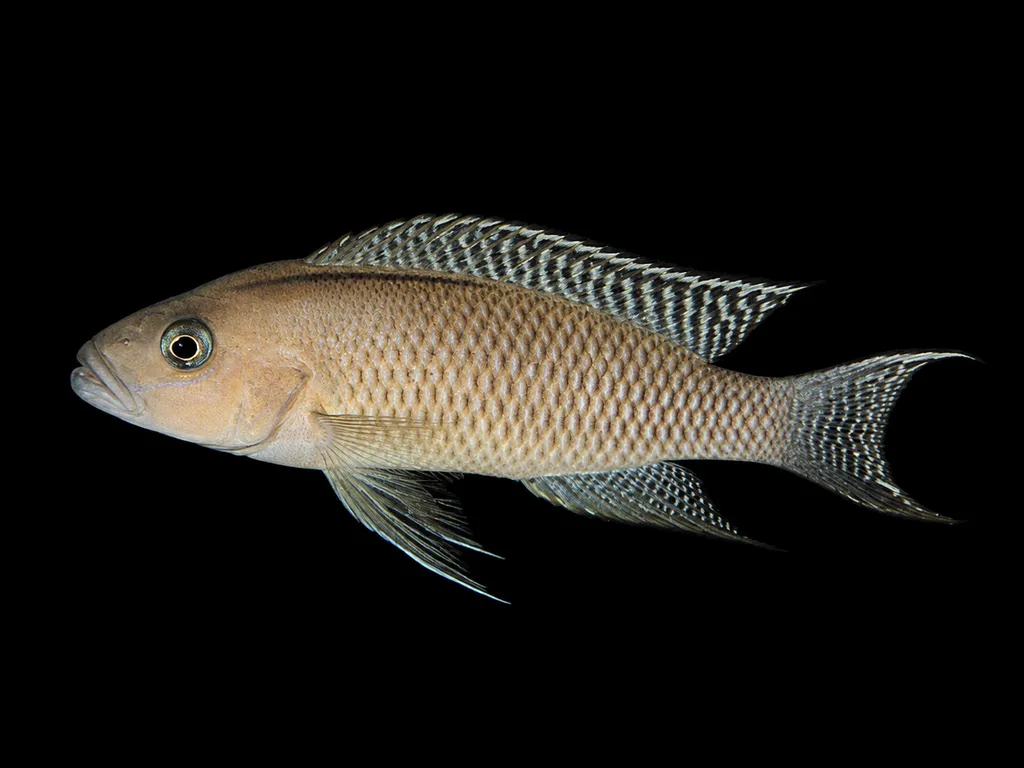
Prognathochromis perrieri
Also known as Haplochromis perrieri
FreshwaterFish
Care at a glance
- Temperature
- 73–81°F
- 23–27°C
- pH
- 7.0–8.5
- Adult size
- 3.1 in
- 8 cm
- Minimum tank
- 42 gal
- 160 L
- Temperament
- Mostly peaceful
- Social behavior
- Social
- Swim level
- Middle
- Diet
- Carnivore
- Difficulty
- Medium
- Breeding
- Mouthbrooder · Medium
- Rarity
- Rare
- Family
- Cichlidae
- Origin
- Lake Victoria
Overview
The Perrieri hap is a small predatory cichlid from Lake Victoria for a group tank with open water. It suits a keeper with a little experience.
Did you know
The Perrieri hap is a survivor from an emptied guild. Its genus once counted dozens of predatory species in Lake Victoria, but introduced Nile perch pushed many of them to the edge. Fish like this one are clinging on partly through aquarium keepers.
Caring for the Perrieri hap
Keep Perrieri haps as a group, typically one male with several females, which spreads his attention and keeps the peace. A group settles into 42 gal (160 L) or more, with open swimming space, a sand floor and rock piles. The rocks break up sightlines and offer retreats.
Keep the water hard and stable, as the great lake fishes prefer. Aim for 73 to 81°F (23 to 27°C) and a mildly alkaline pH of 7.0 to 8.5. Feed meaty foods such as frozen bloodworm, brine shrimp, mysis and a good cichlid pellet.
The Perrieri hap swims in open midwater, hunting small prey. It is mild toward tank mates too large to be eaten. Pair it with other calm Victorian species rather than tiny fish it might snap up.
Like other haplochromines, it is a mouthbrooder, and the female shelters the fertilized eggs and fry inside her mouth. Breeding is of moderate difficulty.
Good to know
The Perrieri hap, Prognathochromis perrieri, is a cichlid of the family Cichlidae. Its genus name describes its jutting lower jaw.
In the wild
The Perrieri hap comes from Lake Victoria in East Africa. There it once ranged over soft bottoms, hunting smaller fish and invertebrates.
Weekly picks
Tank mates
The Perrieri hap is a mostly peaceful, social species that keeps to the middle. These picks share a community profile with it, are safe together in both directions, and overlap on water type, temperature and pH.
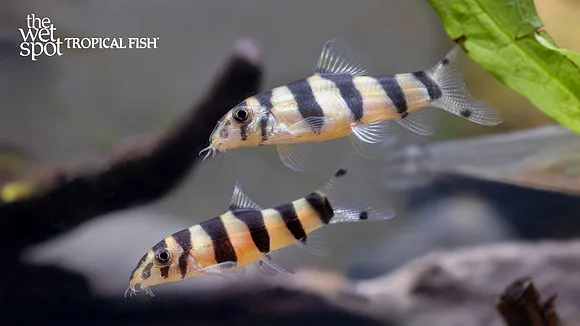
Emperor loach
Botia udomritthiruji
Freshwater5.5 in (14 cm) · 42 gal (160 L)73–82°F (23–28°C)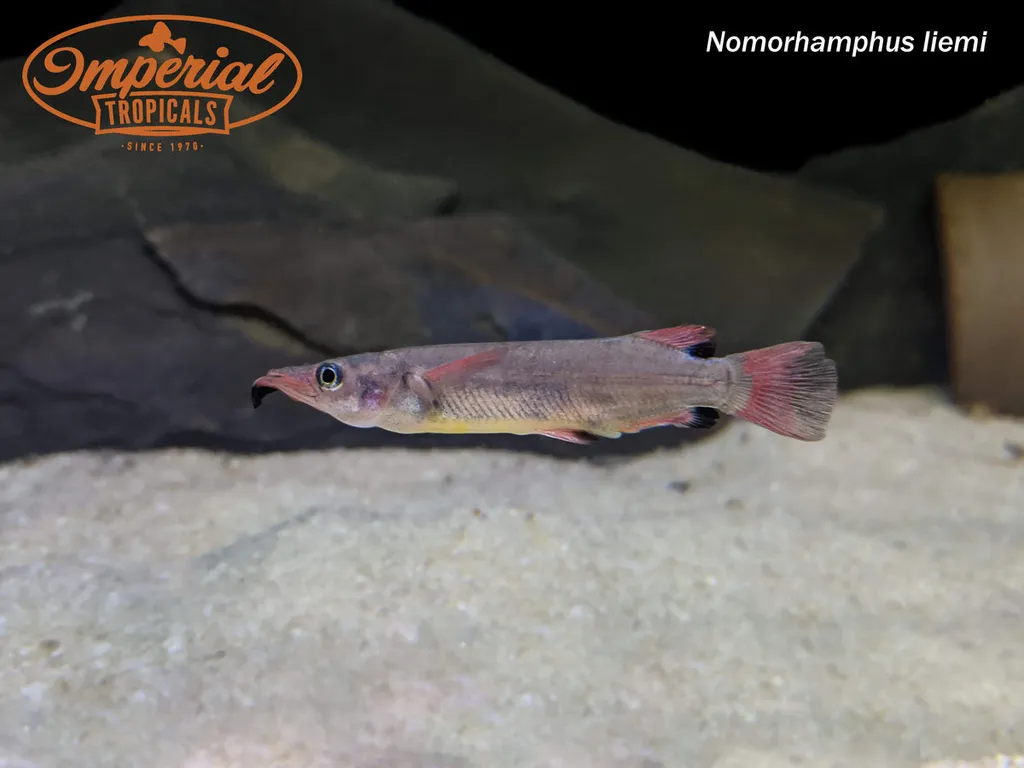
Celebes halfbeak
Nomorhamphus liemi
Freshwater3.5 in (9 cm) · 40 gal (150 L)68–77°F (20–25°C)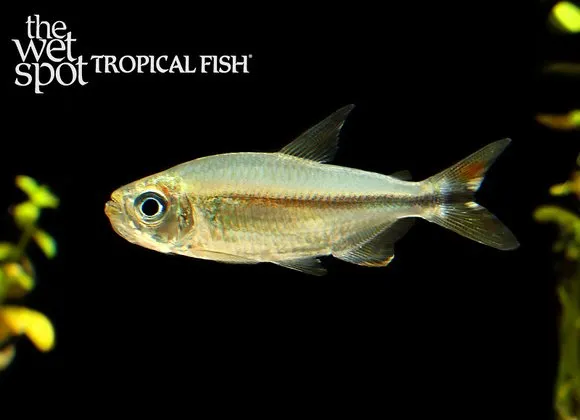
Hilgendorf's Congo tetra
Alestopetersius hilgendorfi
Freshwater3.9 in (10 cm) · 42 gal (160 L)73–81°F (23–27°C)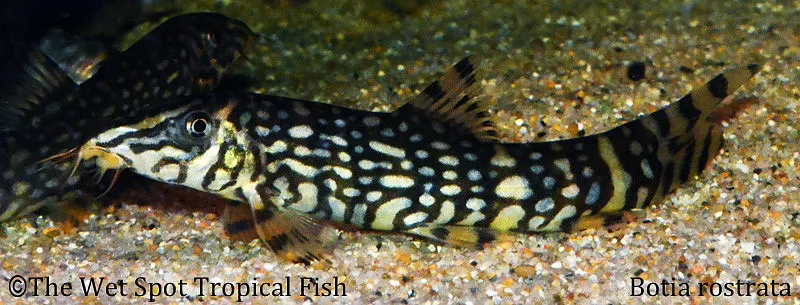
Gangetic loach
Botia rostrata
Freshwater4.7 in (12 cm) · 42 gal (160 L)66–81°F (19–27°C)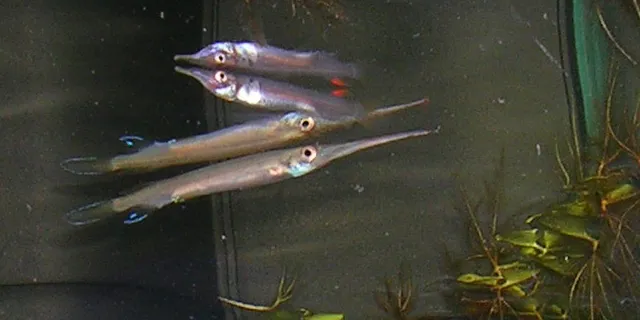
Forest halfbeak
Hemirhamphodon pogonognathus
Freshwater3.5 in (9 cm) · 34 gal (130 L)75–82°F (24–28°C)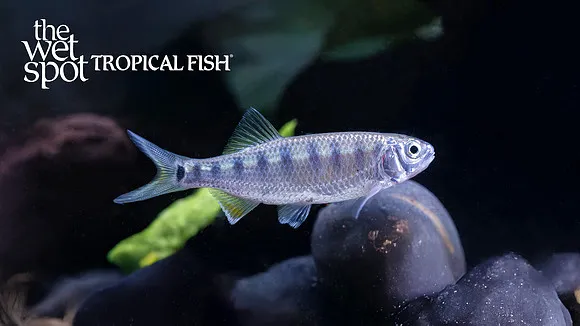
Bernatzik's baril
Opsarius bernatziki
Freshwater4.3 in (11 cm) · 42 gal (160 L)72–81°F (22–27°C)
Common questions
What size tank does a Perrieri hap need?
A Perrieri hap needs at least 42 gal (160 L). It spends most of its time in the middle.
What temperature and pH does a Perrieri hap need?
A Perrieri hap is comfortable at 73–81°F (23–27°C) with a pH of 7.0–8.5.
What does a Perrieri hap eat?
A Perrieri hap eats meaty foods such as frozen bloodworm, brine shrimp and mysis, along with a good cichlid pellet.
How big does a Perrieri hap get?
An adult Perrieri hap reaches about 3.1 in (8 cm).
How does a Perrieri hap breed?
Perrieri haps are mouthbrooders. The female shelters the fertilized eggs and fry inside her mouth, and breeding is of moderate difficulty.
Related species
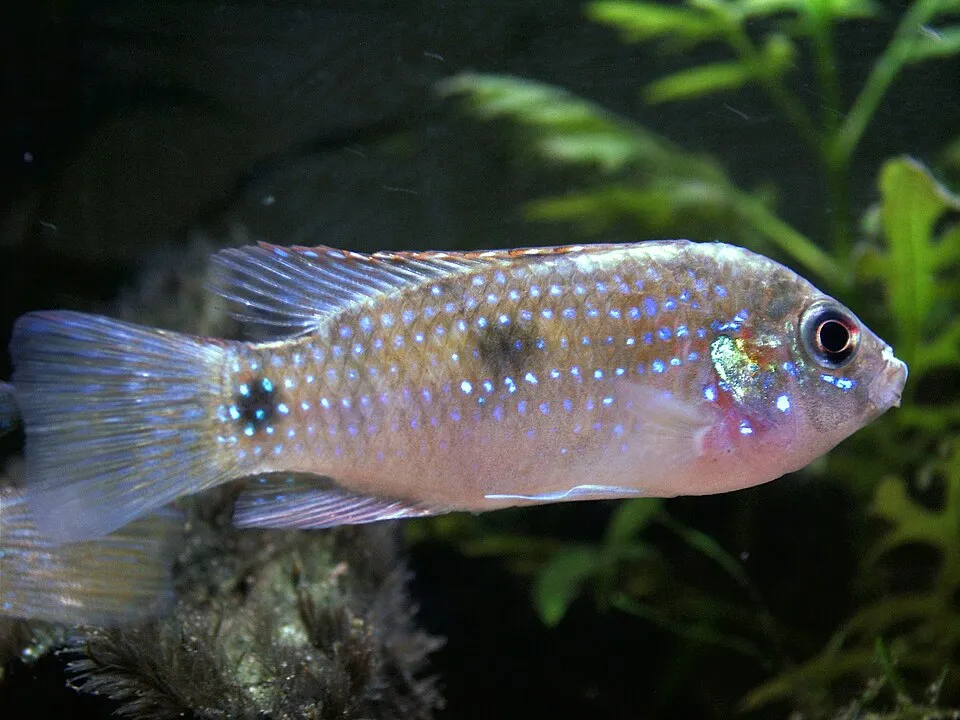 3.1 in (8 cm)25 gal (95 L)73–81°F (23–27°C)
African butterfly cichlid
Anomalochromis thomasi
3.1 in (8 cm) · 25 gal (95 L)
 3.1 in (8 cm)20 gal (75 L)72–79°F (22–26°C)
Egyptian mouthbrooder
Pseudocrenilabrus multicolor
3.1 in (8 cm) · 20 gal (75 L)
 3.1 in (8 cm)42 gal (160 L)75–81°F (24–27°C)
Falcicula cichlid
Neolamprologus falcicula
3.1 in (8 cm) · 42 gal (160 L)
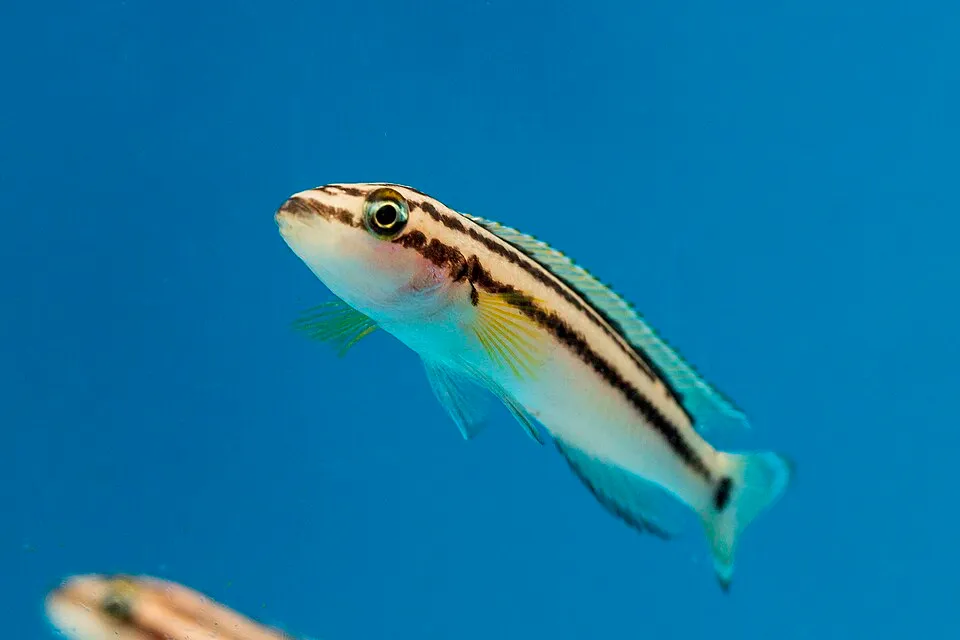 3.1 in (8 cm)18 gal (70 L)73–81°F (23–27°C)
Golden julie
Julidochromis ornatus
3.1 in (8 cm) · 18 gal (70 L)
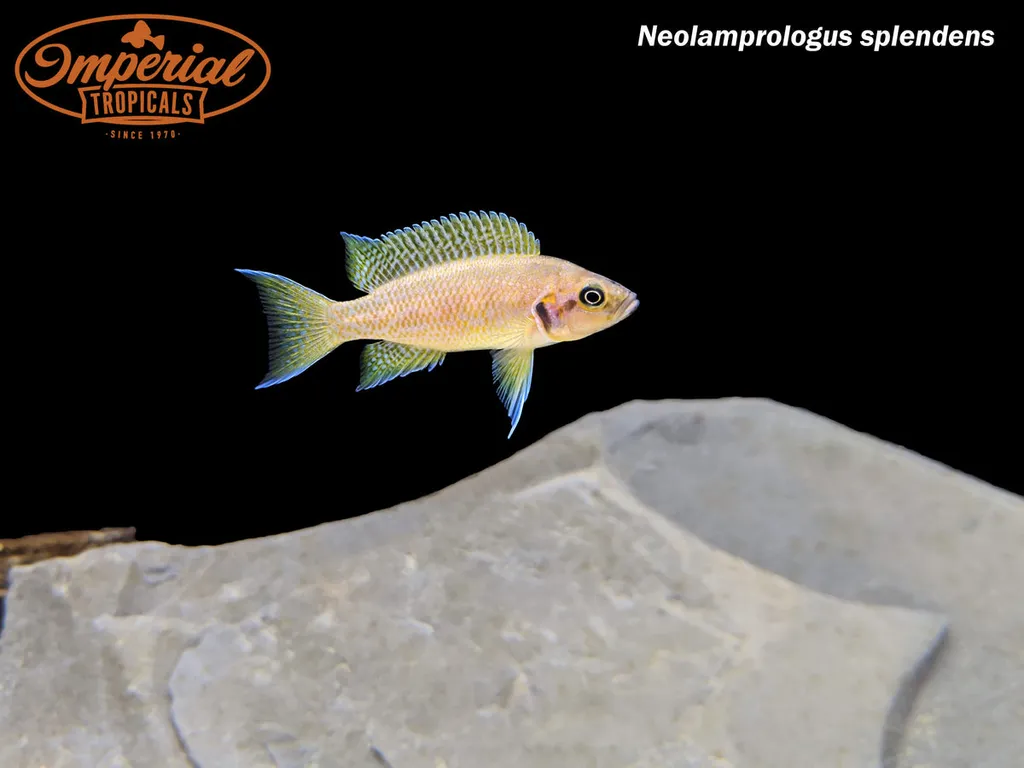 3.1 in (8 cm)42 gal (160 L)75–81°F (24–27°C)
Splendid lamprologus
Neolamprologus splendens
3.1 in (8 cm) · 42 gal (160 L)
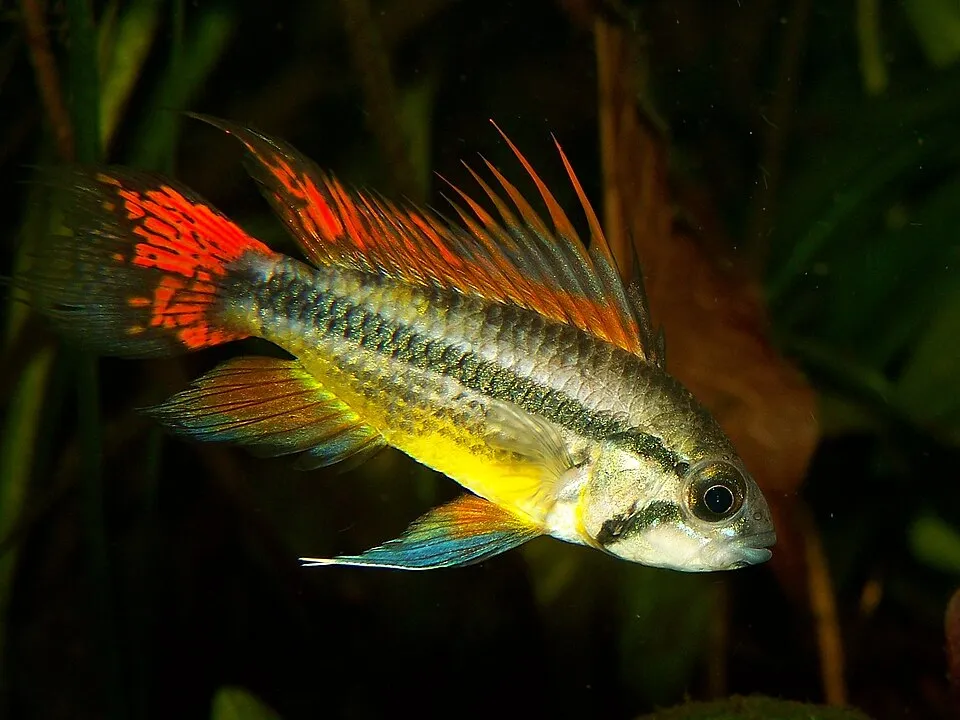 3 in (7.5 cm)18 gal (70 L)72–84°F (22–29°C)
Cockatoo cichlid
Apistogramma cacatuoides
3 in (7.5 cm) · 18 gal (70 L)