Flameback cichlid
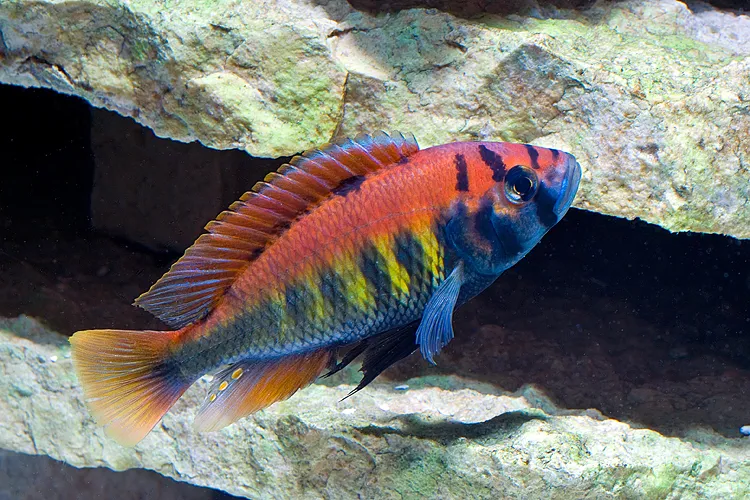
Pundamilia nyererei
FreshwaterFish
Care at a glance
- Temperature
- 73–81°F
- 23–27°C
- pH
- 7.0–8.5
- Adult size
- 3.5 in
- 9 cm
- Minimum tank
- 42 gal
- 160 L
- Temperament
- Mostly peaceful
- Social behavior
- Social
- Swim level
- Middle
- Difficulty
- Medium
- Breeding
- Hard
- Rarity
- Rare
- Family
- Cichlidae
- Origin
- Lake Victoria
Overview
Males are territorial, especially when breeding, so give them a 160 liter tank or larger with broken sightlines among rocks. House one male with several females to spread out his attention. They are middle-dwelling fish that feed on small invertebrates and algae in the wild, and they take quality pellets plus live or frozen foods in a tank. Keep them with other Lake Victoria cichlids rather than mixing in lookalikes.
In the wild
Pundamilia nyererei lives along the rocky shorelines of Lake Victoria, usually in shallow water from about 1 to 4 meters down. The rocks give it territory and cover. To match that, build a tank with plenty of rockwork and caves, hard alkaline water, and a pH up in the 7 to 8.5 range. The rocky structure is what lets males set up and defend their patches.
Good to know
This is a haplochromine cichlid in the family Cichlidae, with males reaching around 9 cm. It is a maternal mouthbrooder, and breeding is on the harder side. The species is considered vulnerable, hit by habitat loss and the introduced Nile perch that reshaped Lake Victoria's fish community. It also comes in several geographic color forms across the lake.
Did you know
Females pick mates partly by the male's red coloration, and in clear water that choice keeps the species distinct from its close relatives. When the lake turned murky from pollution, females had trouble telling the colors apart, and different species started interbreeding. It is a textbook case of how water clarity can affect which fish stay separate.
Weekly picks
Tank mates
Flameback cichlid is a mostly peaceful, social species that keeps to the middle. These picks share a community profile with it, are safe together in both directions, and overlap on water type, temperature and pH.
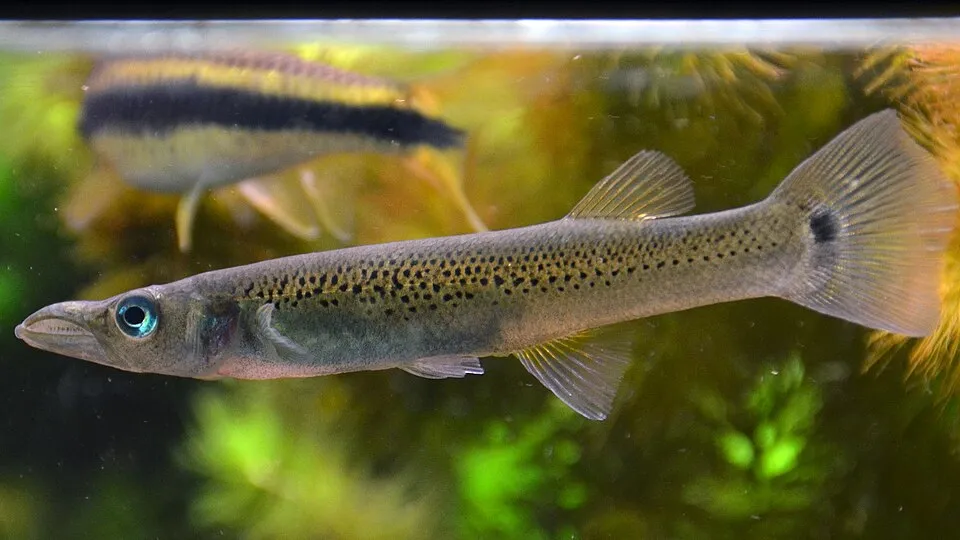
Pike topminnow
Belonesox belizanus
Freshwater7.9 in (20 cm) · 44 gal (165 L)73–82°F (23–28°C)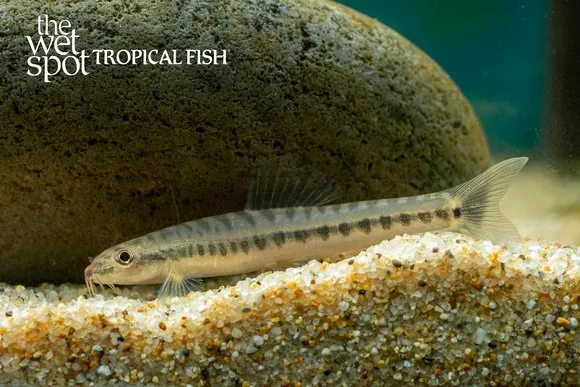
Arrow loach
Nemacheilus masyae
Freshwater6.3 in (16 cm) · 42 gal (160 L)72–81°F (22–27°C)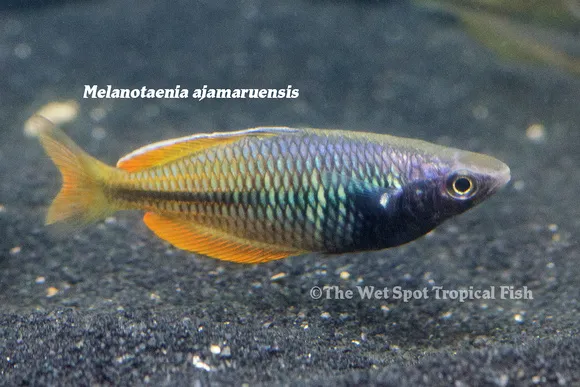
Ajamaru Lakes rainbowfish
Melanotaenia ajamaruensis
Freshwater4.3 in (11 cm) · 42 gal (160 L)75–84°F (24–29°C)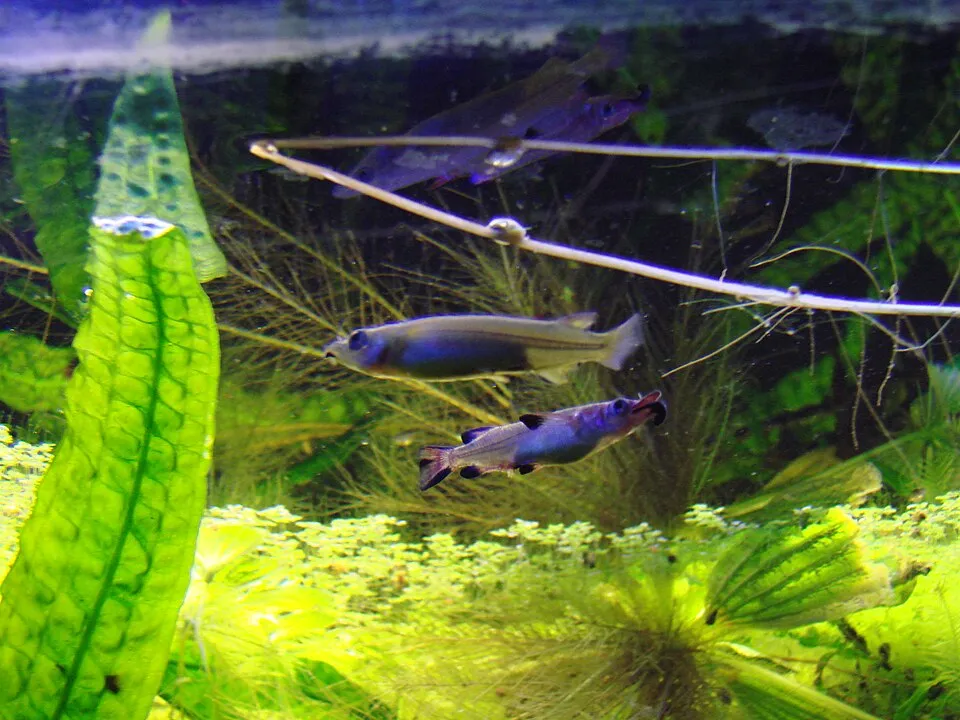
Celebes halfbeak
Nomorhamphus liemi
Freshwater3.5 in (9 cm) · 40 gal (150 L)68–77°F (20–25°C)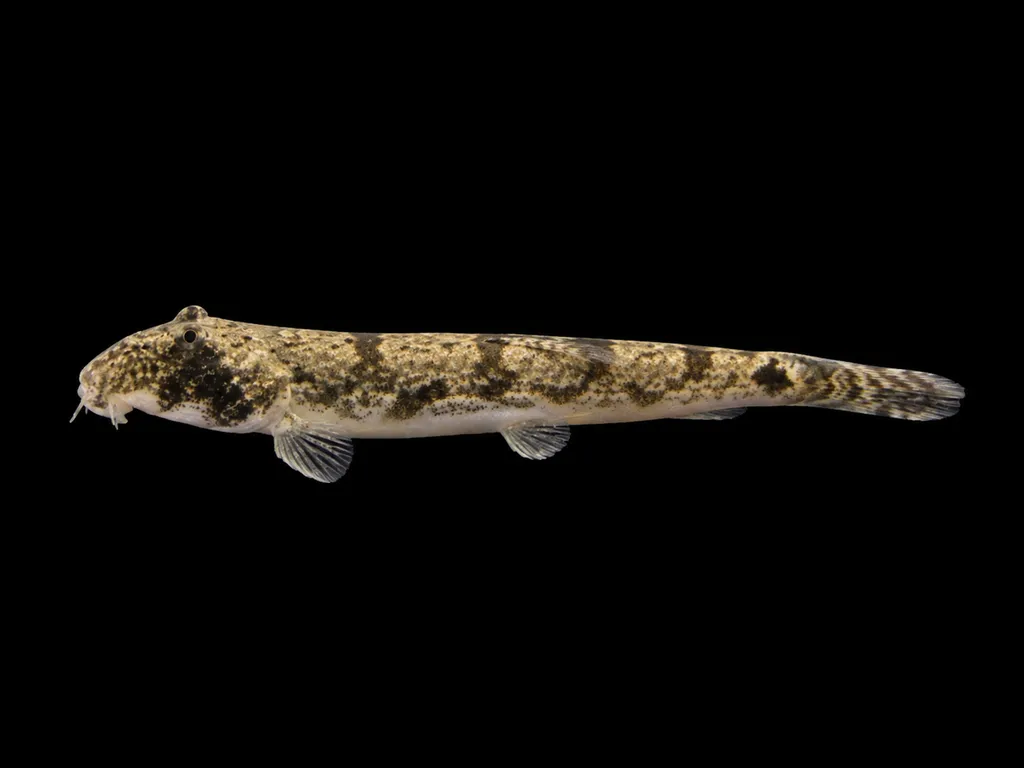
Gongota loach
Canthophrys gongota
Freshwater5.1 in (13 cm) · 42 gal (160 L)70–81°F (21–27°C)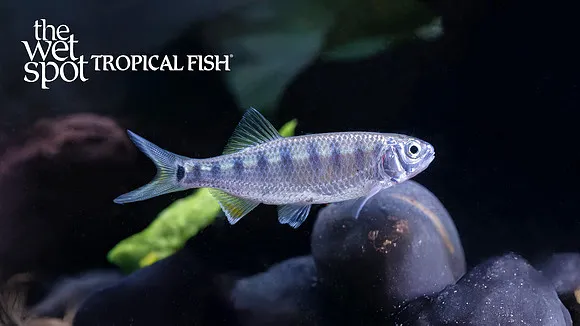
Bernatzik's baril
Opsarius bernatziki
Freshwater4.3 in (11 cm) · 42 gal (160 L)72–81°F (22–27°C)
Common questions
What size tank does a Flameback cichlid need?
A Flameback cichlid needs at least 42 gal (160 L). It spends most of its time in the middle.
What temperature and pH does a Flameback cichlid need?
A Flameback cichlid is comfortable at 73–81°F (23–27°C) with a pH of 7.0–8.5.
How big does a Flameback cichlid get?
An adult Flameback cichlid reaches about 3.5 in (9 cm).
Related species
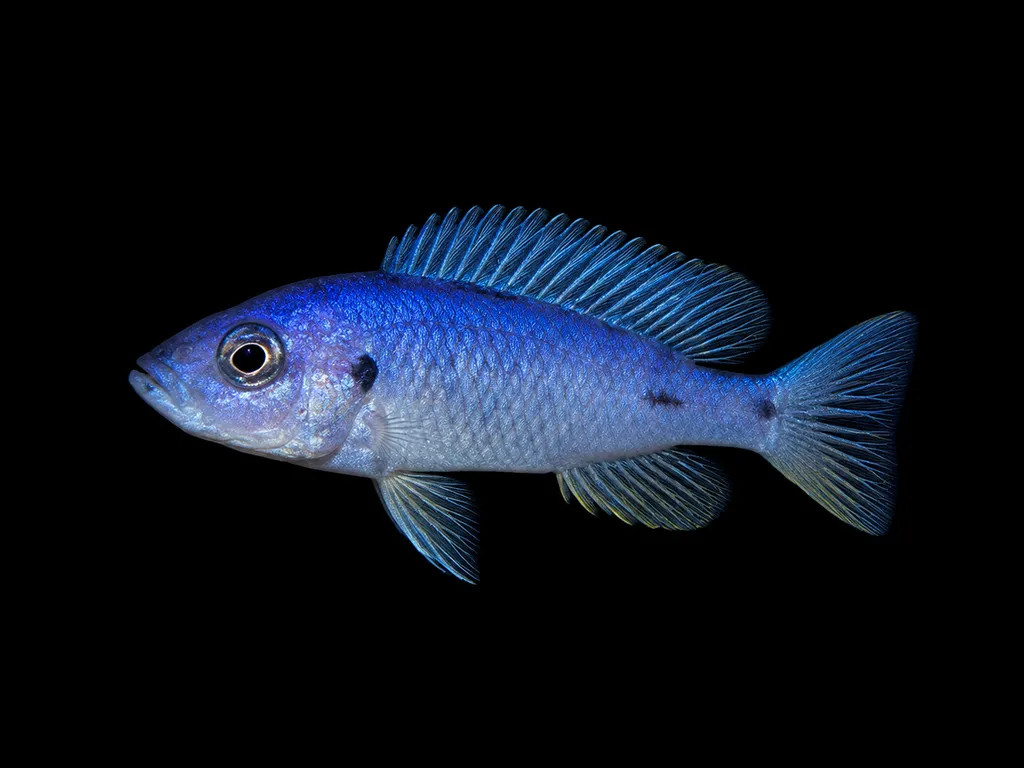 4.7 in (12 cm)53 gal (200 L)73–81°F (23–27°C)
Blue nyererei
Pundamilia azurea
4.7 in (12 cm) · 53 gal (200 L)
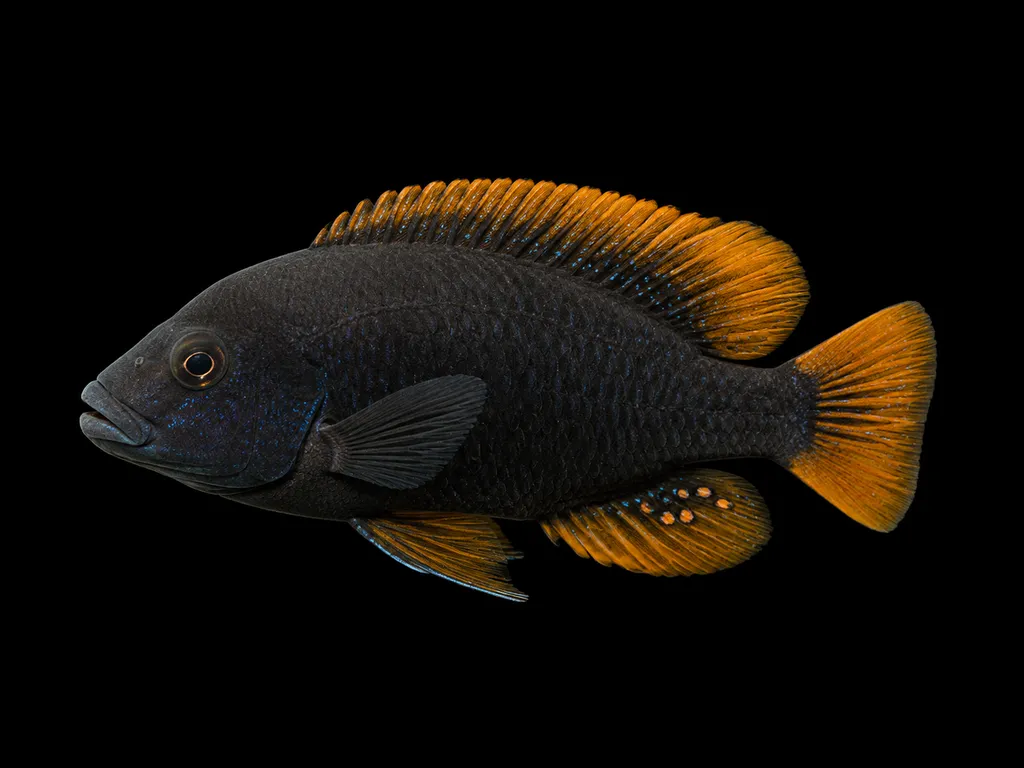 5.1 in (13 cm)53 gal (200 L)73–81°F (23–27°C)
Black and orange nyererei
Pundamilia igneopinnis
5.1 in (13 cm) · 53 gal (200 L)
- 5.9 in (15 cm)53 gal (200 L)73–81°F (23–27°C)
Zebra nyererei
Pundamilia pundamilia
5.9 in (15 cm) · 53 gal (200 L)
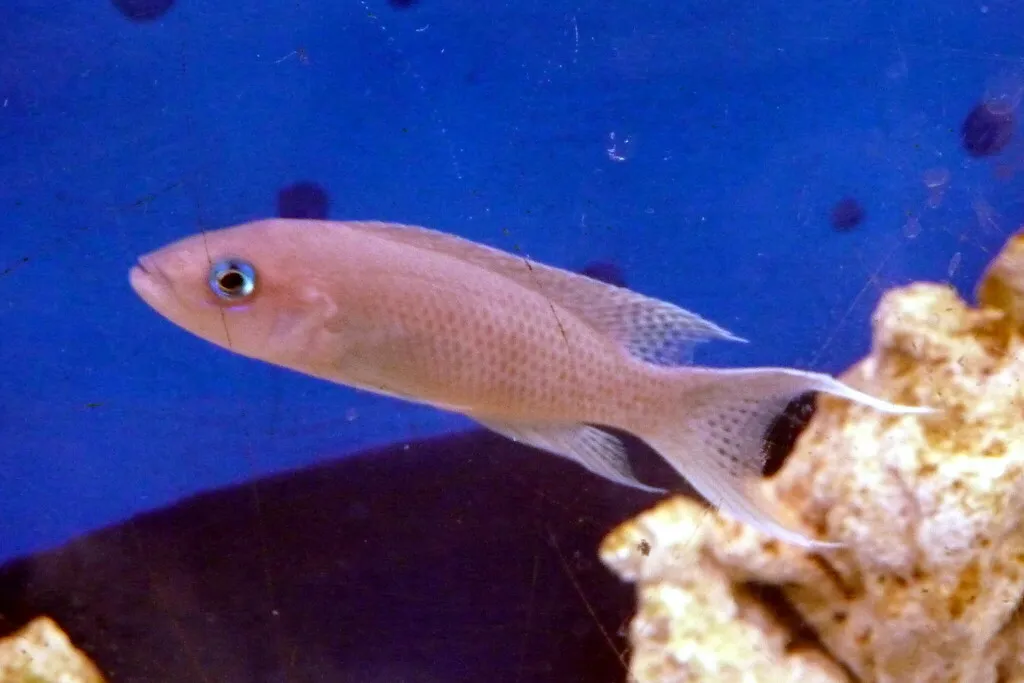 3.5 in (9 cm)42 gal (160 L)75–81°F (24–27°C)
Graceful lamprologus
Neolamprologus gracilis
3.5 in (9 cm) · 42 gal (160 L)
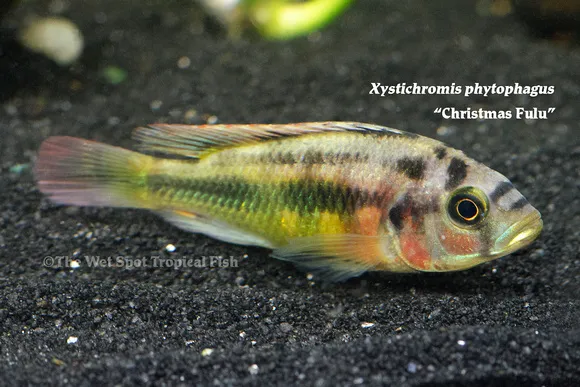 3.9 in (10 cm)53 gal (200 L)73–81°F (23–27°C)
Christmas fulu
Xystichromis phytophagus
3.9 in (10 cm) · 53 gal (200 L)
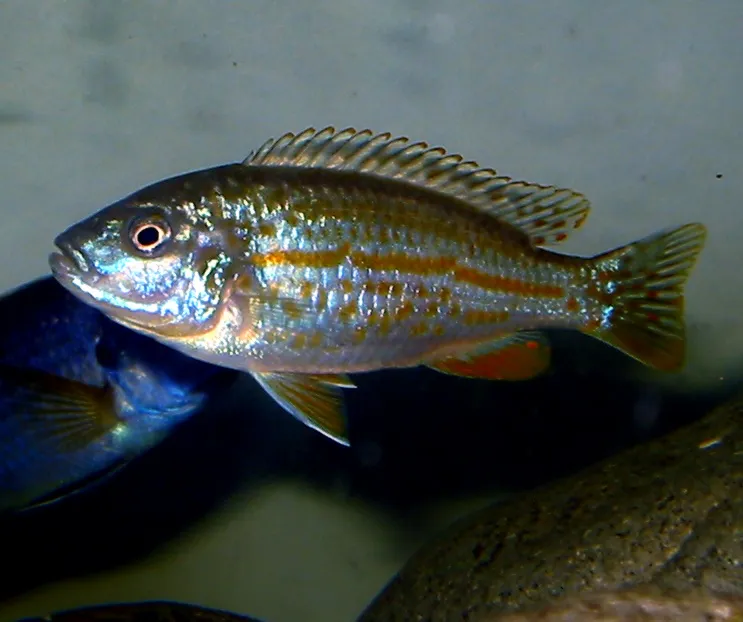 3.9 in (10 cm)45 gal (170 L)75–81°F (24–27°C)
Pearl of Likoma
Melanochromis joanjohnsonae
3.9 in (10 cm) · 45 gal (170 L)