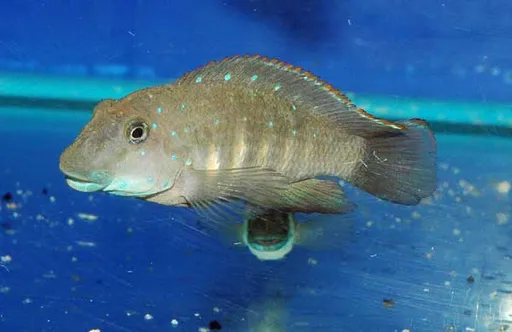
Mwanza dung hap
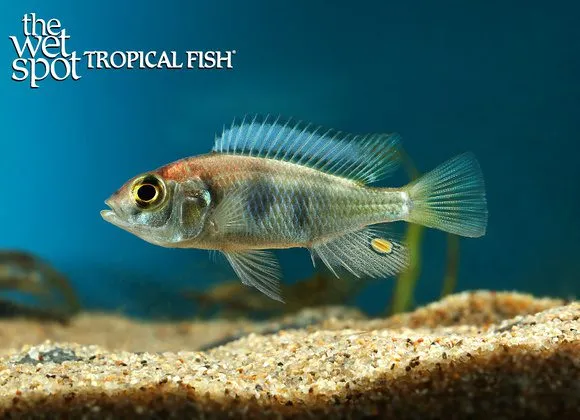
Enterochromis coprologus
Also known as Haplochromis coprologus
FreshwaterFish
Care at a glance
- Temperature
- 73–81°F
- 23–27°C
- pH
- 7.0–8.5
- Adult size
- 3.5 in
- 9 cm
- Minimum tank
- 42 gal
- 160 L
- Temperament
- Mostly peaceful
- Social behavior
- Social
- Swim level
- Bottom
- Diet
- Omnivore
- Difficulty
- Medium
- Breeding
- Mouthbrooder · Medium
- Rarity
- Rare
- Family
- Cichlidae
- Origin
- Lake Victoria, Mwanza Gulf
Overview
The Mwanza dung hap is a modest, social bottom-feeder from Lake Victoria that suits a tank of calm cichlids. It is a fish for a keeper with some experience.
Did you know
The Mwanza dung hap's species name, coprologus, comes from the Greek for gathering dung. It was chosen bluntly, for a fish that makes its living sifting detritus.
Caring for the Mwanza dung hap
Give a group of Mwanza dung haps at least 42 gal (160 L). Lay a fine sand bed they can sort through, and add some rock or wood for shelter and some cover along the back.
Keep the water warm and hardish, at 73 to 81°F (23 to 27°C) and a pH of 7.0 to 8.5. It works the floor, sifting the sand for detritus, diatoms and tiny invertebrates. Feed ordinary sinking foods such as pellets and flake, plus small frozen items like bloodworm and daphnia.
Keep it as a group, usually one male with several females. It is mostly peaceful and mixes well with other calm cichlids that share its water needs.
Like other haplochromines, it is a maternal mouthbrooder. The female incubates the eggs and then the fry in her mouth before releasing them to fend for themselves. It is moderately difficult to breed.
Good to know
The Mwanza dung hap, Enterochromis coprologus, belongs to the cichlid family. It was described in 2010, one of seven new detritus-feeding and plankton-feeding haplochromines named from Lake Victoria in a single study.
In the wild
The Mwanza dung hap lives in the Mwanza Gulf of Lake Victoria, over soft, organic-rich floors in the sublittoral zone. The lake is warm, and its water runs neutral to alkaline and moderately hard.
Weekly picks
Tank mates
The Mwanza dung hap is a mostly peaceful, social species that keeps to the bottom. These picks share a community profile with it, are safe together in both directions, and overlap on water type, temperature and pH.
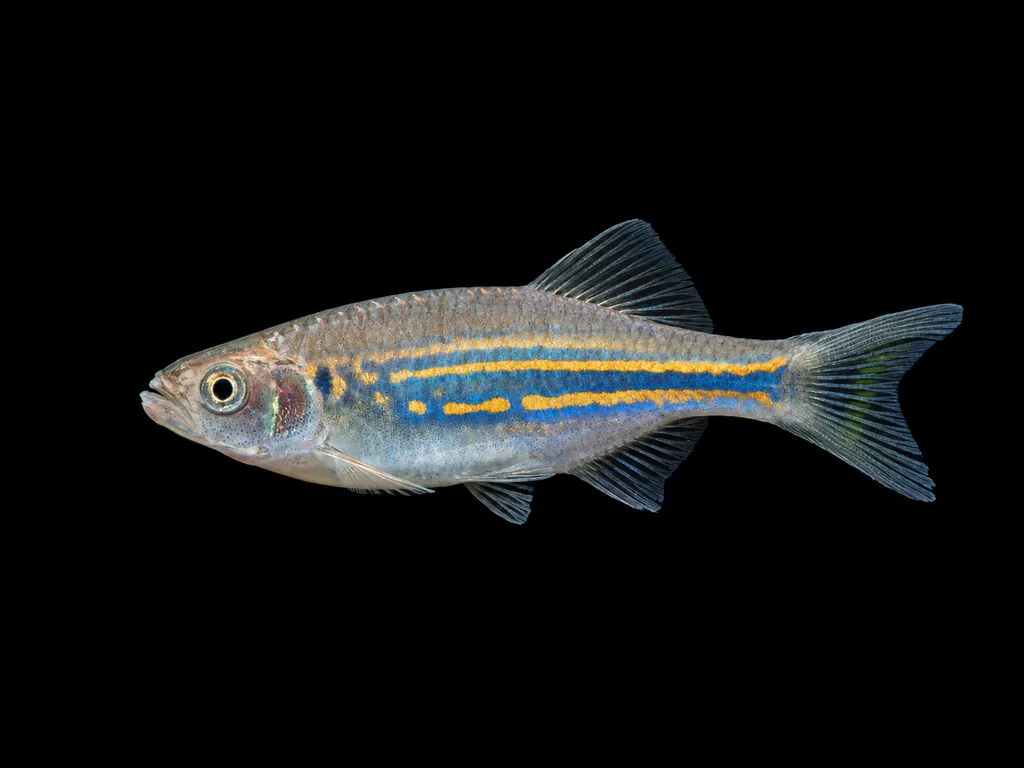
Laos giant danio
Devario acrostomus
Freshwater4.4 in (11.3 cm) · 42 gal (160 L)72–81°F (22–27°C)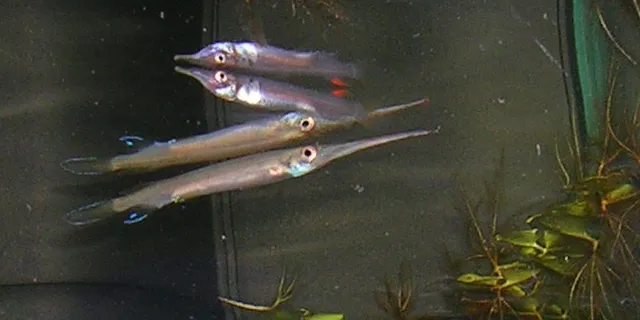
Forest halfbeak
Hemirhamphodon pogonognathus
Freshwater3.5 in (9 cm) · 34 gal (130 L)75–82°F (24–28°C)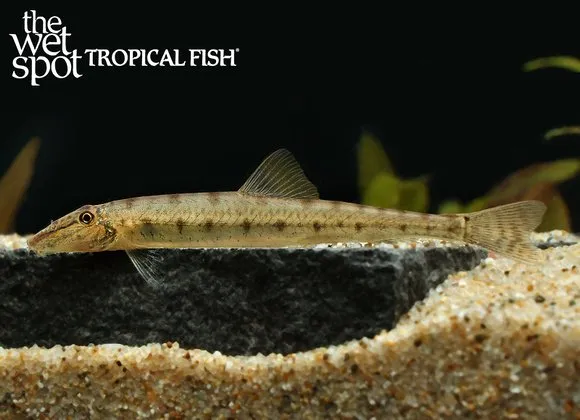
Slender horseface loach
Acantopsis ioa
Freshwater6.3 in (16 cm) · 42 gal (160 L)72–81°F (22–27°C)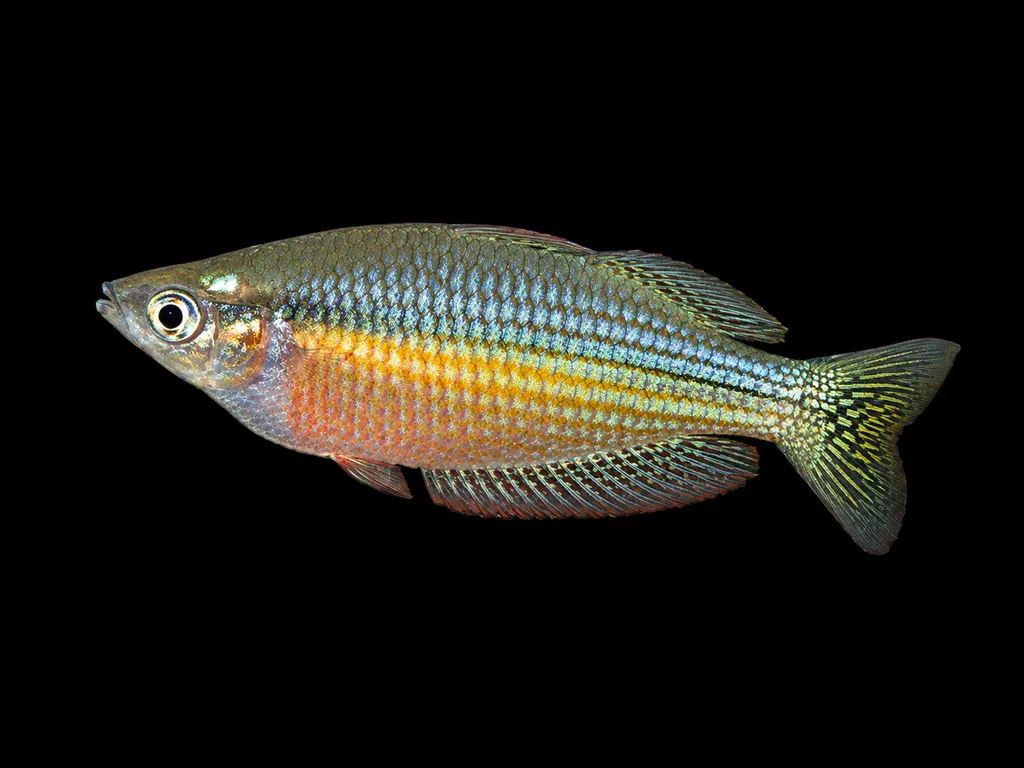
Desert rainbowfish
Melanotaenia splendida tatei
Freshwater3.9 in (10 cm) · 42 gal (160 L)64–86°F (18–30°C)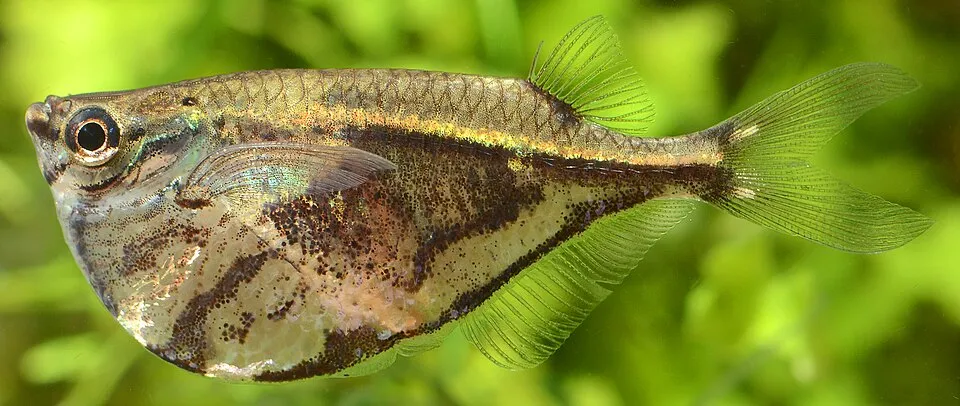
Marbled hatchetfish
Carnegiella strigata
Freshwater1.6 in (4 cm) · 32 gal (120 L)68–82°F (20–28°C)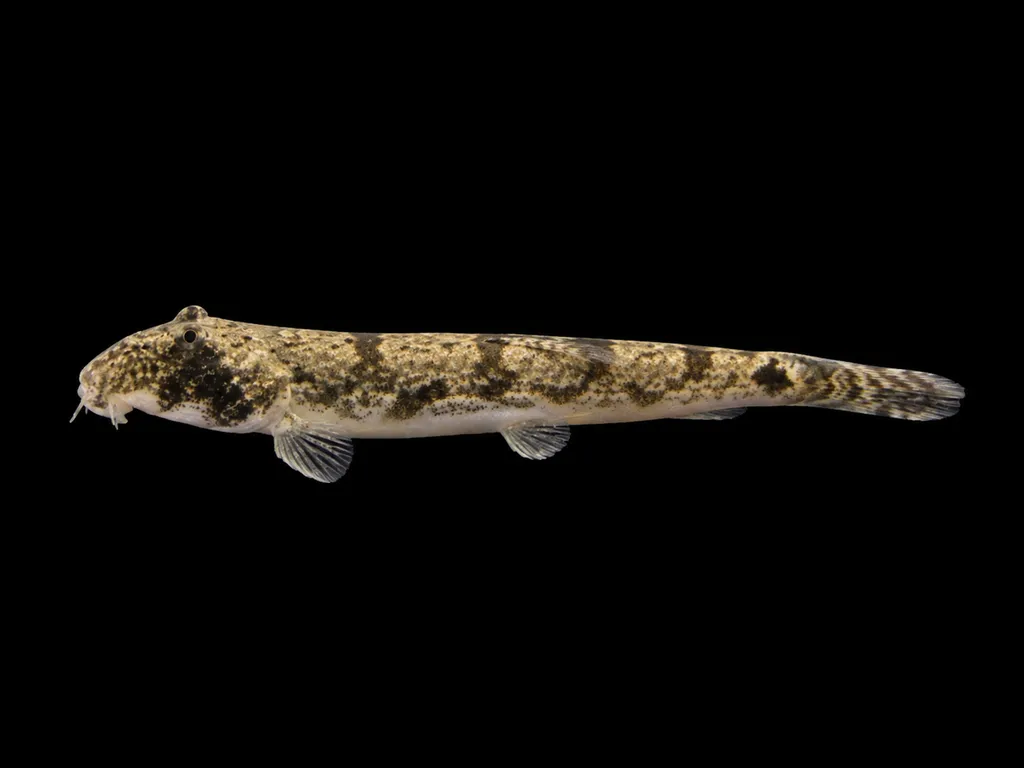
Gongota loach
Canthophrys gongota
Freshwater5.1 in (13 cm) · 42 gal (160 L)70–81°F (21–27°C)
Common questions
What size tank does a Mwanza dung hap need?
A Mwanza dung hap needs at least 42 gal (160 L). It spends most of its time in the bottom.
What temperature and pH does a Mwanza dung hap need?
A Mwanza dung hap is comfortable at 73–81°F (23–27°C) with a pH of 7.0–8.5.
What does a Mwanza dung hap eat?
A Mwanza dung hap sifts the sand for detritus, diatoms and tiny invertebrates. In the tank it takes ordinary sinking foods such as pellets and flake, plus small frozen bloodworm and daphnia.
How big does a Mwanza dung hap get?
An adult Mwanza dung hap reaches about 3.5 in (9 cm).
How does a Mwanza dung hap breed?
A Mwanza dung hap is a maternal mouthbrooder. The female keeps the eggs, and later the fry, in her mouth until she releases them to fend for themselves. Breeding it is moderately difficult.
Related species
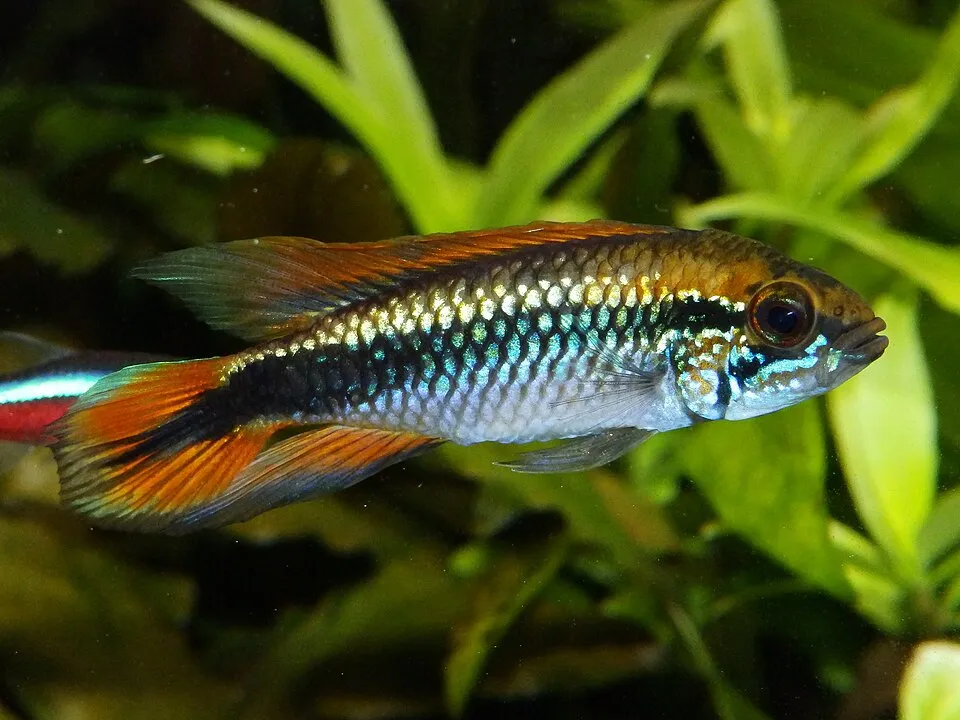 3.5 in (9 cm)20 gal (75 L)72–84°F (22–29°C)
Agassiz's dwarf cichlid
Apistogramma agassizii
3.5 in (9 cm) · 20 gal (75 L)
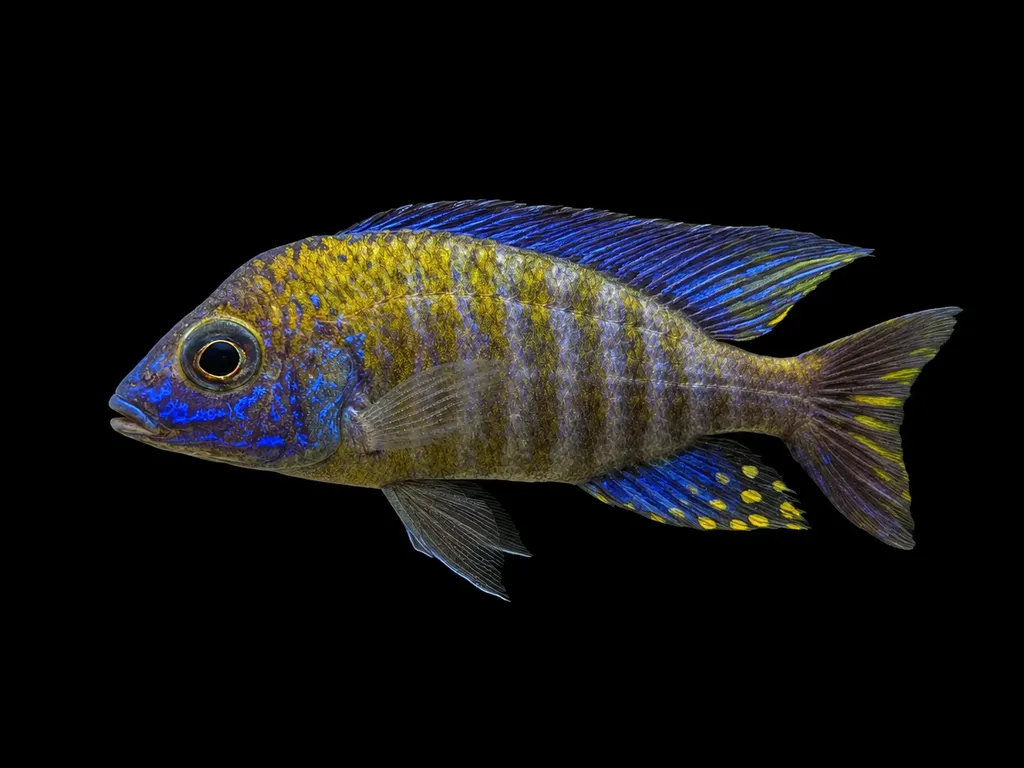 3.5 in (9 cm)63 gal (240 L)75–81°F (24–27°C)
Chitande aulonocara
Aulonocara ethelwynnae
3.5 in (9 cm) · 63 gal (240 L)
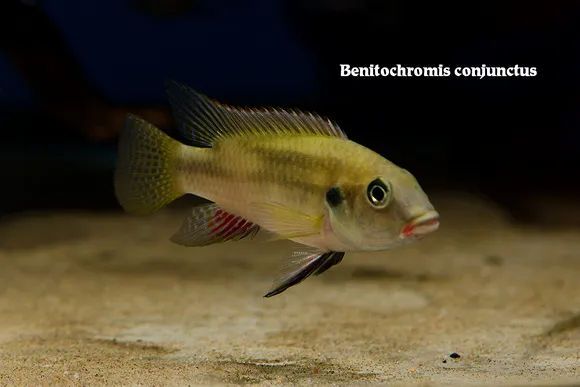 3.5 in (9 cm)42 gal (160 L)73–81°F (23–27°C)
Conjunctus benitochromis
Benitochromis conjunctus
3.5 in (9 cm) · 42 gal (160 L)
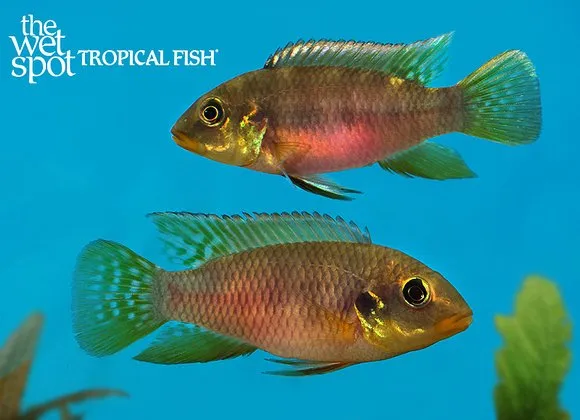 3.5 in (9 cm)42 gal (160 L)73–81°F (23–27°C)
Rio Muni benitochromis
Benitochromis riomuniensis
3.5 in (9 cm) · 42 gal (160 L)
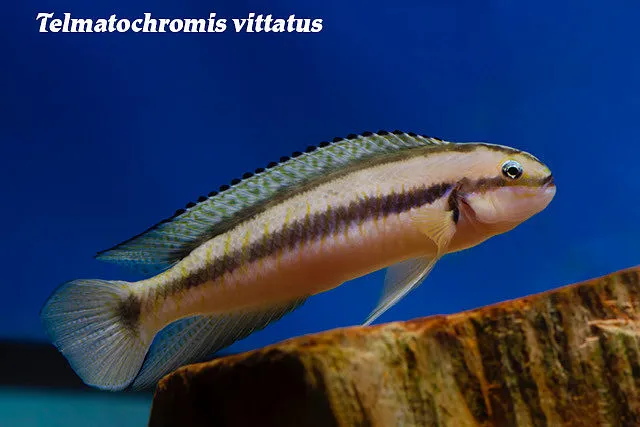 3.5 in (9 cm)20 gal (75 L)75–81°F (24–27°C)
Striped telmatochromis
Telmatochromis vittatus
3.5 in (9 cm) · 20 gal (75 L)
 3.5 in (9 cm)29 gal (110 L)75–81°F (24–27°C)
Tanganyika clown
Eretmodus cyanostictus
3.5 in (9 cm) · 29 gal (110 L)